

Tested Applications
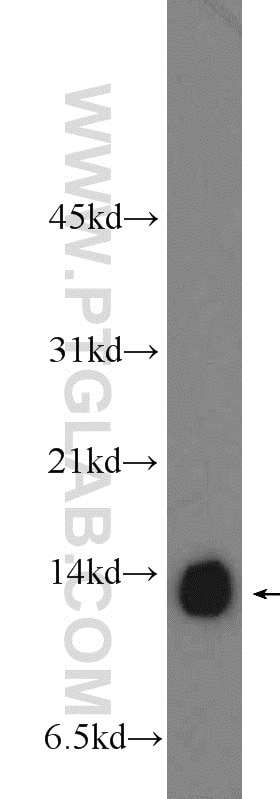
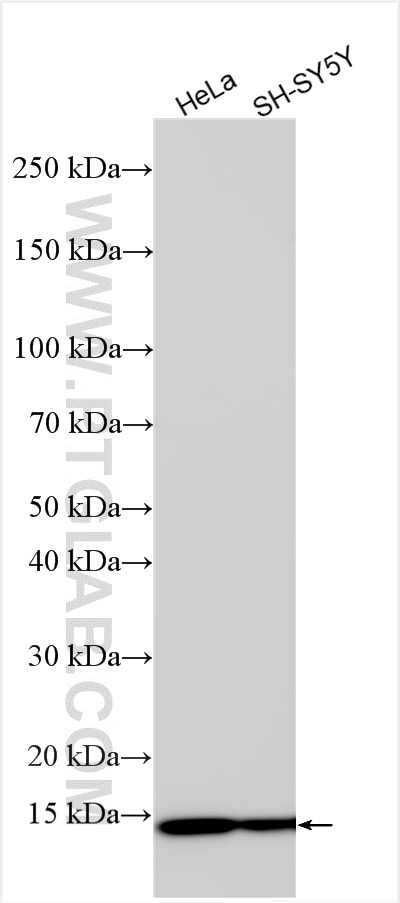
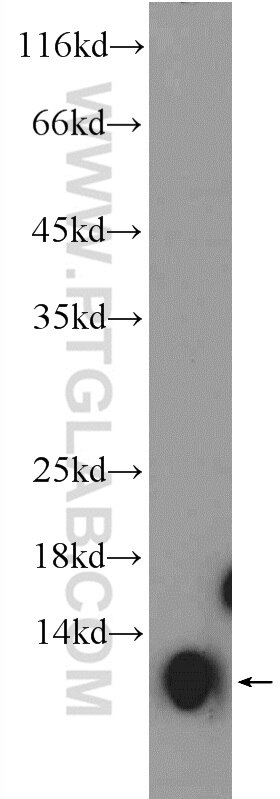
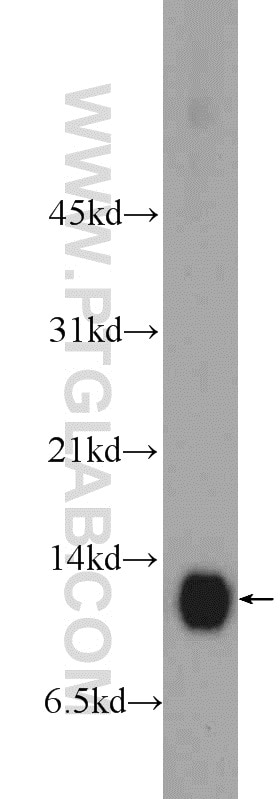
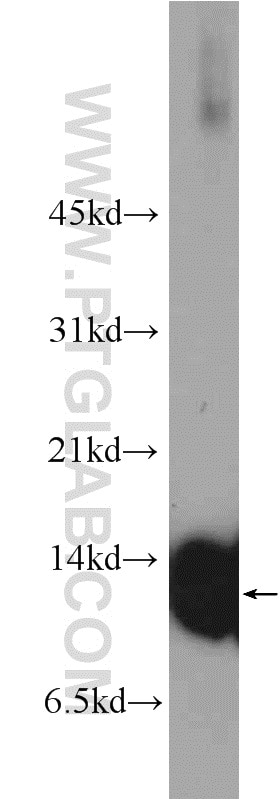
| Positive WB detected in | mouse brain tissue, HeLa cells, rat brain tissue, SH-SY5Y cells |
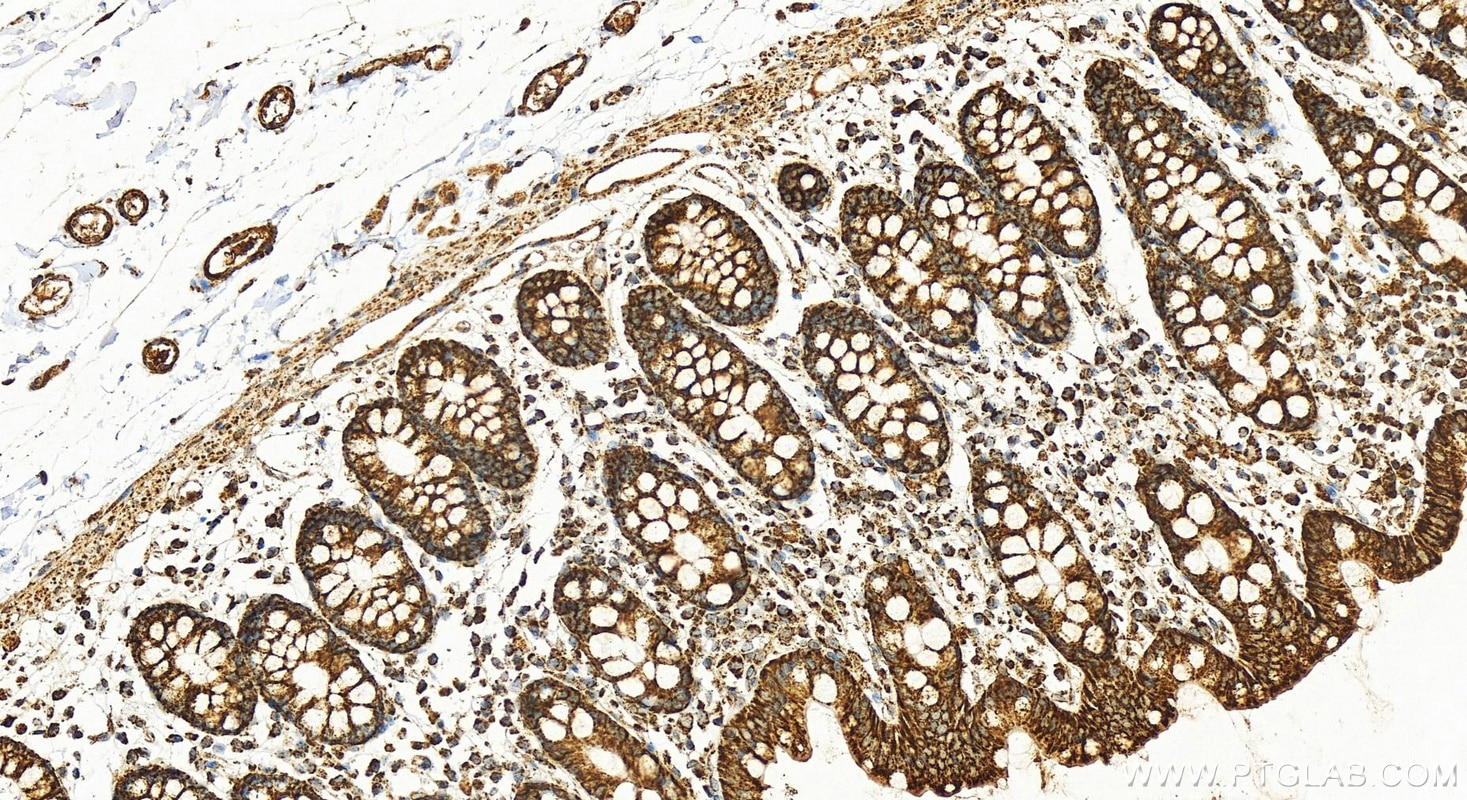
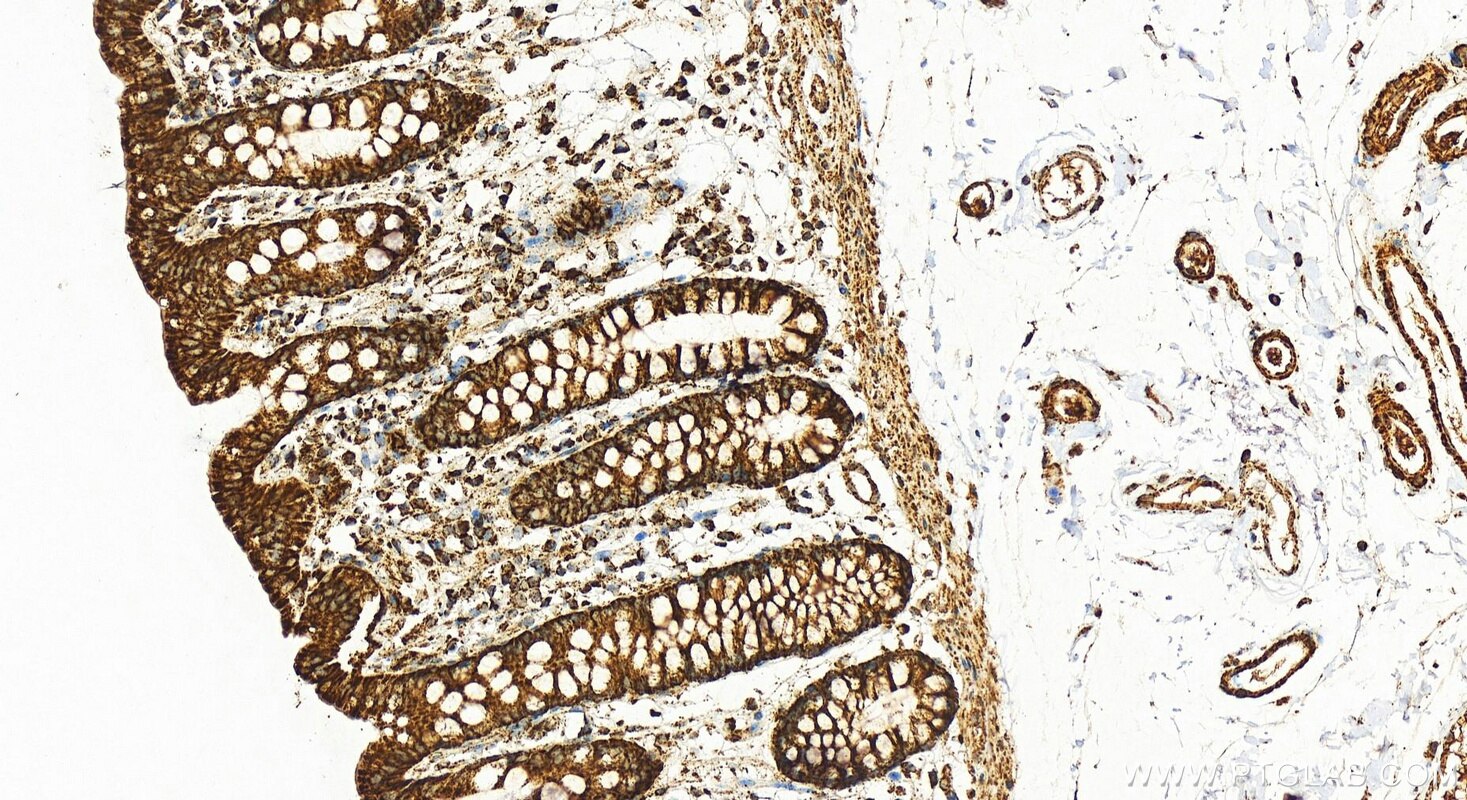
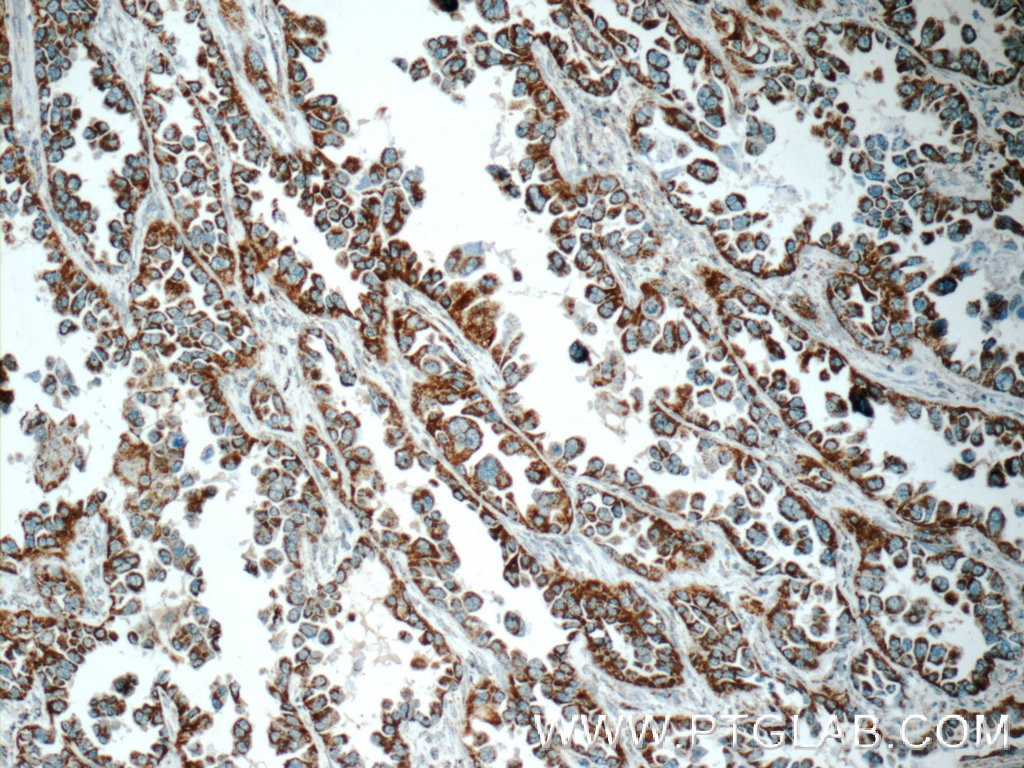
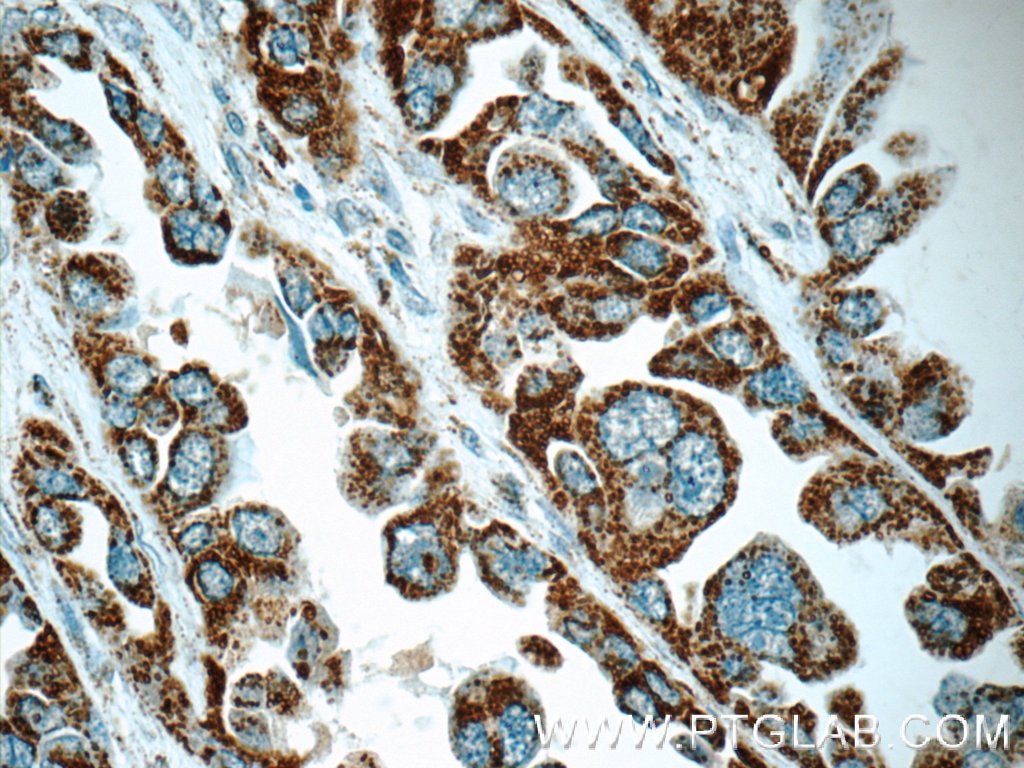
| Positive IHC detected in | human colon tissue, human lung cancer tissue Note: suggested antigen retrieval with TE buffer pH 9.0; (*) Alternatively, antigen retrieval may be performed with citrate buffer pH 6.0 |
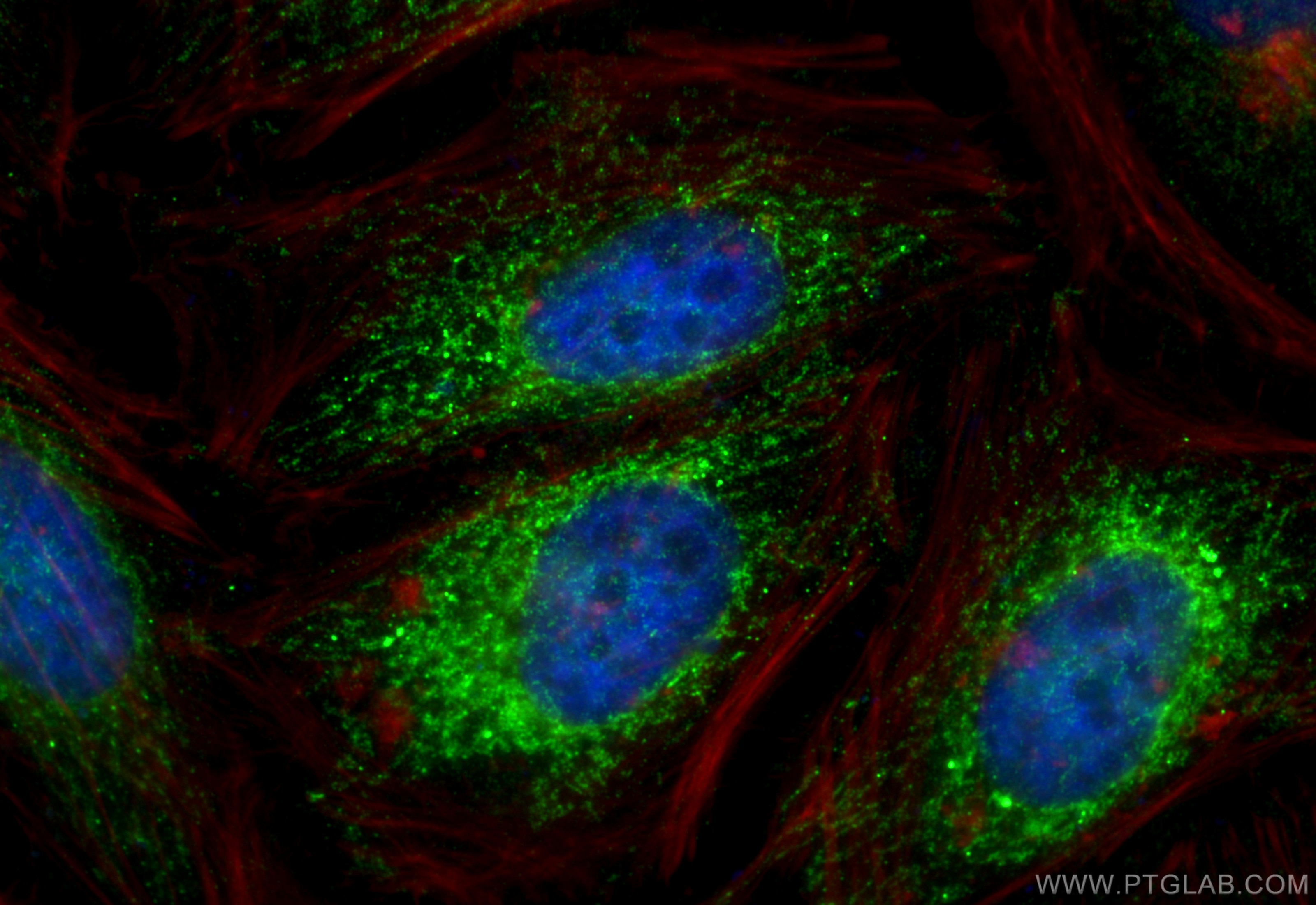
| Positive IF/ICC detected in | HeLa cells |
Recommended dilution
| Application | Dilution |
|---|---|
| Western Blot (WB) | WB : 1:500-1:5000 |
| Immunohistochemistry (IHC) | IHC : 1:50-1:500 |
| Immunofluorescence (IF)/ICC | IF/ICC : 1:200-1:800 |
| It is recommended that this reagent should be titrated in each testing system to obtain optimal results. | |
| Sample-dependent, Check data in validation data gallery. | |
Product Information
11448-1-AP targets COX5A in WB, IHC, IF/ICC, ELISA applications and shows reactivity with human, mouse, rat samples.
| Tested Reactivity | human, mouse, rat |
| Cited Reactivity | human, mouse, rat, pig, monkey, zebrafish, chimpanzee |
| Host / Isotype | Rabbit / IgG |
| Class | Polyclonal |
| Type | Antibody |
| Immunogen |
CatNo: Ag2005 Product name: Recombinant human COX5A protein Source: e coli.-derived, PGEX-4T Tag: GST Domain: 1-150 aa of BC024240 Sequence: MLGAALRRCAVAATTRADPRGLLHSARTPGPAVAIQSVRCYSHGSQETDEEFDARWVTYFNKPDIDAWELRKGINTLVTYDMVPEPKIIDAALRACRRLNDFASTVRILEVVKDKAGPHKEIYPYVIQELRPTLNELGISTPEELGLDKV Predict reactive species |
| Full Name | cytochrome c oxidase subunit Va |
| Calculated Molecular Weight | 150 aa, 17 kDa |
| Observed Molecular Weight | 13 kDa |
| GenBank Accession Number | BC024240 |
| Gene Symbol | COX5A |
| Gene ID (NCBI) | 9377 |
| RRID | AB_2085429 |
| Conjugate | Unconjugated |
| Form | Liquid |
| Purification Method | Antigen affinity purification |
| UNIPROT ID | P20674 |
| Storage Buffer | PBS with 0.02% sodium azide and 50% glycerol, pH 7.3. |
| Storage Conditions | Store at -20°C. Stable for one year after shipment. Aliquoting is unnecessary for -20oC storage. 20ul sizes contain 0.1% BSA. |
Background Information
COX5A(Cytochrome c oxidase subunit 5A, mitochondrial)is also named COXVA and belongs to the cytochrome c oxidase subunit 5A family. This is the heme A-containing chain of cytochrome c oxidase, the terminal oxidase in mitochondrial electron transport. The mature human COX Va polypeptide shares 35% and 95% protein sequence identity with the corresponding S. cerevisiae COX subunit VI and bovine COX Va, respectively(PMID:2853101).
Protocols
| Product Specific Protocols | |
|---|---|
| IF protocol for COX5A antibody 11448-1-AP | Download protocol |
| IHC protocol for COX5A antibody 11448-1-AP | Download protocol |
| WB protocol for COX5A antibody 11448-1-AP | Download protocol |
| Standard Protocols | |
|---|---|
| Click here to view our Standard Protocols |
Publications
What published studies show
The COX5A Polyclonal antibody (Cat# 11448-1-AP) has 26 citations spanning journals including Cancer Research, Nucleic Acids Research, Cell Death & Disease, Journal of Biological Chemistry, Developmental Cell, Human Molecular Genetics, and PLoS ONE. Research fields covered include mitochondrial metabolism and oxidative phosphorylation, cardiomyopathy, cancer (myeloma, glioma, hepatocellular carcinoma, renal cell carcinoma), neurodegeneration, mitochondrial quality control, and metabolic disorders.
| Species | Application | Title |
|---|---|---|
Cancer Res CK1δ/CK1ε Signaling Sustains Mitochondrial Metabolism and Cell Survival in Multiple Myeloma | ||
Nucleic Acids Res Ablation of Mto1 in zebrafish exhibited hypertrophic cardiomyopathy manifested by mitochondrion RNA maturation deficiency. | ||
Nucleic Acids Res Deletion of Gtpbp3 in zebrafish revealed the hypertrophic cardiomyopathy manifested by aberrant mitochondrial tRNA metabolism. | ||
J Biomed Sci Optimized allotopic expression of mitochondrial ND6 transgene restored complex I and apoptosis deficiencies caused by LHON-linked ND6 14484T > C mutation | ||
Adv Sci (Weinh) Aloe Emodin Alleviates Radiation-Induced Heart Disease via Blocking P4HB Lactylation and Mitigating Kynurenine Metabolic Disruption | ||
Cell Death Dis Calcium sensing receptor protects high glucose-induced energy metabolism disorder via blocking gp78-ubiquitin proteasome pathway. |
Reviews
What customers say
Able is busy answering your previous question. Please try again later.
The reviews below have been submitted by verified Proteintech customers who received an incentive for providing their feedback.
Lenie (Verified Customer) (10-16-2026) | primary dilution used 1/1500, on ZF embryo
|











