

Tested Applications
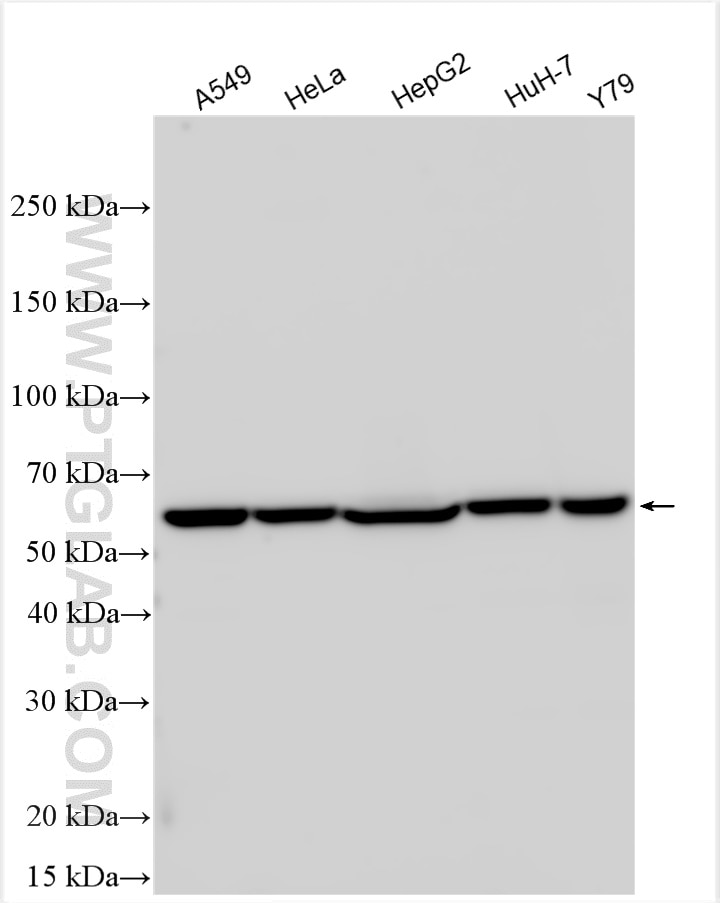
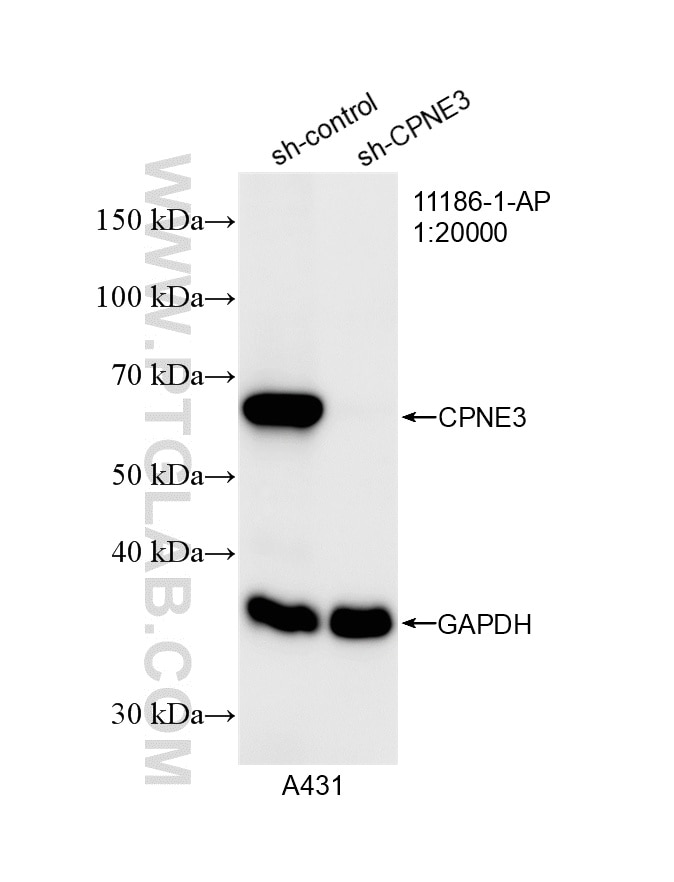
| Positive WB detected in | A549 cells, A431 cells, HeLa cells, HepG2 cells, HuH-7 cells, Y79 cells |
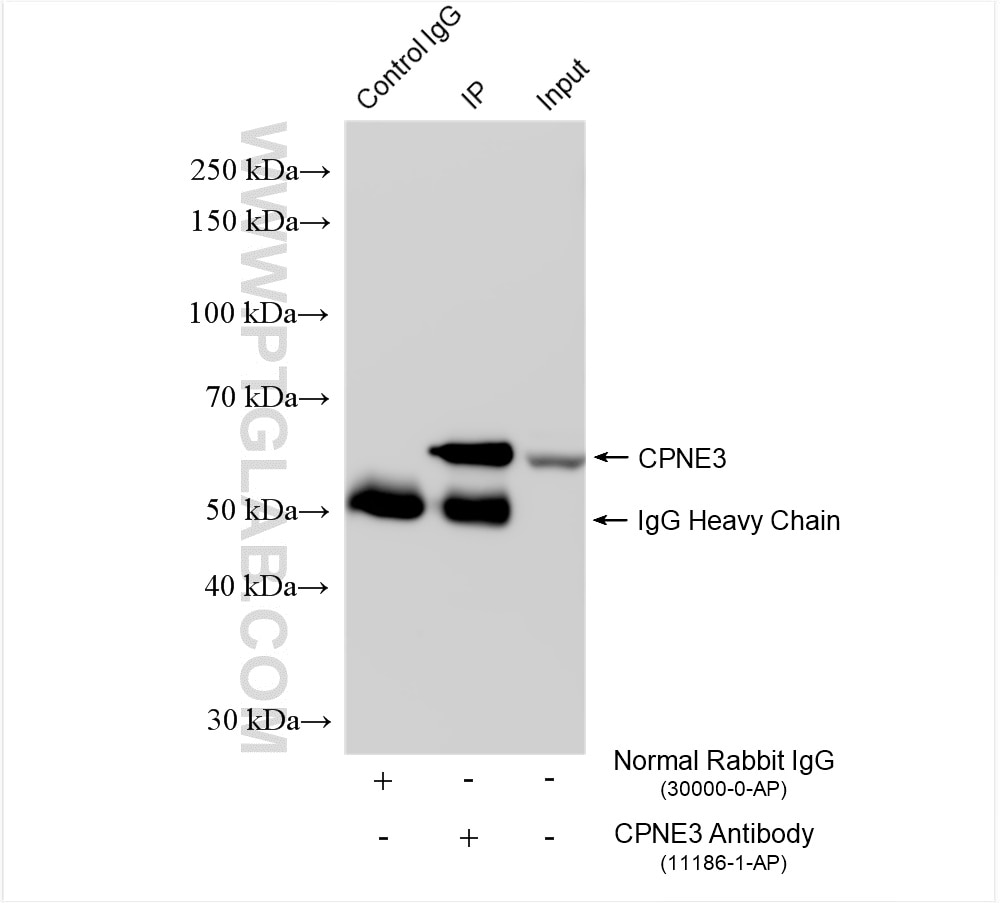
| Positive IP detected in | HepG2 cells |
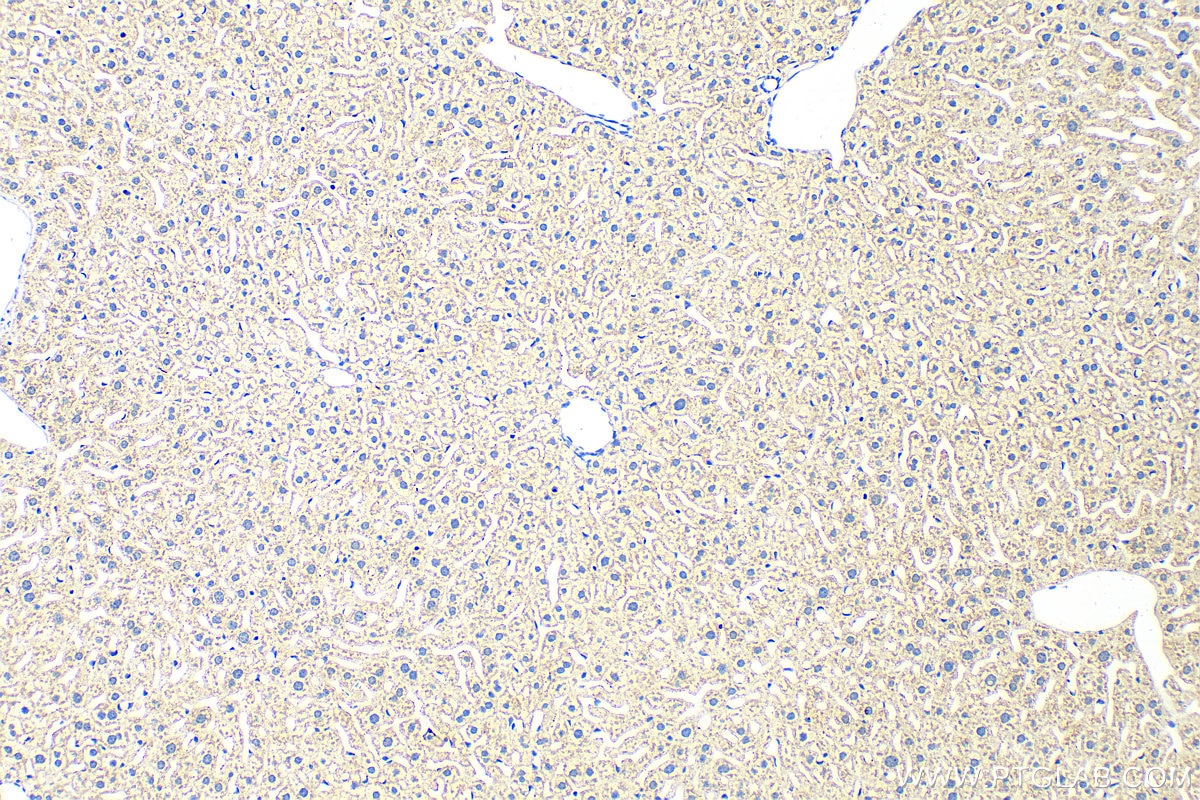
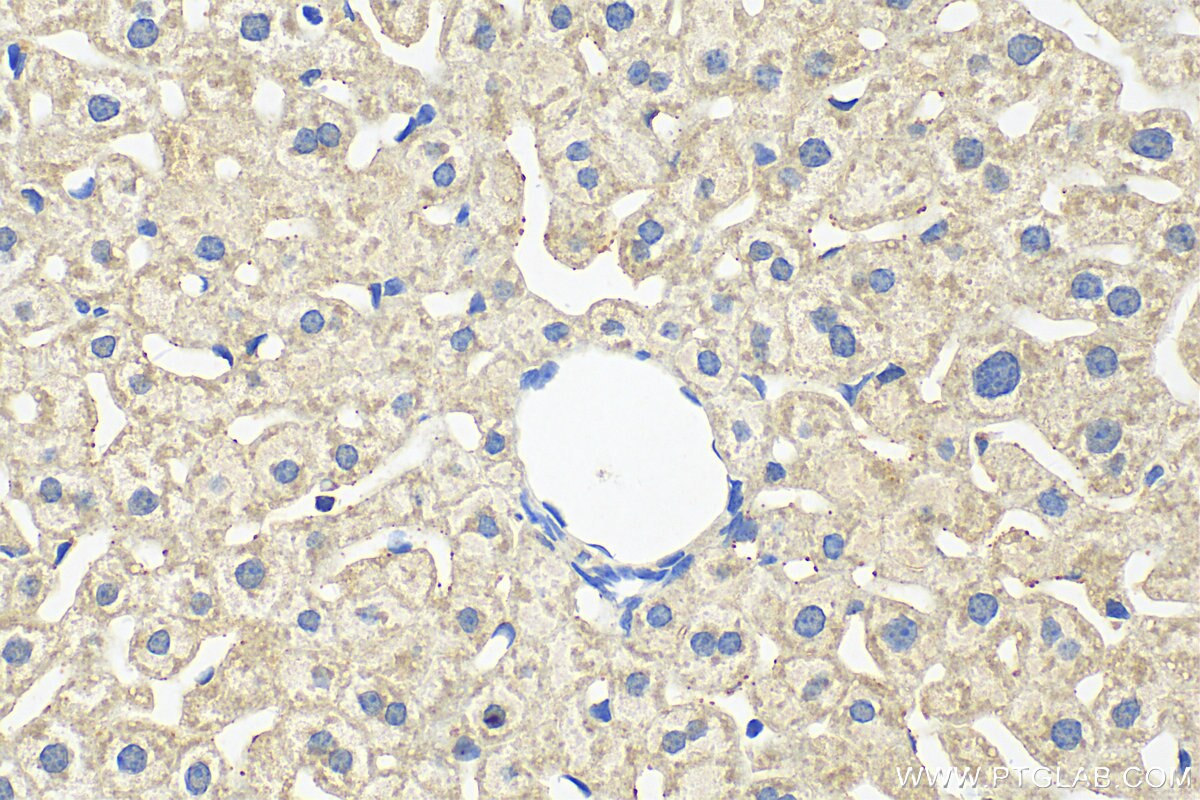
| Positive IHC detected in | mouse liver tissue Note: suggested antigen retrieval with TE buffer pH 9.0; (*) Alternatively, antigen retrieval may be performed with citrate buffer pH 6.0 |
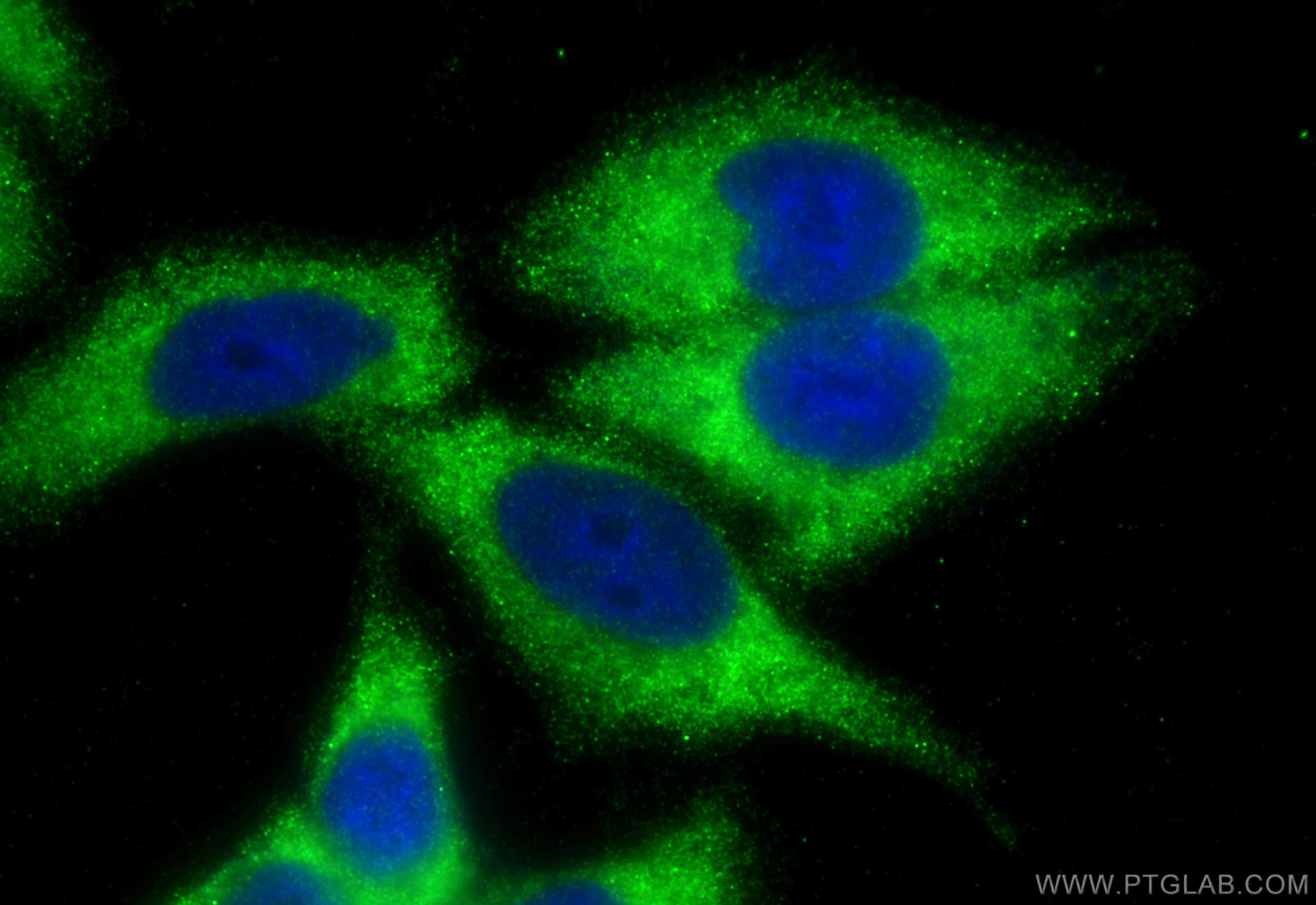
| Positive IF/ICC detected in | HepG2 cells |
Recommended dilution
| Application | Dilution |
|---|---|
| Western Blot (WB) | WB : 1:5000-1:50000 |
| Immunoprecipitation (IP) | IP : 0.5-4.0 ug for 1.0-3.0 mg of total protein lysate |
| Immunohistochemistry (IHC) | IHC : 1:400-1:1600 |
| Immunofluorescence (IF)/ICC | IF/ICC : 1:50-1:500 |
| It is recommended that this reagent should be titrated in each testing system to obtain optimal results. | |
| Sample-dependent, Check data in validation data gallery. | |
Product Information
11186-1-AP targets CPNE3 in WB, IHC, IF/ICC, IP, ELISA applications and shows reactivity with human, mouse samples.
| Tested Reactivity | human, mouse |
| Cited Reactivity | human, mouse |
| Host / Isotype | Rabbit / IgG |
| Class | Polyclonal |
| Type | Antibody |
| Immunogen |
CatNo: Ag1634 Product name: Recombinant human CPNE3 protein Source: e coli.-derived, PGEX-4T Tag: GST Domain: 238-537 aa of BC036242 Sequence: EASRSSPVEFECINEKKRQKKKSYKNSGVISVKQCEITVECTFLDYIMGGCQLNFTVGVDFTGSNGDPRSPDSLHYISPNGVNEYLTALWSVGLVIQDYDADKMFPAFGFGAQIPPQWQVSHEFPMNFNPSNPYCNGIQGIVEAYRSCLPQIKLYGQTNFSPIINHVARFAAAATQQQTASRYFVLLIITDGVITDLDETRQAIVNASRLPMSIIIVGVGGADFSAMEFLDGDGGSLHSPLGEVAIRDIVQFVPFRQFQNAPKEALAQCVLAEIPQQVVGYFNTYKLLPPKNPATKQQKQ Predict reactive species |
| Full Name | copine III |
| Calculated Molecular Weight | 60 kDa |
| Observed Molecular Weight | 60 kDa |
| GenBank Accession Number | BC036242 |
| Gene Symbol | CPNE3 |
| Gene ID (NCBI) | 8895 |
| RRID | AB_2084214 |
| Conjugate | Unconjugated |
| Form | Liquid |
| Purification Method | Antigen affinity purification |
| UNIPROT ID | O75131 |
| Storage Buffer | PBS with 0.02% sodium azide and 50% glycerol, pH 7.3. |
| Storage Conditions | Store at -20°C. Stable for one year after shipment. Aliquoting is unnecessary for -20oC storage. 20ul sizes contain 0.1% BSA. |
Background Information
Copines are a family of evolutionarily conserved calcium-dependent phospholipid-binding proteins (PMID: 9430674). They contain two Ca(2+)- and phospholipid-binding domains known as C2 domains. Copines are potentially involved in regulating membrane trafficking and in protein-protein interactions.
Protocols
| Product Specific Protocols | |
|---|---|
| IF protocol for CPNE3 antibody 11186-1-AP | Download protocol |
| IHC protocol for CPNE3 antibody 11186-1-AP | Download protocol |
| IP protocol for CPNE3 antibody 11186-1-AP | Download protocol |
| WB protocol for CPNE3 antibody 11186-1-AP | Download protocol |
| Standard Protocols | |
|---|---|
| Click here to view our Standard Protocols |
Publications
What published studies show
The CPNE3 Polyclonal antibody (Cat# 11186-1-AP) has 5 citations published in Sci China Life Sci, Front Immunol, Ecotoxicol Environ Saf, Cell Mol Life Sci, and J Cell Physiol. Research fields span prostate cancer (alternative polyadenylation), breast cancer (lipid metabolism and immune interactions), atherosclerosis (nanoplastic effects on smooth muscle cells), gastric cancer (YAP1-CPNE3 feedback), and colorectal cancer (exosomal CPNE3 as a biomarker). Applications include WB and IHC in human and mouse samples.
| Species | Application | Title |
|---|---|---|
Sci China Life Sci Androgen induces 3'UTR shortening of de novo lipogenesis genes by alternative polyadenylation in prostate cancer cells | ||
Front Immunol Integration of transcriptomics and machine learning for insights into breast cancer: exploring lipid metabolism and immune interactions | ||
Ecotoxicol Environ Saf Polystyrene nanoplastics accelerate atherosclerosis: Unraveling the impact on smooth muscle cells through KIF15-mediated migration | ||
Cell Mol Life Sci YAP1-CPNE3 positive feedback pathway promotes gastric cancer cell progression | ||
J Cell Physiol Circulating exosomal CPNE3 as a diagnostic and prognostic biomarker for colorectal cancer. |







