
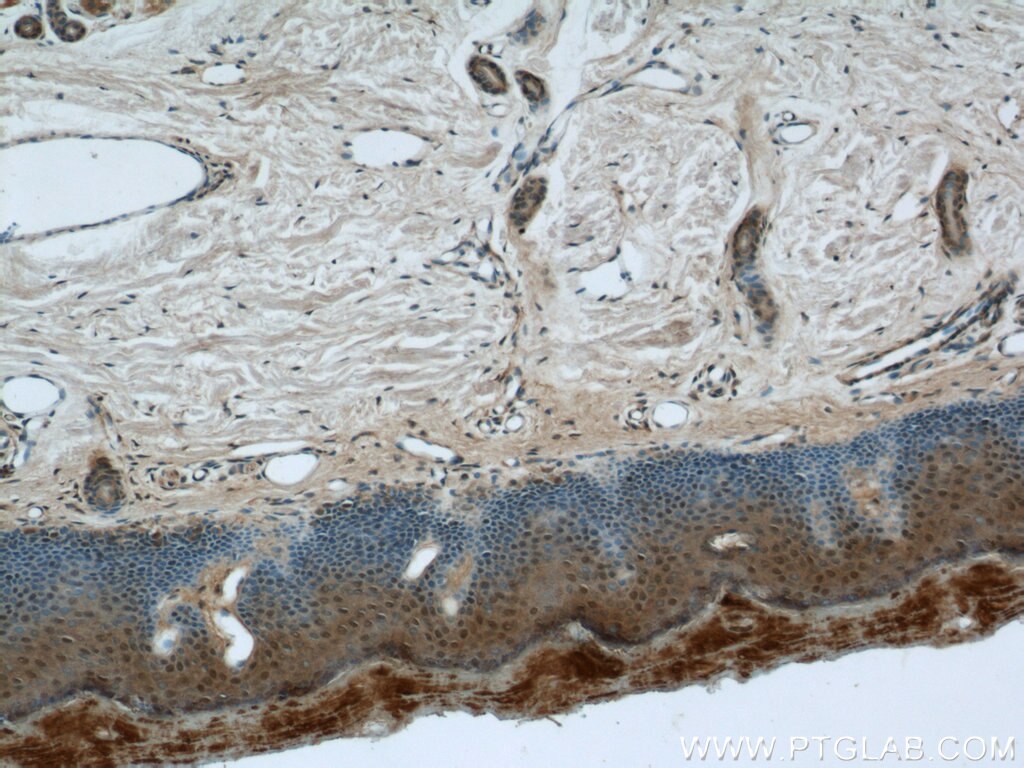
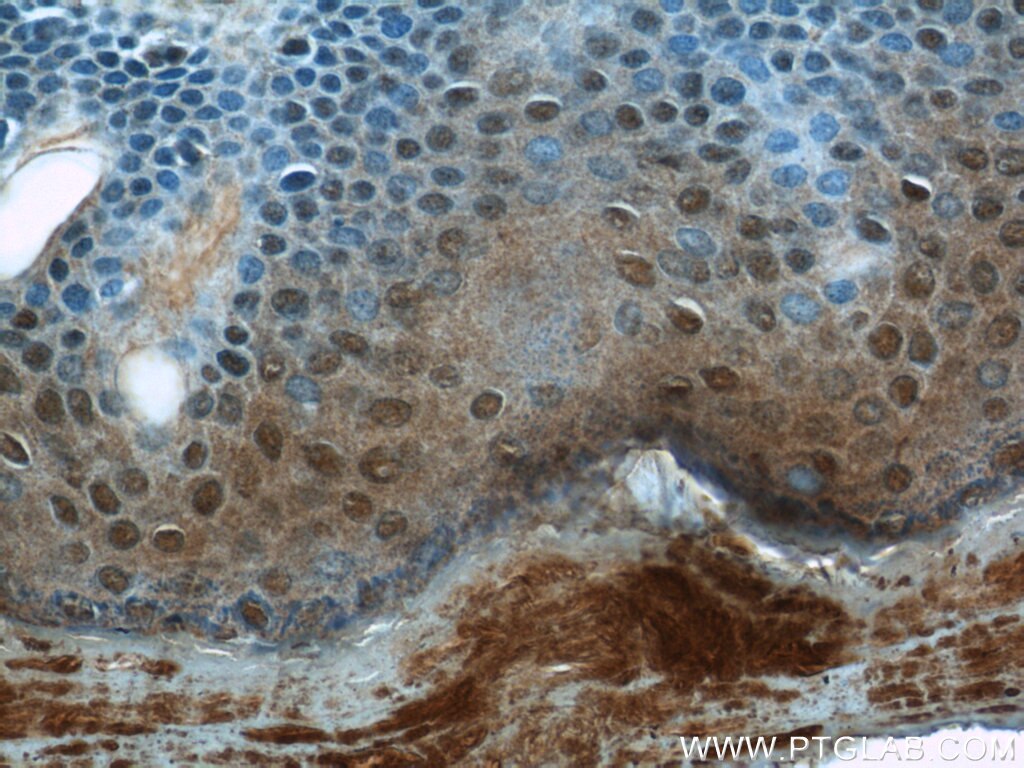
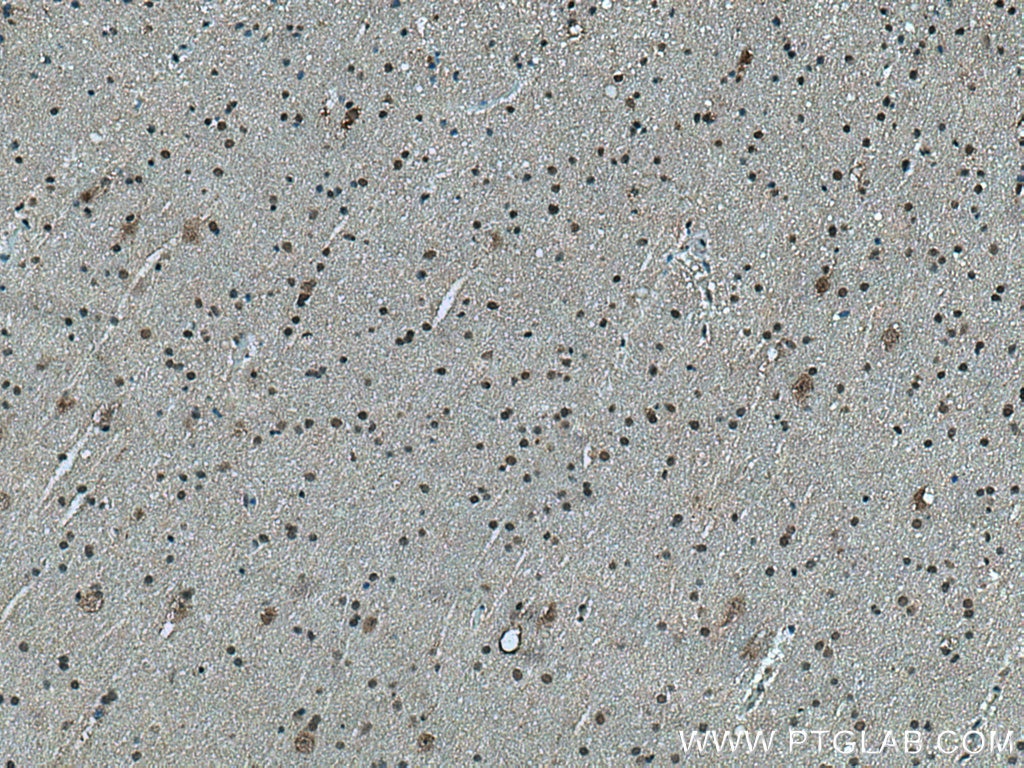
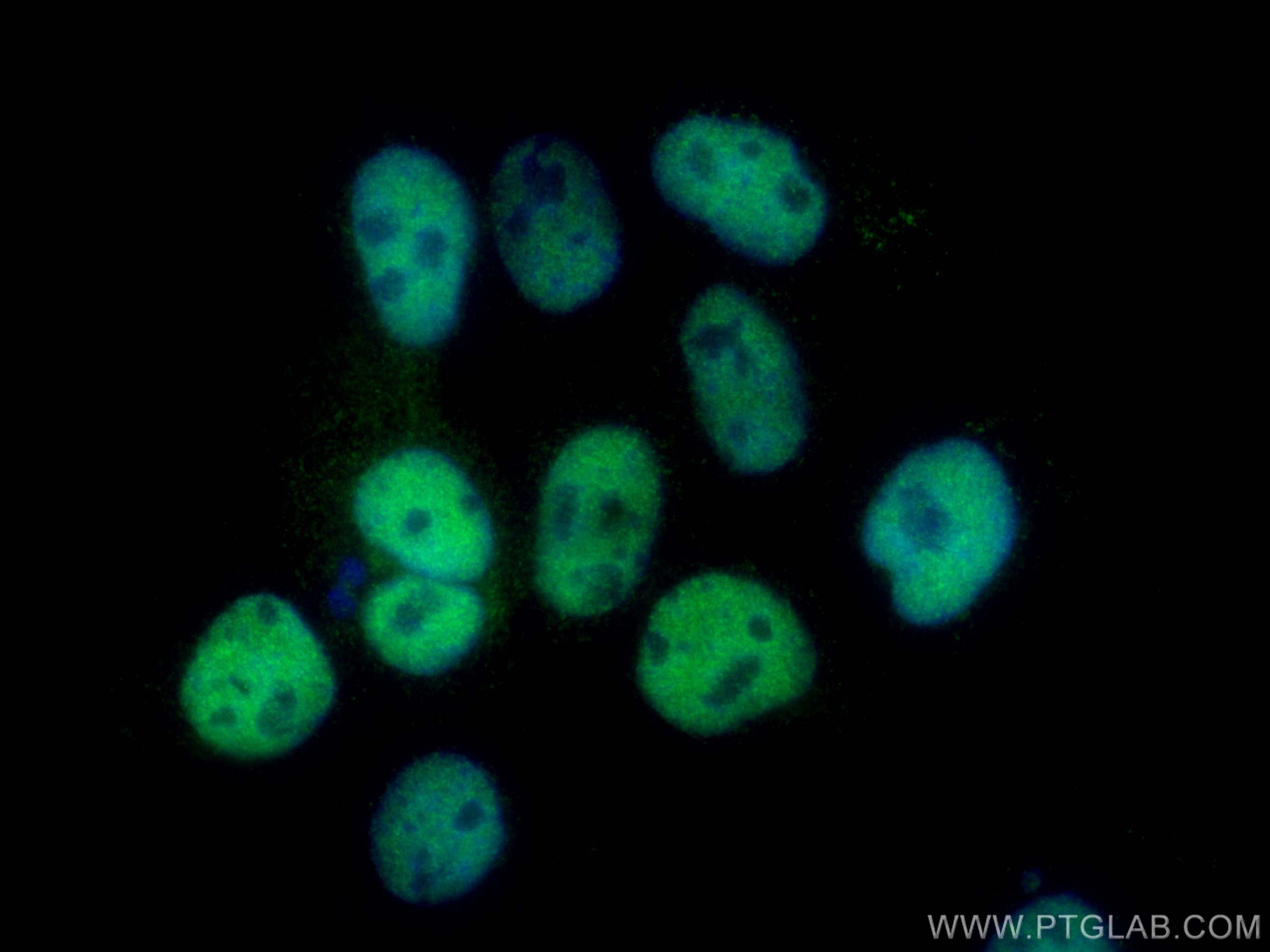

Tested Applications
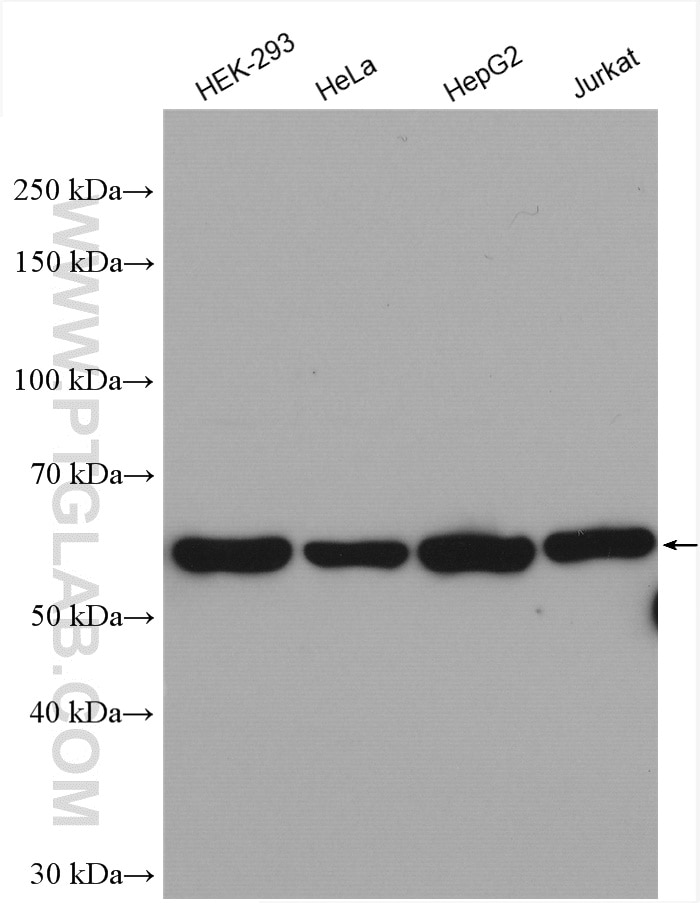
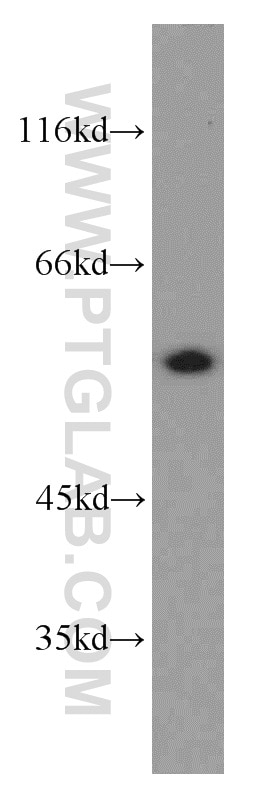
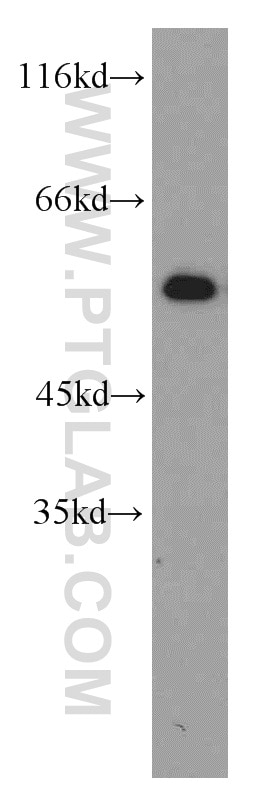
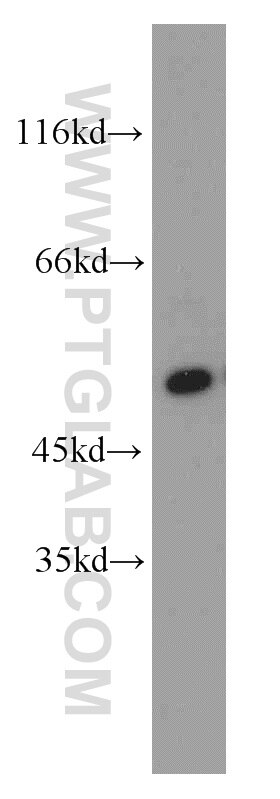
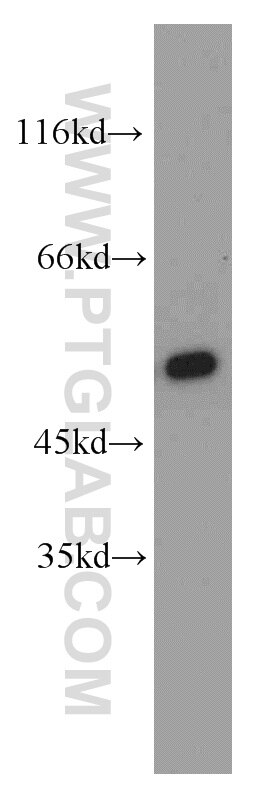
| Positive WB detected in | HEK-293 cells, HeLa cells, mouse brain tissue |
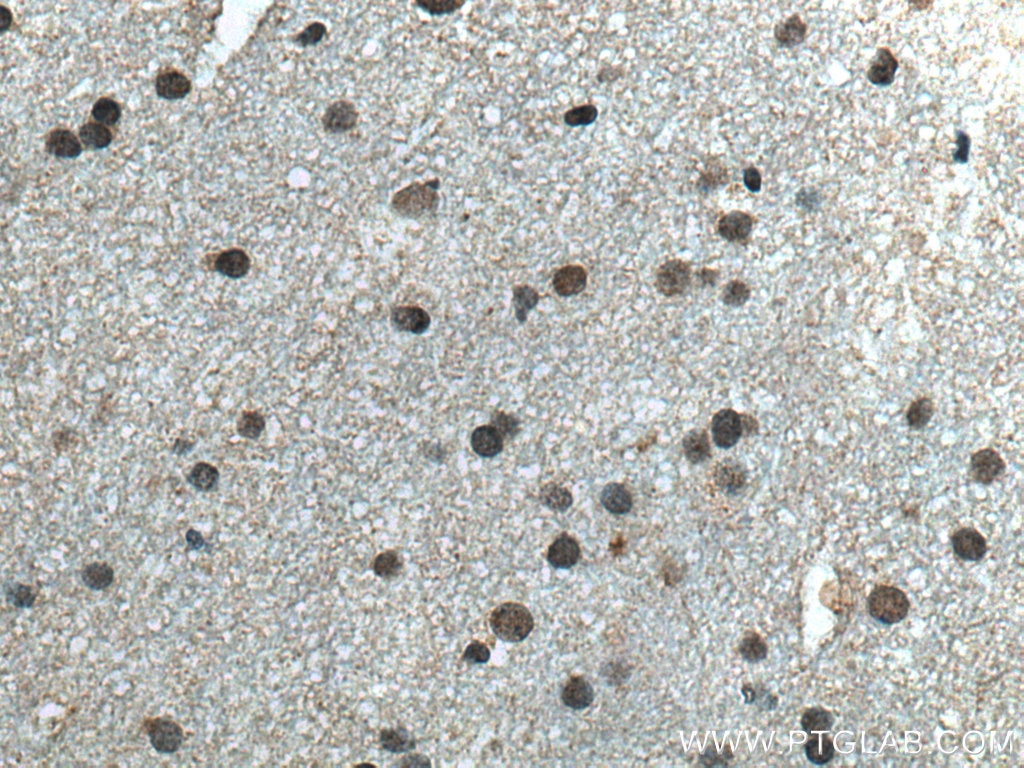
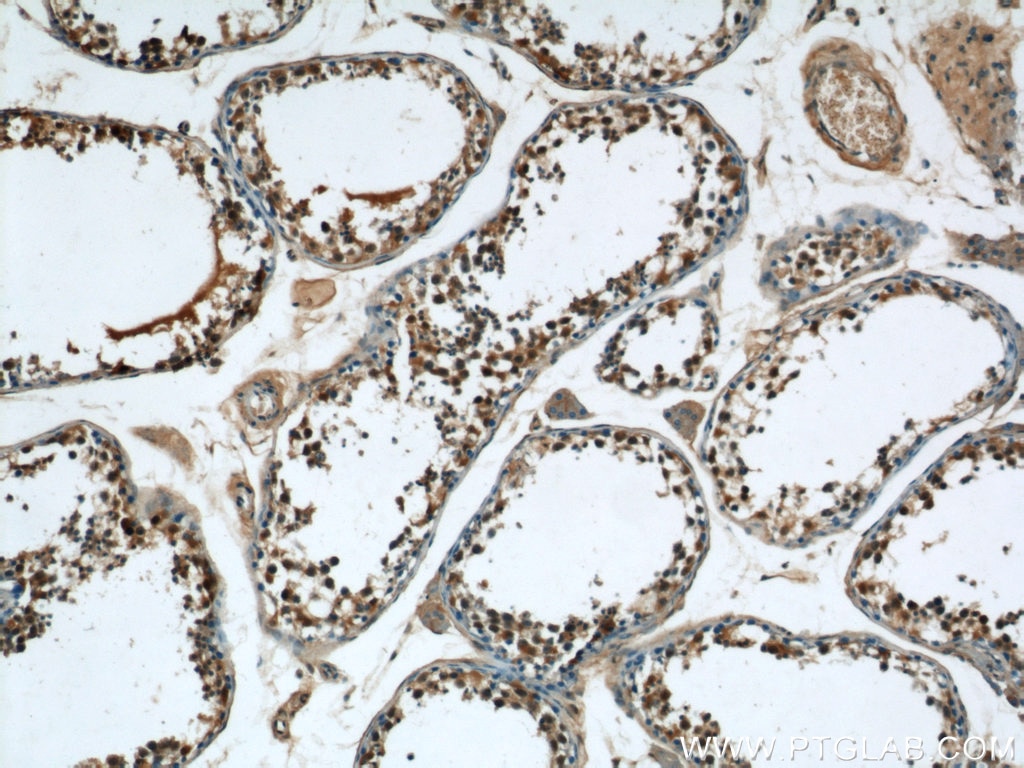
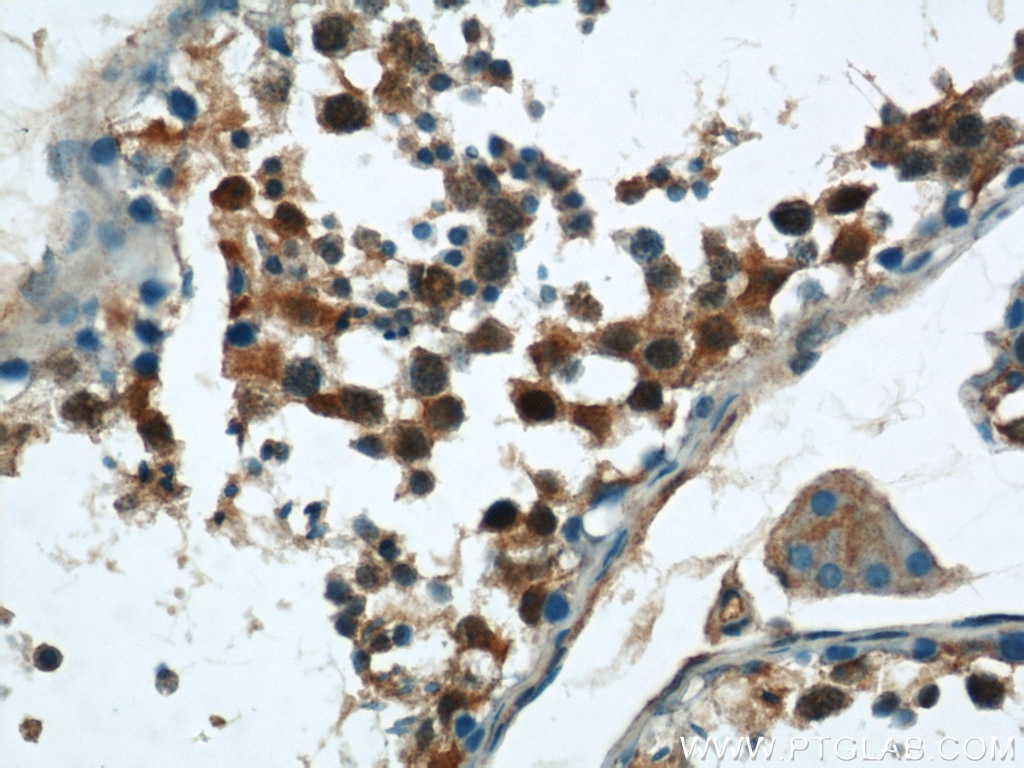
| Positive IHC detected in | human gliomas tissue, human skin tissue, human testis tissue Note: suggested antigen retrieval with TE buffer pH 9.0; (*) Alternatively, antigen retrieval may be performed with citrate buffer pH 6.0 |
| Positive IF/ICC detected in | A431 cells |
Recommended dilution
| Application | Dilution |
|---|---|
| Western Blot (WB) | WB : 1:1000-1:6000 |
| Immunohistochemistry (IHC) | IHC : 1:50-1:500 |
| Immunofluorescence (IF)/ICC | IF/ICC : 1:50-1:500 |
| It is recommended that this reagent should be titrated in each testing system to obtain optimal results. | |
| Sample-dependent, Check data in validation data gallery. | |
Product Information
55195-1-AP targets CPSF7 in WB, IHC, IF/ICC, CoIP, ELISA applications and shows reactivity with human, mouse, rat samples.
| Tested Reactivity | human, mouse, rat |
| Cited Reactivity | human |
| Host / Isotype | Rabbit / IgG |
| Class | Polyclonal |
| Type | Antibody |
| Immunogen |
Peptide Predict reactive species |
| Full Name | pre-mRNA cleavage factor I, 59 kDa subunit |
| Calculated Molecular Weight | 56 kDa |
| Observed Molecular Weight | 52 kDa, 56 kDa |
| GenBank Accession Number | NM_001136040 |
| Gene Symbol | CPSF7 |
| Gene ID (NCBI) | 79869 |
| RRID | AB_10858797 |
| Conjugate | Unconjugated |
| Form | Liquid |
| Purification Method | Antigen affinity purification |
| UNIPROT ID | Q8N684 |
| Storage Buffer | PBS with 0.02% sodium azide and 50% glycerol, pH 7.3. |
| Storage Conditions | Store at -20°C. Stable for one year after shipment. Aliquoting is unnecessary for -20oC storage. 20ul sizes contain 0.1% BSA. |
Background Information
CPSF7, also named as CPSF59, belongs to the RRM CPSF6/7 family. It probable component of the cleavage factor Im complex (CFIm) that plays a key role in pre-mRNA 3' processing. CPSF7 binds to cleavage and polyadenylation RNA substrates(PMID: 15489334). This antibody is specific to CPSF7.
Protocols
| Product Specific Protocols | |
|---|---|
| IF protocol for CPSF7 antibody 55195-1-AP | Download protocol |
| IHC protocol for CPSF7 antibody 55195-1-AP | Download protocol |
| WB protocol for CPSF7 antibody 55195-1-AP | Download protocol |
| Standard Protocols | |
|---|---|
| Click here to view our Standard Protocols |
Publications
What published studies show
The anti-CPSF6 antibody (Cat# 55195-1-AP) has 7 total citations. Citations appear in Molecular Cell, Oncogene, Cell Reports, Journal of Molecular Cell Biology, and PLoS Pathogens. Research fields include mRNA stability and 3′ end processing, transcriptional termination, alternative splicing–polyadenylation crosstalk, ovarian cancer progression, phase separation, ubiquitination-mediated regulation, and antiviral immune responses. Applications cited span WB, IHC, IF, and CoIP.
| Species | Application | Title |
|---|---|---|
Mol Cell Mediator regulates transcriptional termination through crosstalk with pre-mRNA 3' end processing factors | ||
Oncogene SNRPD2-CPSF7-UBE2K axis drives ovarian cancer progression via alternative splicing-polyadenylation crosstalk. | ||
Cell Rep CPSF6 regulates alternative polyadenylation and proliferation of cancer cells through phase separation | ||
Cell Rep E3 ligase SYVN1-mediated polyubiquitination of CPSF6 promotes alternative polyadenylation and antivirus effects of macrophages | ||
J Mol Cell Biol U1 snRNP proteins promote proximal alternative polyadenylation sites by directly interacting with 3' end processing core factors |













