

Tested Applications
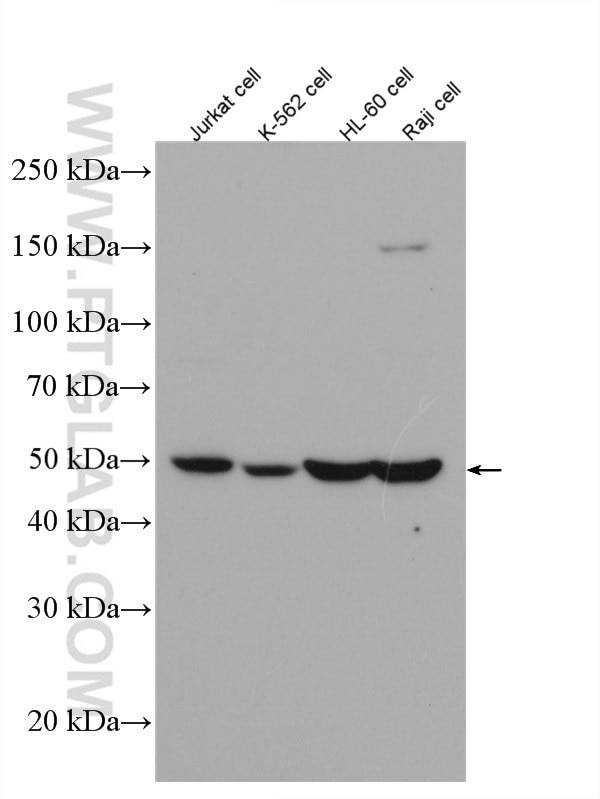
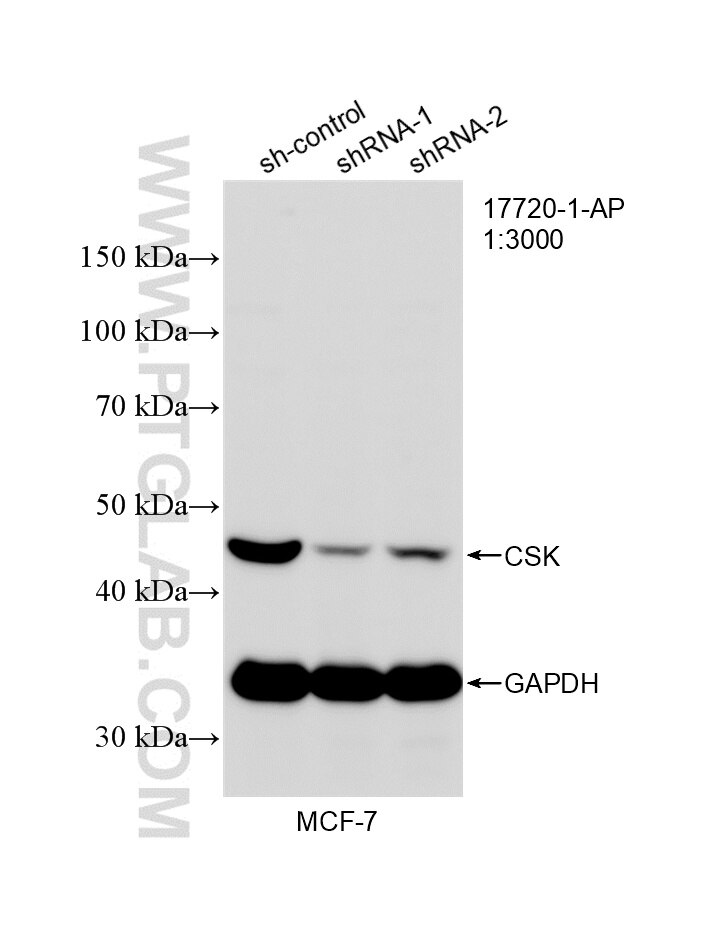
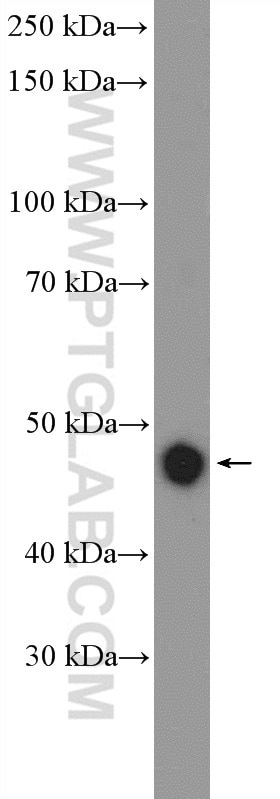
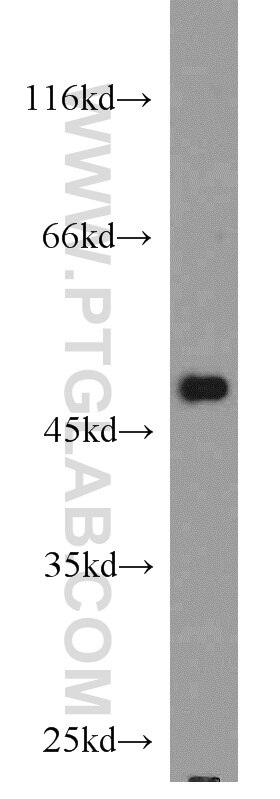
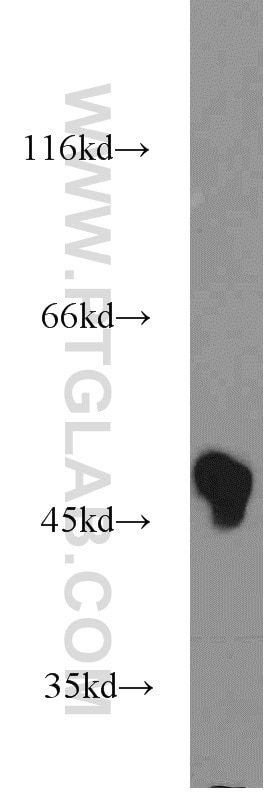
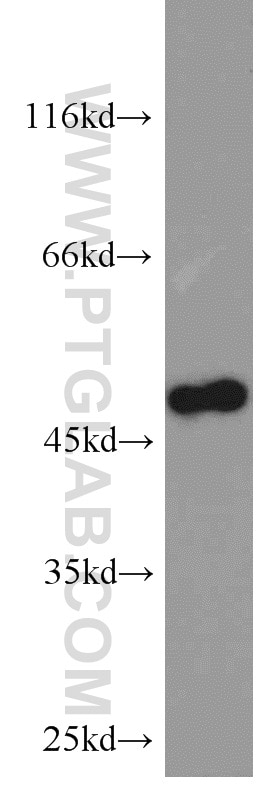
| Positive WB detected in | Raji cells, HL-60 cells, Jurkat cells, K-562 cells, MCF-7 cells, rat lung tissue |
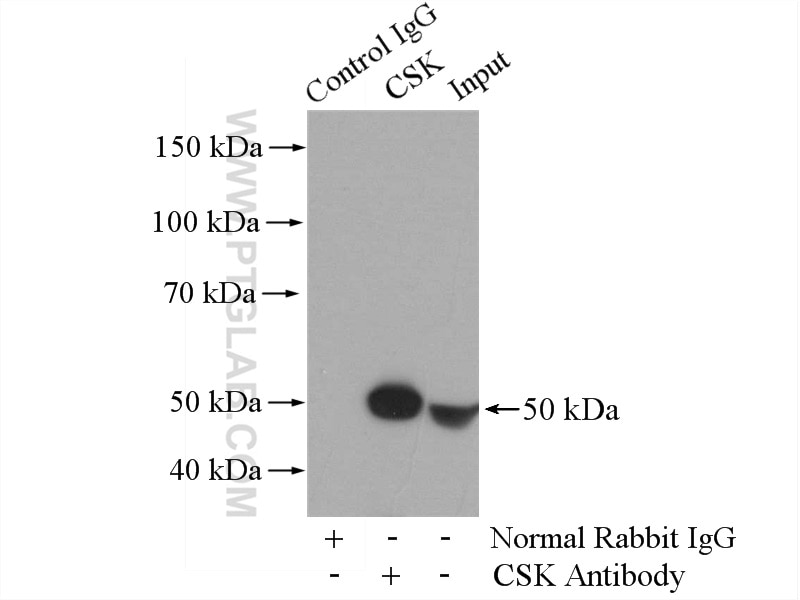
| Positive IP detected in | HL-60 cells |
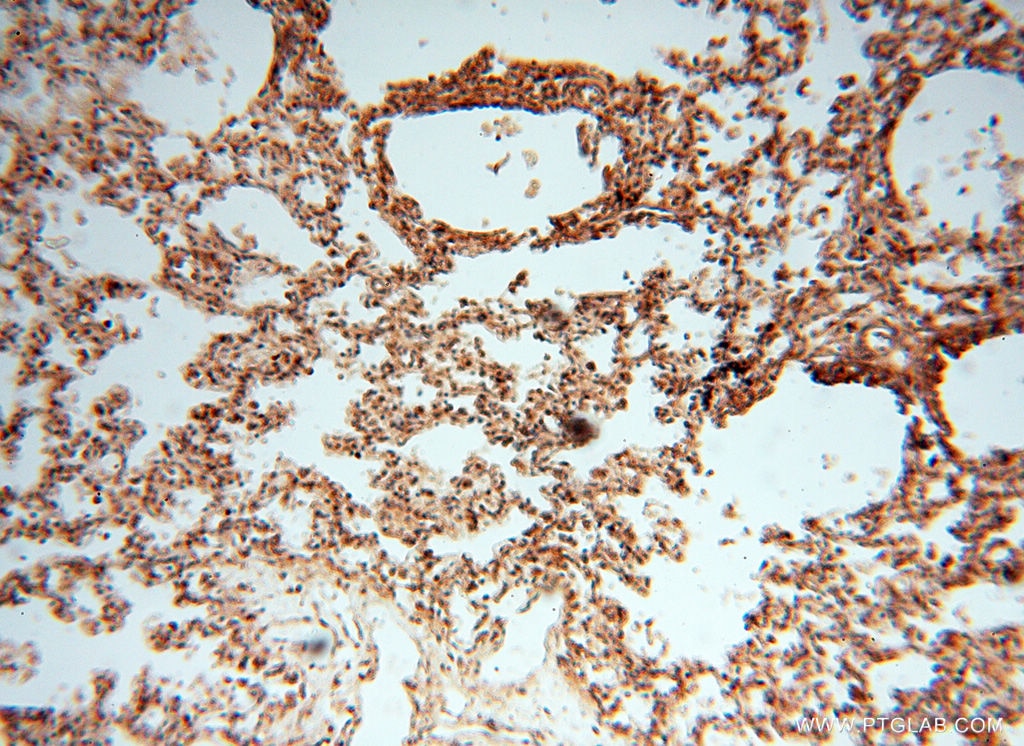
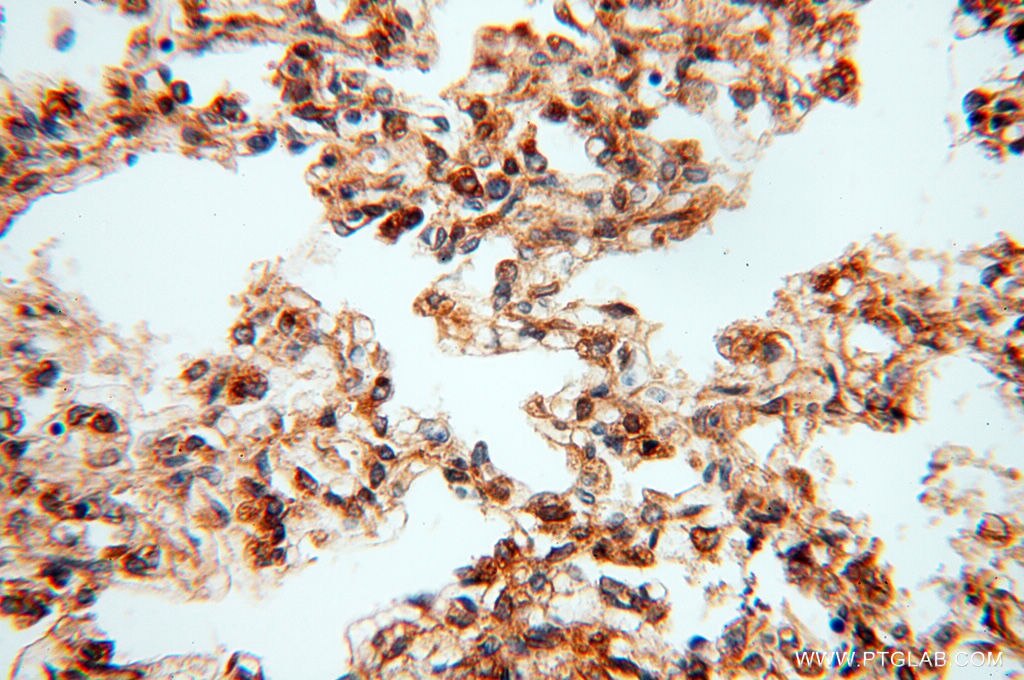
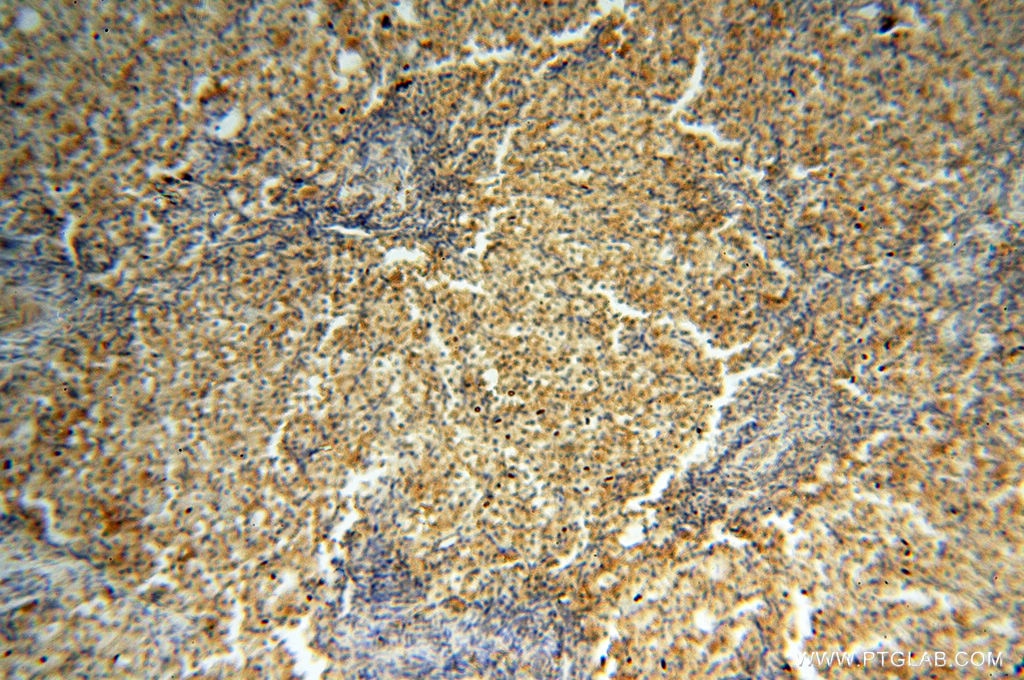
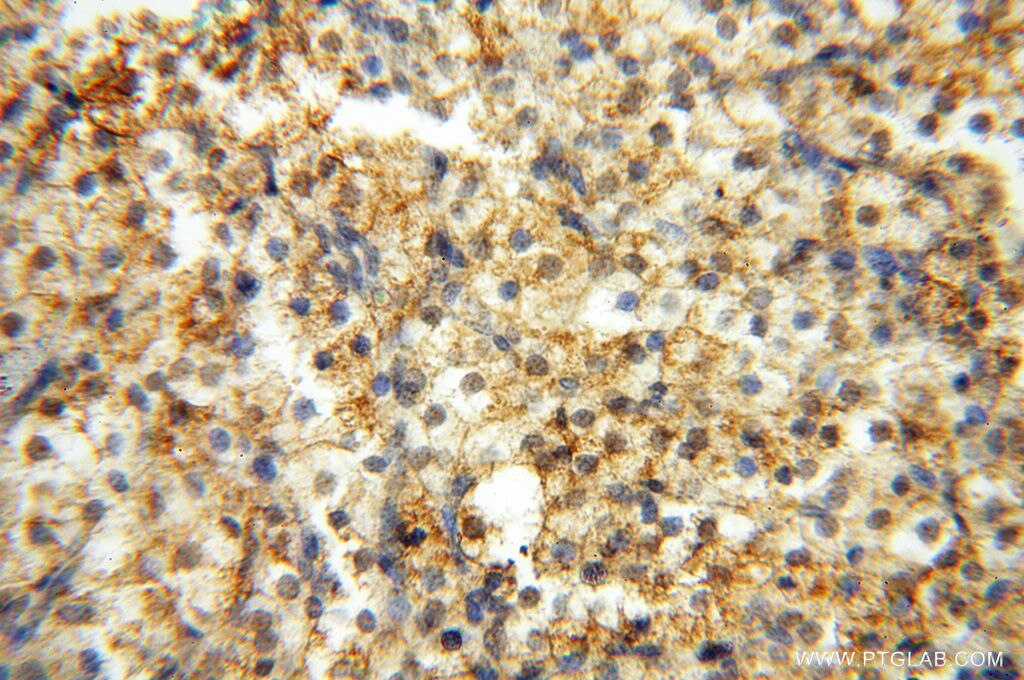
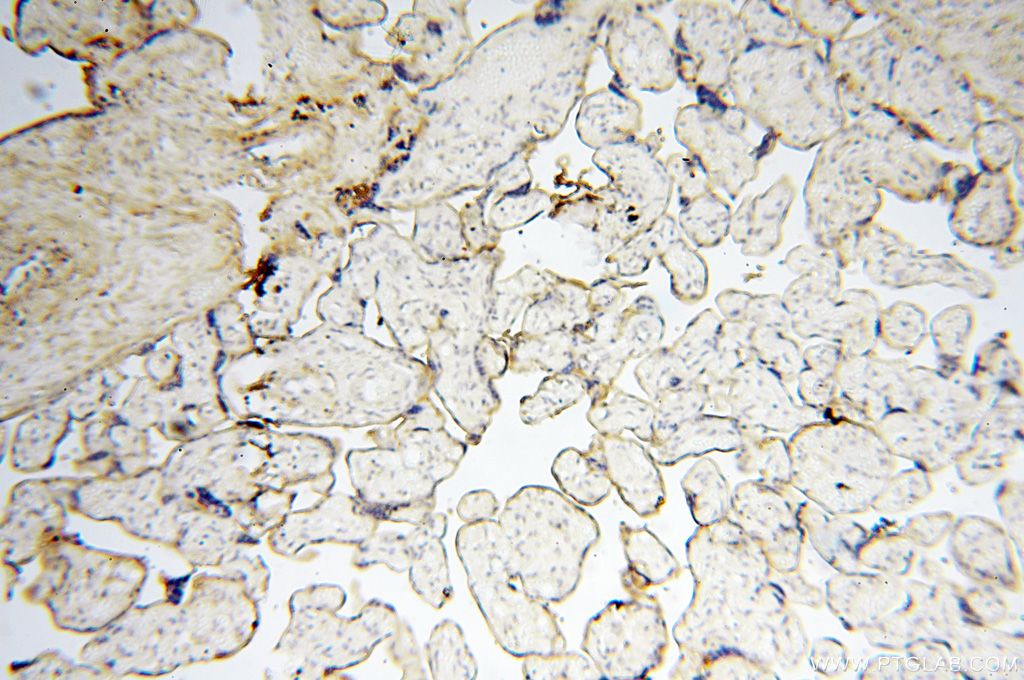
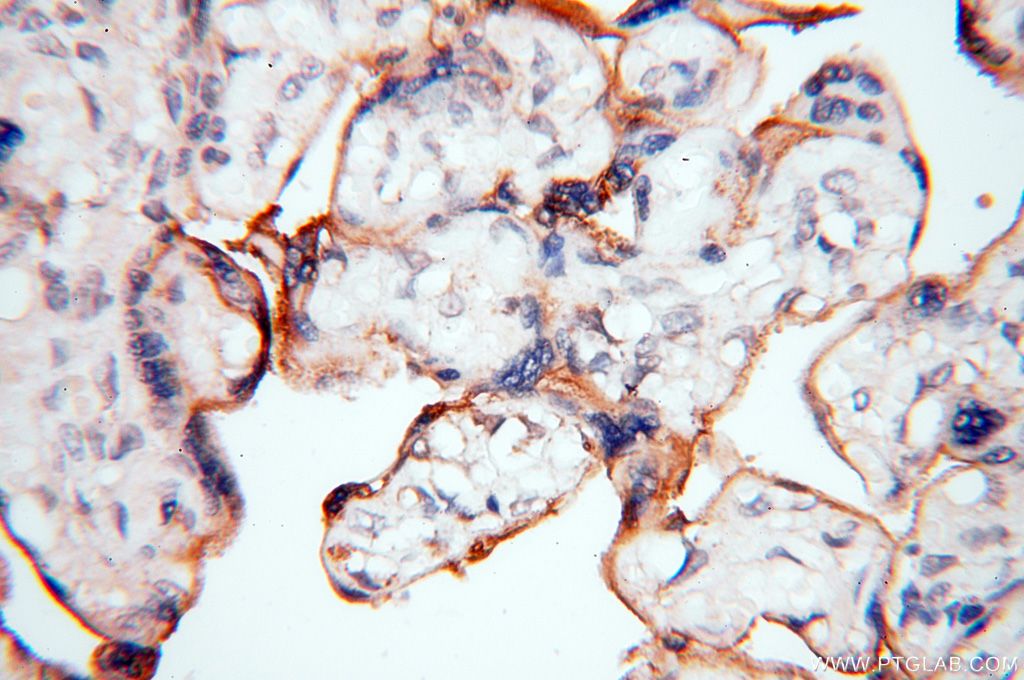
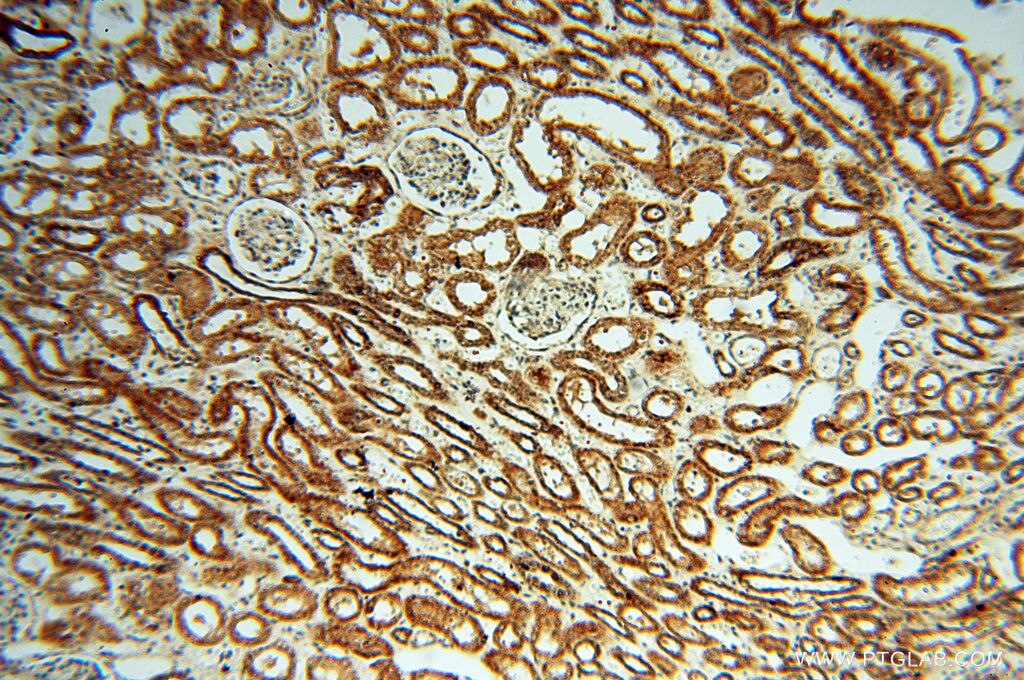
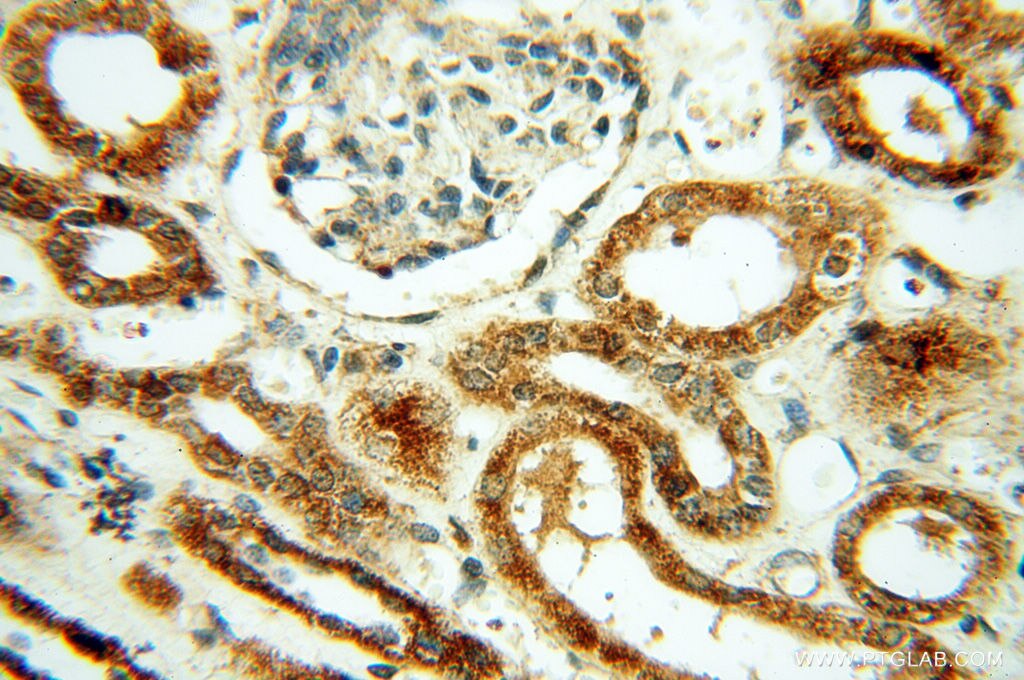
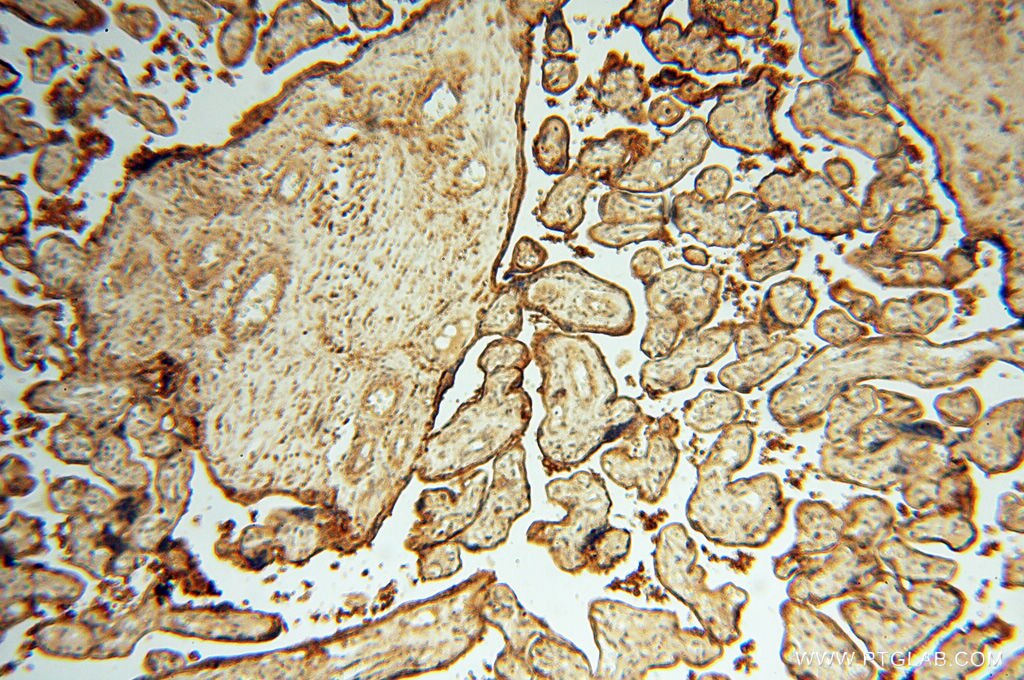
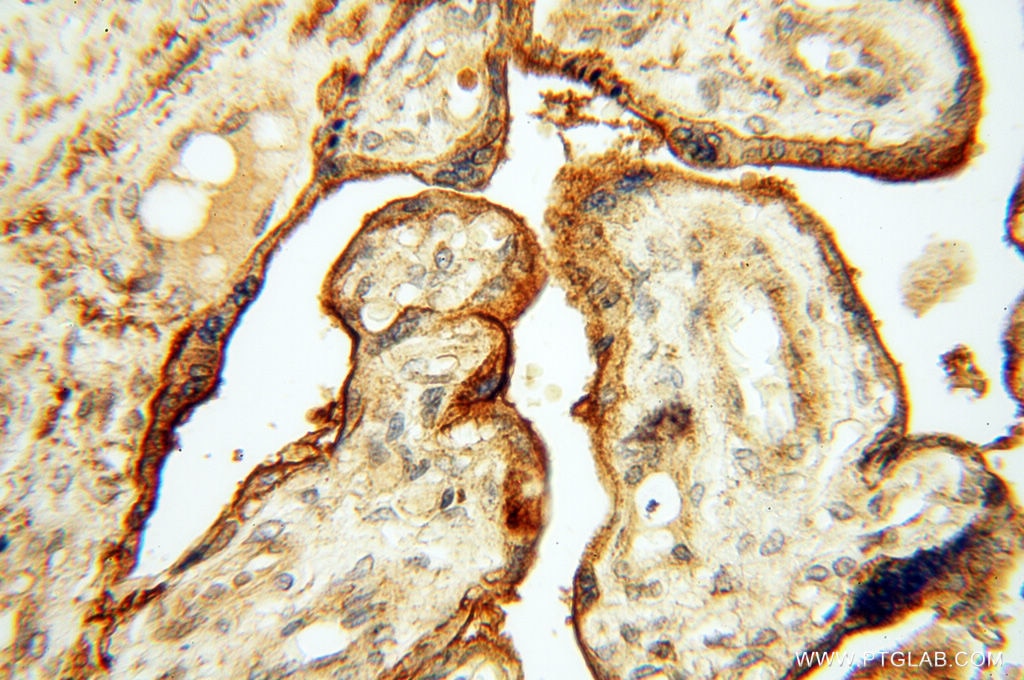
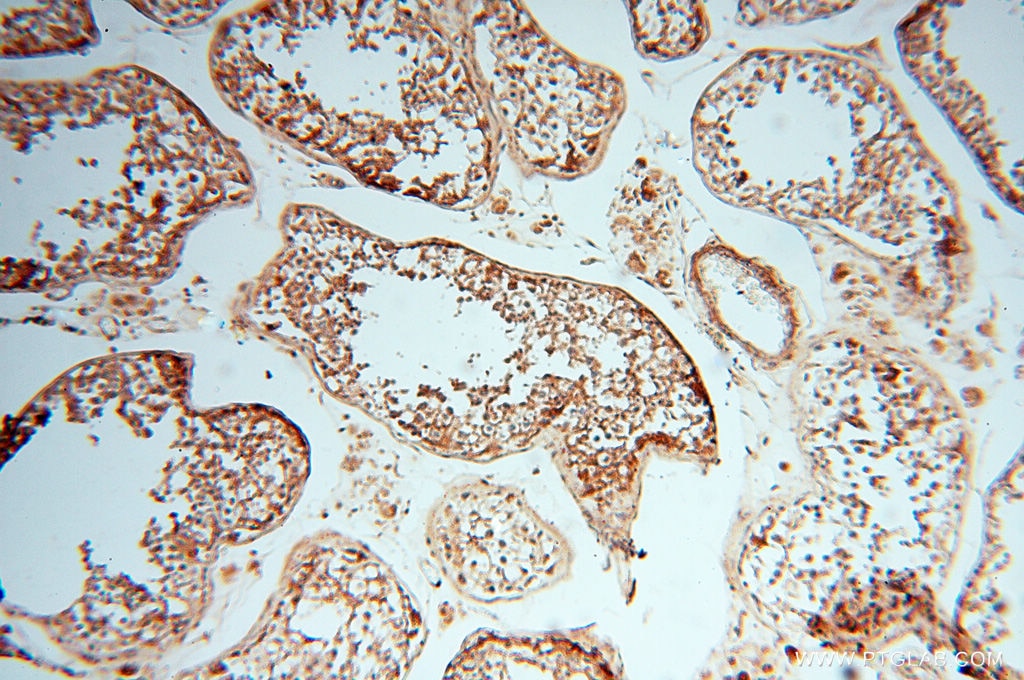
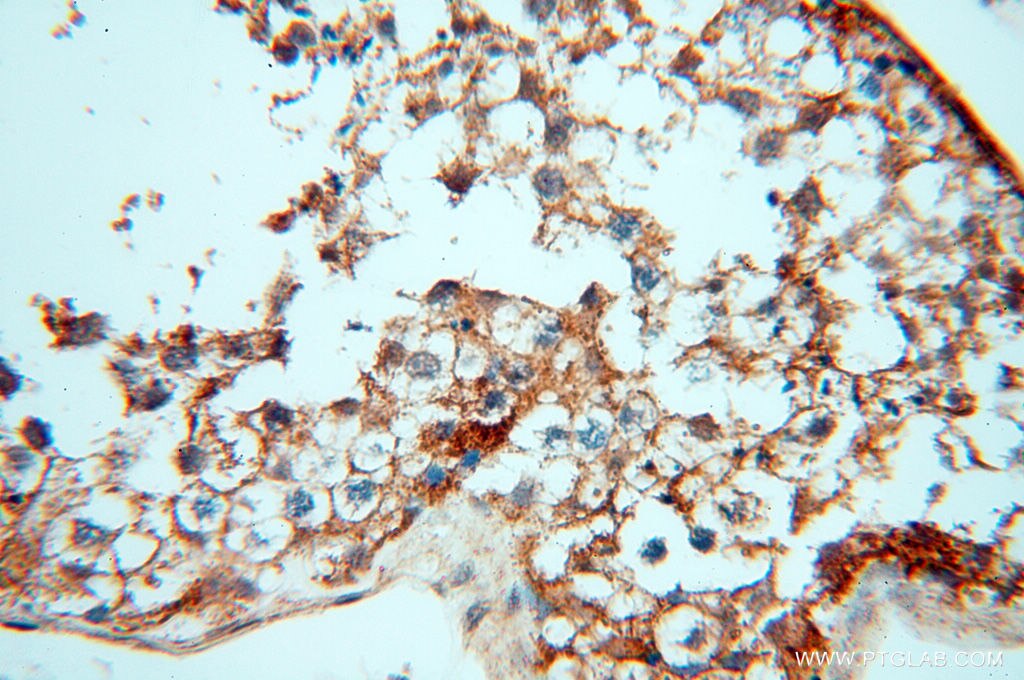
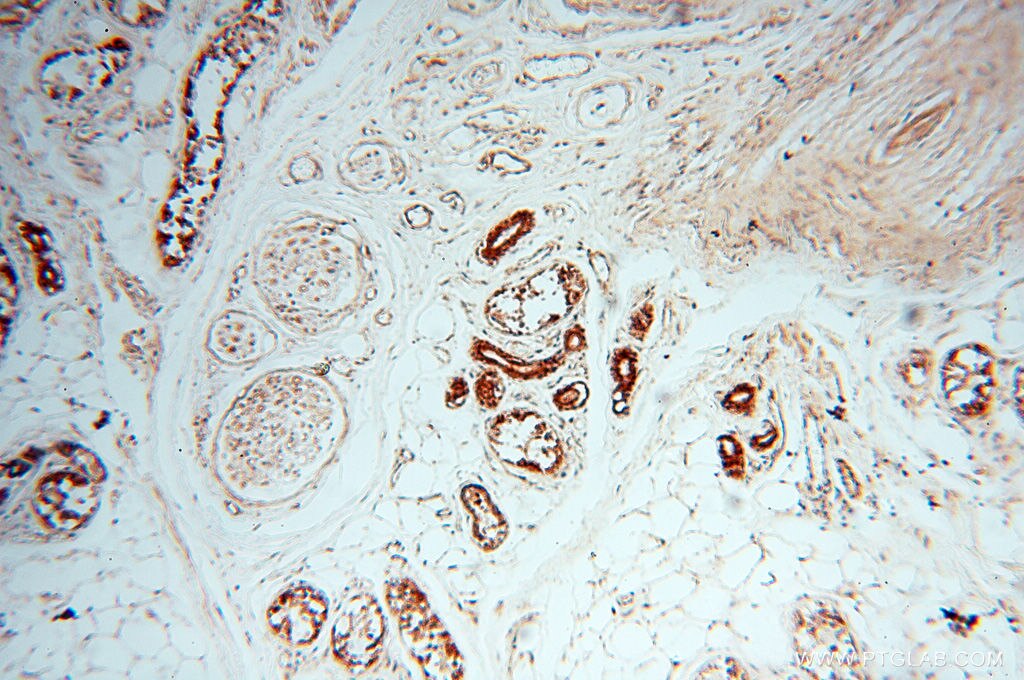
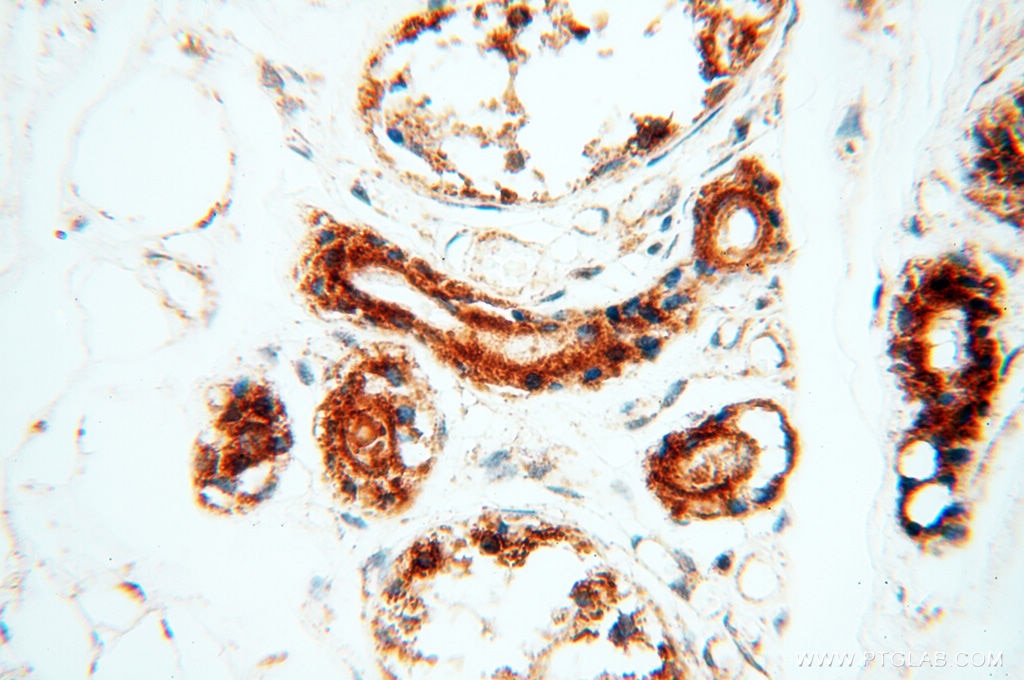
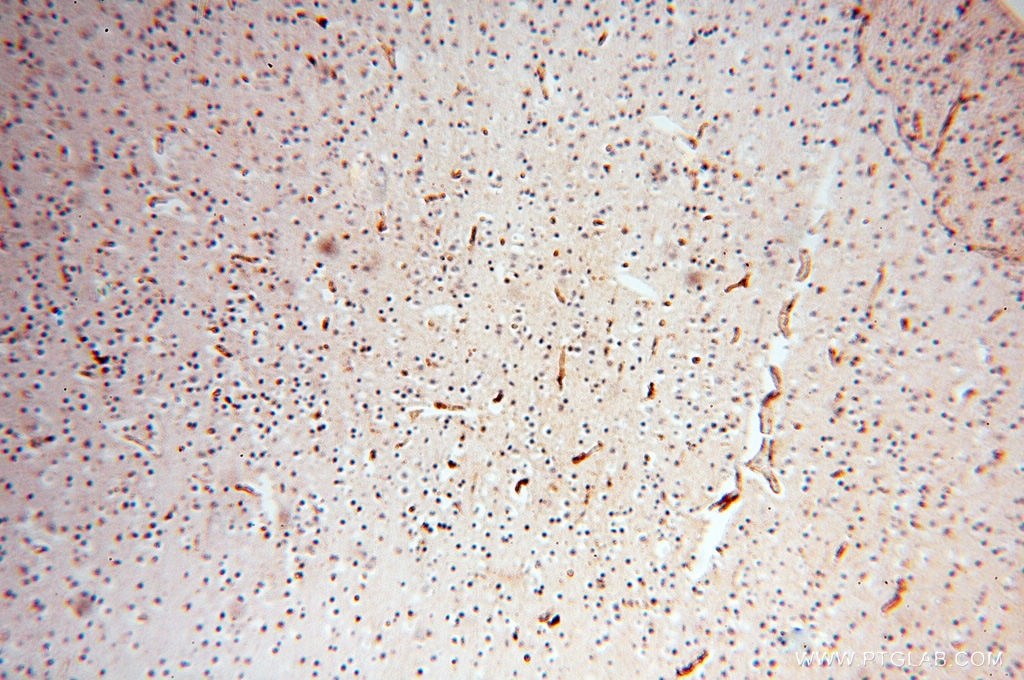
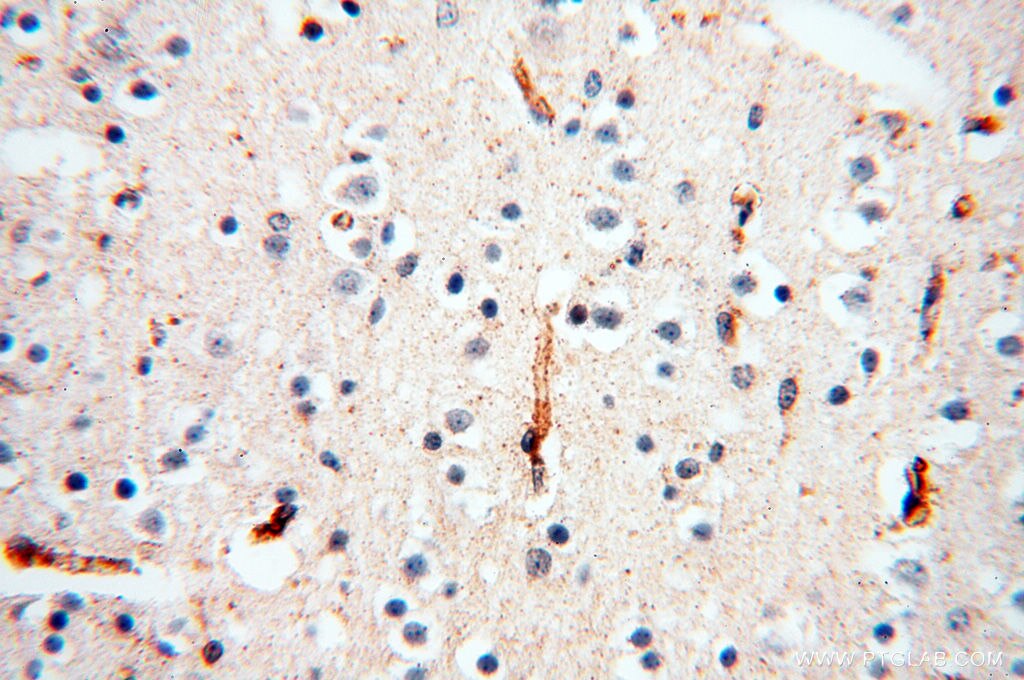
| Positive IHC detected in | human lung tissue, human skin tissue, human placenta tissue, human kidney tissue, human brain tissue, human ovary tissue, human testis tissue Note: suggested antigen retrieval with TE buffer pH 9.0; (*) Alternatively, antigen retrieval may be performed with citrate buffer pH 6.0 |
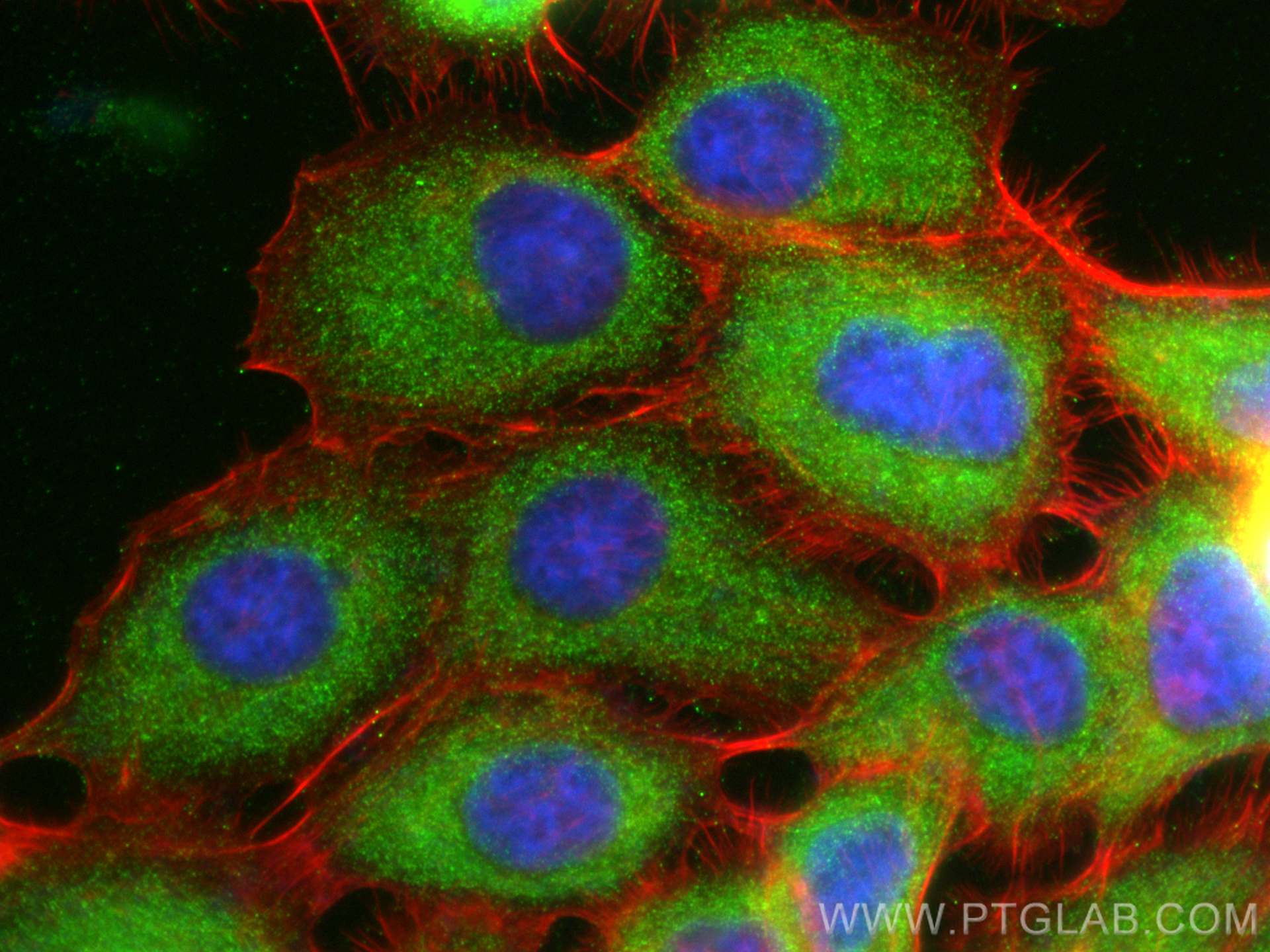
| Positive IF/ICC detected in | A431 cells |
Recommended dilution
| Application | Dilution |
|---|---|
| Western Blot (WB) | WB : 1:1000-1:6000 |
| Immunoprecipitation (IP) | IP : 0.5-4.0 ug for 1.0-3.0 mg of total protein lysate |
| Immunohistochemistry (IHC) | IHC : 1:20-1:200 |
| Immunofluorescence (IF)/ICC | IF/ICC : 1:50-1:500 |
| It is recommended that this reagent should be titrated in each testing system to obtain optimal results. | |
| Sample-dependent, Check data in validation data gallery. | |
Product Information
17720-1-AP targets CSK in WB, IHC, IF/ICC, IP, ELISA applications and shows reactivity with human, rat samples.
| Tested Reactivity | human, rat |
| Cited Reactivity | human, mouse |
| Host / Isotype | Rabbit / IgG |
| Class | Polyclonal |
| Type | Antibody |
| Immunogen |
CatNo: Ag12103 Product name: Recombinant human CSK protein Source: e coli.-derived, PET28a Tag: 6*His Domain: 83-450 aa of BC106073 Sequence: FHGKITREQAERLLYPPETGLFLVRESTNYPGDYTLCVSCDGKVEHYRIMYHASKLSIDEEVYFENLMQLVEHYTSDADGLCTRLIKPKVMEGTVAAQDEFYRSGWALNMKELKLLQTIGKGEFGDVMLGDYRGNKVAVKCIKNDATAQAFLAEASVMTQLRHSNLVQLLGVIVEEKGGLYIVTEYMAKGSLVDYLRSRGRSVLGGDCLLKFSLDVCEAMEYLEGNNFVHRDLAARNVLVSEDNVAKVSDFGLTKEASSTQDTGKLPVKWTAPEALREKKFSTKSDVWSFGILLWEIYSFGRVPYPRIPLKDVVPRVEKGYKMDAPDGCPPAVYEVMKNCWHLDAAMRPSFLQLREQLEHIKTHELHL Predict reactive species |
| Full Name | c-src tyrosine kinase |
| Calculated Molecular Weight | 450 aa, 50 kDa |
| Observed Molecular Weight | 45-50 kDa |
| GenBank Accession Number | BC106073 |
| Gene Symbol | CSK |
| Gene ID (NCBI) | 1445 |
| RRID | AB_2084150 |
| Conjugate | Unconjugated |
| Form | Liquid |
| Purification Method | Antigen affinity purification |
| UNIPROT ID | P41240 |
| Storage Buffer | PBS with 0.02% sodium azide and 50% glycerol, pH 7.3. |
| Storage Conditions | Store at -20°C. Stable for one year after shipment. Aliquoting is unnecessary for -20oC storage. 20ul sizes contain 0.1% BSA. |
Background Information
CSK(Tyrosine-protein kinase CSK) is also named as C-Src kinase, protein-tyrosine kinase CYL and belongs to the protein kinase superfamily. Csk is a non-receptor tyrosine kinase with a molecular mass of 50 kDa. It contains the SH3 and SH2 domains in its N-terminus and a kinase domain in its C-terminus. It negatively regulates the kinase activity of SFKs and plays an important role in physiological functions via signaling pathways for cell proliferation, differentiation, adhesion, and migration(PMID:23548896). Csk may play a role in tumor suppression by inhibiting the oncogenic activity of SFKs. Indeed, overexpression of Csk can inhibit tumor growth of human colon cancer cells(PMID:23139636). This protein can be autophosphorylated(PMID:11181701).
Protocols
| Product Specific Protocols | |
|---|---|
| IF protocol for CSK antibody 17720-1-AP | Download protocol |
| IHC protocol for CSK antibody 17720-1-AP | Download protocol |
| IP protocol for CSK antibody 17720-1-AP | Download protocol |
| WB protocol for CSK antibody 17720-1-AP | Download protocol |
| Standard Protocols | |
|---|---|
| Click here to view our Standard Protocols |
Publications
What published studies show
The CSK Polyclonal antibody (Cat# 17720-1-AP) has 9 citations published in journals including Cancer Research, Nature Communications, Cell Chemical Biology, Scientific Reports, Neoplasia, BMC Cancer, Journal of Immunology, Molecular Carcinogenesis, and bioRxiv. Research fields span oncology (lung cancer, glioma, hepatocarcinoma), immunology (lupus erythematosus), cell signaling (Hippo pathway, SUMOylation), and intestinal biology (colitis, tight junctions).
| Species | Application | Title |
|---|---|---|
Nat Commun PEAK1 maintains tight junctions in intestinal epithelial cells and resists colitis by inhibiting autophagy-mediated ZO-1 degradation | ||
Cell Chem Biol A strategy to assess the cellular activity of E3 ligase components against neo-substrates using electrophilic probes. | ||
Sci Rep TET2 repression contributes to EGFR TKI resistance in EGFR-mutant non-small cell lung cancer through regulating AXIN2 methylation.
| ||
BMC Cancer Prognostic value of LPAR1 expression and methylation in low-grade gliomas: a meta-analysis of TCGA and CGGA datasets and functional validation. |

























