
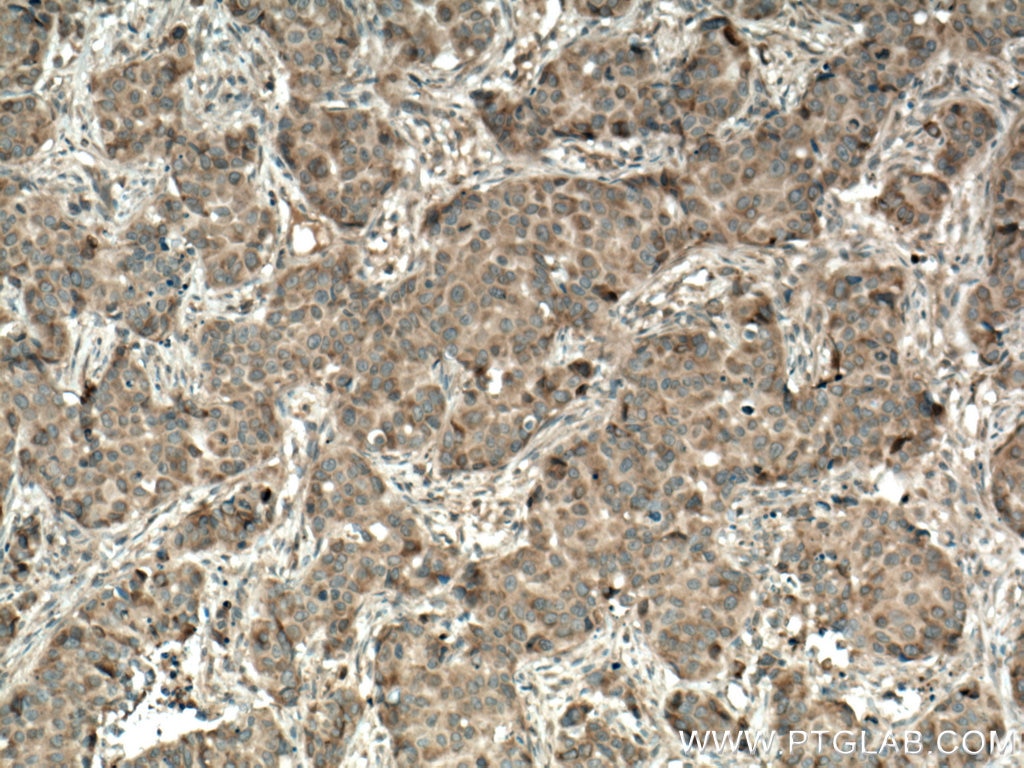
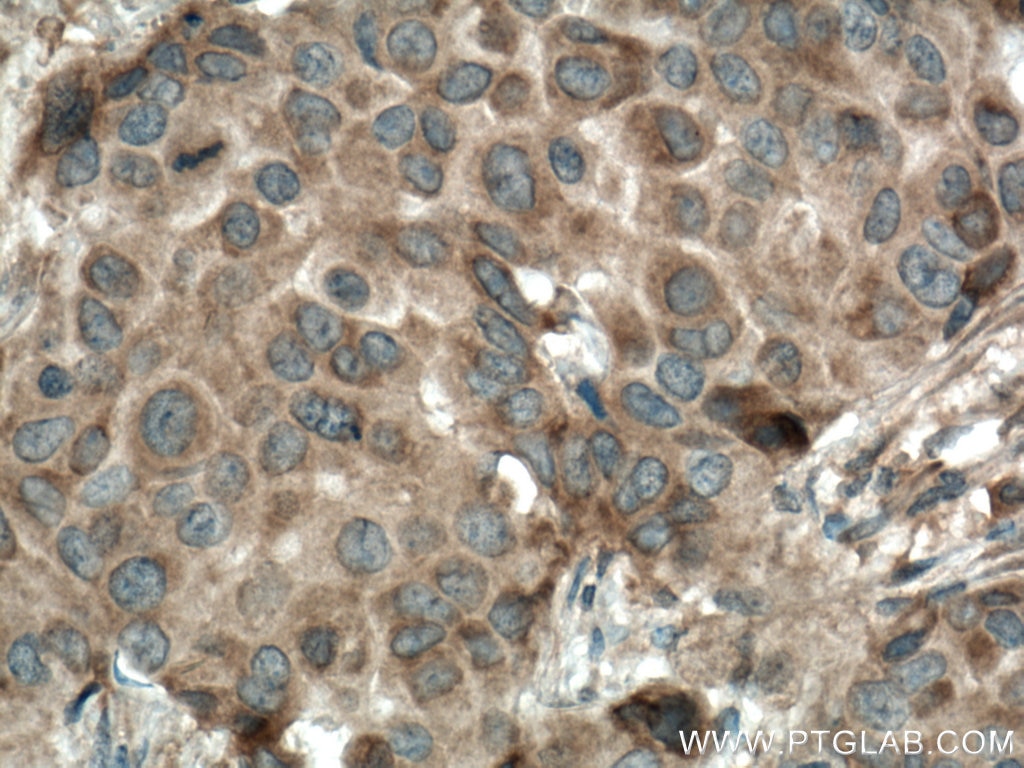
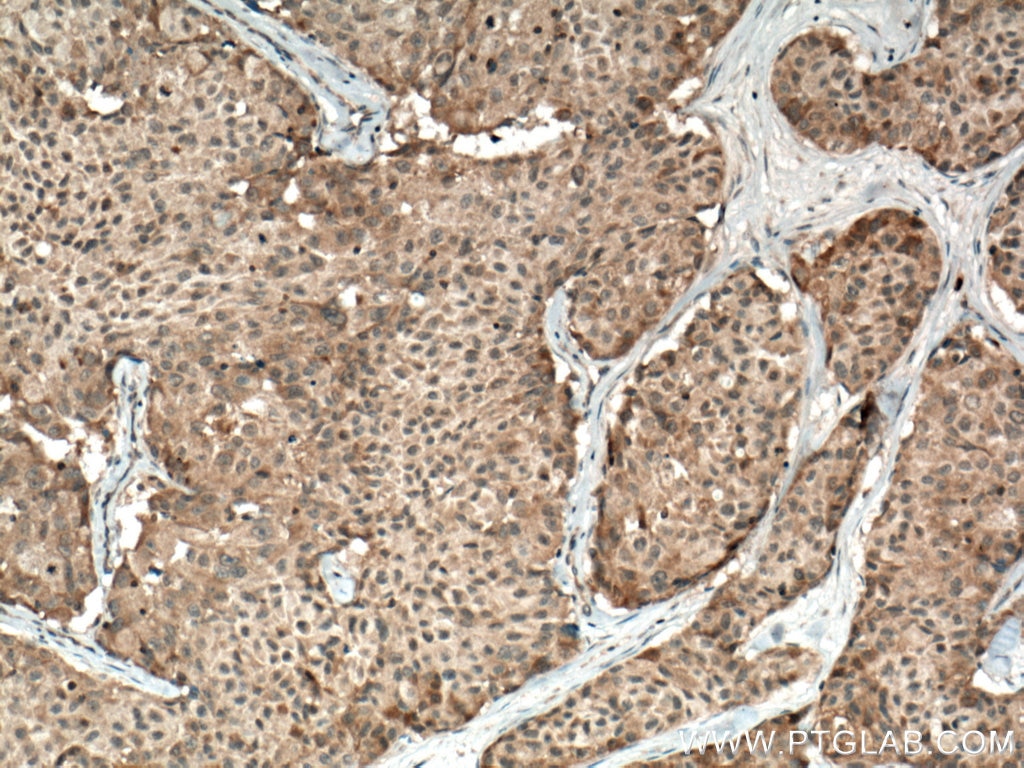
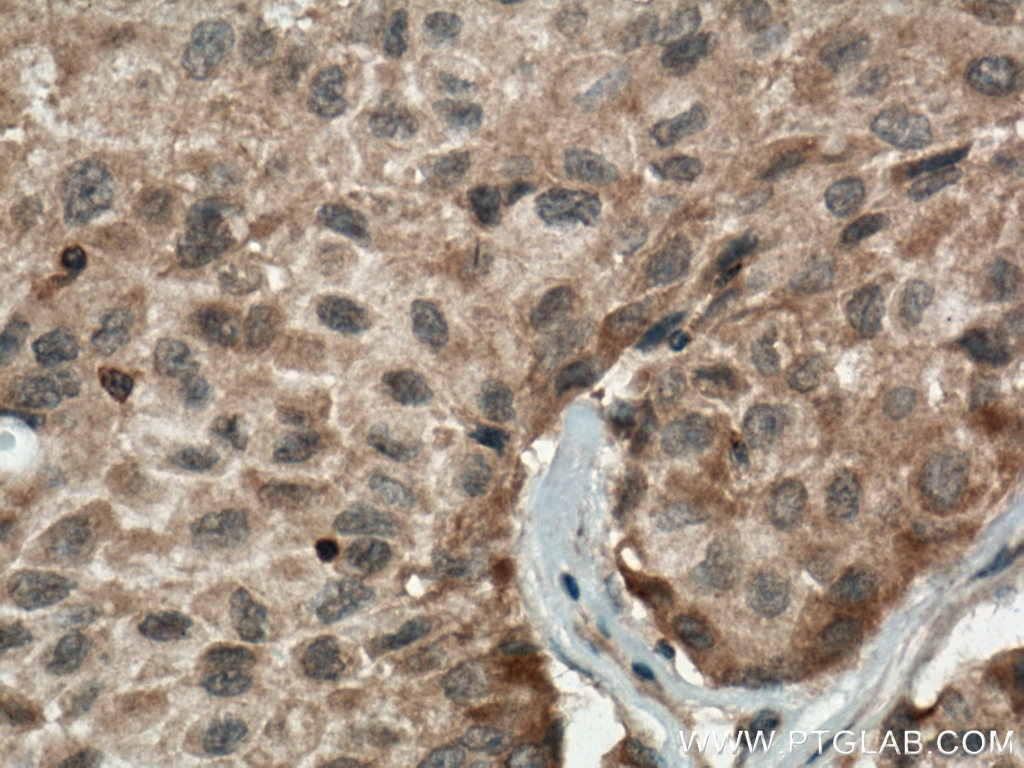

Tested Applications
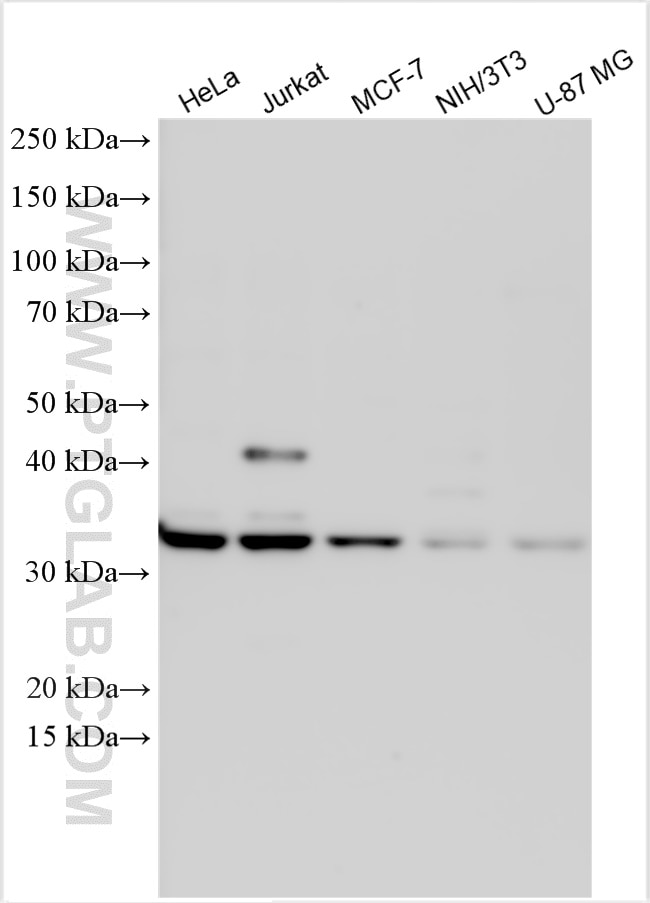
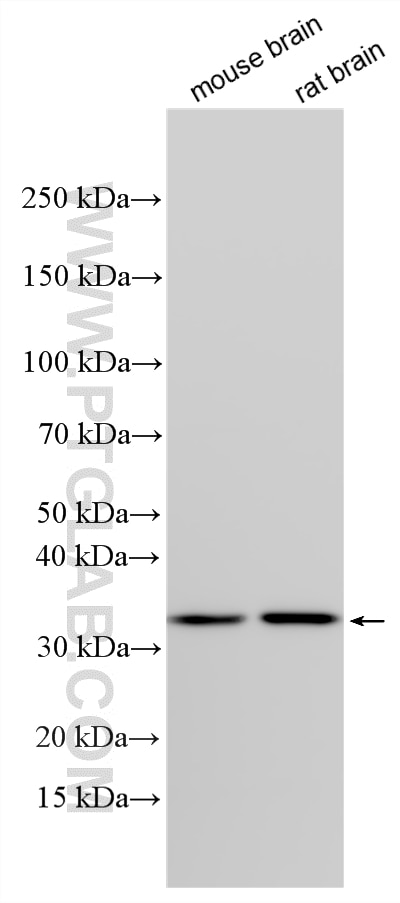
| Positive WB detected in | HeLa cells, mouse brain tissue, Jurkat cells, MCF-7 cells, NIH/3T3 cells, U-87 MG cells, rat brain tissue |
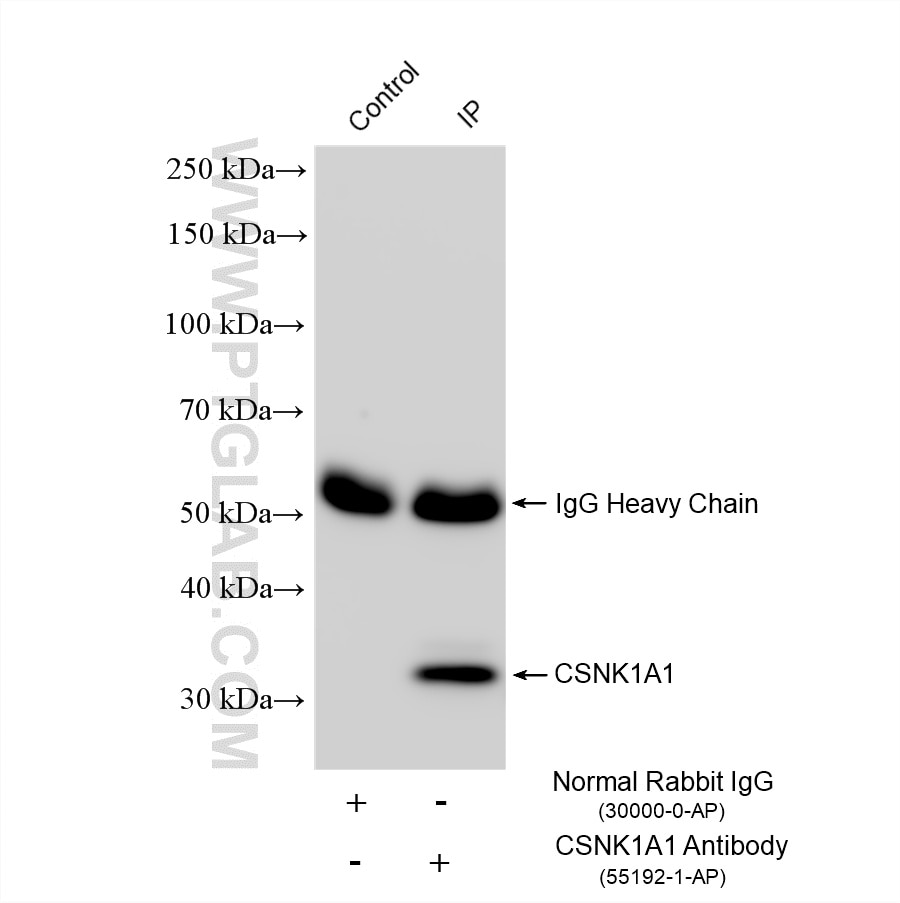
| Positive IP detected in | HeLa cells |
| Positive IHC detected in | human breast cancer tissue, human lung cancer tissue Note: suggested antigen retrieval with TE buffer pH 9.0; (*) Alternatively, antigen retrieval may be performed with citrate buffer pH 6.0 |
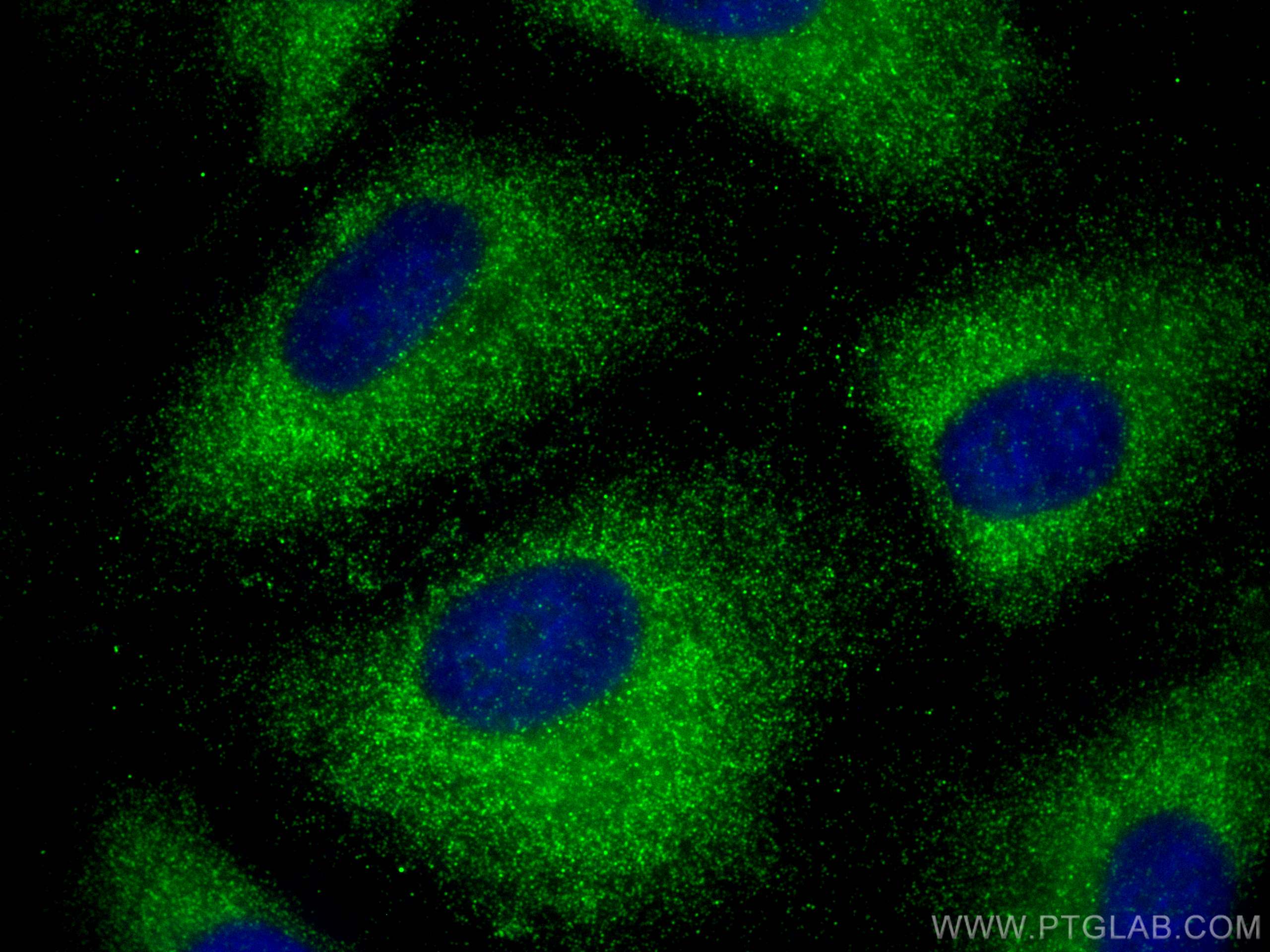
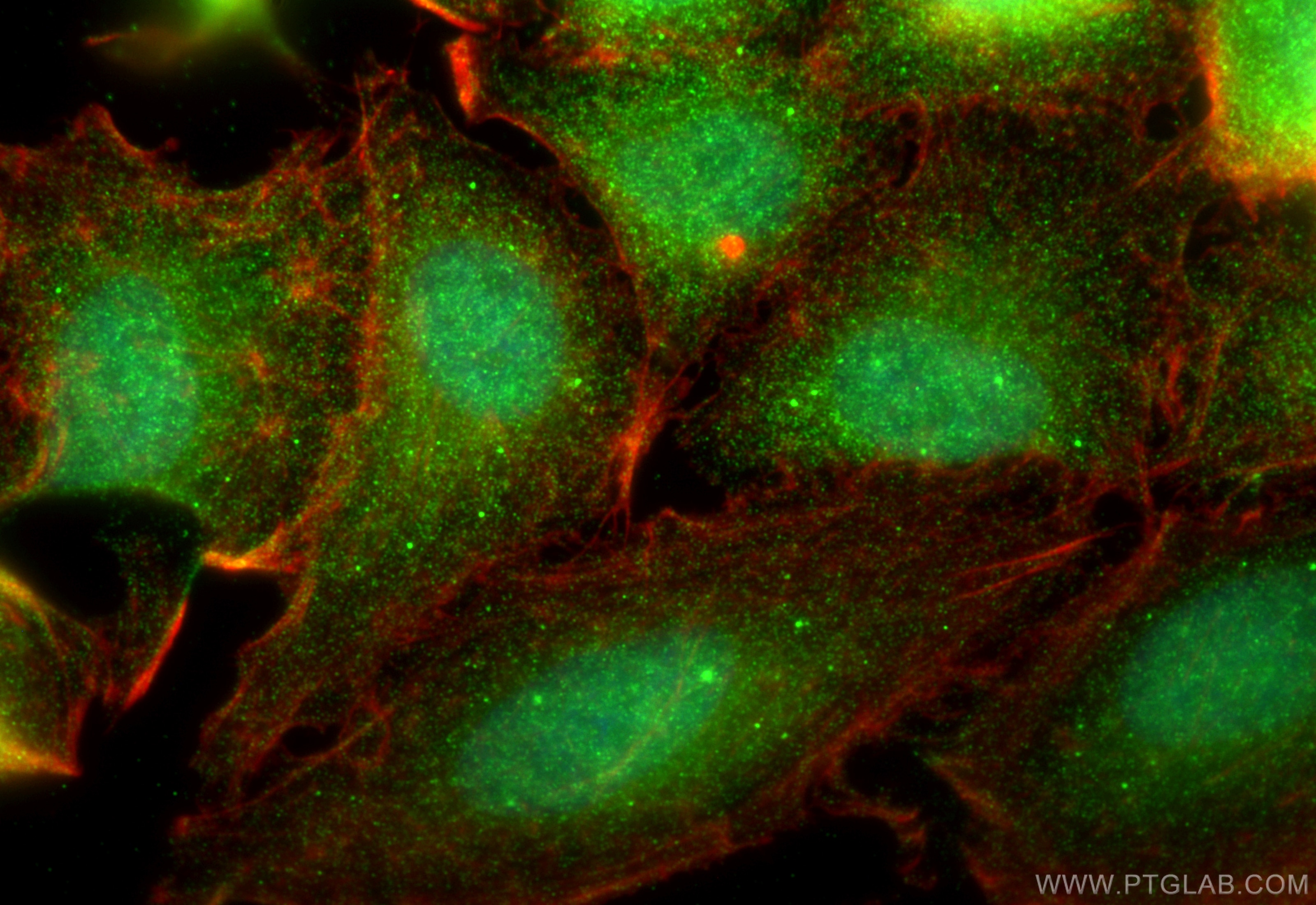
| Positive IF/ICC detected in | A549 cells |
Recommended dilution
| Application | Dilution |
|---|---|
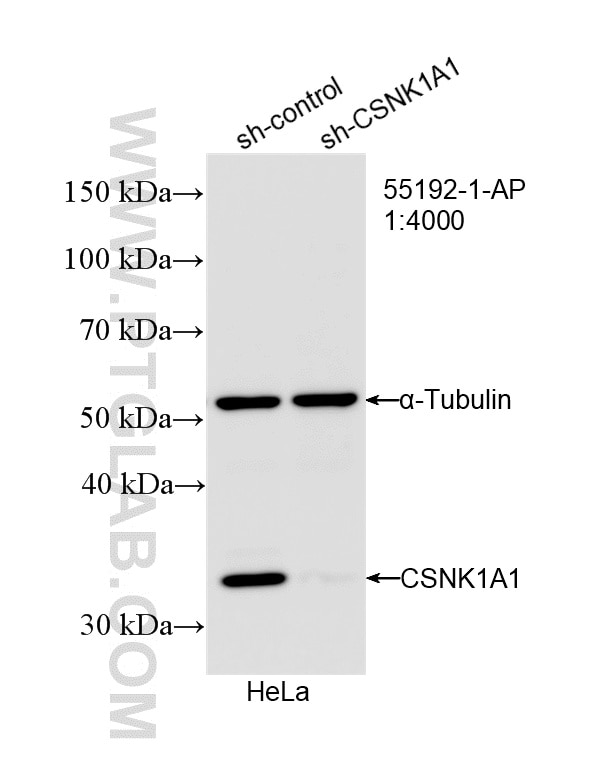
| Western Blot (WB) | WB : 1:1000-1:4000 |
| Immunoprecipitation (IP) | IP : 0.5-4.0 ug for 1.0-3.0 mg of total protein lysate |
| Immunohistochemistry (IHC) | IHC : 1:50-1:500 |
| Immunofluorescence (IF)/ICC | IF/ICC : 1:200-1:800 |
| It is recommended that this reagent should be titrated in each testing system to obtain optimal results. | |
| Sample-dependent, Check data in validation data gallery. | |
Product Information
55192-1-AP targets CSNK1A1 in WB, IHC, IF/ICC, IP, CoIP, RIP, ELISA applications and shows reactivity with human, mouse, rat samples.
| Tested Reactivity | human, mouse, rat |
| Cited Reactivity | human, mouse |
| Host / Isotype | Rabbit / IgG |
| Class | Polyclonal |
| Type | Antibody |
| Immunogen |
Peptide Predict reactive species |
| Full Name | casein kinase 1, alpha 1 |
| Calculated Molecular Weight | 42 kDa |
| Observed Molecular Weight | 30-35 kDa, 42-45 kDa |
| GenBank Accession Number | NM_001892 |
| Gene Symbol | CSNK1A1 |
| Gene ID (NCBI) | 1452 |
| RRID | AB_11183034 |
| Conjugate | Unconjugated |
| Form | Liquid |
| Purification Method | Antigen affinity purification |
| UNIPROT ID | P48729 |
| Storage Buffer | PBS with 0.02% sodium azide and 50% glycerol, pH 7.3. |
| Storage Conditions | Store at -20°C. Stable for one year after shipment. Aliquoting is unnecessary for -20oC storage. 20ul sizes contain 0.1% BSA. |
Background Information
CSNK1A1, also named as CK1, belongs to the protein kinase superfamily, CK1 Ser/Thr protein kinase family and Casein kinase I subfamily. Casein kinases are operationally defined by their preferential utilization of acidic proteins such as caseins as substrates. CSNK1A1 can phosphorylate a large number of proteins. It participates in Wnt signaling. CSNK1A1 phosphorylates CTNNB1 at 'Ser-45'. May play a role in segregating chromosomes during mitosis. This antibody is specific to CSNK1A1.
Protocols
| Product Specific Protocols | |
|---|---|
| IF protocol for CSNK1A1 antibody 55192-1-AP | Download protocol |
| IHC protocol for CSNK1A1 antibody 55192-1-AP | Download protocol |
| IP protocol for CSNK1A1 antibody 55192-1-AP | Download protocol |
| WB protocol for CSNK1A1 antibody 55192-1-AP | Download protocol |
| Standard Protocols | |
|---|---|
| Click here to view our Standard Protocols |
Publications
What published studies show
The anti-CSNK1A1/CK1α antibody (Cat# 55192-1-AP) has 21 citations published in journals including Nature Communications, Molecular Cell, Autophagy, Advanced Science, EMBO Reports, Journal of Cell Biology, and Cell Death & Disease. Associated research fields span cancer biology (hepatocellular, breast, colorectal), immunology and autoimmunity, circadian regulation, cardiovascular disease, metabolic disorders, reproductive biology, viral hepatitis, pulmonary fibrosis, stem cell biology, and mitochondrial function.
| Species | Application | Title |
|---|---|---|
Autophagy CSNK1A1/CK1α suppresses autoimmunity by restraining the CGAS-STING1 signaling
| ||
Nat Commun Phosphorylation-coupled autoregulation of TANGO1 and Sec16A maintains functional ER exit sites. | ||
Mol Cell BAG2 releases SAMD4B upon sensing of arginine deficiency to promote tumor cell survival | ||
Adv Sci (Weinh) The PRMT6/PARP1/CRL4B Complex Regulates the Circadian Clock and Promotes Breast Tumorigenesis | ||
Cell Death Dis CARMN loss promotes VSMC-derived foam cell formation and atherosclerosis through transcriptional downregulation of autophagy. | ||
Pharmacol Res Upregulation of CSNK1A1 induced by ITGB5 confers to hepatocellular carcinoma resistance to sorafenib in vivo by disrupting the EPS15/EGFR complex
|











