

Tested Applications
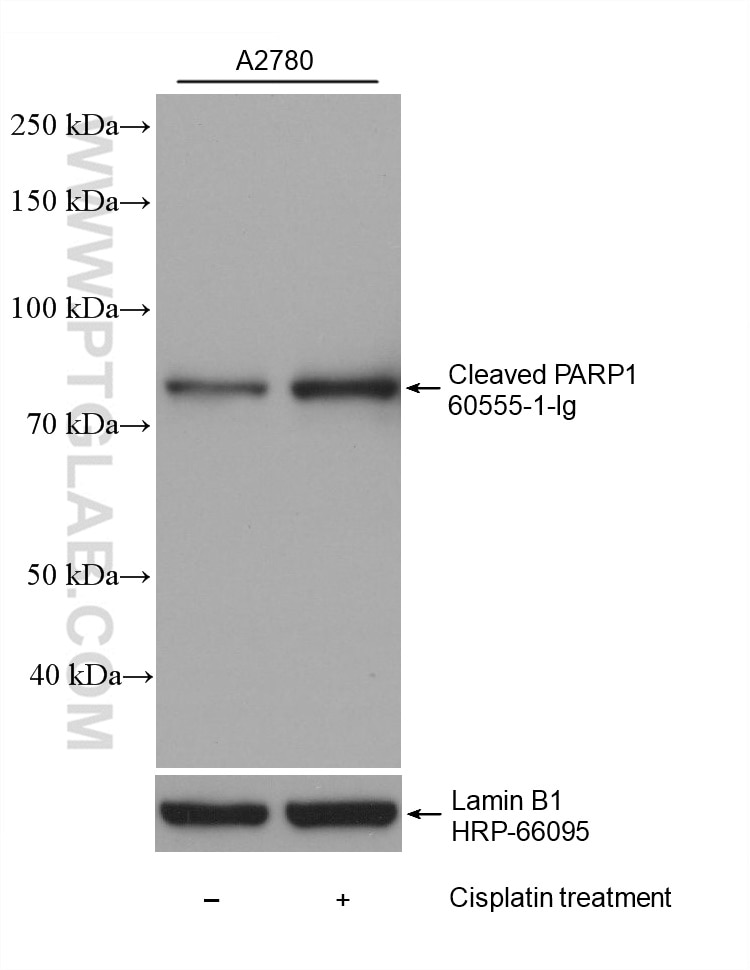
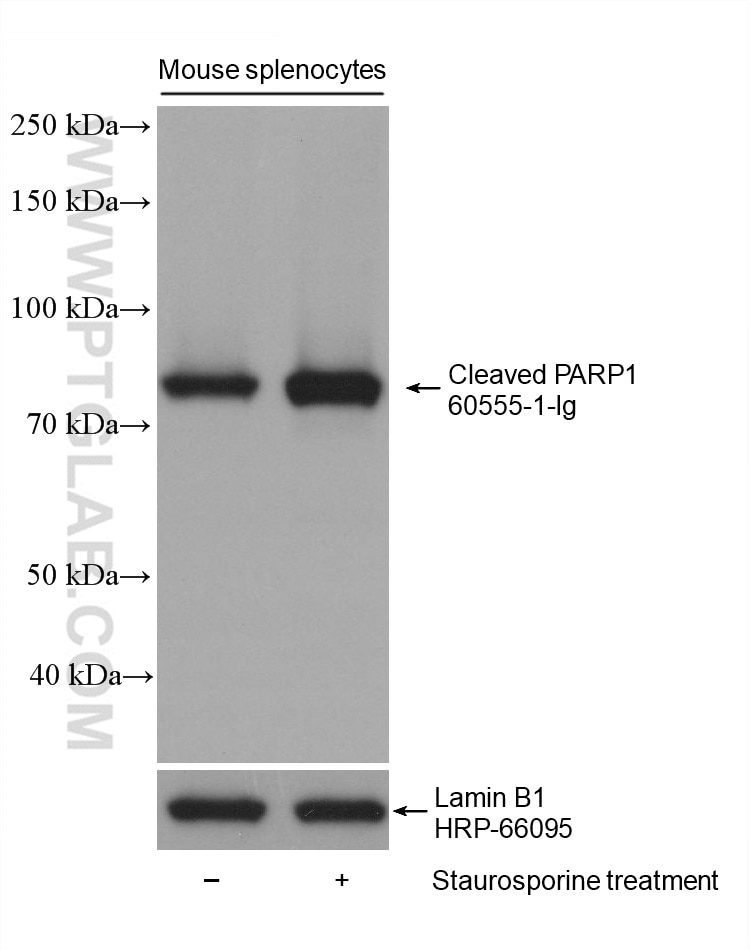
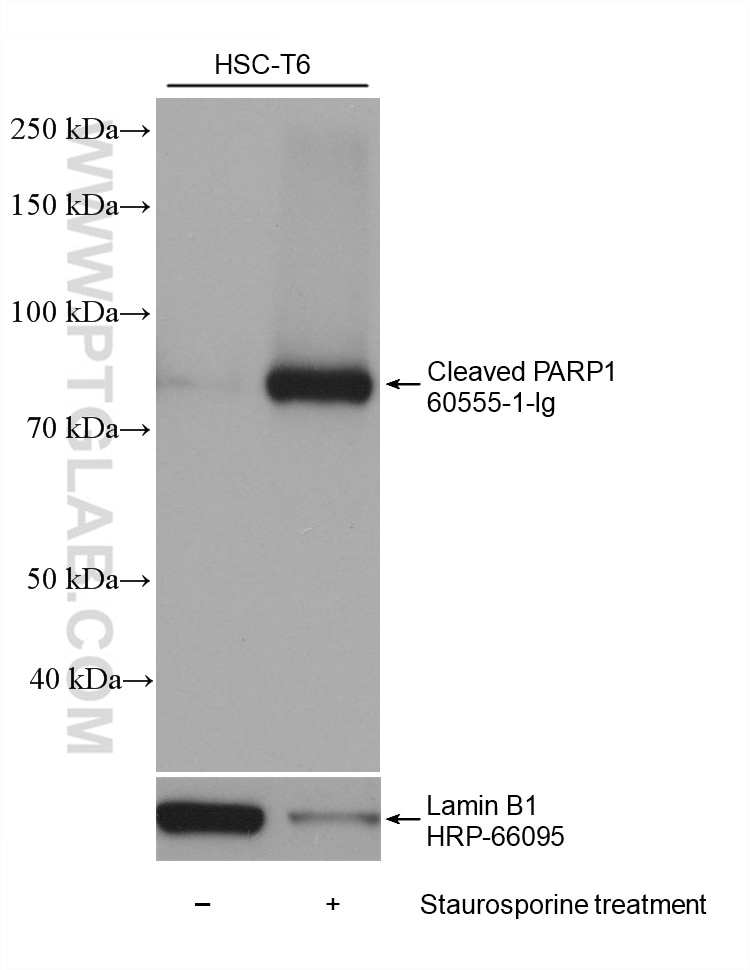
| Positive WB detected in | A2780 cells, HSC-T6 cells, mouse splenocytes, Staurosporine treated A2780 cells, Staurosporine treated HSC-T6 cells, Staurosporine treated mouse splenocytes |
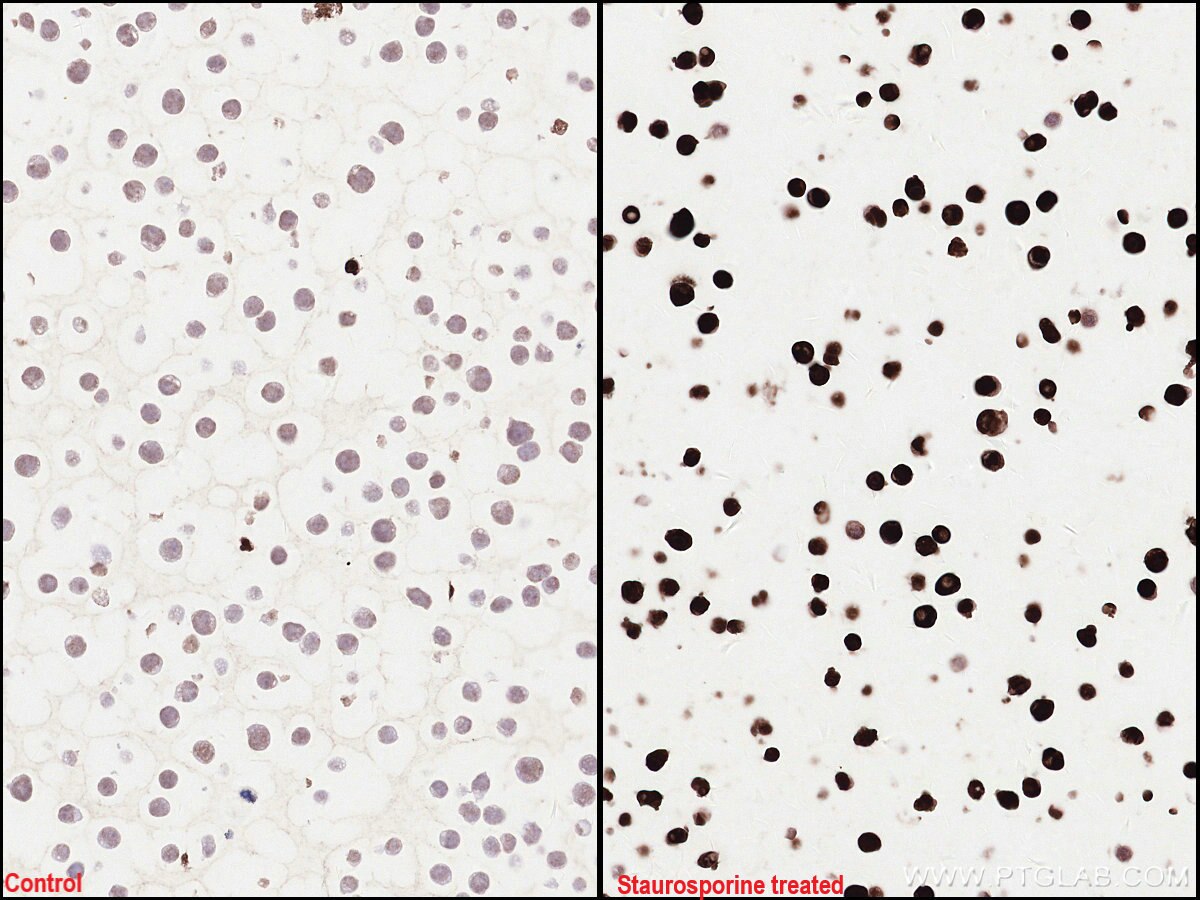
| Positive IHC detected in | Jurkat cells Note: suggested antigen retrieval with TE buffer pH 9.0; (*) Alternatively, antigen retrieval may be performed with citrate buffer pH 6.0 |
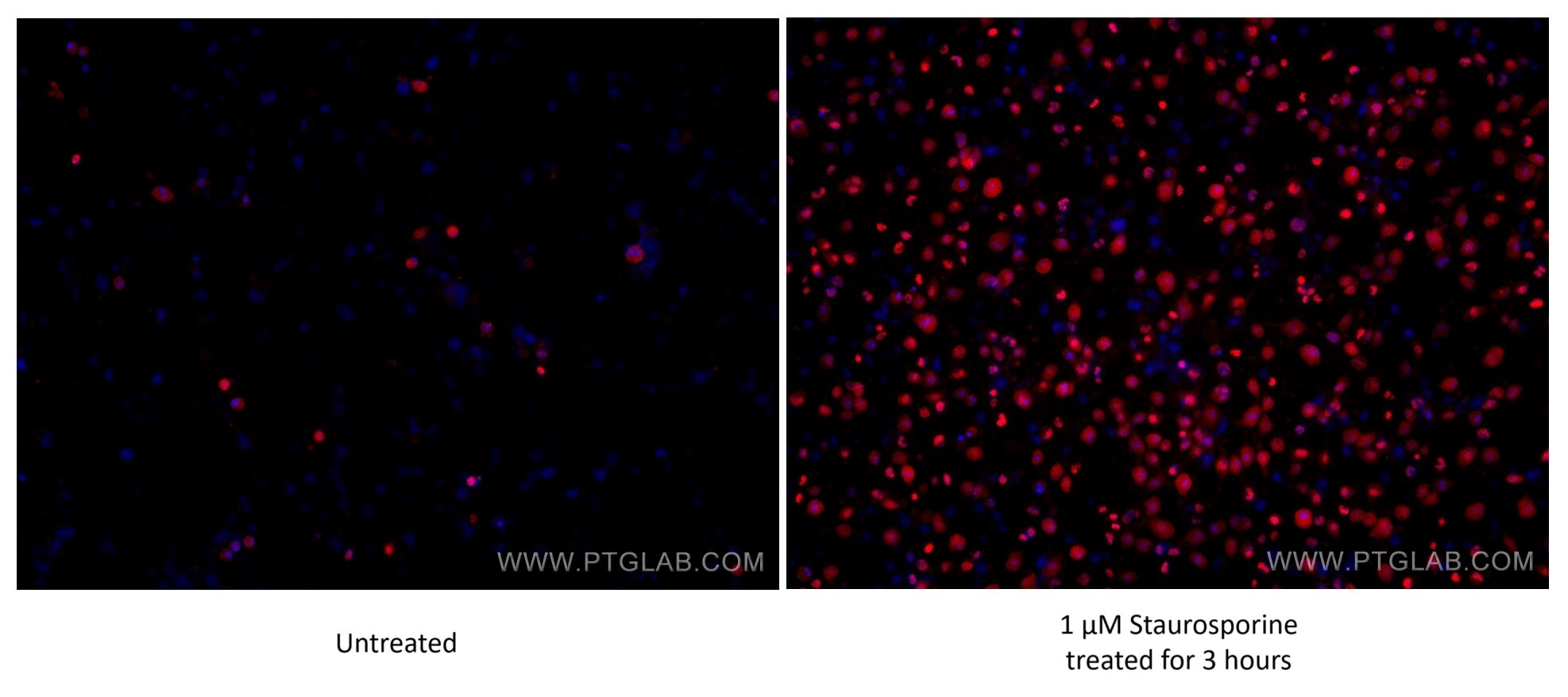
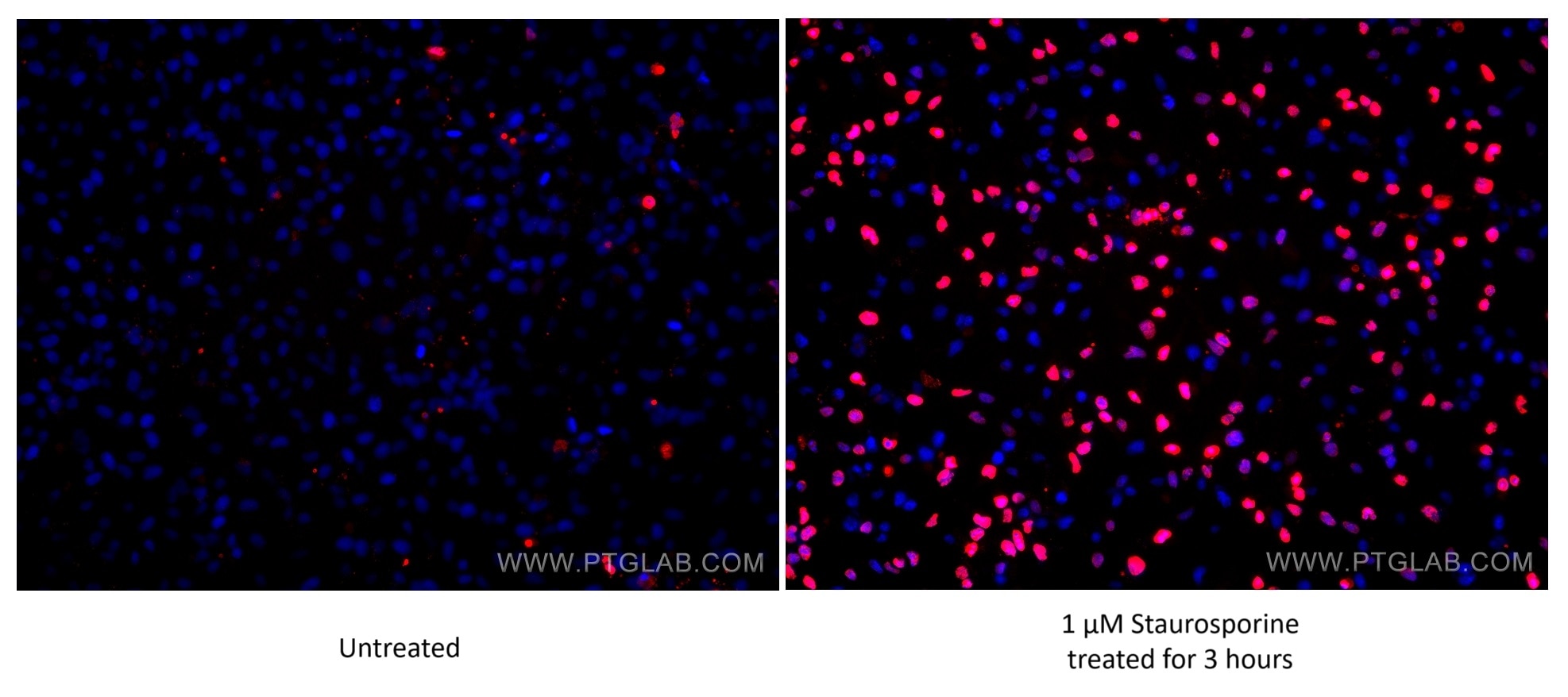
| Positive IF/ICC detected in | 1 μM Staurosporine (3 hours) treated HSC-T6 cells, 1 μM Staurosporine (3 hours) treated HeLa cells |
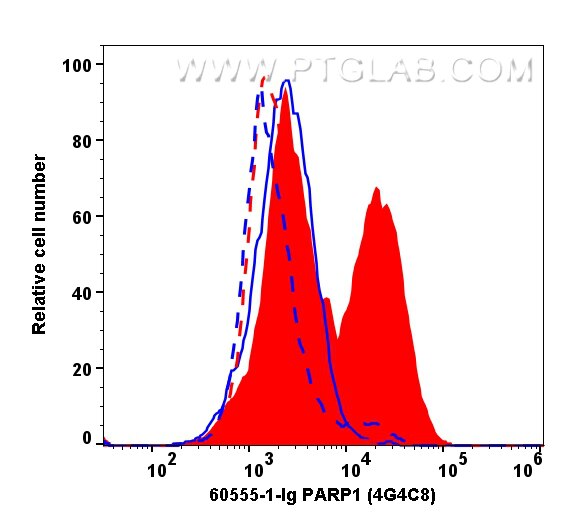
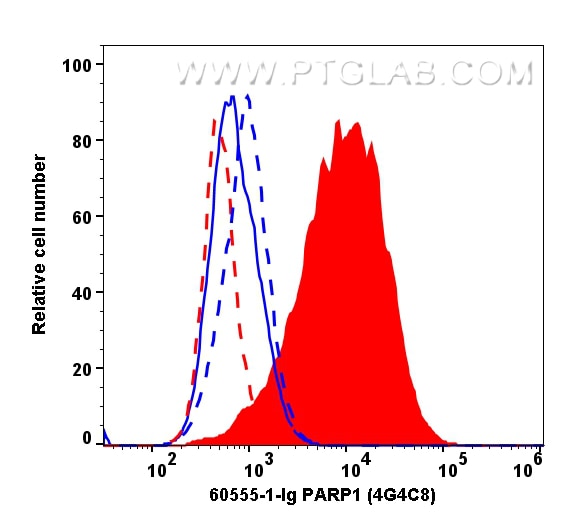
| Positive FC (Intra) detected in | 1 μM Staurosporine (3 hours) treated HSC-T6 cells, 1 μM Staurosporine (3 hours) treated HeLa cells |
Recommended dilution
| Application | Dilution |
|---|---|
| Western Blot (WB) | WB : 1:5000-1:50000 |
| Immunohistochemistry (IHC) | IHC : 1:1000-1:4000 |
| Immunofluorescence (IF)/ICC | IF/ICC : 1:500-1:2000 |
| Flow Cytometry (FC) (INTRA) | FC (INTRA) : 0.40 ug per 10^6 cells in a 100 µl suspension |
| It is recommended that this reagent should be titrated in each testing system to obtain optimal results. | |
| Sample-dependent, Check data in validation data gallery. | |
Product Information
60555-1-Ig targets Cleaved PARP1 in WB, IHC, IF/ICC, FC (Intra), ELISA, Immunofluorescence, Western Blot applications and shows reactivity with human, mouse, rat samples.
| Tested Reactivity | human, mouse, rat |
| Cited Reactivity | human, mouse, rat, pig |
| Host / Isotype | Mouse / IgG1 |
| Class | Monoclonal |
| Type | Antibody |
| Immunogen |
Peptide Predict reactive species |
| Full Name | poly (ADP-ribose) polymerase 1 |
| Calculated Molecular Weight | 1014 aa, 113 kDa |
| Observed Molecular Weight | 89 kDa |
| GenBank Accession Number | BC037545 |
| Gene Symbol | PARP1 |
| Gene ID (NCBI) | 142 |
| RRID | AB_3743221 |
| Conjugate | Unconjugated |
| Form | Liquid |
| Purification Method | Protein G purification |
| UNIPROT ID | P09874 |
| Storage Buffer | PBS with 0.02% sodium azide and 50% glycerol, pH 7.3. |
| Storage Conditions | Store at -20°C. Stable for one year after shipment. Aliquoting is unnecessary for -20oC storage. 20ul sizes contain 0.1% BSA. |
Background Information
PARP1 (poly(ADP-ribose) polymerase 1) is a nuclear enzyme catalyzing the poly(ADP-ribosyl)ation of many key proteins in vivo. The normal function of PARP1 is the routine repair of DNA damage. Activated by DNA strand breaks, the PARP1 is cleaved into an 85 to 89-kDa COOH-terminal fragment and a 24 kDa NH2-terminal peptide by caspases during the apoptotic process. The appearance of PARP fragments is commonly considered an important biomarker of apoptosis. In addition to caspases, other proteases like calpains, cathepsins, granzymes, and matrix metalloproteinases (MMPs) have also been reported to cleave PARP1 and give rise to fragments ranging from 42-89 kDa.
This antibody only recognizes the cleaved form of PAPR1 but not full-length PARP1.
Protocols
| Product Specific Protocols | |
|---|---|
| IF protocol for Cleaved PARP1 antibody 60555-1-Ig | Download protocol |
| IHC protocol for Cleaved PARP1 antibody 60555-1-Ig | Download protocol |
| WB protocol for Cleaved PARP1 antibody 60555-1-Ig | Download protocol |
| Standard Protocols | |
|---|---|
| Click here to view our Standard Protocols |
Publications
What published studies show
The BCL2 antibody (Cat# 60555-1-Ig) has 51 citations published in journals including Cell Death Dis, Cancer Lett, Oncogene, FASEB J, J Biol Chem, iScience, Cell Signal, Br J Cancer, and Front Immunol. Associated research fields span oncology (pancreatic, gastric, lung, colorectal, and liver cancers), apoptosis, ferroptosis, signaling pathway regulation (PI3K/AKT, NF-κB, JAK/STAT), drug pharmacology, mitochondrial biology, and diabetic complications.
| Species | Application | Title |
|---|---|---|
Acta Pharm Sin B Design, synthesis, and antitumor activity of novel thioheterocyclic nucleoside derivatives by suppressing the c-MYC pathway | ||
Adv Sci (Weinh) A Spatially Directed Microneedle Patch Enables Intratumoral Co-Delivery of FOLFIRINOX, Surufatinib, and Anti-PD-1 for Chemo-Immunotherapy of Pancreatic Ductal Adenocarcinoma | ||
Cell Death Dis The ALDH2/PolG2 axis enhances mitochondrial biogenesis via transcriptional regulation of Nrf2 and promotes chemotherapy resistance in acute myeloid leukaemia. | ||
Oncogene Vimentin intermediate filaments orchestrate DNA nonhomologous end joining repair and lipolysis after DNA damage | ||
Cell Chem Biol Repurposing simeprevir uncovers a druggable KPNB1-p65-BCL2 survival axis in cancer. |









