
Tested Applications
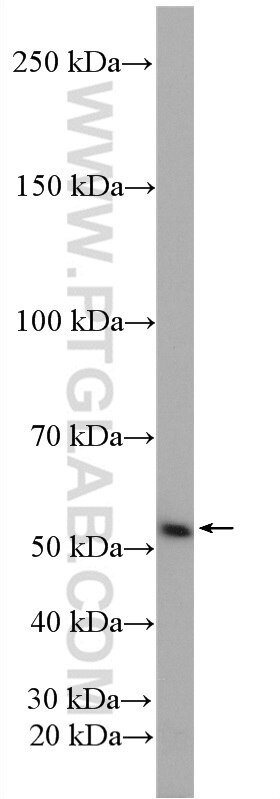
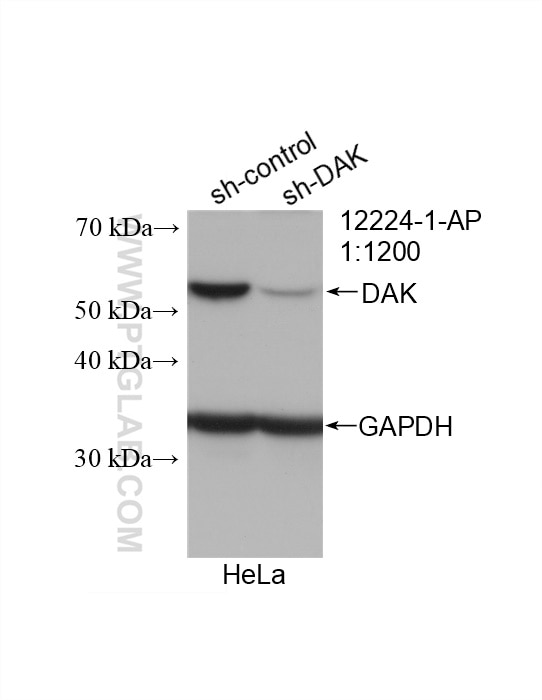
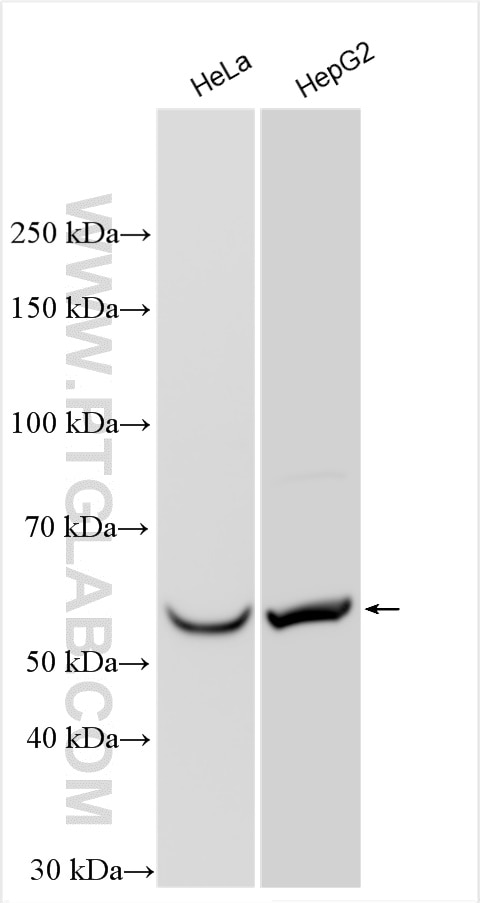
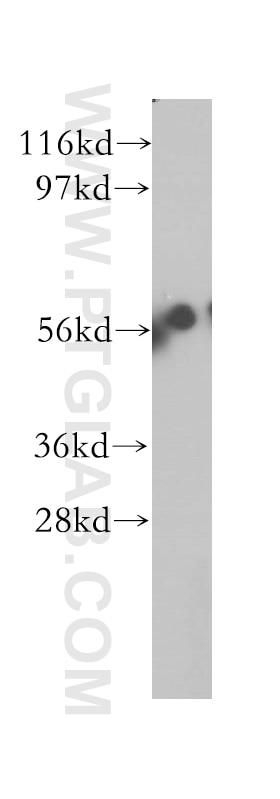
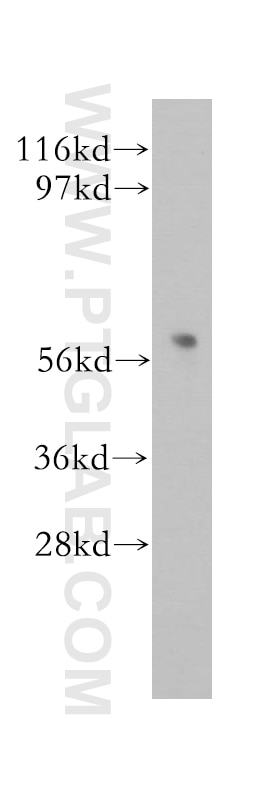
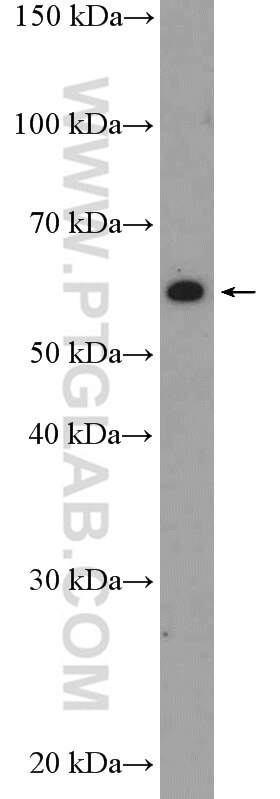
| Positive WB detected in | HeLa cells, HEK-293 cells, mouse uterus tissue, HepG2 cells |
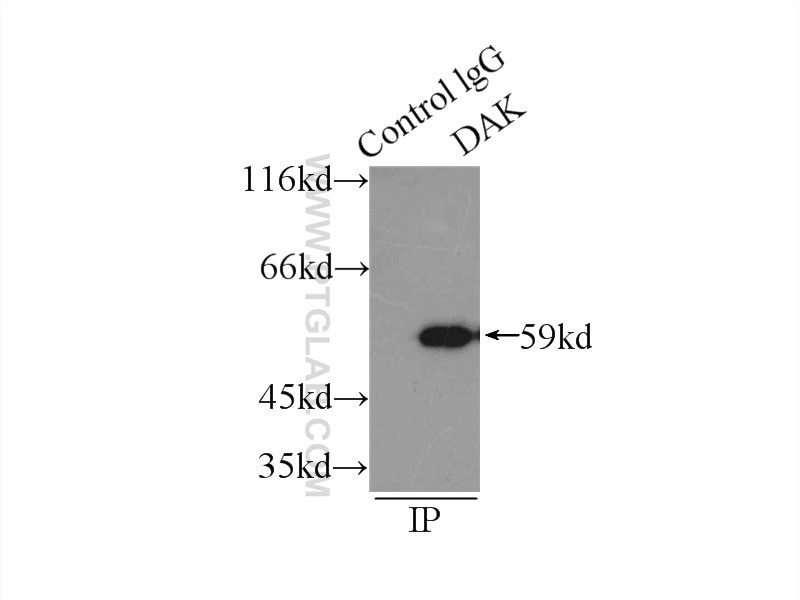
| Positive IP detected in | HeLa cells |
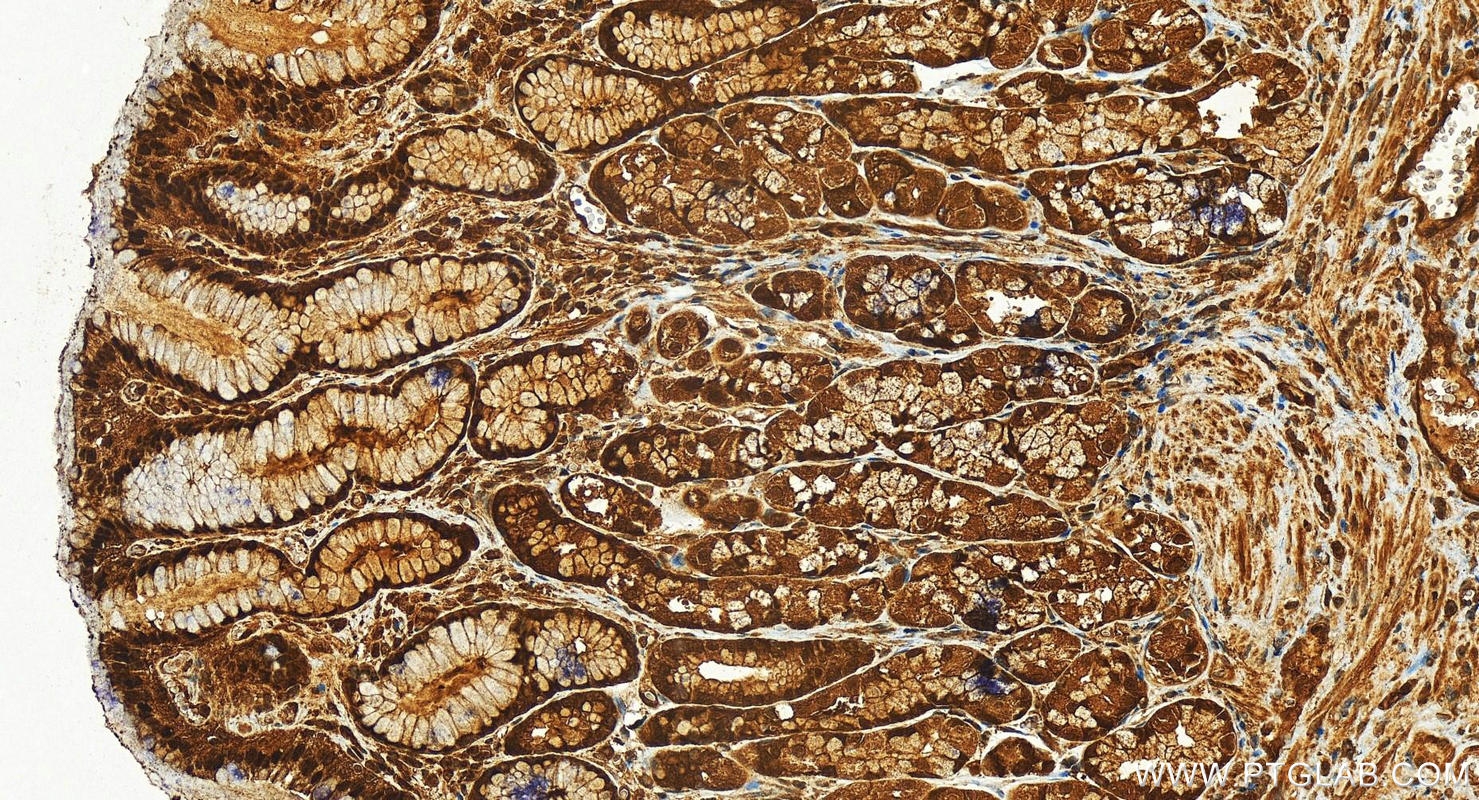
| Positive IHC detected in | human stomach tissue Note: suggested antigen retrieval with TE buffer pH 9.0; (*) Alternatively, antigen retrieval may be performed with citrate buffer pH 6.0 |
Recommended dilution
| Application | Dilution |
|---|---|
| Western Blot (WB) | WB : 1:1000-1:6000 |
| Immunoprecipitation (IP) | IP : 0.5-4.0 ug for 1.0-3.0 mg of total protein lysate |
| Immunohistochemistry (IHC) | IHC : 1:50-1:500 |
| It is recommended that this reagent should be titrated in each testing system to obtain optimal results. | |
| Sample-dependent, Check data in validation data gallery. | |
Product Information
12224-1-AP targets DAK in WB, IHC, IF, IP, ELISA applications and shows reactivity with human, mouse, rat samples.
| Tested Reactivity | human, mouse, rat |
| Cited Reactivity | human, mouse, rat |
| Host / Isotype | Rabbit / IgG |
| Class | Polyclonal |
| Type | Antibody |
| Immunogen |
CatNo: Ag2861 Product name: Recombinant human DAK protein Source: e coli.-derived, PGEX-4T Tag: GST Domain: 226-576 aa of BC001341 Sequence: VRRIKMATADEIVKLMLDHMTNTTNASHVPVQPGSSVVMMVNNLGGLSFLELGIIADATVRSLEGRGVKIARALVGTFMSALEMPGISLTLLLVDEPLLKLIDAETTAAAWPNVAAVSITGRKRSRVAPAEPQEAPDSTAAGGSASKRMALVLERVCSTLLGLEEHLNALDRAAGDGDCGTTHSRAARAIQEWLKEGPPPASPAQLLSKLSVLLLEKMGGSSGALYGLFLTAAAQPLKAKTSLPAWSAAMDAGLEAMQKYGKAAPGDRTMLDSLWAAGQELQAWKSPGADLLQVLTKAVKSAEAAAEATKNMEAGAGRASYISSARLEQPDPGAVAAAAILRAILEVLQS Predict reactive species |
| Full Name | dihydroxyacetone kinase 2 homolog (S. cerevisiae) |
| Calculated Molecular Weight | 575 aa, 59 kDa |
| Observed Molecular Weight | 55-59 kDa |
| GenBank Accession Number | BC001341 |
| Gene Symbol | DAK |
| Gene ID (NCBI) | 26007 |
| RRID | AB_2277108 |
| Conjugate | Unconjugated |
| Form | Liquid |
| Purification Method | Antigen affinity purification |
| UNIPROT ID | Q3LXA3 |
| Storage Buffer | PBS with 0.02% sodium azide and 50% glycerol, pH 7.3. |
| Storage Conditions | Store at -20°C. Stable for one year after shipment. Aliquoting is unnecessary for -20oC storage. 20ul sizes contain 0.1% BSA. |
Background Information
DAK, also name as TKFC, Triokinase, and FMN cyclase, catalyzes both the phosphorylation of dihydroxyacetone and of glyceraldehyde, and the splitting of ribonucleoside diphosphate-X compounds among which FAD is the best substrate. DAK has some isoforms with MW 51-55 kDa and 59 kDa.
Protocols
| Product Specific Protocols | |
|---|---|
| IHC protocol for DAK antibody 12224-1-AP | Download protocol |
| IP protocol for DAK antibody 12224-1-AP | Download protocol |
| WB protocol for DAK antibody 12224-1-AP | Download protocol |
| Standard Protocols | |
|---|---|
| Click here to view our Standard Protocols |
Publications
What published studies show
| Species | Application | Title |
|---|---|---|
Endocrinology Hepatic but not intestinal FBP1 is required for fructose metabolism and tolerance | ||
Mol Psychiatry Proteasome-independent K63 polyubiquitination selectively regulates ATP levels and proteasome activity during fear memory formation in the female amygdala | ||
Pharmaceuticals (Basel) Magnolol Inhibits High Fructose-Induced Podocyte Inflammation via Downregulation of TKFC/Sp1/HDAC4/Notch1 Activation | ||
iScience CircSOBP suppresses the progression of glioma by disrupting glycolysis and promoting the MDA5-mediated immune response
| ||
Cell Metab Circulating glycerate predicts resilience to fructose-induced hepatic steatosis | ||
Adv Sci (Weinh) TPI1 Loss Triggers a Metabolite-Driven Mitochondrial Redox Vulnerability via the SARM1-cADPR-Ca(2+) Axis. |









