

Tested Applications
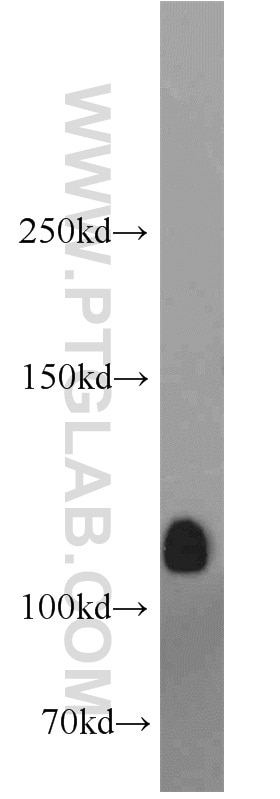
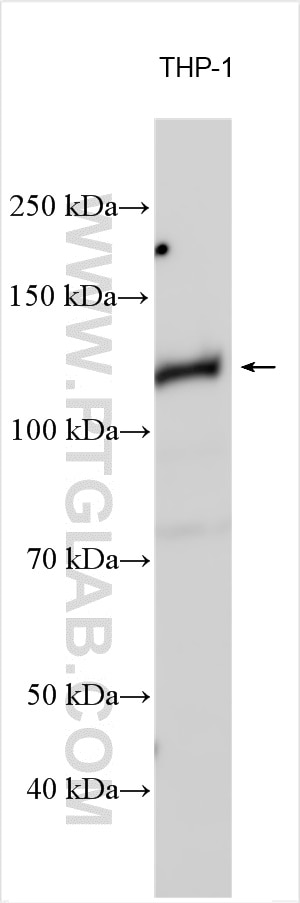
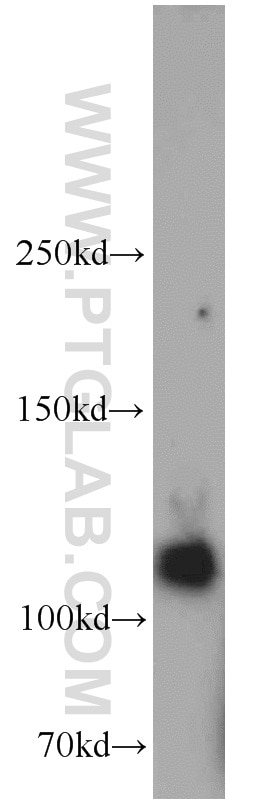
| Positive WB detected in | mouse brain tissue, human placenta tissue, THP-1 cells |
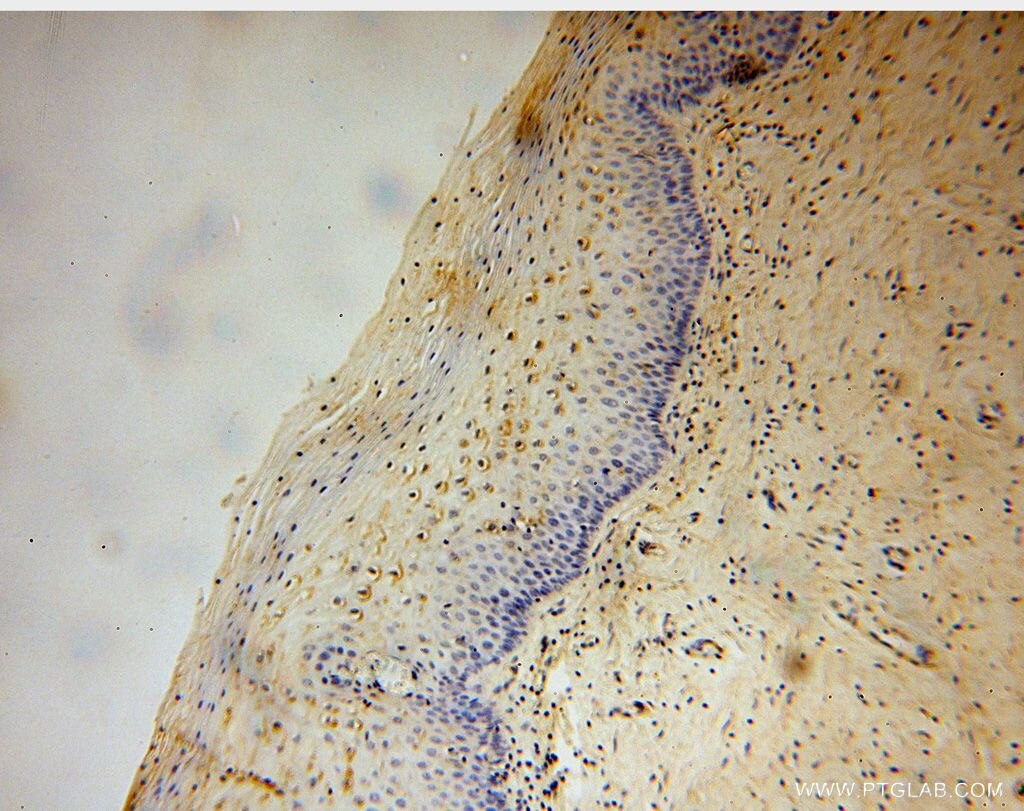
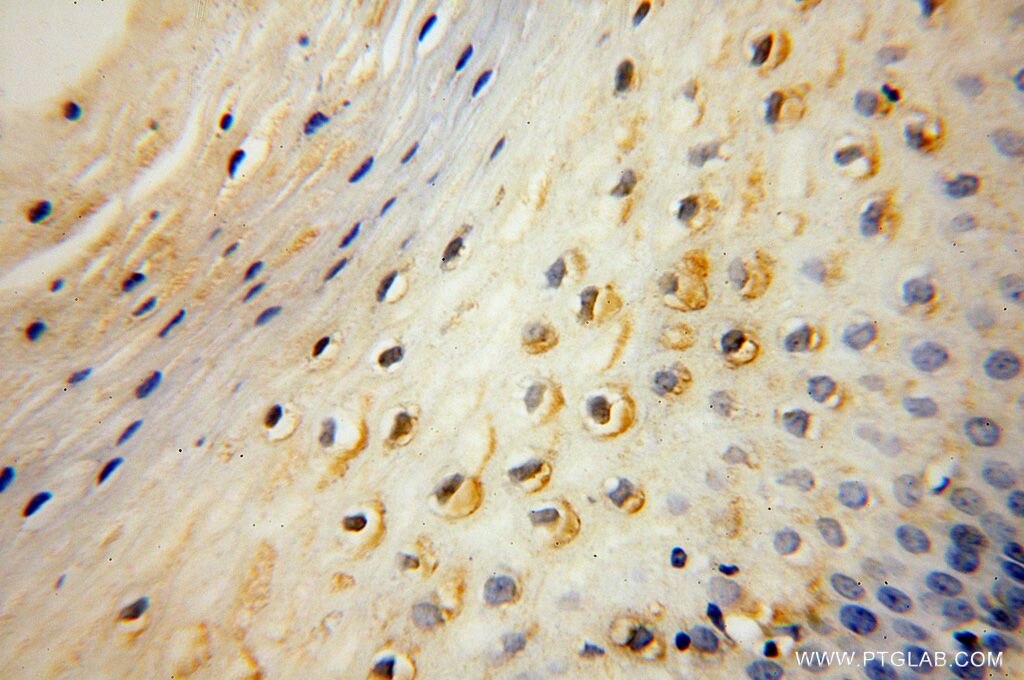
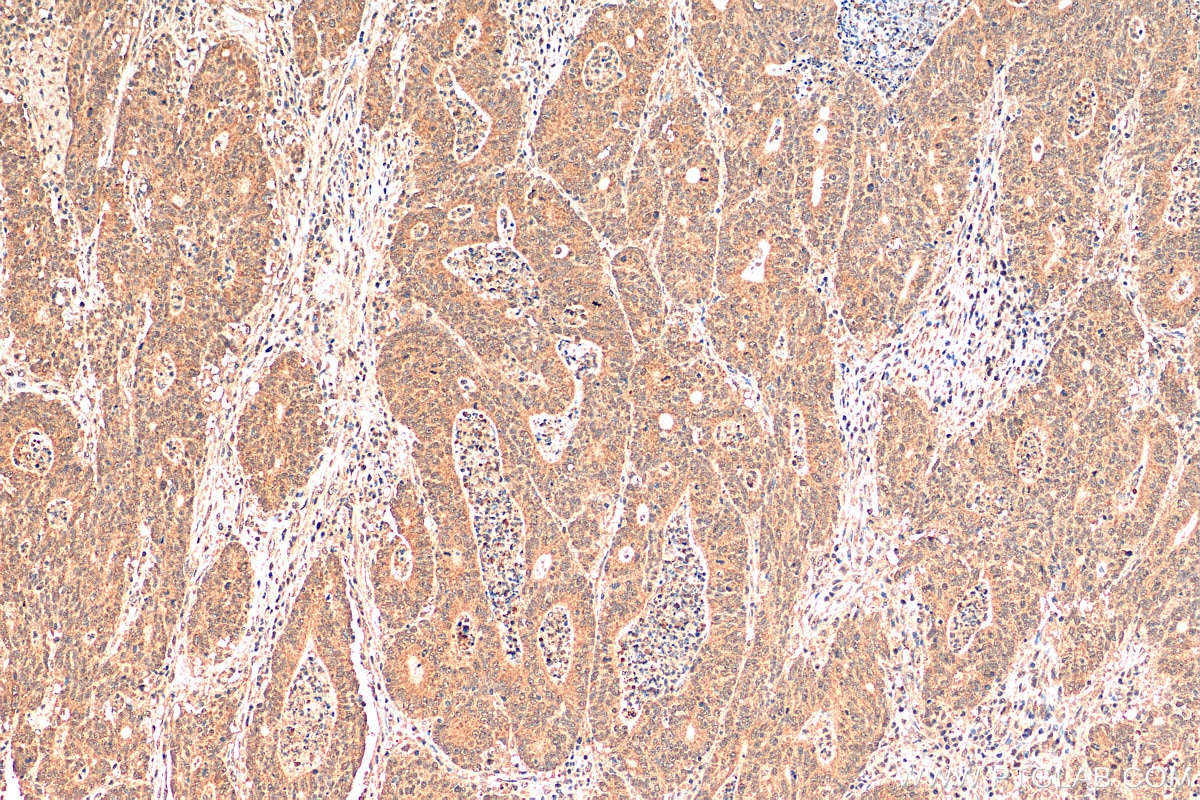
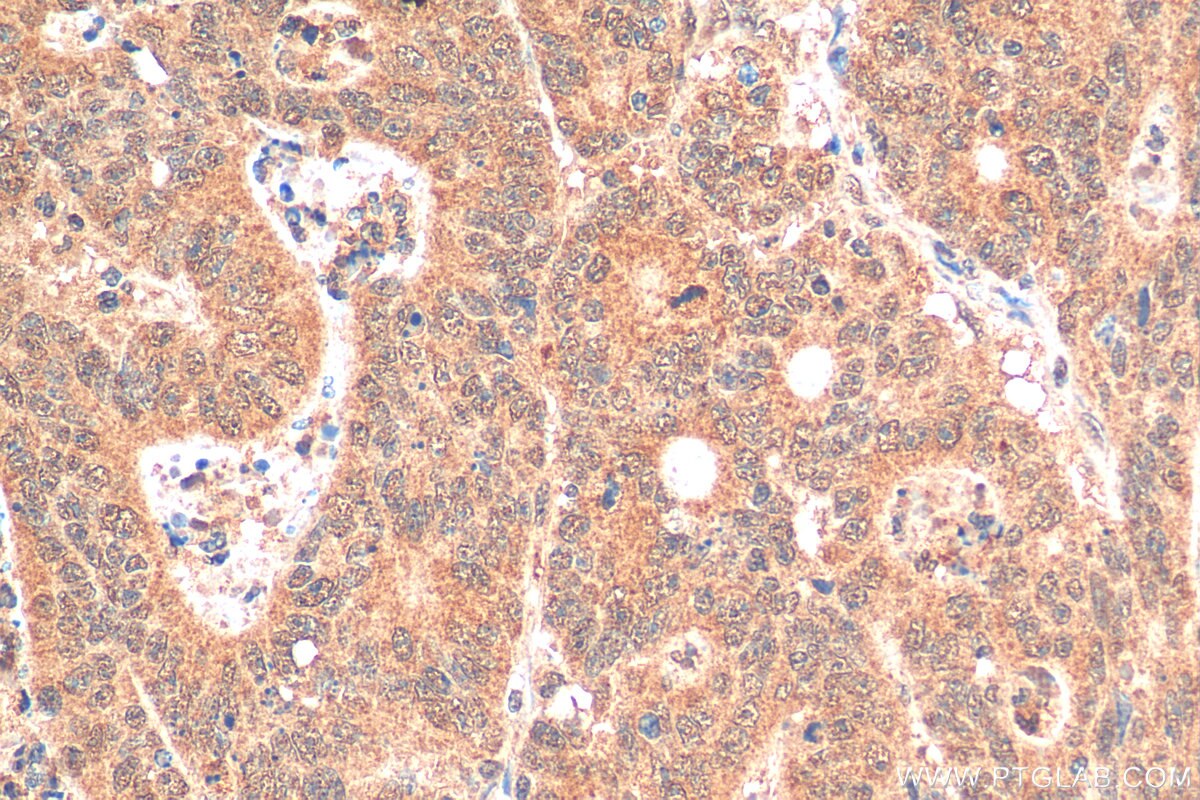
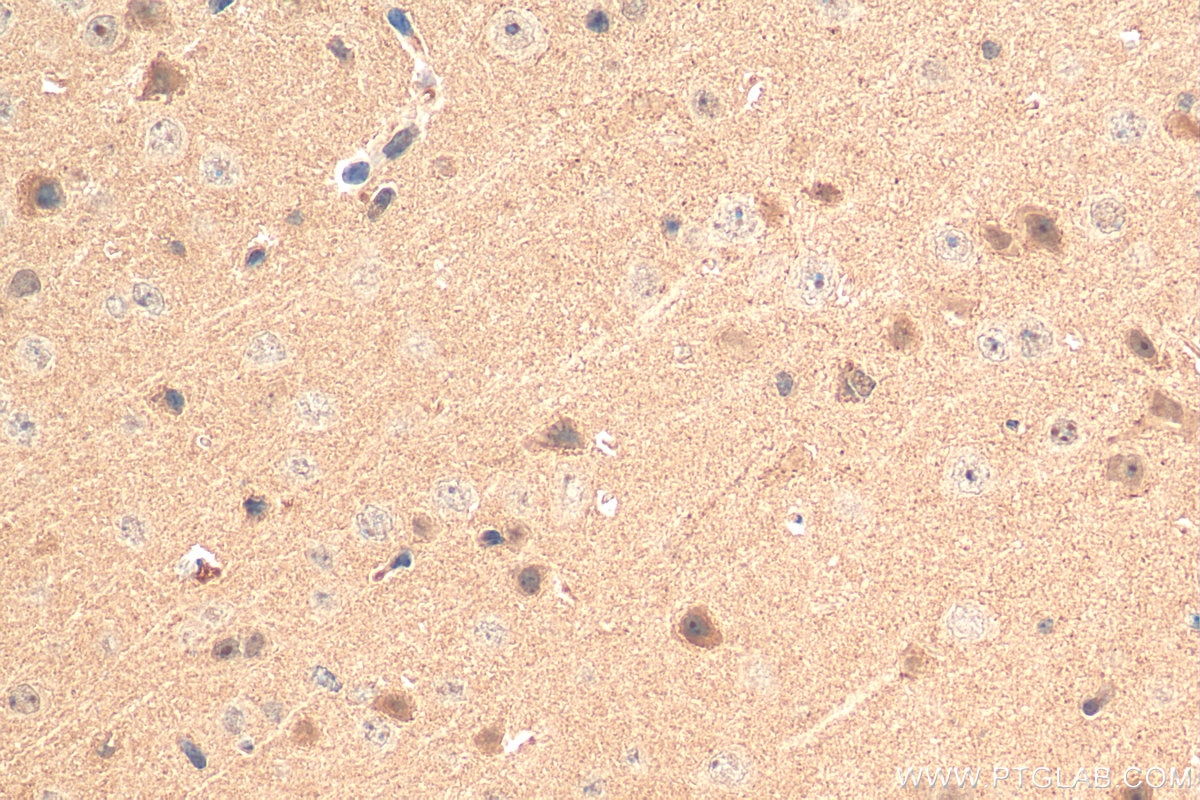
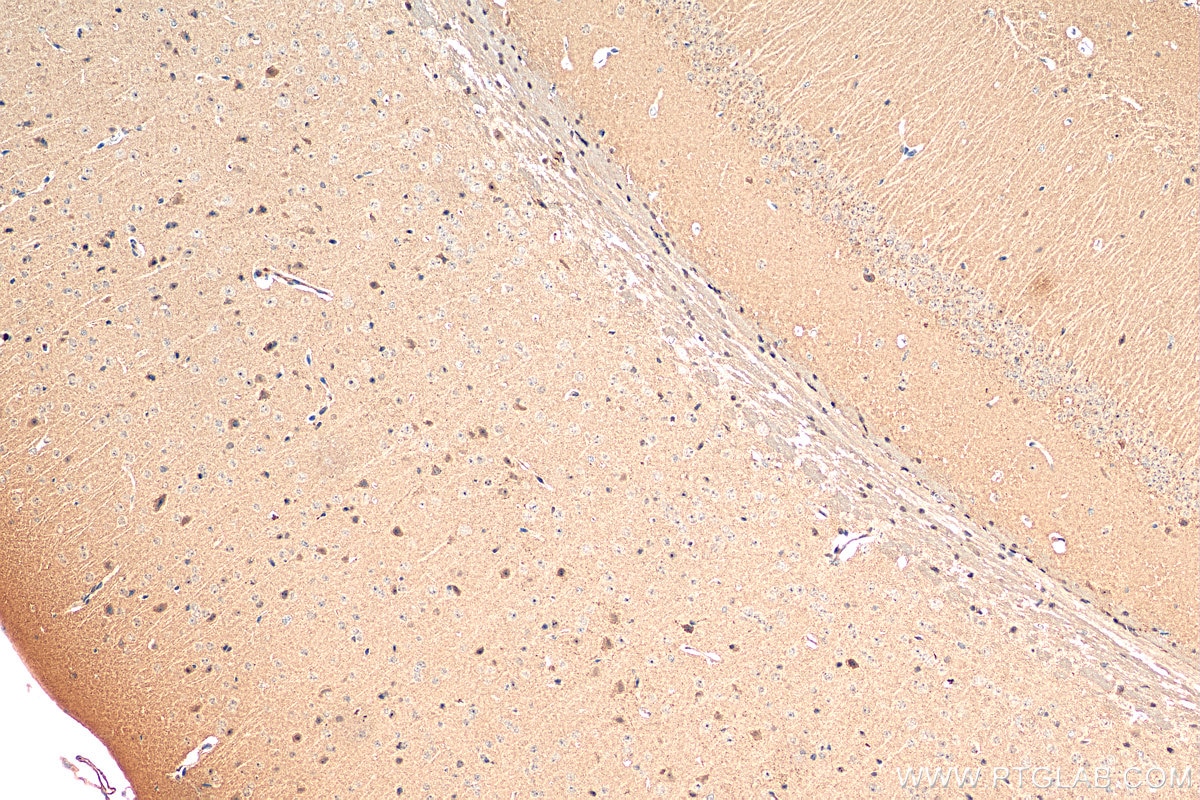
| Positive IHC detected in | human colon cancer tissue, human cervix tissue, mouse brain tissue Note: suggested antigen retrieval with TE buffer pH 9.0; (*) Alternatively, antigen retrieval may be performed with citrate buffer pH 6.0 |
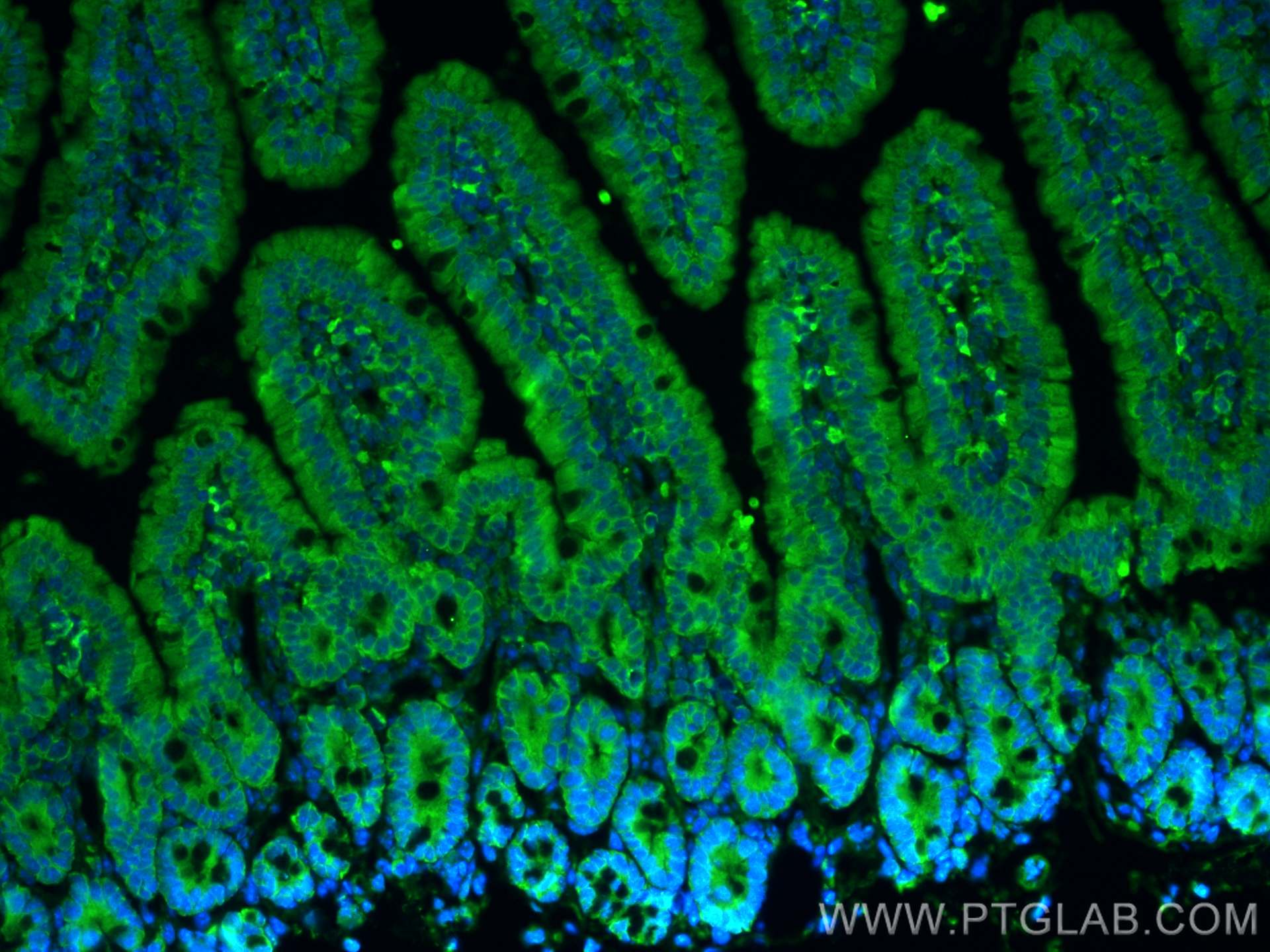
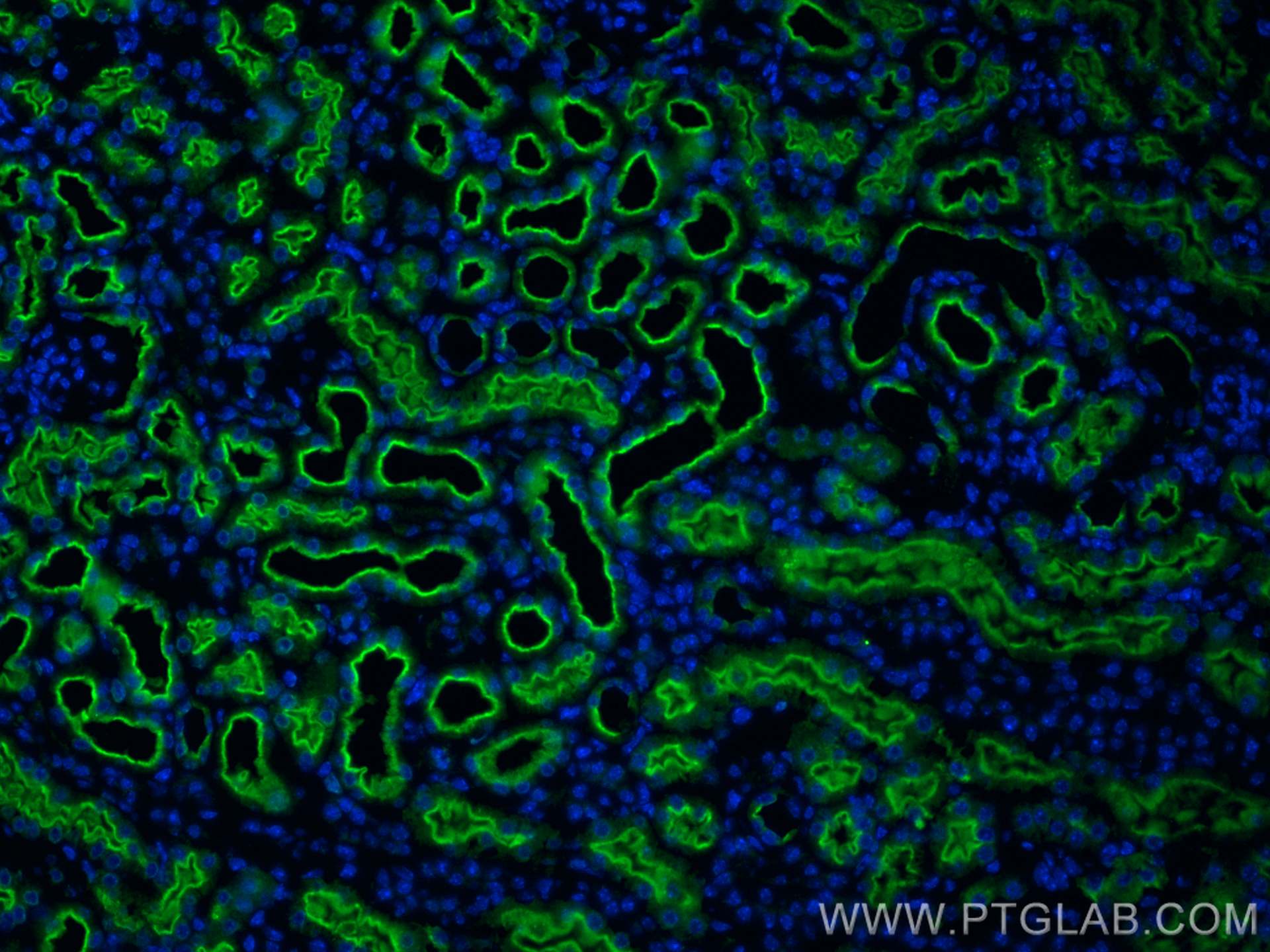
| Positive IF-P detected in | mouse small intestine tissue, mouse kidney tissue |
Recommended dilution
| Application | Dilution |
|---|---|
| Western Blot (WB) | WB : 1:500-1:1000 |
| Immunohistochemistry (IHC) | IHC : 1:50-1:500 |
| Immunofluorescence (IF)-P | IF-P : 1:50-1:500 |
| It is recommended that this reagent should be titrated in each testing system to obtain optimal results. | |
| Sample-dependent, Check data in validation data gallery. | |
Product Information
17885-1-AP targets DGKQ in WB, IHC, IF-P, ELISA applications and shows reactivity with human, mouse, rat samples.
| Tested Reactivity | human, mouse, rat |
| Cited Reactivity | human, mouse |
| Host / Isotype | Rabbit / IgG |
| Class | Polyclonal |
| Type | Antibody |
| Immunogen |
CatNo: Ag11938 Product name: Recombinant human DGKQ protein Source: e coli.-derived, PET28a Tag: 6*His Domain: 595-942 aa of BC063801 Sequence: PKSGGLKGRDLLCSFRKLLNPHQVFDLTNGGPLPGLHLFSQVPCFRVLVCGGDGTVGWVLGALEETRYRLACPEPSVAILPLGTGNDLGRVLRWGAGYSGEDPFSVLLSVDEADAVLMDRWTILLDAHEAGSAENDTADAEPPKIVQMSNYCGIGIDAELSLDFHQAREEEPGKFTSRLHNKGVYVRVGLQKISHSRSLHKQIRLQVERQEVELPSIEGLIFINIPSWGSGADLWGSDSDTRFEKPRMDDGLLEVVGVTGVVHMGQVQGGLRSGIRIAQGSYFRVTLLKATPVQVDGEPWVQAPGHMIISAAGPKVHMLRKAKQKPRRAGTTRDARADAAPAPESDPR Predict reactive species |
| Full Name | diacylglycerol kinase, theta 110kDa |
| Calculated Molecular Weight | 942 aa, 101 kDa |
| Observed Molecular Weight | 100-110 kDa |
| GenBank Accession Number | BC063801 |
| Gene Symbol | DGKQ |
| Gene ID (NCBI) | 1609 |
| RRID | AB_2091305 |
| Conjugate | Unconjugated |
| Form | Liquid |
| Purification Method | Antigen affinity purification |
| UNIPROT ID | P52824 |
| Storage Buffer | PBS with 0.02% sodium azide and 50% glycerol, pH 7.3. |
| Storage Conditions | Store at -20°C. Stable for one year after shipment. Aliquoting is unnecessary for -20oC storage. 20ul sizes contain 0.1% BSA. |
Background Information
Diacylglycerol kinase theta (DGKQ) is a mammalian enzyme that phosphorylates the lipid second messenger diacylglycerol (DAG) to produce phosphatidic acid (PA). This activity positions DGKQ as a central molecular switch, terminating DAG-mediated signaling (such as through protein kinase C) and initiating distinct PA-driven pathways. It is critically involved in diverse cellular processes, including the regulation of steroidogenic gene transcription in hormone signaling and synaptic vesicle endocytosis in neurons.
Protocols
| Product Specific Protocols | |
|---|---|
| IF protocol for DGKQ antibody 17885-1-AP | Download protocol |
| IHC protocol for DGKQ antibody 17885-1-AP | Download protocol |
| WB protocol for DGKQ antibody 17885-1-AP | Download protocol |
| Standard Protocols | |
|---|---|
| Click here to view our Standard Protocols |
Publications
What published studies show
The DGKQ Polyclonal antibody (Cat# 17885-1-AP) has 3 citations. They appear in Acta Pharm Sin B, Mol Med Rep, and J Sci Food Agric. The research fields span acute liver failure involving DGKζ-mediated phosphatidic acid remodeling, hepatic steatosis cell modeling via DGKθ knockout, and neonatal resveratrol effects on skeletal muscle growth and insulin sensitivity in piglets. All three studies used the antibody for Western blot (WB).
| Species | Application | Title |
|---|---|---|
Acta Pharm Sin B Macrophage DGKζ-mediated phosphatidic acid remodeling aggravates acute liver failure. | ||
Mol Med Rep Establishment of a novel hepatic steatosis cell model by Cas9/sgRNA-mediated DGKθ gene knockout.
| ||
J Sci Food Agric Neonatal resveratrol administration promotes skeletal muscle growth and insulin sensitivity in intrauterine growth-retarded suckling piglets associated with activation of FGF21-AMPKα pathway |












