

Tested Applications
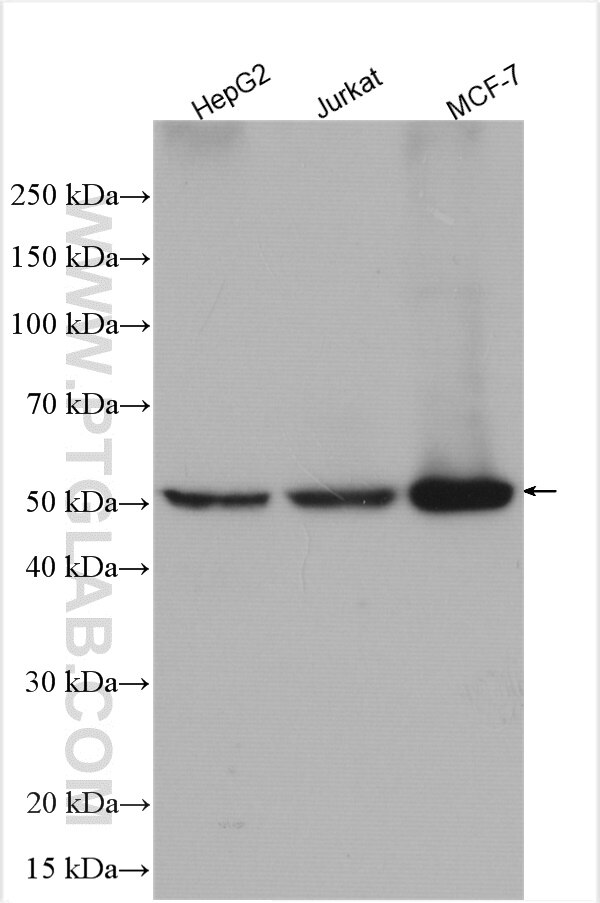
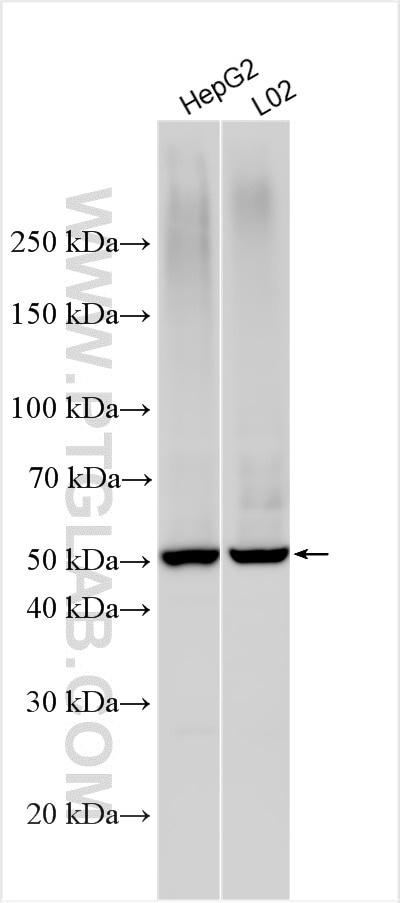
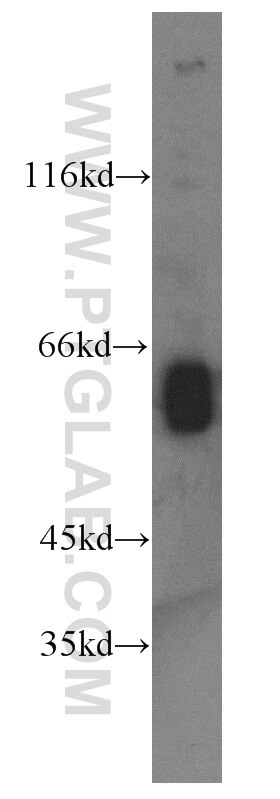
| Positive WB detected in | HepG2 cells, mouse lung tissue, L02 cells, Jurkat cells, MCF-7 cells |
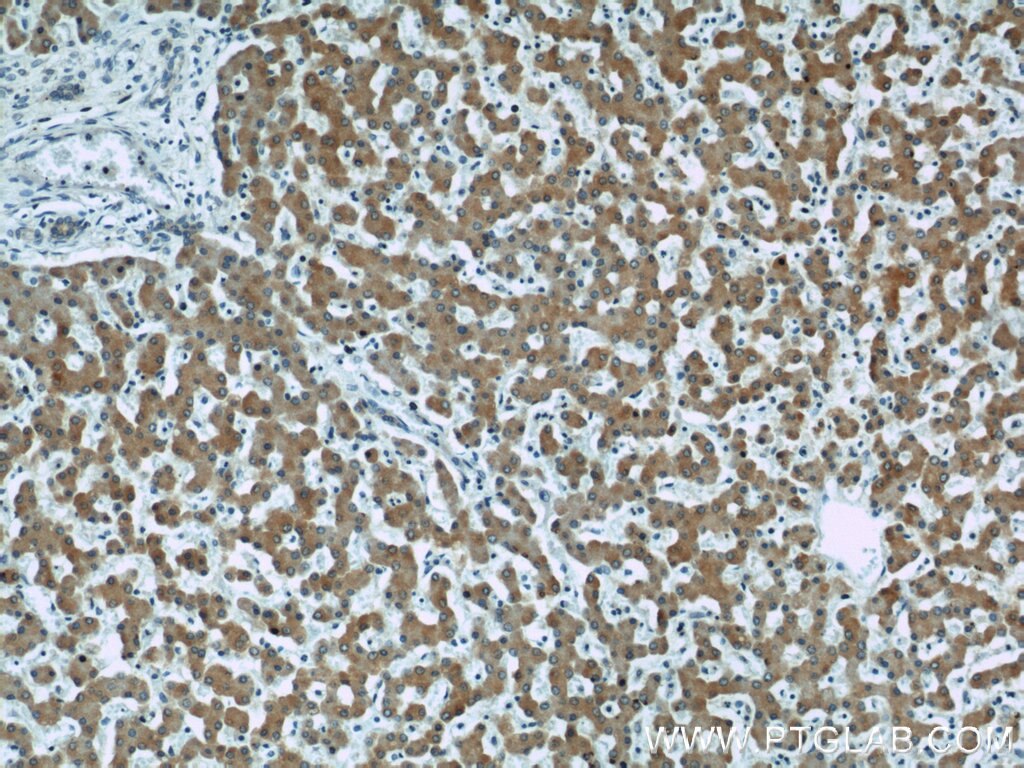
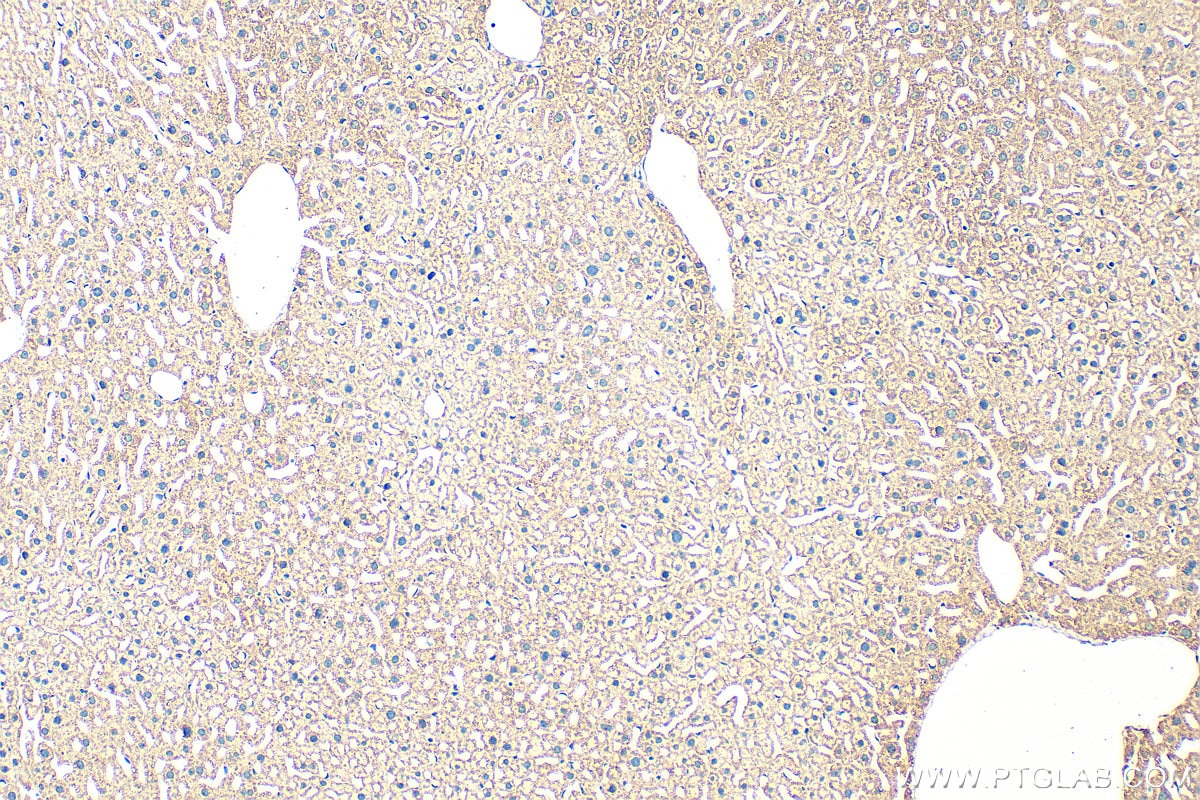
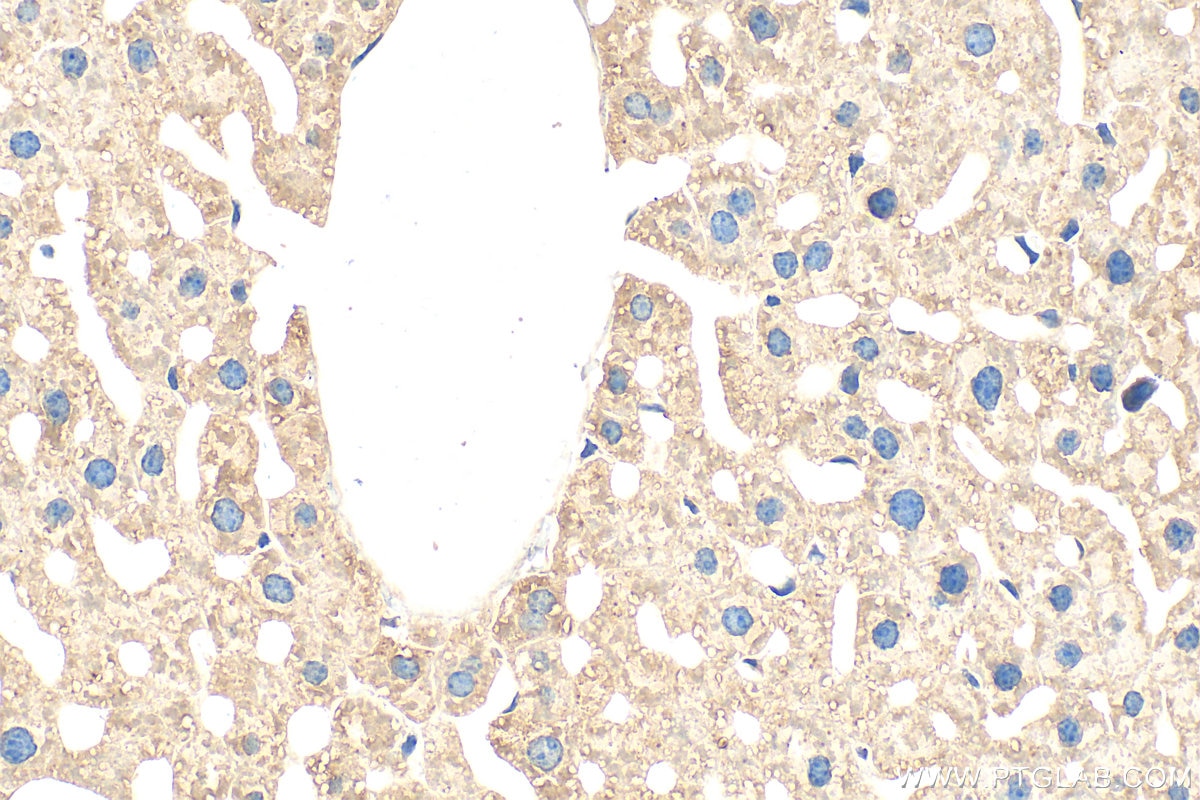
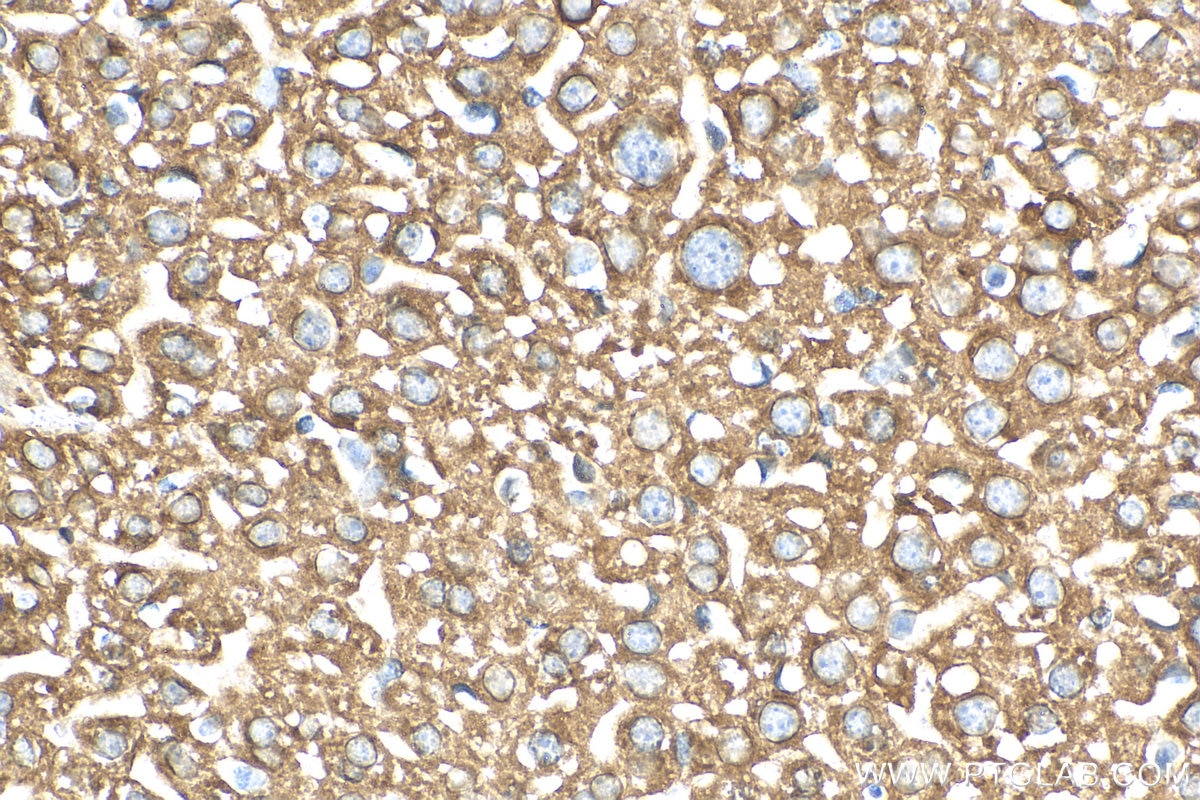
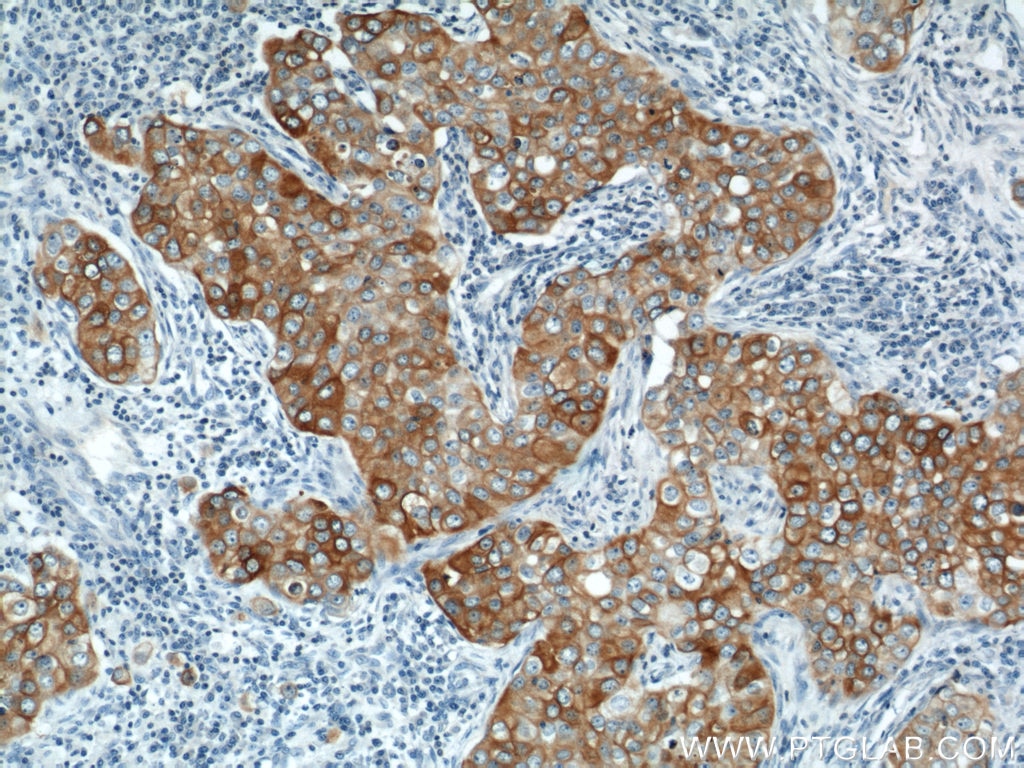
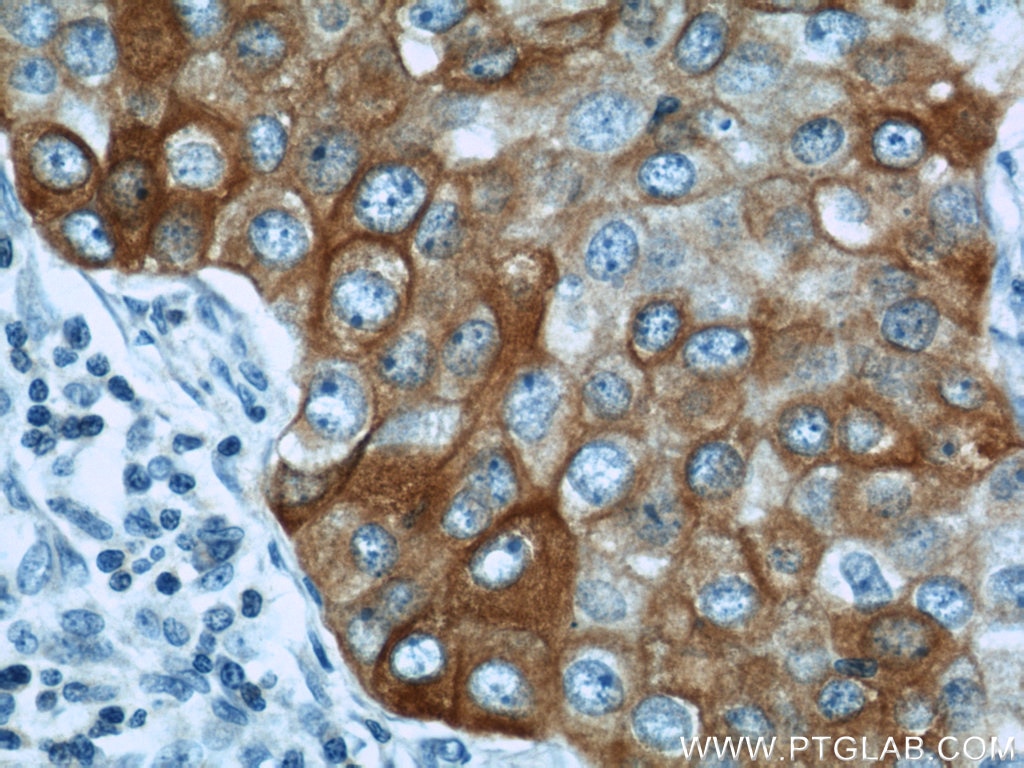
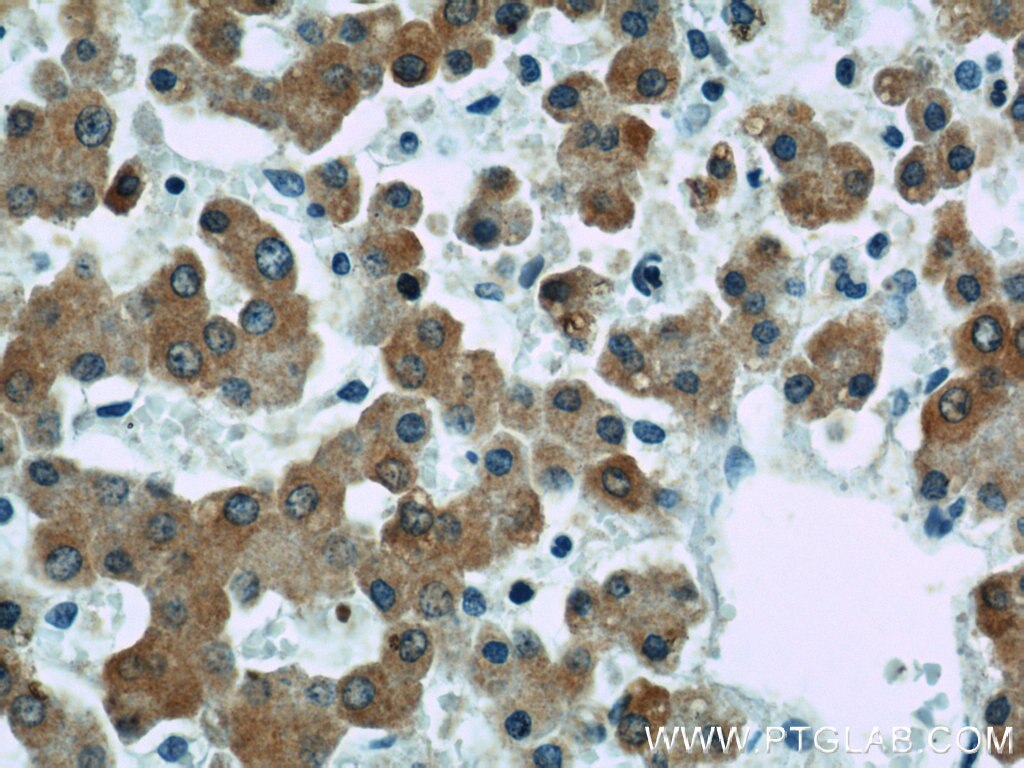
| Positive IHC detected in | mouse liver tissue, human breast cancer tissue, human liver tissue Note: suggested antigen retrieval with TE buffer pH 9.0; (*) Alternatively, antigen retrieval may be performed with citrate buffer pH 6.0 |
Recommended dilution
| Application | Dilution |
|---|---|
| Western Blot (WB) | WB : 1:5000-1:50000 |
| Immunohistochemistry (IHC) | IHC : 1:50-1:500 |
| It is recommended that this reagent should be titrated in each testing system to obtain optimal results. | |
| Sample-dependent, Check data in validation data gallery. | |
Product Information
10471-1-AP targets DHCR24 in WB, IHC, ELISA applications and shows reactivity with human, mouse samples.
| Tested Reactivity | human, mouse |
| Cited Reactivity | human, mouse, rat |
| Host / Isotype | Rabbit / IgG |
| Class | Polyclonal |
| Type | Antibody |
| Immunogen |
CatNo: Ag0756 Product name: Recombinant human DHCR24 protein Source: e coli.-derived, PGEX-4T Tag: GST Domain: 217-516 aa of BC004375 Sequence: SCGTLGFLVAAEIRIIPAKKYVKLRFEPVRGLEAICAKFTHESQRQENHFVEGLLYSLDEAVIMTGVMTDEAEPSKLNSIGNYYKPWFFKHVENYLKTNREGLEYIPLRHYYHRHTRSIFWELQDIIPFGNNPIFRYLFGWMVPPKISLLKLTQGETLRKLYEQHHVVQDMLVPMKCLQQALHTFQNDIHVYPIWLCPFILPSQPGLVHPKGNEAELYIDIGAYGEPRVKHFEARSCMRQLEKFVRSVHGFQMLYADCYMNREEFWEMFDGSLYHKLREKLGCQDAFPEVYDKICKAARH Predict reactive species |
| Full Name | 24-dehydrocholesterol reductase |
| Calculated Molecular Weight | 60 kDa, 516 aa |
| Observed Molecular Weight | 50-60 kDa |
| GenBank Accession Number | BC004375 |
| Gene Symbol | DHCR24 |
| Gene ID (NCBI) | 1718 |
| RRID | AB_2091446 |
| Conjugate | Unconjugated |
| Form | Liquid |
| Purification Method | Antigen affinity purification |
| UNIPROT ID | Q15392 |
| Storage Buffer | PBS with 0.02% sodium azide and 50% glycerol, pH 7.3. |
| Storage Conditions | Store at -20°C. Stable for one year after shipment. Aliquoting is unnecessary for -20oC storage. 20ul sizes contain 0.1% BSA. |
Background Information
DHCR24(3-beta-hydroxysterol delta-24-reductase), also named as Seladin-1 or Diminuto/dwarf1 homolog, is a member of the flavin adenine dinucleotide (FAD)-dependent oxidoreductases, and catalyzes the reduction of the delta-24 double bond of sterol intermediates during cholesterol biosynthesis. The DHCR24 expression was shown to be down regulated in brain areas affected by Alzheimer's disease and endogenous DHCR24/seladin-1 levels are highly up-regulated upon acute oxidative stress while expression declines to very low levels upon chronic exposure (PMID:17984220). In apoptotic cells, endogenous seladin-1 was cleaved to a 40 kDa derivative in a caspase-dependent manner (PMID: 11007892).
Protocols
| Product Specific Protocols | |
|---|---|
| IHC protocol for DHCR24 antibody 10471-1-AP | Download protocol |
| WB protocol for DHCR24 antibody 10471-1-AP | Download protocol |
| Standard Protocols | |
|---|---|
| Click here to view our Standard Protocols |
Publications
What published studies show
Anti-DHCR24 (Cat# 10471-1-AP) has accumulated 24 citations published in journals such as Nature, Nat Cancer, Nat Struct Mol Biol, Cell Death Differ, EMBO Mol Med, Redox Biology, Oncogene, Acta Pharmacologica Sinica, and Communications Biology. Associated research fields include cholesterol biosynthesis and metabolism, various cancers (prostate, breast, ovarian, bladder, endometrial), ferroptosis, neurodegeneration, cardiomyopathy, bone biology, and diabetes.
| Species | Application | Title |
|---|---|---|
Nat Cancer CHD1 loss reprograms SREBP2-driven cholesterol synthesis to fuel androgen-responsive growth and castration resistance in SPOP-mutated prostate tumors | ||
Redox Biol ALOX15B controls macrophage cholesterol homeostasis via lipid peroxidation, ERK1/2 and SREBP2 | ||
Cell Death Differ Efferocytosis potentiates the expression of arachidonate 15-lipoxygenase (ALOX15) in alternatively activated human macrophages through LXR activation. | ||
Phytomedicine Co-administration of berberine and evodiamine: Mitigating evodiamine-induced hepatotoxicity and potentiating colitis treatment | ||
Acta Pharmacol Sin Lipin1-dependent transcriptional inactivation of SREBPs contributes to selinexor sensitivity in multiple myeloma |











