
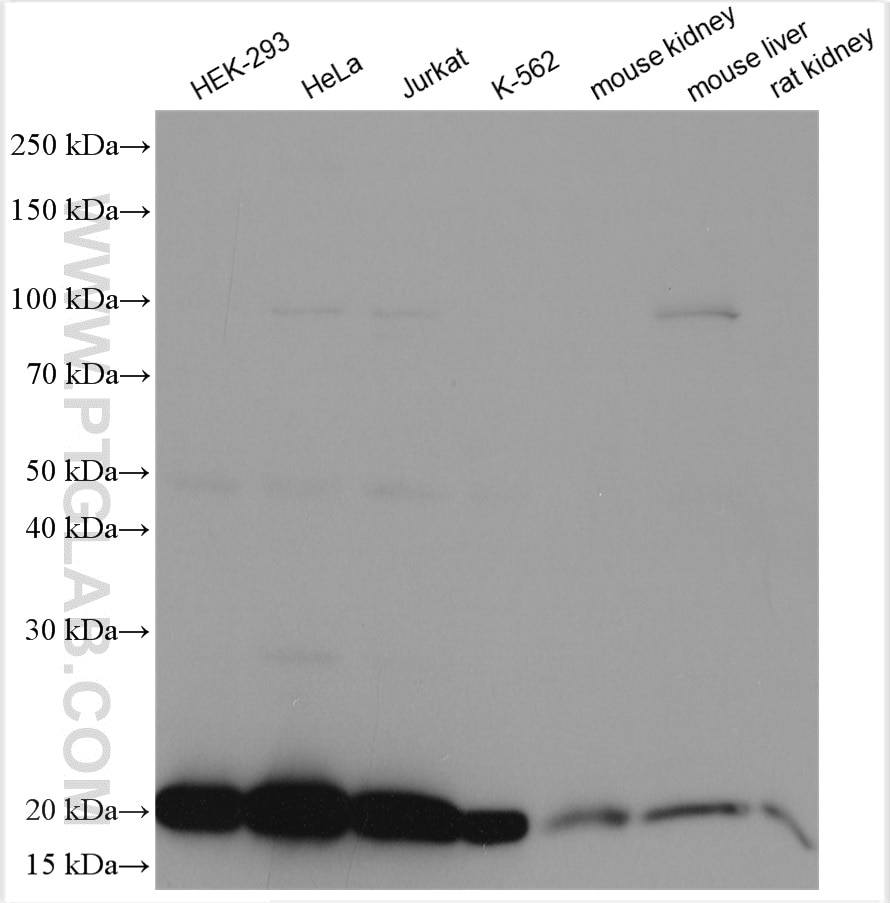
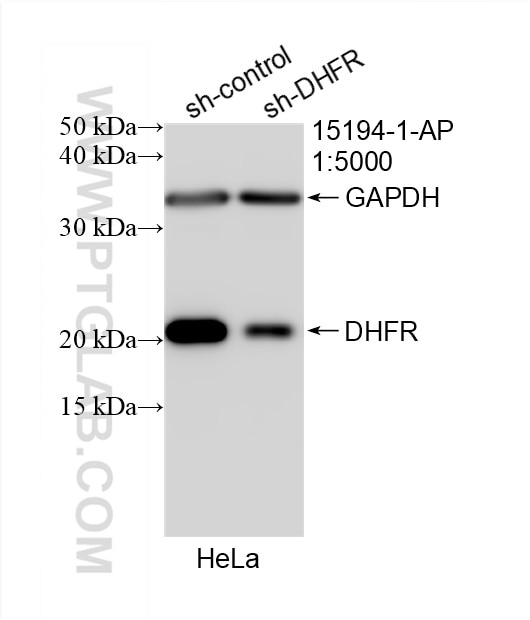
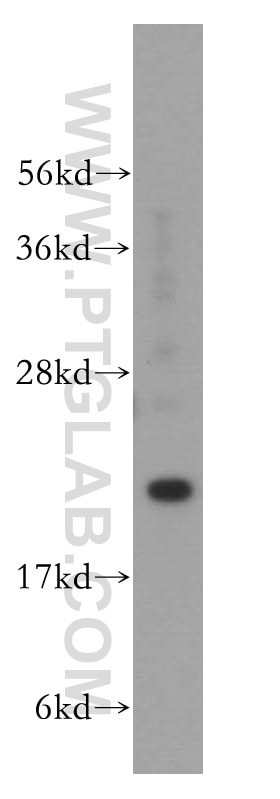
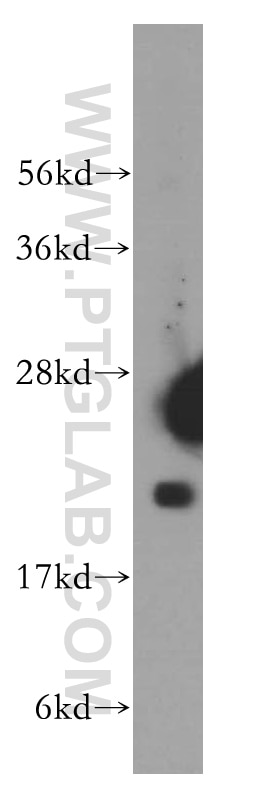

Tested Applications
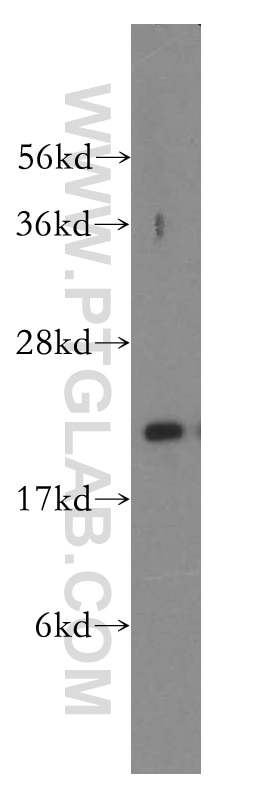
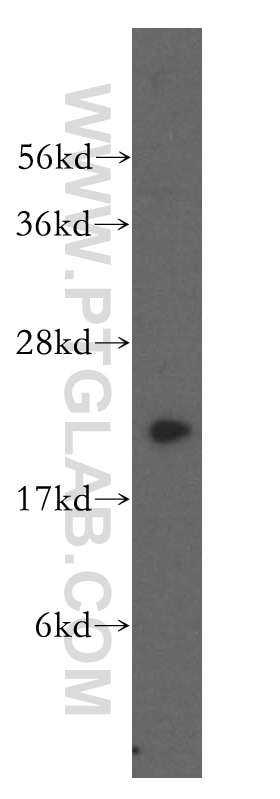
| Positive WB detected in | HEK-293 cells, HeLa cells, Jurkat cells, K-562 cells, Raji cells, mouse kidney tissue, mouse liver tissue, rat kidney tissue |
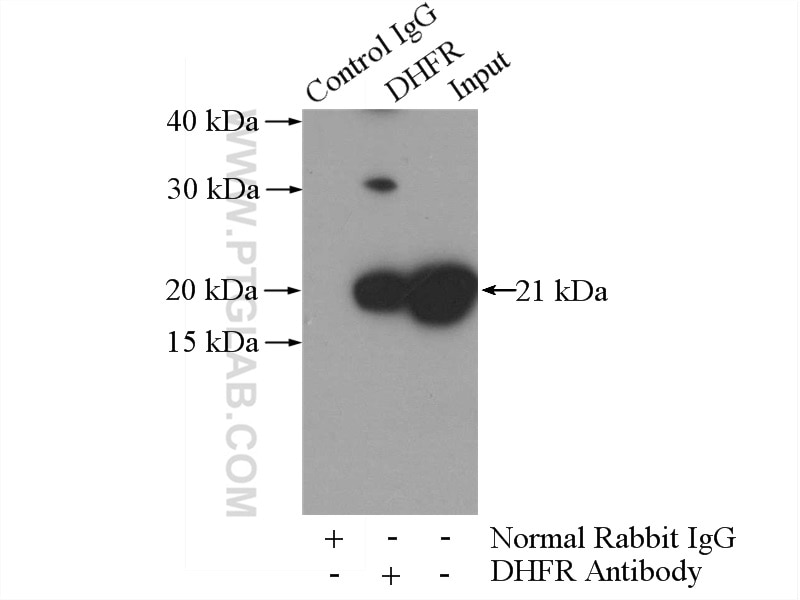
| Positive IP detected in | Raji cells |
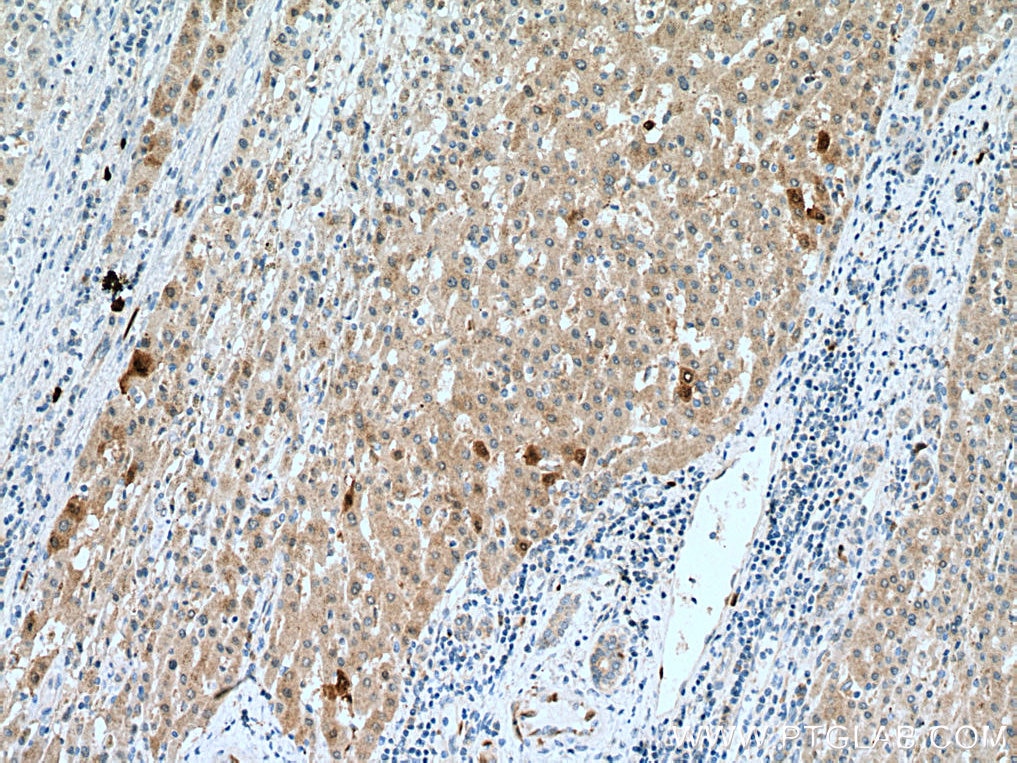
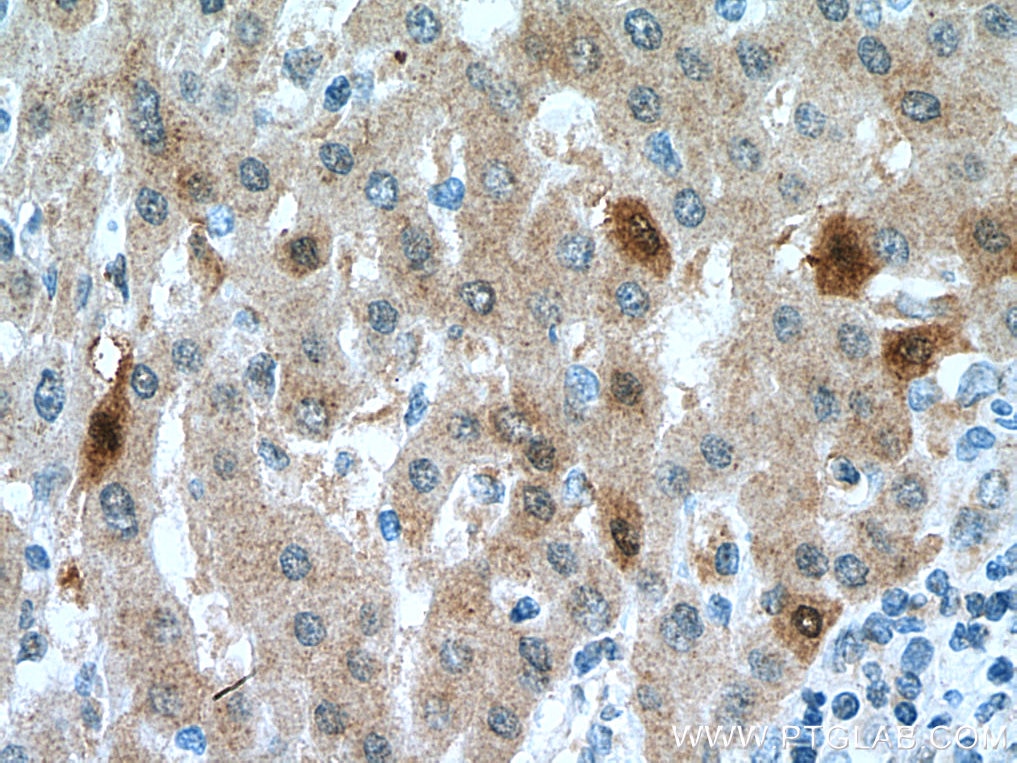
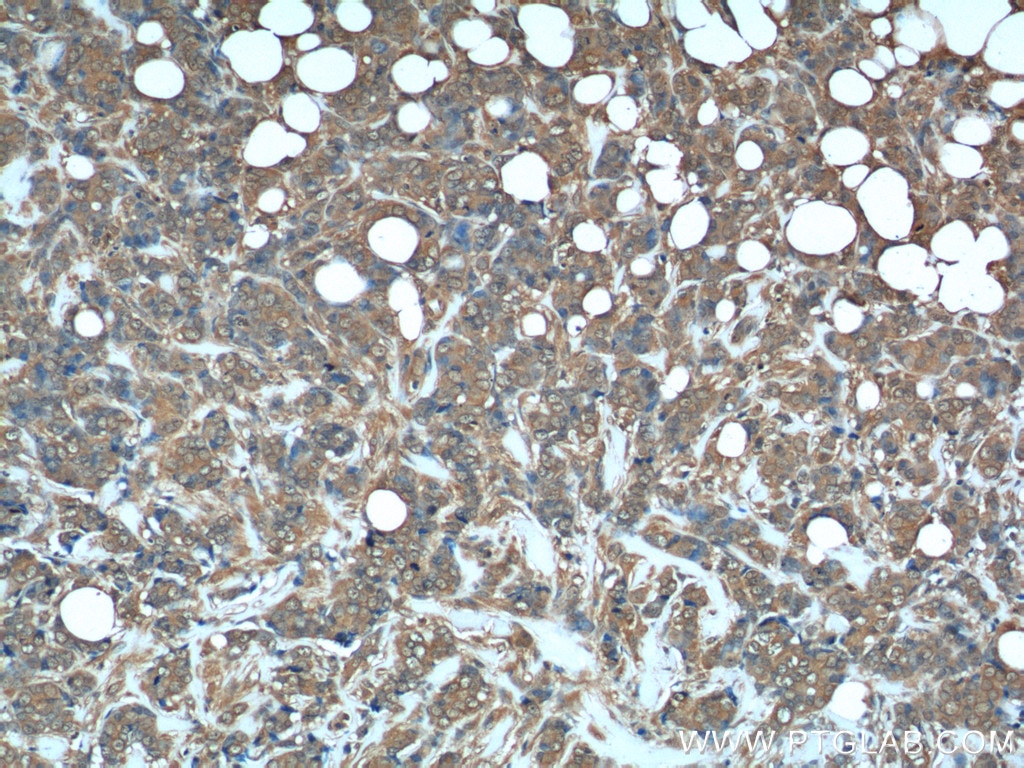
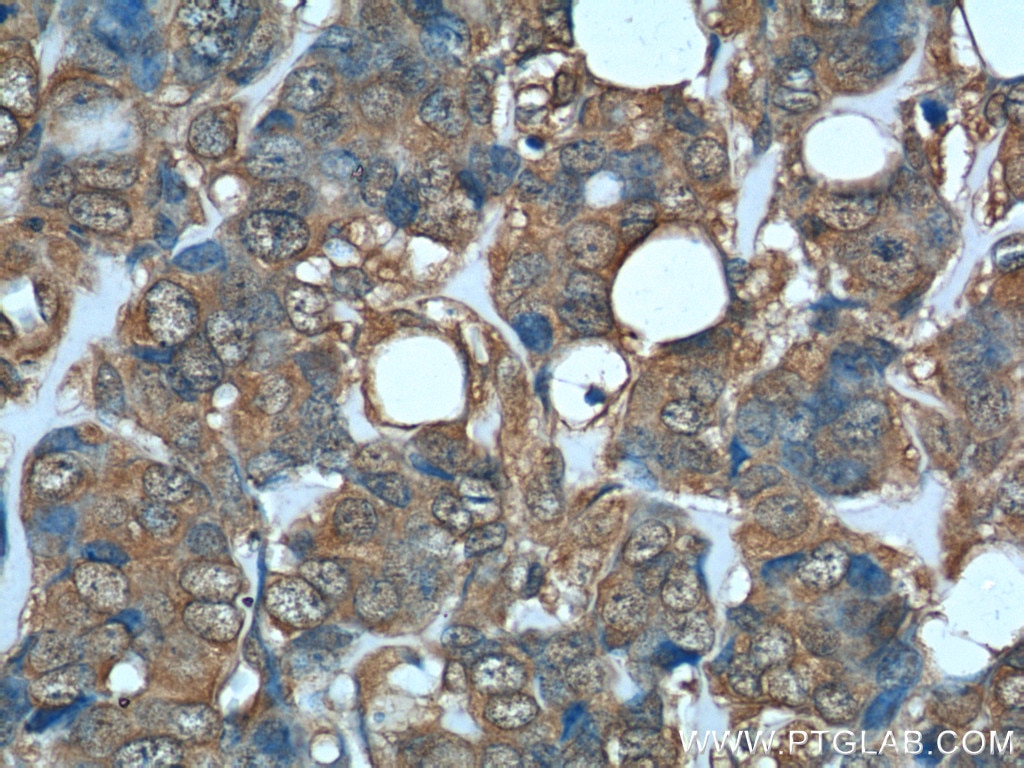
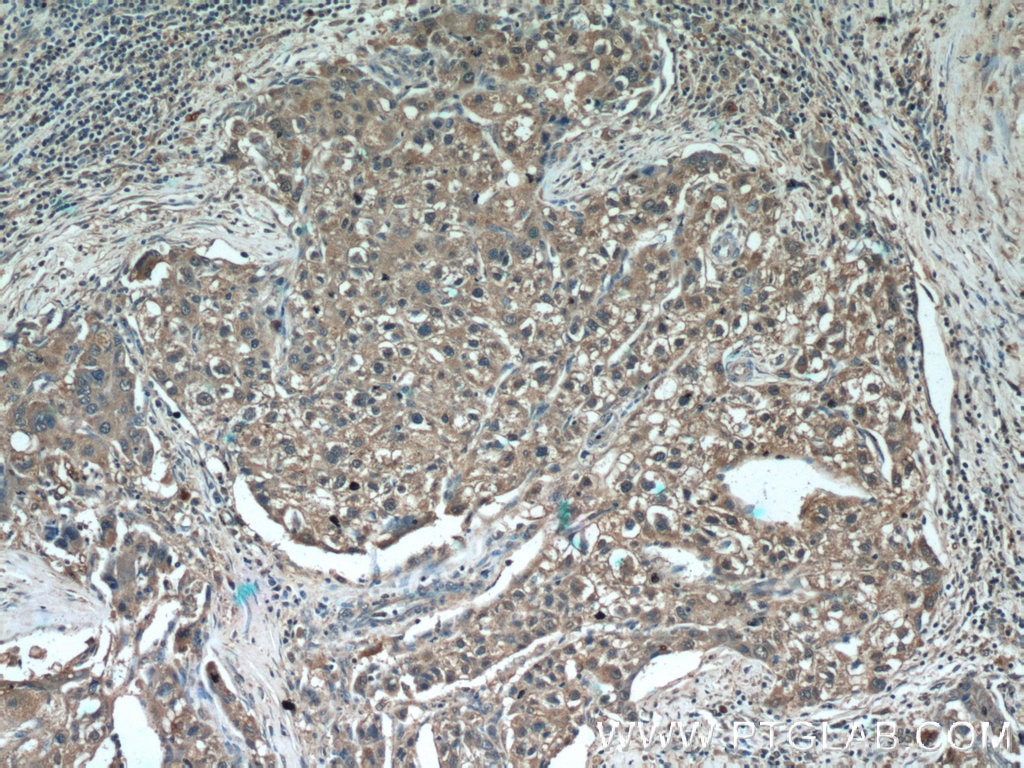
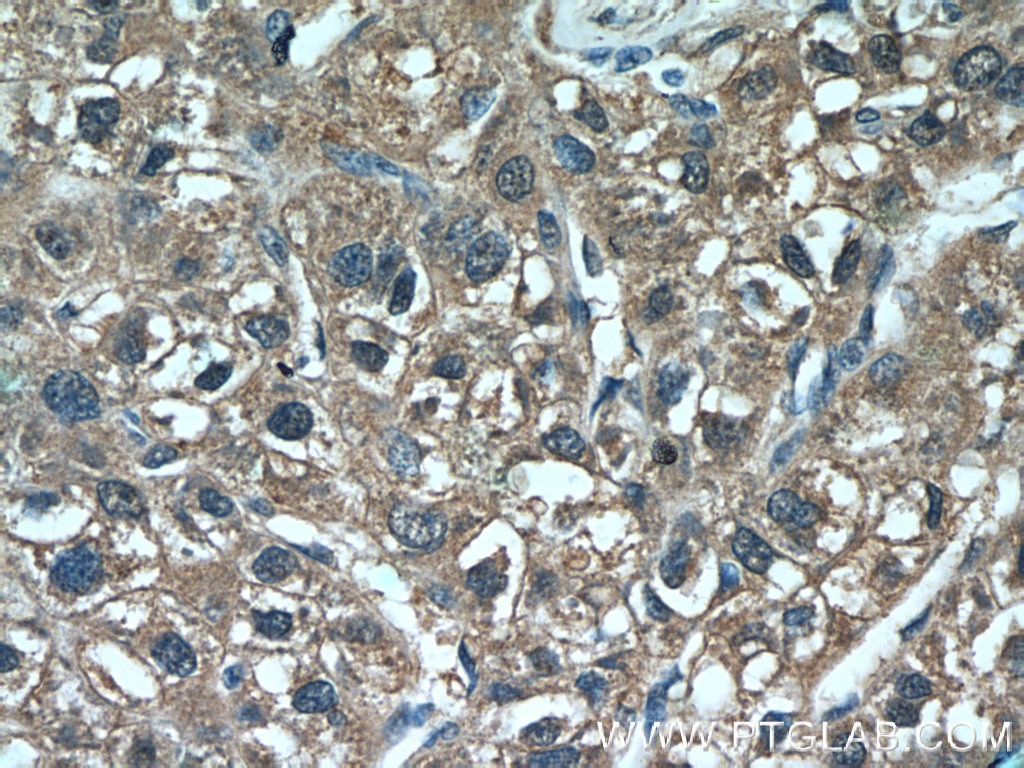
| Positive IHC detected in | human liver cancer tissue, human breast cancer tissue Note: suggested antigen retrieval with TE buffer pH 9.0; (*) Alternatively, antigen retrieval may be performed with citrate buffer pH 6.0 |
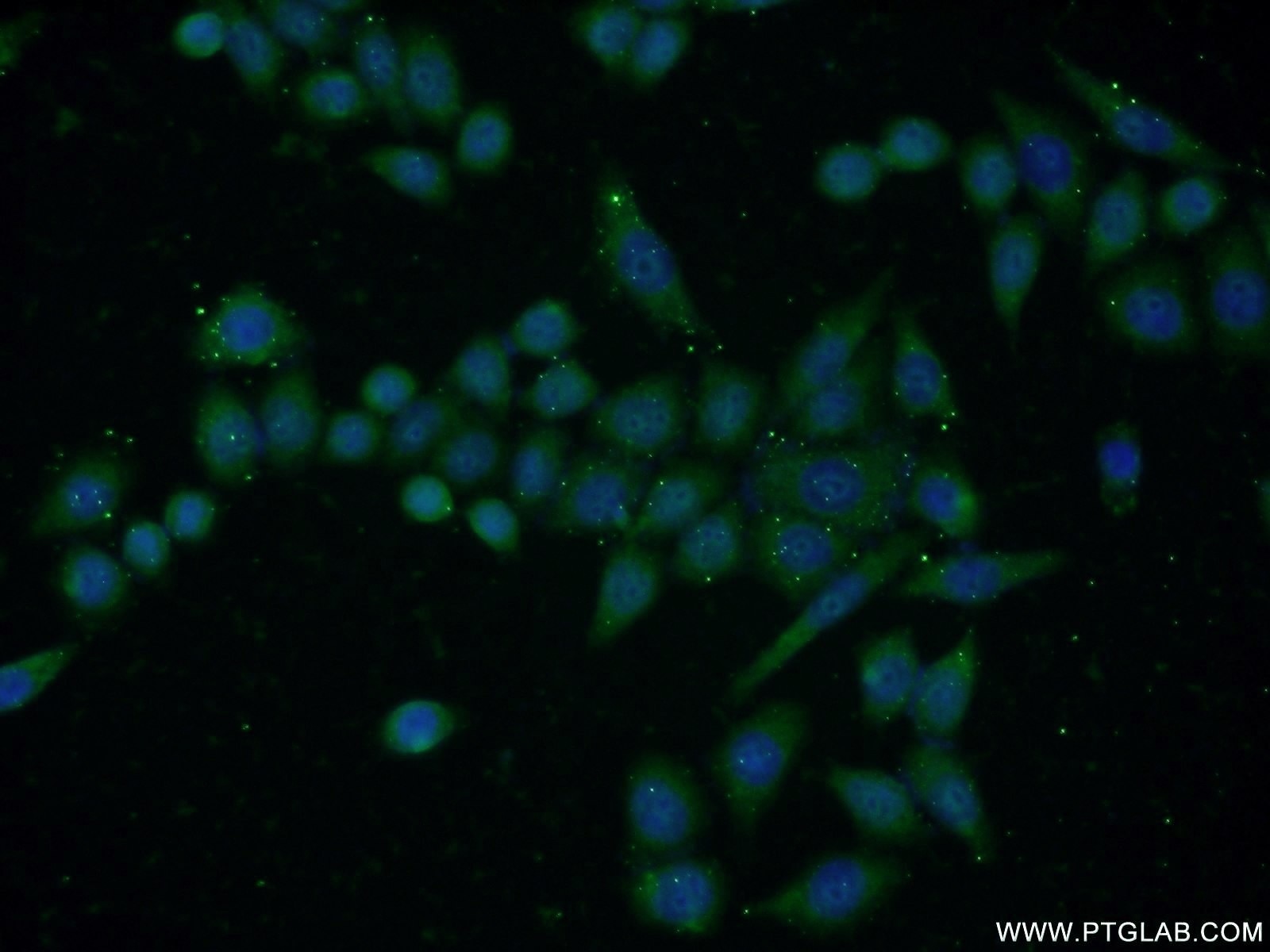
| Positive IF/ICC detected in | HeLa cells |
Recommended dilution
| Application | Dilution |
|---|---|
| Western Blot (WB) | WB : 1:1000-1:6000 |
| Immunoprecipitation (IP) | IP : 0.5-4.0 ug for 1.0-3.0 mg of total protein lysate |
| Immunohistochemistry (IHC) | IHC : 1:50-1:500 |
| Immunofluorescence (IF)/ICC | IF/ICC : 1:20-1:200 |
| It is recommended that this reagent should be titrated in each testing system to obtain optimal results. | |
| Sample-dependent, Check data in validation data gallery. | |
Product Information
15194-1-AP targets DHFR in WB, IHC, IF/ICC, IP, ELISA applications and shows reactivity with human, mouse, rat samples.
| Tested Reactivity | human, mouse, rat |
| Cited Reactivity | human, mouse, zebrafish |
| Host / Isotype | Rabbit / IgG |
| Class | Polyclonal |
| Type | Antibody |
| Immunogen |
CatNo: Ag7331 Product name: Recombinant human DHFR protein Source: e coli.-derived, PGEX-4T Tag: GST Domain: 1-187 aa of BC000192 Sequence: MVGSLNCIVAVSQNMGIGKNGDLPWPPLRNEFRYFQRMTTTSSVEGKQNLVIMGKKTWFSIPEKNRPLKGRINLVLSRELKEPPQGAHFLSRSLDDALKLTEQPELANKVDMVWIVGGSSVYKEAMNHPGHLKLFVTRIMQDFESDTFFPEIDLEKYKLLPEYPGVLSDVQEEKGIKYKFEVYEKND Predict reactive species |
| Full Name | dihydrofolate reductase |
| Calculated Molecular Weight | 21 kDa |
| Observed Molecular Weight | 21 kDa |
| GenBank Accession Number | BC000192 |
| Gene Symbol | DHFR |
| Gene ID (NCBI) | 1719 |
| RRID | AB_2091587 |
| Conjugate | Unconjugated |
| Form | Liquid |
| Purification Method | Antigen affinity purification |
| UNIPROT ID | P00374 |
| Storage Buffer | PBS with 0.02% sodium azide and 50% glycerol, pH 7.3. |
| Storage Conditions | Store at -20°C. Stable for one year after shipment. Aliquoting is unnecessary for -20oC storage. 20ul sizes contain 0.1% BSA. |
Background Information
DHFR (dihydrofolate reductase) catalyzes the subsequent NADPH-dependent reduction of the H2folate produced by TS to regenerate the tetrahydrofolate (H4folate) necessary for continued dTMP synthesis and transfer of 1-carbon units (PMID:3461439). It belongs to the dihydrofolate reductase family and can exist as a homodimer (PMID:2248959). DHFR is widely expressed in fetal and adult human brain and whole blood, expression is higher in adult brain than fetal brain (PMID:21310276).
Protocols
| Product Specific Protocols | |
|---|---|
| IF protocol for DHFR antibody 15194-1-AP | Download protocol |
| IHC protocol for DHFR antibody 15194-1-AP | Download protocol |
| IP protocol for DHFR antibody 15194-1-AP | Download protocol |
| WB protocol for DHFR antibody 15194-1-AP | Download protocol |
| Standard Protocols | |
|---|---|
| Click here to view our Standard Protocols |
Publications
What published studies show
The DHFR (Dihydrofolate Reductase) antibody, Cat# 15194-1-AP, has 26 citations published in journals including Nature Cancer, Nature Communications, Molecular Cell, Genes & Diseases, Cell Death & Disease, Journal of Experimental Medicine, American Journal of Human Genetics, and Journal of Cell Science. Associated research fields span cancer biology, folate and purine metabolism, drug target identification, cell signaling, infectious disease, and neurodegeneration.
| Species | Application | Title |
|---|---|---|
Nat Cancer ENO1 suppresses cancer cell ferroptosis by degrading the mRNA of iron regulatory protein 1. | ||
Nat Commun Coupling cellular drug-target engagement to downstream pharmacology with CeTEAM | ||
Mol Cell Accumulation of succinate suppresses de novo purine synthesis through succinylation-mediated control of the mitochondrial folate cycle. | ||
Mol Cell mTORC1 stimulates cell growth through SAM synthesis and m6A mRNA-dependent control of protein synthesis. | ||
Genes Dis CYP3A5 unexpectedly regulates glucose metabolism through the AKT-TXNIP-GLUT1 axis in pancreatic cancer | ||
Cell Death Dis Metformin sensitises hepatocarcinoma cells to methotrexate by targeting dihydrofolate reductase.
|















