

Tested Applications
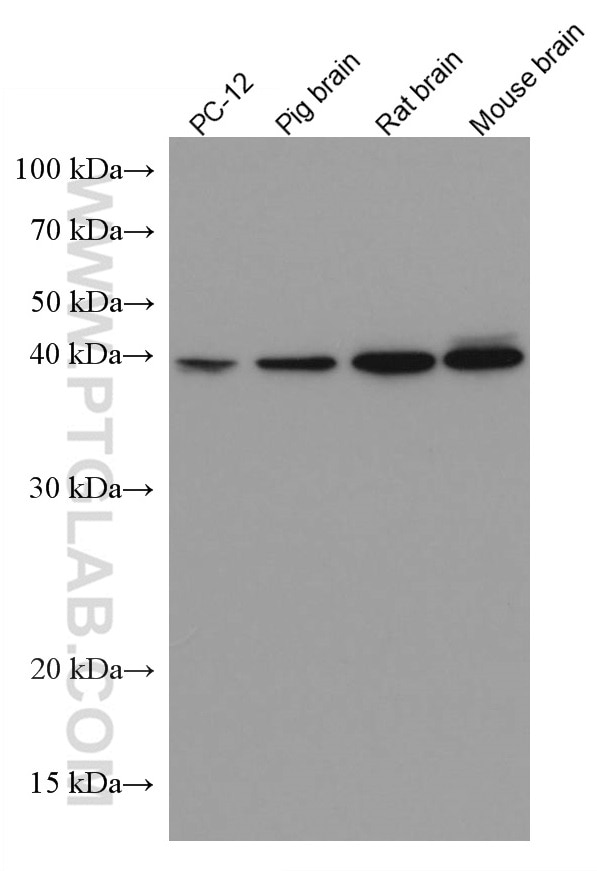
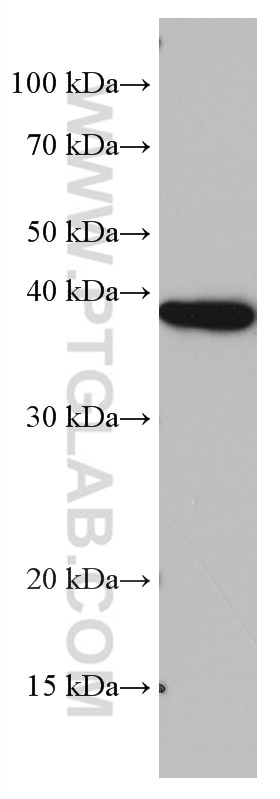
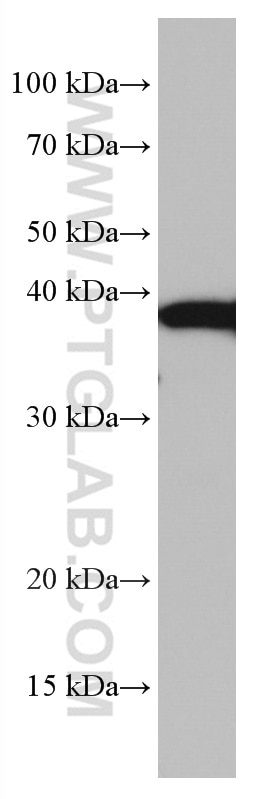
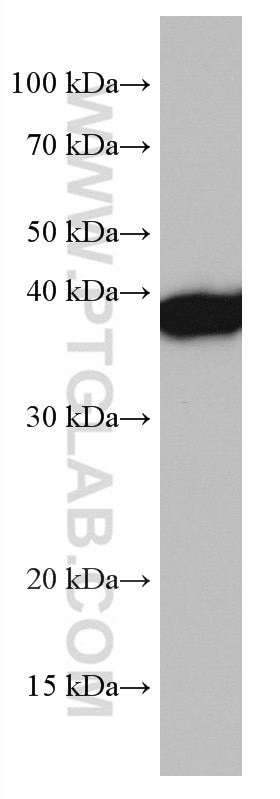
| Positive WB detected in | PC-12 cells, A375 cells, U-251 cells, THP-1 cells, pig brain tissue, rat brain tissue, mouse brain tissue |
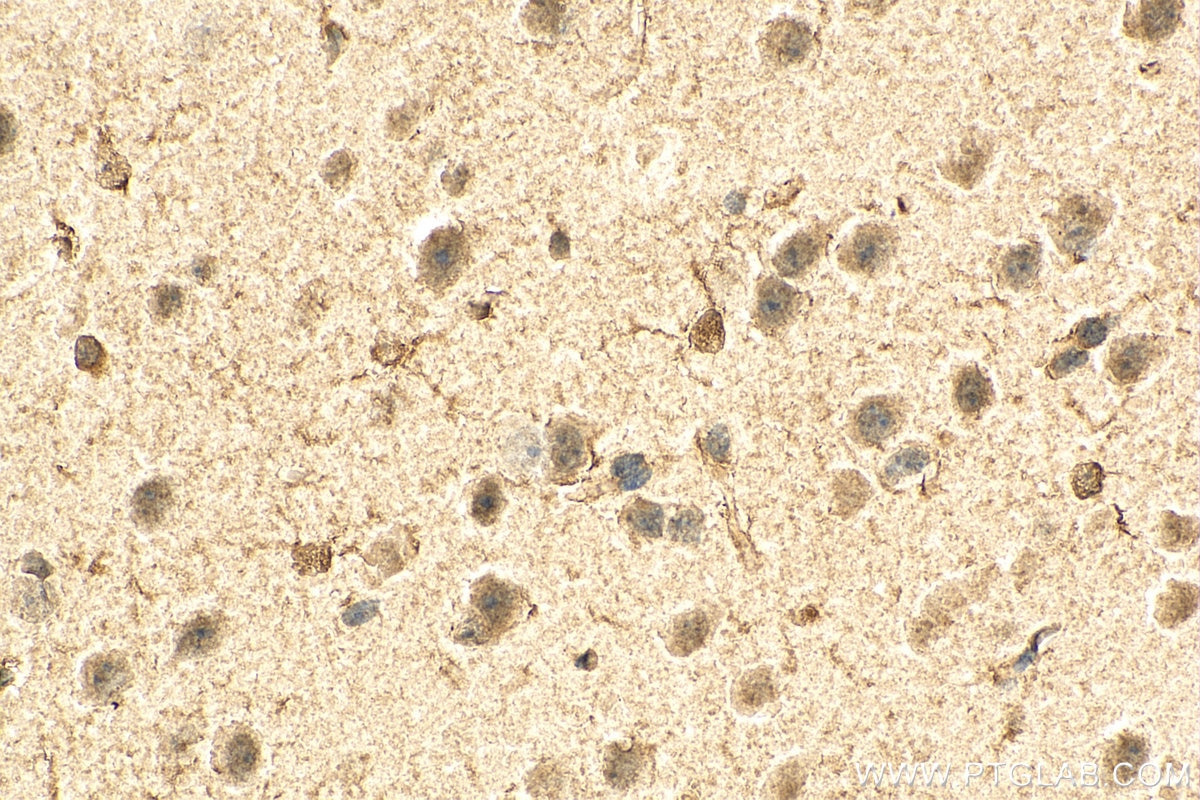
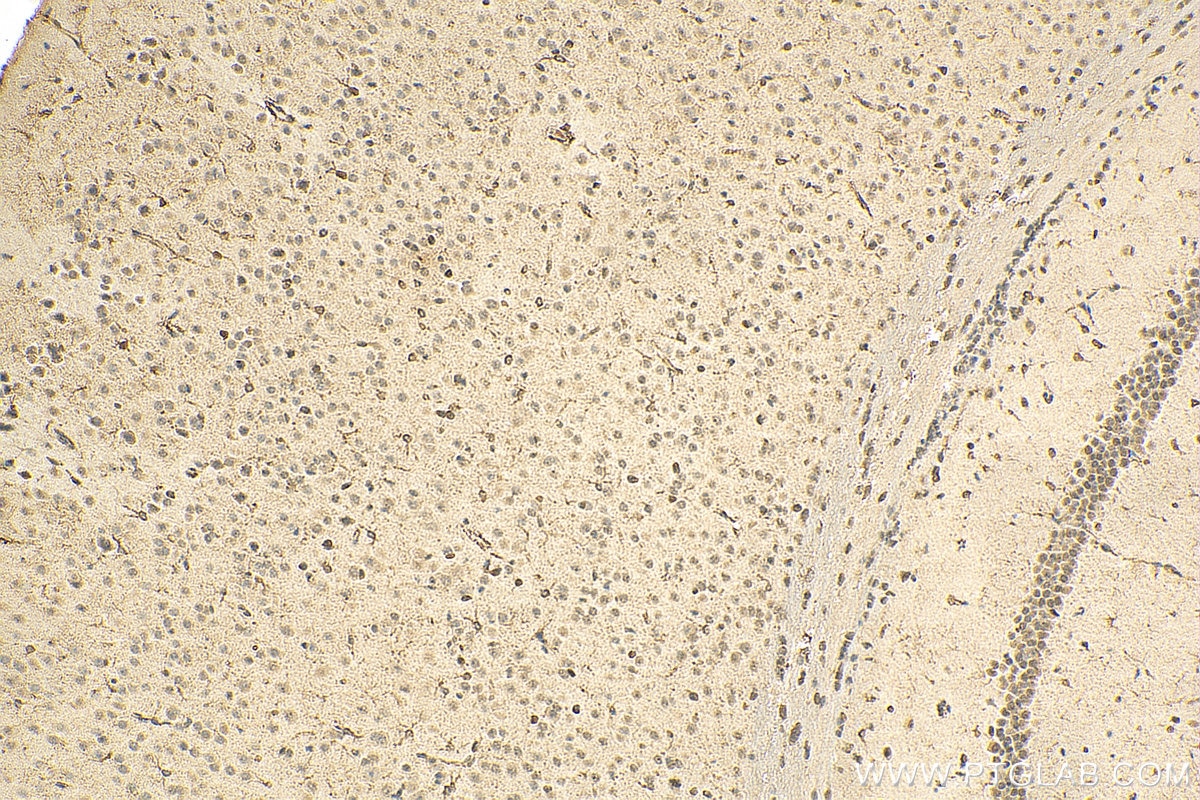
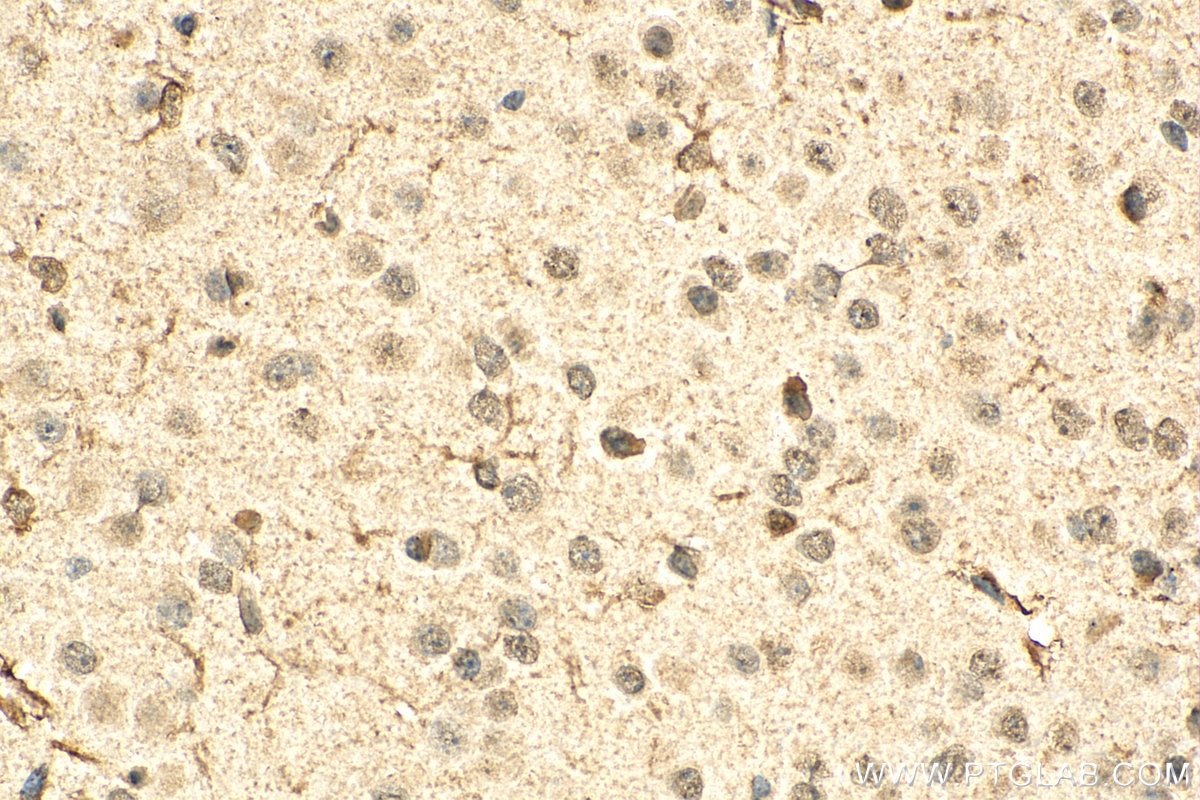
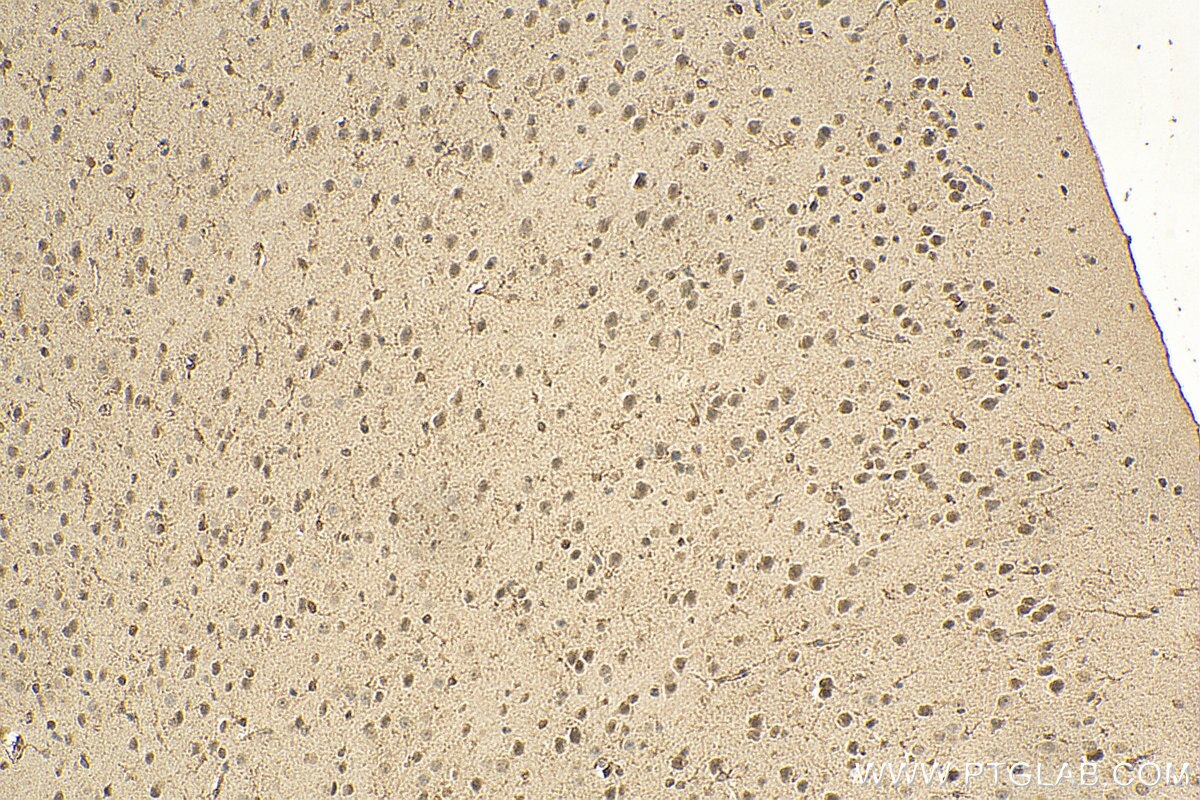
| Positive IHC detected in | mouse brain tissue Note: suggested antigen retrieval with TE buffer pH 9.0; (*) Alternatively, antigen retrieval may be performed with citrate buffer pH 6.0 |
Recommended dilution
| Application | Dilution |
|---|---|
| Western Blot (WB) | WB : 1:5000-1:50000 |
| Immunohistochemistry (IHC) | IHC : 1:500-1:2000 |
| It is recommended that this reagent should be titrated in each testing system to obtain optimal results. | |
| Sample-dependent, Check data in validation data gallery. | |
Product Information
67111-1-Ig targets DLX5 in WB, IHC, ELISA applications and shows reactivity with human, mouse, rat, pig samples.
| Tested Reactivity | human, mouse, rat, pig |
| Cited Reactivity | human, mouse |
| Host / Isotype | Mouse / IgG1 |
| Class | Monoclonal |
| Type | Antibody |
| Immunogen |
CatNo: Ag17040 Product name: Recombinant human DLX5 protein Source: e coli.-derived, PET28a Tag: 6*His Domain: 1-289 aa of BC006226 Sequence: MTGVFDRRVPSIRSGDFQAPFQTSAAMHHPSQESPTLPESSATDSDYYSPTGGAPHGYCSPTSASYGKALNPYQYQYHGVNGSAGSYPAKAYADYSYASSYHQYGGAYNRVPSATNQPEKEVTEPEVRMVNGKPKKVRKPRTIYSSFQLAALQRRFQKTQYLALPERAELAASLGLTQTQVKIWFQNKRSKIKKIMKNGEMPPEHSPSSSDPMACNSPQSPAVWEPQGSSRSLSHHPHAHPPTSNQSPASSYLENSASWYTSAASSINSHLPPPGSLQHPLALASGTLY Predict reactive species |
| Full Name | distal-less homeobox 5 |
| Calculated Molecular Weight | 32 kDa |
| Observed Molecular Weight | 33-38 kDa |
| GenBank Accession Number | BC006226 |
| Gene Symbol | DLX5 |
| Gene ID (NCBI) | 1749 |
| RRID | AB_2882415 |
| Conjugate | Unconjugated |
| Form | Liquid |
| Purification Method | Protein G purification |
| UNIPROT ID | P56178 |
| Storage Buffer | PBS with 0.02% sodium azide and 50% glycerol, pH 7.3. |
| Storage Conditions | Store at -20°C. Stable for one year after shipment. Aliquoting is unnecessary for -20oC storage. 20ul sizes contain 0.1% BSA. |
Background Information
DLX5 belongs to the DLX family of homeobox transcription factors (Dlx1, Dlx2, Dlx5 and Dlx6), which is expressed in overlapping domains at different stages of cell differentiation in the subpallium and controls differentiation of GABAergic neurons. DLX5 is an immediate early BMP-responsive transcriptional activator that essential for osteoblast differentiation. It can bind to and stimulate the homeodomain-response element of the ALPL and SP7 promoter. DLX5 can form homodimer with DLX2(~34kd) and heterodimer with MSX2(~29kd).
Protocols
| Product Specific Protocols | |
|---|---|
| IHC protocol for DLX5 antibody 67111-1-Ig | Download protocol |
| WB protocol for DLX5 antibody 67111-1-Ig | Download protocol |
| Standard Protocols | |
|---|---|
| Click here to view our Standard Protocols |
Publications
What published studies show
The DLX5 Monoclonal antibody (1C9G1), catalog number 67111-1-Ig, has 1 total citation. It appears in Bioactive Materials (2025), where it was used in Western blot to study engineering fibroblasts with reprogramming and spheronization for bone defect repair. The research field is tissue engineering and regenerative medicine, specifically osteoblast differentiation and bone regeneration.
| Species | Application | Title |
|---|---|---|
Bioact Mater Engineering fibroblast with reprogramming and spheronization for bone defect repair |
Reviews
What customers say
One reviewer tested this antibody on mouse embryonic brain sections (E13.5) by immunofluorescence at dilutions of 1:250, 1:500, and 1:1000. The antibody did not produce a working signal at any dilution tested. The reviewer noted it was not evaluated on adult mouse brain, as their application required embryonic tissue only. Overall, the single review reflects a negative experience with this product for its intended use case.
The reviews below have been submitted by verified Proteintech customers who received an incentive for providing their feedback.
Jessica (Verified Customer) (03-19-2026) | This antibody was tried on mouse embryonic brain at E13.5 and did not work. Multiple dilutions were tried and none of them worked. It was not tested on adult mouse brain, but we only needed it for embryonic.
|









