





Tested Applications
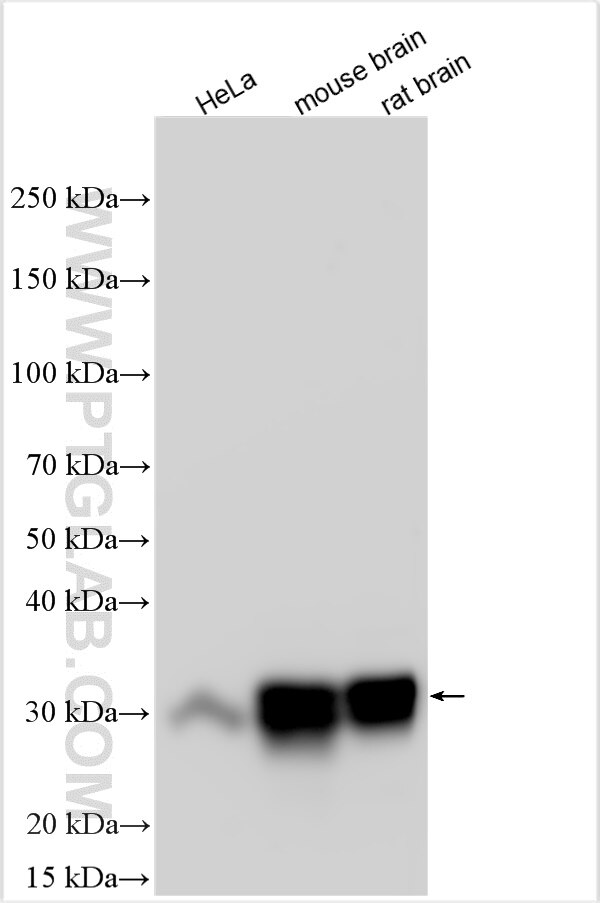
| Positive WB detected in | HeLa cells, mouse brain tissue, rat brain tissue |
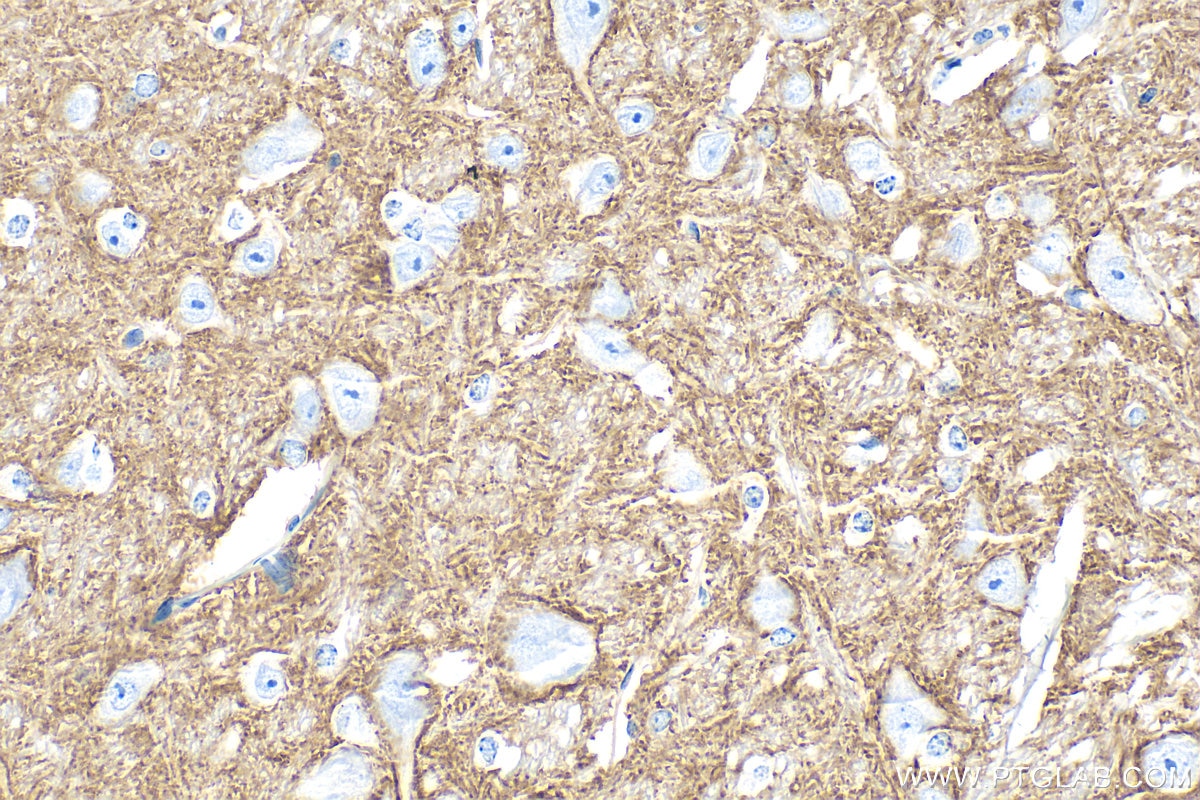
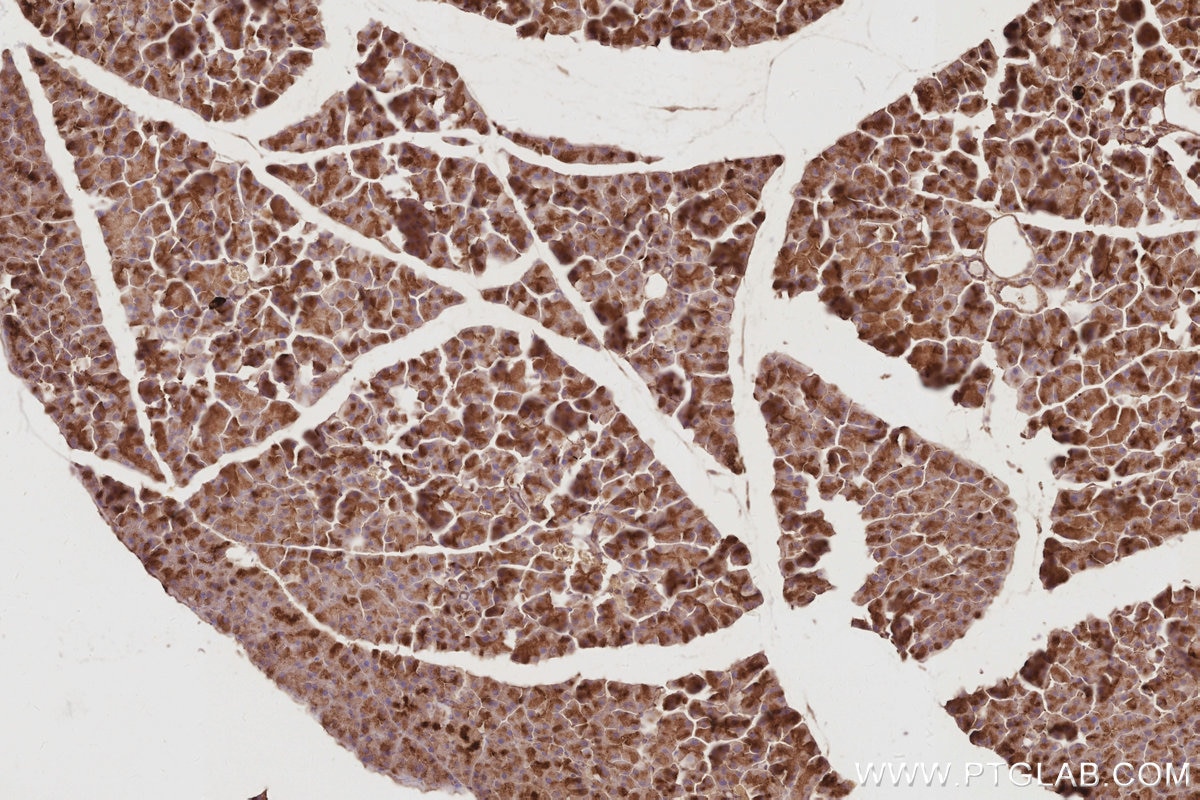
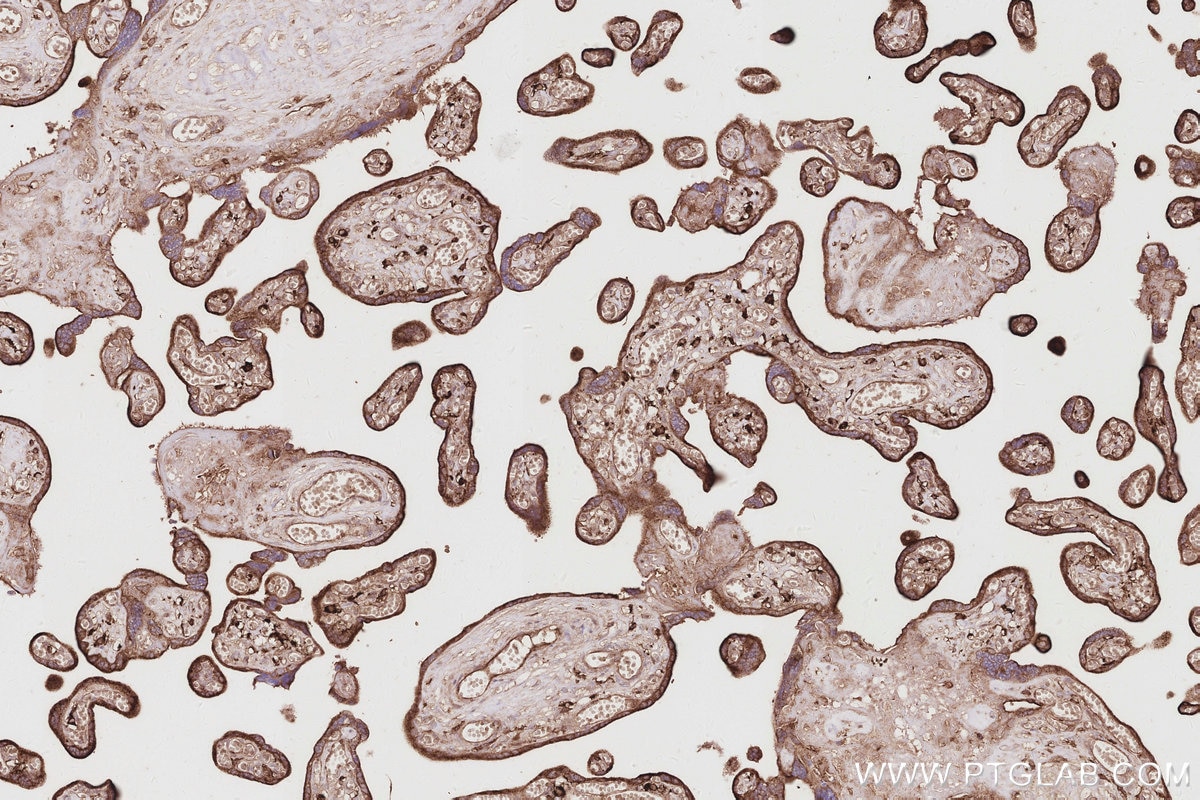
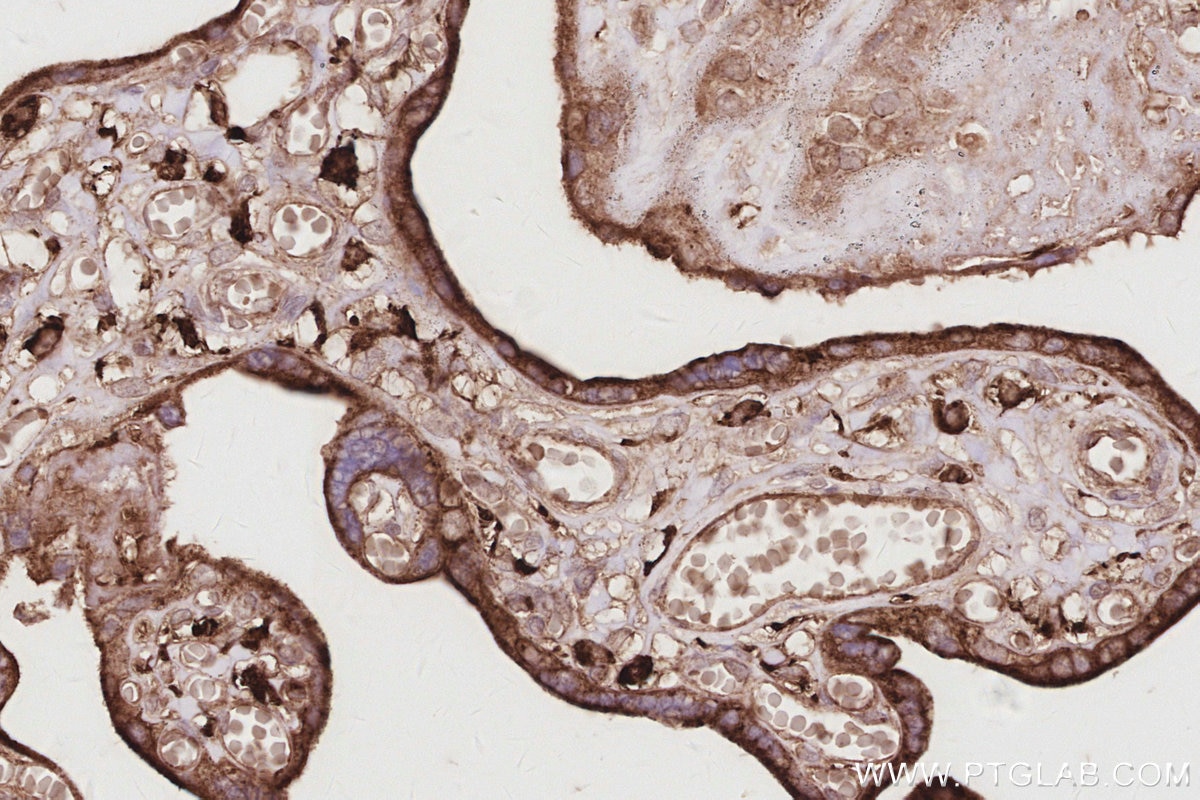
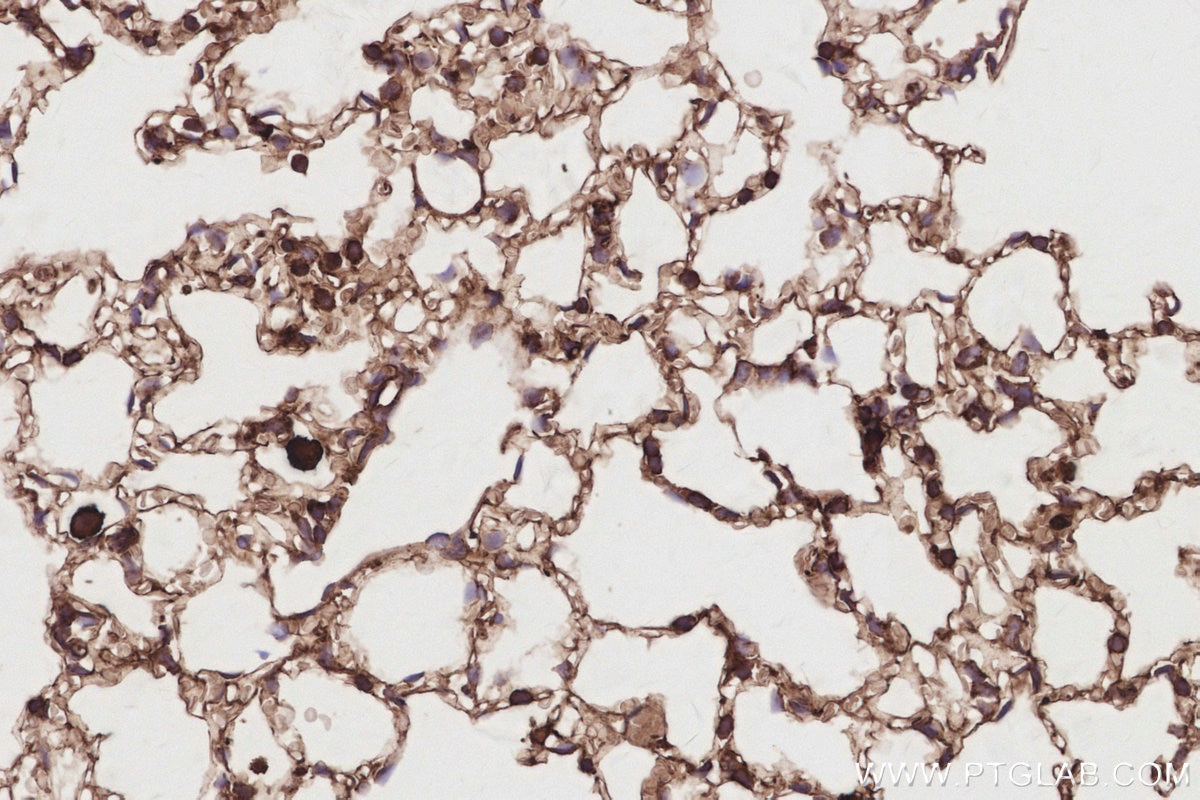
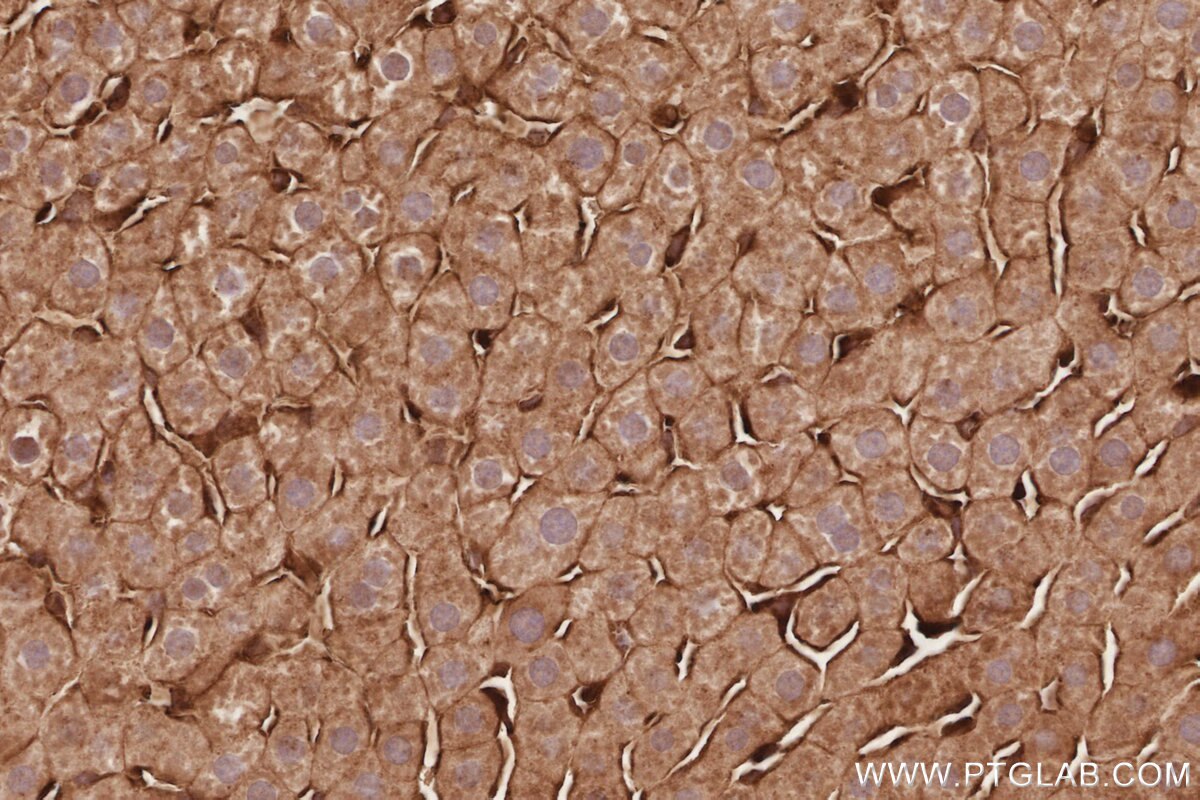
| Positive IHC detected in | human placenta tissue, mouse lung tissue, human ovary cancer tissue, rat liver tissue, mouse pancreas tissue, mouse cerebellum tissue, mouse liver tissue, rat lung tissue Note: suggested antigen retrieval with TE buffer pH 9.0; (*) Alternatively, antigen retrieval may be performed with citrate buffer pH 6.0 |
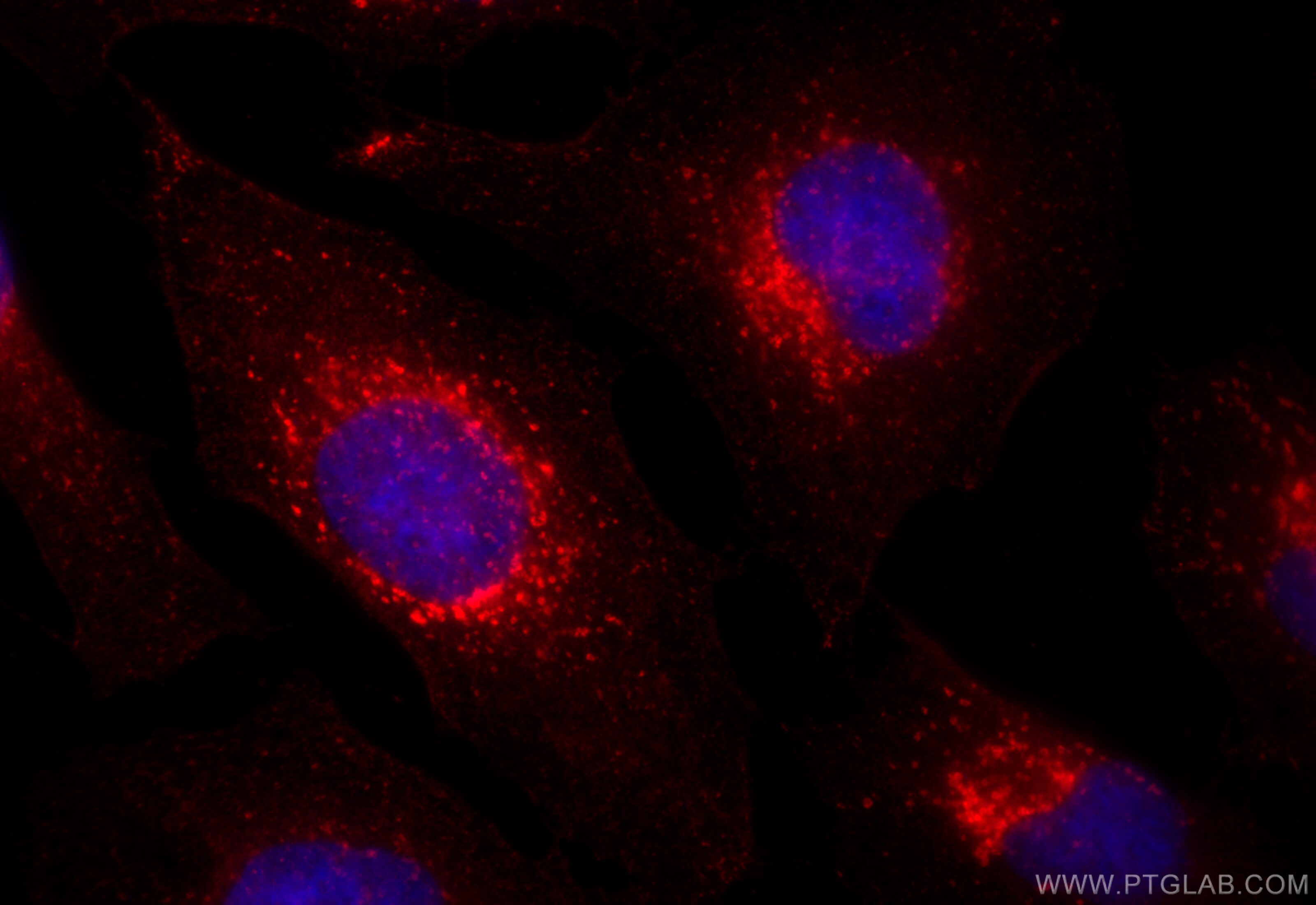
| Positive IF/ICC detected in | HeLa cells |
Recommended dilution
| Application | Dilution |
|---|---|
| Western Blot (WB) | WB : 1:5000-1:50000 |
| Immunohistochemistry (IHC) | IHC : 1:250-1:1000 |
| Immunofluorescence (IF)/ICC | IF/ICC : 1:200-1:800 |
| It is recommended that this reagent should be titrated in each testing system to obtain optimal results. | |
| Sample-dependent, Check data in validation data gallery. | |
Product Information
32204-1-AP targets DNAJC5 in WB, IHC, IF/ICC, ELISA applications and shows reactivity with human, mouse, rat samples.
| Tested Reactivity | human, mouse, rat |
| Cited Reactivity | human, rat |
| Host / Isotype | Rabbit / IgG |
| Class | Polyclonal |
| Type | Antibody |
| Immunogen |
CatNo: Ag35443 Product name: Recombinant human DNAJC5 protein Source: e coli.-derived, PGEX-4T Tag: GST Domain: 110-198 aa of NM_025219.2 Sequence: FVFCGLLTCCYCCCCLCCCFNCCCGKCKPKAPEGEETEFYVSPEDLEAQLQSDEREATDTPIVIQPASATETTQLTADSHPSYHTDGFN Predict reactive species |
| Full Name | DnaJ (Hsp40) homolog, subfamily C, member 5 |
| Calculated Molecular Weight | 22kDa,198aa |
| Observed Molecular Weight | 30 kDa |
| GenBank Accession Number | NM_025219.2 |
| Gene Symbol | DNAJC5 |
| Gene ID (NCBI) | 80331 |
| RRID | AB_3670222 |
| Conjugate | Unconjugated |
| Form | Liquid |
| Purification Method | Antigen affinity Purification |
| UNIPROT ID | Q9H3Z4 |
| Storage Buffer | PBS with 0.02% sodium azide and 50% glycerol, pH 7.3. |
| Storage Conditions | Store at -20°C. Stable for one year after shipment. Aliquoting is unnecessary for -20oC storage. 20ul sizes contain 0.1% BSA. |
Background Information
DNAJC5 (DnaJ homolog subfamily C member 5), also known as cysteine string protein α (CSPα), is a member of the HSP40 (DNAJ) family of proteins, as well as a co-chaperone of HSC70, and has been shown to control the extracellular release of many neurodegenerative disease proteins. DNAJC5 contains three structural domains - -a common N-terminal J structural domain conserved in DNAJ proteins, the cysteine string (CS) central structural domain, which is highly palmitoylated and anchors the protein to late endosomes, and an overall disordered C-terminal structural domain. Mutations in DNAJC5 have been strongly implicated in the development of human diseases such as neuronal waxy lipofuscinosis, cystic fibrosis, Huntington's disease and Parkinson's disease.
Protocols
| Product Specific Protocols | |
|---|---|
| IF protocol for DNAJC5 antibody 32204-1-AP | Download protocol |
| IHC protocol for DNAJC5 antibody 32204-1-AP | Download protocol |
| WB protocol for DNAJC5 antibody 32204-1-AP | Download protocol |
| Standard Protocols | |
|---|---|
| Click here to view our Standard Protocols |
Publications
What published studies show
The DNAJC5 Polyclonal antibody (Cat# 32204-1-AP) has 1 citation to date. It appears in the European Journal of Medical Research (IF 4.8), in a 2026 study on a 12-gene signature distinguishing sepsis risk from systemic inflammatory response syndrome using machine learning and causal inference. The cited applications are WB and IF in human and rat samples, placing the research field in sepsis, inflammation, and immunology.
| Species | Application | Title |
|---|---|---|
Eur J Med Res From machine learning to causal insight: a robust 12-gene signature to distinguish sepsis risk from systemic inflammatory response syndrome. |
Reviews
What customers say
The single review reports excellent performance in Western Blot at a 1:5,000 dilution on total cell lysates from HEK293T cells transfected with GFP-CSP. The antibody showed strong detection of both palmitoylated and unpalmitoylated transfected protein as well as endogenous CSP. The reviewer rated it 5 stars and noted the antibody could potentially be diluted further, indicating high sensitivity and specificity.
The reviews below have been submitted by verified Proteintech customers who received an incentive for providing their feedback.
Christine (Verified Customer) (08-05-2025) | Tried at 1:5,000 on total cell lysates of HEK293T transfected with GFP-CSP. Very good detection of the transfected protein (both palmitoylated and unpalmitoylated) and of the endogenous CSP protein. Really good antibody (could be diluted further).
|













