
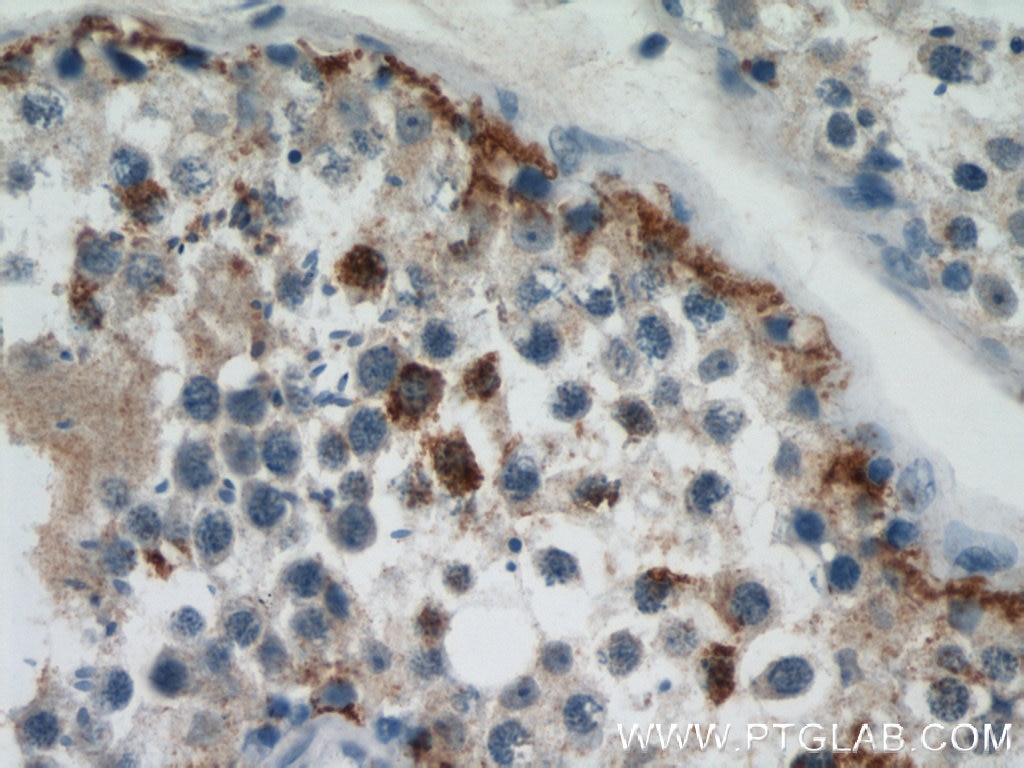
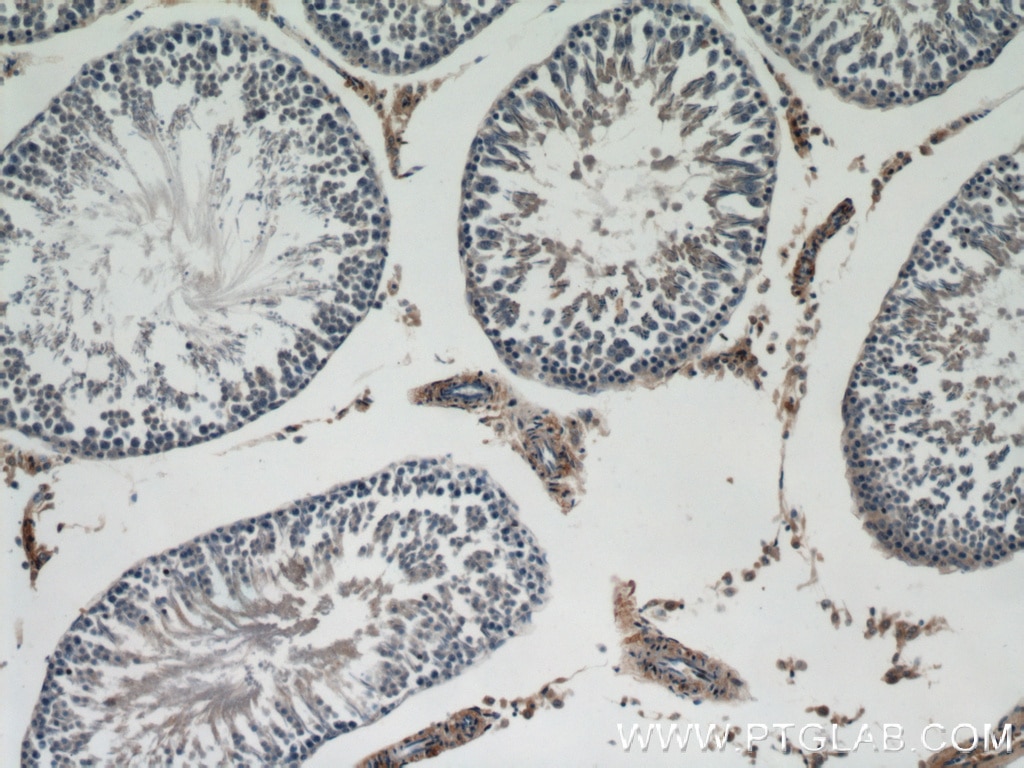
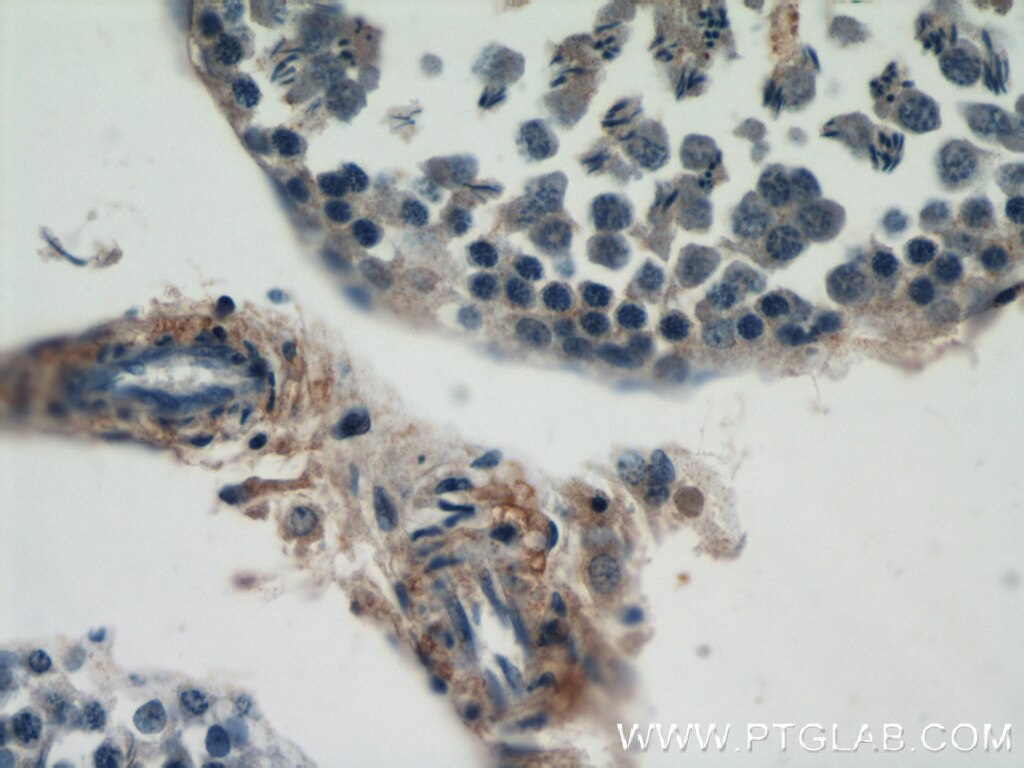

Tested Applications
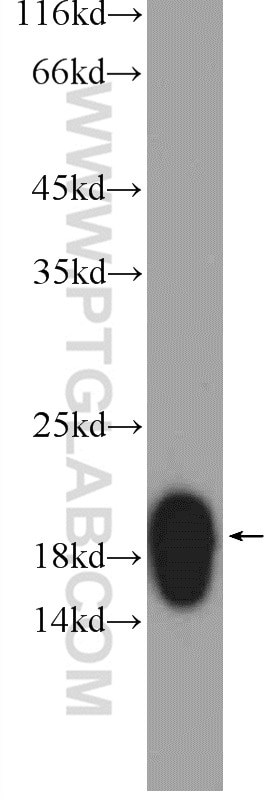
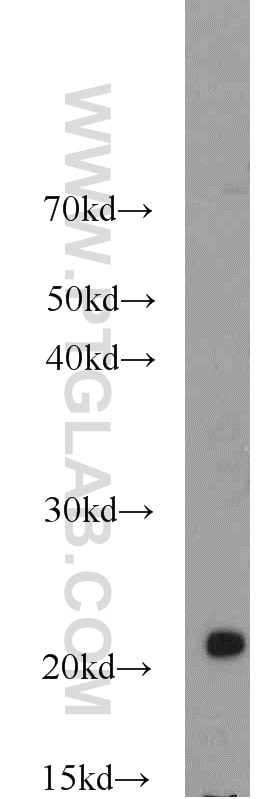
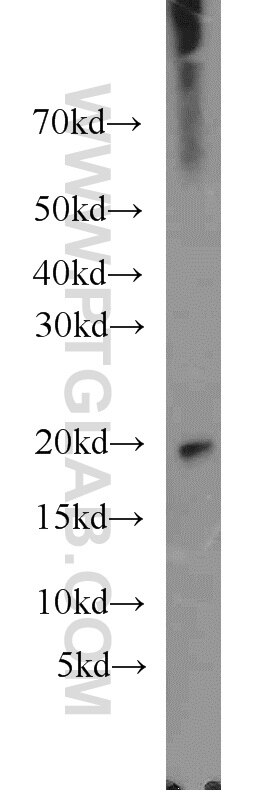
| Positive WB detected in | mouse skin tissue, rat skin tissue, human skeletal muscle tissue |
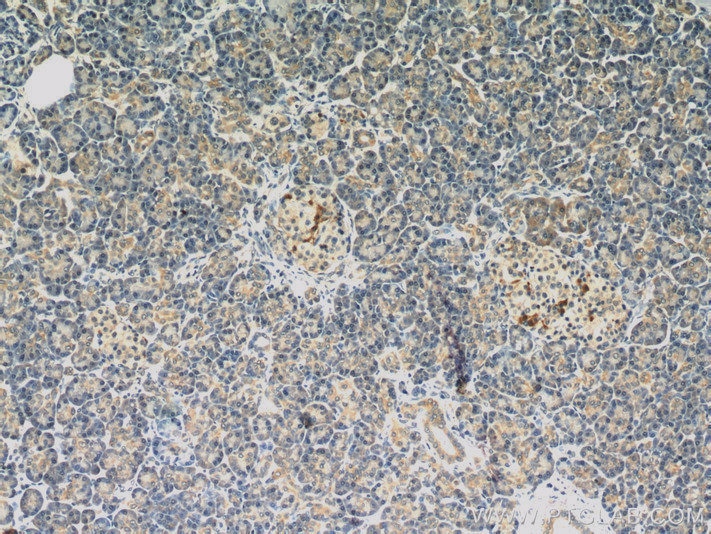
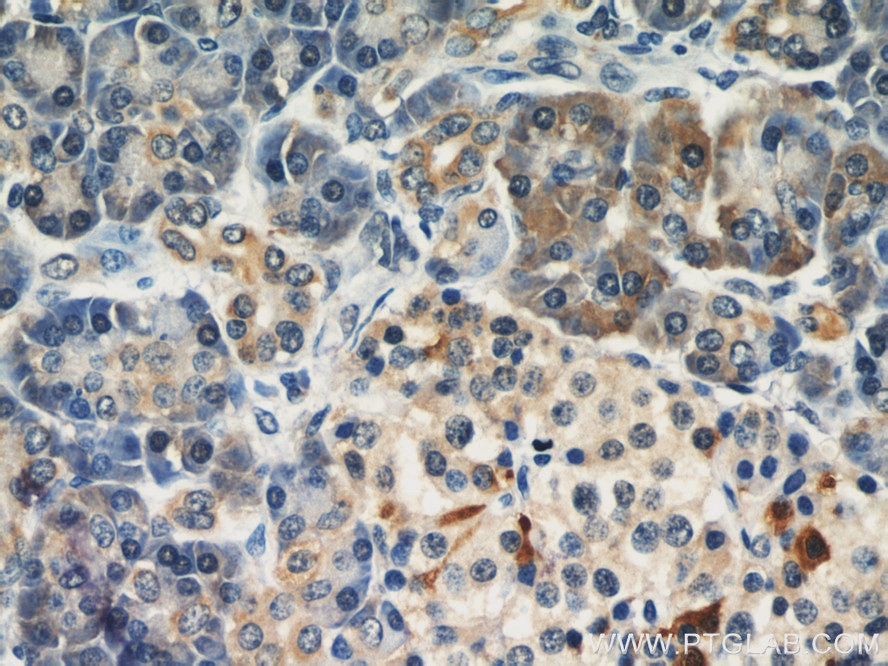
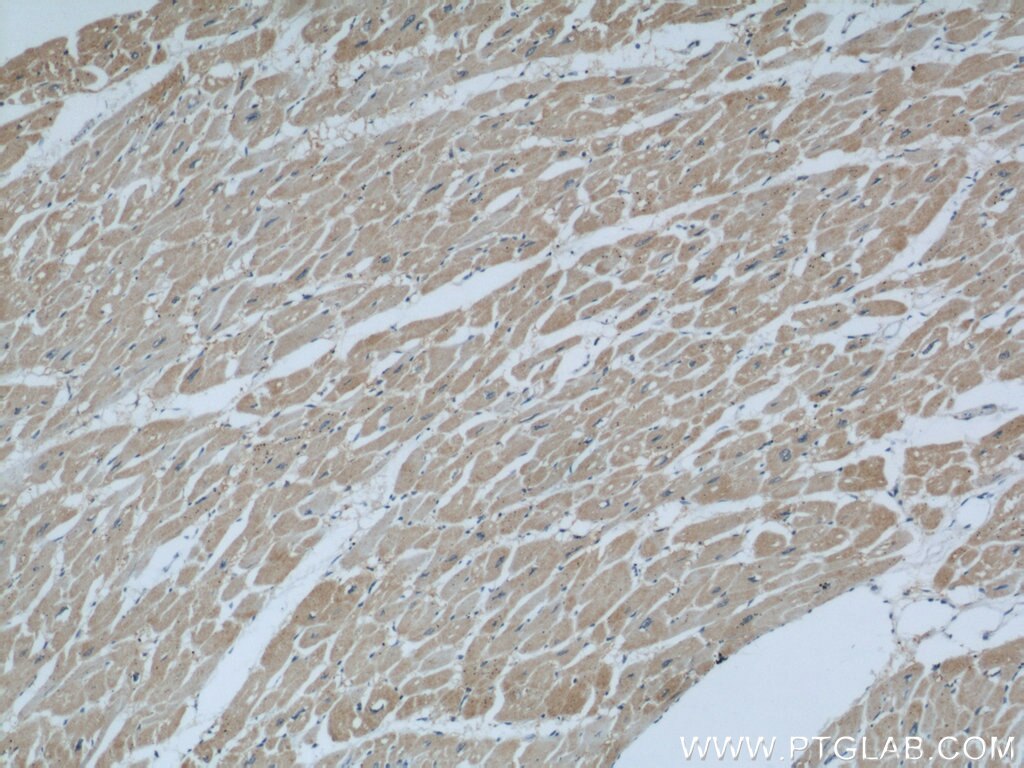
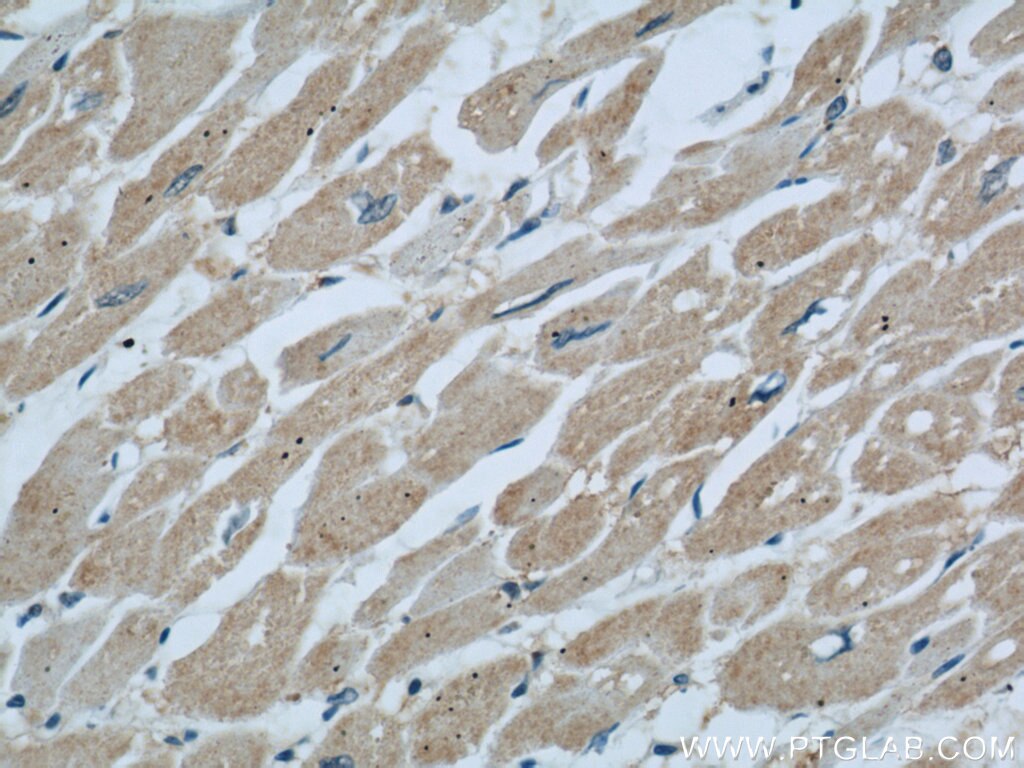
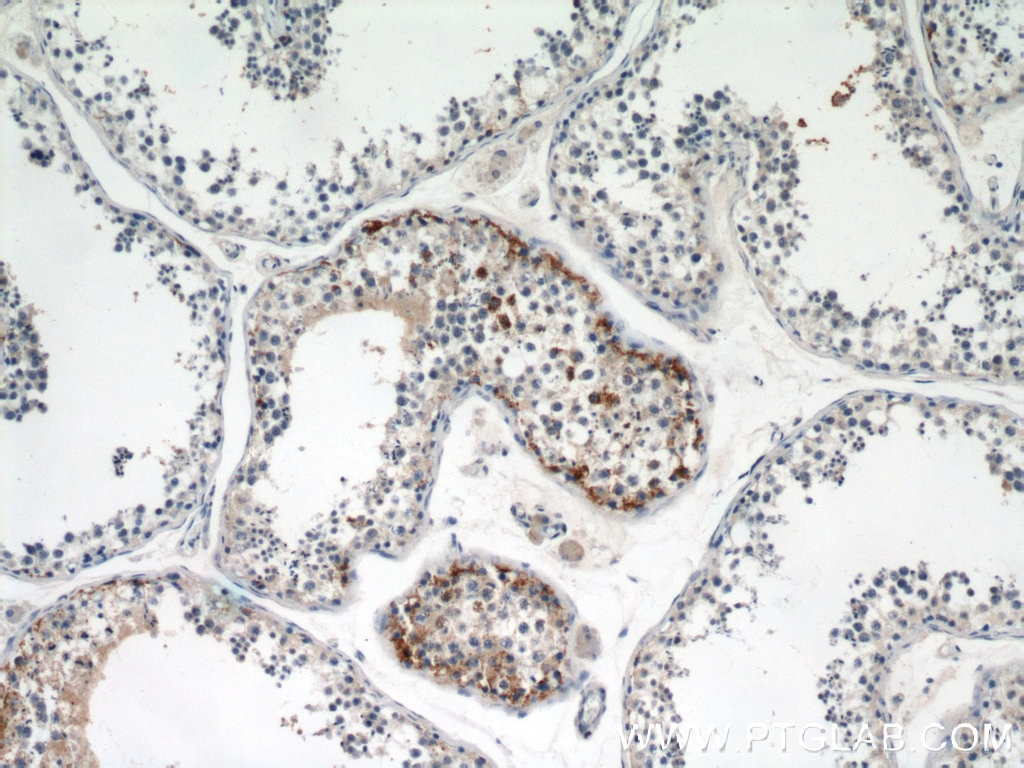
| Positive IHC detected in | human pancreas tissue, rat testis tissue, human testis tissue, human heart tissue Note: suggested antigen retrieval with TE buffer pH 9.0; (*) Alternatively, antigen retrieval may be performed with citrate buffer pH 6.0 |
Recommended dilution
| Application | Dilution |
|---|---|
| Western Blot (WB) | WB : 1:500-1:2000 |
| Immunohistochemistry (IHC) | IHC : 1:50-1:500 |
| It is recommended that this reagent should be titrated in each testing system to obtain optimal results. | |
| Sample-dependent, Check data in validation data gallery. | |
Product Information
10537-1-AP targets Dermatopontin in WB, IHC, IF, ELISA applications and shows reactivity with human, mouse, rat samples.
| Tested Reactivity | human, mouse, rat |
| Cited Reactivity | human, mouse, rat |
| Host / Isotype | Rabbit / IgG |
| Class | Polyclonal |
| Type | Antibody |
| Immunogen |
CatNo: Ag0801 Product name: Recombinant human DPT protein Source: e coli.-derived, PGEX-4T Tag: GST Domain: 1-201 aa of BC033736 Sequence: MDLSLLWVLLPLVTMAWGQYGDYGYPYQQYHDYSDDGWVNLNRQGFSYQCPQGQVIVAVRSIFSKKEGSDRQWNYACMPTPQSLGEPTECWWEEINRAGMEWYQTCSNNGLVAGFQSRYFESVLDREWQFYCCRYSKRCPYSCWLTIEYPGHYGEEMDMISYNYDYYIRGATTTFSAVERDRQWKFIMCRMTEYDCEFANV Predict reactive species |
| Full Name | dermatopontin |
| Calculated Molecular Weight | 22 kDa |
| Observed Molecular Weight | 22 kDa |
| GenBank Accession Number | BC033736 |
| Gene Symbol | DPT/TRAMP |
| Gene ID (NCBI) | 1805 |
| RRID | AB_2230721 |
| Conjugate | Unconjugated |
| Form | Liquid |
| Purification Method | Antigen affinity purification |
| UNIPROT ID | Q07507 |
| Storage Buffer | PBS with 0.02% sodium azide and 50% glycerol, pH 7.3. |
| Storage Conditions | Store at -20°C. Stable for one year after shipment. Aliquoting is unnecessary for -20oC storage. 20ul sizes contain 0.1% BSA. |
Background Information
DPT (dermatopontin) is an extracellular matrix protein belonging to the dermatopontin family. Skin appears to be the richest source of dermatopontin, comprising about 15 mg/kg of the wet weight. Expression of dermatopontin is not limited to connective tissue, as investigations show that dermatopontin mRNA is expressed in cultured fibroblasts, muscle, heart, pancreas, and lung. Dermatopontin comprises a considerable proportion of the noncollagenous extracellular matrix proteins. It is involved in promotion of cellular adhesion, extracellular matrix assembly, wound healing, and positive modification of the growth inhibition activity of TGF-beta1.
Protocols
| Product Specific Protocols | |
|---|---|
| IHC protocol for Dermatopontin antibody 10537-1-AP | Download protocol |
| WB protocol for Dermatopontin antibody 10537-1-AP | Download protocol |
| Standard Protocols | |
|---|---|
| Click here to view our Standard Protocols |
Publications
What published studies show
The anti-Dermatopontin (DPT) antibody (Cat# 10537-1-AP) has 18 total citations spanning journals including Autophagy, Cell Death Dis, Cardiovasc Res, Oncotarget, Neuro Oncol, Matrix Biol, Int J Cancer, and BMC Cancer. Research fields cover cancer biology (esophageal, breast, thyroid, oral, hepatocellular carcinoma), autophagy regulation, cardiovascular disease, fibrosis, single-cell transcriptomics, osteogenic differentiation, and cardiac fibroblast biology. Applications include IF, IHC, and WB across human, mouse, and rat species.
| Species | Application | Title |
|---|---|---|
Autophagy WNT2B impairs endosomal trafficking via WASHC5 to inhibit autophagy: a novel non-secretory WNT pathway. | ||
Biomark Res Functional heterogeneity of cancer-associated fibroblasts with distinct neoadjuvant immunotherapy plus chemotherapy response in esophageal squamous cell carcinoma | ||
Neuro Oncol Single-cell transcriptomes reveal the heterogeneity and microenvironment of vestibular schwannoma | ||
Cardiovasc Res Regulation of Ptbp1-controlled alternative splicing of pyruvate kinase muscle by Liver kinase b1 governs vascular smooth muscle cell plasticity in vivo | ||
Cell Death Dis DNMT3a-dermatopontin axis suppresses breast cancer malignancy via inactivating YAP | ||
Int J Oncol NRG1 regulates redox homeostasis via NRF2 in papillary thyroid cancer.
|












