
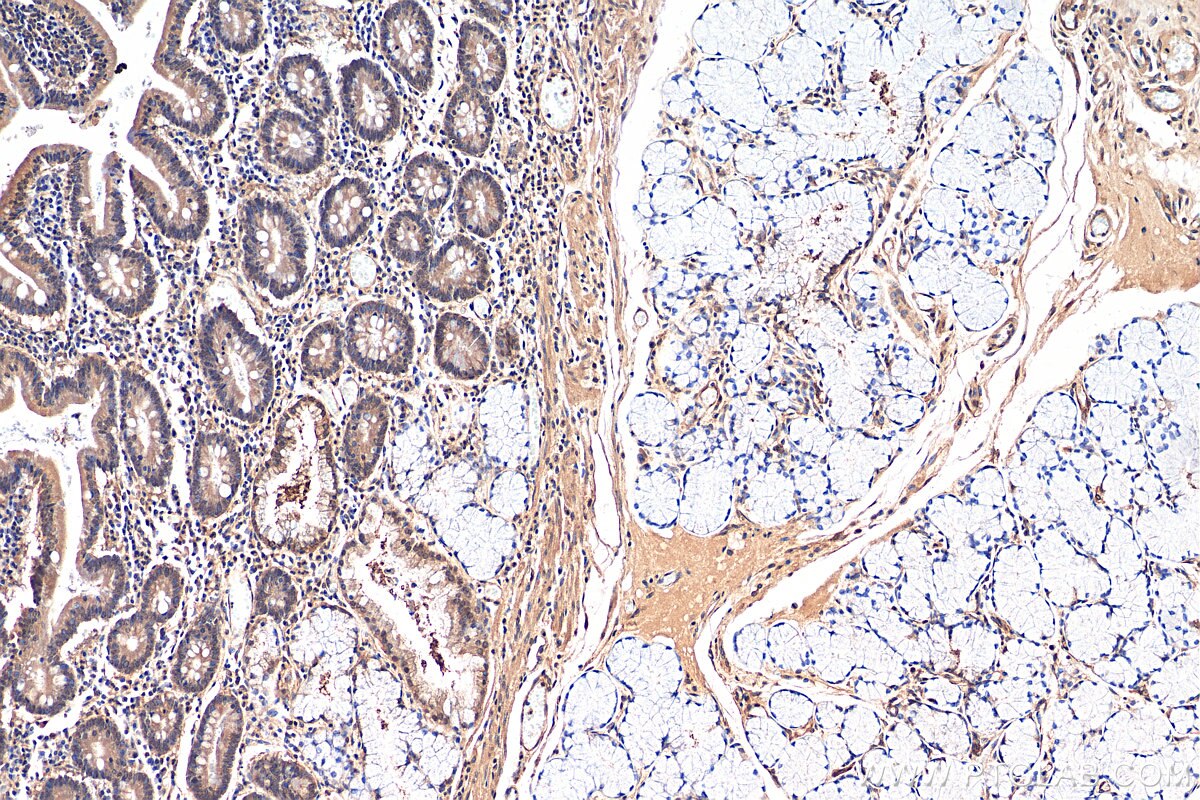
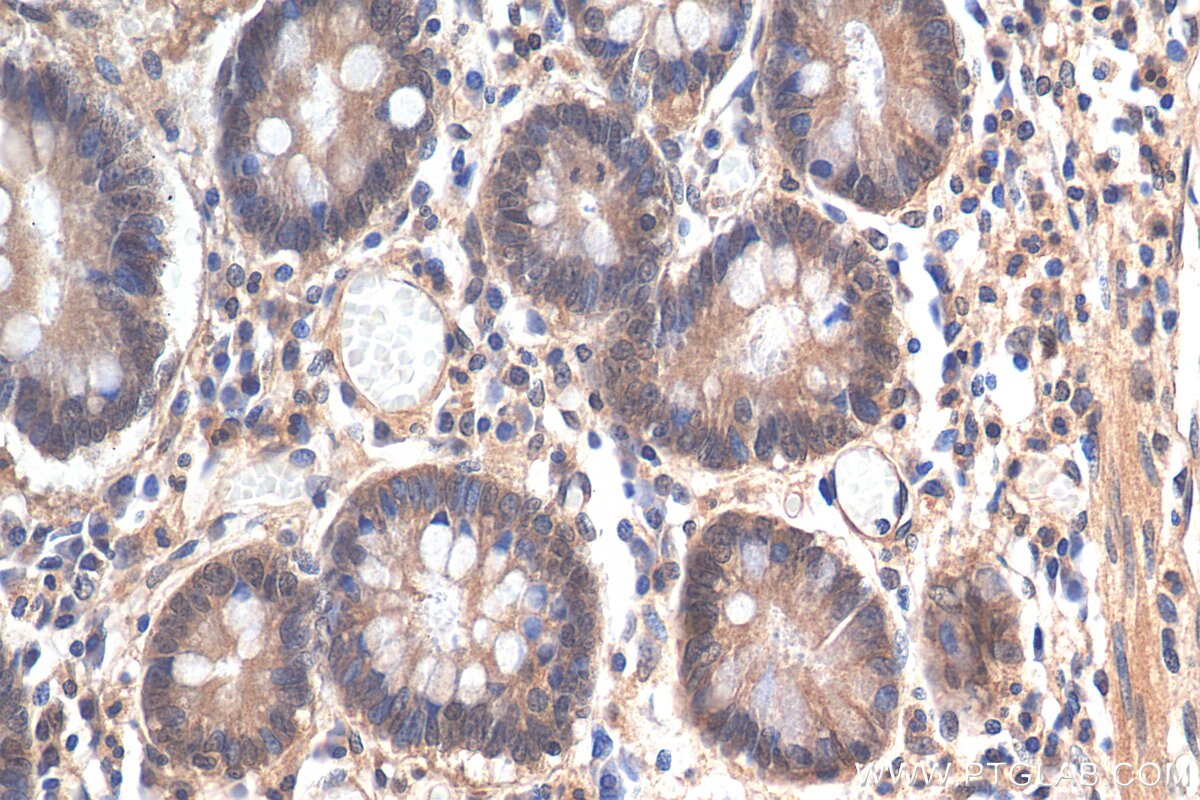
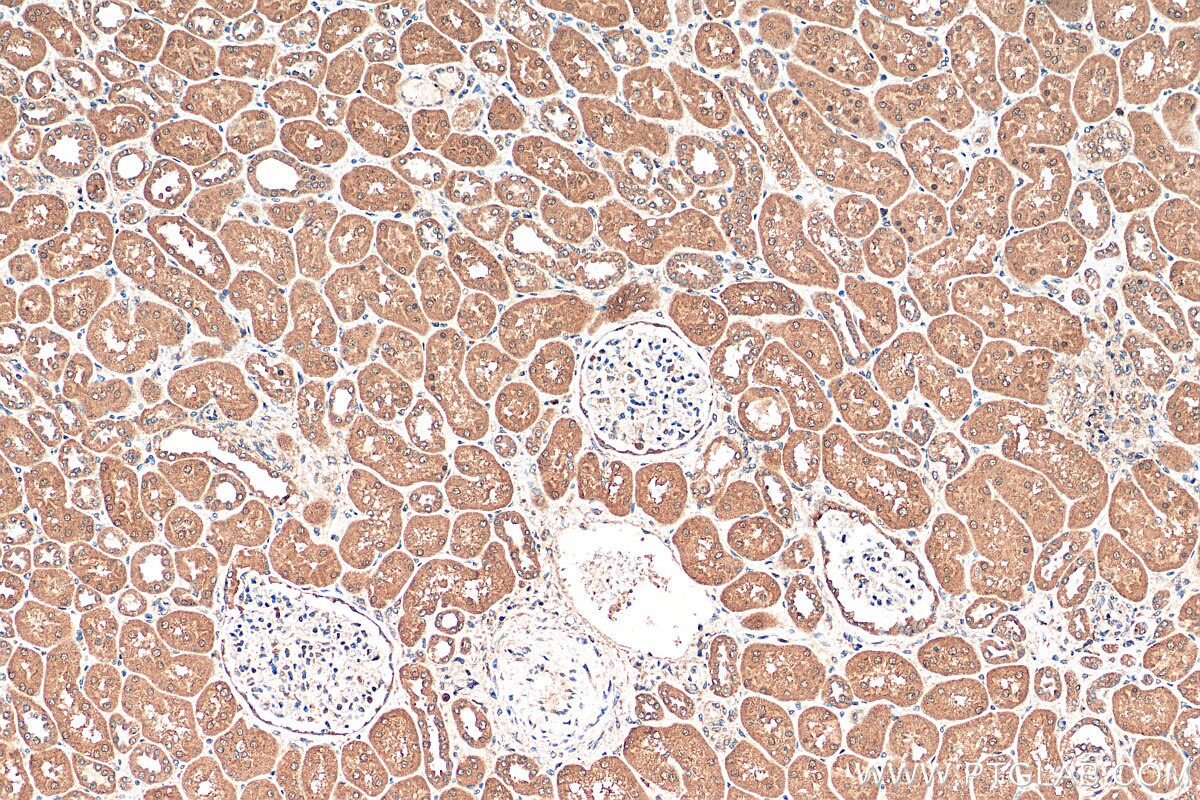

Tested Applications
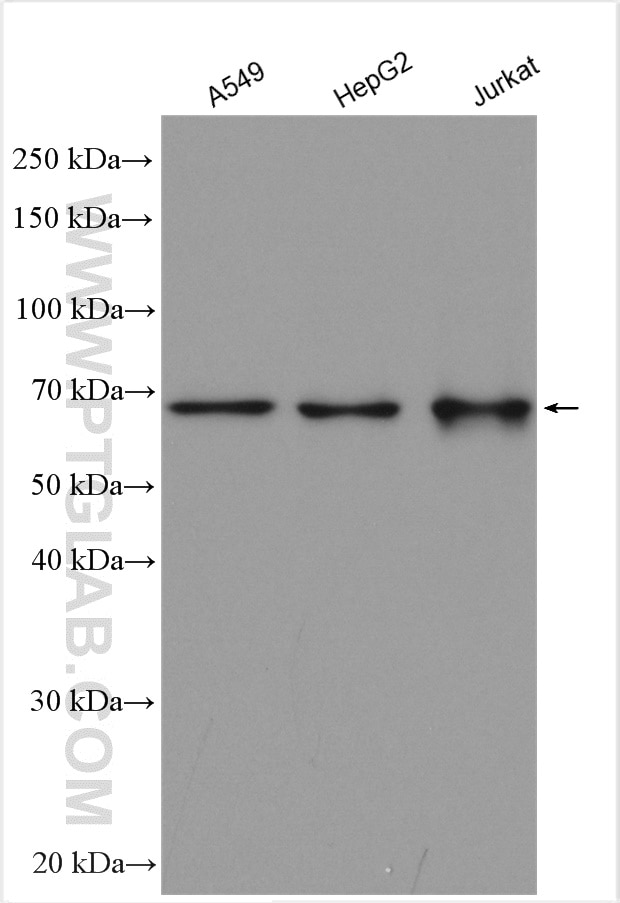
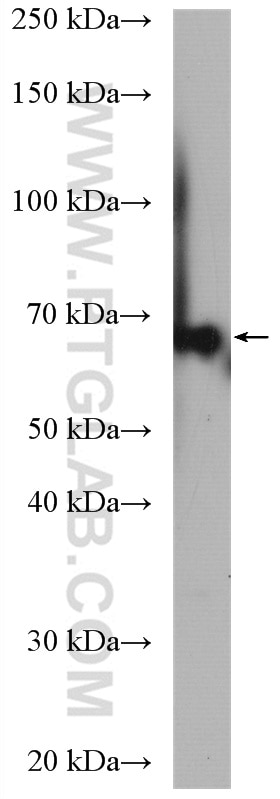
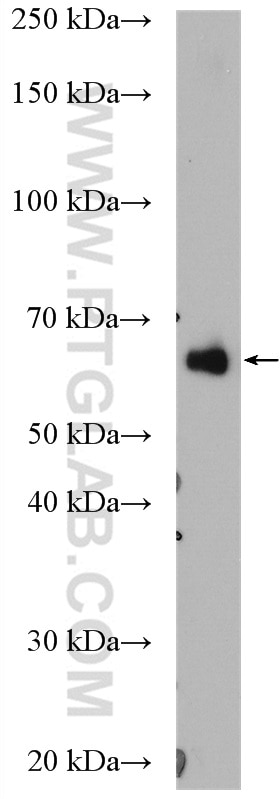
| Positive WB detected in | A549 cells, A431 cells, HEK-293 cells, Jurkat cells, HepG2 cells |
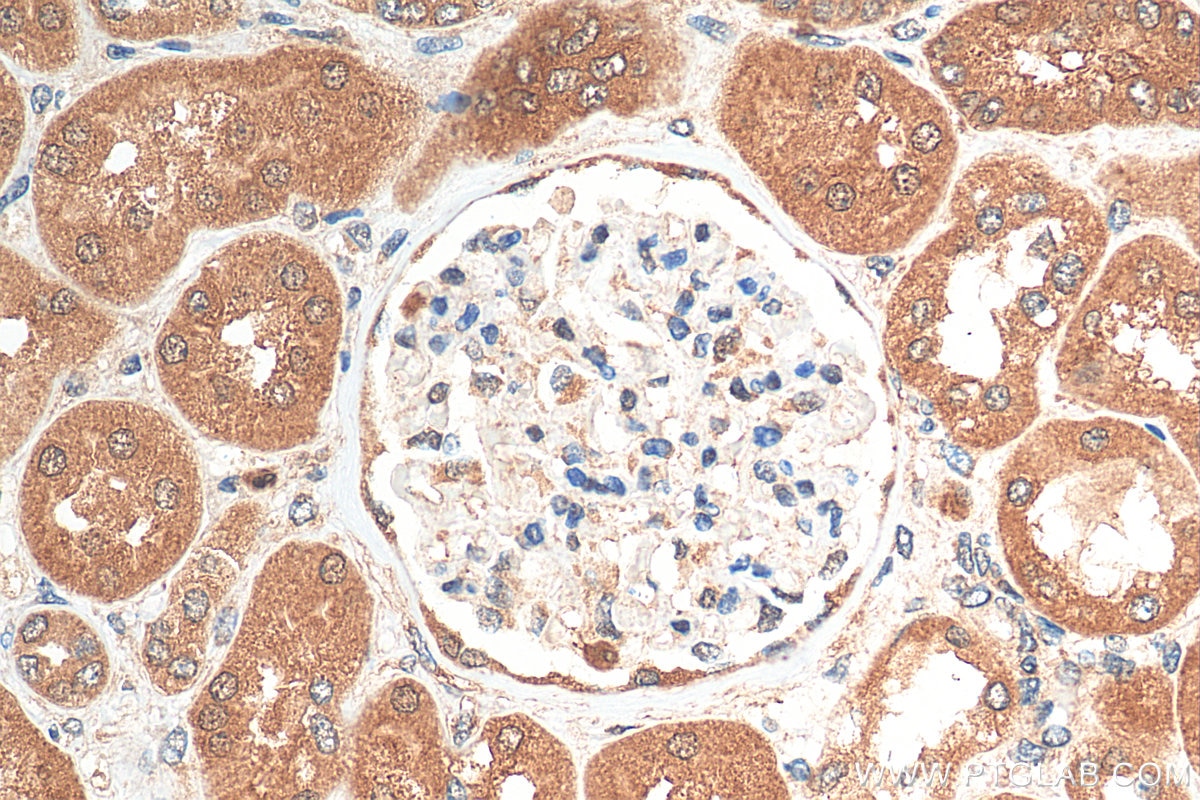
| Positive IHC detected in | human kidney tissue, human stomach tissue Note: suggested antigen retrieval with TE buffer pH 9.0; (*) Alternatively, antigen retrieval may be performed with citrate buffer pH 6.0 |
Recommended dilution
| Application | Dilution |
|---|---|
| Western Blot (WB) | WB : 1:1000-1:6000 |
| Immunohistochemistry (IHC) | IHC : 1:50-1:500 |
| It is recommended that this reagent should be titrated in each testing system to obtain optimal results. | |
| Sample-dependent, Check data in validation data gallery. | |
Product Information
10628-1-AP targets EEFSEC in WB, IHC, ELISA applications and shows reactivity with human samples.
| Tested Reactivity | human |
| Cited Reactivity | human, mouse |
| Host / Isotype | Rabbit / IgG |
| Class | Polyclonal |
| Type | Antibody |
| Immunogen |
CatNo: Ag0980 Product name: Recombinant human EEFSEC protein Source: e coli.-derived, PGEX-4T Tag: GST Domain: 269-569 aa of BC007933 Sequence: KLLERGLVCAPESLHTVHAALISVEKIPYFRGPLQTKAKFHITVGHETVMGRLMFFSPAPDNFDQEPILDSFNFSQEYLFQEQYLSKDLTPAVTDNDEADKKAGQATEGHCPRQQWALVEFEKPVTCPRLCLVIGSRLDADIHTNTCRLAFHGILLHGLEDRNYADSFLPRLKVYKLKHKHGLVERAMDDYSVIGRSLFKKETNIQLFVGLKVHLSTGELGIIDSAFGQSGKFKIHIPGGLSPESKKILTPALKKRARAGRGEATRQEESAERSEPSQHVVLSLTFKRYVFDTHKRMVQSP Predict reactive species |
| Full Name | eukaryotic elongation factor, selenocysteine-tRNA-specific |
| Calculated Molecular Weight | 63 kDa |
| Observed Molecular Weight | 65 kDa |
| GenBank Accession Number | BC007933 |
| Gene Symbol | EEFSEC |
| Gene ID (NCBI) | 60678 |
| RRID | AB_2293378 |
| Conjugate | Unconjugated |
| Form | Liquid |
| Purification Method | Antigen affinity purification |
| UNIPROT ID | P57772 |
| Storage Buffer | PBS with 0.02% sodium azide and 50% glycerol, pH 7.3. |
| Storage Conditions | Store at -20°C. Stable for one year after shipment. Aliquoting is unnecessary for -20oC storage. 20ul sizes contain 0.1% BSA. |
Background Information
The amino acid selenocysteine (Sec) is incorporated into a small group of proteins that are involved in preventing cellular oxidative stress. The Sec-specific elongation factor eEFec delivers the aminoacylated selenocysteine-tRNA (Sec-tRNASec) to the ribosome and suppresses UGA codons that are upstream of Sec Insertion Sequence (SECIS) elements bound by SECIS binding protein 2 (SBP2)[PMID:22992746]. It probably replaces EF-Tu for the insertion of selenocysteine directed by the UGA codon.
Protocols
| Product Specific Protocols | |
|---|---|
| IHC protocol for EEFSEC antibody 10628-1-AP | Download protocol |
| WB protocol for EEFSEC antibody 10628-1-AP | Download protocol |
| Standard Protocols | |
|---|---|
| Click here to view our Standard Protocols |
Publications
What published studies show
The EEFSEC Polyclonal antibody (Cat# 10628-1-AP) has 3 citations. They appear in Molecular Cell, Advanced Science, and American Journal of Physiology-Cell Physiology. Research fields include ferroptosis and hepatocellular carcinoma, hepatic lipid metabolism and steatohepatitis, and muscle mTORC1 signaling related to protein supplementation.
| Species | Application | Title |
|---|---|---|
Mol Cell Hypoxia-driven lncRNA SHIELD promotes GPX4 translation and protects against ferroptosis in hepatocellular carcinoma. | ||
Adv Sci (Weinh) Selenoprotein H Functions as a PPARα Coactivator to Link Selenium Homeostasis to Hepatic Lipid Metabolism and Protect against Steatohepatitis. | ||
Am J Physiol Cell Physiol Daily protein supplementation attenuates immobilization-induced blunting of postabsorptive muscle mTORC1 activation in middle-aged men. |
Reviews
What customers say
The single review for this antibody reports a 3-star rating from a Western Blot experiment performed on HEK293T cells. The reviewer noted that the antibody worked well and successfully detected the protein of interest. Overall, the feedback is positive, confirming reliable performance in WB applications.
The reviews below have been submitted by verified Proteintech customers who received an incentive for providing their feedback.
Linda (Verified Customer) (08-07-2023) | The antibody worked well in the experiment and I was able to detect the protein of interest
|








