

Tested Applications
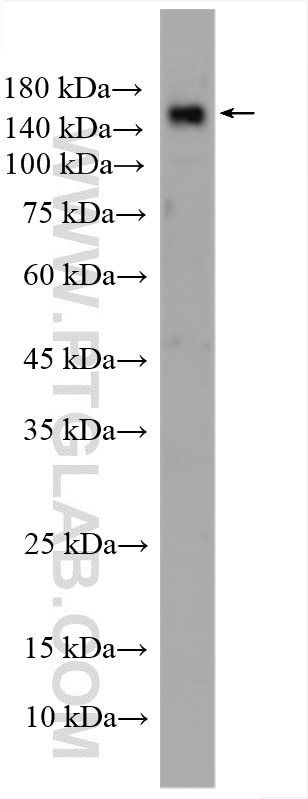
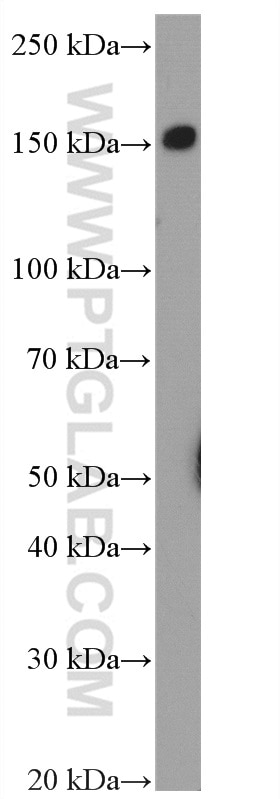
| Positive WB detected in | unboiled RAW 264.7 cells, HL-60 cells |
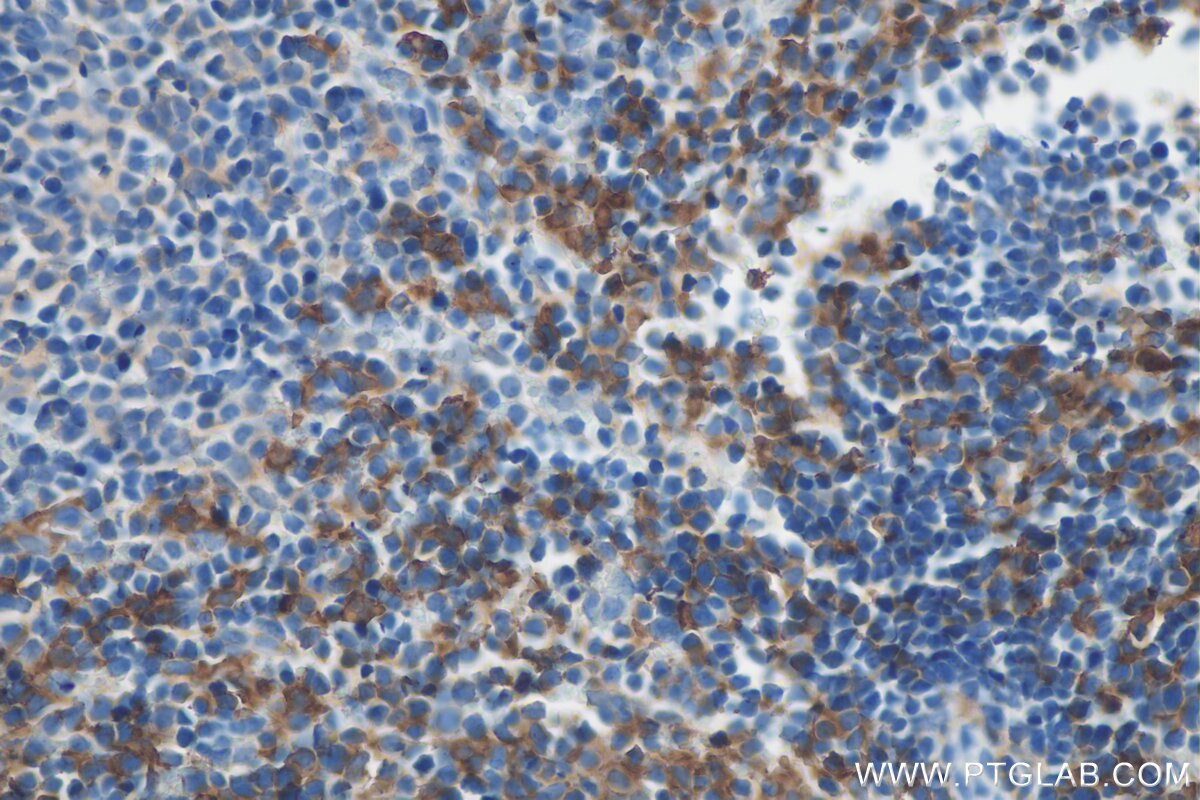
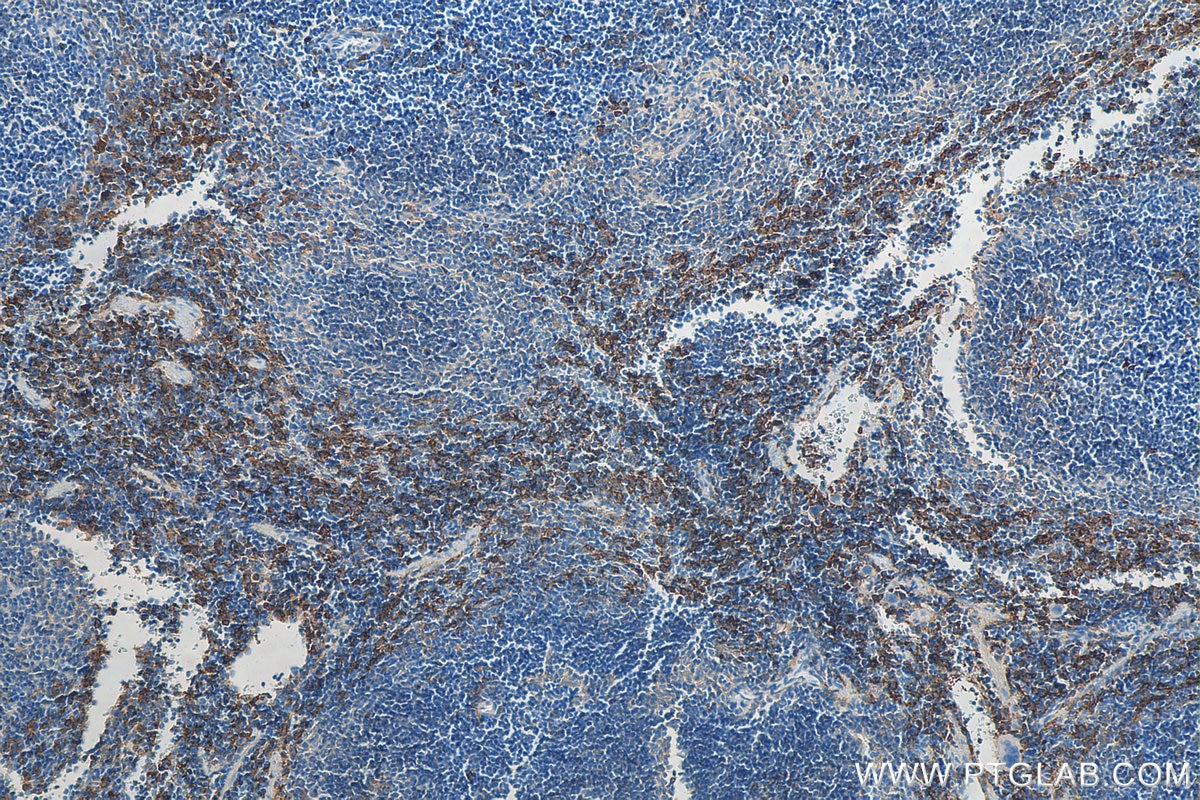
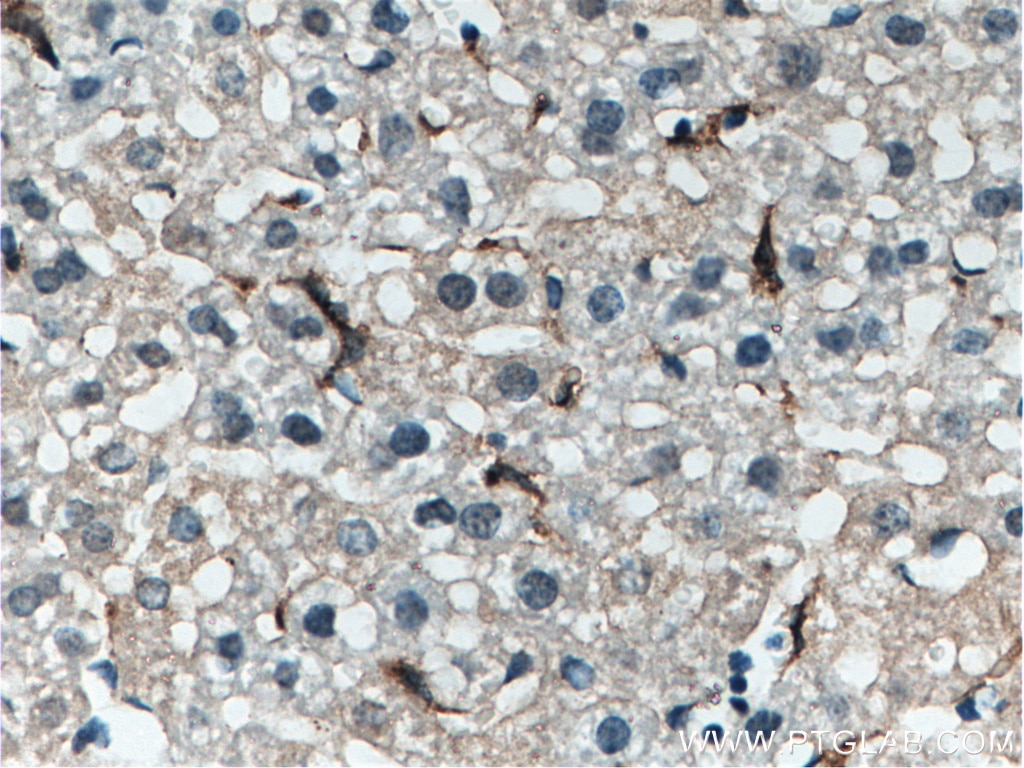
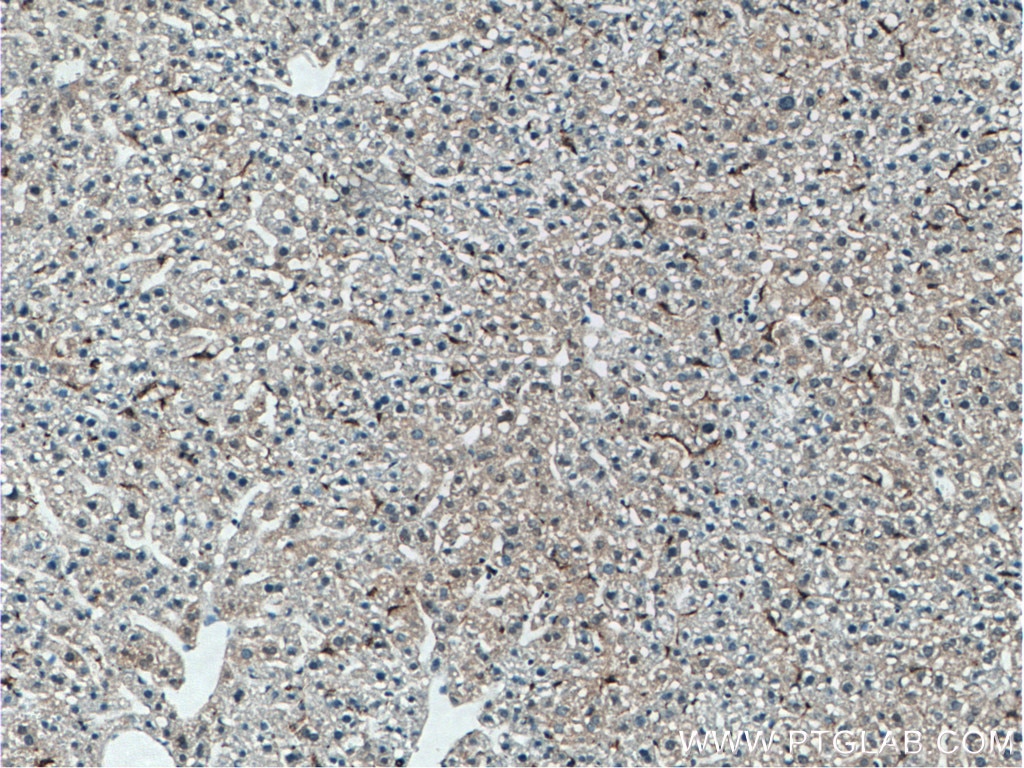
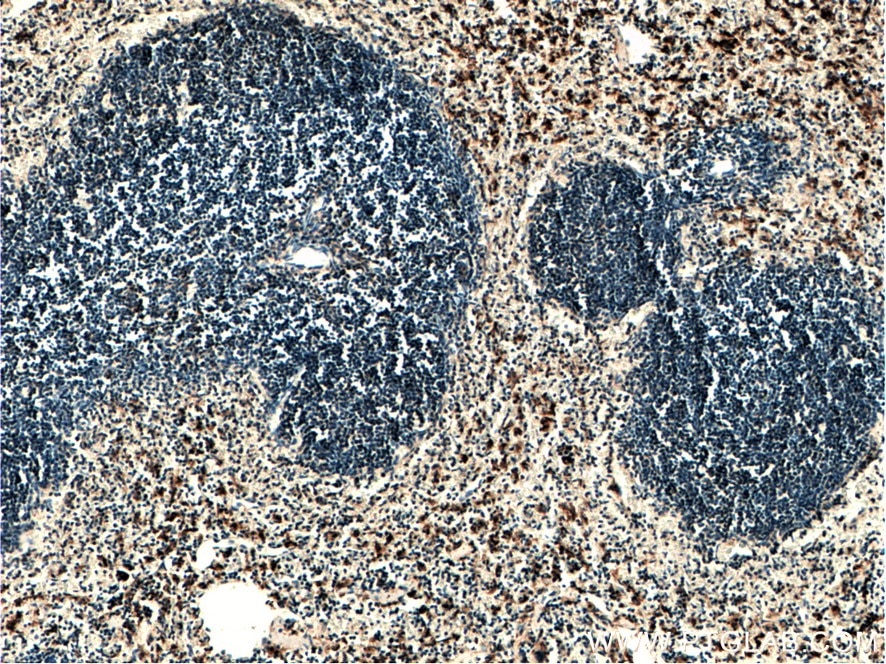
| Positive IHC detected in | mouse spleen tissue, mouse liver tissue Note: suggested antigen retrieval with TE buffer pH 9.0; (*) Alternatively, antigen retrieval may be performed with citrate buffer pH 6.0 |
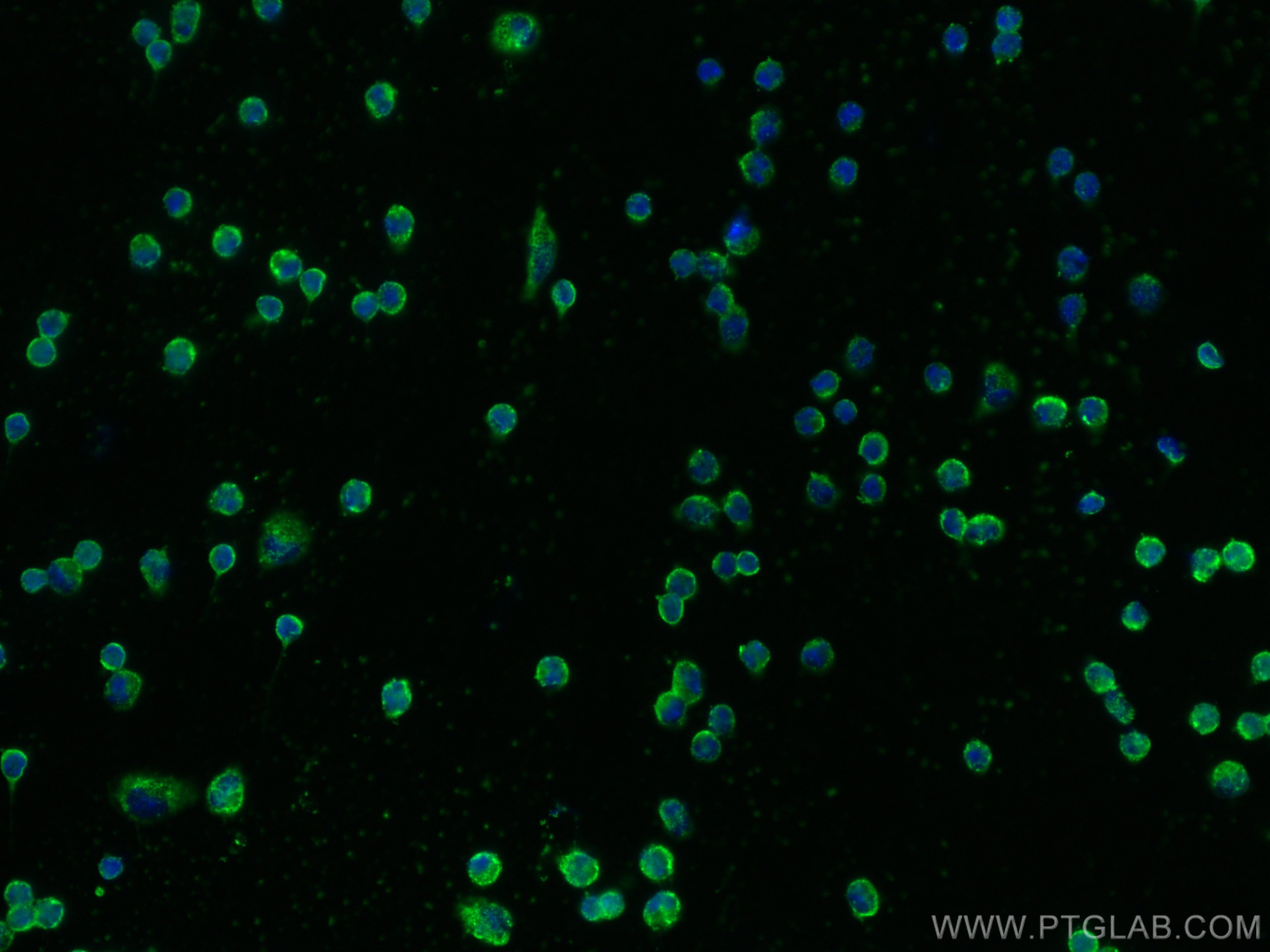
| Positive IF/ICC detected in | mouse peritoneal macrophages |
Recommended dilution
| Application | Dilution |
|---|---|
| Western Blot (WB) | WB : 1:500-1:2000 |
| Immunohistochemistry (IHC) | IHC : 1:400-1:1600 |
| Immunofluorescence (IF)/ICC | IF/ICC : 1:50-1:500 |
| It is recommended that this reagent should be titrated in each testing system to obtain optimal results. | |
| Sample-dependent, Check data in validation data gallery. | |
Product Information
27044-1-AP targets EMR1 in WB, IHC, IF/ICC, ELISA, Immunohistochemistry applications and shows reactivity with human, mouse samples.
| Tested Reactivity | human, mouse |
| Cited Reactivity | human, mouse, rat, pig |
| Host / Isotype | Rabbit / IgG |
| Class | Polyclonal |
| Type | Antibody |
| Immunogen |
CatNo: Ag25883 Product name: Recombinant human EMR1 protein Source: e coli.-derived, PGEX-4T Tag: GST Domain: 430-510 aa of BC059395 Sequence: TEYLDIESKVINKECSEENVTLDLVAKGDKMKIGCSTIEESESTETTGVAFVSFVGMESVLNERFFKDHQAPLTTSEIKLK Predict reactive species |
| Full Name | egf-like module containing, mucin-like, hormone receptor-like 1 |
| Calculated Molecular Weight | 886 aa, 97 kDa |
| Observed Molecular Weight | 160 kDa |
| GenBank Accession Number | BC059395 |
| Gene Symbol | EMR1 |
| Gene ID (NCBI) | 2015 |
| RRID | AB_2716814 |
| Conjugate | Unconjugated |
| Form | Liquid |
| Purification Method | Antigen affinity purification |
| UNIPROT ID | Q14246 |
| Storage Buffer | PBS with 0.02% sodium azide and 50% glycerol, pH 7.3. |
| Storage Conditions | Store at -20°C. Stable for one year after shipment. Aliquoting is unnecessary for -20oC storage. 20ul sizes contain 0.1% BSA. |
Background Information
EMR1 (EGF-like module containing mucin-like hormone receptor 1), also known as Adhesion G protein-coupled receptor E1 (ADGRE1), is a surface receptor with seven transmembrane segments that belong to the EGF-7-transmembrane family of G protein-coupled receptors (PMID: 14647991, 7601460). EMR1 expression is restricted to eosinophilic granulocytes, where expression is overlapping with the eotaxin receptor CCR3 and the immunoglobulin-like lectin Siglec-8. Absence on other leukocytes, including basophils, implies that EMR1 is a highly specific marker for eosinophils in humans and may be used as a novel therapeutic target for eosinophilic disorders (PMID: 17823986, 24530099). F4/80, the murine homolog of EMR1, is a marker of murine macrophage. The apparent molecular weight of F4/80 is 160 kDa, which is larger than the calculated molecular weight due to post-translational modifications (PMID: 7308288; 8647179).
Protocols
| Product Specific Protocols | |
|---|---|
| IF protocol for EMR1 antibody 27044-1-AP | Download protocol |
| IHC protocol for EMR1 antibody 27044-1-AP | Download protocol |
| WB protocol for EMR1 antibody 27044-1-AP | Download protocol |
| Standard Protocols | |
|---|---|
| Click here to view our Standard Protocols |
Publications
What published studies show
The EMR1 Polyclonal antibody (Cat# 27044-1-AP) has 50 citations spanning high-impact journals including Nature, Cell, Cell Metabolism, Nature Metabolism, Nature Communications, Cell Research, Autophagy, and Cell Death & Disease. Research fields covered include MASH/NASH, obesity, cancer (HCC, bladder, colorectal), macrophage polarization, fibrosis (renal, pulmonary, skin), inflammation, osteoarthritis, diabetes, cardiovascular disease, and pyroptosis. Applications reported include WB, IHC, and IF across mouse, human, rat, and pig species.
| Species | Application | Title |
|---|---|---|
Cell Extracellular vesicles from the lung pro-thrombotic niche drive cancer-associated thrombosis and metastasis via integrin beta 2 | ||
Cell Metab UBE2M-mediated neddylation of TRIM21 regulates obesity-induced inflammation and metabolic disorders | ||
Cell Res A phosphatidic acid-binding lncRNA SNHG9 facilitates LATS1 liquid-liquid phase separation to promote oncogenic YAP signaling. | ||
Nat Metab Gpnmb secreted from liver promotes lipogenesis in white adipose tissue and aggravates obesity and insulin resistance. | ||
Autophagy Buddleoside alleviates nonalcoholic steatohepatitis by targeting the AMPK-TFEB signaling pathway |









