
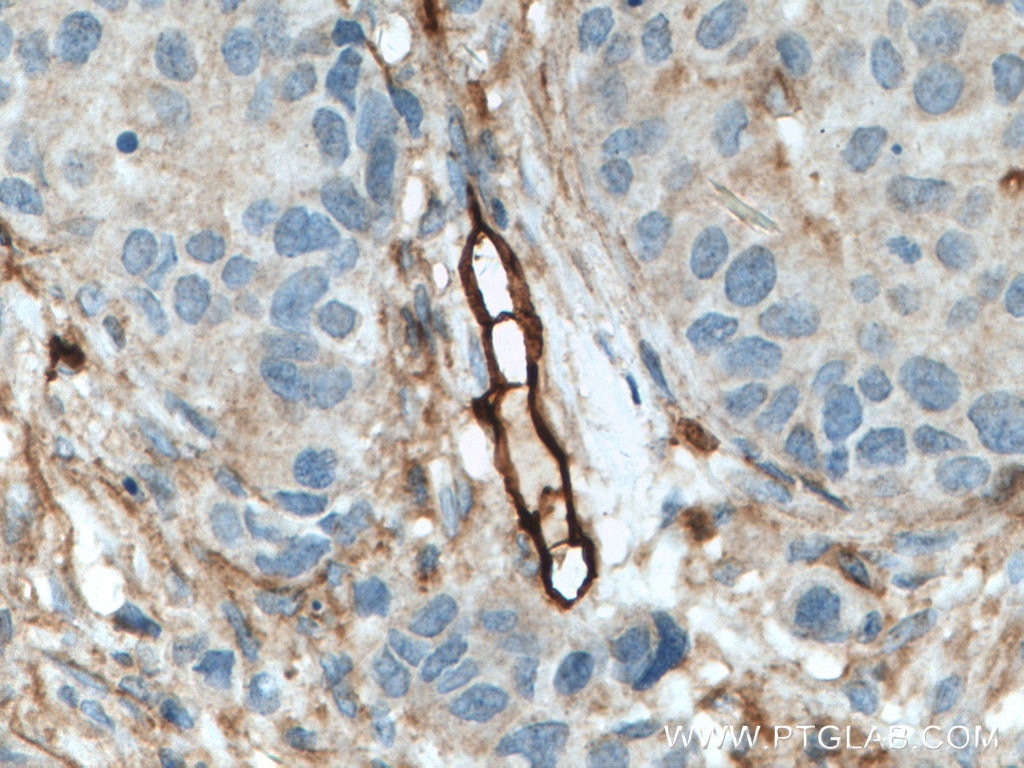

Tested Applications
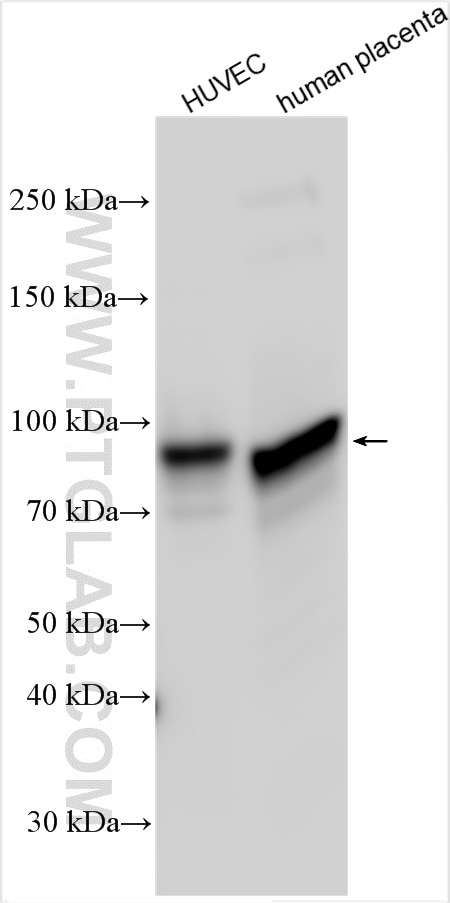
| Positive WB detected in | HUVEC cells, human placenta tissue |
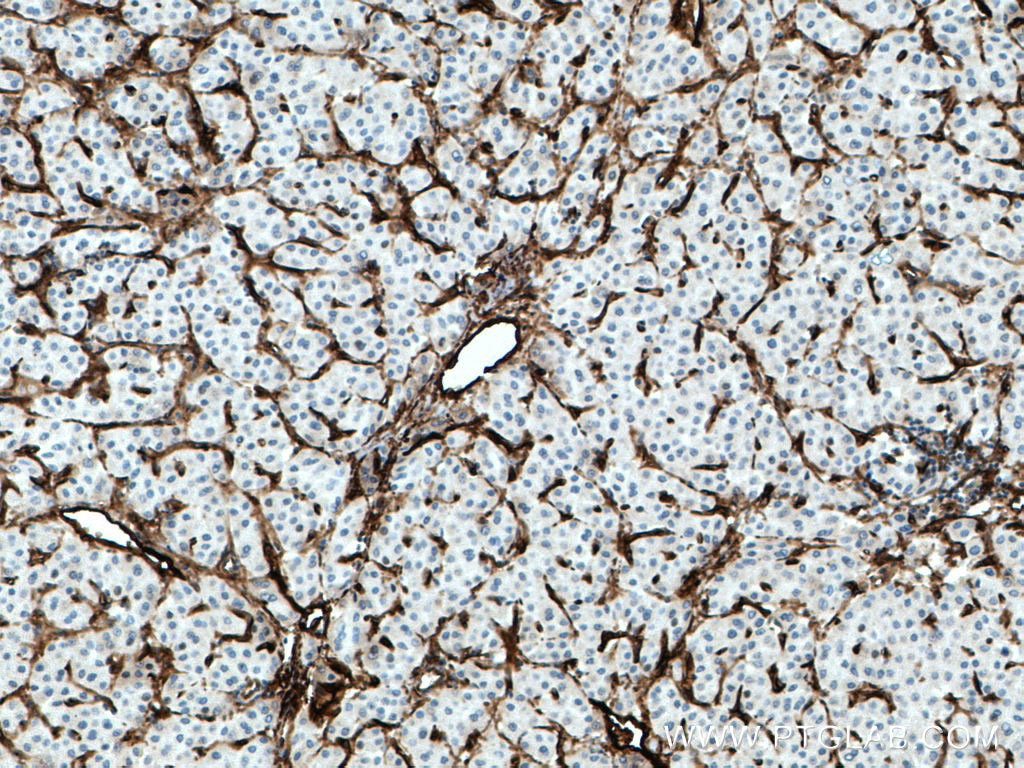
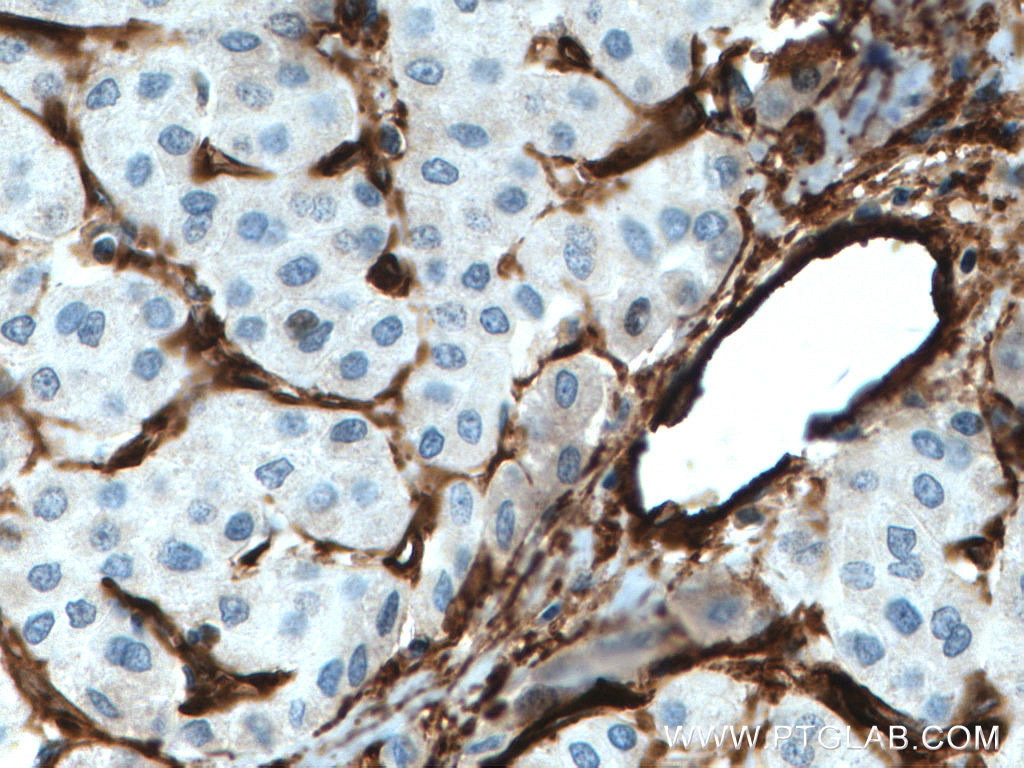
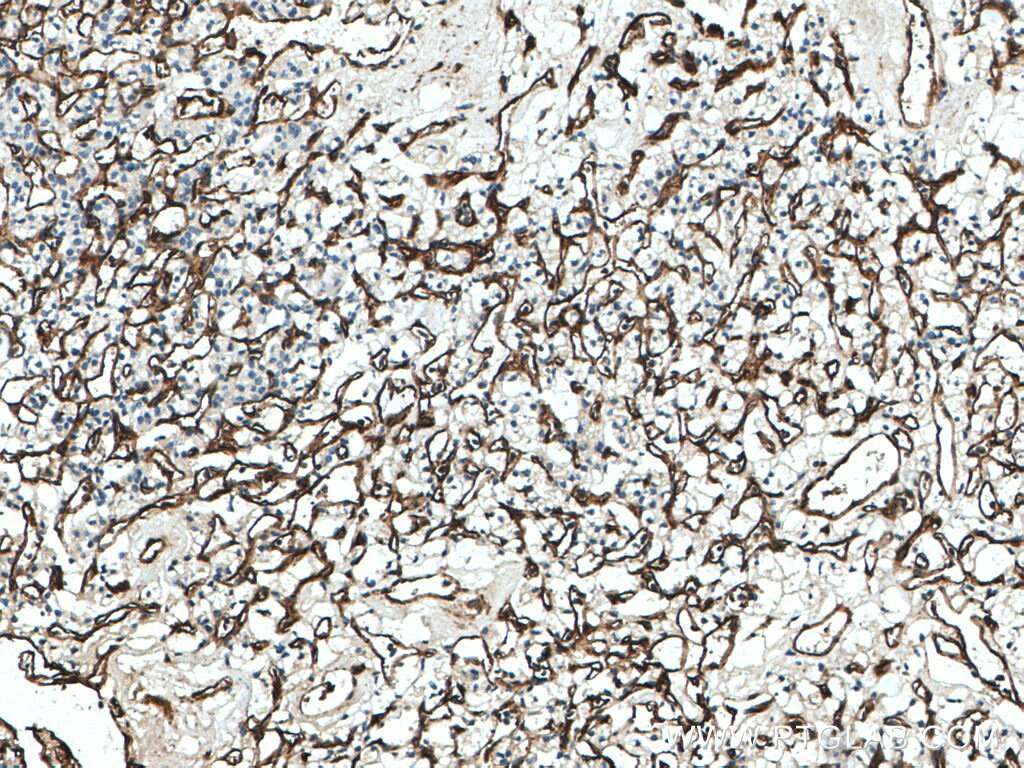
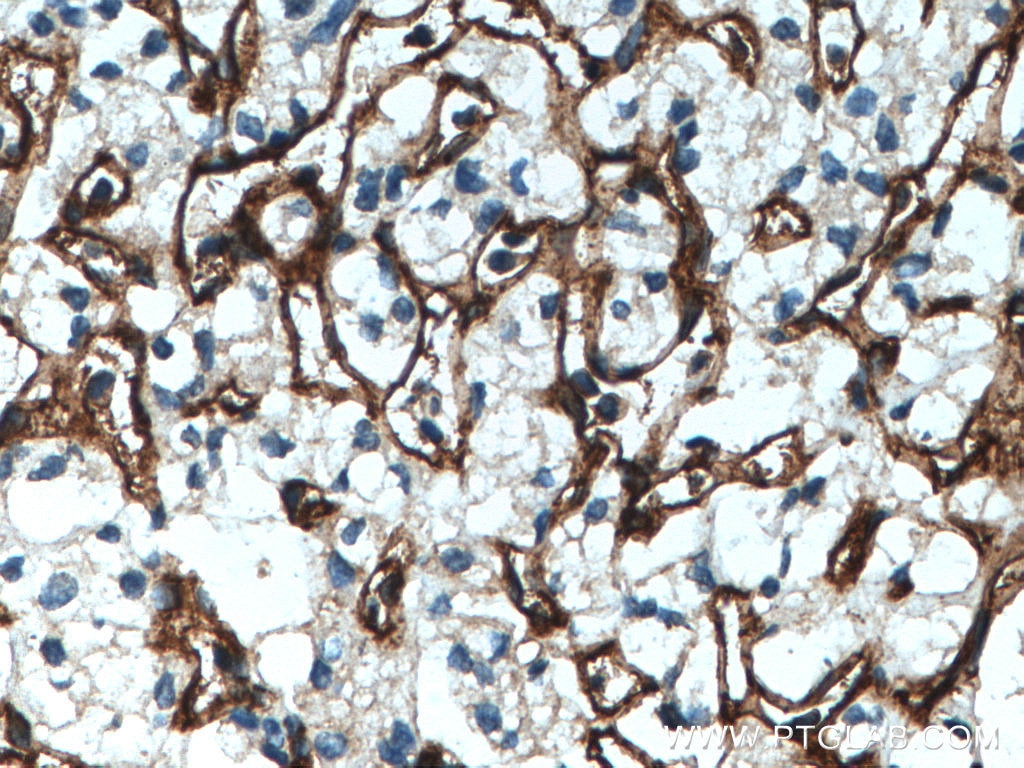
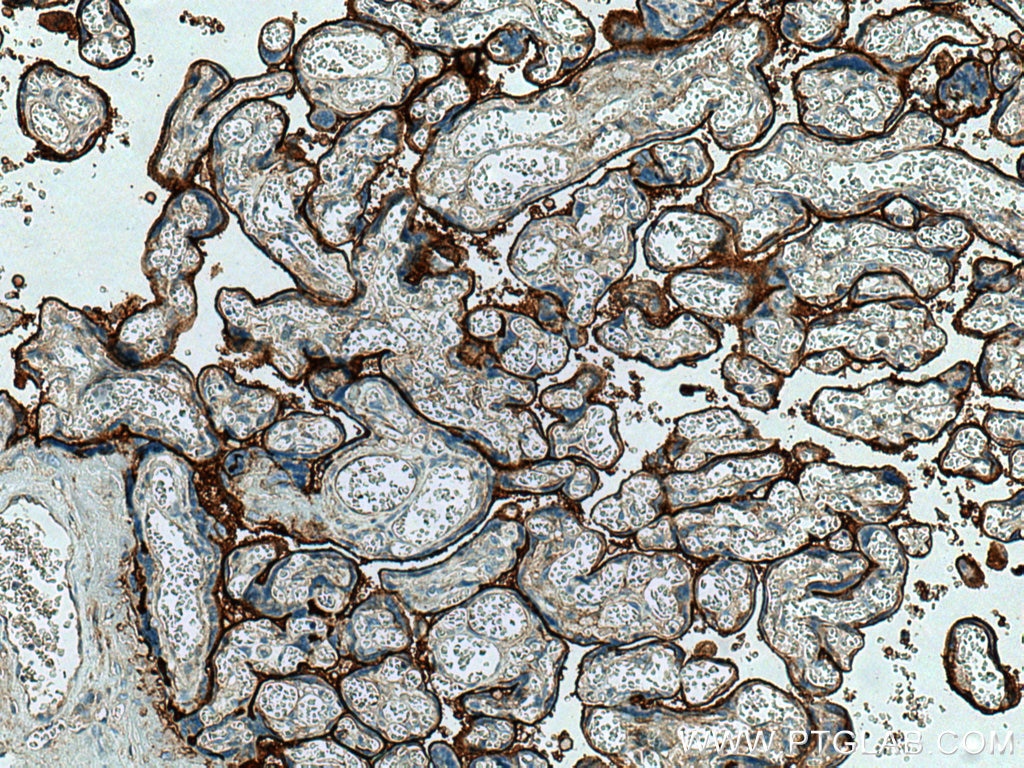
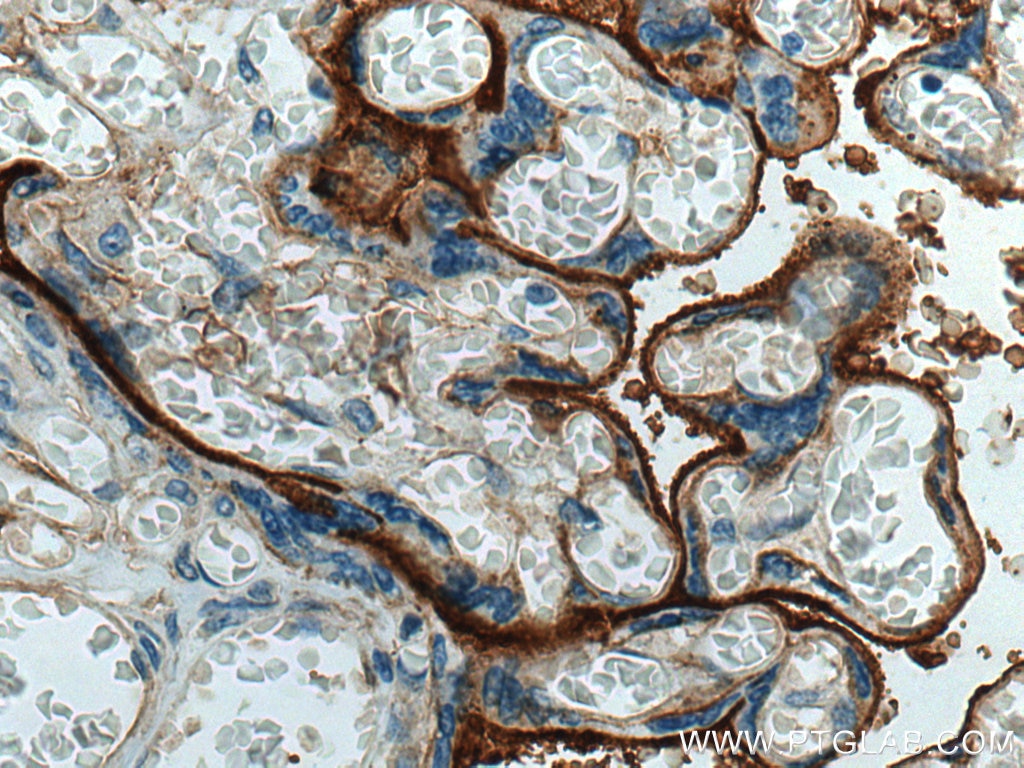
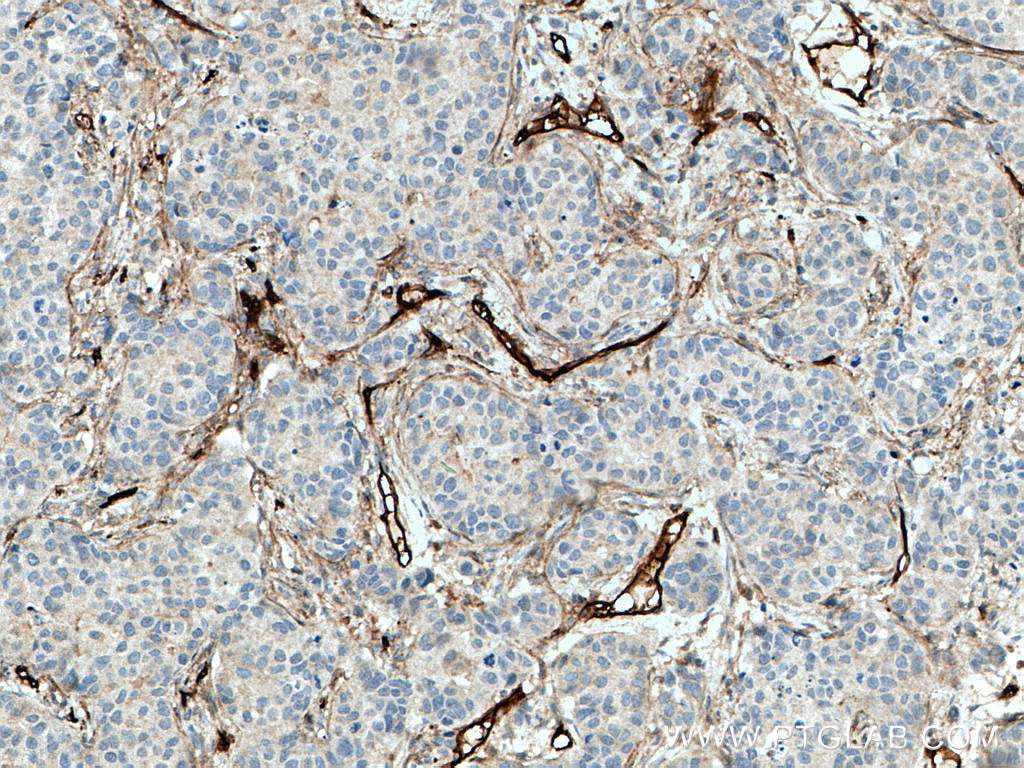
| Positive IHC detected in | human liver cancer tissue, human renal cell carcinoma tissue, human breast cancer tissue, human placenta tissue Note: suggested antigen retrieval with TE buffer pH 9.0; (*) Alternatively, antigen retrieval may be performed with citrate buffer pH 6.0 |
Recommended dilution
| Application | Dilution |
|---|---|
| Western Blot (WB) | WB : 1:500-1:1000 |
| Immunohistochemistry (IHC) | IHC : 1:300-1:1200 |
| It is recommended that this reagent should be titrated in each testing system to obtain optimal results. | |
| Sample-dependent, Check data in validation data gallery. | |
Product Information
28117-1-AP targets Endoglin/CD105 in WB, IHC, IF, ELISA applications and shows reactivity with Human samples.
| Tested Reactivity | Human |
| Cited Reactivity | human |
| Host / Isotype | Rabbit / IgG |
| Class | Polyclonal |
| Type | Antibody |
| Immunogen |
CatNo: Ag27822 Product name: Recombinant human Endoglin/CD105 protein Source: e coli.-derived, PGEX-4T Tag: GST Domain: 33-221 aa of BC014271 Sequence: QPVGPERGEVTYTTSQVSKGCVAQAPNAILEVHVLFLEFPTGPSQLELTLQASKQNGTWPREVLLVLSVNSSVFLHLQALGIPLHLAYNSSLVTFQEPPGVNTTELPSFPKTQILEWAAERGPITSAAELNDPQSILLRLGQAQGSLSFCMLEASQDMGRTLEWRPRTPALVRGCHLEGVAGHKEAHIL Predict reactive species |
| Full Name | endoglin |
| Calculated Molecular Weight | 71 kDa |
| Observed Molecular Weight | 95 kDa |
| GenBank Accession Number | BC014271 |
| Gene Symbol | CD105 |
| Gene ID (NCBI) | 2022 |
| RRID | AB_2881066 |
| Conjugate | Unconjugated |
| Form | Liquid |
| Purification Method | Antigen affinity purification |
| UNIPROT ID | P17813 |
| Storage Buffer | PBS with 0.02% sodium azide and 50% glycerol, pH 7.3. |
| Storage Conditions | Store at -20°C. Stable for one year after shipment. Aliquoting is unnecessary for -20oC storage. 20ul sizes contain 0.1% BSA. |
Background Information
Endoglin (ENG, CD105) is a homodimeric cell membrane glycoprotein of 180 kDa, composed of disulphide-linked subunits of 90-95 kDa. Endoglin is a proliferation-associated and hypoxia-inducible protein mainly expressed on vascular endothelial cells. It acts as an accessory receptor for transforming growth factor beta (TFG-β) and is involved in vascular development and remodelling. The important role of Endoglin in angiogenesis and in tumor progression makes it an ideal target for antiangiogenic therapy and a good marker for tumor prognosis. (PMID: 1326540; 14528280; 21737653; 12773481)
Protocols
| Product Specific Protocols | |
|---|---|
| IHC protocol for Endoglin/CD105 antibody 28117-1-AP | Download protocol |
| WB protocol for Endoglin/CD105 antibody 28117-1-AP | Download protocol |
| Standard Protocols | |
|---|---|
| Click here to view our Standard Protocols |
Publications
What published studies show
I'll search for citations of this antibody.28117-1-AP Endoglin/CD105 Polyclonal antibody has 5 total citations. The journals include Biochemical Pharmacology, Molecular Cancer Research (2 papers), Scientific Reports, and Translational Oncology. These citations span research fields including oncology (gastric, colorectal, esophageal squamous cell carcinoma), immunology (immune checkpoint inhibitor efficacy and tumor-associated macrophage polarization), stem cell biology (dental pulp stem cells), and cancer prognosis/prediction (bladder cancer). Applications used include IF and IHC across human samples.
| Species | Application | Title |
|---|---|---|
Biochem Pharmacol H3K18 lactylation-mediated VCAM1 expression promotes gastric cancer progression and metastasis via AKT-mTOR-CXCL1 axis | ||
Mol Cancer Res A TGFβ-dependent stromal subset underlies immune checkpoint inhibitor efficacy in DNA mismatch repair-deficient/microsatellite instability-high colorectal cancer. | ||
Mol Cancer Res Neoadjuvant Chemotherapy Induces IL34 Signaling and Promotes Chemoresistance via Tumor-Associated Macrophage Polarization in Esophageal Squamous Cell Carcinoma | ||
Transl Oncol A machine learning-based prognostic signature utilizing MSC proteomics for predicting bladder cancer prognosis and treatment response | ||
Sci Rep Public RNA-seq data-based identification and functional analyses reveal that MXRA5 retains proliferative and migratory abilities of dental pulp stem cells |










