





Tested Applications
| Positive WB detected in | MCF-7 cells, Jurkat cells, HEK-293 cells, HepG2 cells, C6 cells, NIH/3T3 cells, rat brain tissue |
| Positive IHC-Autostainer detected in | human pancreas tissue |
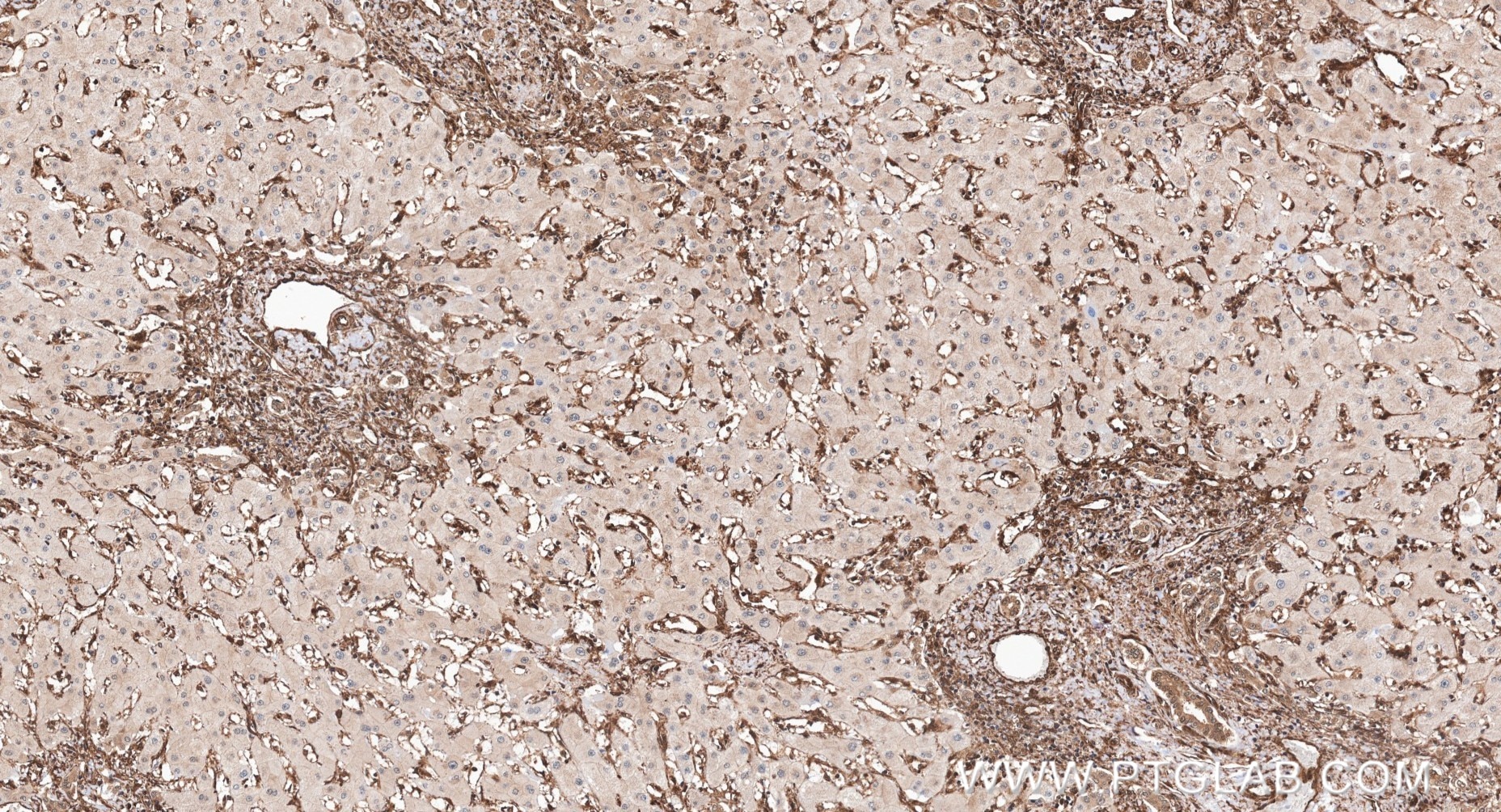
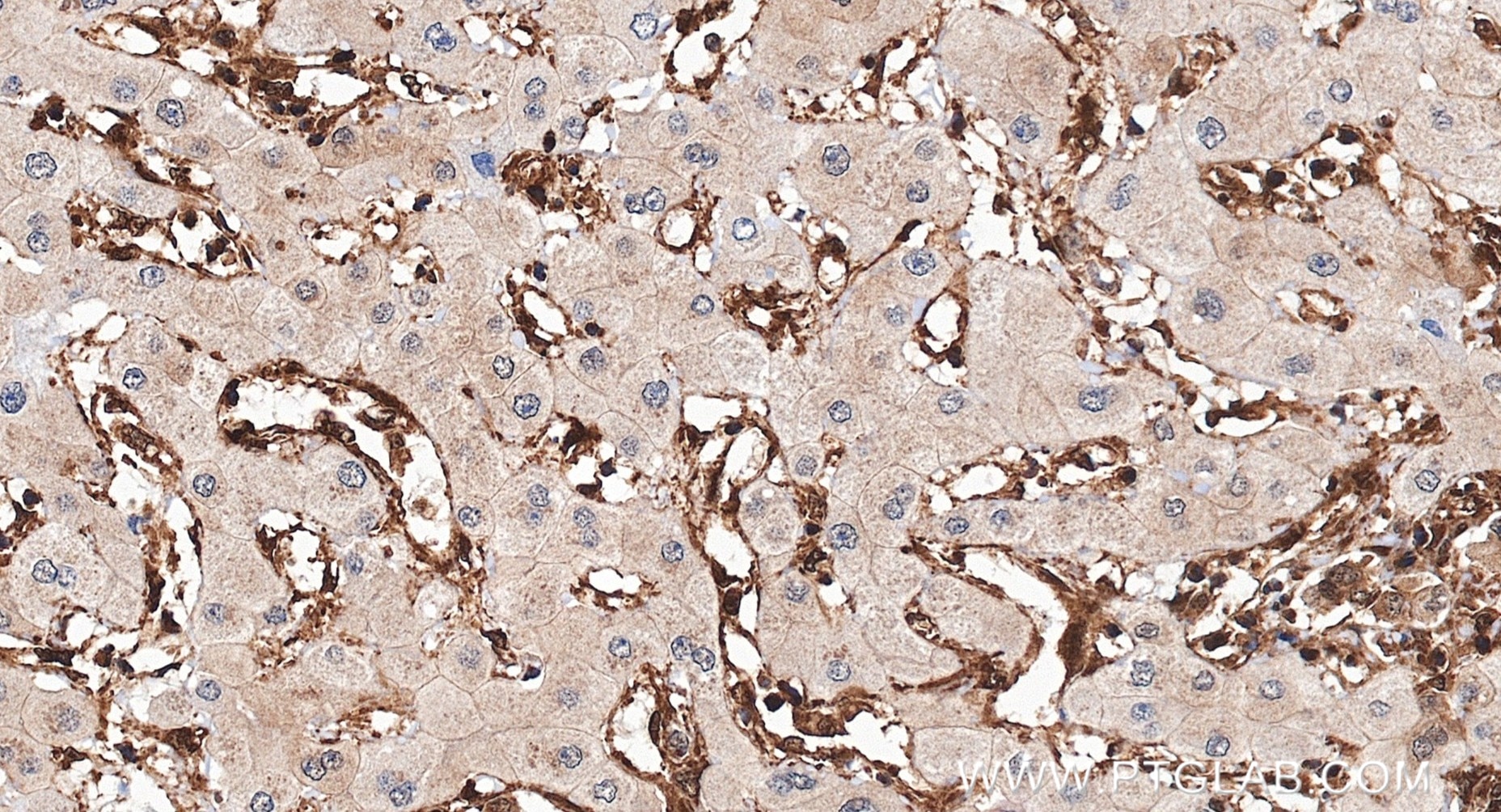
| Positive IHC detected in | human cervical cancer tissue, human intrahepatic cholangiocarcinoma tissue, human liver cancer tissue Note: suggested antigen retrieval with TE buffer pH 9.0; (*) Alternatively, antigen retrieval may be performed with citrate buffer pH 6.0 |
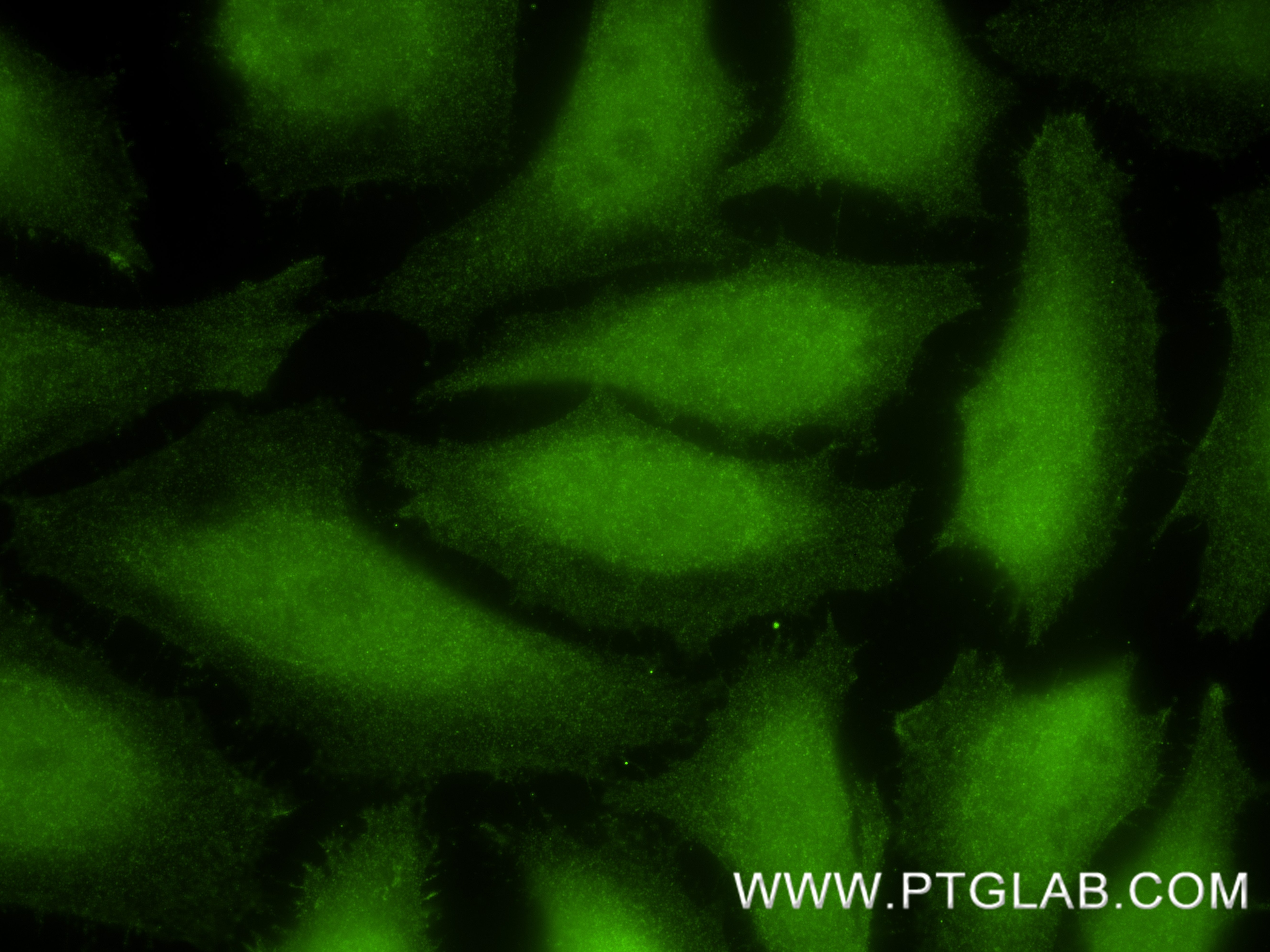
| Positive IF/ICC detected in | HeLa cells |
| Positive FC (Intra) detected in | HepG2 cells |
Recommended dilution
| Application | Dilution |
|---|---|
| Western Blot (WB) | WB : 1:5000-1:20000 |
| Immunohistochemistry (IHC)-AUTOSTAINER | IHC-AUTOSTAINER : 1:50-1:500 |
| Immunohistochemistry (IHC) | IHC : 1:50-1:500 |
| Immunofluorescence (IF)/ICC | IF/ICC : 1:200-1:800 |
| Flow Cytometry (FC) (INTRA) | FC (INTRA) : 0.25 ug per 10^6 cells in a 100 µl suspension |
| It is recommended that this reagent should be titrated in each testing system to obtain optimal results. | |
| Sample-dependent, Check data in validation data gallery. | |
Product Information
83533-1-RR targets ERK1/2 in WB, IHC, IHC-Autostainer, IF/ICC, FC (Intra), ELISA applications and shows reactivity with human, mouse, rat samples.
| Tested Reactivity | human, mouse, rat |
| Cited Reactivity | human, mouse, rat |
| Host / Isotype | Rabbit / IgG |
| Class | Recombinant |
| Type | Antibody |
| Immunogen |
CatNo: Ag20350 Product name: Recombinant human ERK1/2 protein Source: e coli.-derived, PET28a Tag: 6*His Domain: 1-379 aa of BC013992 Sequence: MAAAAAQGGGGGEPRRTEGVGPGVPGEVEMVKGQPFDVGPRYTQLQYIGEGAYGMVSSAYDHVRKTRVAIKKISPFEHQTYCQRTLREIQILLRFRHENVIGIRDILRASTLEAMRDVYIVQDLMETDLYKLLKSQQLSNDHICYFLYQILRGLKYIHSANVLHRDLKPSNLLINTTCDLKICDFGLARIADPEHDHTGFLTEYVATRWYRAPEIMLNSKGYTKSIDIWSVGCILAEMLSNRPIFPGKHYLDQLNHILGILGSPSQEDLNCIINMKARNYLQSLPSKTKVAWAKLFPKSDSKALDLLDRMLTFNPNKRITVEEALAHPYLEQYYDPTDEPVAEEPFTFAMELDDLPKERLKELIFQETARFQPGVLEAP Predict reactive species |
| Full Name | mitogen-activated protein kinase 3 |
| Calculated Molecular Weight | 43 kDa |
| Observed Molecular Weight | 38-44 kDa |
| GenBank Accession Number | BC013992 |
| Gene Symbol | ERK1 |
| Gene ID (NCBI) | 5595 |
| RRID | AB_3671158 |
| Conjugate | Unconjugated |
| Form | Liquid |
| Purification Method | Protein A purification |
| UNIPROT ID | P27361 |
| Storage Buffer | PBS with 0.02% sodium azide and 50% glycerol, pH 7.3. |
| Storage Conditions | Store at -20°C. Stable for one year after shipment. Aliquoting is unnecessary for -20oC storage. 20ul sizes contain 0.1% BSA. |
Background Information
ERK1 and ERK2 belongs to the protein kinase superfamily. It is involved in both the initiation and regulation of meiosis, mitosis, and postmitotic functions in differentiated cells by phosphorylating a number of transcription factors such as ELK-1. ERK1/2 catalized the reaction: ATP + a protein = ADP + a phosphoprotein. It is activated by tyrosine phosphorylation in response to INS and NGF. This antibody can recognize both ERK1 and ERK2 with the molecular mass of 38-44 kDa.
Protocols
| Product Specific Protocols | |
|---|---|
| FC protocol for ERK1/2 antibody 83533-1-RR | Download protocol |
| IF protocol for ERK1/2 antibody 83533-1-RR | Download protocol |
| IHC protocol for ERK1/2 antibody 83533-1-RR | Download protocol |
| WB protocol for ERK1/2 antibody 83533-1-RR | Download protocol |
| Standard Protocols | |
|---|---|
| Click here to view our Standard Protocols |
Publications
What published studies show
The ERK1/2 Recombinant monoclonal antibody (4P8), catalog number 83533-1-RR, has 18 citations. These appear in journals including Bioactive Materials, Theranostics, Molecular Therapy, Oncogene, FASEB Journal, Cell Communication & Signaling, Phytomedicine, and others. Research fields span oncology (hepatocellular, colorectal, prostate, and osteosarcoma), immunology (T-cell function, macrophage polarization), ferroptosis, neuroinflammation, ischemic stroke, virology, osteoporosis, and tissue engineering.
| Species | Application | Title |
|---|---|---|
Bioact Mater Bioengineered titanium implants functionalized with aptamer-valproic acid conjugates orchestrate macrophage programming and mesenchymal stem cell homing for improved osseointegration. | ||
Bioact Mater Perivascular administration of metformin through 3D minichannels improved adventitia ingrowth and endothelialization for electrospinning vascular grafts. | ||
Theranostics Surface-cleaned black phosphorus nanosheets chelate iron and rebalance the ferroptosis-immune axis in acute kidney injury. | ||
Cell Commun Signal Decursin induces FLT3-ITD acute myeloid leukemia cell apoptosis by increasing the expression of the ubiquitin-conjugase UBE2L6 | ||
Mol Ther TOX-induced lnc-SUMF2-8 compromises antitumor function and anti-PD-1 response of CD8(+) T cells via lysosome-dependent degradation of TCF-1. | ||
Phytomedicine The pathogenesis of hepatocellular carcinoma: ERK/ULK1/NCOA4-mediated inhibition of iron autophagy, and Epimedium extract targeted modulation of this pathway to treat hepatocellular carcinoma |









