
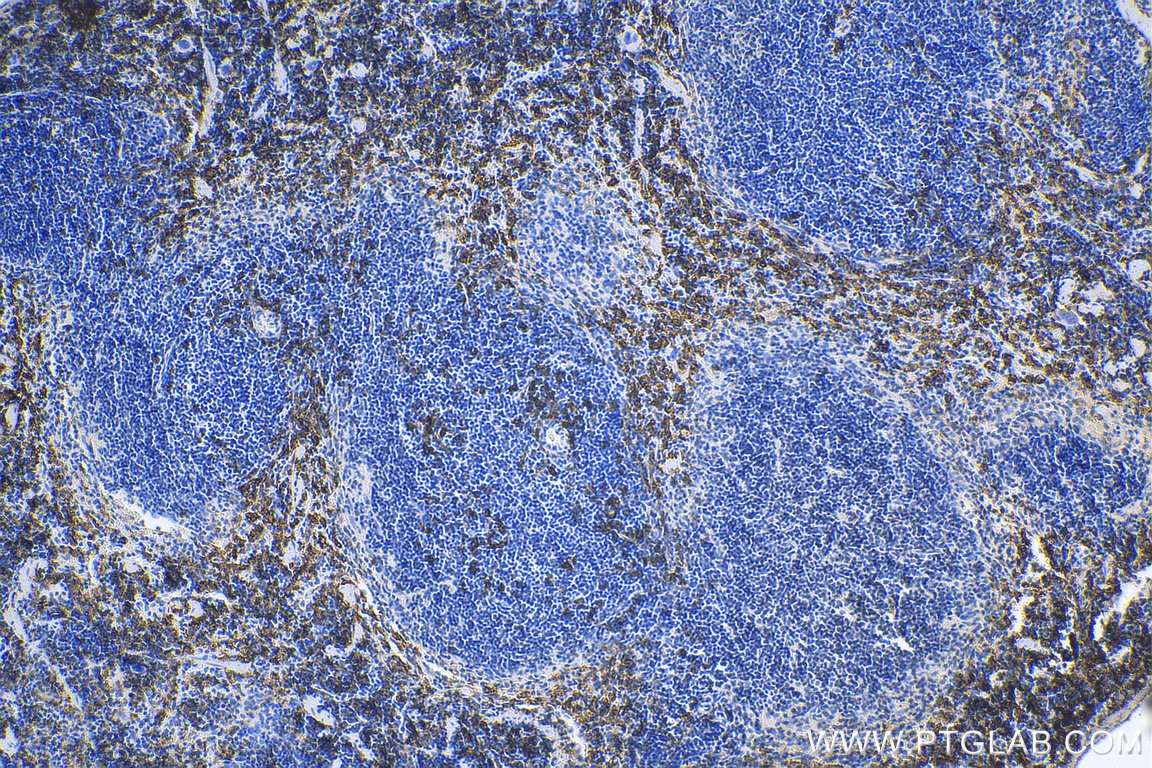
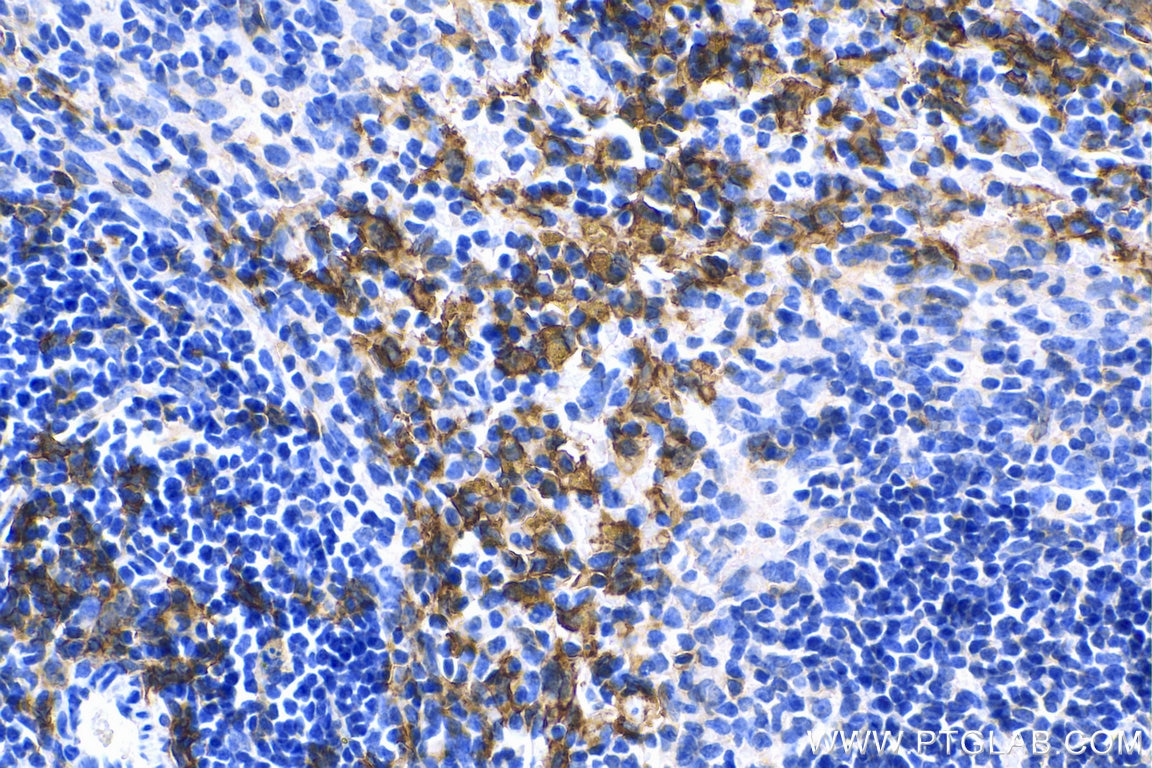
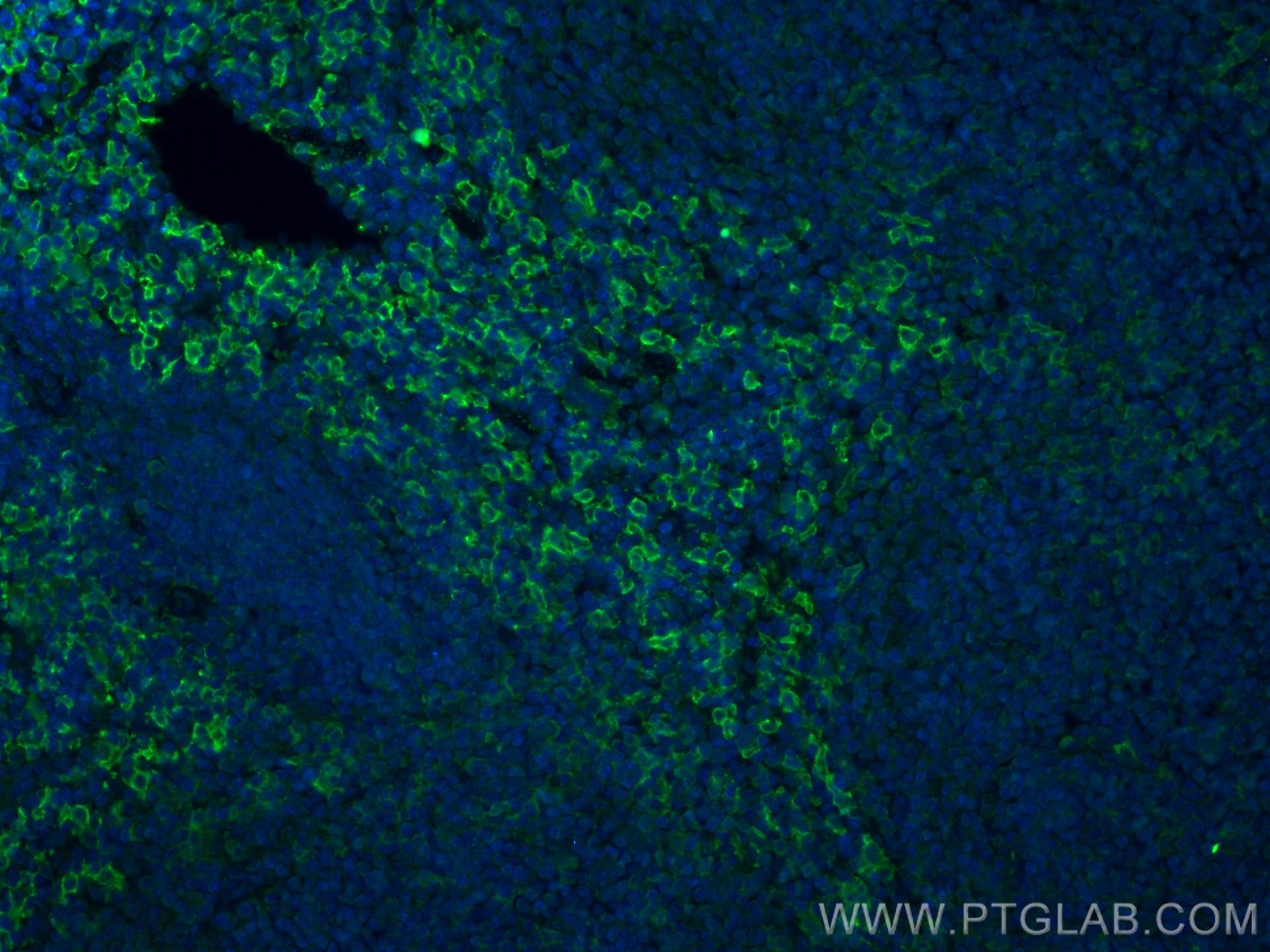
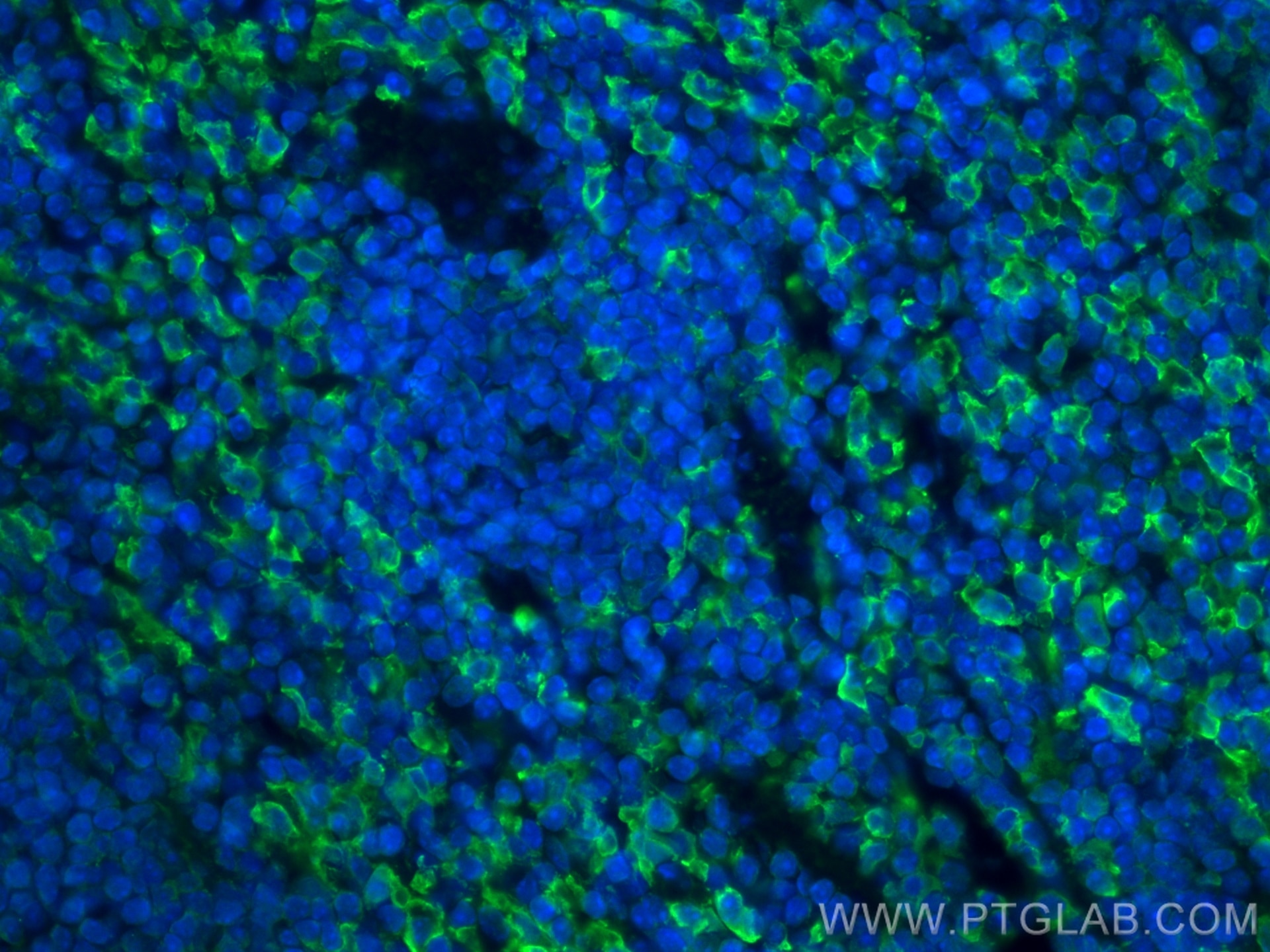
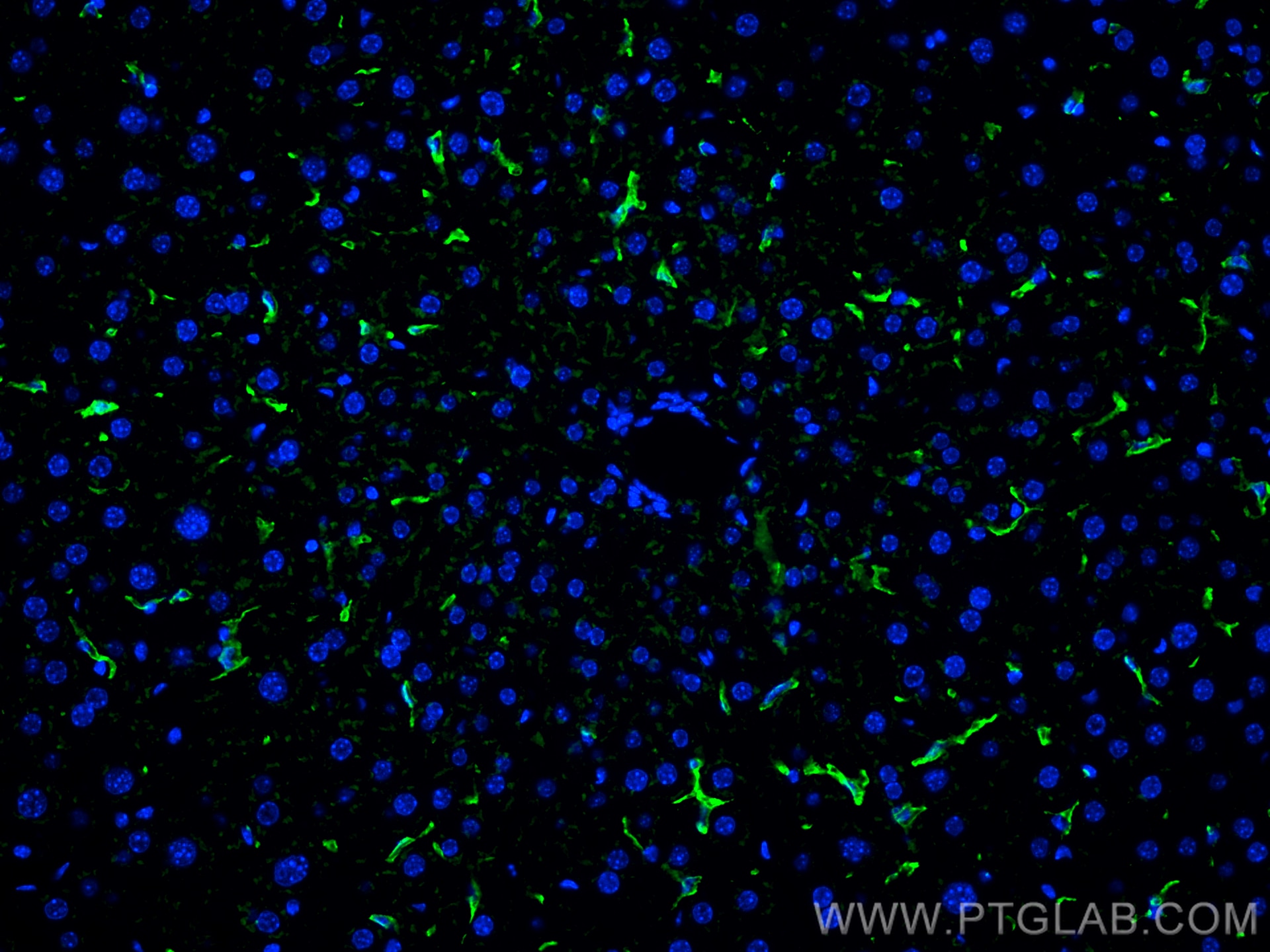
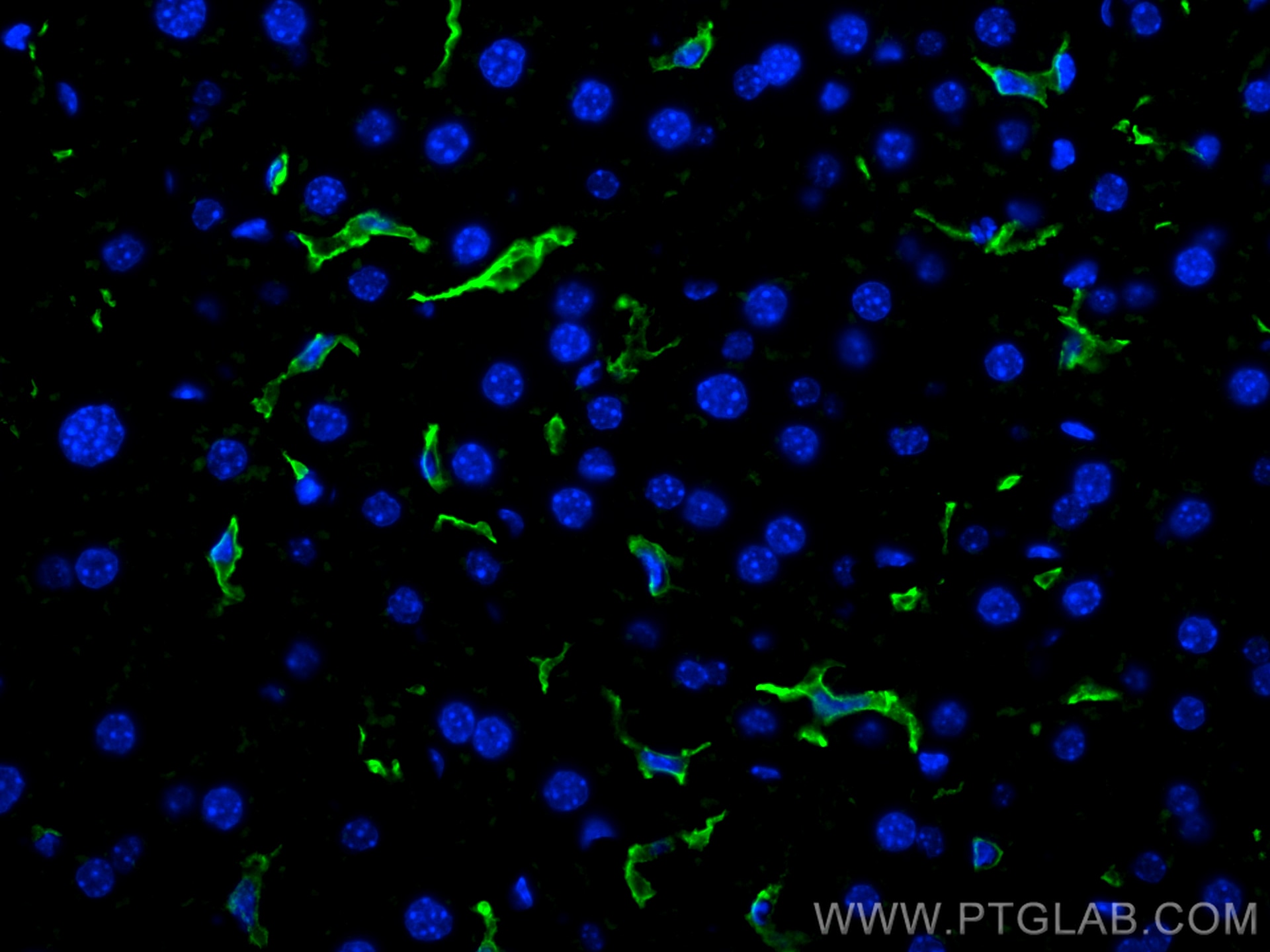
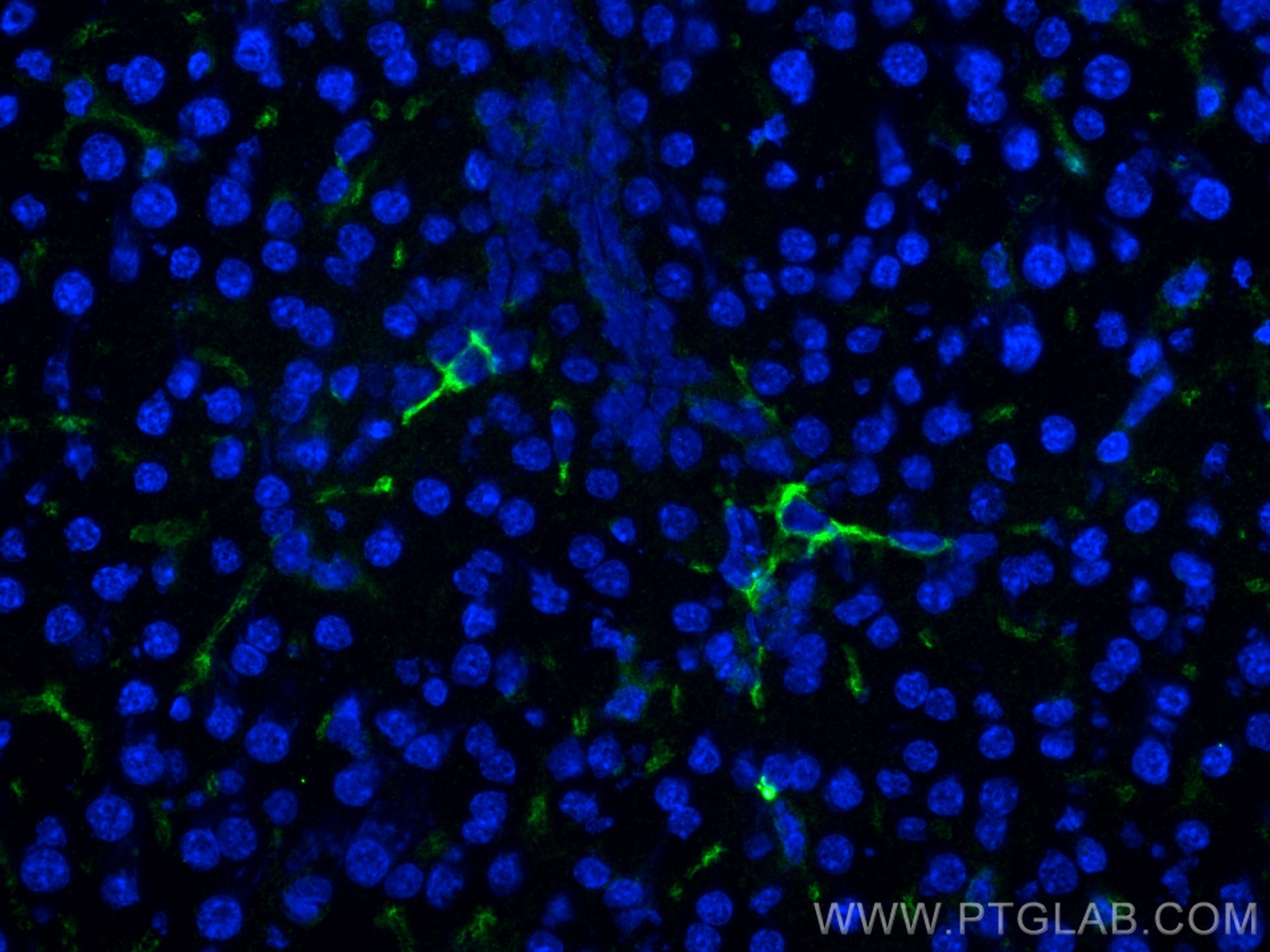

Tested Applications
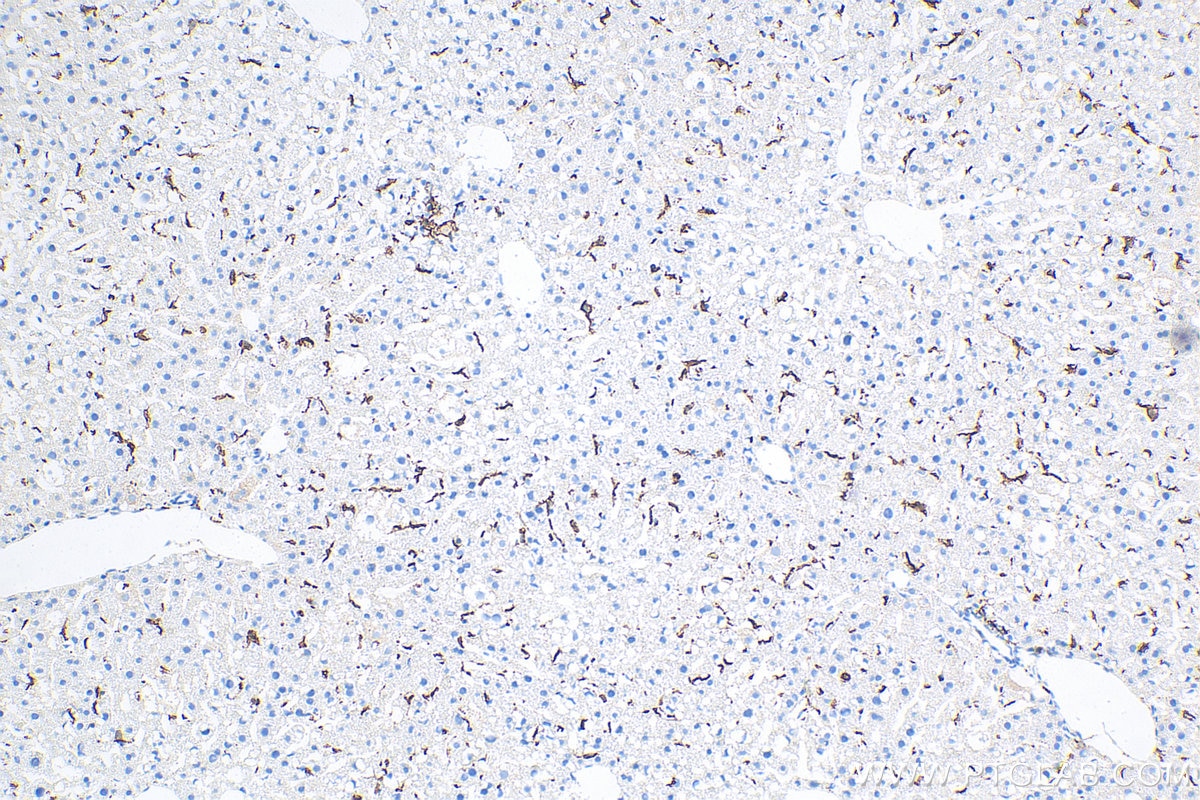
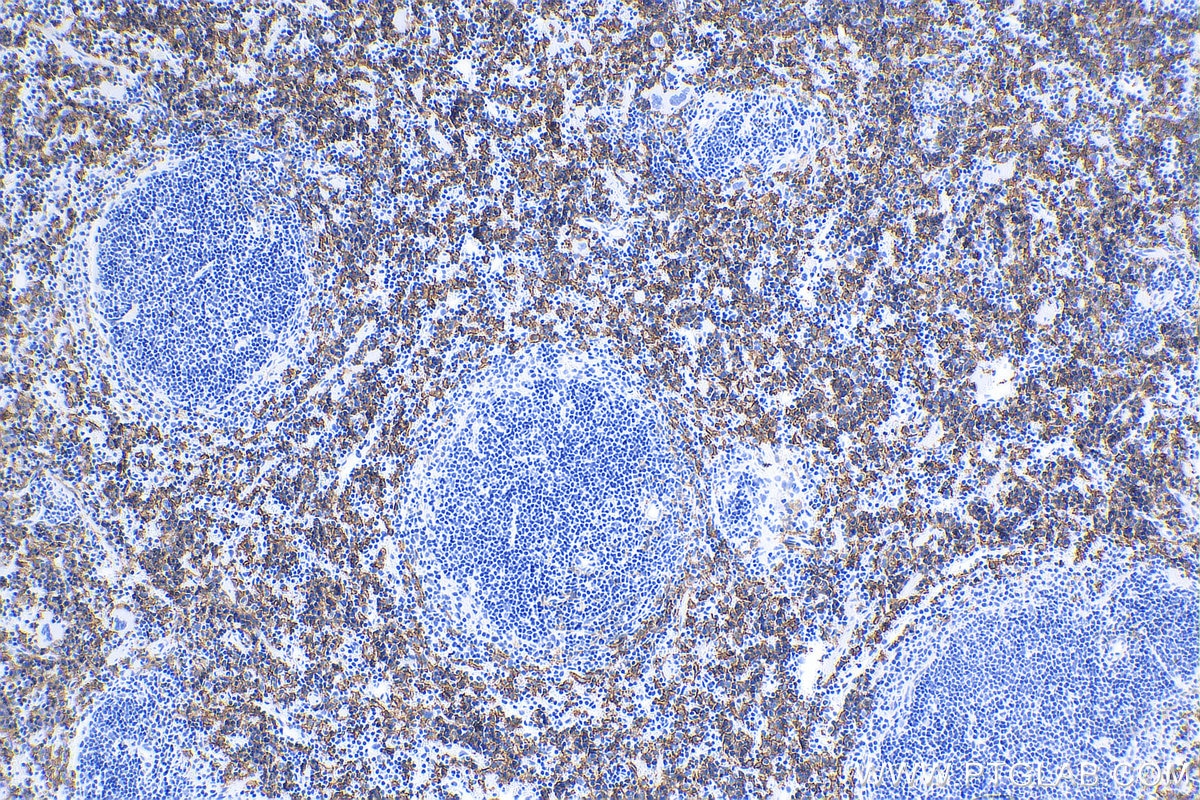
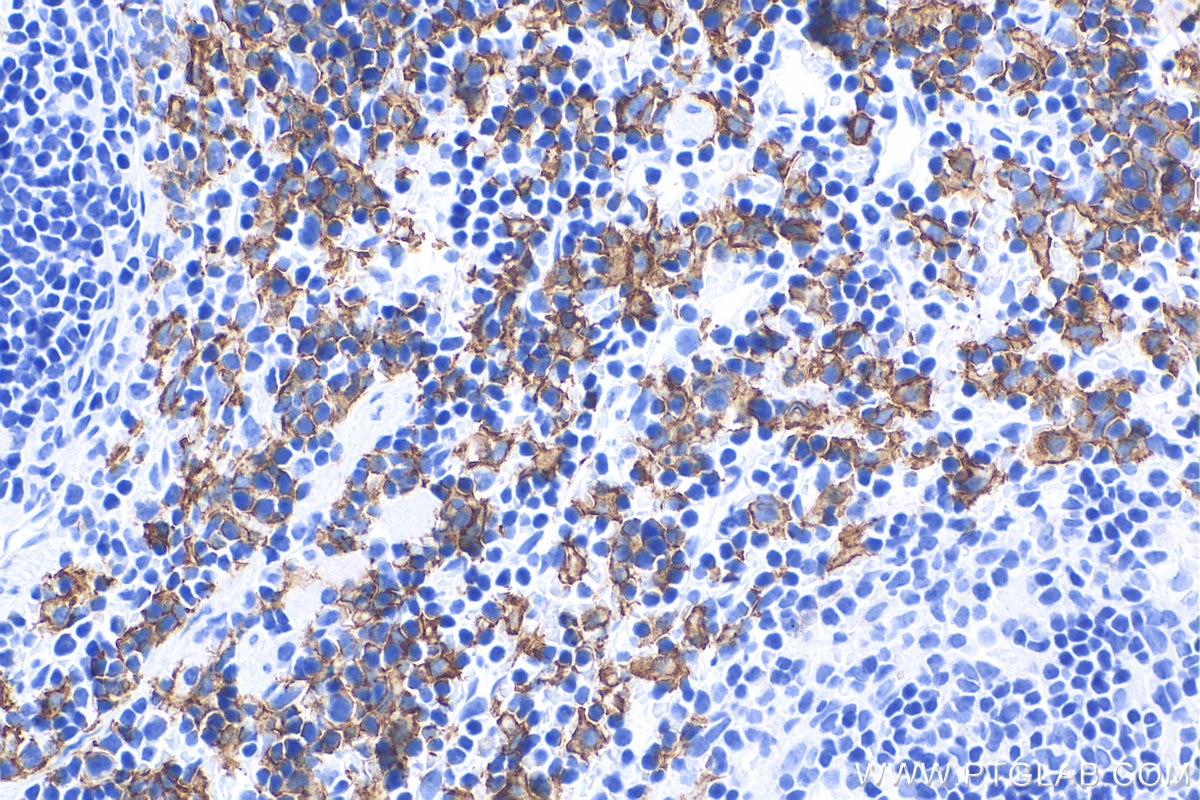
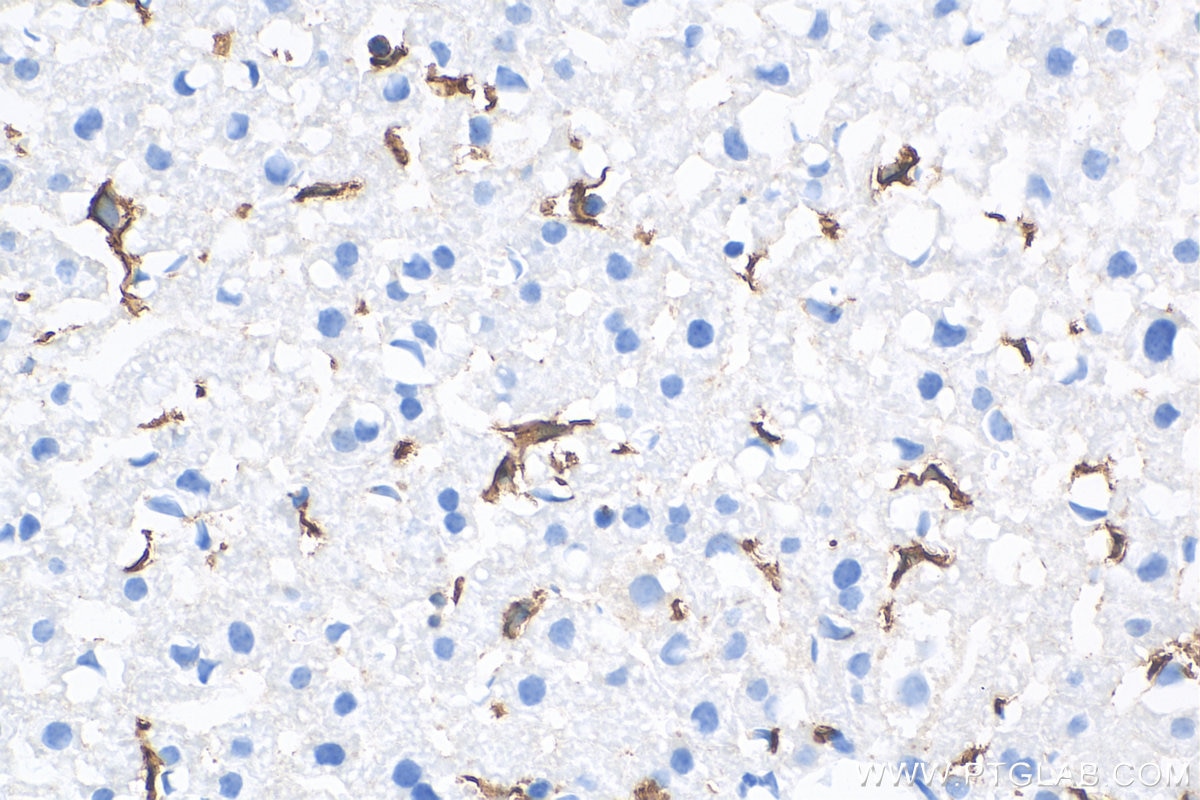
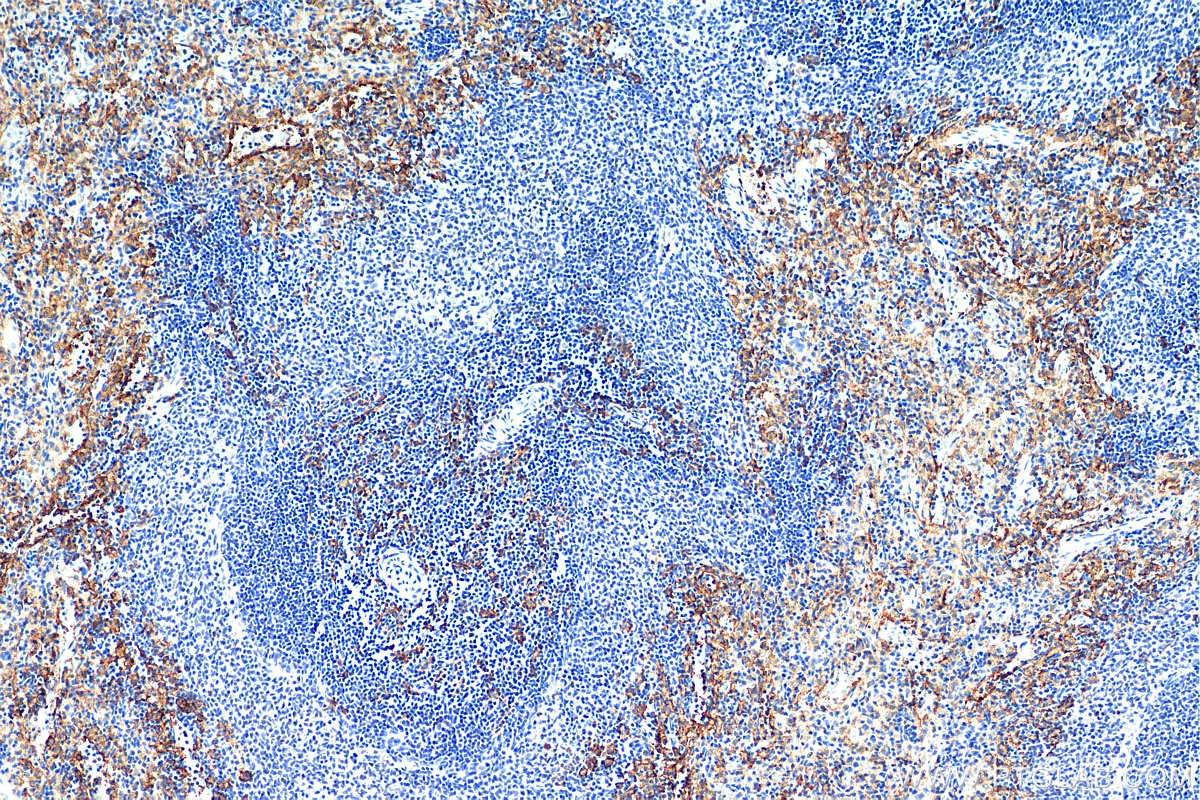
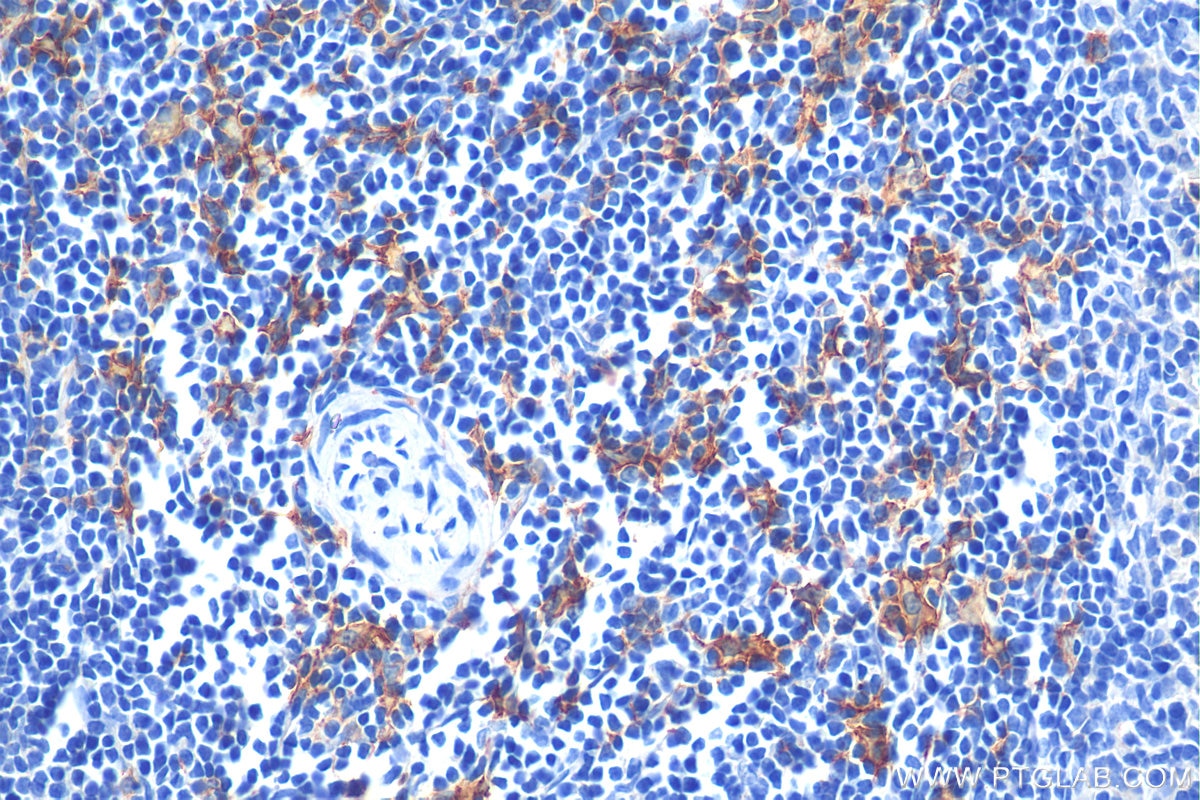
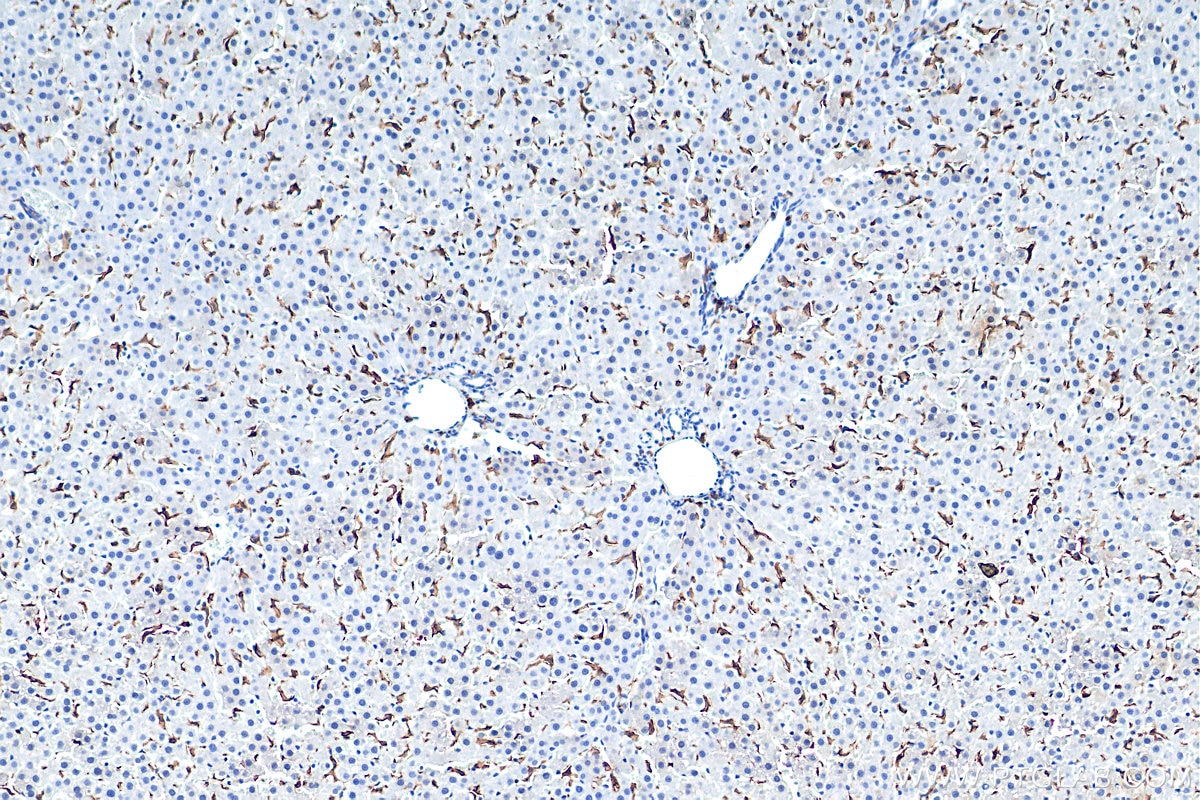
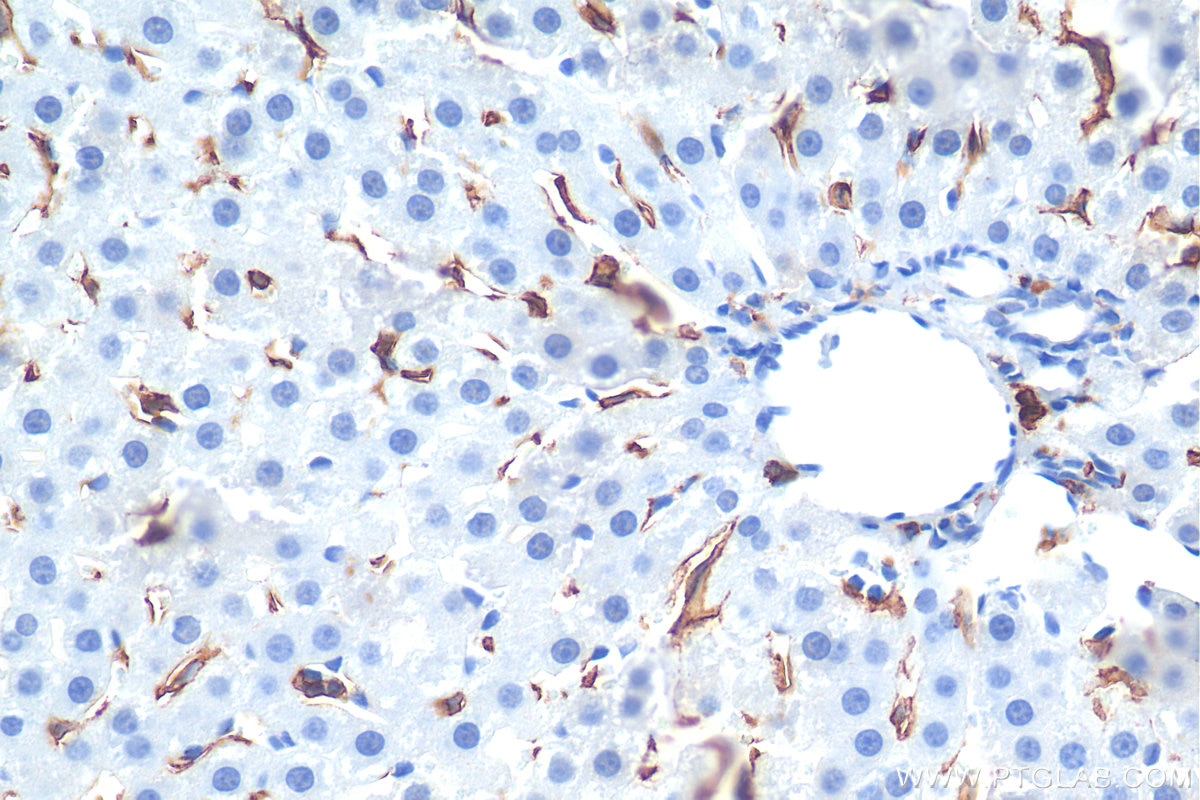
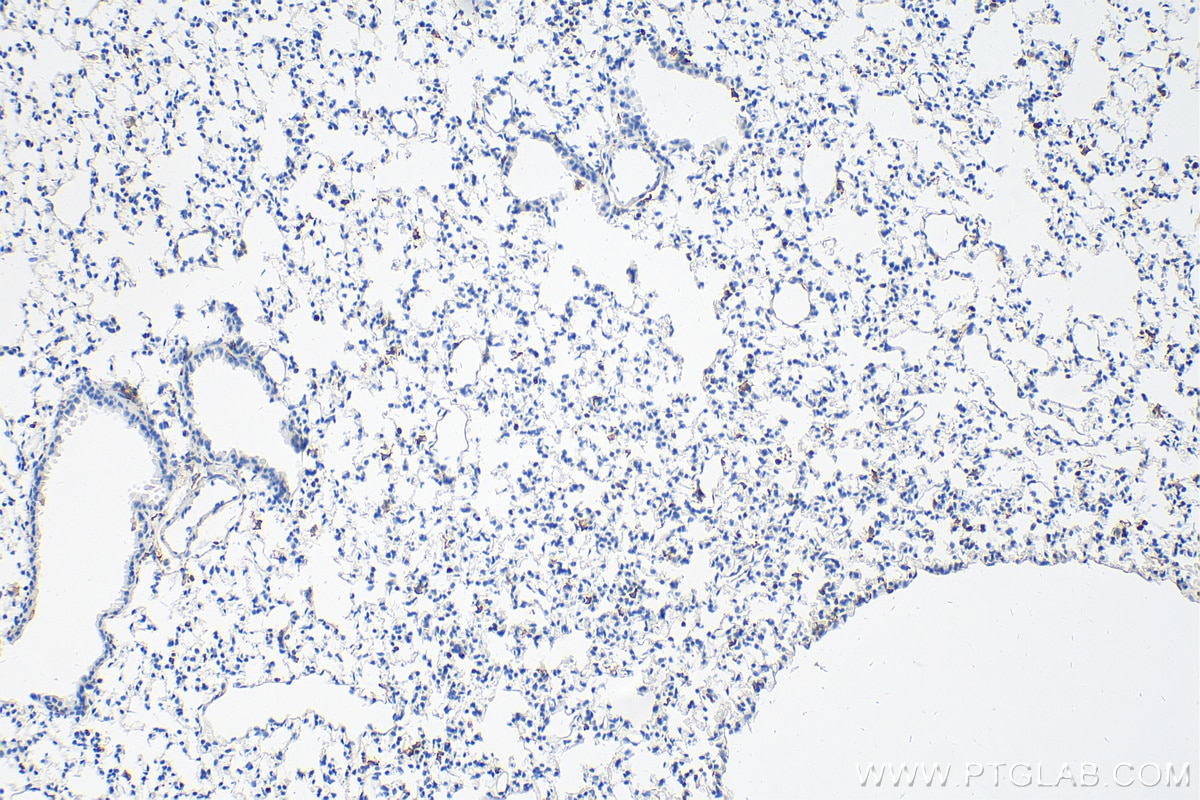
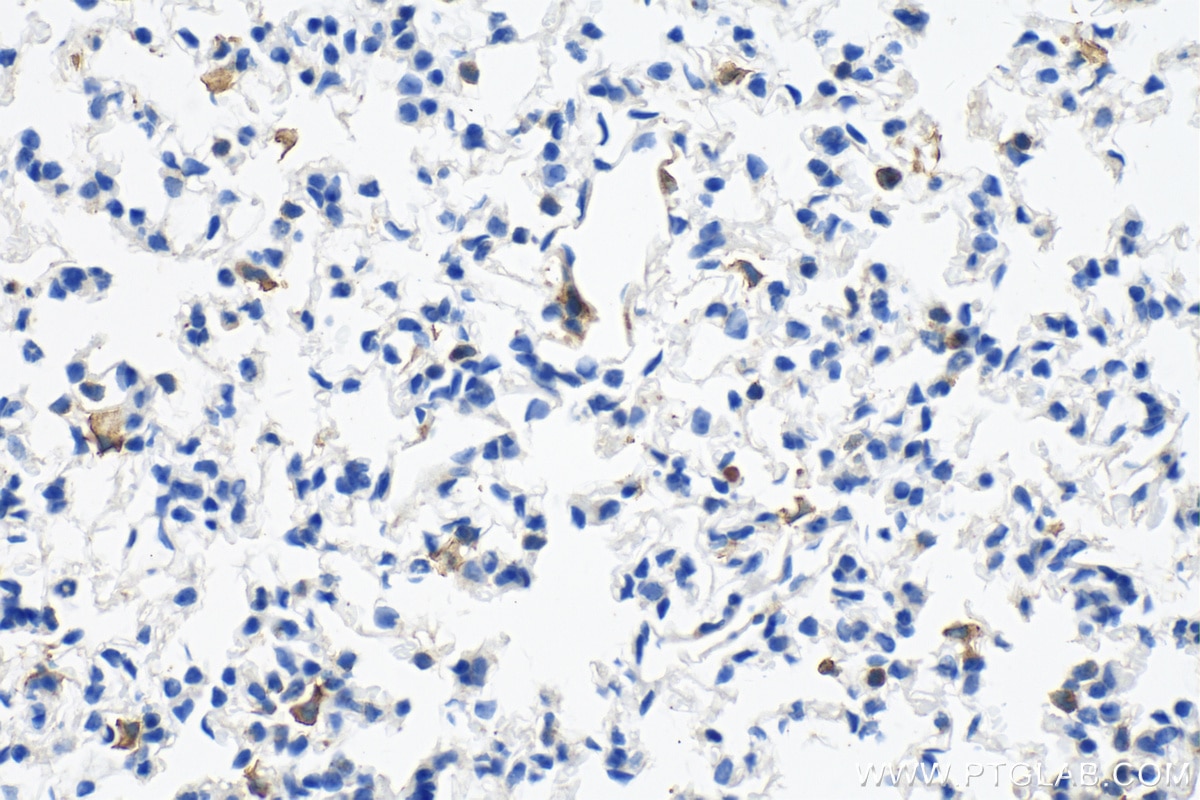
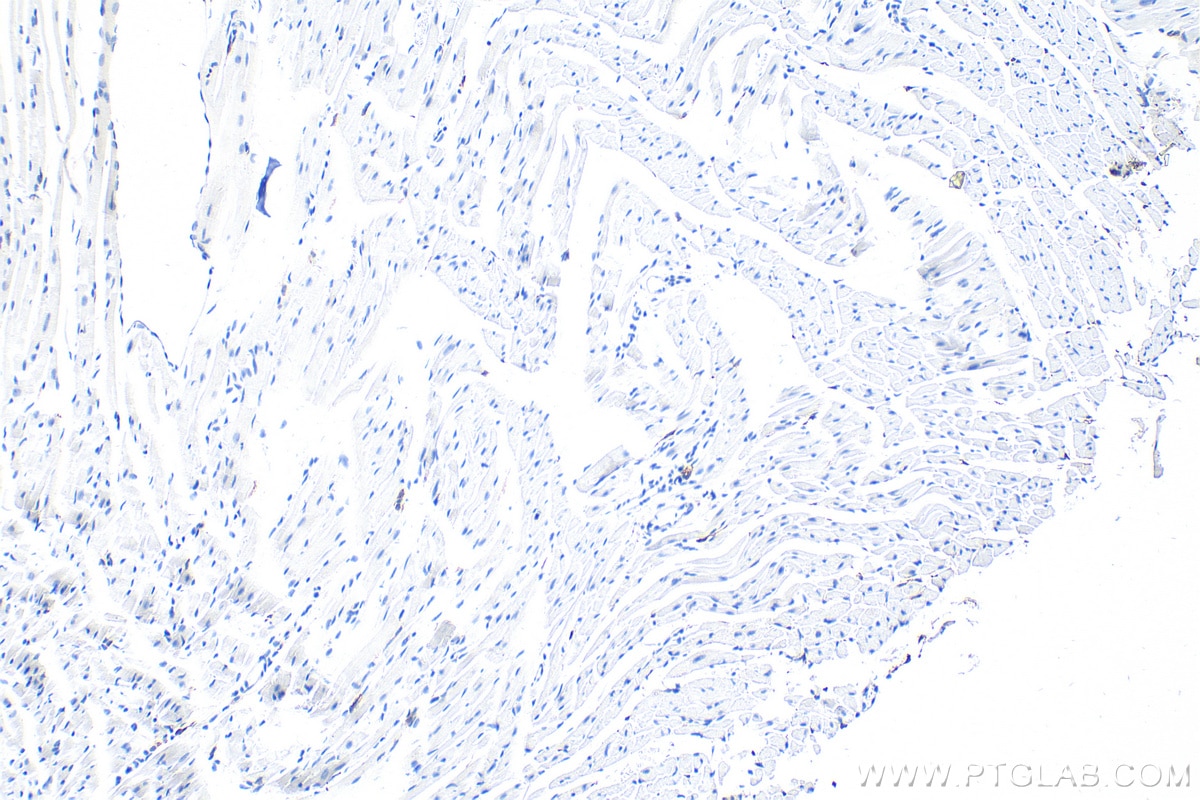
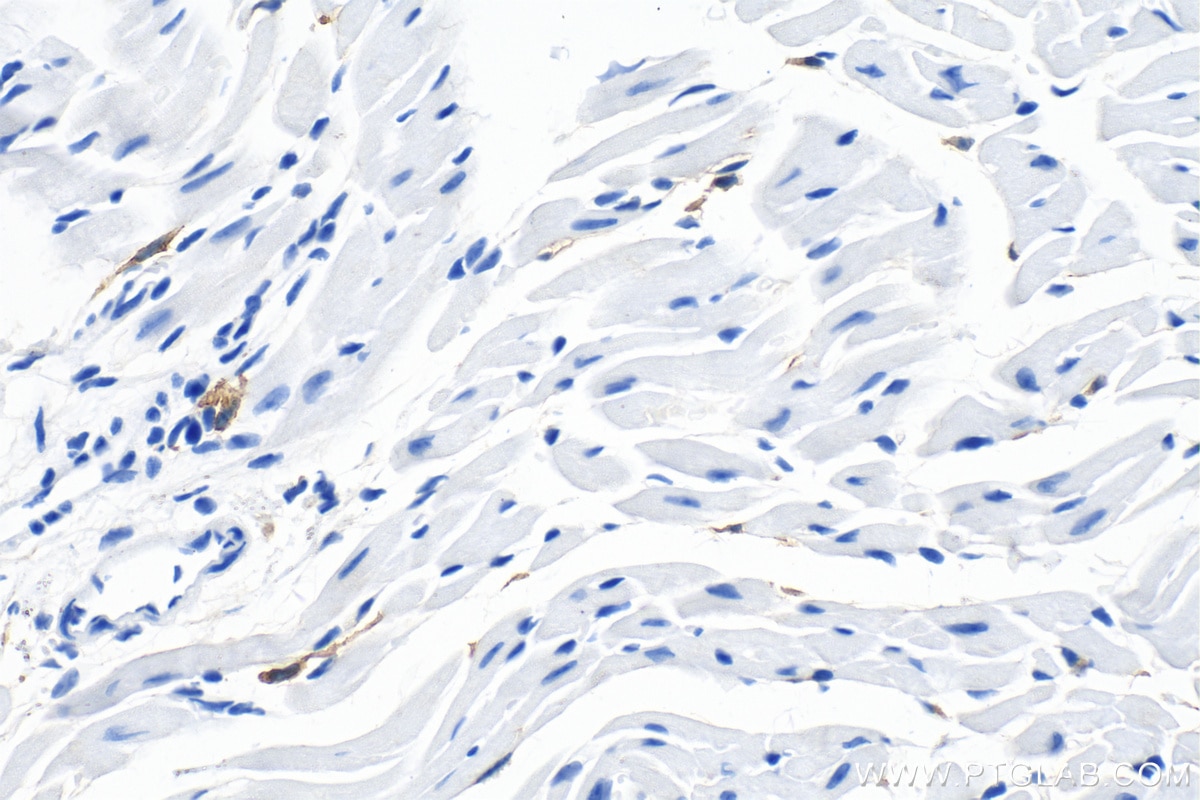
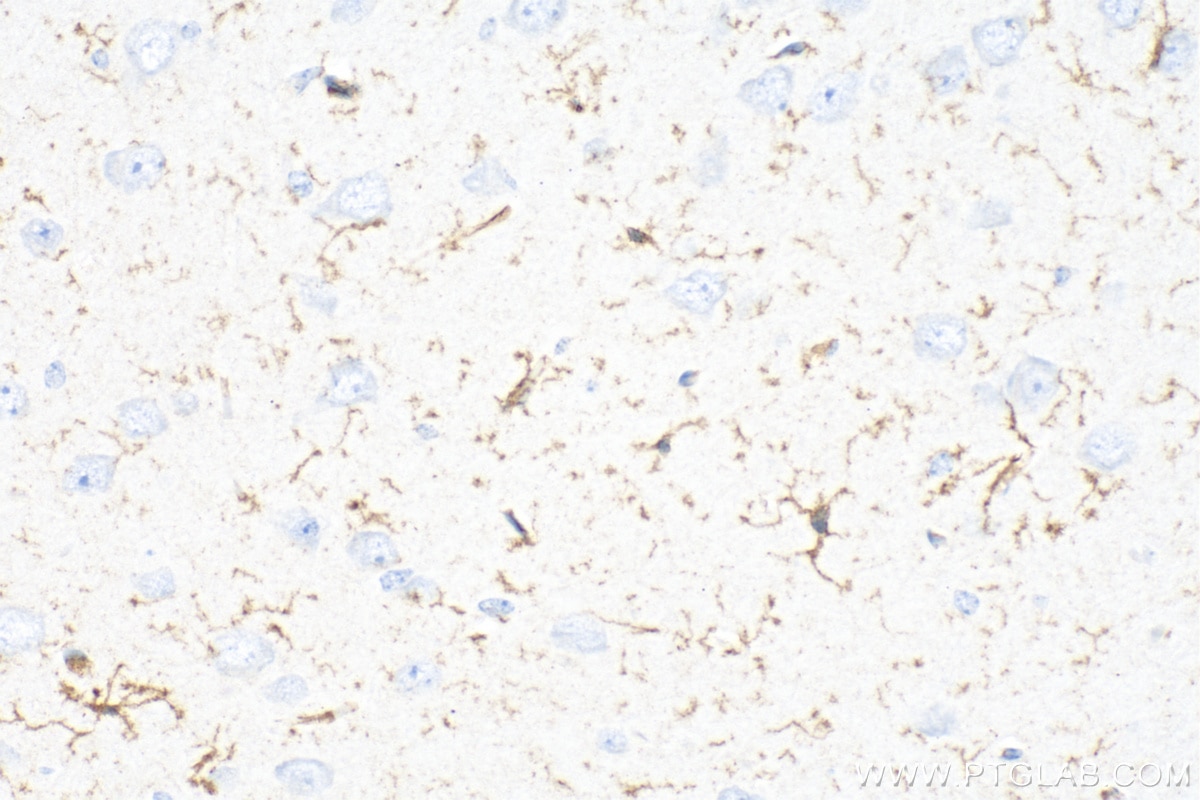
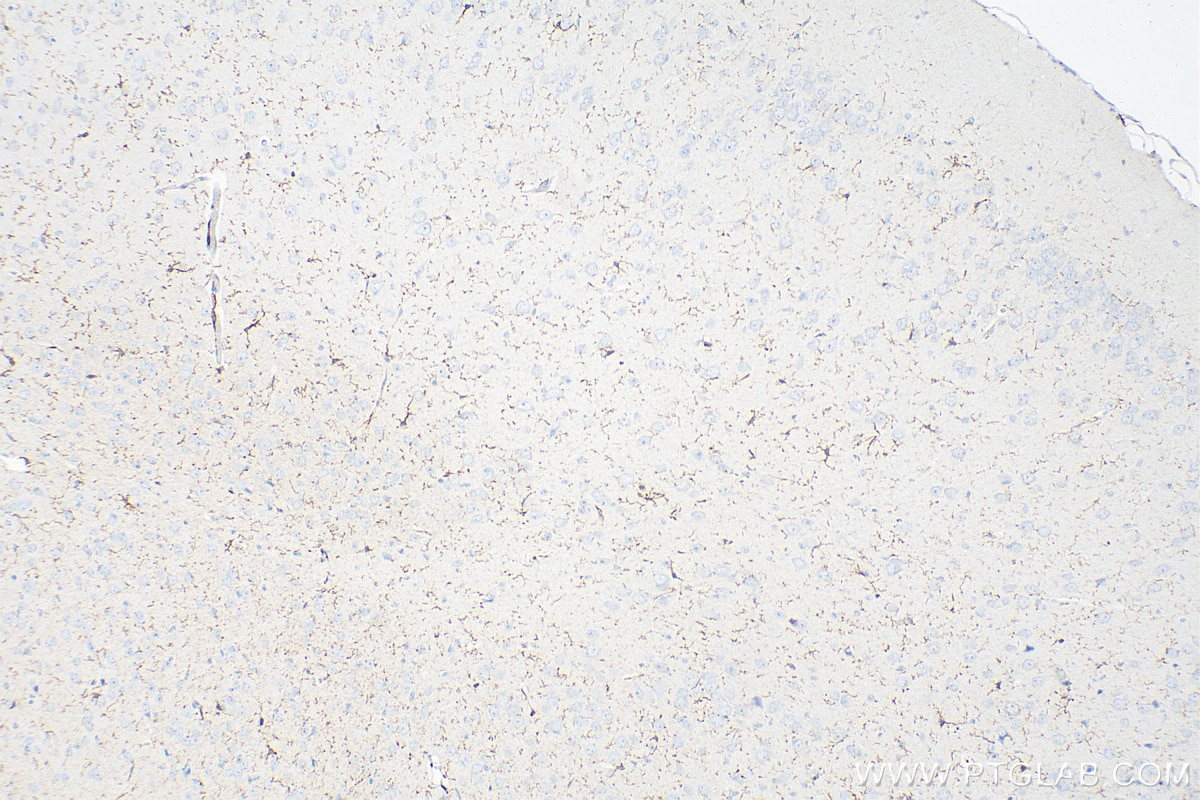
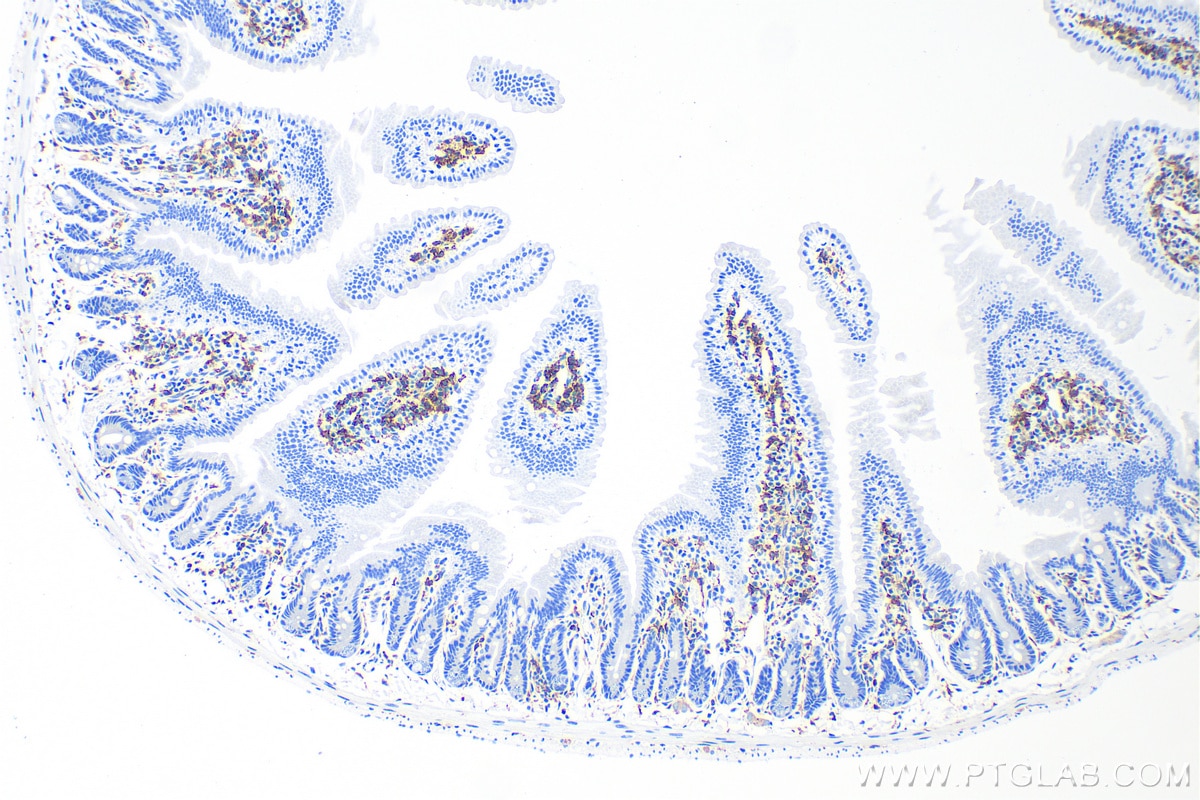
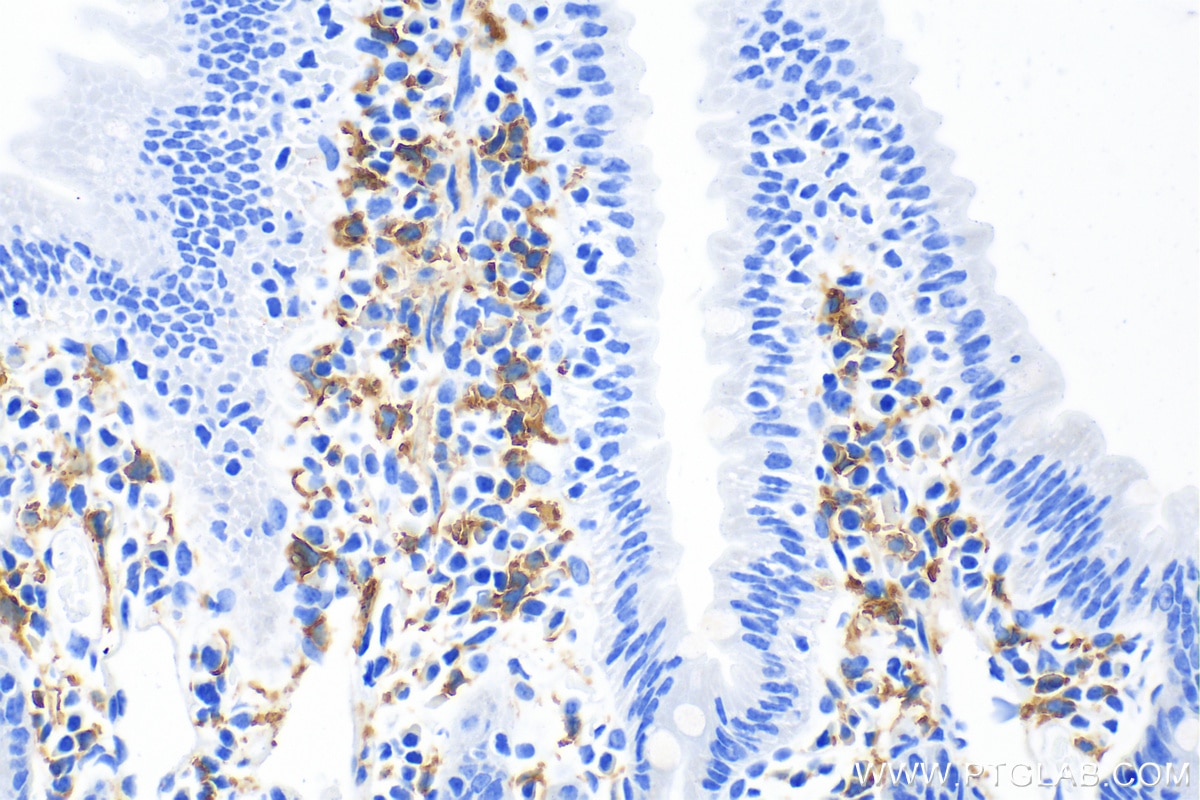
| Positive IHC detected in | mouse spleen tissue, mouse liver tissue, rat spleen tissue, rat liver tissue, mouse lung tissue, mouse heart tissue, mouse brain tissue, mouse small intestine tissue Note: suggested antigen retrieval with TE buffer pH 9.0; (*) Alternatively, antigen retrieval may be performed with citrate buffer pH 6.0 |
| Positive IF-P detected in | mouse spleen tissue, mouse liver tissue |
| Positive IF-Fro detected in | mouse liver tissue |
Recommended dilution
| Application | Dilution |
|---|---|
| Immunohistochemistry (IHC) | IHC : 1:8000-1:20000 |
| Immunofluorescence (IF)-P | IF-P : 1:50-1:500 |
| Immunofluorescence (IF)-FRO | IF-FRO : 1:50-1:500 |
| It is recommended that this reagent should be titrated in each testing system to obtain optimal results. | |
| Sample-dependent, Check data in validation data gallery. | |
Product Information
29414-1-AP targets F4/80 in WB, IHC, IF-P, IP, ELISA applications and shows reactivity with mouse, rat samples.
| Tested Reactivity | mouse, rat |
| Cited Reactivity | human, mouse, rat |
| Host / Isotype | Rabbit / IgG |
| Class | Polyclonal |
| Type | Antibody |
| Immunogen |
CatNo: Ag30149 Product name: Recombinant mouse AGRE1 protein Source: e coli.-derived, PET28a Tag: 6*His Domain: 32-230 aa of NM_010130 Sequence: GVNECQDTTTCPAYATCTDTTDSYYCTCKRGFLSSNGQTNFQGPGVECQDVNECLQSDSPCGPNSVCTNILGRAKCSCLRGFSSSTGKDWILGSLDNFLCADVDECLTIGICPKYSNCSNSVGSYSCTCQPGFVLNGSICEDEDECVTRDVCPEHATCHNTLGSYYCTCNSGLESSGGGPMFQGLDESCEDVDECSRNS Predict reactive species |
| Full Name | EGF-like module containing, mucin-like, hormone receptor-like sequence 1 |
| Calculated Molecular Weight | 102 kDa |
| GenBank Accession Number | NM_010130 |
| Gene Symbol | F4/80 |
| Gene ID (NCBI) | 13733 |
| RRID | AB_2918300 |
| Conjugate | Unconjugated |
| Form | Liquid |
| Purification Method | Antigen affinity purification |
| UNIPROT ID | Q61549 |
| Storage Buffer | PBS with 0.02% sodium azide and 50% glycerol, pH 7.3. |
| Storage Conditions | Store at -20°C. Stable for one year after shipment. Aliquoting is unnecessary for -20oC storage. 20ul sizes contain 0.1% BSA. |
Background Information
Mouse F4/80, also named as EMR1 and Gpf480, is a 160kd cell surface glycoprotein which is a member of the EGF TM7 family. The F4/80 molecule is solely expressed on the surface of macrophages and serves as a marker for mature macrophage tissues, including Kupffer cells in liver, splenic red pulp macrophages, brain microglia, gut lamina propria and Langerhans cells in the skin. The function of F4/80 is unclear, but it is speculated to be involved in macrophage adhesion events, cell migration or as a G protein-coupled signaling component of macrophages.
Protocols
| Product Specific Protocols | |
|---|---|
| IF protocol for F4/80 antibody 29414-1-AP | Download protocol |
| IHC protocol for F4/80 antibody 29414-1-AP | Download protocol |
| Standard Protocols | |
|---|---|
| Click here to view our Standard Protocols |
Publications
What published studies show
F4/80 Polyclonal antibody (Cat# 29414-1-AP) has 186 citations across 100+ journals, including Nature Communications, Nature Cell Biology, Nature Cancer, Immunity, Neuron, Advanced Science, Cell Reports, Biomaterials, Small, and International Journal of Biological Sciences. Key research fields include macrophage biology, immunology, inflammation, cancer, liver and kidney disease, fibrosis, ferroptosis, wound healing, metabolic disorders, and nanotechnology.
| Species | Application | Title |
|---|---|---|
Immunity Lactate binds and inhibits the innate immune sensor STING to promote tumor immune evasion. | ||
Adv Mater Sequential Targeted Enzyme-Instructed Self-Assembly Supramolecular Nanofibers to Attenuate Intervertebral Disc Degeneration | ||
Cancer Commun (Lond) Glutamine metabolic microenvironment drives M2 macrophage polarization to mediate trastuzumab resistance in HER2-positive gastric cancer | ||
Nat Cancer A micropeptide encoded by the lncRNA USP30-AS1 promotes tumor growth by attenuating cGAS-STING-type I IFN signaling in macrophages | ||
Cell Mol Immunol Intestinal taurine acts as a novel immunometabolic modulator of IBD by degrading redundant mitochondrial RNA | ||
Nat Cell Biol WDR4 drives tumour-associated macrophage reprogramming and tumour progression via selective translation and membrane cholesterol efflux |
























