
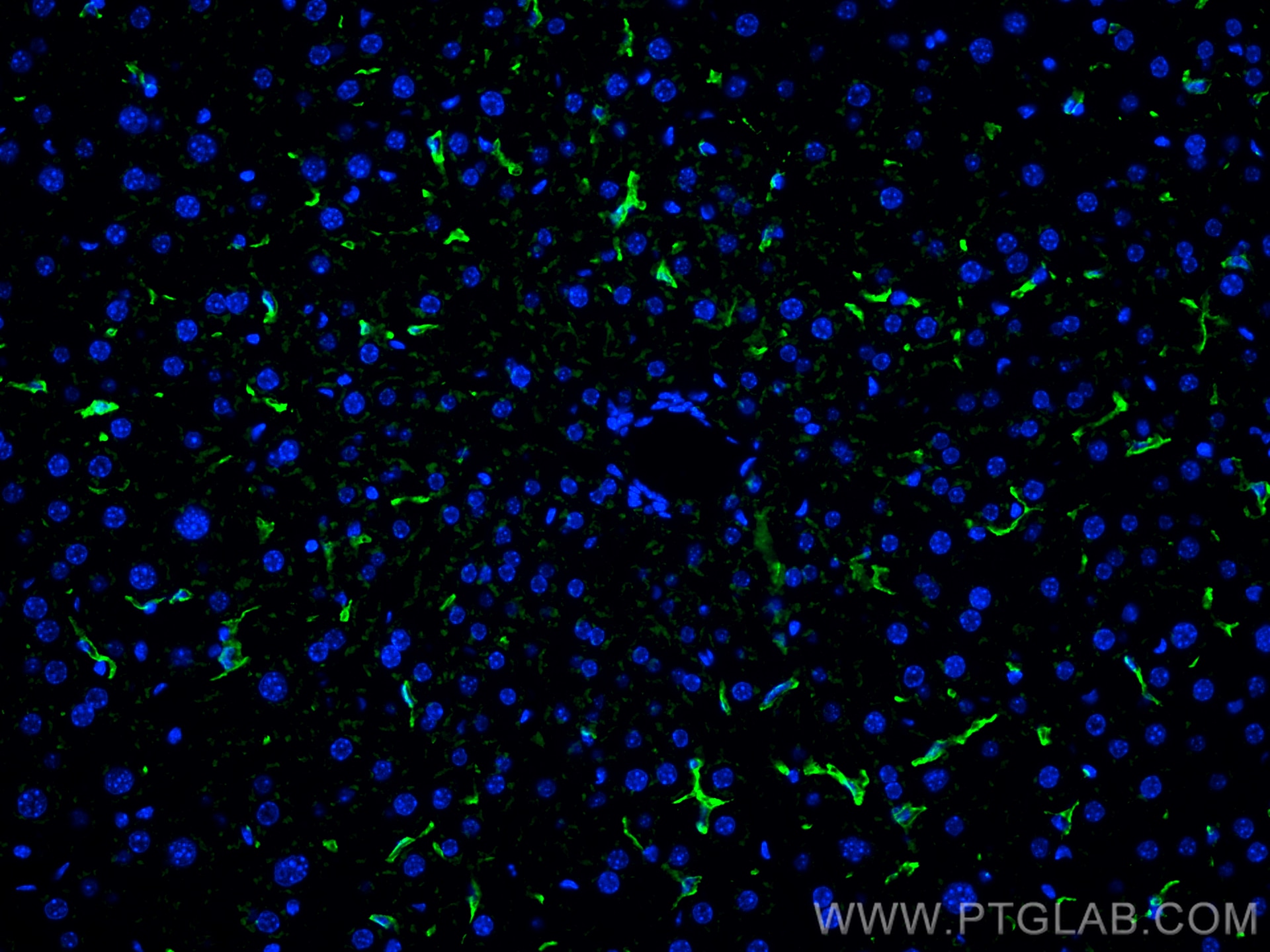
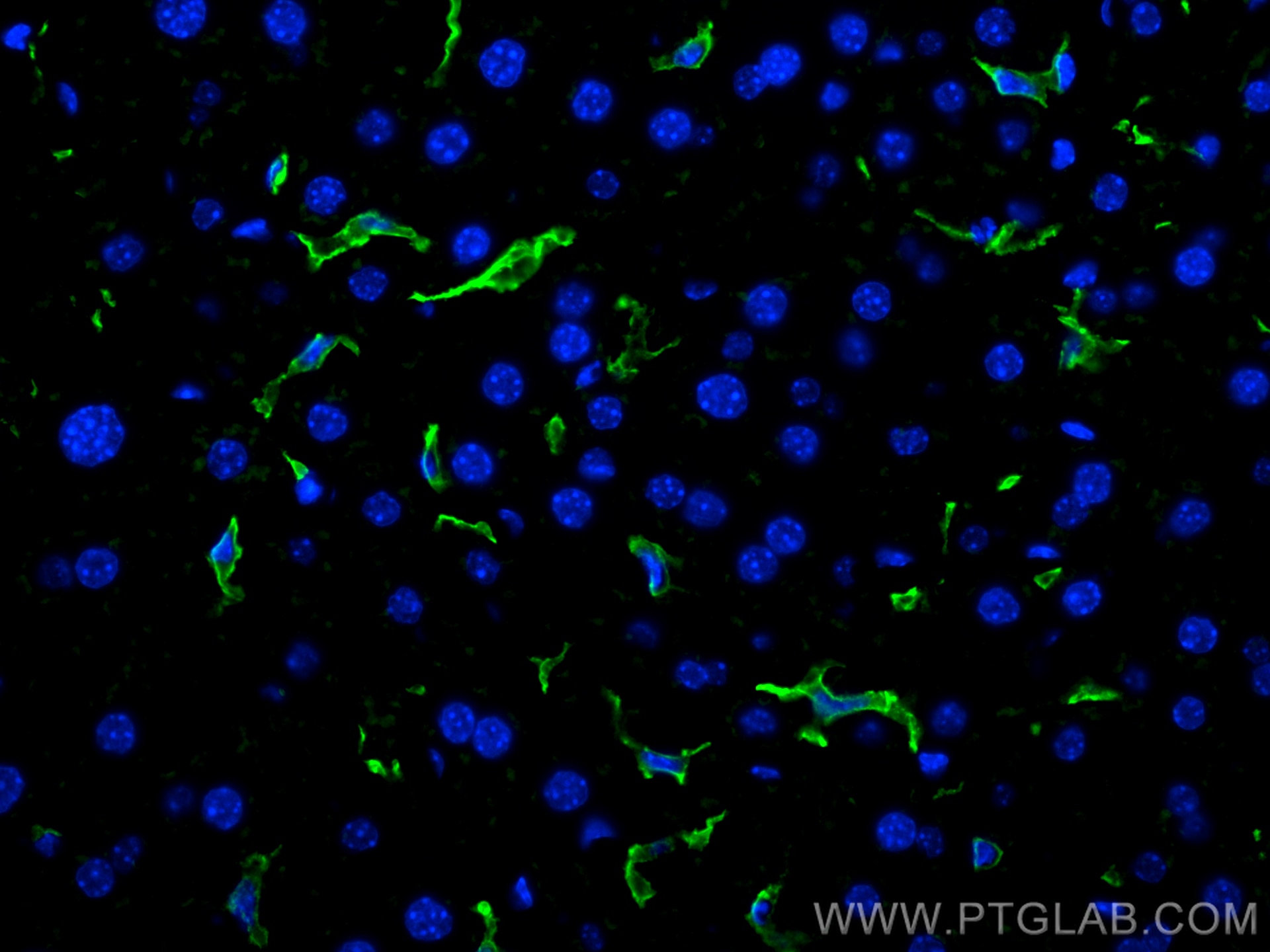
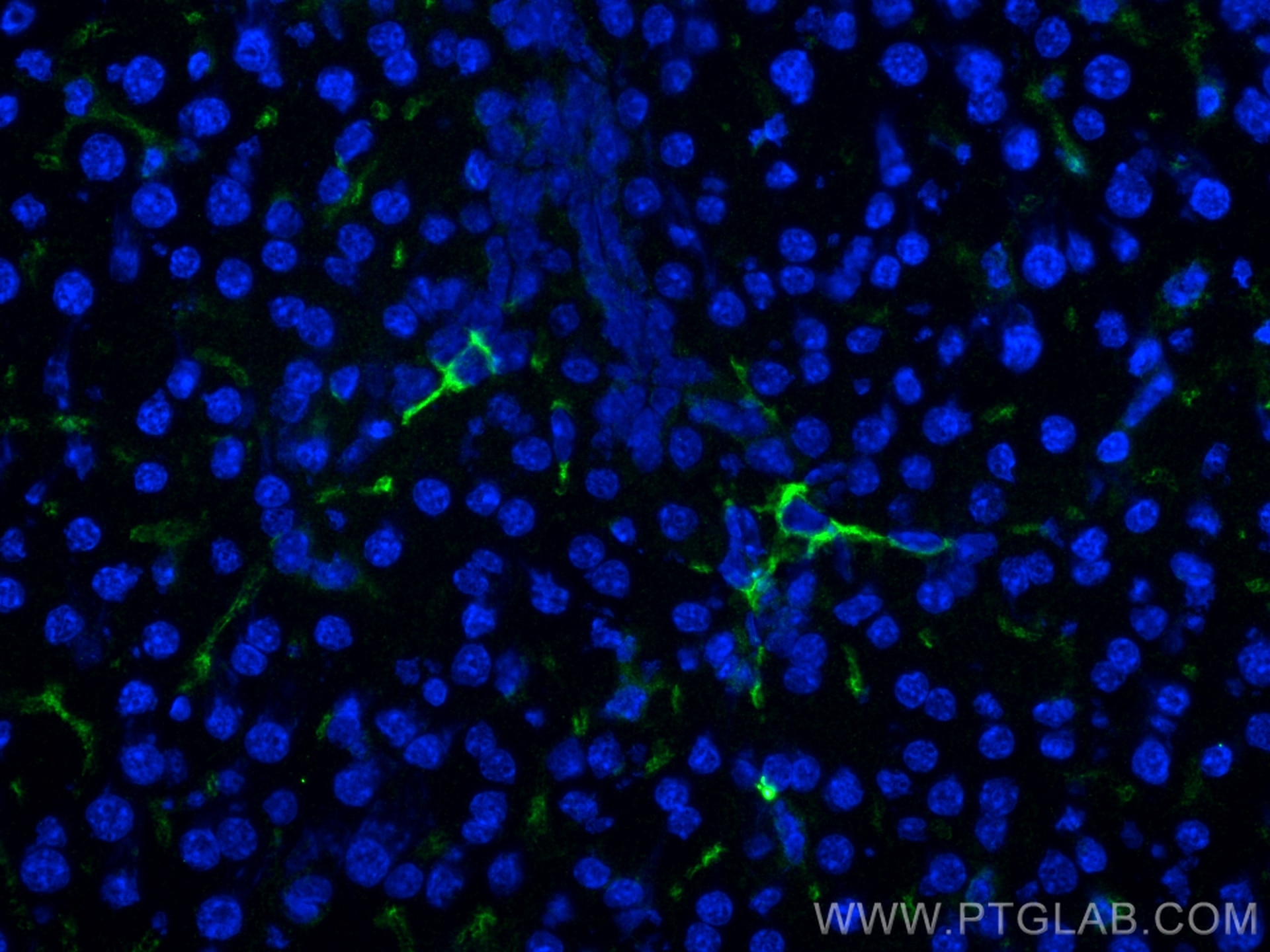
Tested Applications
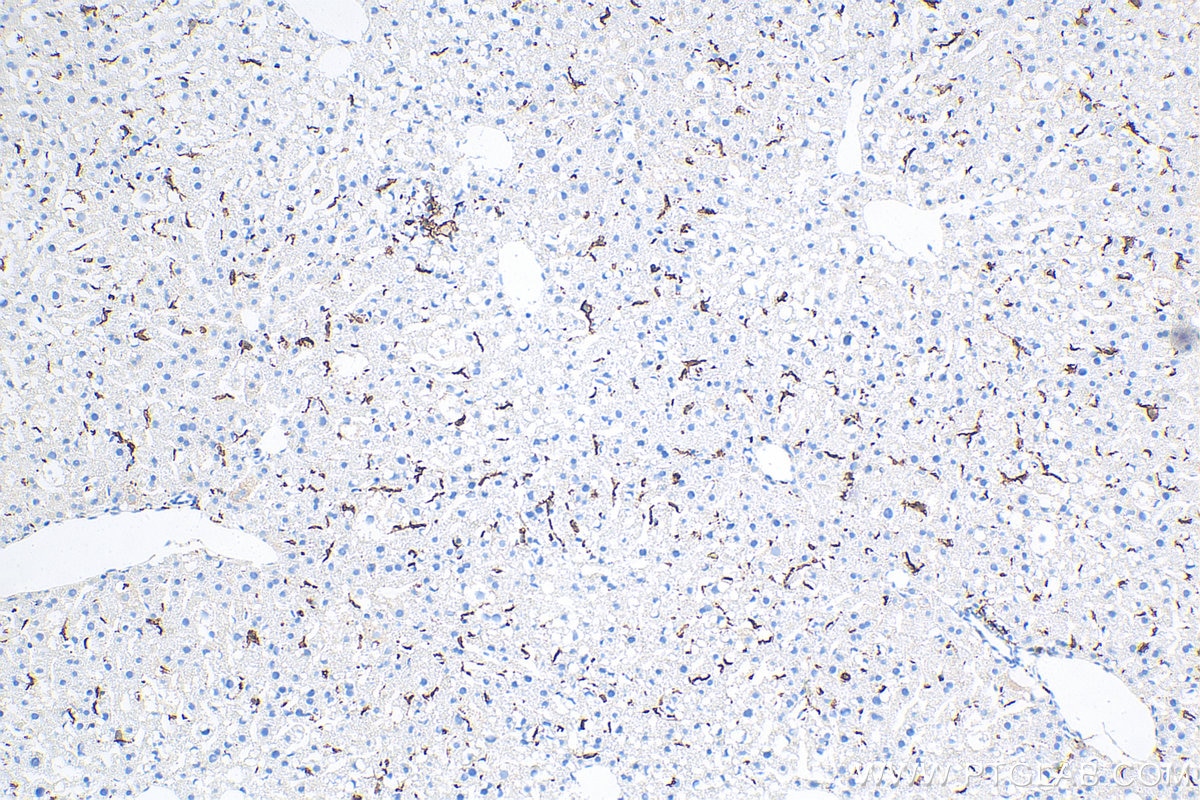
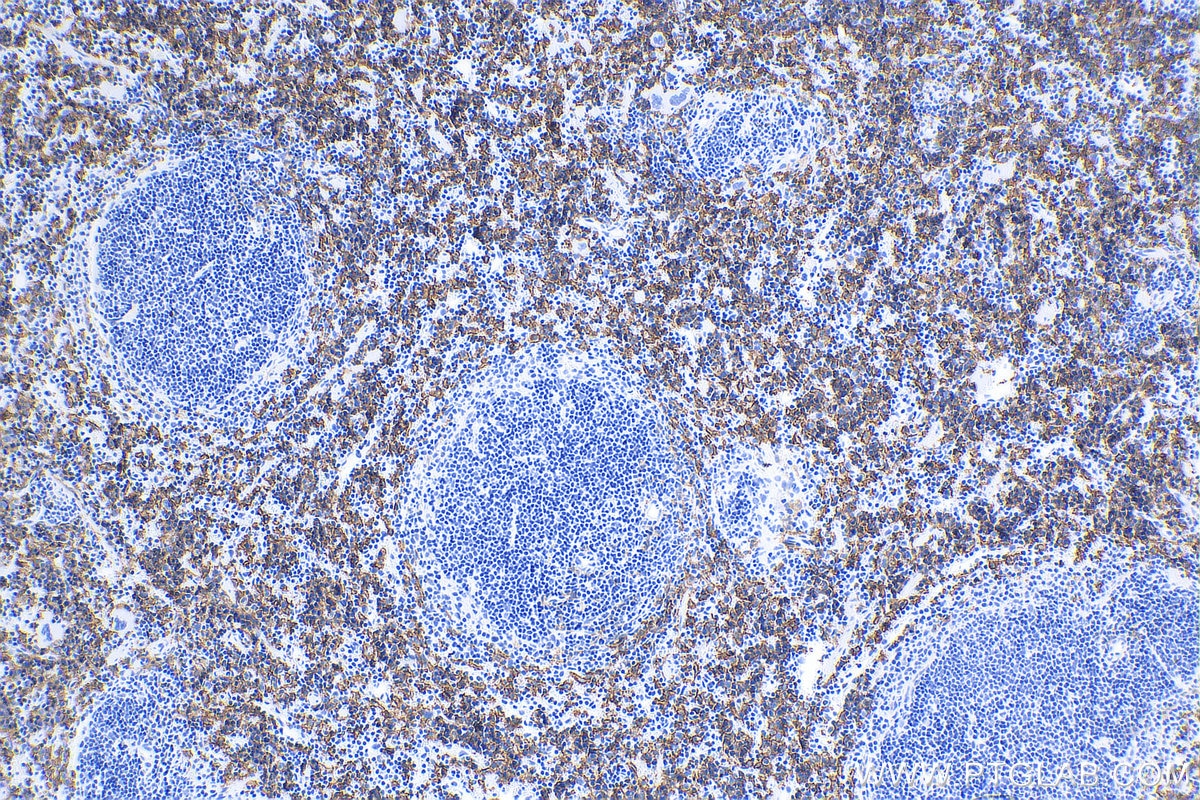
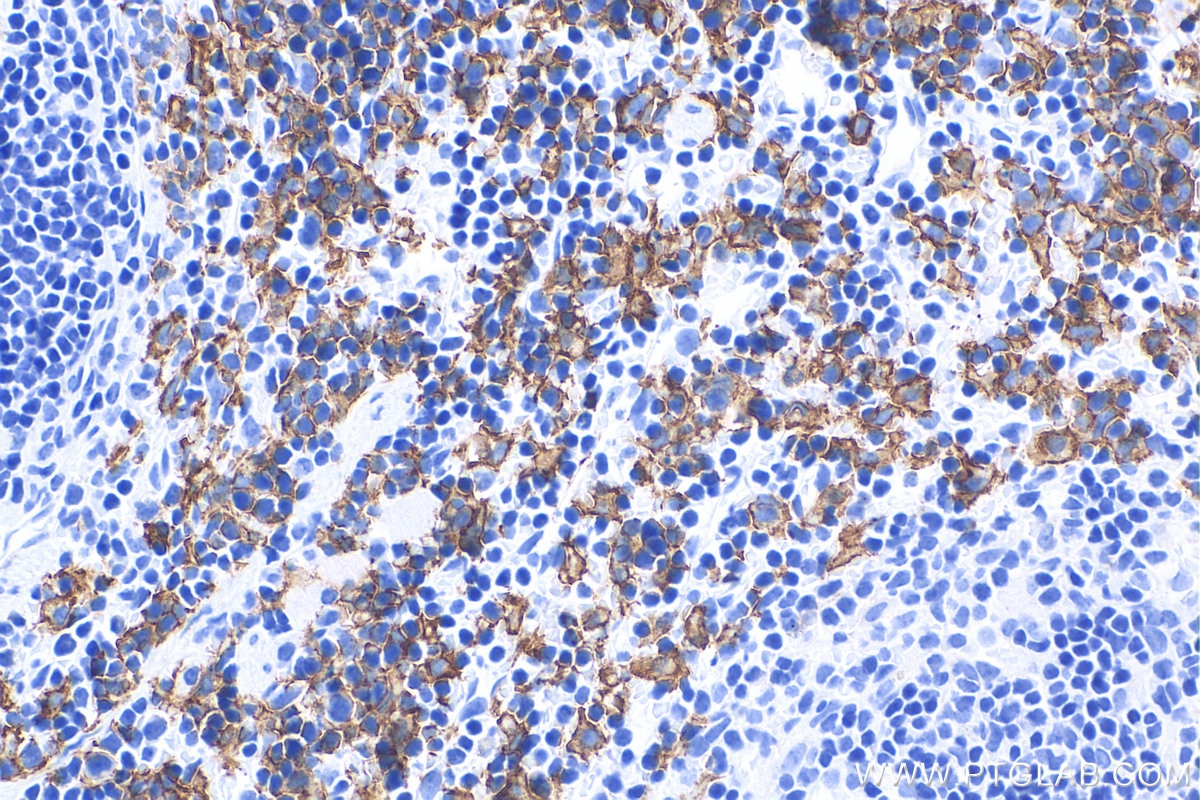
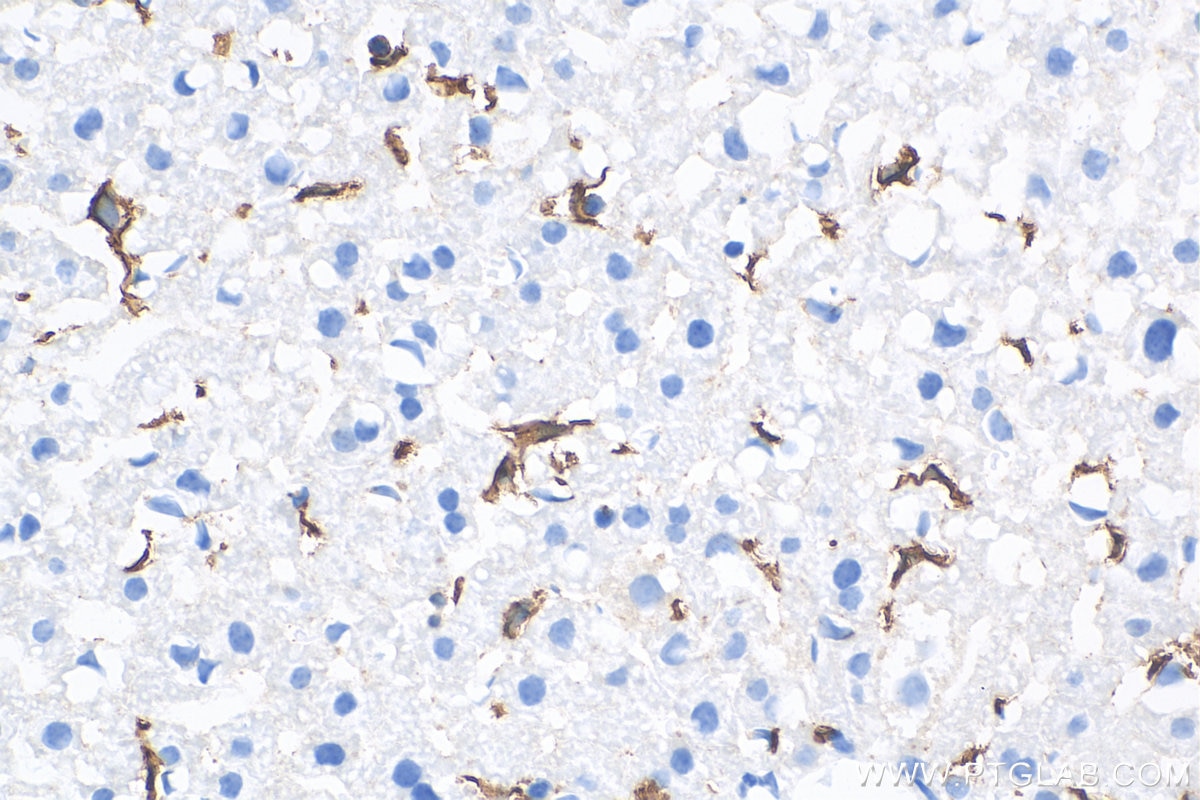
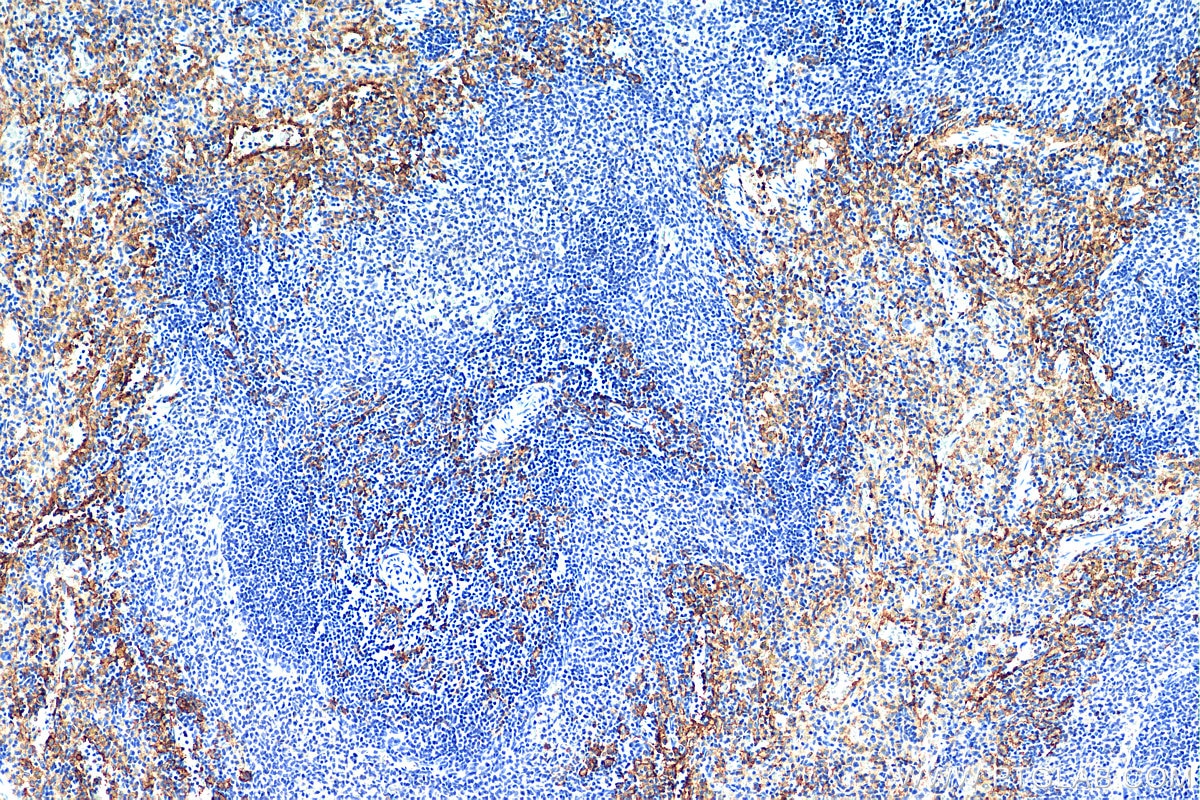
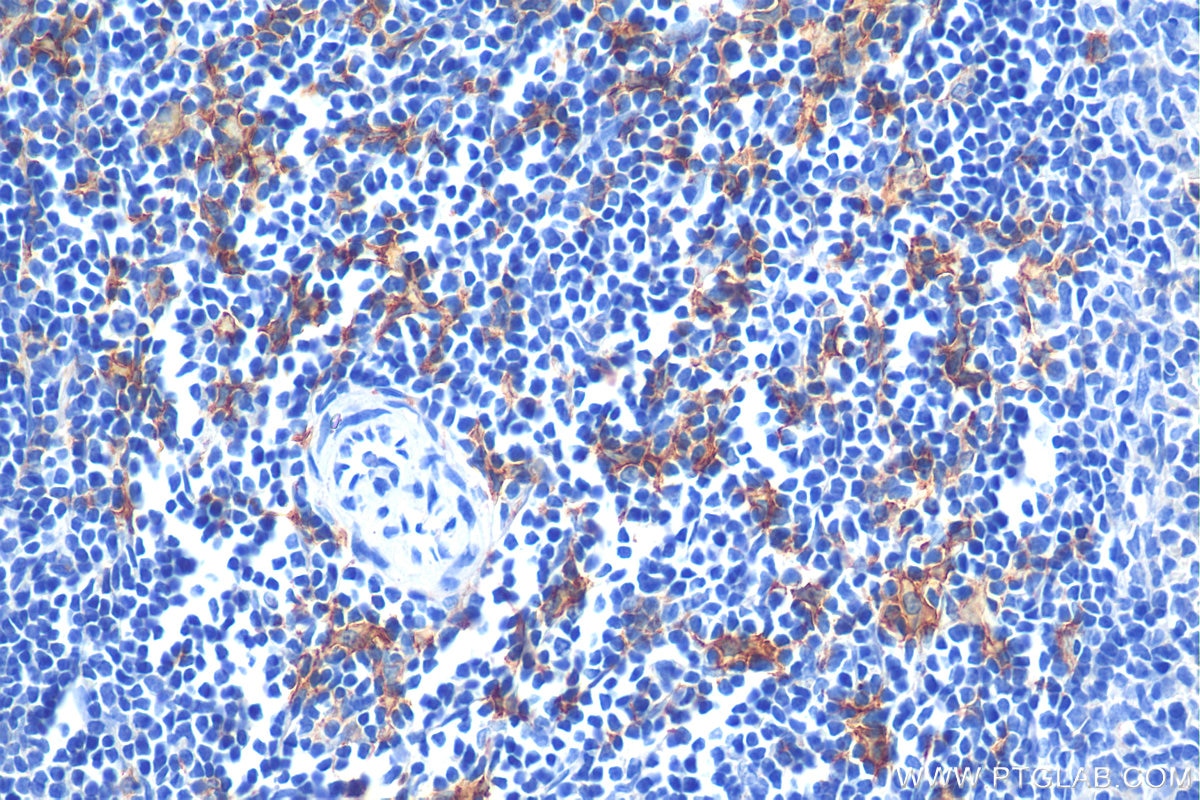
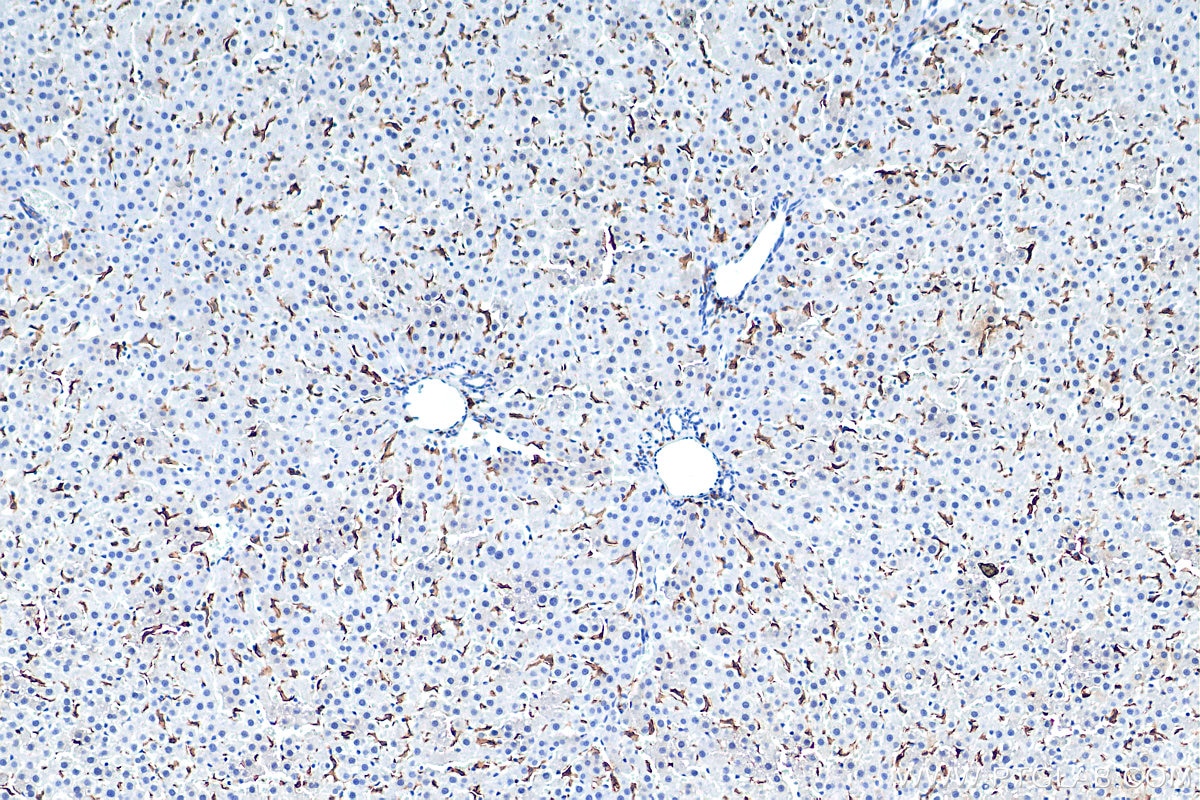
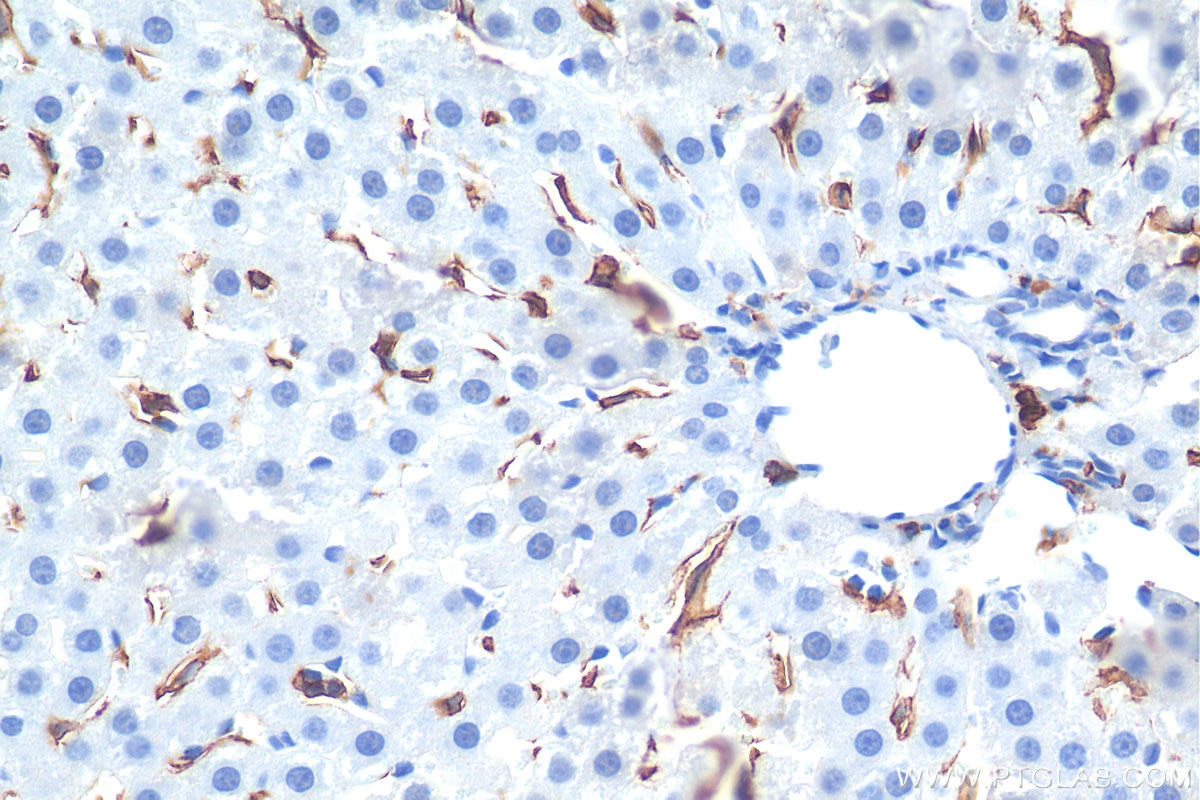
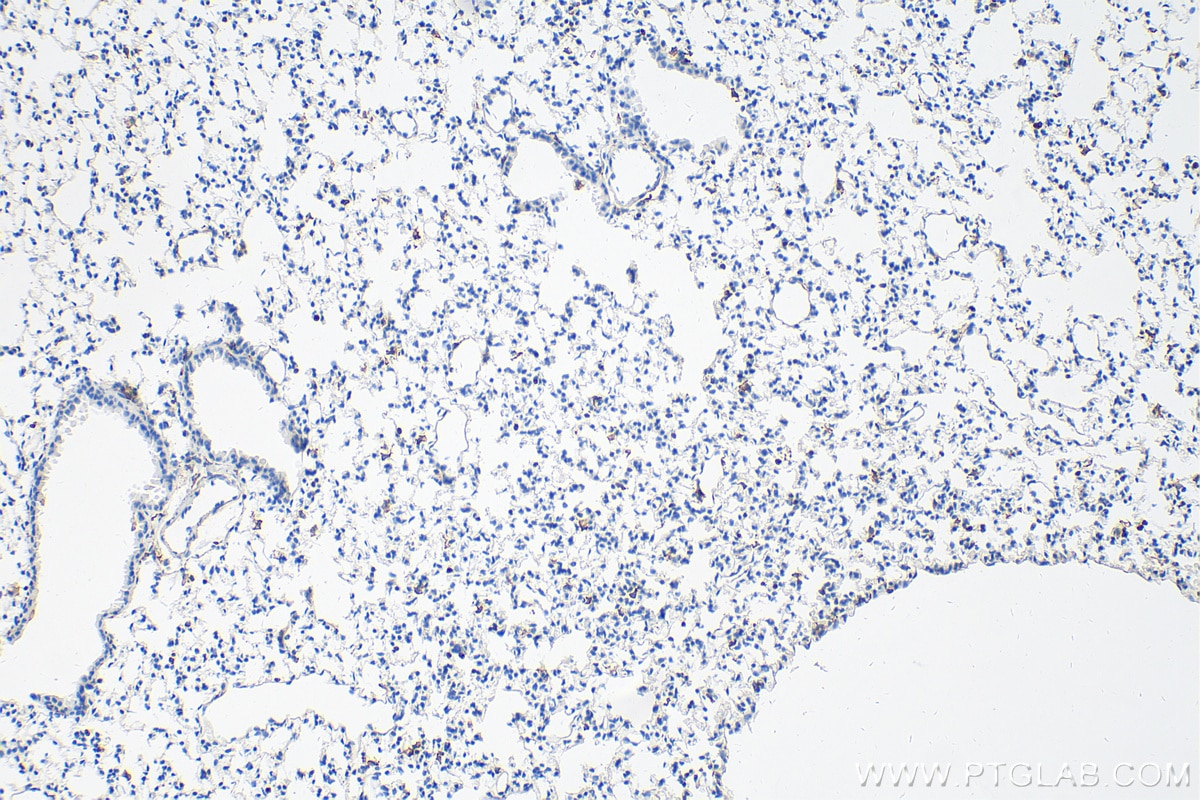
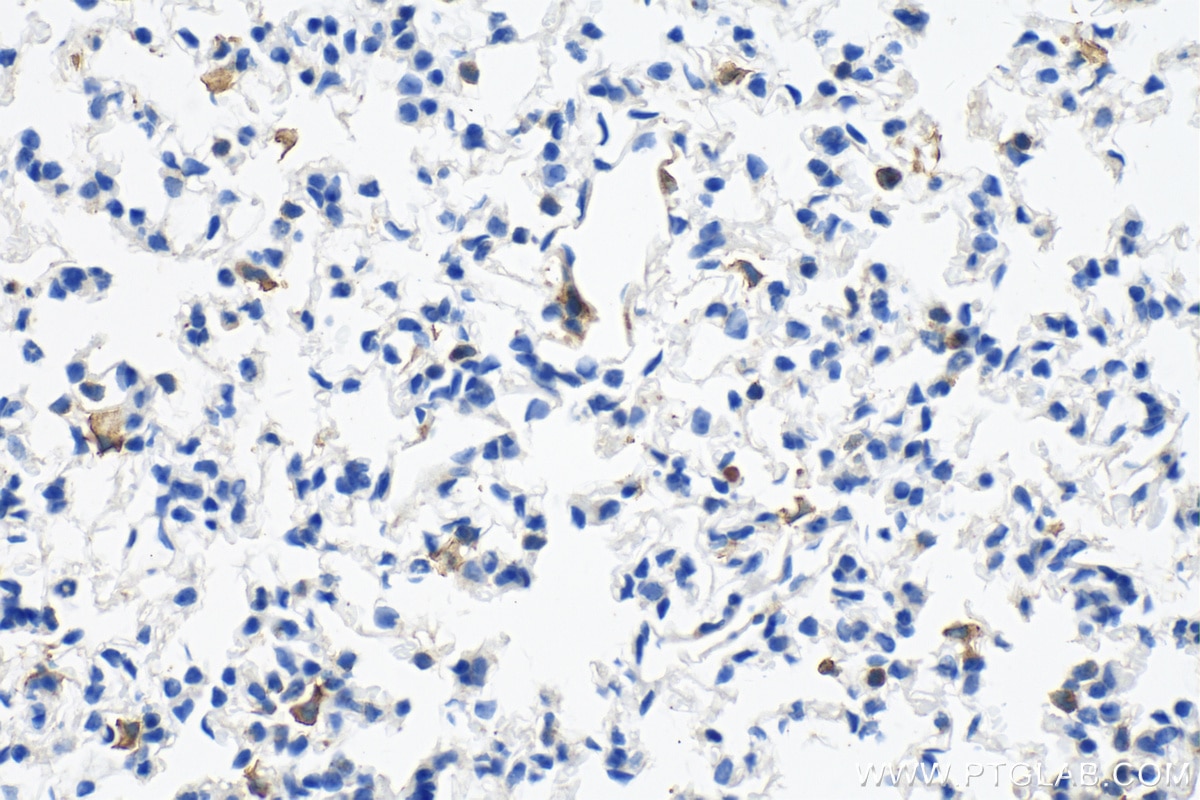
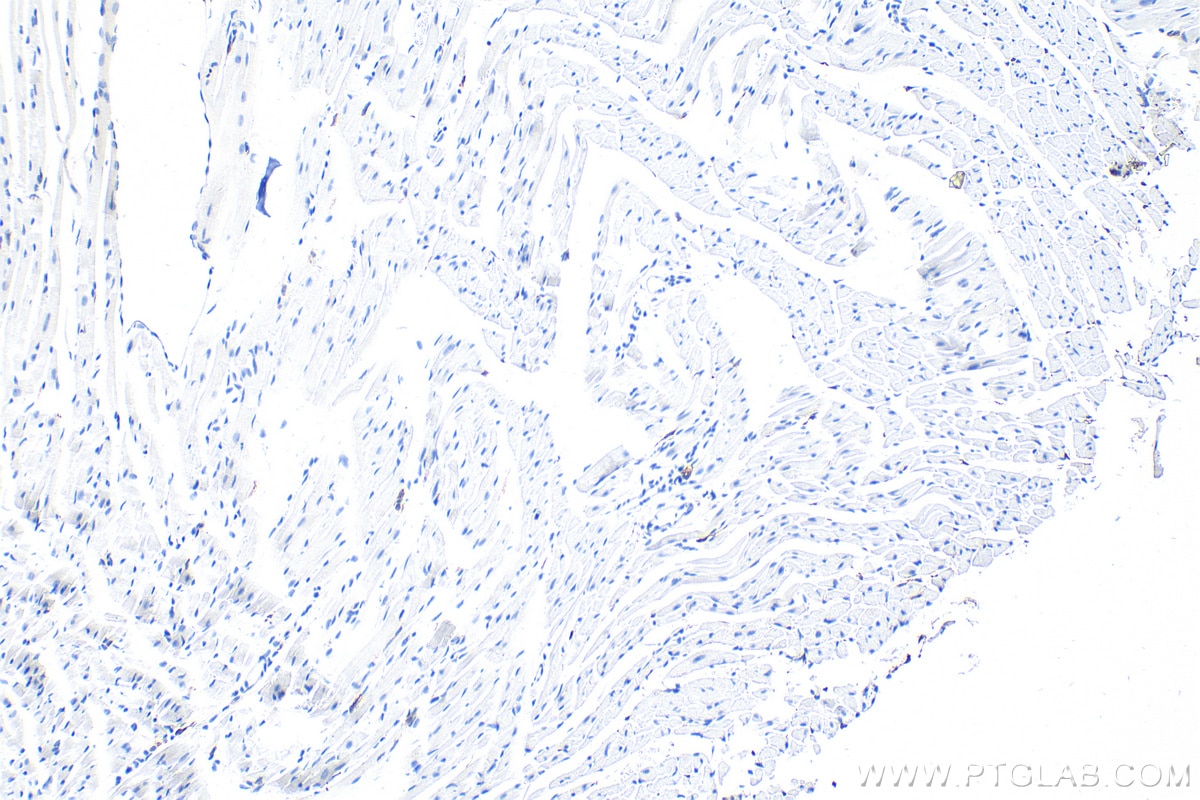
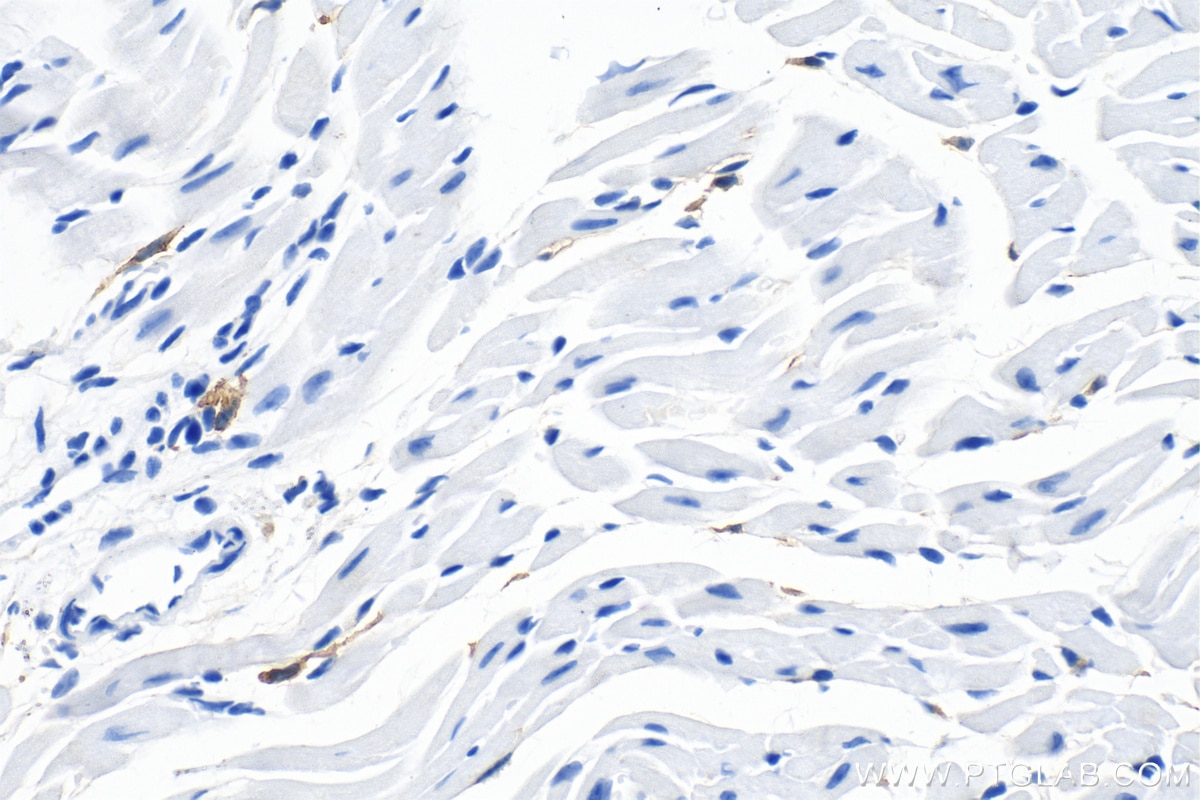
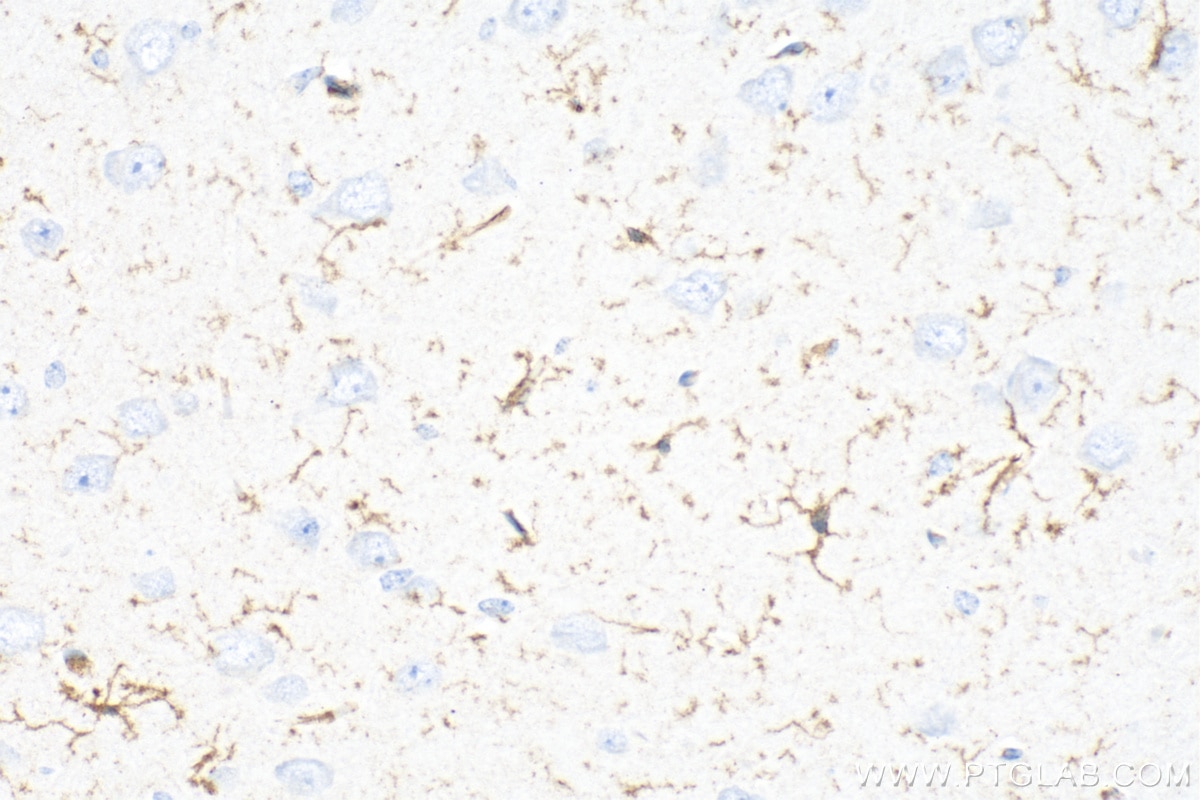
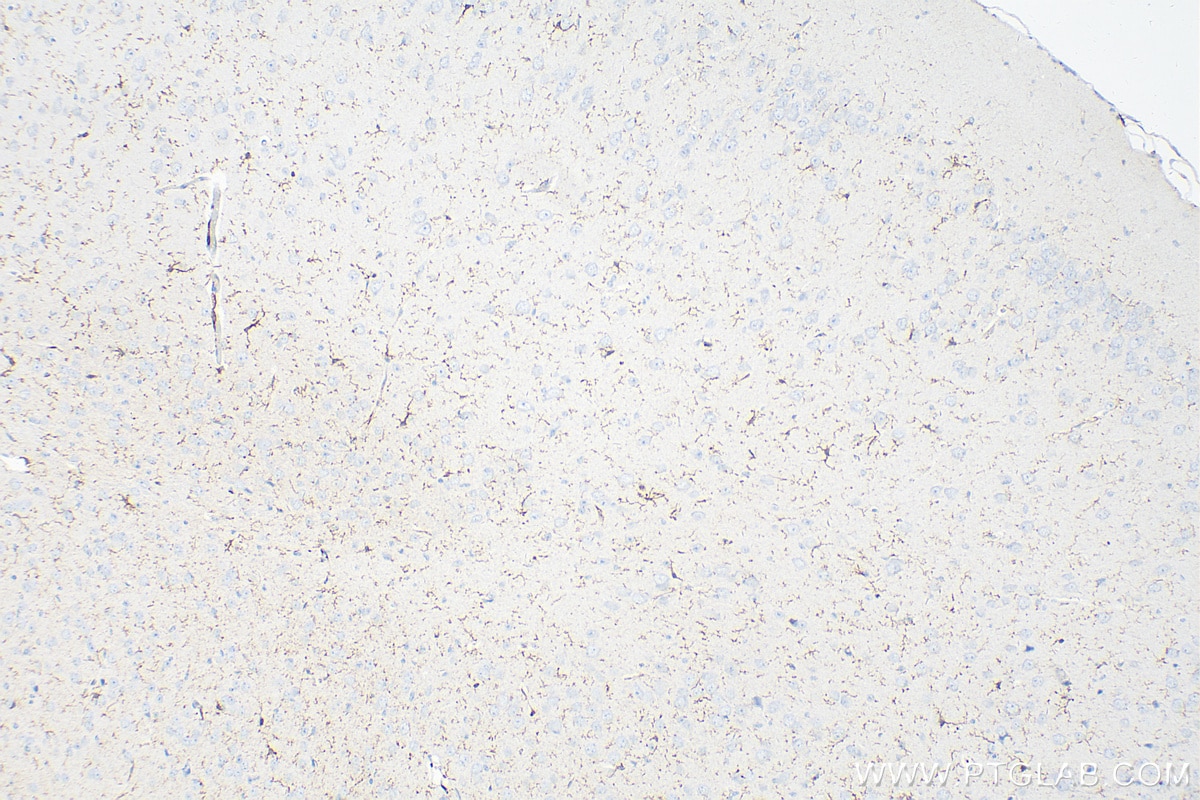
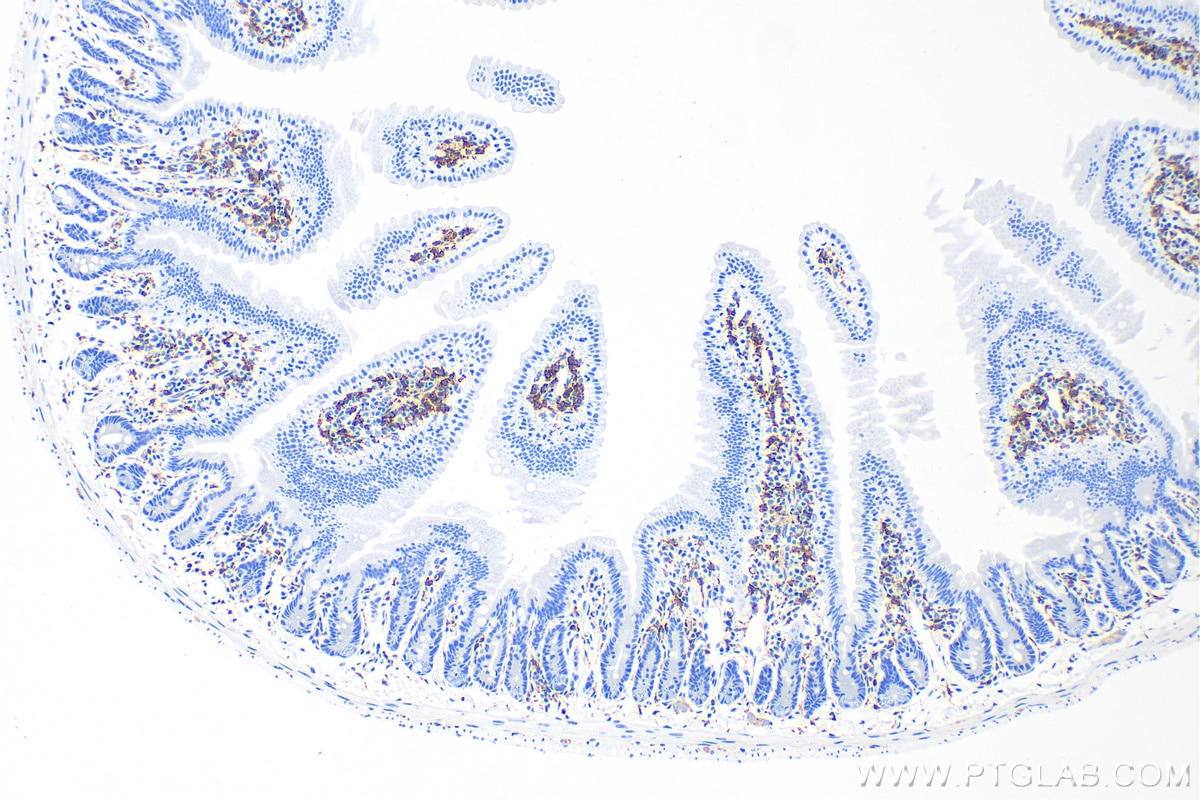
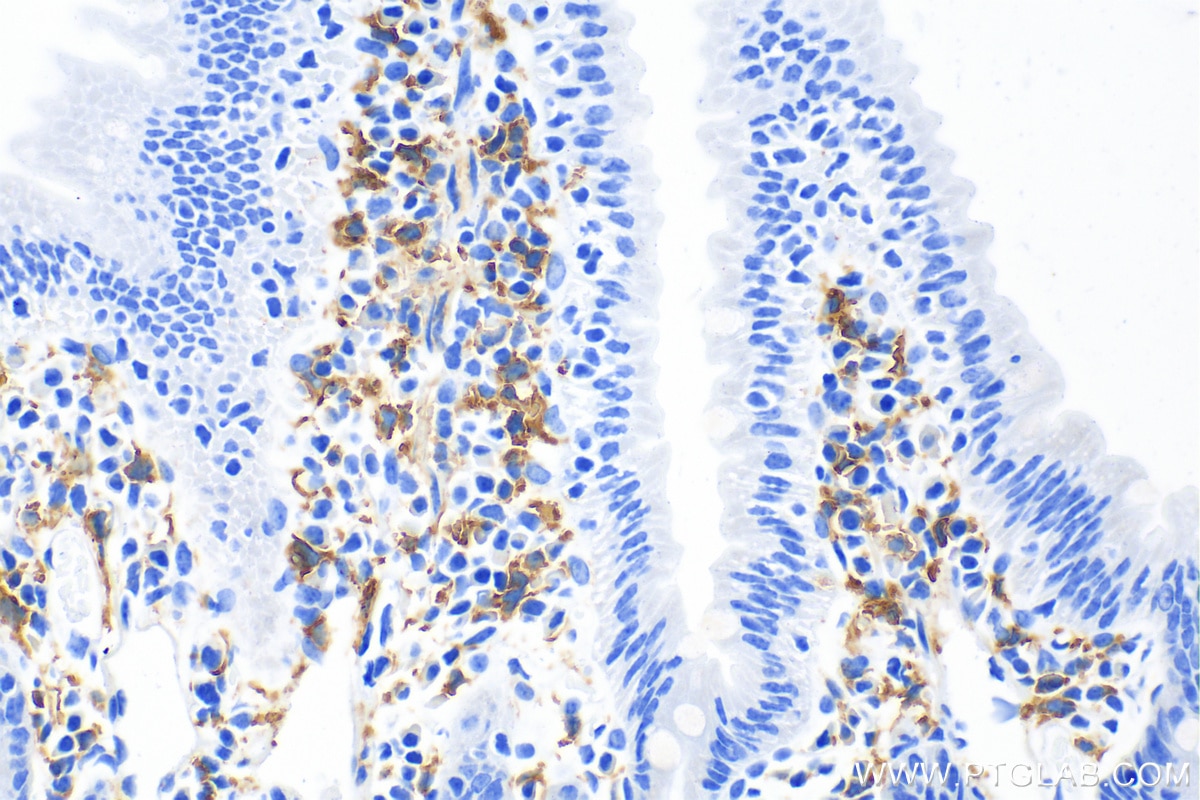
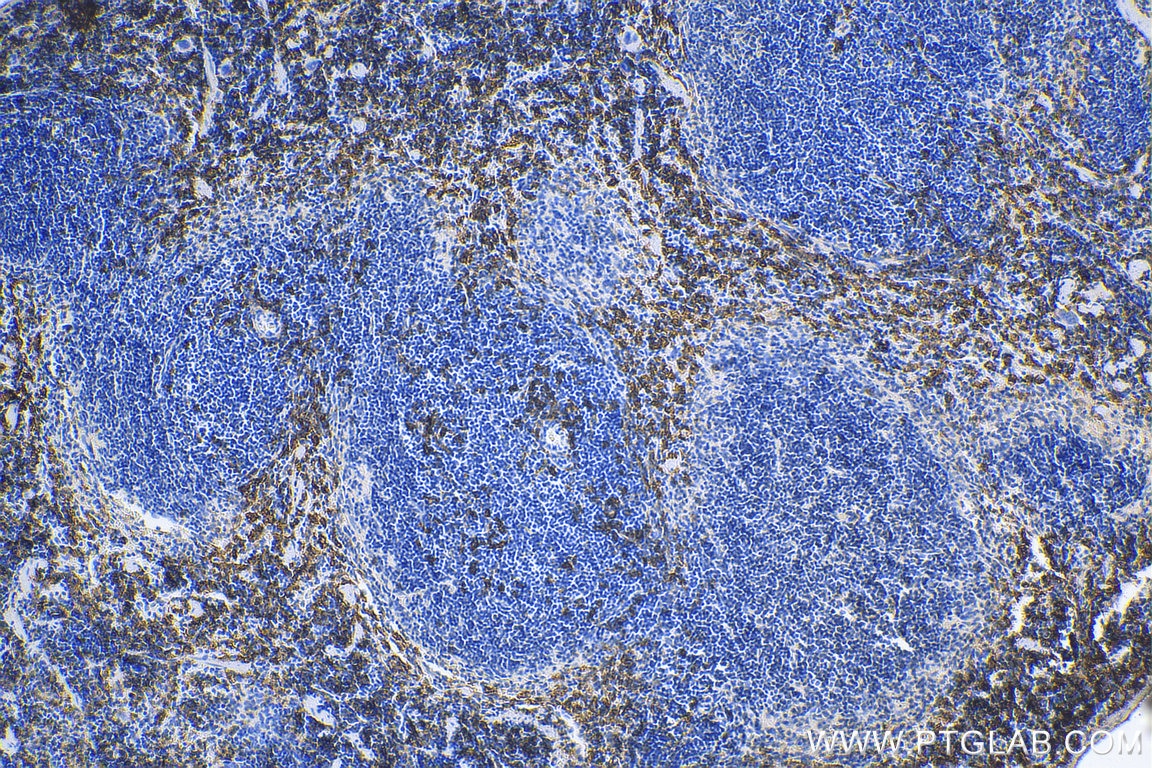
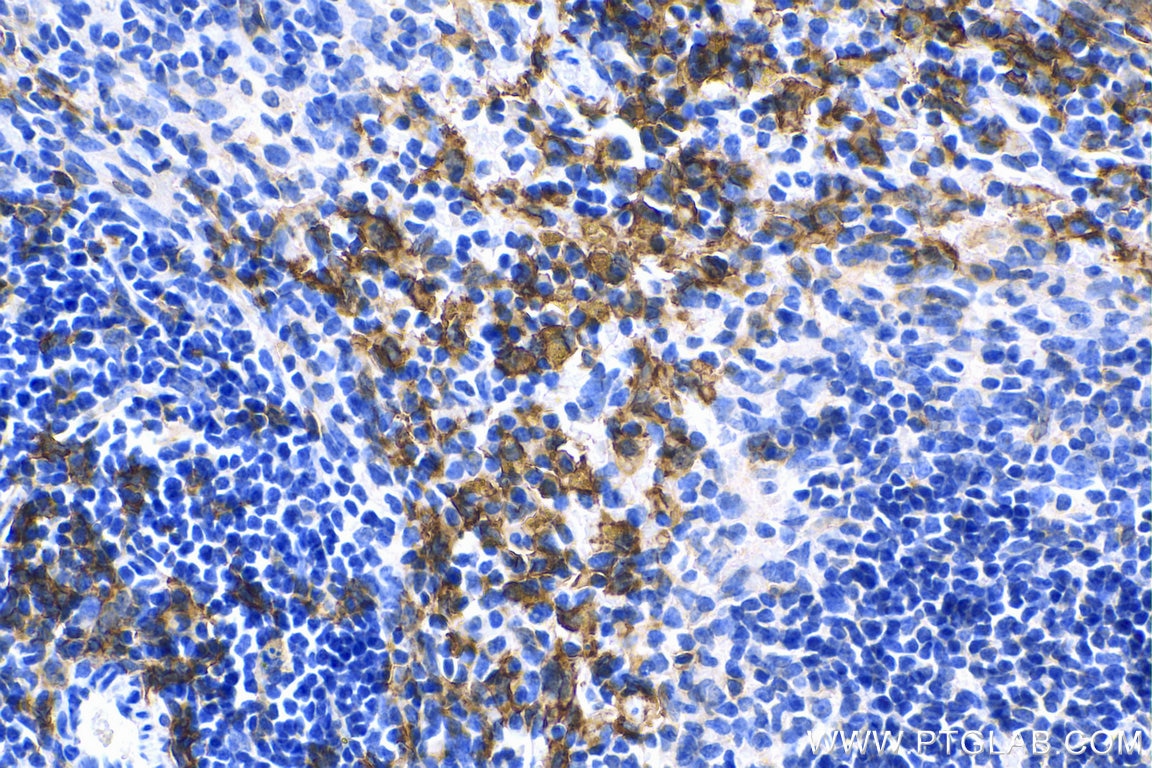
| Positive IHC detected in | mouse spleen tissue, mouse liver tissue, rat spleen tissue, rat liver tissue, mouse lung tissue, mouse heart tissue, mouse brain tissue, mouse small intestine tissue Note: suggested antigen retrieval with TE buffer pH 9.0; (*) Alternatively, antigen retrieval may be performed with citrate buffer pH 6.0 |
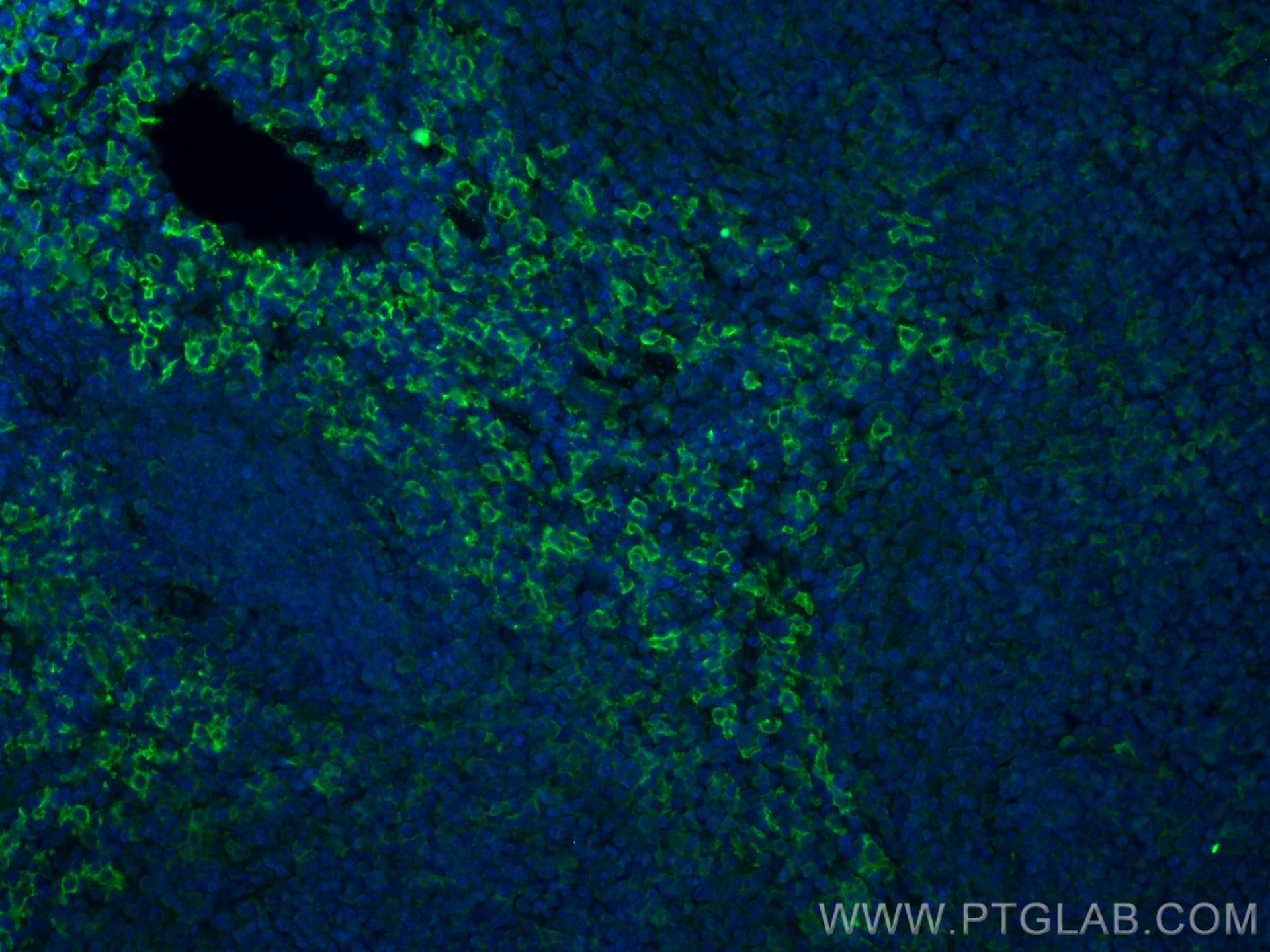
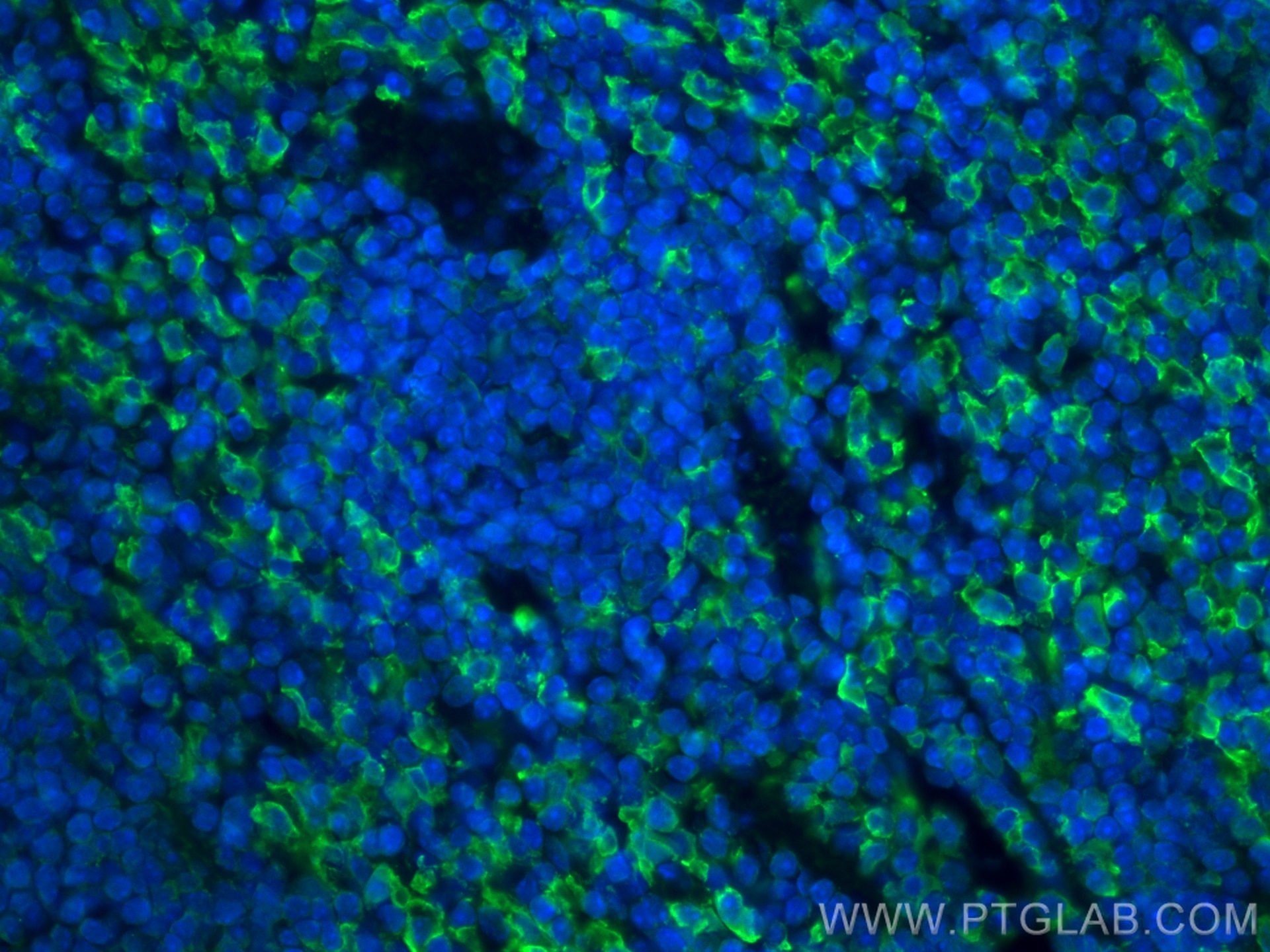
| Positive IF-P detected in | mouse spleen tissue, mouse liver tissue |
| Positive IF-Fro detected in | mouse liver tissue |
Recommended dilution
| Application | Dilution |
|---|---|
| Immunohistochemistry (IHC) | IHC : 1:8000-1:20000 |
| Immunofluorescence (IF)-P | IF-P : 1:50-1:500 |
| Immunofluorescence (IF)-FRO | IF-FRO : 1:50-1:500 |
| It is recommended that this reagent should be titrated in each testing system to obtain optimal results. | |
| Sample-dependent, Check data in validation data gallery. | |
Product Information
29414-1-AP targets F4/80 in WB, IHC, IF-P, IP, ELISA applications and shows reactivity with mouse, rat samples.
| Tested Reactivity | mouse, rat |
| Cited Reactivity | human, mouse, rat |
| Host / Isotype | Rabbit / IgG |
| Class | Polyclonal |
| Type | Antibody |
| Immunogen |
CatNo: Ag30149 Product name: Recombinant mouse AGRE1 protein Source: e coli.-derived, PET28a Tag: 6*His Domain: 32-230 aa of NM_010130 Sequence: GVNECQDTTTCPAYATCTDTTDSYYCTCKRGFLSSNGQTNFQGPGVECQDVNECLQSDSPCGPNSVCTNILGRAKCSCLRGFSSSTGKDWILGSLDNFLCADVDECLTIGICPKYSNCSNSVGSYSCTCQPGFVLNGSICEDEDECVTRDVCPEHATCHNTLGSYYCTCNSGLESSGGGPMFQGLDESCEDVDECSRNS Predict reactive species |
| Full Name | EGF-like module containing, mucin-like, hormone receptor-like sequence 1 |
| Calculated Molecular Weight | 102 kDa |
| GenBank Accession Number | NM_010130 |
| Gene Symbol | F4/80 |
| Gene ID (NCBI) | 13733 |
| RRID | AB_2918300 |
| Conjugate | Unconjugated |
| Form | Liquid |
| Purification Method | Antigen affinity purification |
| UNIPROT ID | Q61549 |
| Storage Buffer | PBS with 0.02% sodium azide and 50% glycerol, pH 7.3. |
| Storage Conditions | Store at -20°C. Stable for one year after shipment. Aliquoting is unnecessary for -20oC storage. 20ul sizes contain 0.1% BSA. |
Background Information
Mouse F4/80, also named as EMR1 and Gpf480, is a 160kd cell surface glycoprotein which is a member of the EGF TM7 family. The F4/80 molecule is solely expressed on the surface of macrophages and serves as a marker for mature macrophage tissues, including Kupffer cells in liver, splenic red pulp macrophages, brain microglia, gut lamina propria and Langerhans cells in the skin. The function of F4/80 is unclear, but it is speculated to be involved in macrophage adhesion events, cell migration or as a G protein-coupled signaling component of macrophages.
Protocols
| Product Specific Protocols | |
|---|---|
| IF protocol for F4/80 antibody 29414-1-AP | Download protocol |
| IHC protocol for F4/80 antibody 29414-1-AP | Download protocol |
| Standard Protocols | |
|---|---|
| Click here to view our Standard Protocols |
Publications
What published studies show
| Species | Application | Title |
|---|---|---|
Immunity Lactate binds and inhibits the innate immune sensor STING to promote tumor immune evasion. | ||
Adv Mater Sequential Targeted Enzyme-Instructed Self-Assembly Supramolecular Nanofibers to Attenuate Intervertebral Disc Degeneration | ||
Cancer Commun (Lond) Glutamine metabolic microenvironment drives M2 macrophage polarization to mediate trastuzumab resistance in HER2-positive gastric cancer | ||
Nat Cancer A micropeptide encoded by the lncRNA USP30-AS1 promotes tumor growth by attenuating cGAS-STING-type I IFN signaling in macrophages | ||
Cell Mol Immunol Intestinal taurine acts as a novel immunometabolic modulator of IBD by degrading redundant mitochondrial RNA | ||
Nat Cell Biol WDR4 drives tumour-associated macrophage reprogramming and tumour progression via selective translation and membrane cholesterol efflux |
























