

Tested Applications
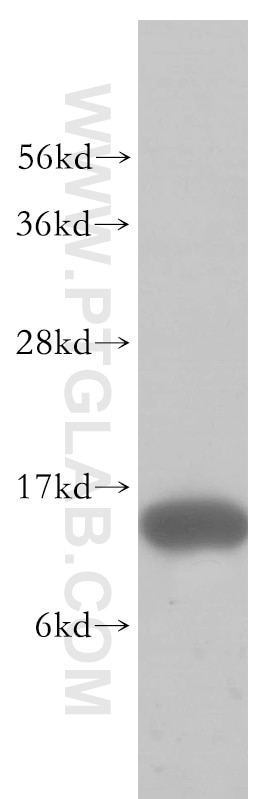
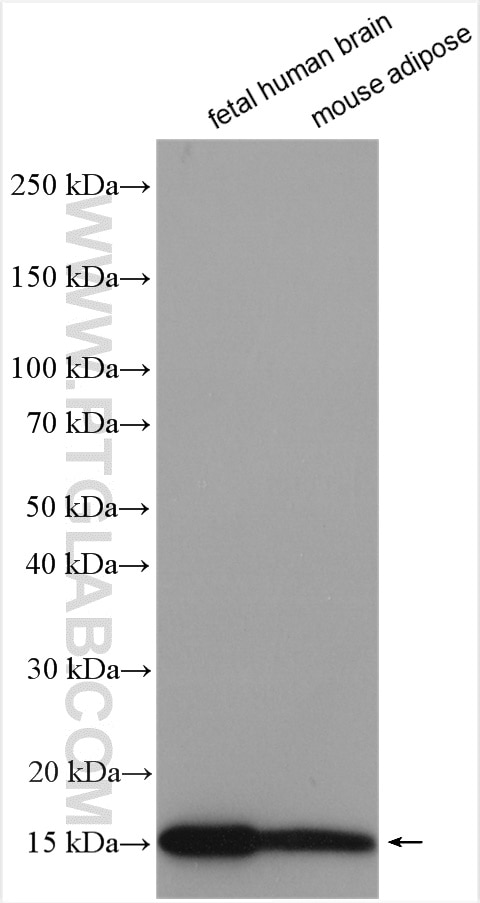
| Positive WB detected in | fetal human brain tissue, human brain tissue, mouse adipose tissue |
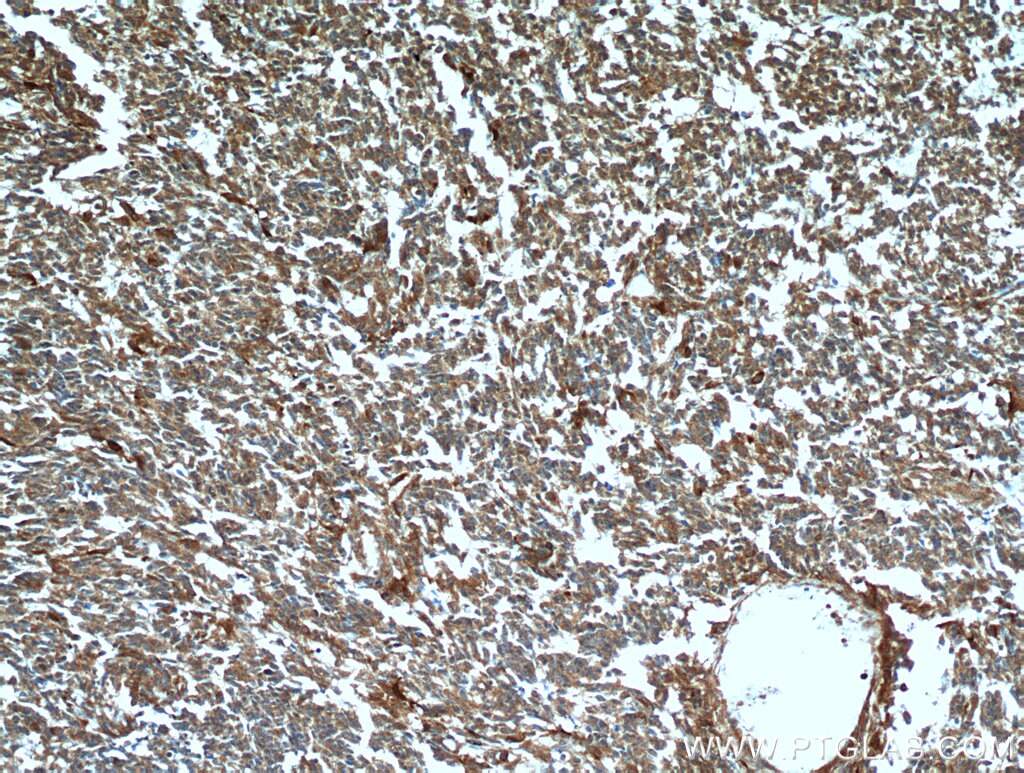
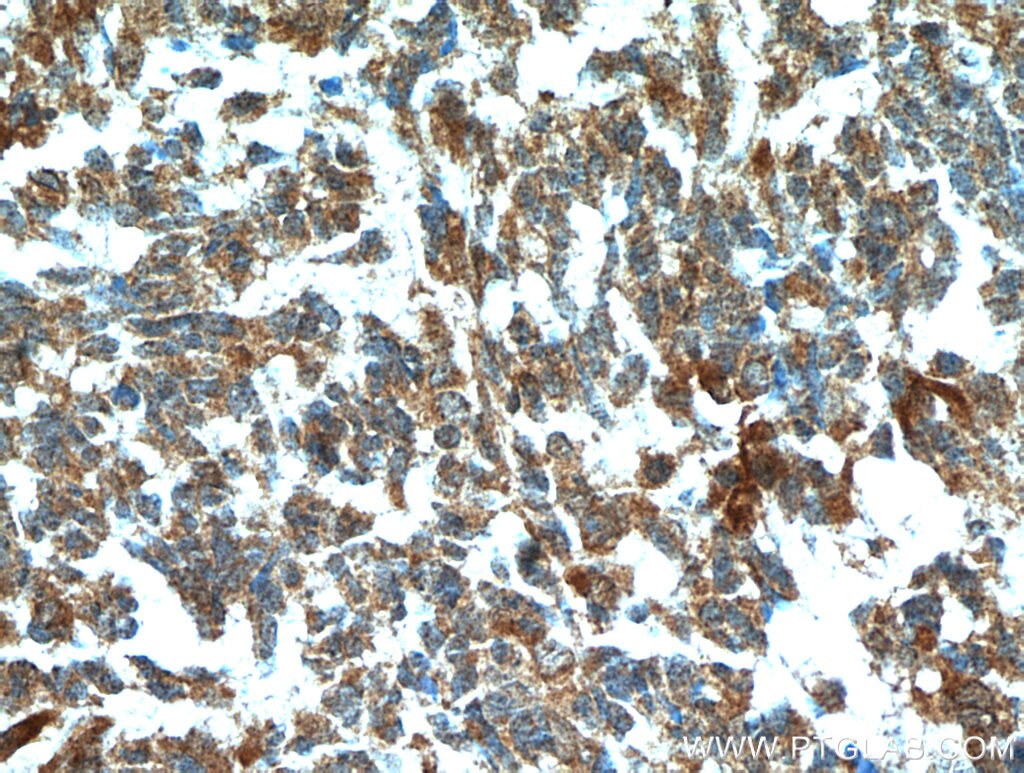
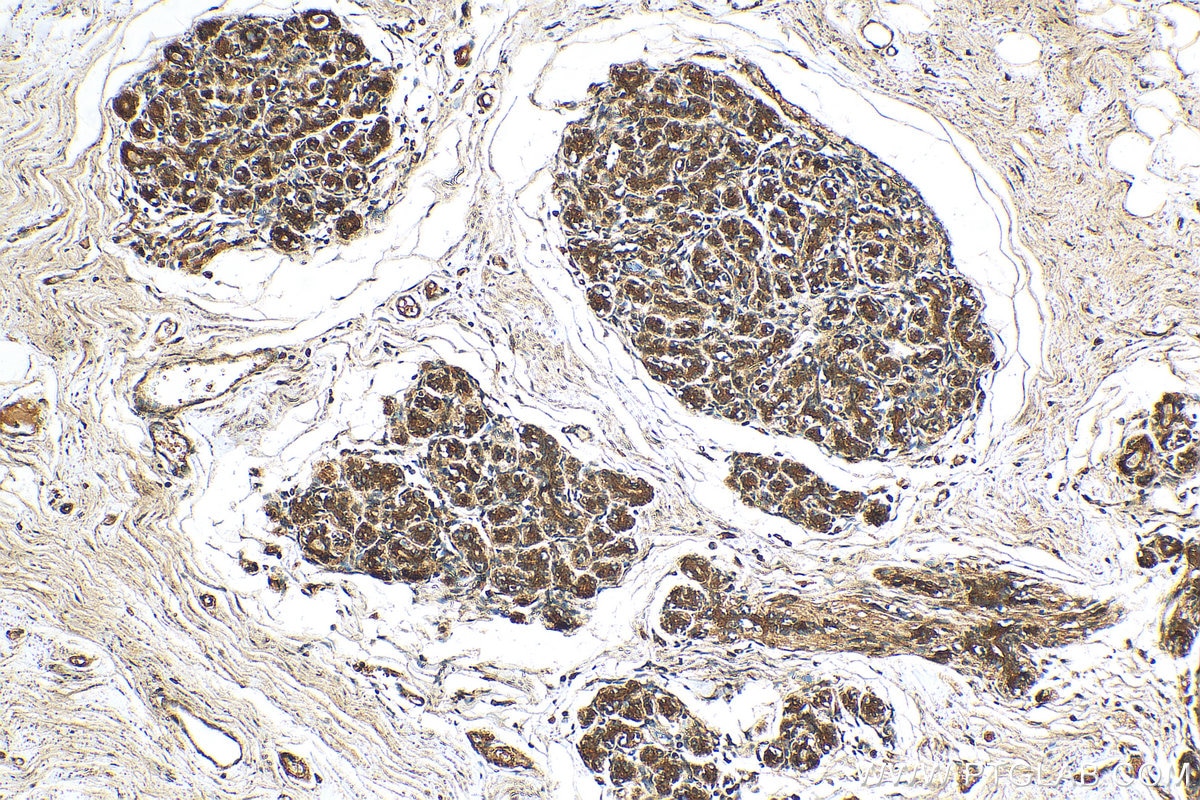
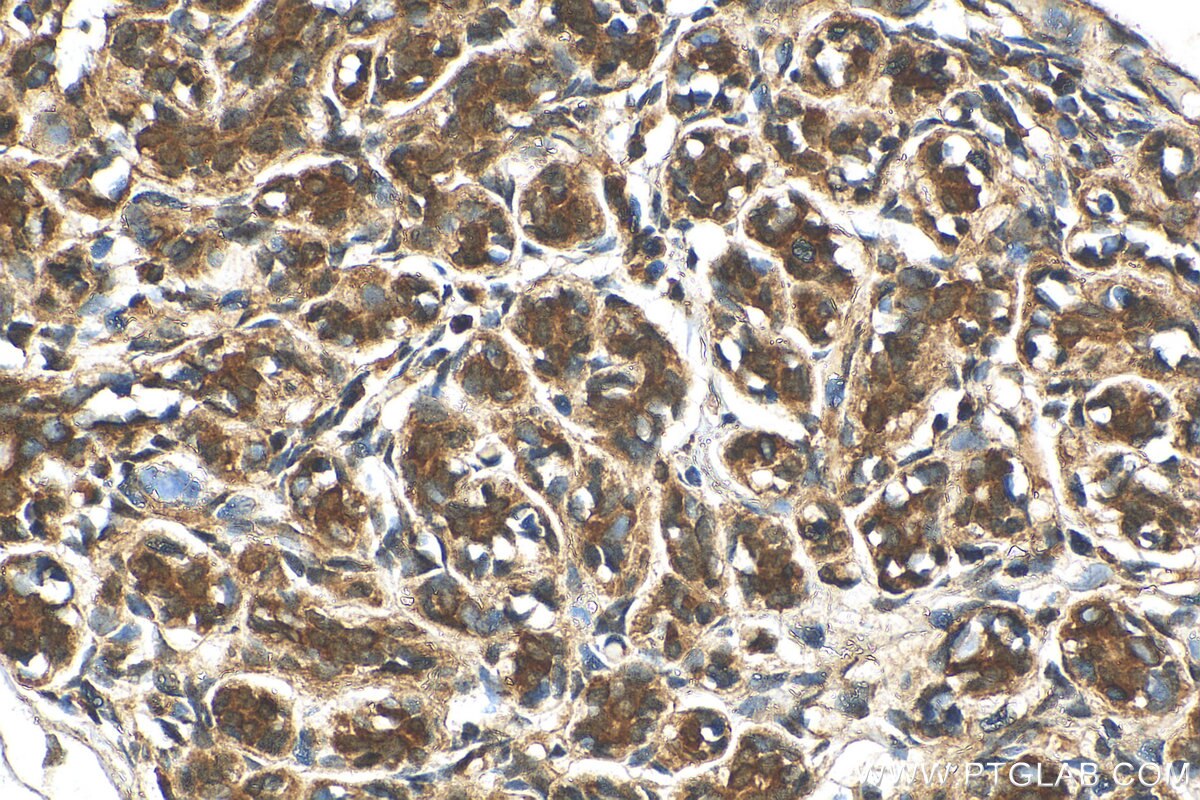
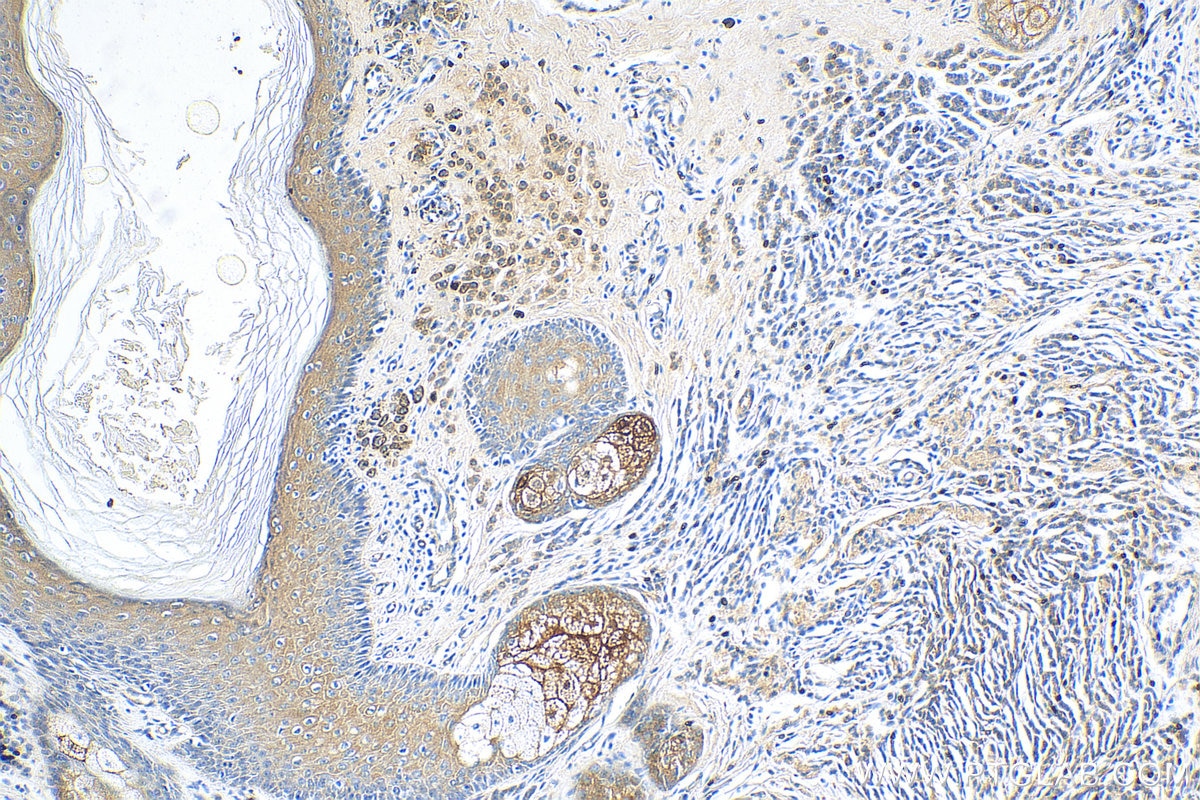
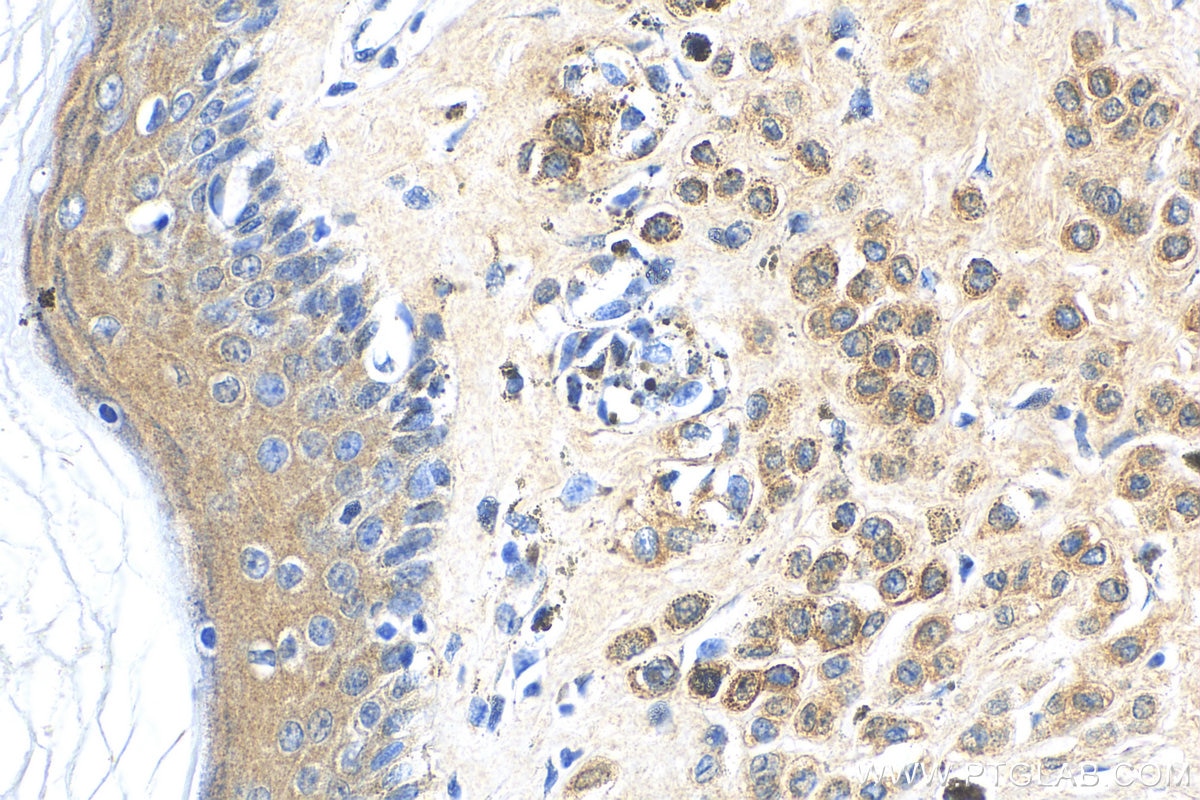
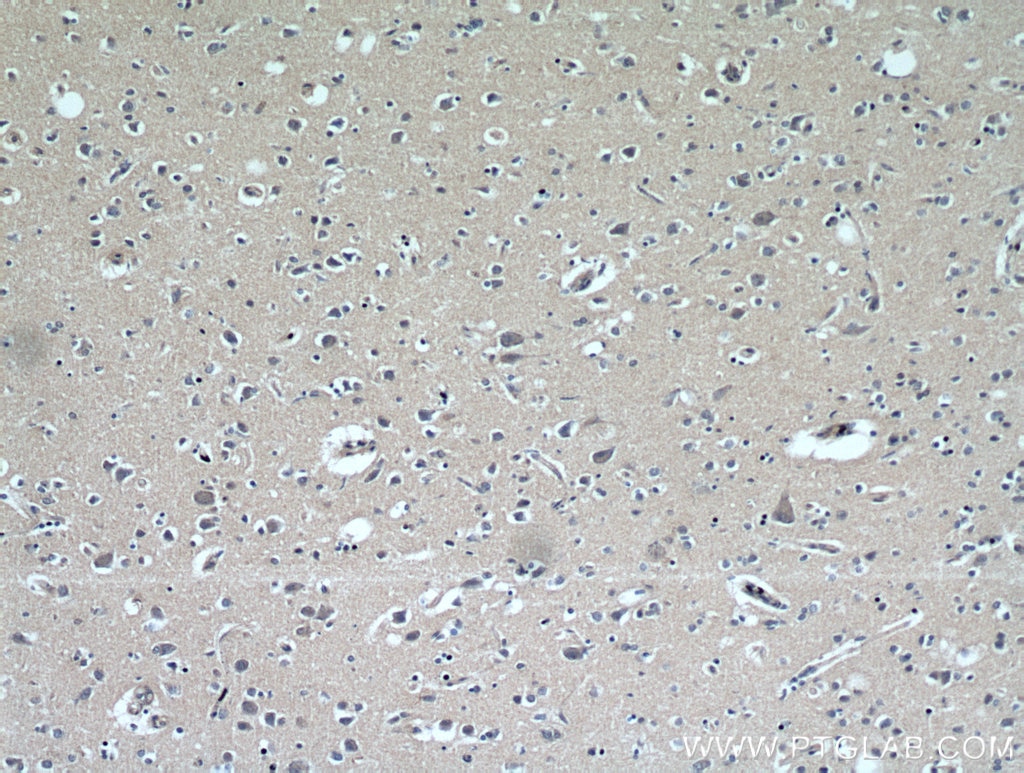
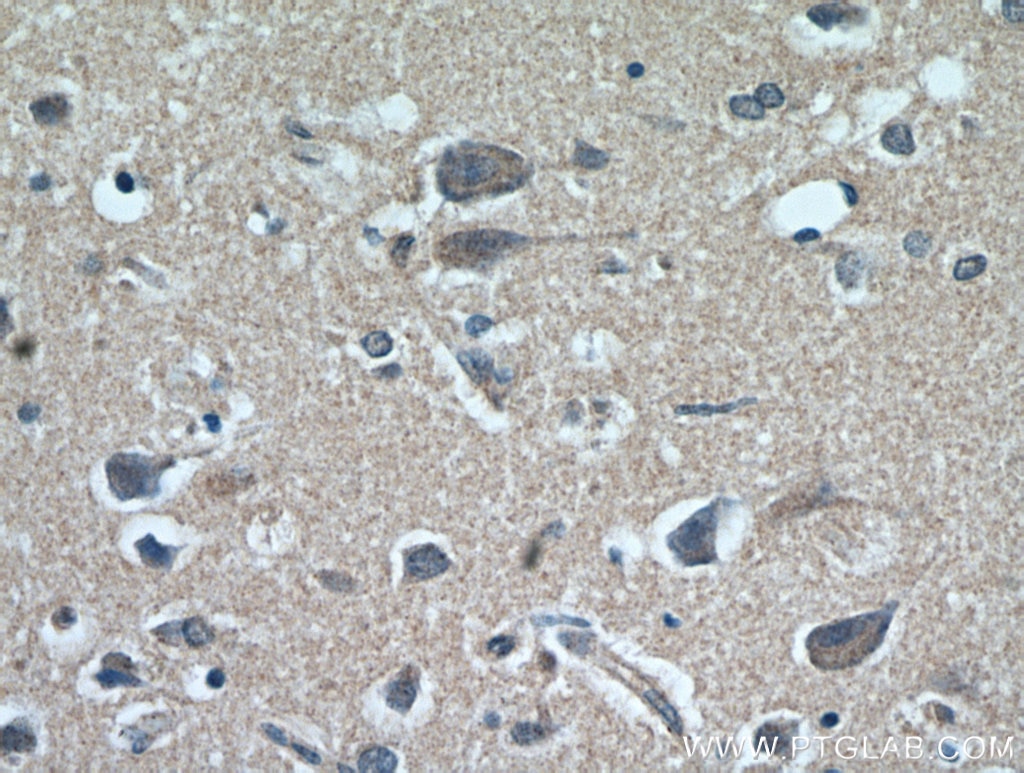
| Positive IHC detected in | human malignant melanoma tissue, human breast cancer tissue, human gliomas tissue, human brain tissue Note: suggested antigen retrieval with TE buffer pH 9.0; (*) Alternatively, antigen retrieval may be performed with citrate buffer pH 6.0 |
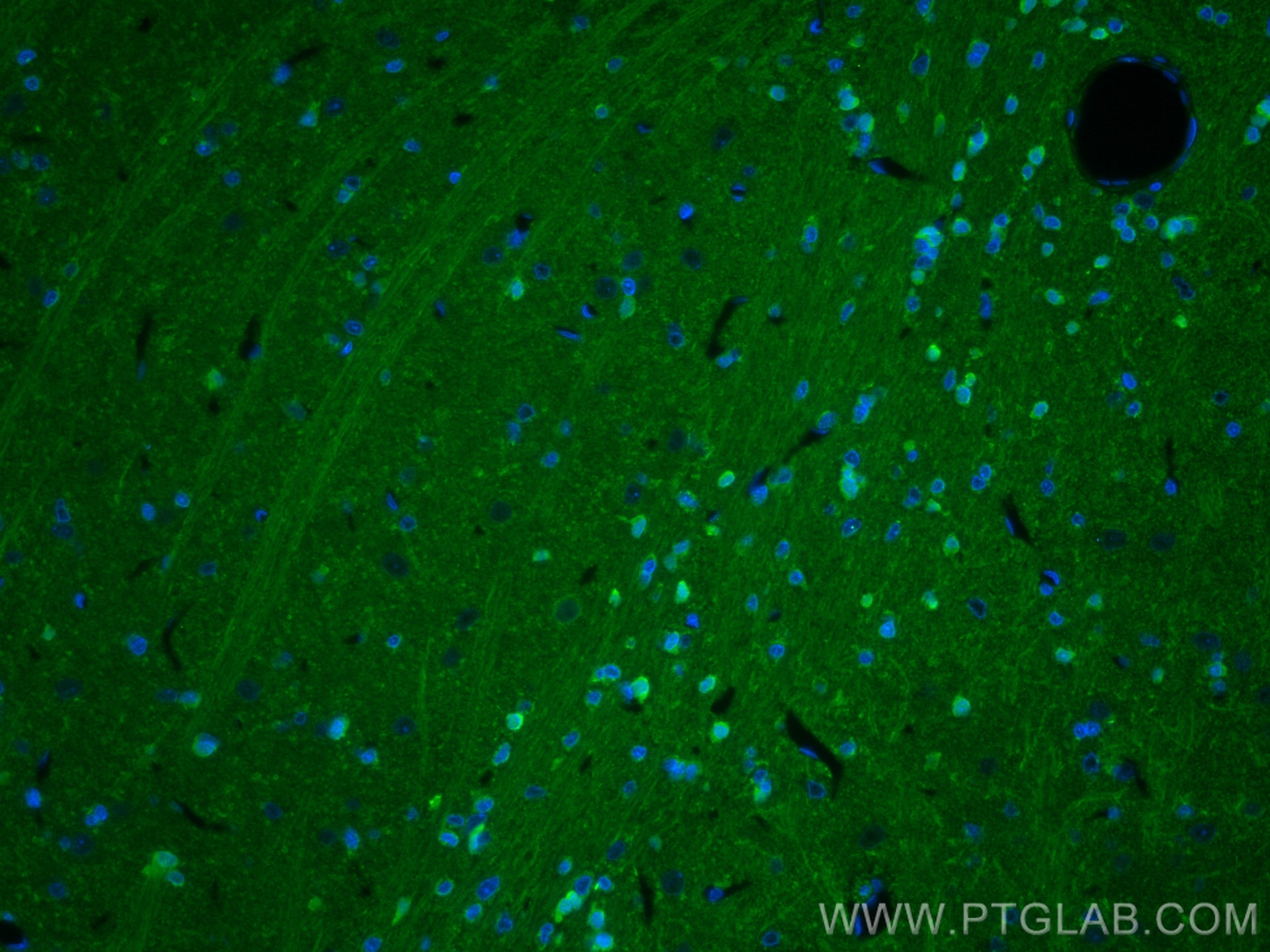
| Positive IF-P detected in | rat brain tissue |
Recommended dilution
| Application | Dilution |
|---|---|
| Western Blot (WB) | WB : 1:500-1:3000 |
| Immunohistochemistry (IHC) | IHC : 1:50-1:500 |
| Immunofluorescence (IF)-P | IF-P : 1:50-1:500 |
| It is recommended that this reagent should be titrated in each testing system to obtain optimal results. | |
| Sample-dependent, Check data in validation data gallery. | |
Product Information
51010-1-AP targets FABP7 in WB, IHC, IF-P, ELISA applications and shows reactivity with human, mouse samples.
| Tested Reactivity | human, mouse |
| Cited Reactivity | human, mouse, rat |
| Host / Isotype | Rabbit / IgG |
| Class | Polyclonal |
| Type | Antibody |
| Immunogen |
Peptide Predict reactive species |
| Full Name | fatty acid binding protein 7, brain |
| Calculated Molecular Weight | 132aa,15 kDa; 166aa,19 kDa |
| Observed Molecular Weight | 15 kDa |
| GenBank Accession Number | BC012299 |
| Gene Symbol | FABP7 |
| Gene ID (NCBI) | 2173 |
| RRID | AB_2100456 |
| Conjugate | Unconjugated |
| Form | Liquid |
| Purification Method | Antigen affinity purification |
| UNIPROT ID | O15540 |
| Storage Buffer | PBS with 0.02% sodium azide and 50% glycerol, pH 7.3. |
| Storage Conditions | Store at -20°C. Stable for one year after shipment. Aliquoting is unnecessary for -20oC storage. 20ul sizes contain 0.1% BSA. |
Background Information
FABP7 (brain fatty acid-binding protein; BLBP) is a member of the FABP family of lipid chaperones involved in the uptake and intracellular trafficking of fatty acids. FABP7 is expressed in radial glial cells during brain development. FABP7 is up-regulated in brain tumor tissue; its expression has been associated with decreased survival times and tumor progression in patients with astrocytoma, melanoma, basal-type breast cancer, and renal cell carcinoma. This antibody is useful to label radial gial cells.
Protocols
| Product Specific Protocols | |
|---|---|
| IF protocol for FABP7 antibody 51010-1-AP | Download protocol |
| IHC protocol for FABP7 antibody 51010-1-AP | Download protocol |
| WB protocol for FABP7 antibody 51010-1-AP | Download protocol |
| Standard Protocols | |
|---|---|
| Click here to view our Standard Protocols |
Publications
What published studies show
The Anti-FABP7 antibody (Cat# 51010-1-AP) has accumulated 23 citations across journals including Nature Communications, ACS Nano, Cancer Research, Biomaterials, Metabolism, Journal of Neuroinflammation, Phytomedicine, and Molecular & Cellular Proteomics. Research fields span lipid metabolism, ferroptosis, cancer biology (pancreatic cancer, glioma, renal cell carcinoma), neuroscience (astrocyte dysfunction, neuropathic pain, neural stem cells), environmental toxicology, and kidney disease. Applications include WB, IF, and IHC in human, mouse, rat, and fish models.
| Species | Application | Title |
|---|---|---|
Cancer Res Bcl-xL enforces a slow-cycling state necessary for survival in the nutrient-deprived microenvironment of pancreatic cancer. | ||
Nat Commun Analysing human neural stem cell ontogeny by consecutive isolation of Notch active neural progenitors. | ||
ACS Nano Nanointegrative In Situ Reprogramming of Tumor-Intrinsic Lipid Droplet Biogenesis for Low-Dose Radiation-Activated Ferroptosis Immunotherapy | ||
Metabolism Syndecan-1 regulates lipid metabolism and mitigates fibrosis during the transition from acute kidney injury to chronic kidney disease | ||
Biomaterials MMP-12 siRNA improves the homeostasis of the small intestine and metabolic dysfunction in high-fat diet feeding-induced obese mice. | ||
J Neuroinflammation Promoting astrocyte-neuron triiodothyronine shuttling attenuates brain damage in neonatal hypoxic-ischemic encephalopathy. |












