

Tested Applications
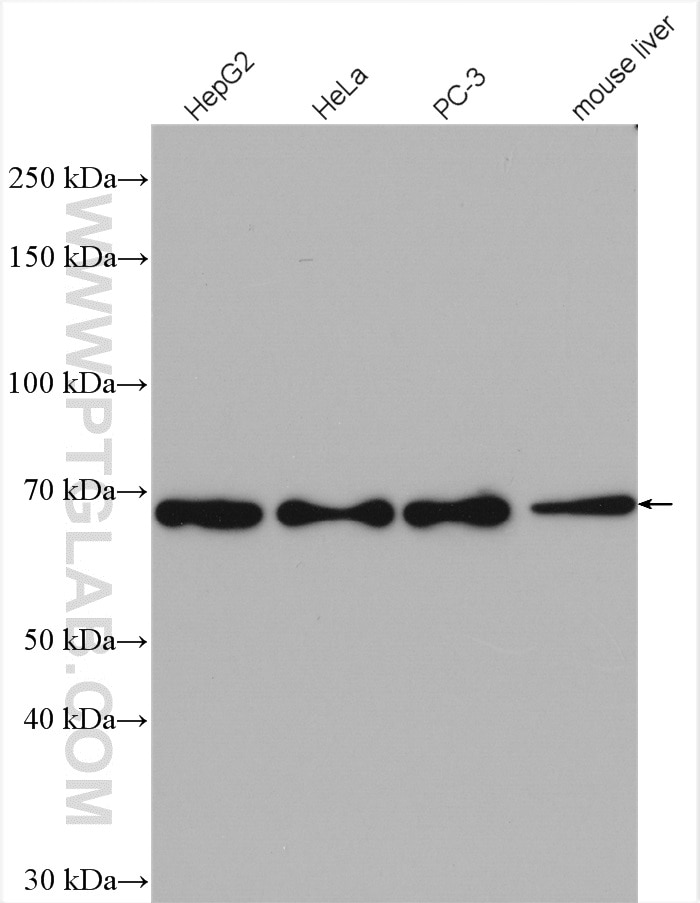
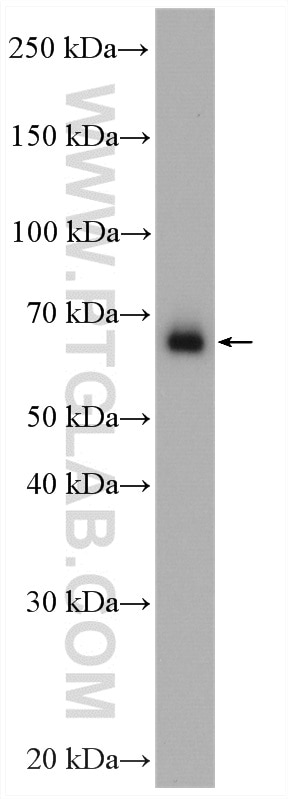
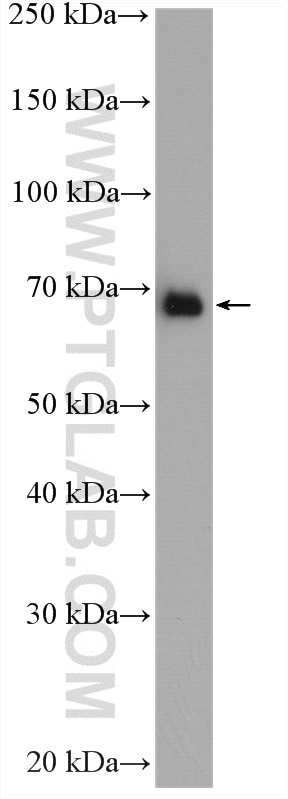
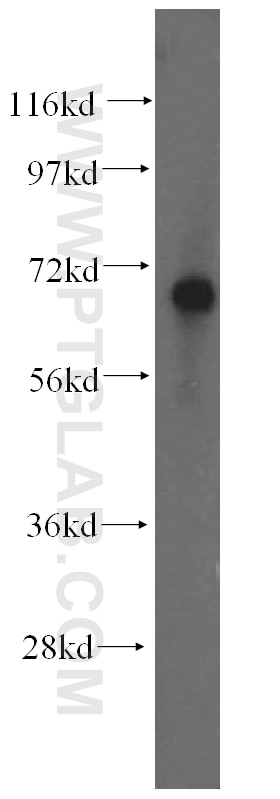
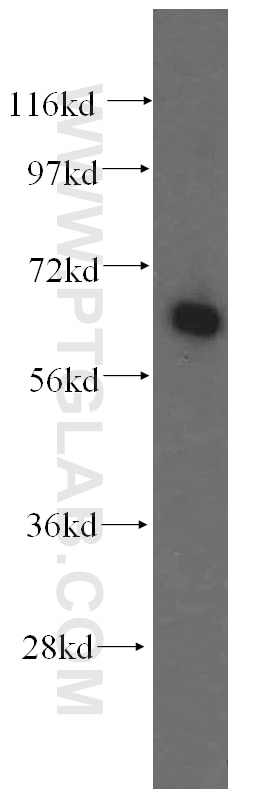
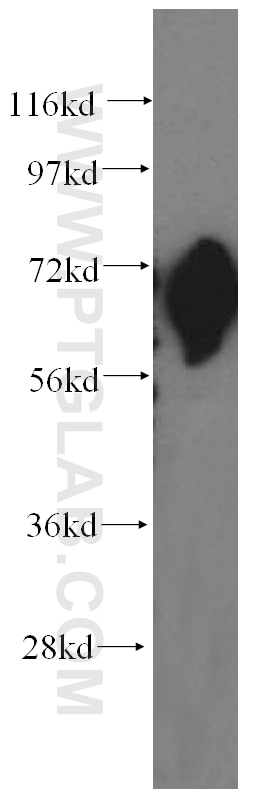
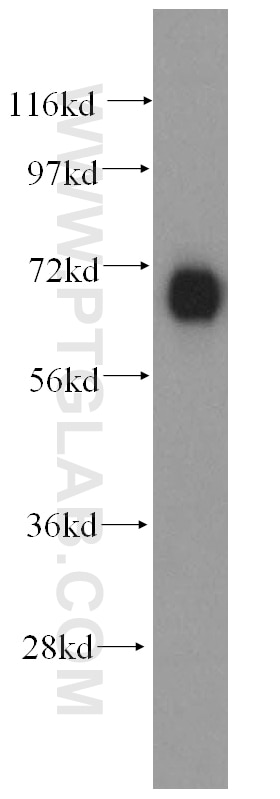
| Positive WB detected in | HepG2 cells, HeLa cells, HL-60 cells, K-562 cells, human liver tissue, mouse brain tissue, PC-3 cells, mouse liver tissue |
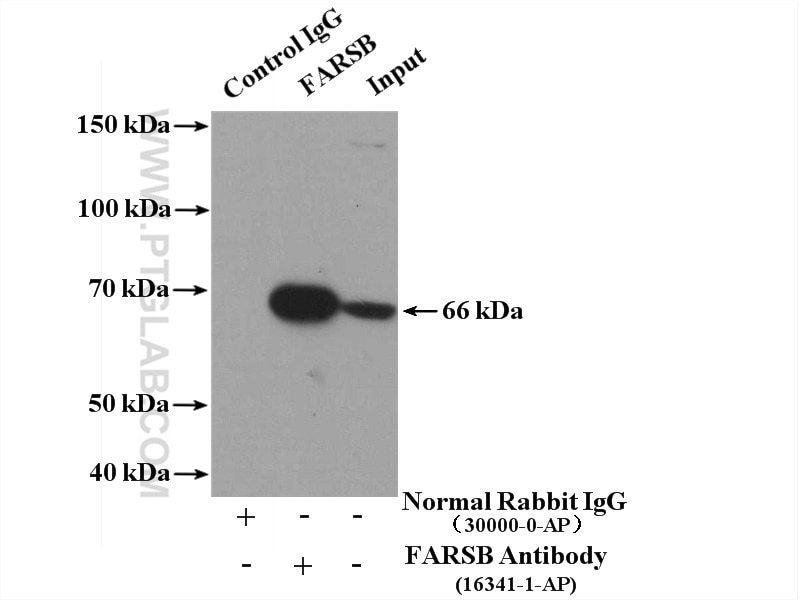
| Positive IP detected in | HeLa cells |
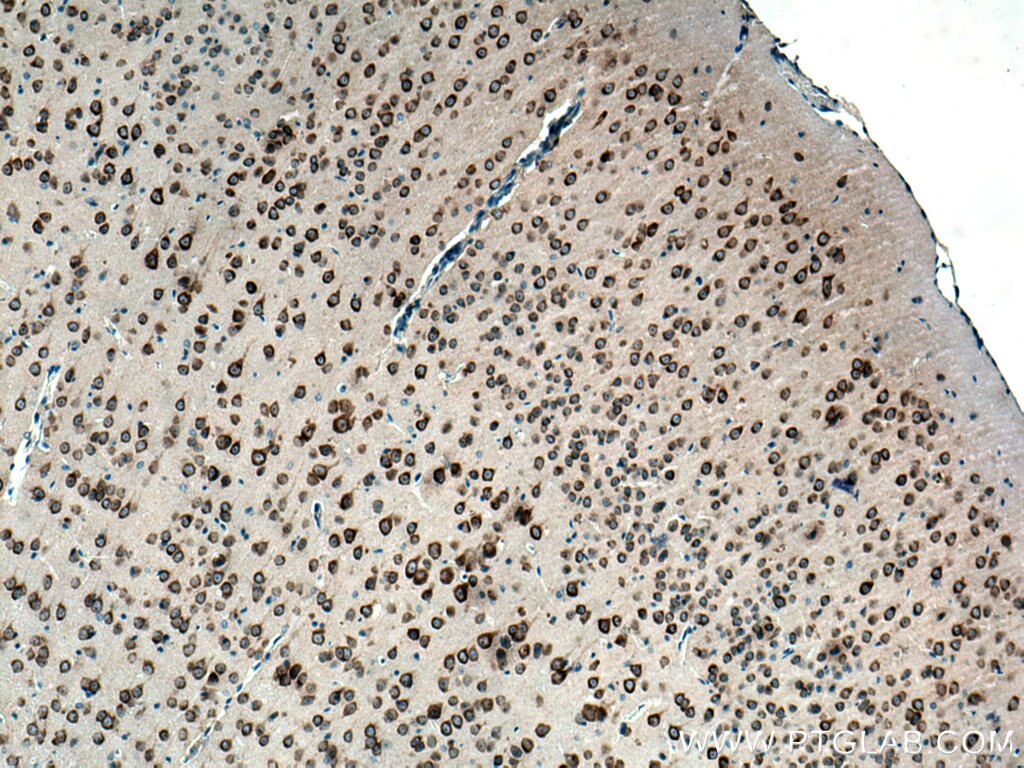
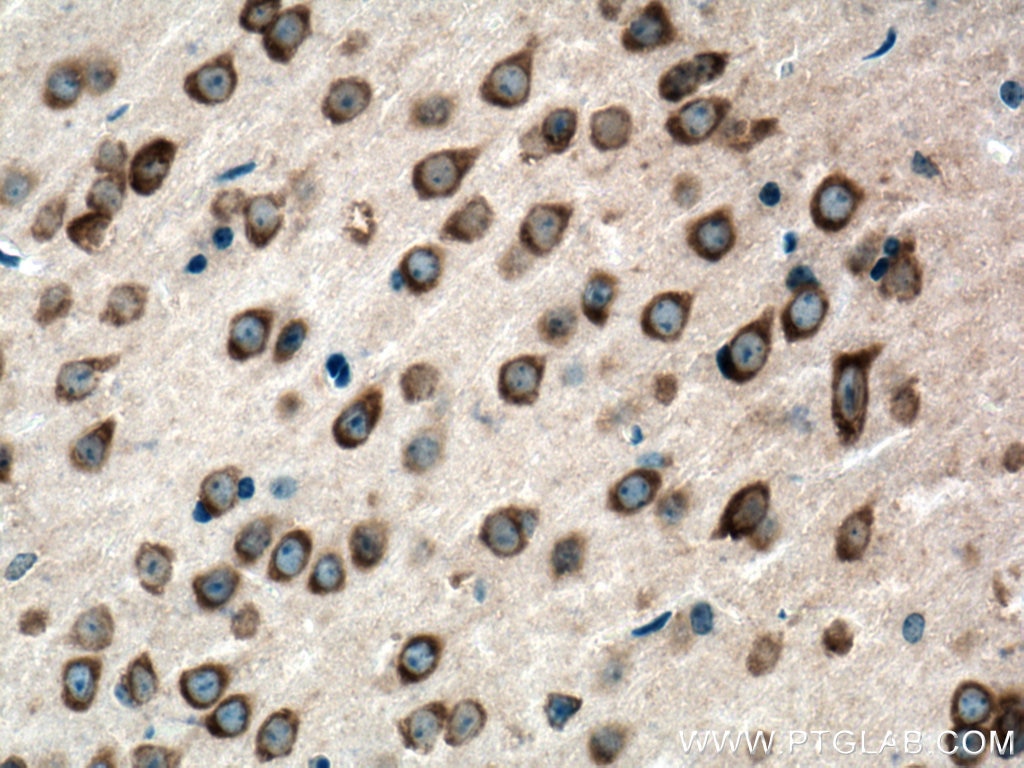
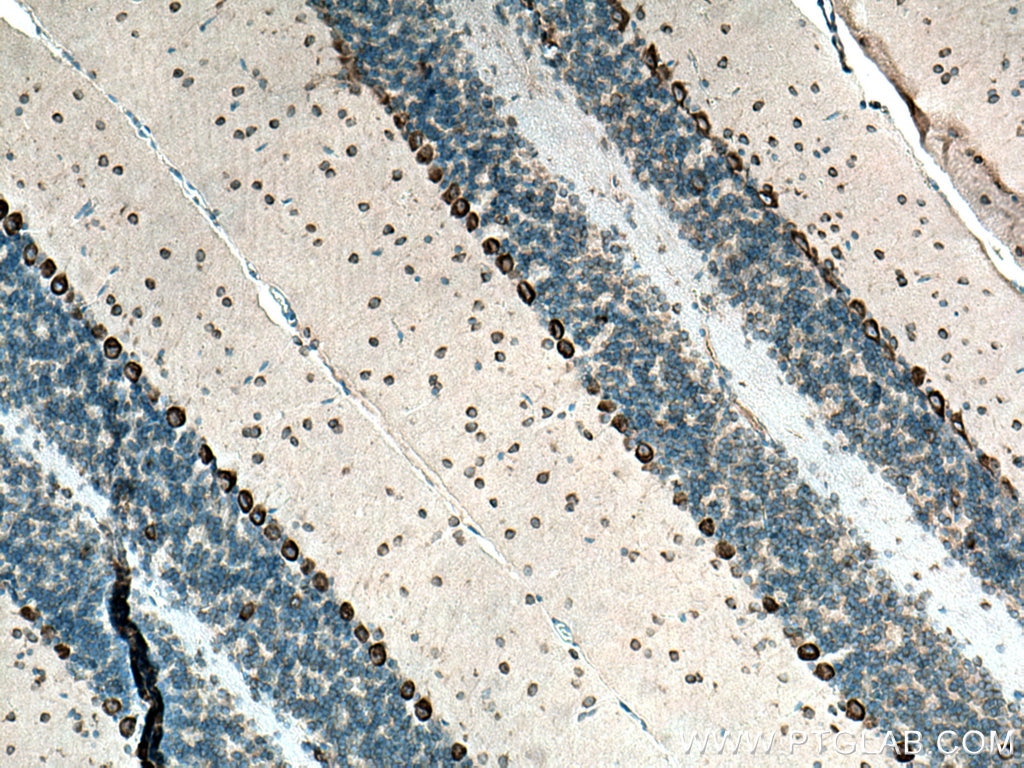
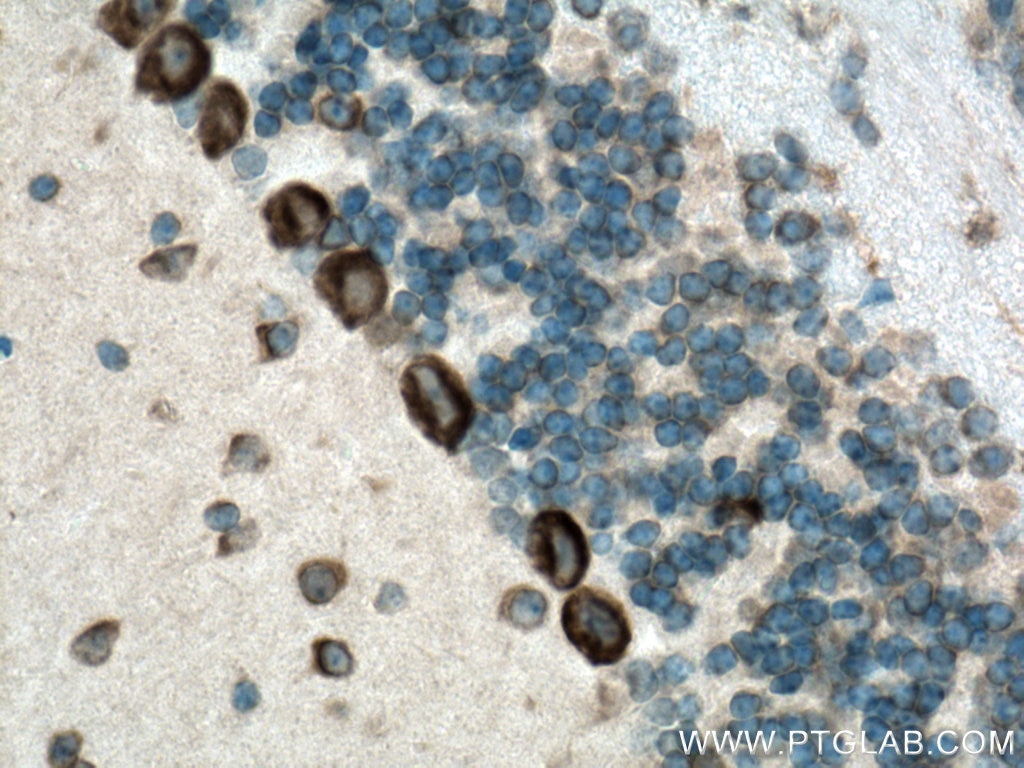
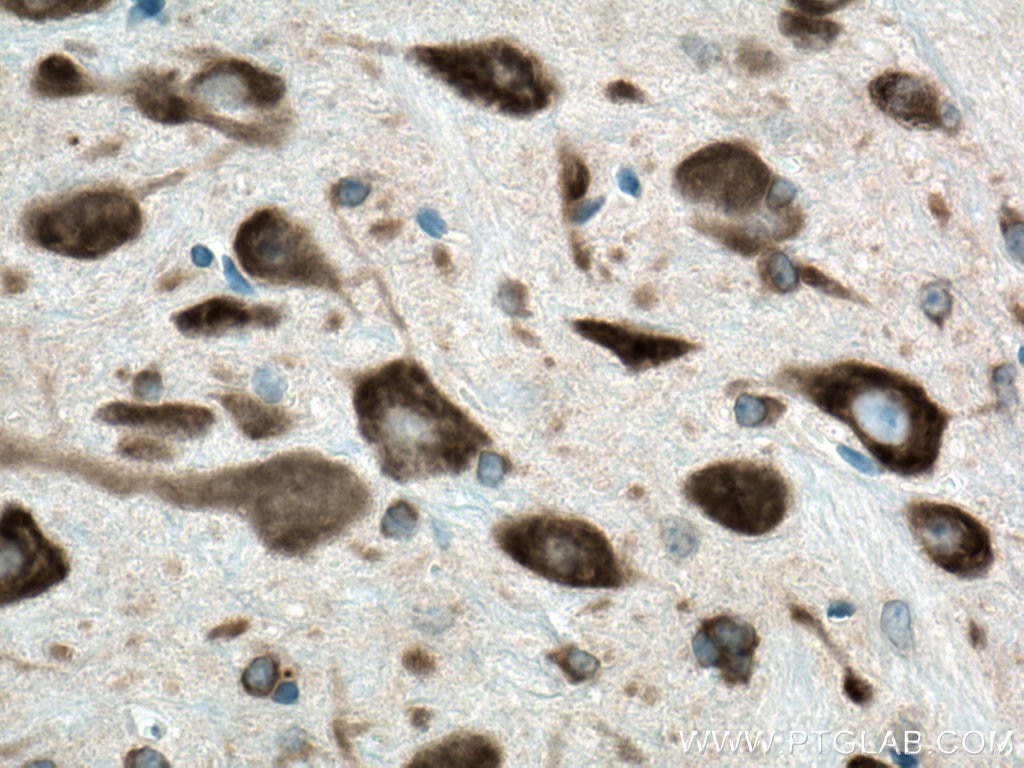
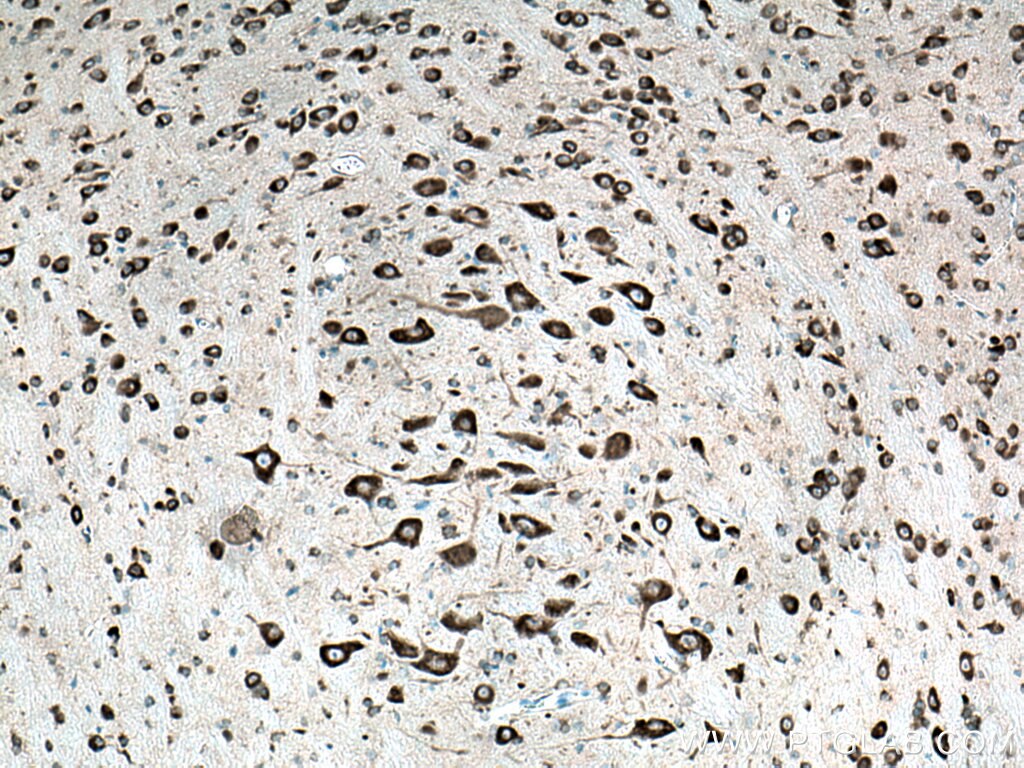
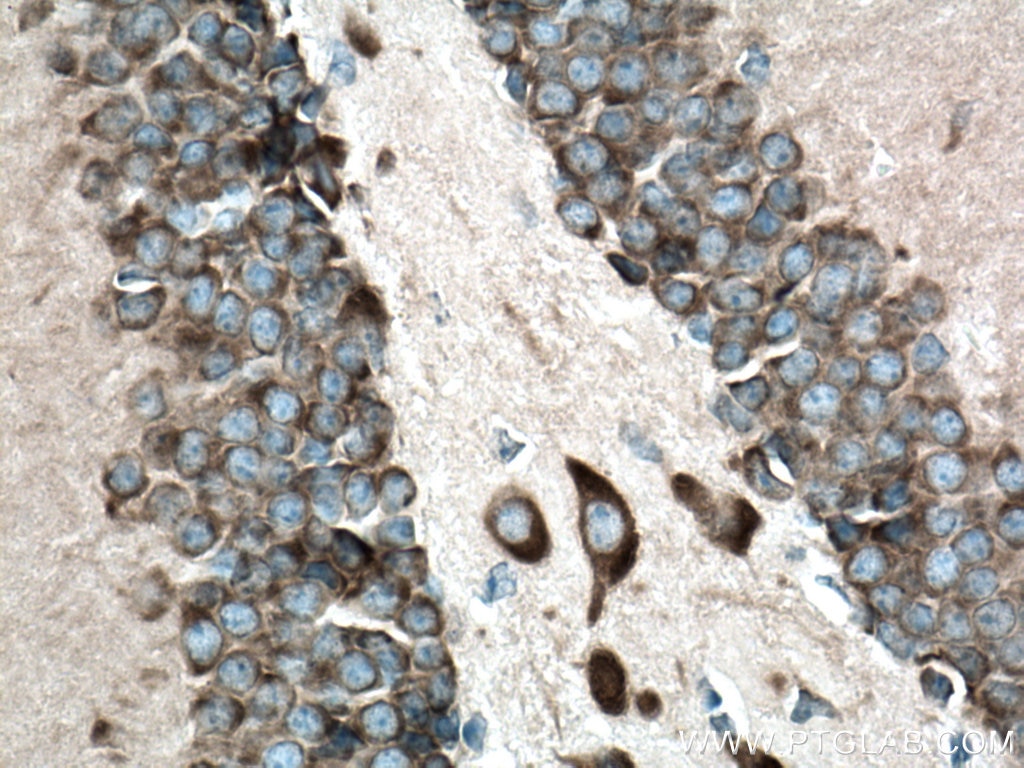
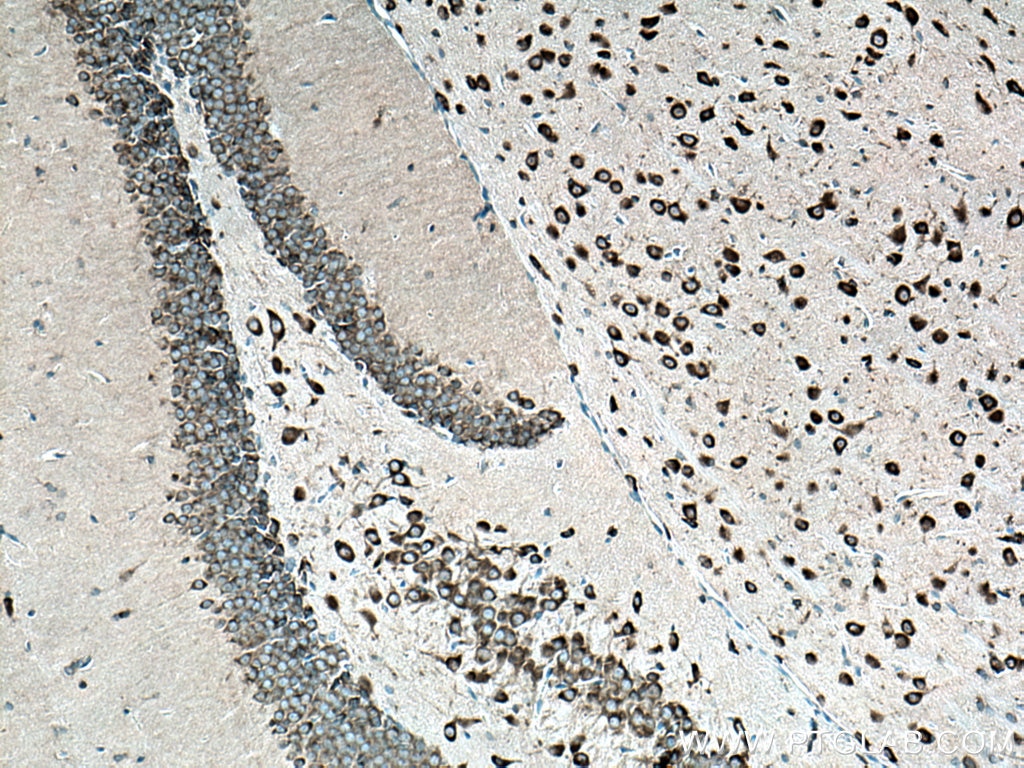
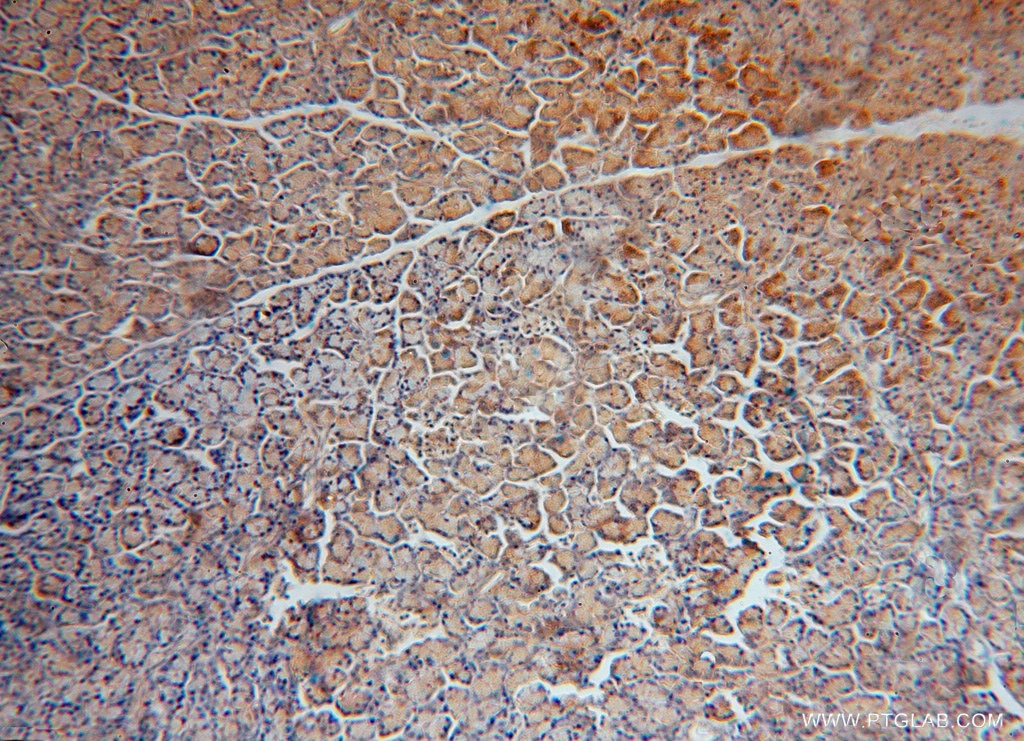
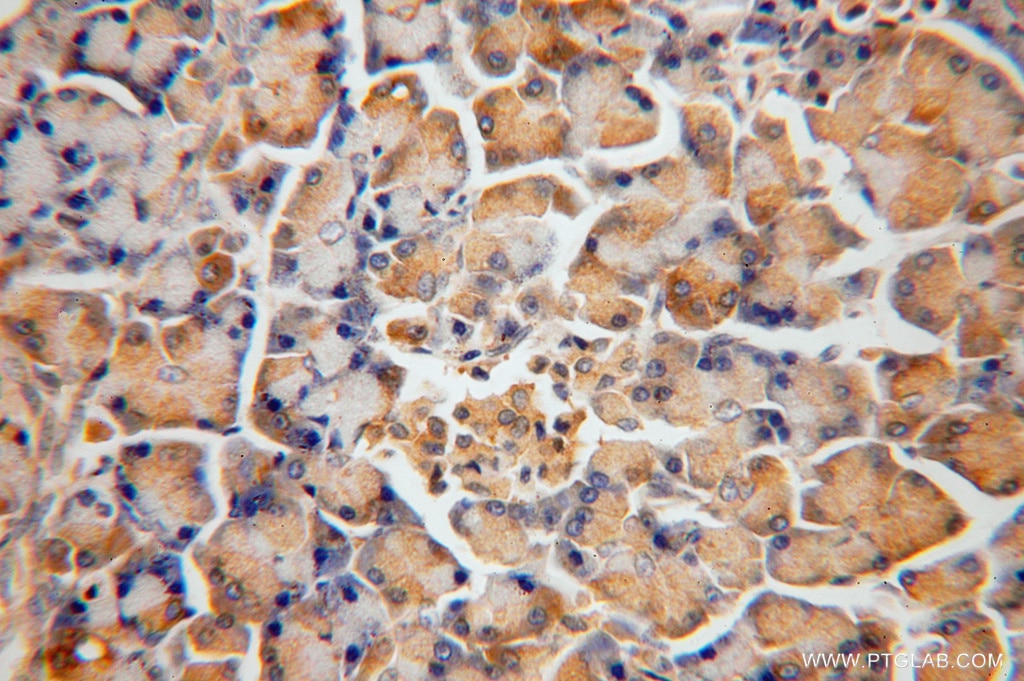
| Positive IHC detected in | mouse brain tissue, mouse cerebellum tissue, human pancreas tissue Note: suggested antigen retrieval with TE buffer pH 9.0; (*) Alternatively, antigen retrieval may be performed with citrate buffer pH 6.0 |
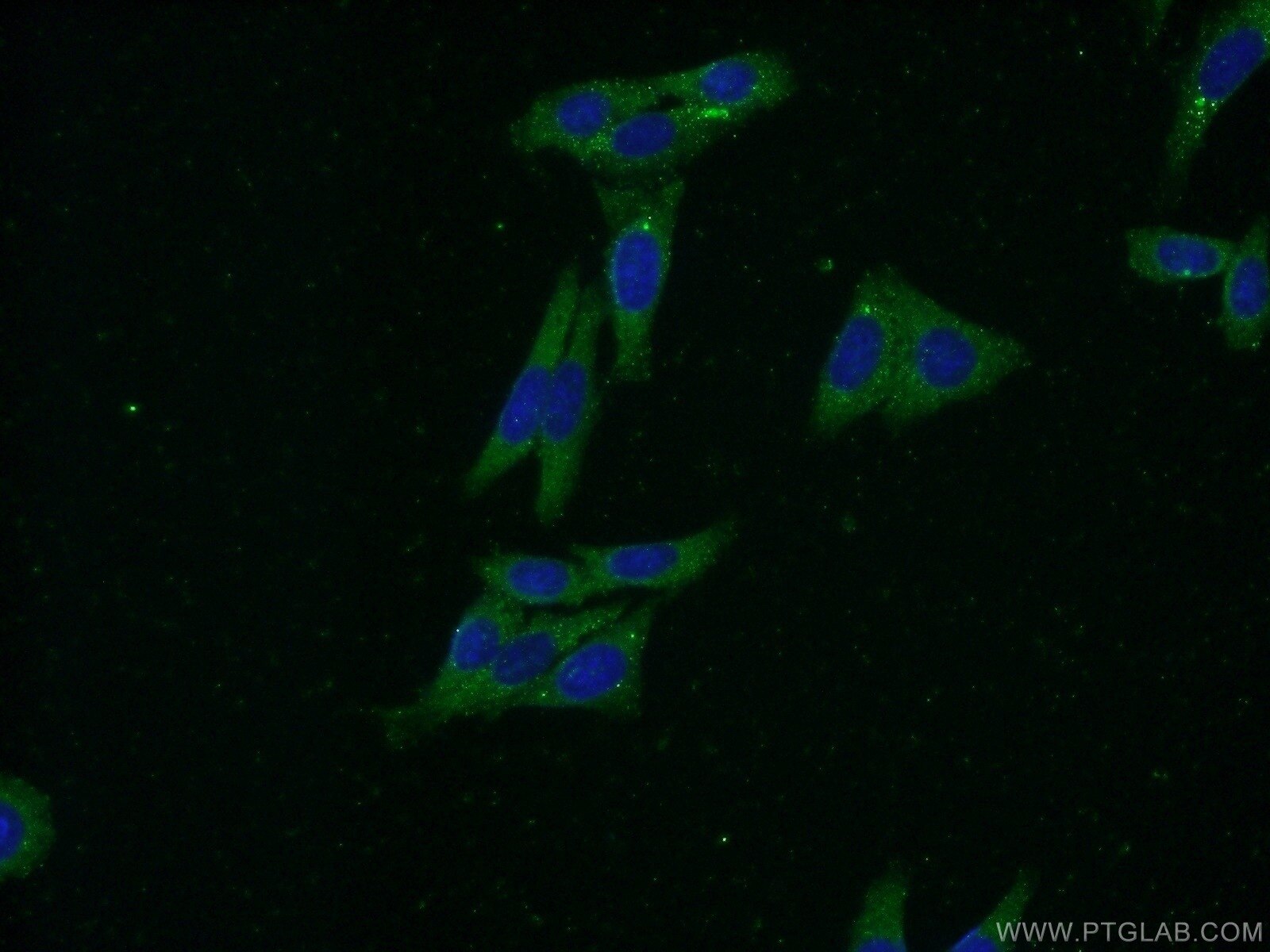
| Positive IF/ICC detected in | HepG2 cells |
Recommended dilution
| Application | Dilution |
|---|---|
| Western Blot (WB) | WB : 1:1000-1:5000 |
| Immunoprecipitation (IP) | IP : 0.5-4.0 ug for 1.0-3.0 mg of total protein lysate |
| Immunohistochemistry (IHC) | IHC : 1:200-1:800 |
| Immunofluorescence (IF)/ICC | IF/ICC : 1:20-1:200 |
| It is recommended that this reagent should be titrated in each testing system to obtain optimal results. | |
| Sample-dependent, Check data in validation data gallery. | |
Product Information
16341-1-AP targets FARSB in WB, IHC, IF/ICC, IP, ELISA applications and shows reactivity with human, mouse, rat samples.
| Tested Reactivity | human, mouse, rat |
| Cited Reactivity | human, mouse, rat |
| Host / Isotype | Rabbit / IgG |
| Class | Polyclonal |
| Type | Antibody |
| Immunogen |
CatNo: Ag9522 Product name: Recombinant human FARSB protein Source: e coli.-derived, PGEX-4T Tag: GST Domain: 240-589 aa of BC017783 Sequence: DHSRITVNTRNIFIECTGTDFTKAKIVLDIIVTMFSEYCENQFTVEAAEVVFPNGKSHTFPELAYRKEMVRADLINKKVGIRETPENLAKLLTRMYLKSEVIGDGNQIEIEIPPTRADIIHACDIVEDAAIAYGYNNIQMTLPKTYTIANQFPLNKLTELLRHDMAAAGFTEALTFALCSQEDIADKLGVDISATKAVHISNPKTAEFQVARTTLLPGLLKTIAANRKMPLPLKLFEISDIVIKDSNTDVGAKNYRHLCAVYYNKNPGFEIIHGLLDRIMQLLDVPPGEDKGGYVIKASEGPAFFPGRCAEIFARGQSVGKLGVLHPDVITKFELTMPCSSLEINIGPFL Predict reactive species |
| Full Name | phenylalanyl-tRNA synthetase, beta subunit |
| Calculated Molecular Weight | 589 aa, 66 kDa |
| Observed Molecular Weight | 66 kDa |
| GenBank Accession Number | BC017783 |
| Gene Symbol | FARSB |
| Gene ID (NCBI) | 10056 |
| RRID | AB_2102515 |
| Conjugate | Unconjugated |
| Form | Liquid |
| Purification Method | Antigen affinity purification |
| UNIPROT ID | Q9NSD9 |
| Storage Buffer | PBS with 0.02% sodium azide and 50% glycerol, pH 7.3. |
| Storage Conditions | Store at -20°C. Stable for one year after shipment. Aliquoting is unnecessary for -20oC storage. 20ul sizes contain 0.1% BSA. |
Protocols
| Product Specific Protocols | |
|---|---|
| IF protocol for FARSB antibody 16341-1-AP | Download protocol |
| IHC protocol for FARSB antibody 16341-1-AP | Download protocol |
| IP protocol for FARSB antibody 16341-1-AP | Download protocol |
| WB protocol for FARSB antibody 16341-1-AP | Download protocol |
| Standard Protocols | |
|---|---|
| Click here to view our Standard Protocols |
Publications
What published studies show
The FARSB polyclonal antibody (Cat# 16341-1-AP) has 5 citations. These appear in Nature Communications (2), Journal of the American Chemical Society, Neural Regeneration Research, and International Journal of Molecular Sciences. The research fields span neurodegeneration (resveratrol effects on histone modification), ALS/FTD-associated RNA toxicity, bioorthogonal chemistry, peripheral nerve injury-related aminoacyl-tRNA synthetase biology, and hepatocellular carcinoma progression via mTORC1 signaling.
| Species | Application | Title |
|---|---|---|
Nat Commun Phenylalanine-tRNA aminoacylation is compromised by ALS/FTD-associated C9orf72 C4G2 repeat RNA | ||
Nat Commun Cis- and trans-resveratrol have opposite effects on histone serine-ADP-ribosylation and tyrosine induced neurodegeneration. | ||
J Am Chem Soc Oxidation-Controlled, Strain-Promoted Tellurophene-Alkyne Cycloaddition (OSTAC): A Bioorthogonal Tellurophene-Dependent Conjugation Reaction | ||
Neural Regen Res A novel therapeutic target for peripheral nerve injury-related diseases: aminoacyl-tRNA synthetases. | ||
Int J Mol Sci FARSB Facilitates Hepatocellular Carcinoma Progression by Activating the mTORC1 Signaling Pathway |




















