


Tested Applications
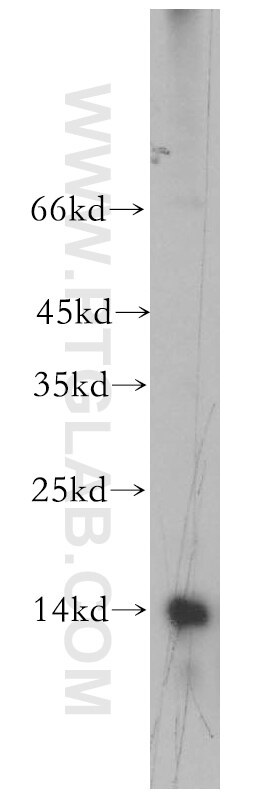
| Positive WB detected in | HT-29 cells, mouse liver tissue |
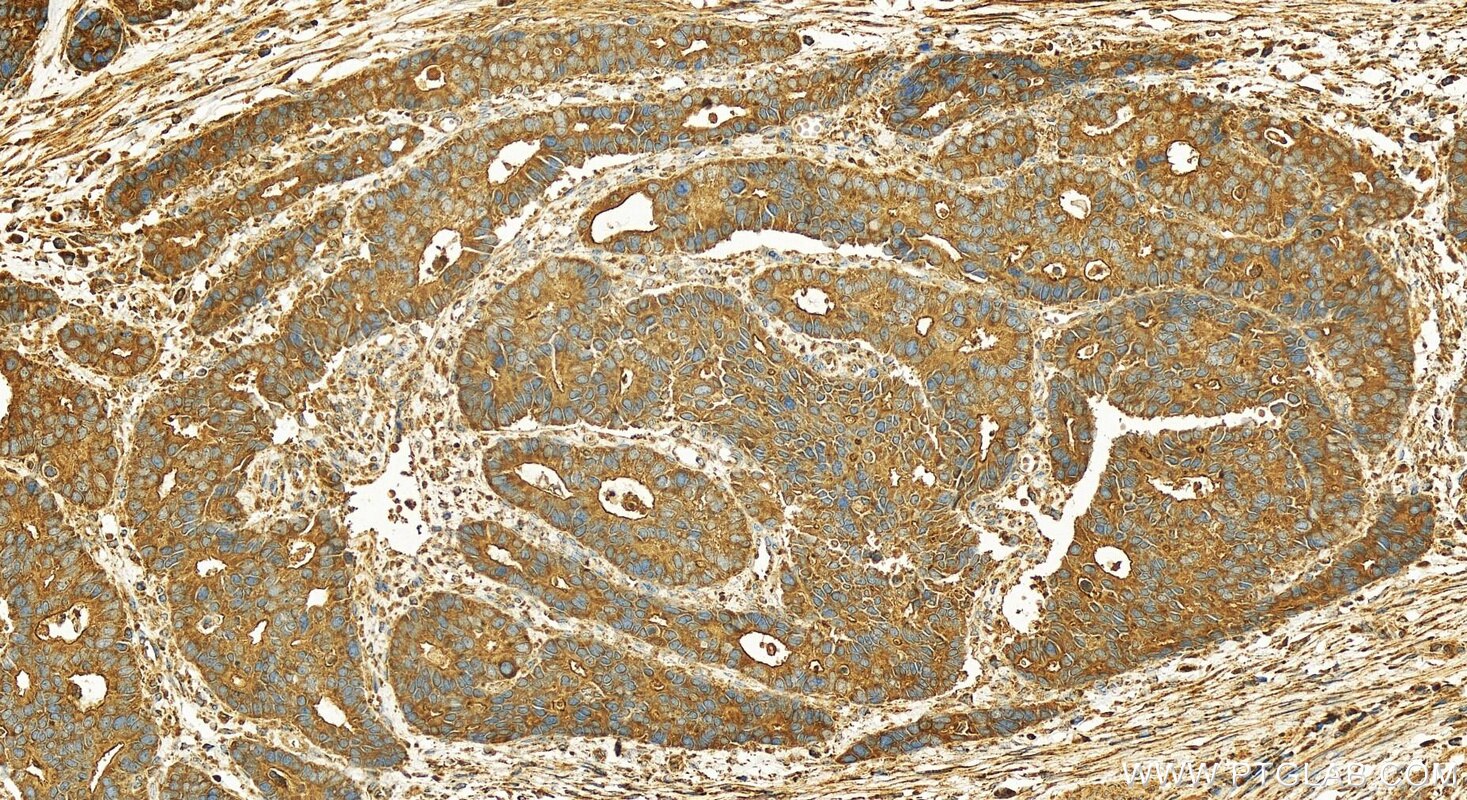
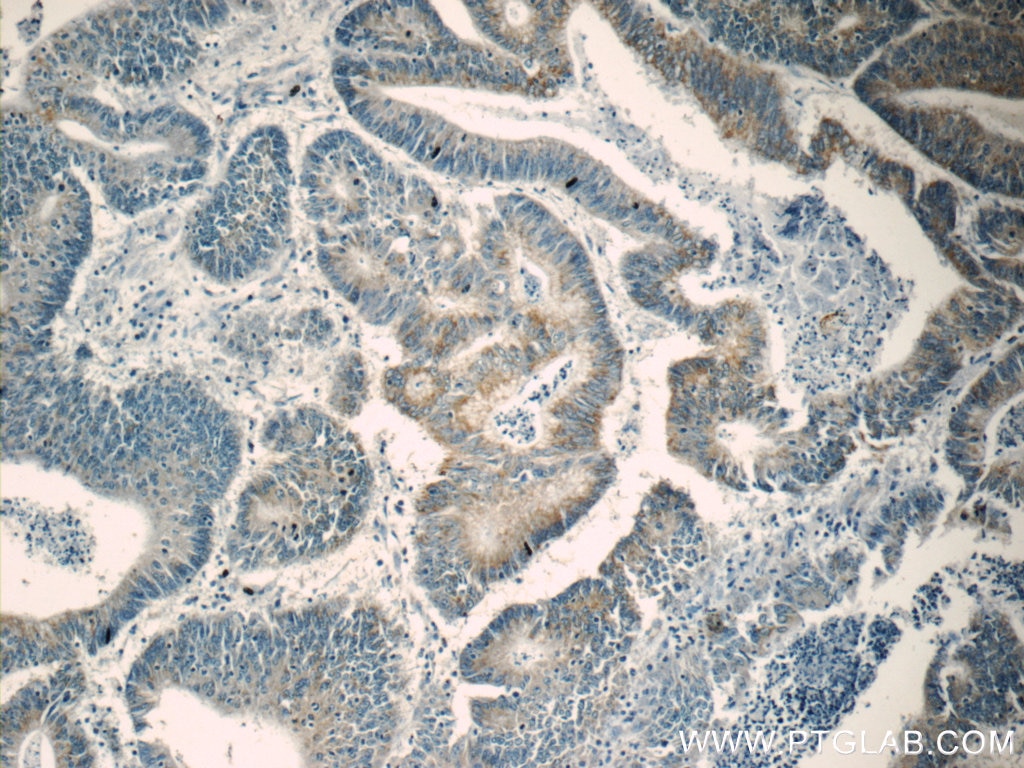
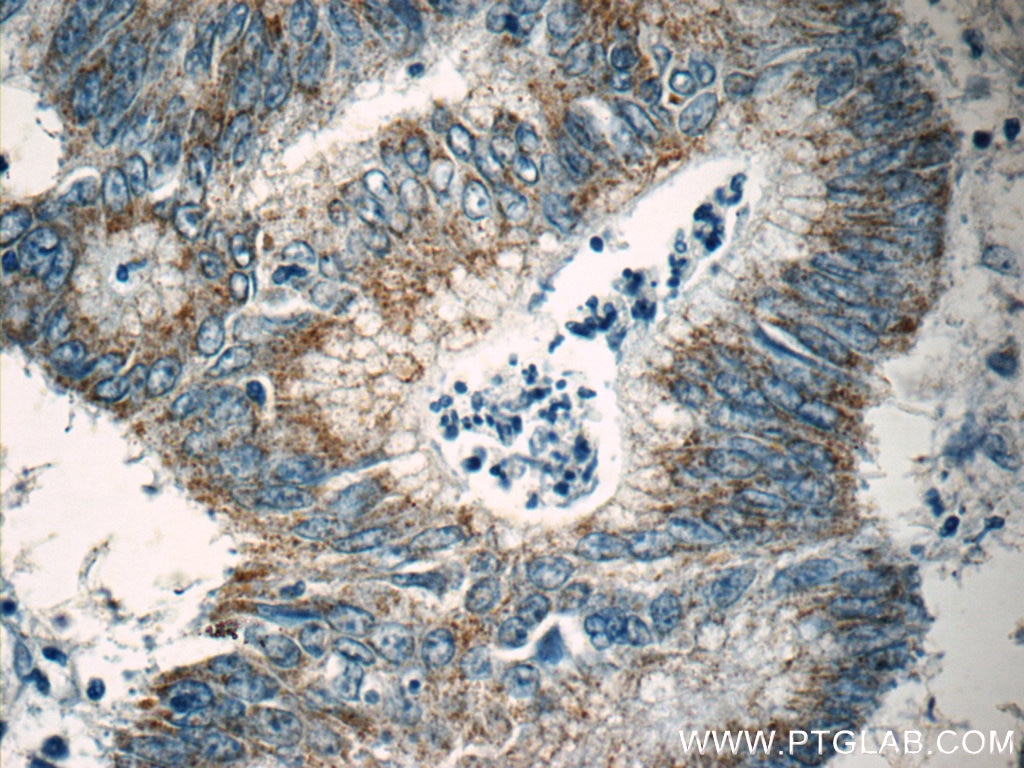
| Positive IHC detected in | human stomach tissue, human colon cancer tissue Note: suggested antigen retrieval with TE buffer pH 9.0; (*) Alternatively, antigen retrieval may be performed with citrate buffer pH 6.0 |
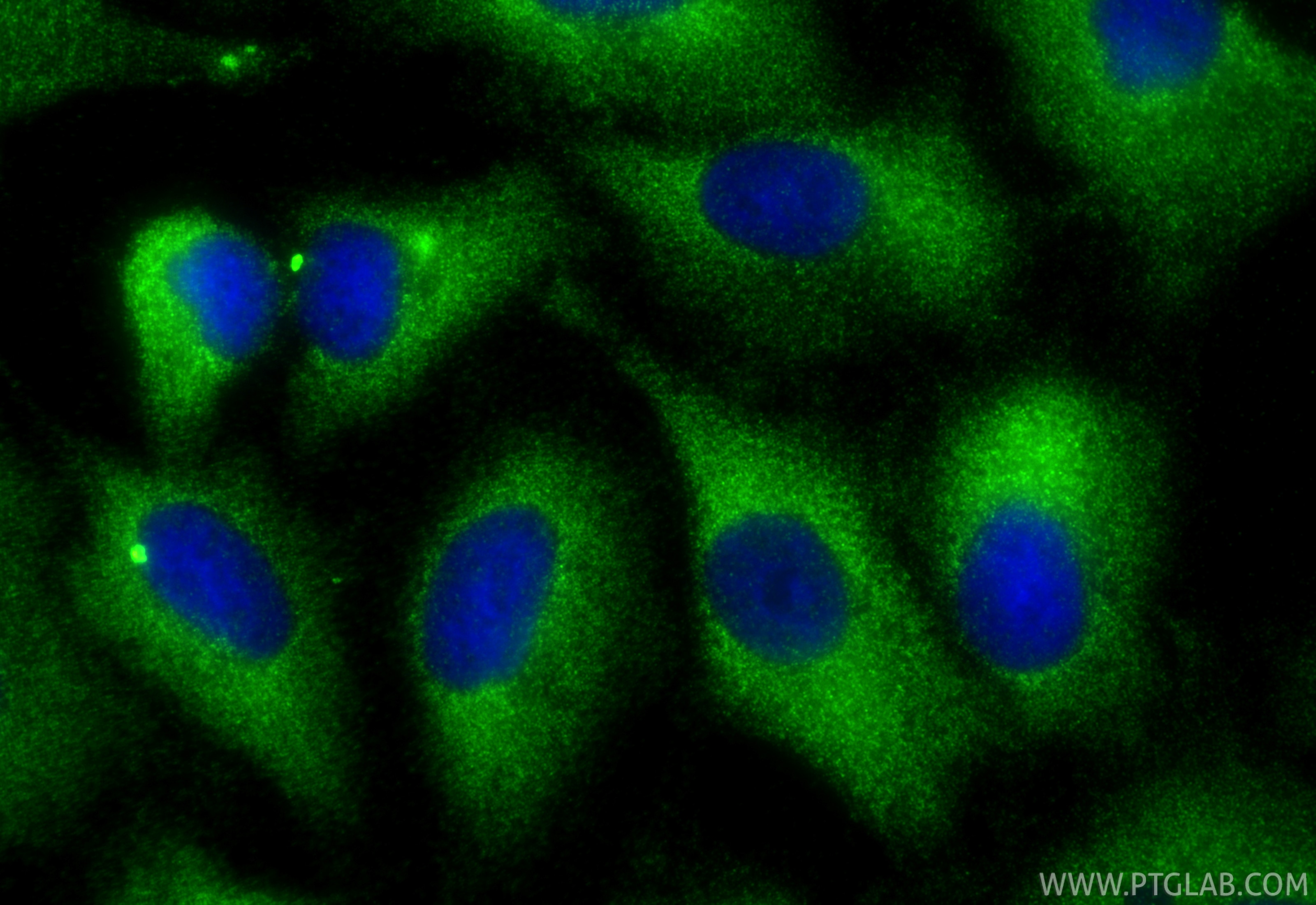
| Positive IF/ICC detected in | A549 cells |
Recommended dilution
| Application | Dilution |
|---|---|
| Western Blot (WB) | WB : 1:500-1:1000 |
| Immunohistochemistry (IHC) | IHC : 1:300-1:1200 |
| Immunofluorescence (IF)/ICC | IF/ICC : 1:200-1:800 |
| It is recommended that this reagent should be titrated in each testing system to obtain optimal results. | |
| Sample-dependent, Check data in validation data gallery. | |
Product Information
13581-1-AP targets FAU in WB, IHC, IF/ICC, ELISA applications and shows reactivity with human, mouse, rat samples.
| Tested Reactivity | human, mouse, rat |
| Cited Reactivity | human, mouse, chicken |
| Host / Isotype | Rabbit / IgG |
| Class | Polyclonal |
| Type | Antibody |
| Immunogen |
CatNo: Ag4504 Product name: Recombinant human FAU protein Source: e coli.-derived, PGEX-4T Tag: GST Domain: 1-133 aa of BC033877 Sequence: MQLFVRAQELHTFEVTGQETVAQIKAHVASLEGIAPEDQVVLLAGAPLEDEATLGQCGVEALTTLEVAGRMLGGKVHGSLARAGKVRGQTPKVAKQEKKKKKTGRAKRRMQYNRRFVNVVPTFGKKKGPNANS Predict reactive species |
| Full Name | Finkel-Biskis-Reilly murine sarcoma virus (FBR-MuSV) ubiquitously expressed |
| Calculated Molecular Weight | 133 aa, 14 kDa |
| Observed Molecular Weight | 14 kDa |
| GenBank Accession Number | BC033877 |
| Gene Symbol | FAU |
| Gene ID (NCBI) | 2197 |
| RRID | AB_2100970 |
| Conjugate | Unconjugated |
| Form | Liquid |
| Purification Method | Antigen affinity purification |
| UNIPROT ID | P35544 |
| Storage Buffer | PBS with 0.02% sodium azide and 50% glycerol, pH 7.3. |
| Storage Conditions | Store at -20°C. Stable for one year after shipment. Aliquoting is unnecessary for -20oC storage. 20ul sizes contain 0.1% BSA. |
Protocols
| Product Specific Protocols | |
|---|---|
| IF protocol for FAU antibody 13581-1-AP | Download protocol |
| IHC protocol for FAU antibody 13581-1-AP | Download protocol |
| WB protocol for FAU antibody 13581-1-AP | Download protocol |
| Standard Protocols | |
|---|---|
| Click here to view our Standard Protocols |
Publications
What published studies show
The FAU Polyclonal antibody (Cat# 13581-1-AP) has 7 total citations published in journals including Nature Aging, Hepatology, Nature Chemical Biology, International Journal of Biological Macromolecules, Biomedicine & Pharmacotherapy, Cellular and Molecular Life Sciences, and Stem Cells. Research fields span immune autoreactivity via nuclear antigen presentation, liver progenitor cell maturation through YAP/TAZ regulation, ubiquitin cross-reactivity mechanisms, viral integrase interactome profiling, melanoma metastasis and senescence, ribosome heterogeneity proteomics, and stem cell proliferation with immune regulation.
| Species | Application | Title |
|---|---|---|
Nat Aging DNA damage in macrophages drives immune autoreactivity via nuclear antigen presentation. | ||
Hepatology LATS1 and LATS2 regulate mouse liver progenitor cell proliferation and maturation through antagonism of the coactivators YAP and TAZ. | ||
Int J Biol Macromol Unveiling the host arsenal: Interactome profiling of ALV-J p32 integrase reveals novel antiviral targets. | ||
Biomed Pharmacother Fangchinoline suppresses melanoma metastasis by inducing senescence of circulating tumor cells.
| ||
Cell Mol Life Sci Proteomics-based characterization of ribosome heterogeneity in adult mouse organs |







