

Tested Applications
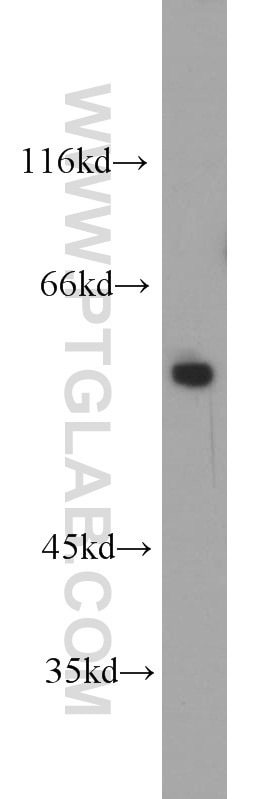
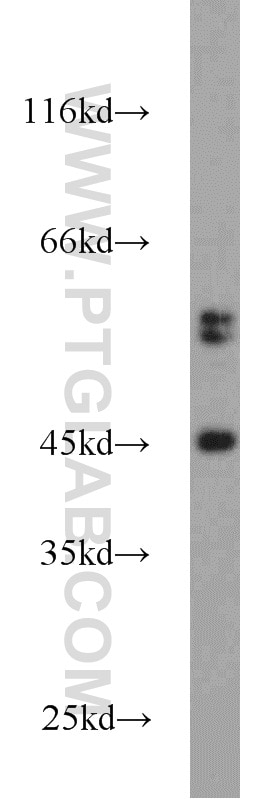
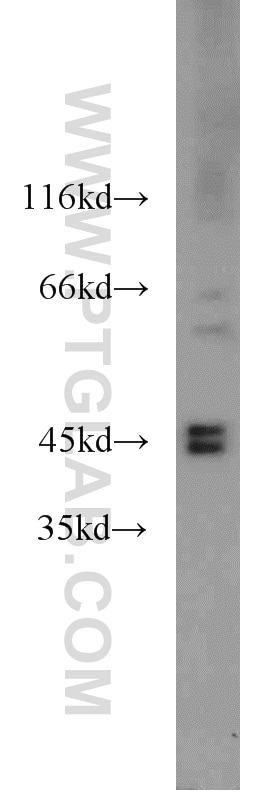
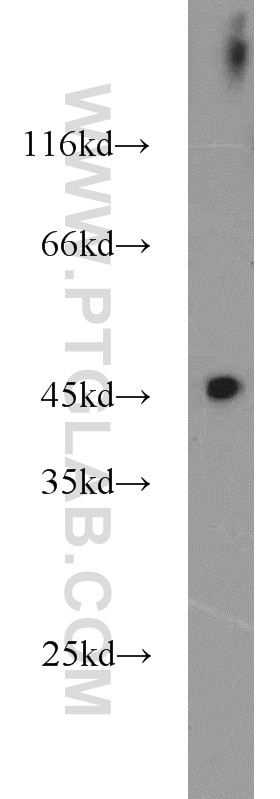
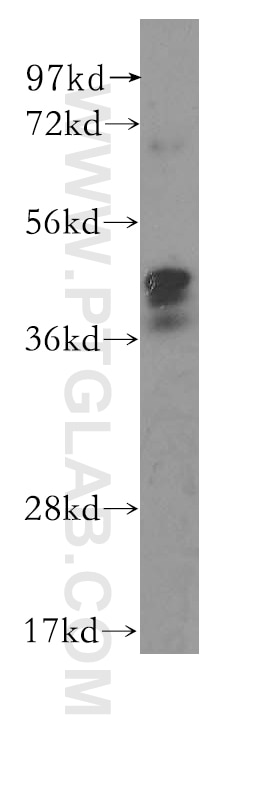
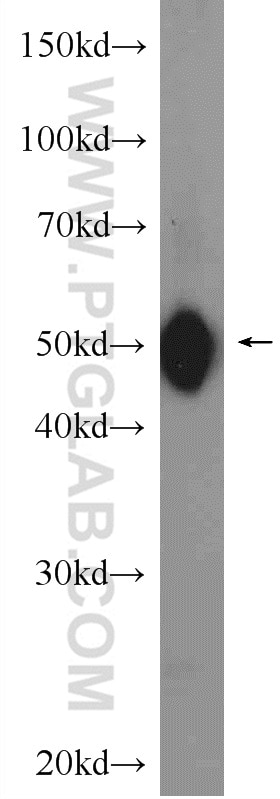
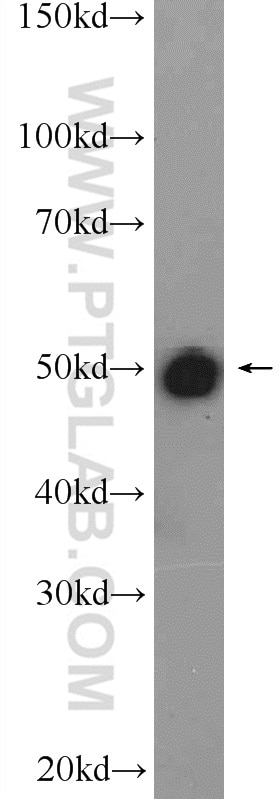
| Positive WB detected in | HEK-293 cells, HeLa cells, HepG2 cells, human ovary tissue, K-562 cells, mouse kidney tissue, rat liver tissue |
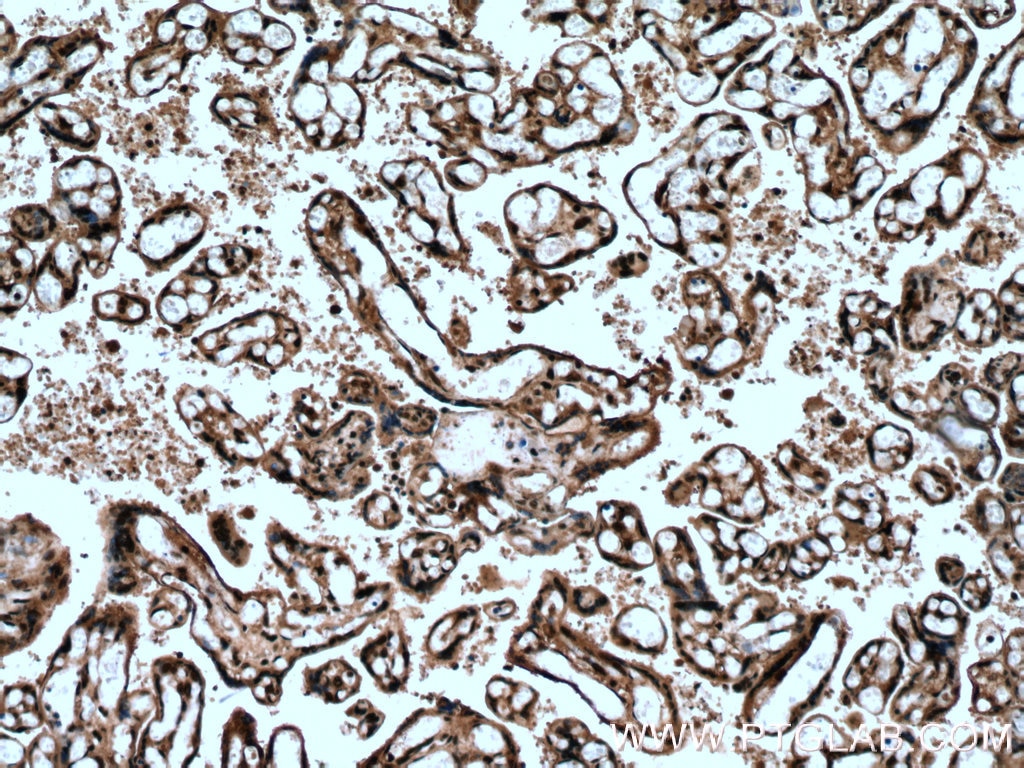
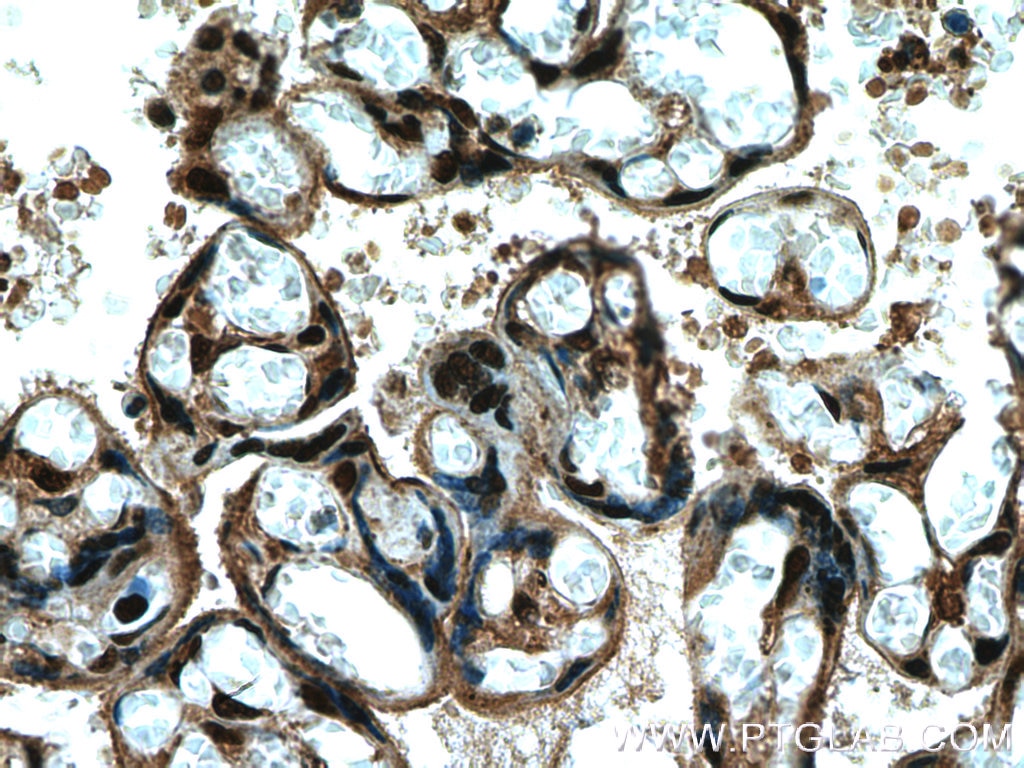
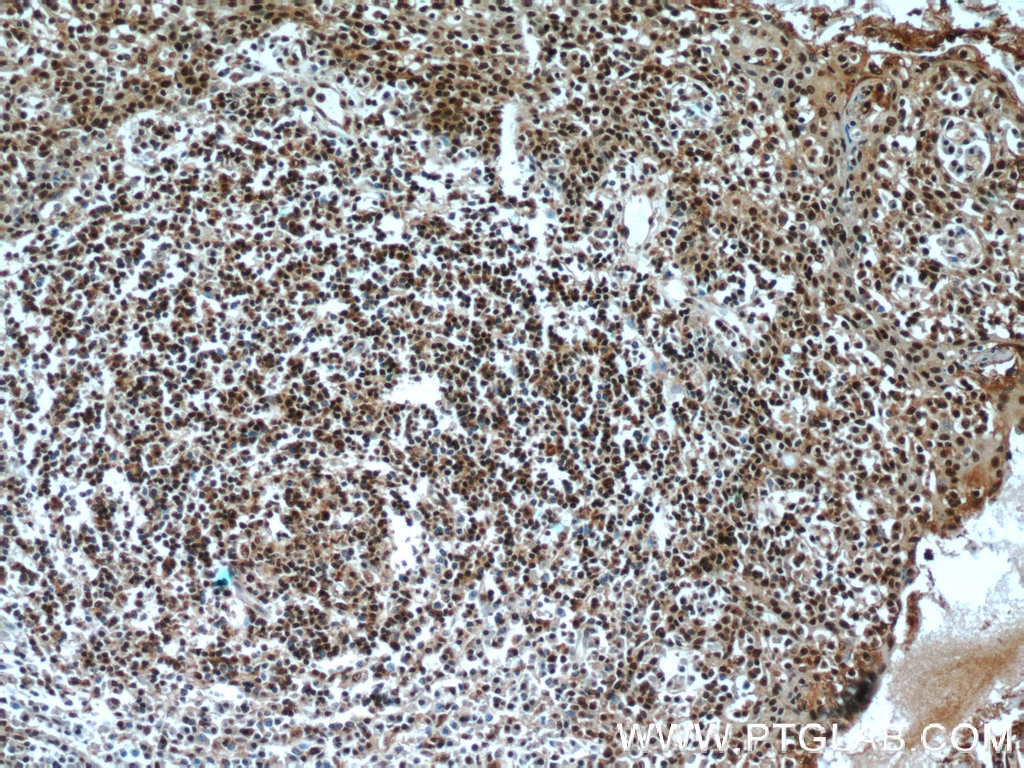
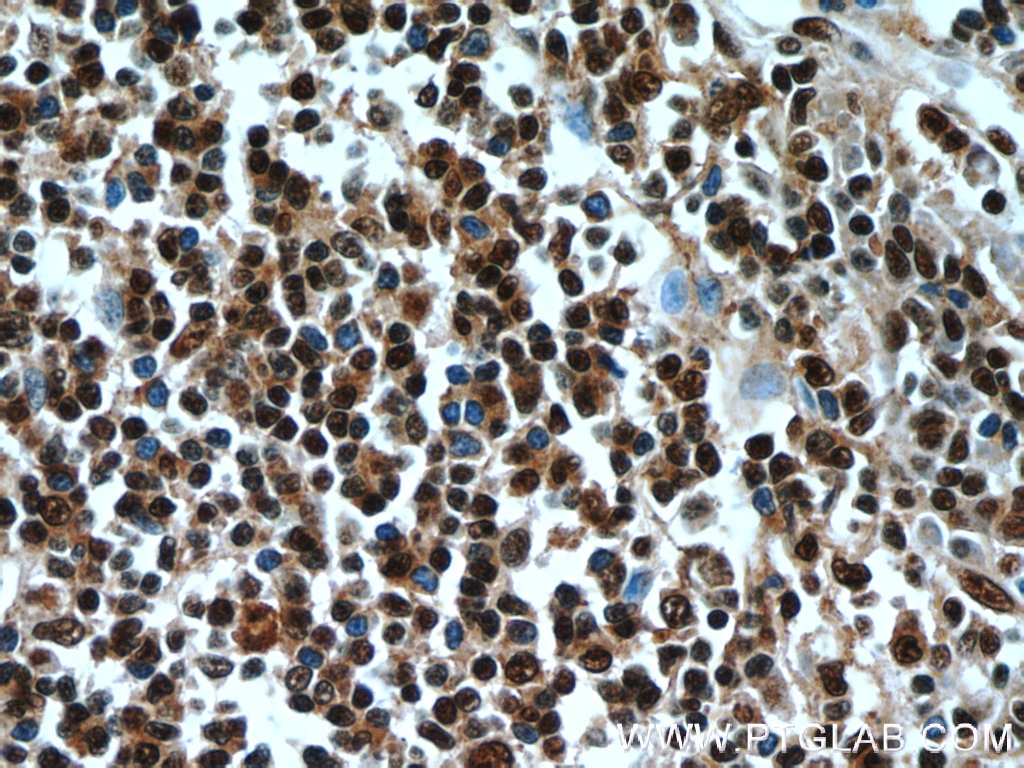
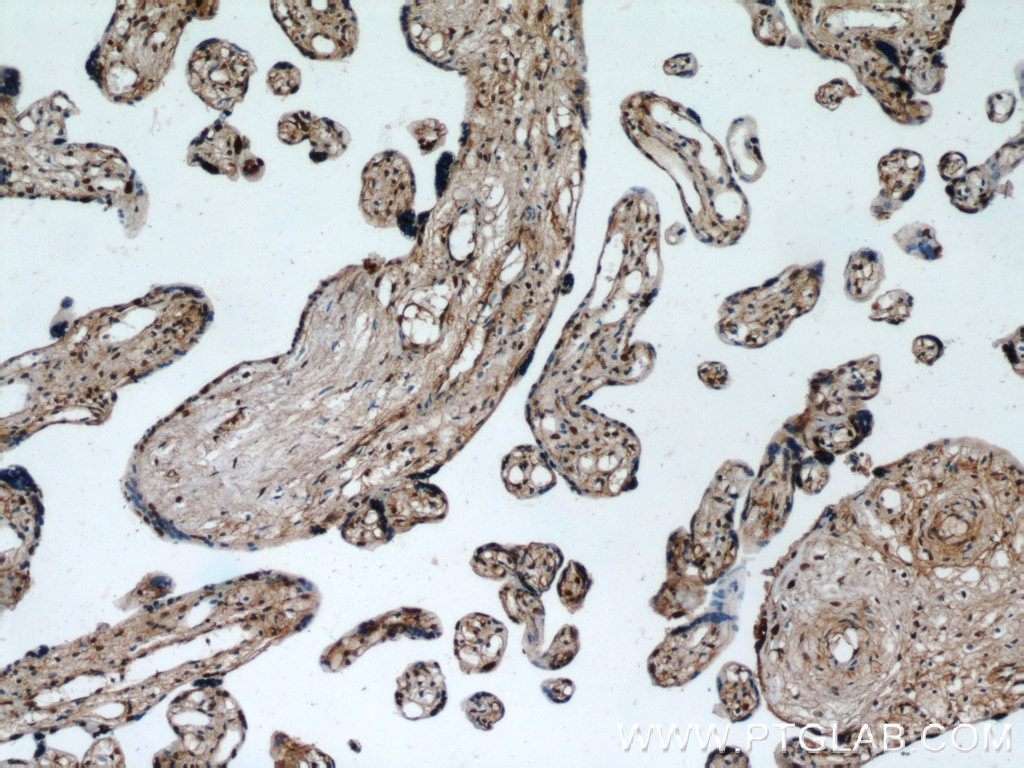
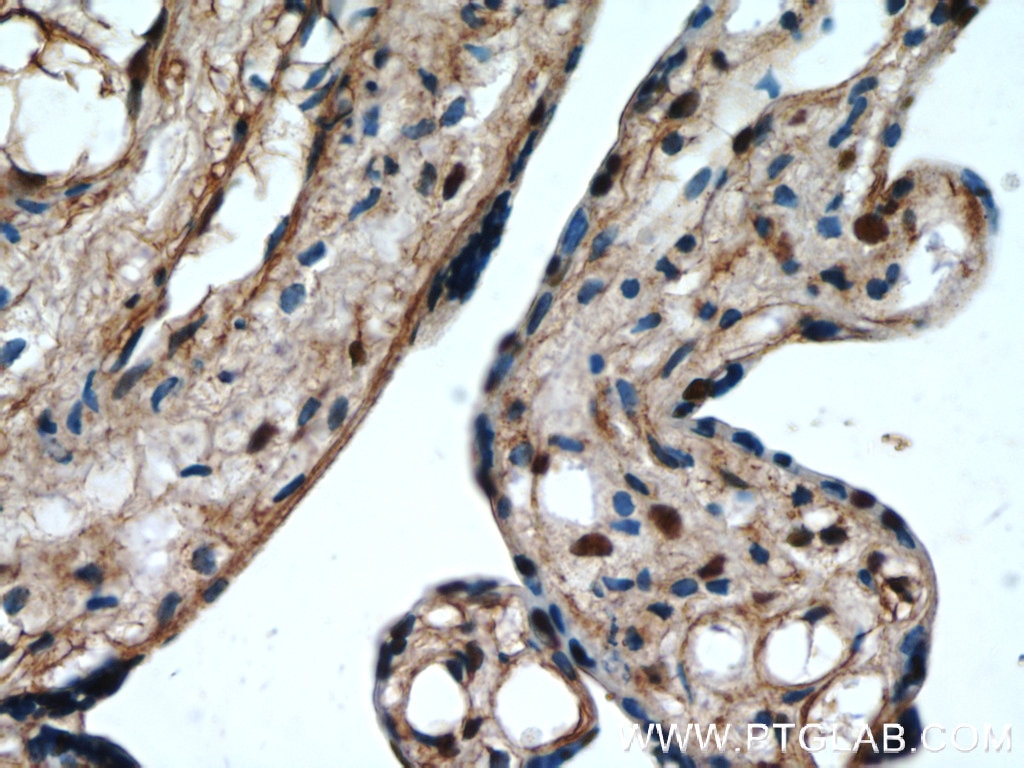
| Positive IHC detected in | human placenta tissue, human tonsillitis tissue Note: suggested antigen retrieval with TE buffer pH 9.0; (*) Alternatively, antigen retrieval may be performed with citrate buffer pH 6.0 |
Recommended dilution
| Application | Dilution |
|---|---|
| Western Blot (WB) | WB : 1:500-1:2000 |
| Immunohistochemistry (IHC) | IHC : 1:50-1:500 |
| It is recommended that this reagent should be titrated in each testing system to obtain optimal results. | |
| Sample-dependent, Check data in validation data gallery. | |
Product Information
10872-1-AP targets FBXO5 in WB, IHC, ELISA applications and shows reactivity with human, mouse, rat samples.
| Tested Reactivity | human, mouse, rat |
| Cited Reactivity | human |
| Host / Isotype | Rabbit / IgG |
| Class | Polyclonal |
| Type | Antibody |
| Immunogen |
CatNo: Ag1296 Product name: Recombinant human FBXO5 protein Source: e coli.-derived, PGEX-4T Tag: GST Domain: 1-447 aa of BC018905 Sequence: MSRRPCSCALRPPRCSCSASPSAVTAAGRPRPSDSCKEESSTLSVKMKCDFNCNHVHSGLKLVKPDDIGRLVSYTPAYLEGSCKDCIKDYERLSCIGSPIVSPRIVELETESKRLHNKENQHVQQTLNSTNEIEALETSRLYEDSGYSSFSLQSGLSEHEEGSLLEENFGDSLQSCLLQIQSPDQYPNKNLLPVLHFEKVVCSTLKKNAKRNPKVDREMLKEIIARGNFRLQNIIGRKMGLECVDILSELFRRGLRHVLATILAQLSDMDLINVSKVSTTWKKILEDDKGAFQLYSKAIQRVTENNNKFSPHASTREYVMFRTPLASVQKSAAQTSLKKDAQTKLSNQGDQKGSTYSRHNEFSEVAKTLKKNESLKACIRCNSPAKYDCYLQRATCKREGCGFDYCTKCLCNYHTTKDCSDGKLLKASCKIGPLPGTKKSKKNLRRL Predict reactive species |
| Full Name | F-box protein 5 |
| Calculated Molecular Weight | 54 kDa |
| Observed Molecular Weight | 56 kDa, 45 kDa |
| GenBank Accession Number | BC018905 |
| Gene Symbol | FBXO5 |
| Gene ID (NCBI) | 26271 |
| RRID | AB_2247034 |
| Conjugate | Unconjugated |
| Form | Liquid |
| Purification Method | Antigen affinity purification |
| UNIPROT ID | Q9UKT4 |
| Storage Buffer | PBS with 0.02% sodium azide and 50% glycerol, pH 7.3. |
| Storage Conditions | Store at -20°C. Stable for one year after shipment. Aliquoting is unnecessary for -20oC storage. 20ul sizes contain 0.1% BSA. |
Background Information
FBXO5, also named as EMI1 and FBX5, is a key regulator of the normal cell cycle. It is a a zinc finger protein expressed by a variety of adult tissues and especially in proliferating Ki-67-positive cells. It binds to the APC activators CDC20 and FZR1/CDH1 to prevent APC activation. FBXO5 can also bind directly to the APC to inhibit substrate-binding.
Protocols
| Product Specific Protocols | |
|---|---|
| IHC protocol for FBXO5 antibody 10872-1-AP | Download protocol |
| WB protocol for FBXO5 antibody 10872-1-AP | Download protocol |
| Standard Protocols | |
|---|---|
| Click here to view our Standard Protocols |
Publications
What published studies show
FBXO5 Polyclonal antibody (Cat# 10872-1-AP) has 12 citations published in journals including Nature, Nature Communications, Journal of Cellular and Molecular Medicine, Current Issues in Molecular Biology, Experimental Cell Research, Journal of Cancer Research and Clinical Oncology, Molecular Cell Probes, Discovery Oncology, Pathology – Oncology Research, and Translational Cancer Research. Research fields span cell cycle regulation, DNA replication, and multiple cancer types including glioma, lung, gastric, hepatocellular, prostate, and esophageal cancers.
| Species | Application | Title |
|---|---|---|
Nat Commun The DNA replication machinery transmits dual signals to prevent unscheduled licensing and execution of centrosome duplication | ||
Nat Commun DNA replication initiation factor RECQ4 possesses a role in antagonizing DNA replication initiation | ||
J Cell Mol Med An upstream open reading frame regulates vasculogenic mimicry of glioma via ZNRD1-AS1/miR-499a-5p/ELF1/EMI1 pathway. | ||
Curr Issues Mol Biol Downregulation of Splicing Factor PTBP1 Curtails FBXO5 Expression to Promote Cellular Senescence in Lung Adenocarcinoma
| ||
Exp Cell Res The transcript ENST00000444125 of lncRNA LINC01503 promotes cancer stem cell properties of glioblastoma cells via reducing FBXW1 mediated GLI2 degradation. |














