

Tested Applications
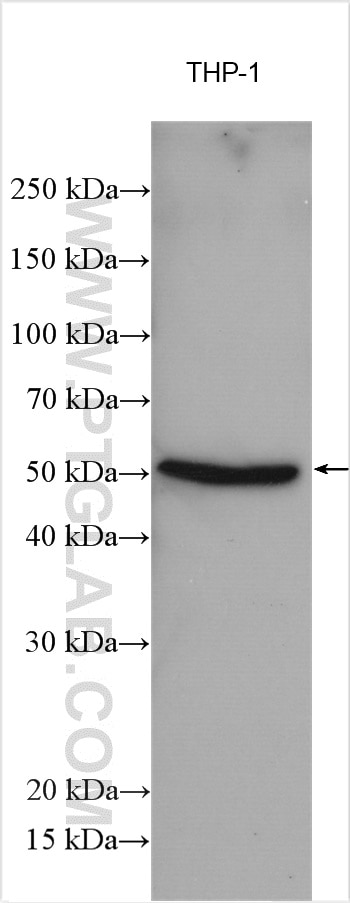
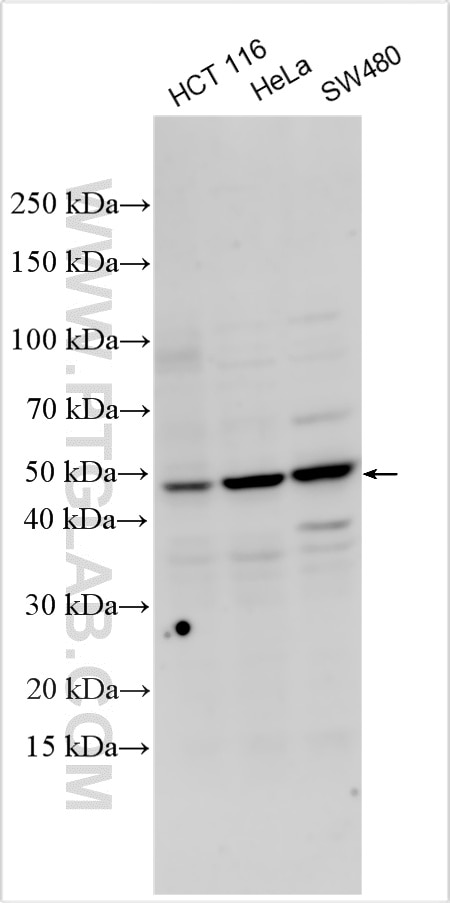
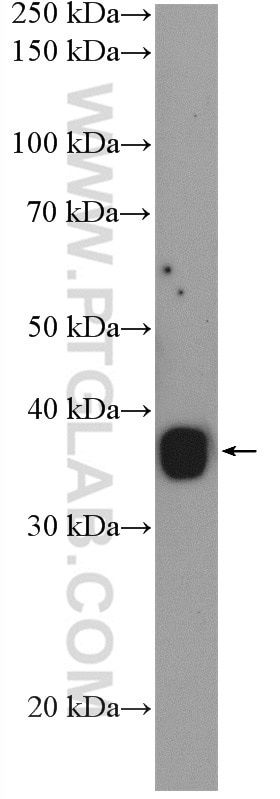
| Positive WB detected in | THP-1 cells, HCT 116 cells, pig liver tissue, SW 480 cells, HeLa cells |
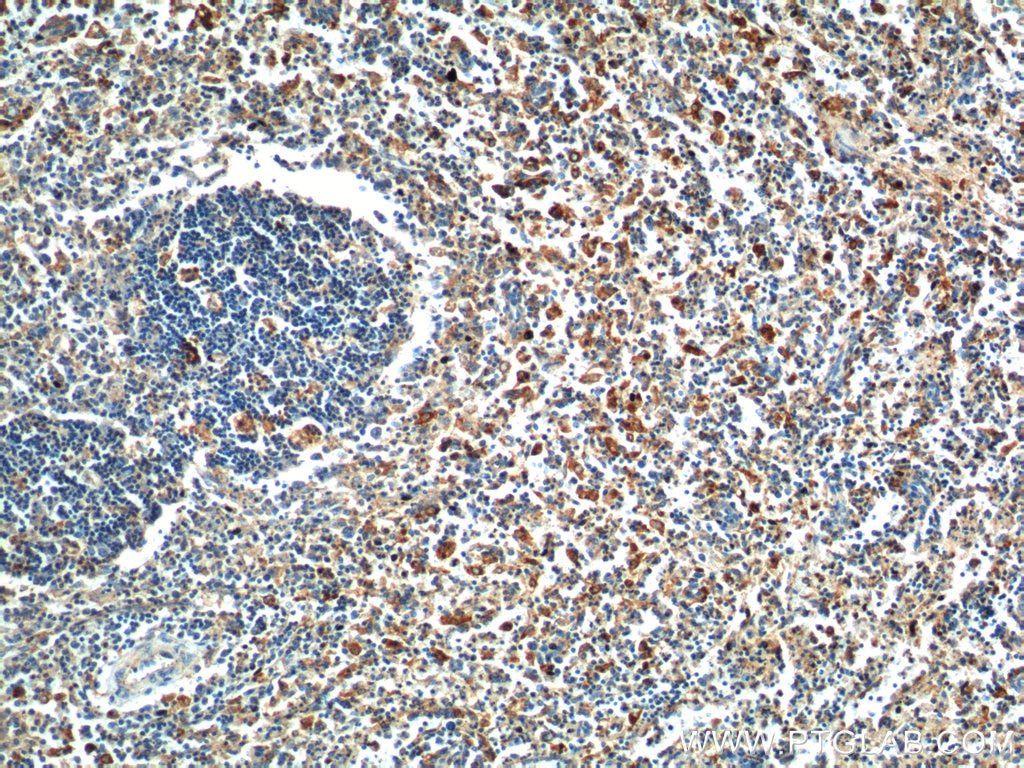
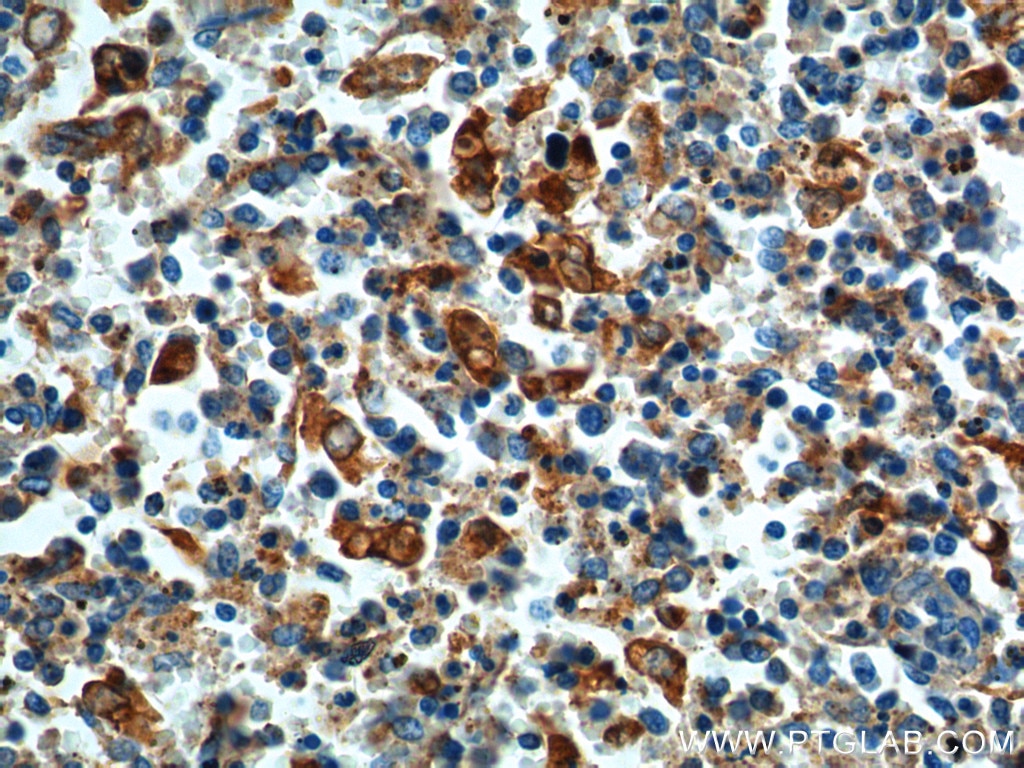
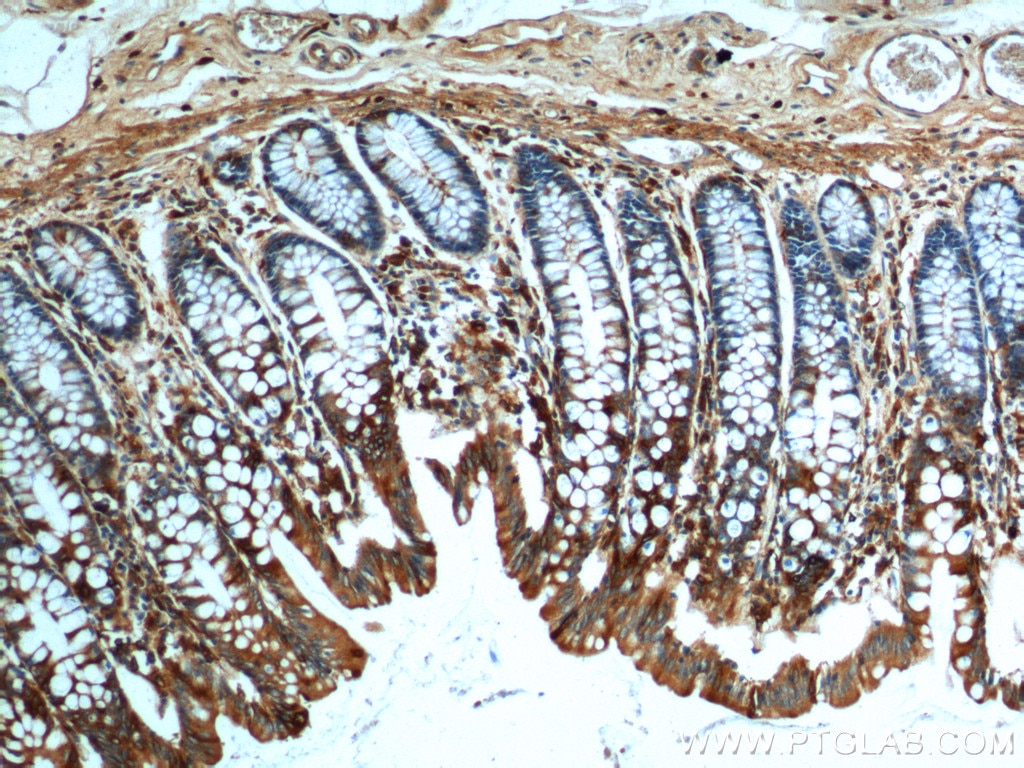
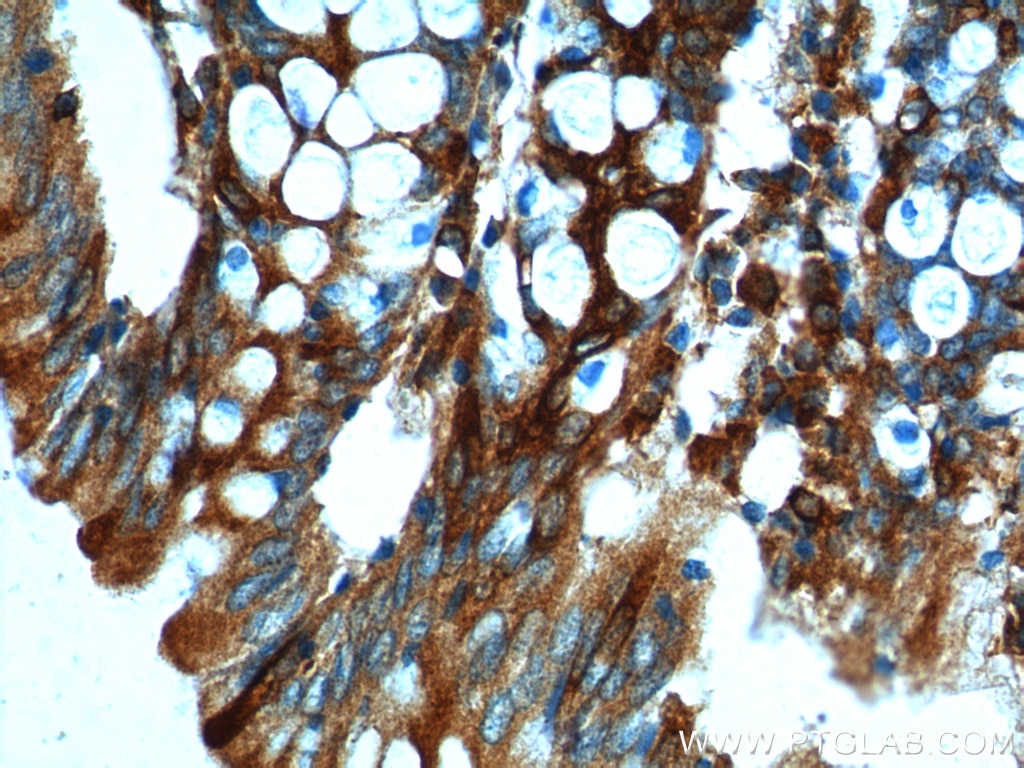
| Positive IHC detected in | human spleen tissue, human colon tissue Note: suggested antigen retrieval with TE buffer pH 9.0; (*) Alternatively, antigen retrieval may be performed with citrate buffer pH 6.0 |
Recommended dilution
| Application | Dilution |
|---|---|
| Western Blot (WB) | WB : 1:500-1:1000 |
| Immunohistochemistry (IHC) | IHC : 1:50-1:500 |
| It is recommended that this reagent should be titrated in each testing system to obtain optimal results. | |
| Sample-dependent, Check data in validation data gallery. | |
Product Information
19952-1-AP targets FFAR2 in WB, IHC, IF, IP, ELISA applications and shows reactivity with human, pig samples.
| Tested Reactivity | human, pig |
| Cited Reactivity | human, mouse, rat, pig |
| Host / Isotype | Rabbit / IgG |
| Class | Polyclonal |
| Type | Antibody |
| Immunogen |
Peptide Predict reactive species |
| Full Name | free fatty acid receptor 2 |
| Calculated Molecular Weight | 37 kDa |
| Observed Molecular Weight | 37, 50 kDa |
| GenBank Accession Number | NM_005306 |
| Gene Symbol | FFAR2 |
| Gene ID (NCBI) | 2867 |
| RRID | AB_2878628 |
| Conjugate | Unconjugated |
| Form | Liquid |
| Purification Method | Antigen affinity purification |
| UNIPROT ID | O15552 |
| Storage Buffer | PBS with 0.02% sodium azide and 50% glycerol, pH 7.3. |
| Storage Conditions | Store at -20°C. Stable for one year after shipment. Aliquoting is unnecessary for -20oC storage. 20ul sizes contain 0.1% BSA. |
Background Information
Free fatty acid receptors (FFAR) play significant roles in various physiological processes through interaction with their ligands, fatty acids. Free fatty acid receptor 2 (FFAR2, also known as FFA2 or GPR43) is a receptor for short-chain fatty acids (SCFAs) and plays a role in the regulation of whole-body energy homeostasis and intestinal immunity (PMID: 12684041). It has been considered a therapeutic target for metabolic and inflammatory conditions (PMID: 23589301). FFAR2 has a calculated molecular weight of 37 kDa and can be glycosylated. The higher apparent molecular weight of 50 kDa has been reported, probably due to glycosylation (PMID: 31707282; 28131568).
Protocols
| Product Specific Protocols | |
|---|---|
| IHC protocol for FFAR2 antibody 19952-1-AP | Download protocol |
| WB protocol for FFAR2 antibody 19952-1-AP | Download protocol |
| Standard Protocols | |
|---|---|
| Click here to view our Standard Protocols |
Publications
What published studies show
Anti-GPR43 antibody (Cat# 19952-1-AP) has 56 citations across journals including Phytomedicine, J Ethnopharmacol, Front Microbiol, Nutrients, Eur J Pharmacol, Mol Med, Cell Mol Life Sci, Pharmacol Res, Gut Microbes, and J Transl Med. Research fields span gut microbiota–SCFA signaling, metabolic diseases (obesity, type 2 diabetes, NAFLD/NASH), inflammatory bowel disease, liver fibrosis, neuroinflammation, and immune regulation.
| Species | Application | Title |
|---|---|---|
J Adv Res Dietary neoagarotetraose extends lifespan and impedes brain aging in mice via regulation of microbiota-gut-brain axis | ||
Gut Microbes Fucose promotes intestinal stem cell-mediated intestinal epithelial development through promoting Akkermansia-related propanoate metabolism | ||
Cell Rep Med The direct and indirect inhibition of proinflammatory adipose tissue macrophages by acarbose in diet-induced obesity | ||
Pharmacol Res Butyrate-engineered yeast activates Nppa and Sgcg genes and reduces radiation-induced heart damage via the gut-heart axis | ||
Phytomedicine Beneficial effects of Dendrobium officinale National Herbal Drink on metabolic immune crosstalk via regulate SCFAs-Th17/Treg | ||
Phytomedicine The beneficial effects of Polygonatum sibiricum Red. superfine powder on metabolic hypertensive rats via gut-derived LPS/TLR4 pathway inhibition |
Reviews
What customers say
One reviewer (Christin Weissleder) gave a 5-star rating for this antibody used in Western Blot at a 1:750 dilution in milk. The antibody was applied to study G protein coupled receptors responsible for uptake of short chain fatty acids in human iPSC-derived microglia and macrophages. Overall, the single review reflects positive performance in WB applications with human cell types.
The reviews below have been submitted by verified Proteintech customers who received an incentive for providing their feedback.
Christin (Verified Customer) (01-26-2025) | Antibody used to study G protein coupled receptors responsible for uptake of short chain fatty acids in human iPSC-derived microglia and macrophages.
|








