
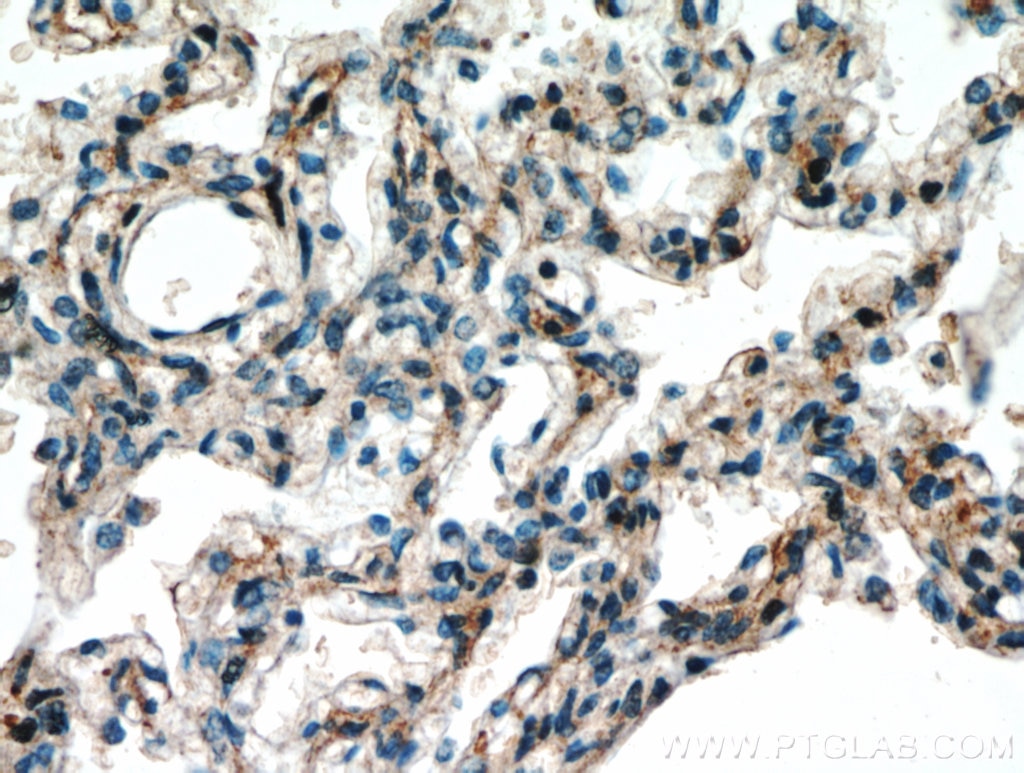
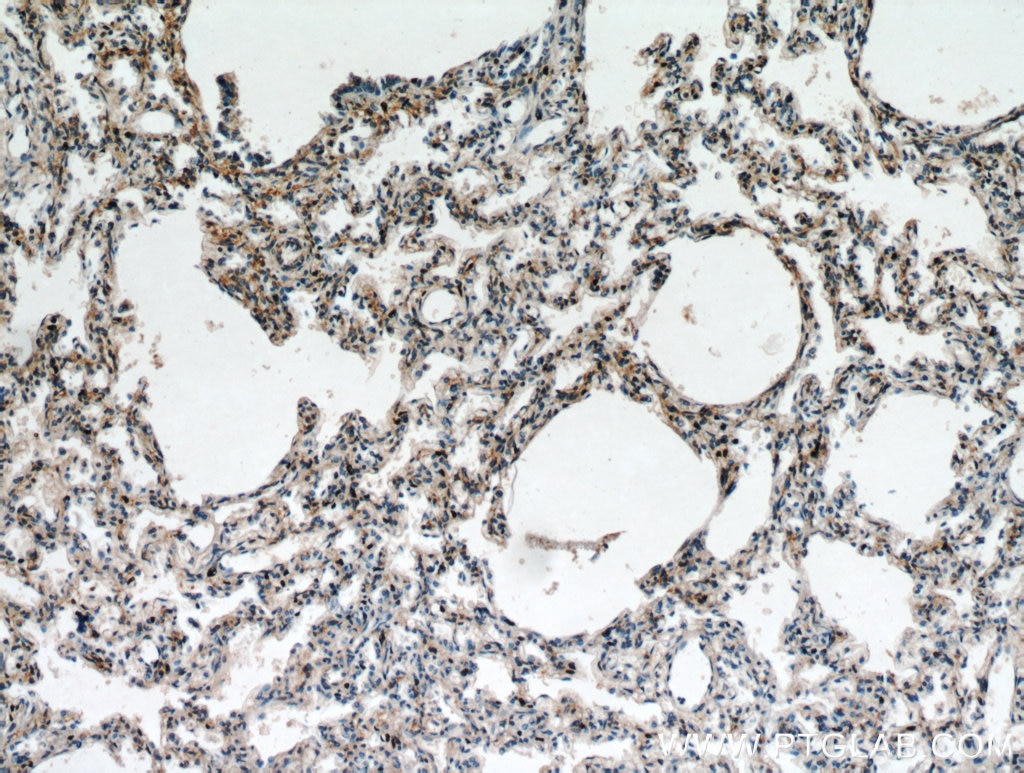
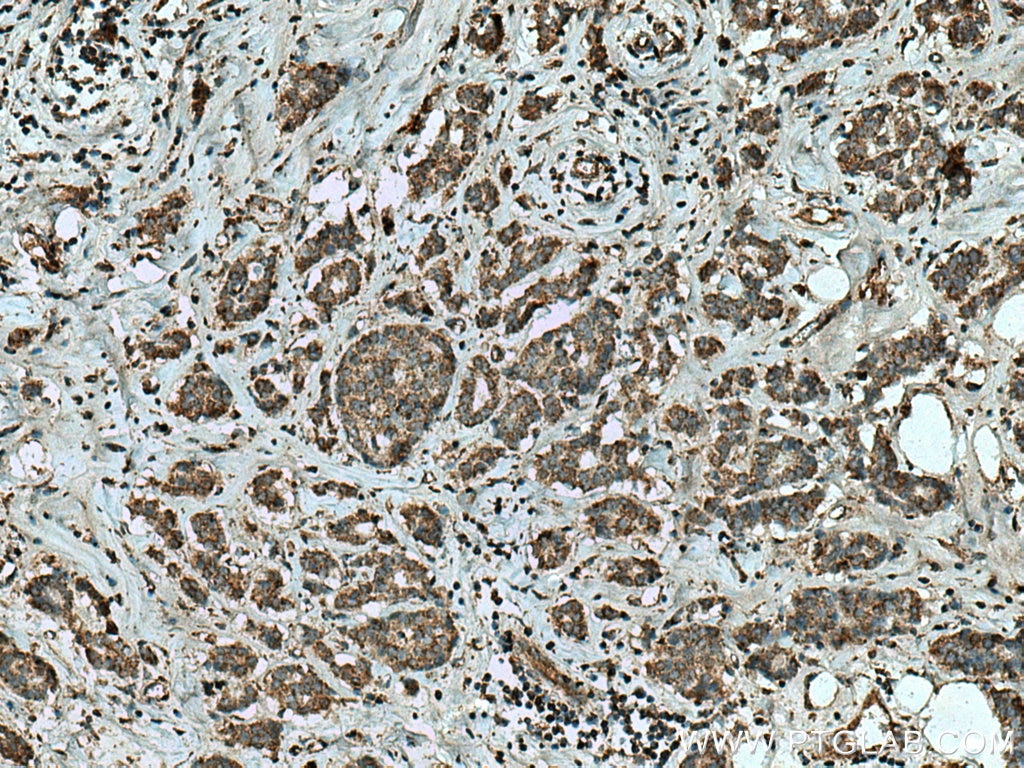
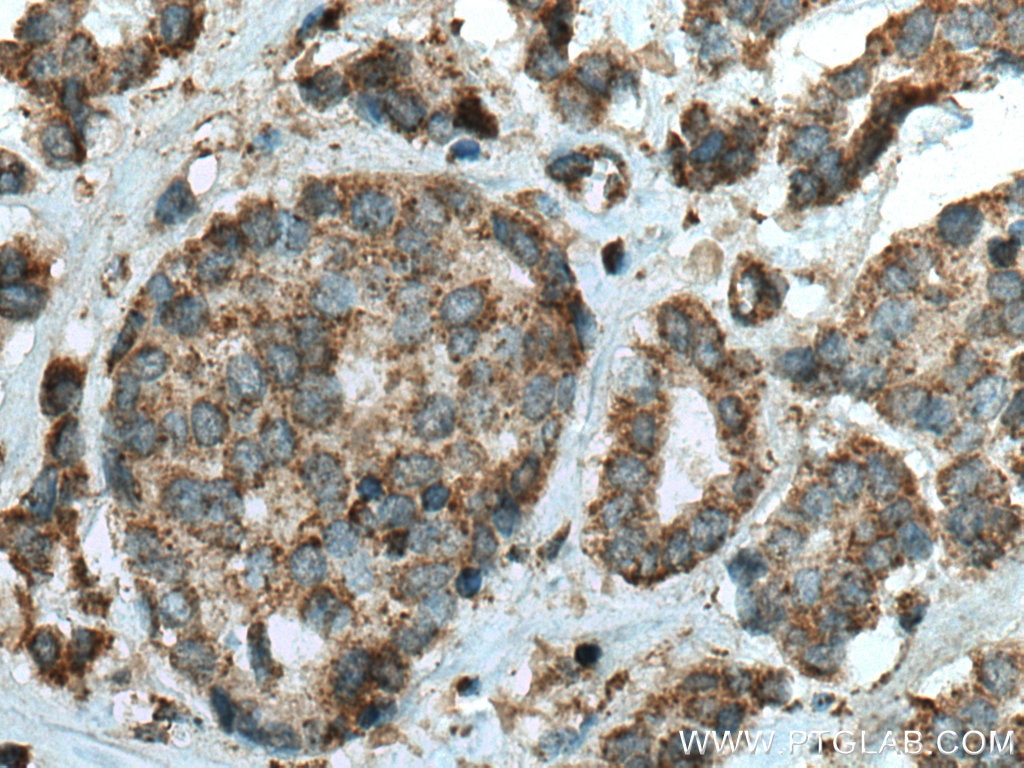

Tested Applications
| Positive IHC detected in | human lung tissue, human breast cancer tissue Note: suggested antigen retrieval with TE buffer pH 9.0; (*) Alternatively, antigen retrieval may be performed with citrate buffer pH 6.0 |
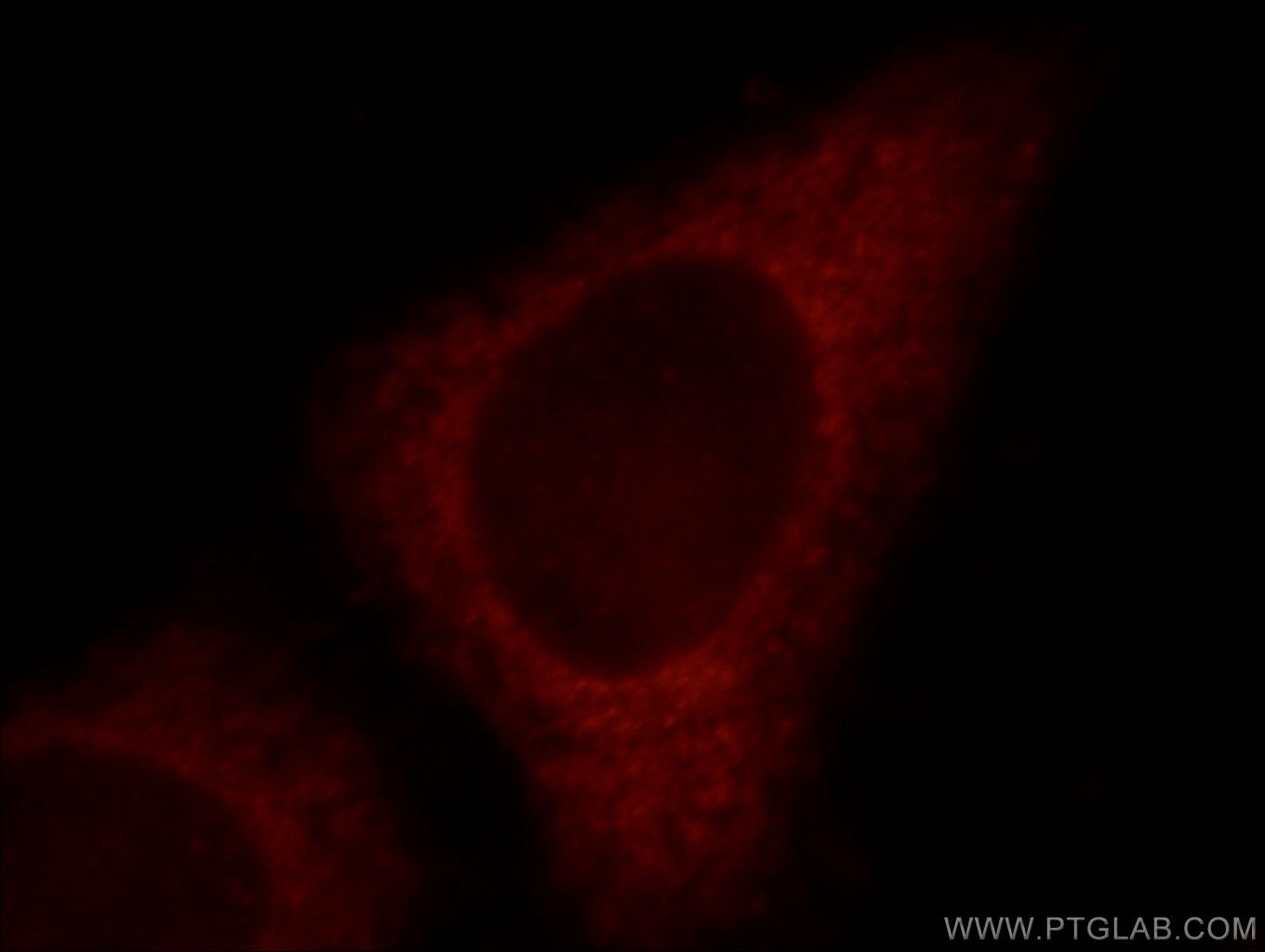
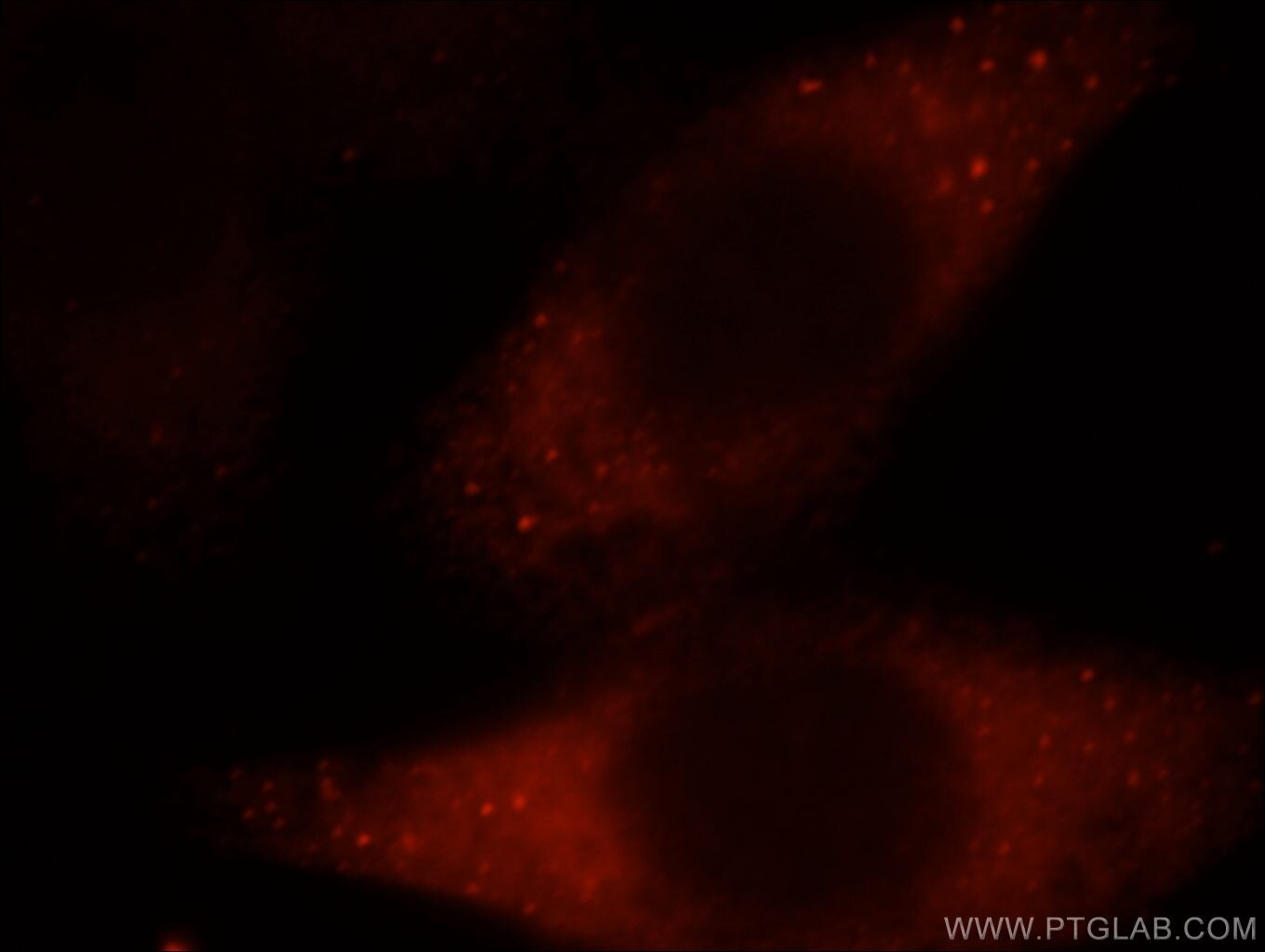
| Positive IF/ICC detected in | HepG2 cells, Hela cells |
Recommended dilution
| Application | Dilution |
|---|---|
| Immunohistochemistry (IHC) | IHC : 1:20-1:200 |
| Immunofluorescence (IF)/ICC | IF/ICC : 1:10-1:100 |
| It is recommended that this reagent should be titrated in each testing system to obtain optimal results. | |
| Sample-dependent, Check data in validation data gallery. | |
Product Information
20910-1-AP targets FGD5 in WB, IHC, IF/ICC, IP, CoIP, ELISA applications and shows reactivity with human samples.
| Tested Reactivity | human |
| Cited Reactivity | human, mouse |
| Host / Isotype | Rabbit / IgG |
| Class | Polyclonal |
| Type | Antibody |
| Immunogen |
CatNo: Ag15037 Product name: Recombinant human FGD5 protein Source: e coli.-derived, PGEX-4T Tag: GST Domain: 923-1262 aa of BC035364 Sequence: MRALDDMDHEGRDTLAREELRQGLSELPAIHDLHQGILEELEERLSNWESQQKVADVFLAREQGFDHHATHILQFDRYLGLLSENCLHSPRLAAAVREFEQSVQGGSQTAKHRLLRVVQRLFQYQVLLTDYLNNLCPDSAEYDNTQGALSLISKVTDRANDSMEQGENLQKLVHIEHSVRGQGDLLQPGREFLKEGTLMKVTGKNRRPRHLFLMNDVLLYTYPQKDGKYRLKNTLAVANMKVSRPVMEKVPYALKIETSESCLMLSASSCAERDEWYGCLSRALPEDYKAQALAAFHHSVEIRERLGVSLGERPPTLVPVTHVMMCMNCGCDFSLTLRRH Predict reactive species |
| Full Name | FYVE, RhoGEF and PH domain containing 5 |
| Calculated Molecular Weight | 1462 aa, 160 kDa |
| GenBank Accession Number | BC035364 |
| Gene Symbol | FGD5 |
| Gene ID (NCBI) | 152273 |
| RRID | AB_10733757 |
| Conjugate | Unconjugated |
| Form | Liquid |
| Purification Method | Antigen affinity purification |
| UNIPROT ID | Q6ZNL6 |
| Storage Buffer | PBS with 0.02% sodium azide and 50% glycerol, pH 7.3. |
| Storage Conditions | Store at -20°C. Stable for one year after shipment. Aliquoting is unnecessary for -20oC storage. 20ul sizes contain 0.1% BSA. |
Background Information
FGD5 (or ZFYVE23) is an endothelial specific gene, plays a crucial role in vascular pruning. Deficient expression of FGD5 markedly inhibits neovascularization, indicated by in vitro tube-formation, aortic-ring, and coated-bead assays and by in vivo coated-bead plug assays and studies in the murine retina model. FGD5-deficient endothelial cells fail to migrate. Moreover, the cells are susceptible to proapoptotic stimuli associated with VEGF-stimulated activation of Akt. FGD5 promotes apoptosis-induced vaso-obliteration via induction of the hey1-p53 pathway by direct binding and activation of CDC42.
Protocols
| Product Specific Protocols | |
|---|---|
| IF protocol for FGD5 antibody 20910-1-AP | Download protocol |
| IHC protocol for FGD5 antibody 20910-1-AP | Download protocol |
| Standard Protocols | |
|---|---|
| Click here to view our Standard Protocols |
Publications
What published studies show
The FGD5 Polyclonal antibody (Cat# 20910-1-AP) has 5 total citations published in Developmental Cell, Arteriosclerosis, Thrombosis and Vascular Biology, and EMBO Reports. The associated research fields include endothelial cell biology, vascular development and pruning, angiogenesis regulation, and mammary epithelial growth and differentiation. Applications cited include WB, IF, IP, and CoIP in human and mouse samples.
| Species | Application | Title |
|---|---|---|
Dev Cell FGD5 in basal cells induces CXCL14 secretion that initiates a feedback loop to promote murine mammary epithelial growth and differentiation | ||
Arterioscler Thromb Vasc Biol FGD5 Regulates VEGF Receptor-2 Coupling to PI3 Kinase and Receptor Recycling.
| ||
Arterioscler Thromb Vasc Biol Facio-genital dysplasia-5 regulates matrix adhesion and survival of human endothelial cells. | ||
EMBO Rep VE-PTP inhibition stabilizes endothelial junctions by activating FGD5.
|
Reviews
What customers say
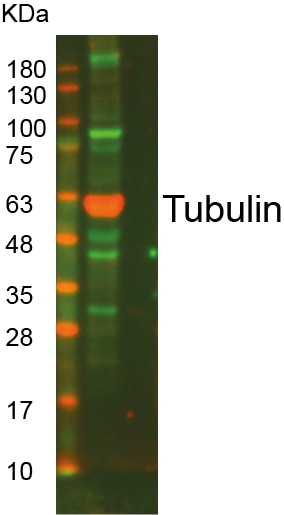
The single review for 20910-1-AP is from a user who tested the antibody for Western Blot at a 1:1000 dilution on HUVEC cells. The reviewer rated it 1 star and reported that the antibody performed poorly when used with Near Infrared IRDye secondary antibodies. No other reviews are available for this product.
The reviews below have been submitted by verified Proteintech customers who received an incentive for providing their feedback.
Sammy (Verified Customer) (11-05-2023) | Antibody performs poorly via western blot with using Near Infrared IRDye secondary antibodies.
 |







