

Product Information
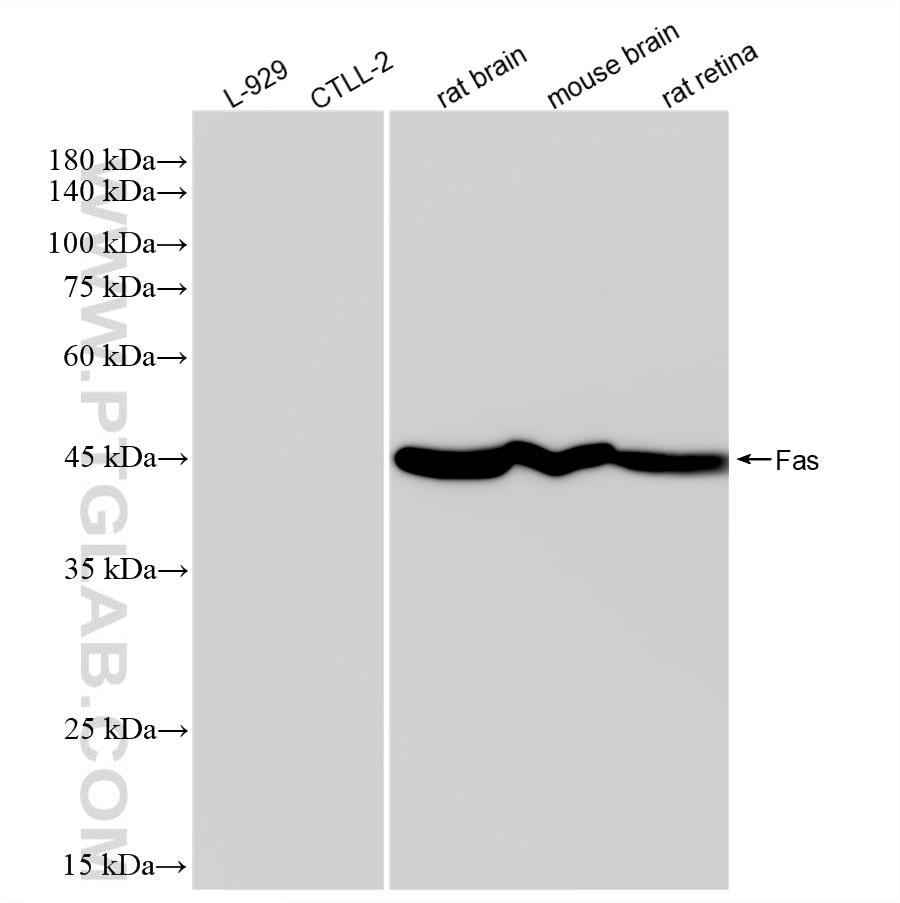
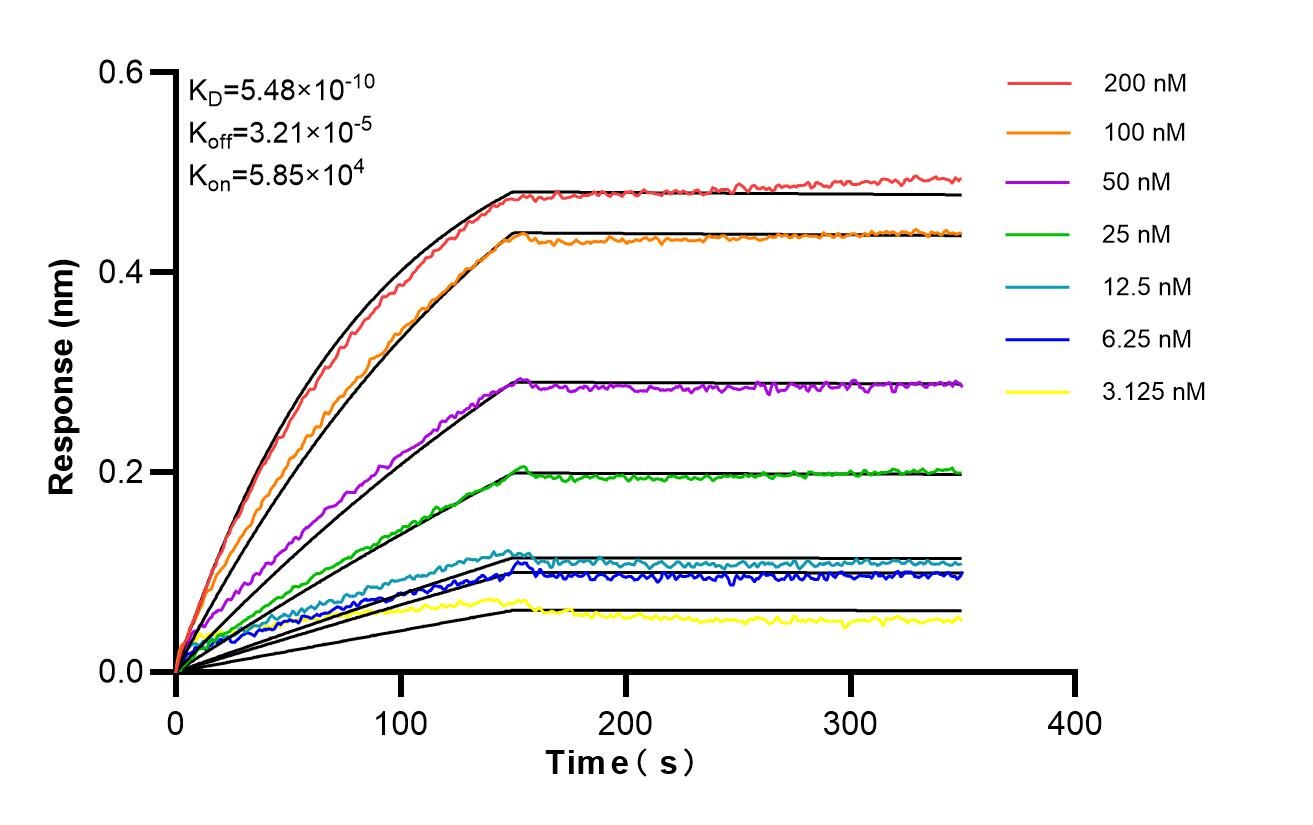
88850-1-PBS targets Fas in WB, Indirect ELISA applications and shows reactivity with mouse, rat samples.
| Tested Reactivity | mouse, rat |
| Host / Isotype | Rabbit / IgG |
| Class | Recombinant |
| Type | Antibody |
| Immunogen |
CatNo: Eg2603 Product name: Recombinant Rat Fas protein (rFc Tag) Source: mammalian cells-derived, V37 Tag: C-rFc Domain: 22-170 aa of / Sequence: QGTDSIFEGLELKRSVRETDNNCSEGLYQVGPFCCQPCQPGERKVKDCTTSGGAPTCHPCTEGEEYTDRKHYSDKCRRCAFCDEGHGLEVETNCTRTQNTKCRCKENFYCNASLCDHCYHCTSCGLEDILEPCTRTSNTKCKKQSSNYK Predict reactive species |
| Full Name | Fas (TNF receptor superfamily, member 6) |
| Calculated Molecular Weight | 37 kDa |
| Observed Molecular Weight | 45 kDa |
| GenBank Accession Number | / |
| Gene Symbol | Fas |
| Gene ID (NCBI) | 246097 |
| Conjugate | Unconjugated |
| Form | Liquid |
| Purification Method | Protein A purification |
| UNIPROT ID | Q63199 |
| Storage Buffer | PBS only, pH 7.3. |
| Storage Conditions | Store at -80°C. |
Background Information
Rat Fas (also known as CD95, APO‑1, or TNFRSF6) is a type I transmembrane glycoprotein belonging to the tumor necrosis factor receptor superfamily (TNFRSF). Upon binding to its ligand FasL (CD95L), this protein recruits FADD and caspase‑8, thereby activating the extrinsic apoptotic pathway. In disease states, dysregulation of the Fas/FasL system is closely associated with autoimmune lymphoproliferative syndrome (ALPS), hepatitis, liver failure, and tumor immune evasion. Furthermore, Fas signaling is involved in the regulation of apoptosis in neurodegenerative diseases, cardiovascular diseases, and diabetic complications, making it a core molecule in the study of cell death, immune tolerance, and inflammatory diseases.



