
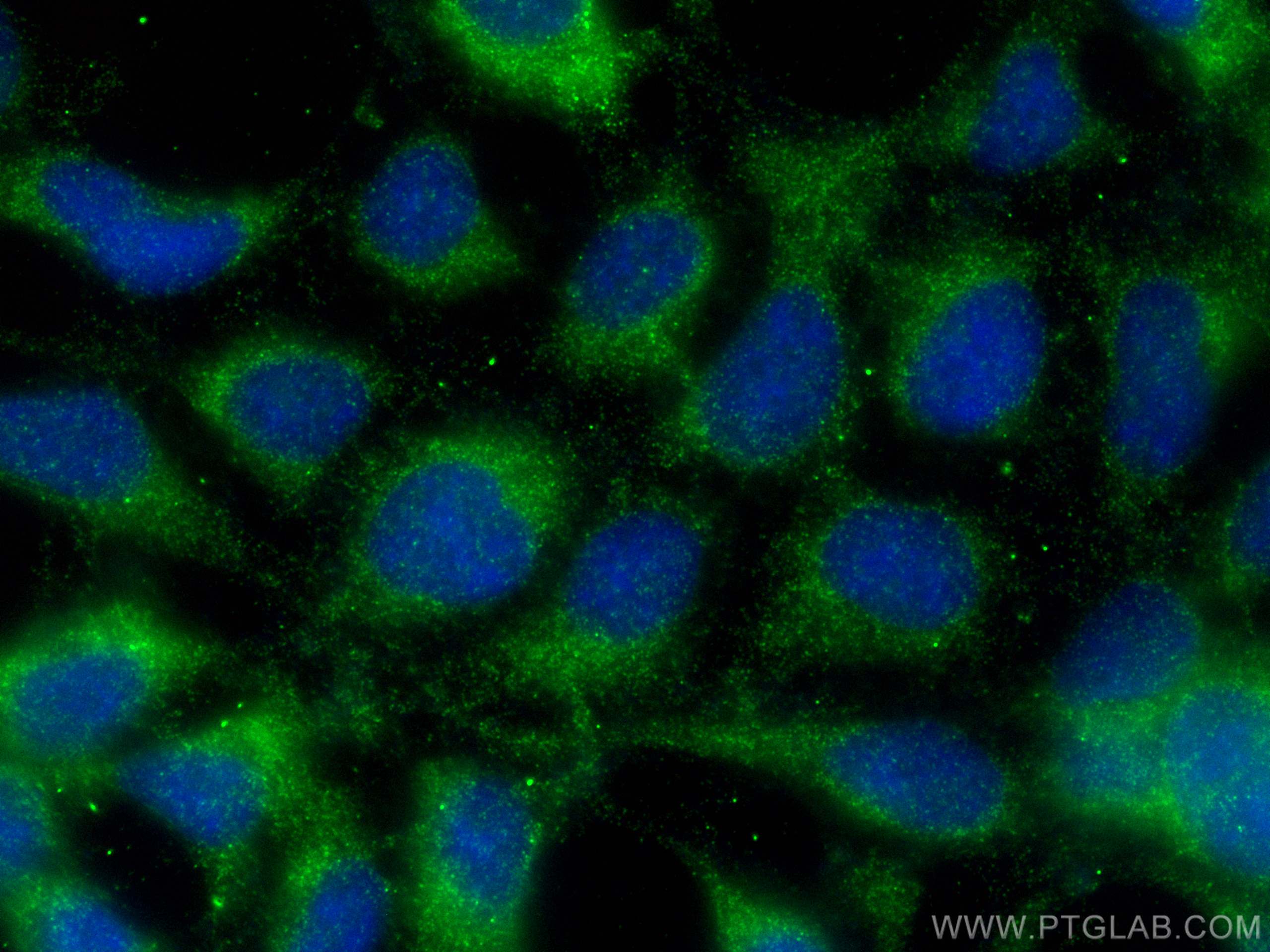
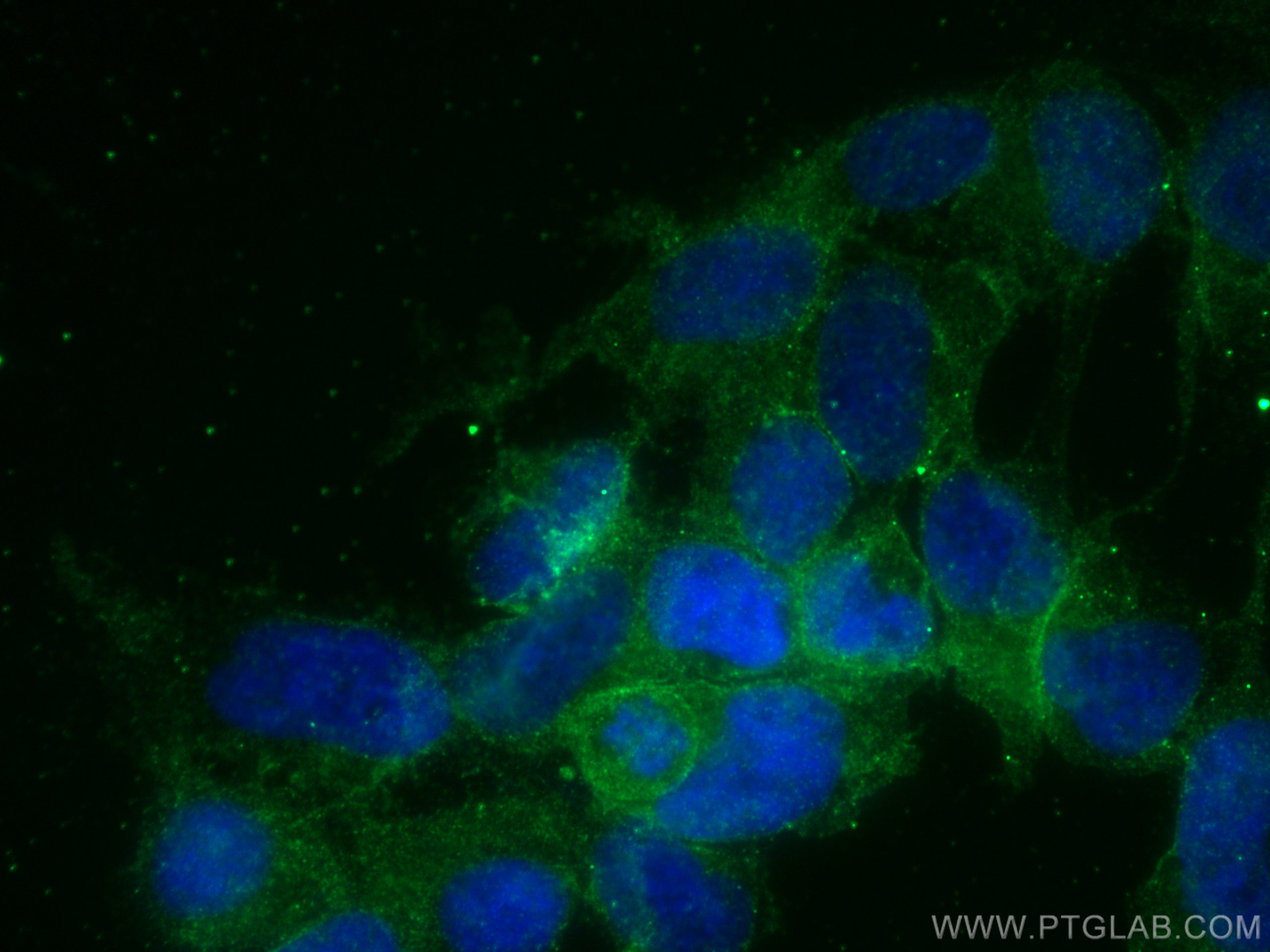

Tested Applications
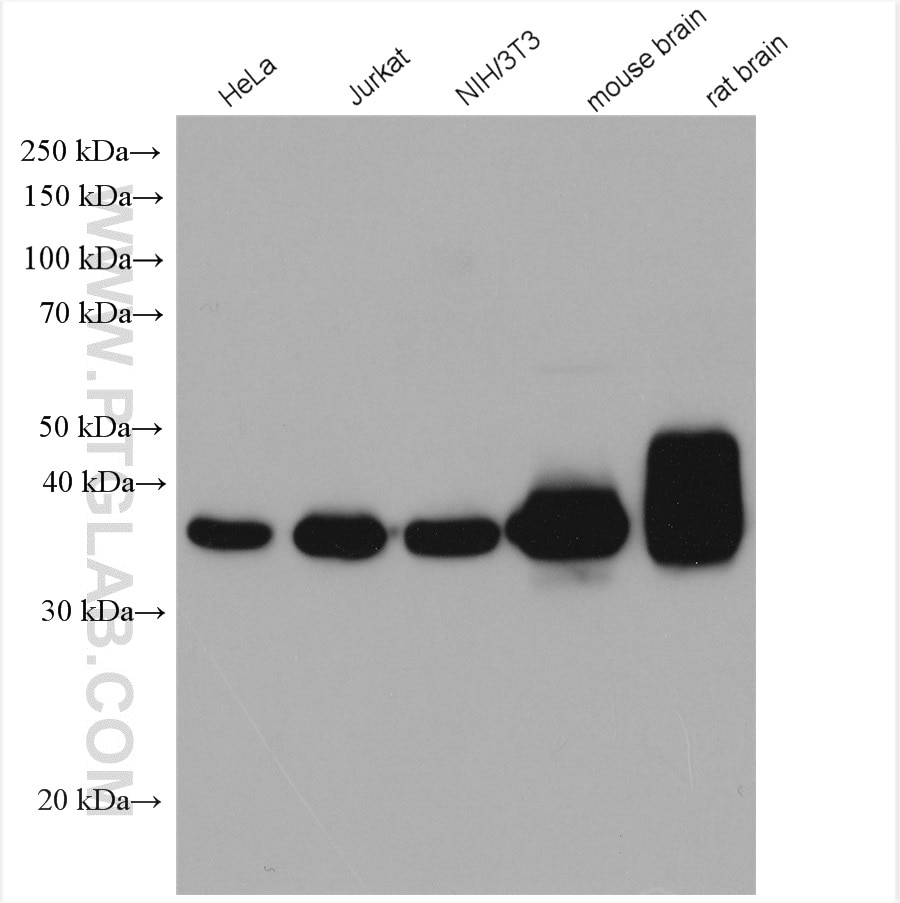
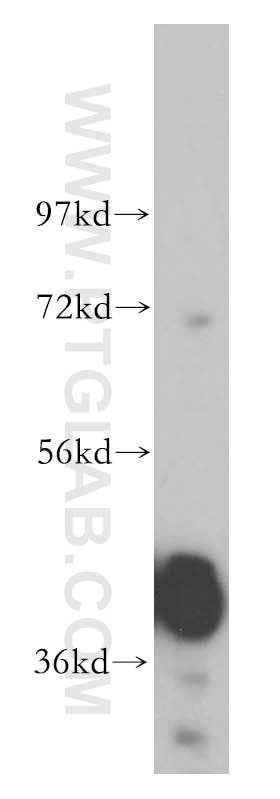
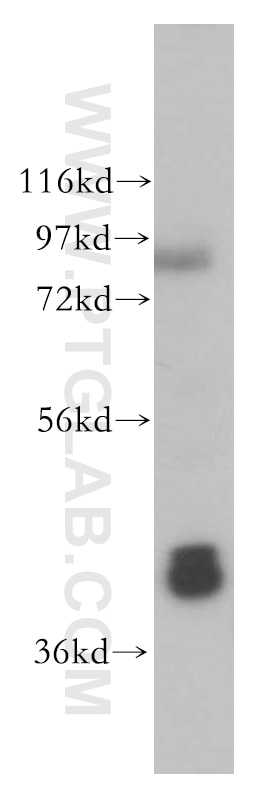
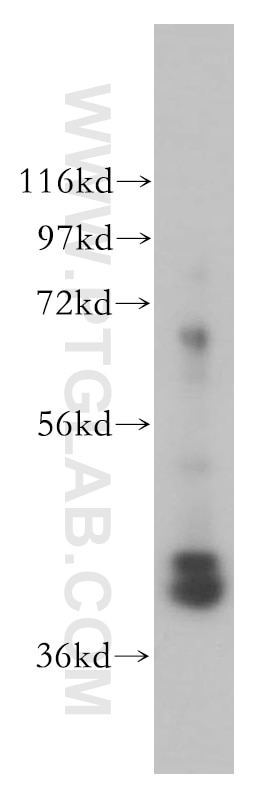
| Positive WB detected in | HeLa cells, human brain tissue, mouse lung tissue, mouse skin tissue, Jurkat cells, NIH/3T3 cells, mouse brain tissue, rat brain tissue |
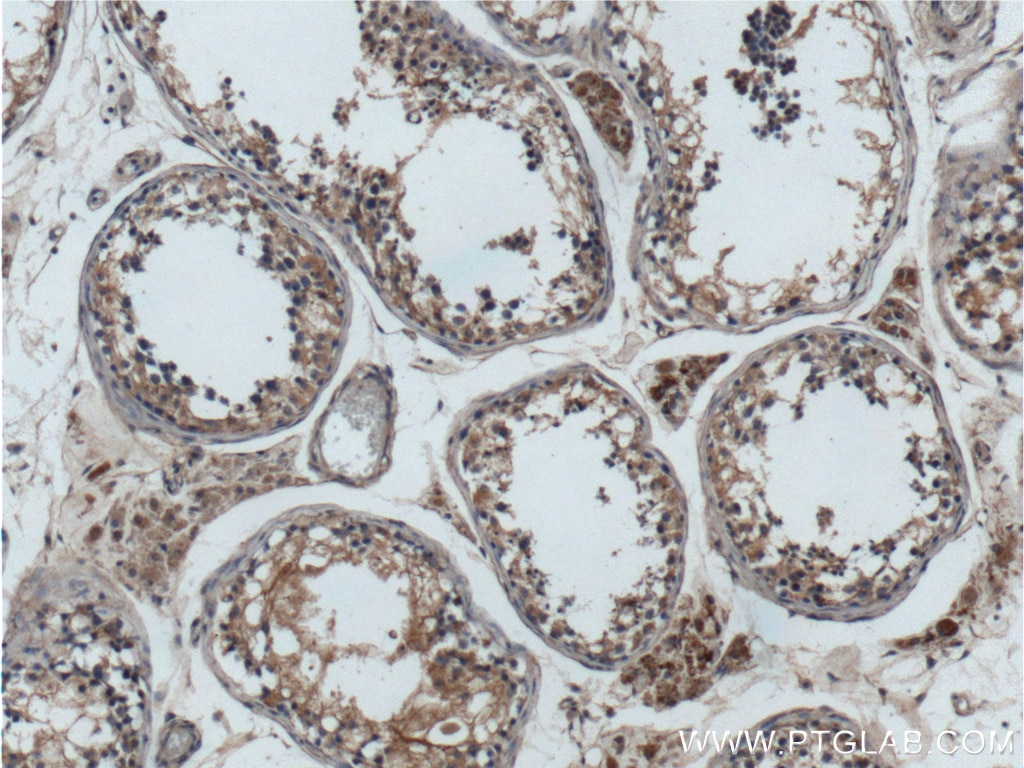
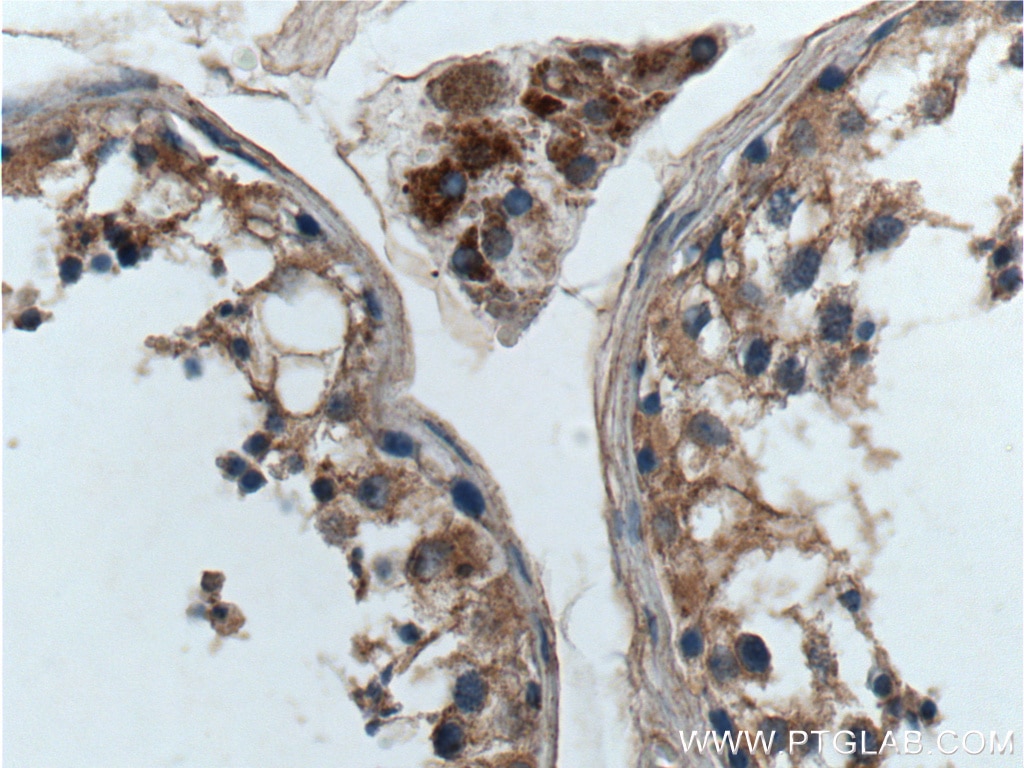
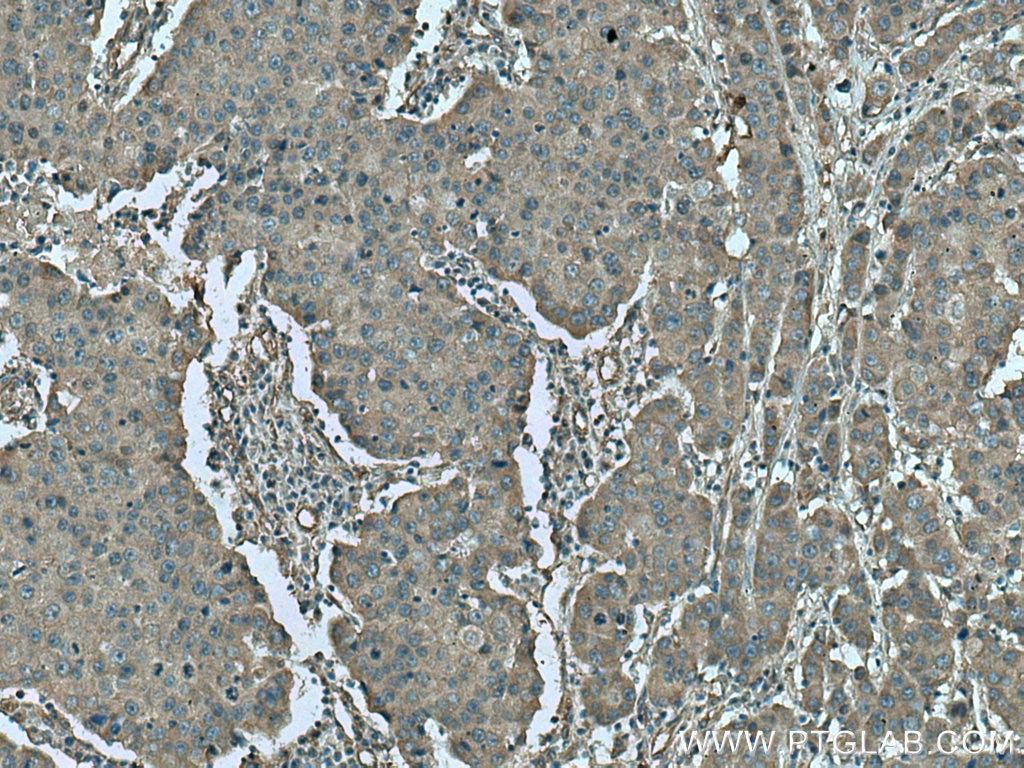
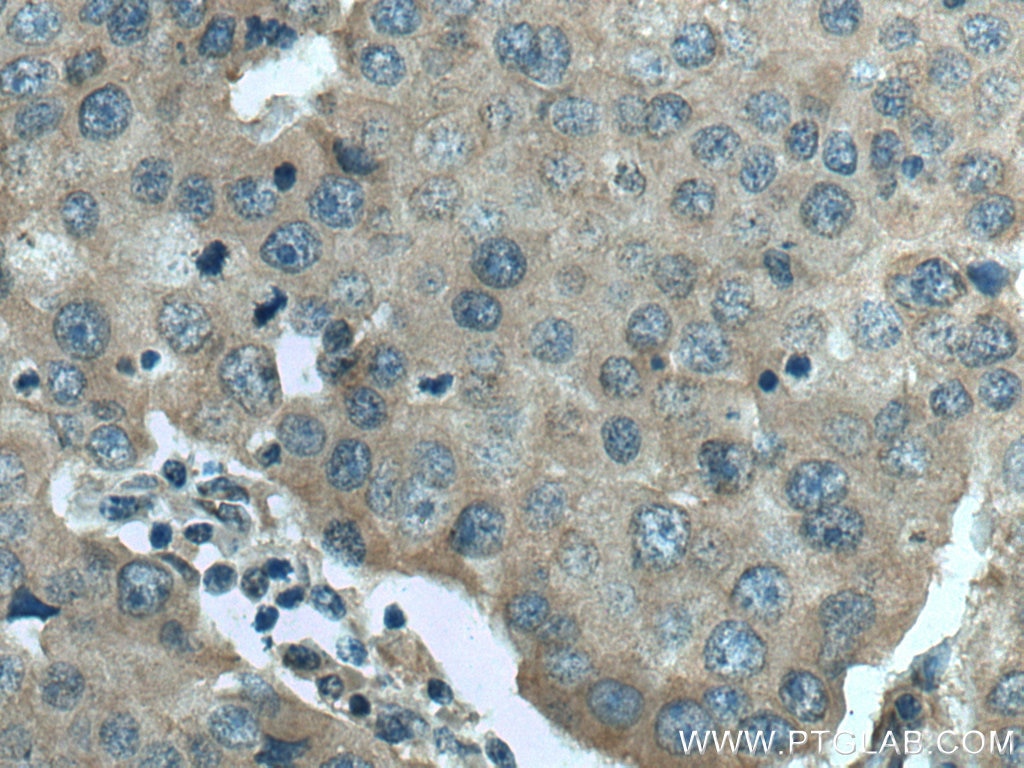
| Positive IHC detected in | human testis tissue, human breast cancer tissue Note: suggested antigen retrieval with TE buffer pH 9.0; (*) Alternatively, antigen retrieval may be performed with citrate buffer pH 6.0 |
| Positive IF/ICC detected in | HEK-293 cells |
Recommended dilution
| Application | Dilution |
|---|---|
| Western Blot (WB) | WB : 1:1000-1:6000 |
| Immunohistochemistry (IHC) | IHC : 1:50-1:500 |
| Immunofluorescence (IF)/ICC | IF/ICC : 1:50-1:500 |
| It is recommended that this reagent should be titrated in each testing system to obtain optimal results. | |
| Sample-dependent, Check data in validation data gallery. | |
Product Information
13927-1-AP targets GNAQ in WB, IHC, IF/ICC, ELISA applications and shows reactivity with human, mouse, rat samples.
| Tested Reactivity | human, mouse, rat |
| Cited Reactivity | human, mouse, rat |
| Host / Isotype | Rabbit / IgG |
| Class | Polyclonal |
| Type | Antibody |
| Immunogen |
CatNo: Ag4947 Product name: Recombinant human GNAQ protein Source: e coli.-derived, PGEX-4T Tag: GST Domain: 1-359 aa of BC057777 Sequence: MTLESIMACCLSEEAKEARRINDEIERQLRRDKRDARRELKLLLLGTGESGKSTFIKQMRIIHGSGYSDEDKRGFTKLVYQNIFTAMQAMIRAMDTLKIPYKYEHNKAHAQLVREVDVEKVSAFENPYVDAIKSLWNDPGIQECYDRRREYQLSDSTKYYLNDLDRVADPAYLPTQQDVLRVRVPTTGIIEYPFDLQSVIFRMVDVGGQRSERRKWIHCFENVTSIMFLVALSEYDQVLVESDNENRMEESKALFRTIITYPWFQNSSVILFLNKKDLLEEKIMYSHLVDYFPEYDGPQRDAQAAREFILKMFVDLNPDSDKIIYSHFTCATDTENIRFVFAAVKDTILQLNLKEYNLV Predict reactive species |
| Full Name | guanine nucleotide binding protein (G protein), q polypeptide |
| Calculated Molecular Weight | 42 kDa |
| Observed Molecular Weight | 38-40 kDa |
| GenBank Accession Number | BC057777 |
| Gene Symbol | GNAQ |
| Gene ID (NCBI) | 2776 |
| RRID | AB_2111647 |
| Conjugate | Unconjugated |
| Form | Liquid |
| Purification Method | Antigen affinity purification |
| UNIPROT ID | P50148 |
| Storage Buffer | PBS with 0.02% sodium azide and 50% glycerol, pH 7.3. |
| Storage Conditions | Store at -20°C. Stable for one year after shipment. Aliquoting is unnecessary for -20oC storage. 20ul sizes contain 0.1% BSA. |
Background Information
GNAQ is a proto-oncogene closely related to the α subunit of guanine nucleotide-binding proteins (G proteins) that serve as key intermediates between membrane-bound G-protein-coupled receptors (GPCRs) and GPCR signalling nodes. Aberrant expression and activity of G proteins and GPCRs are frequently associated with tumorigenesis. Recent studies show that oncogenic activating mutations in GNAQ are present in 80% of the melanomas. The calculated molecular weight of GNAQ is 42 kDa. This antibody can detect a band of 38-40 kDa in SDS-PAGE. (PMID: 33993733)
Protocols
| Product Specific Protocols | |
|---|---|
| IF protocol for GNAQ antibody 13927-1-AP | Download protocol |
| IHC protocol for GNAQ antibody 13927-1-AP | Download protocol |
| WB protocol for GNAQ antibody 13927-1-AP | Download protocol |
| Standard Protocols | |
|---|---|
| Click here to view our Standard Protocols |
Publications
What published studies show
Anti-GNAQ antibody (Cat# 13927-1-AP) has 13 citations published in journals including J Exp Med, Oncogene, J Biol Chem, FASEB J, Proteomics, Oncol Rep, Biomedicines, ACS Pharmacol Transl Sci, Ecotoxicol Environ Saf, Biochem Pharmacol, Toxicol Appl Pharmacol, and Elife. Research fields span T cell signaling, uveal melanoma, gastric cancer, acute kidney injury, GPCR coupling, ovarian injury, colon cancer proteomics, and male fertility.
| Species | Application | Title |
|---|---|---|
J Exp Med Uncovering a novel role of PLCβ4 in selectively mediating TCR signaling in CD8+ but not CD4+ T cells. | ||
Ecotoxicol Environ Saf Protective role of RGS2 in PM2.5-induced ovarian injury in rats: Modulation of Gq/11 signaling to maintain granulosa cell [Ca2 + ]i stability | ||
Biochem Pharmacol Sodium butyrate upregulates URAT1-mediated urate reabsorption in HK2 cells by activating FFAR2/p38 MAPK/ELK1/ARRB2 axis and relieving NF-κB-HNF1β competitive binding. | ||
Oncol Rep G protein subunit α q regulates gastric cancer growth via the p53/p21 and MEK/ERK pathways.
| ||
Biomedicines Combination of Three Herbal Components (ISL, Que, Meth) Suppresses Uveal Melanoma Growth via Gαq/MEK/YAP Axis Modulation and Apoptosis. |











