

Tested Applications
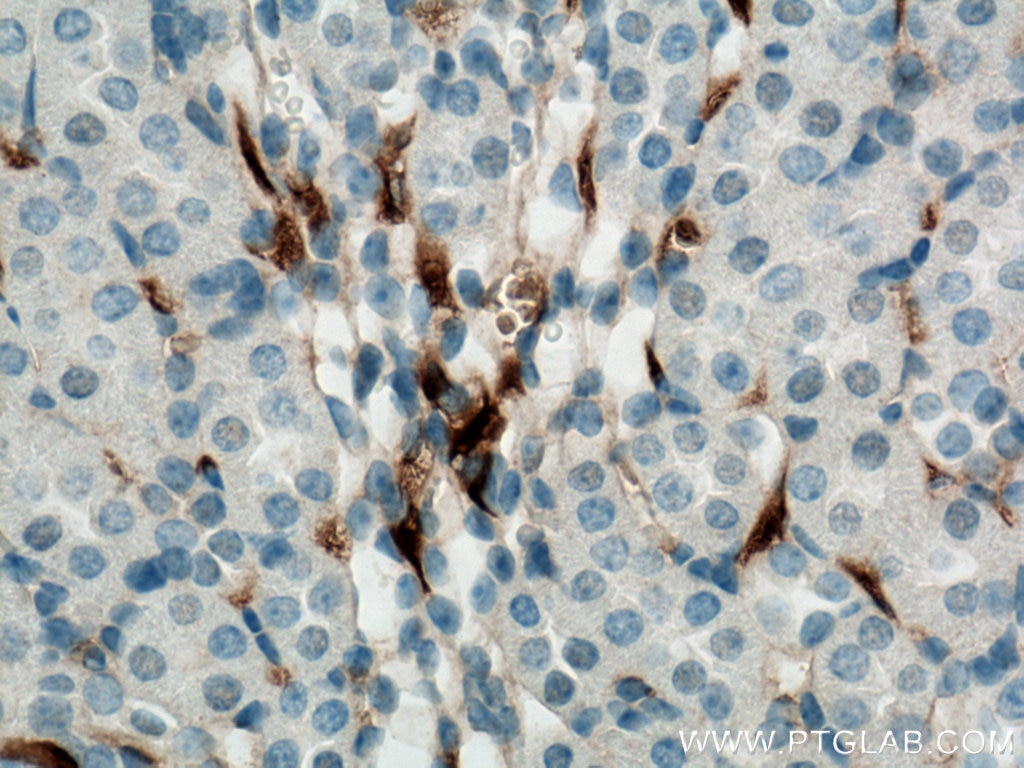
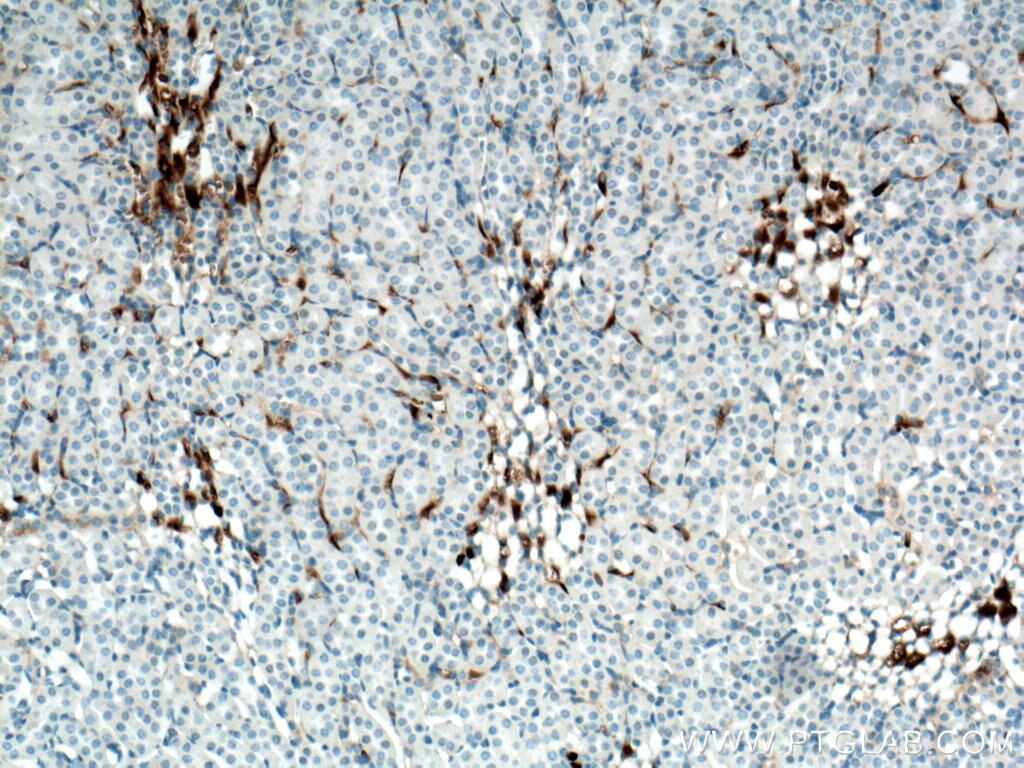
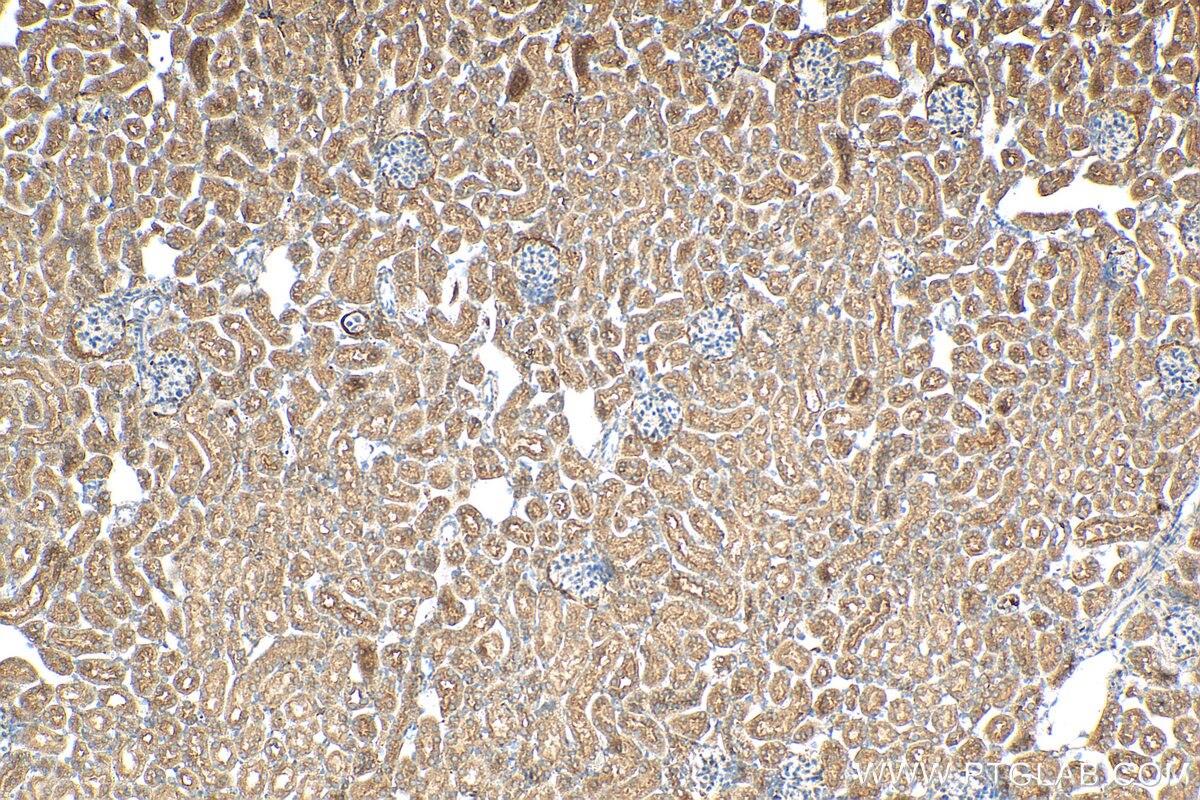
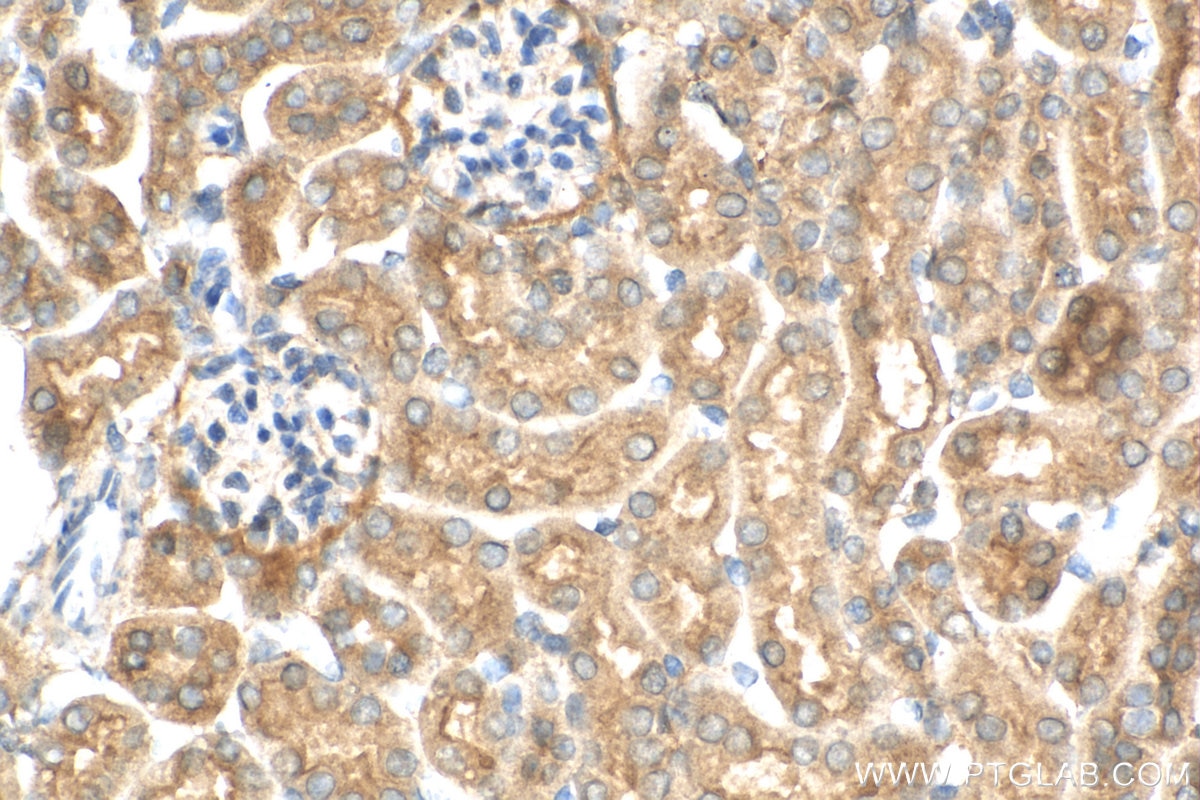
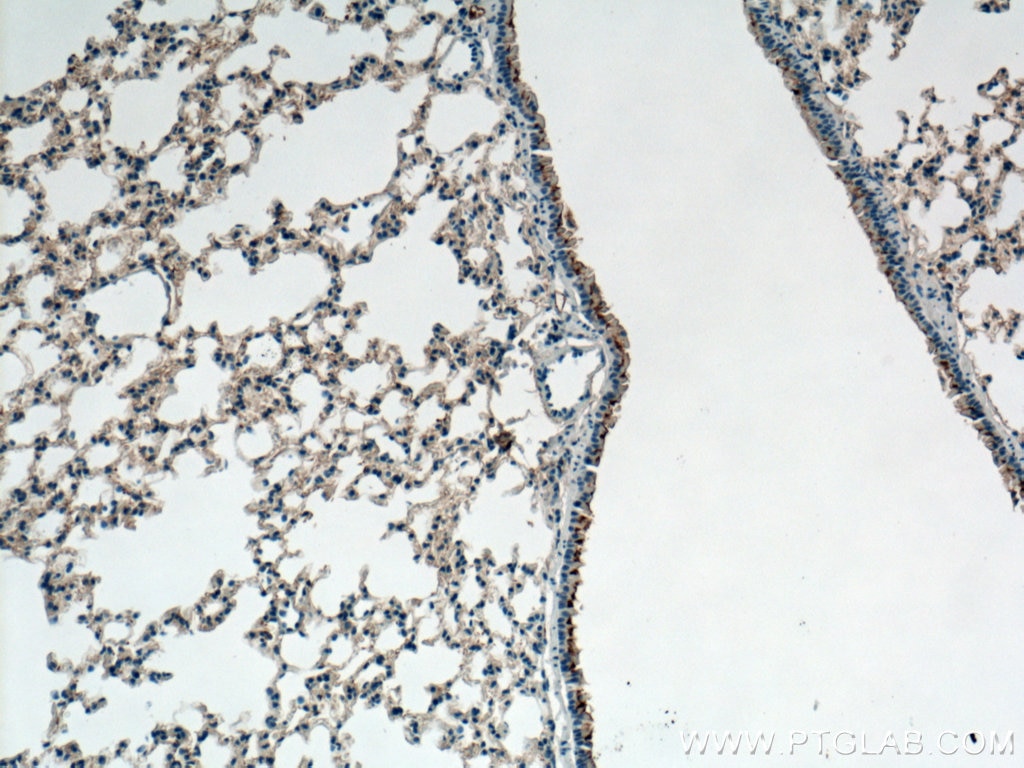
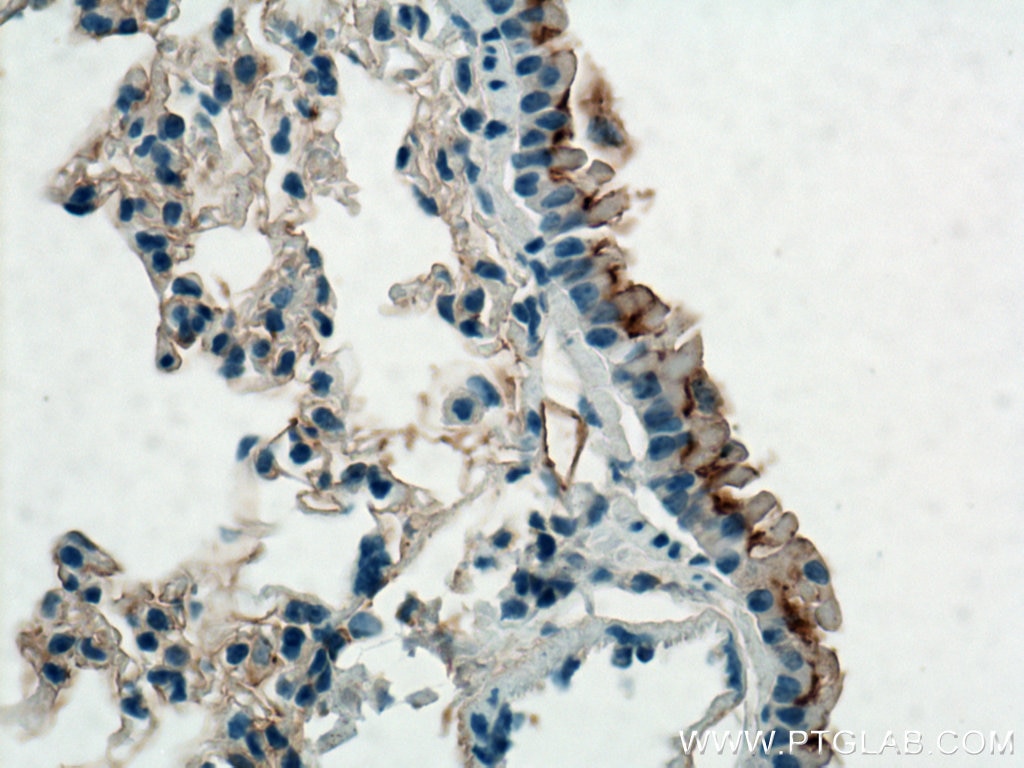
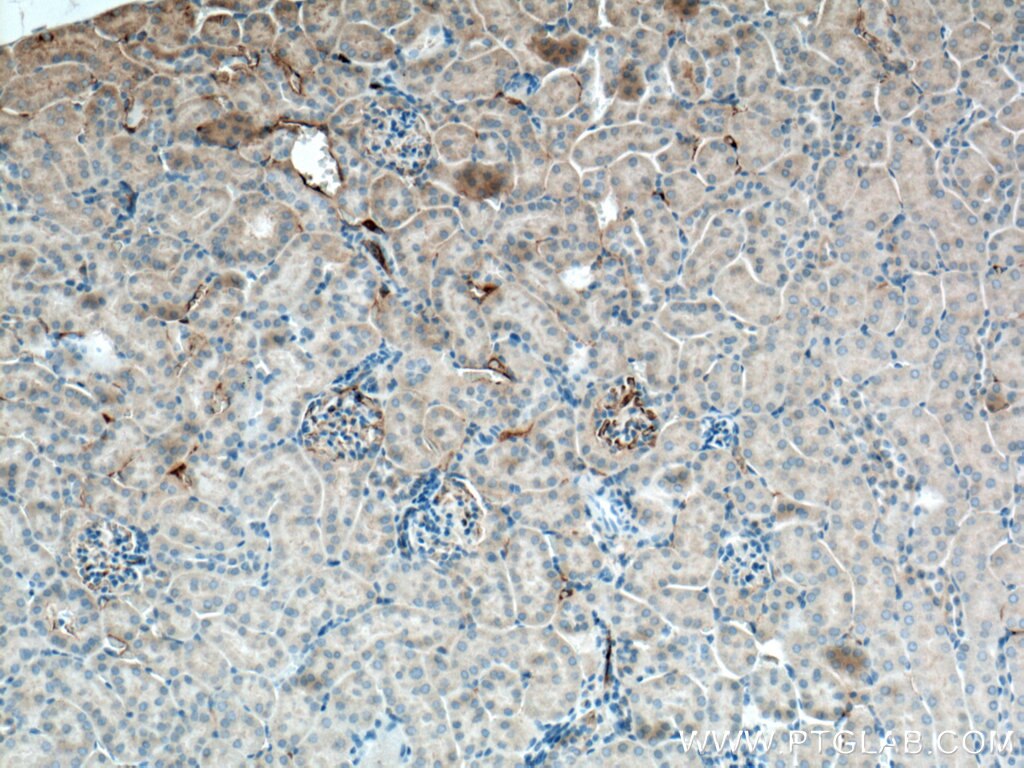
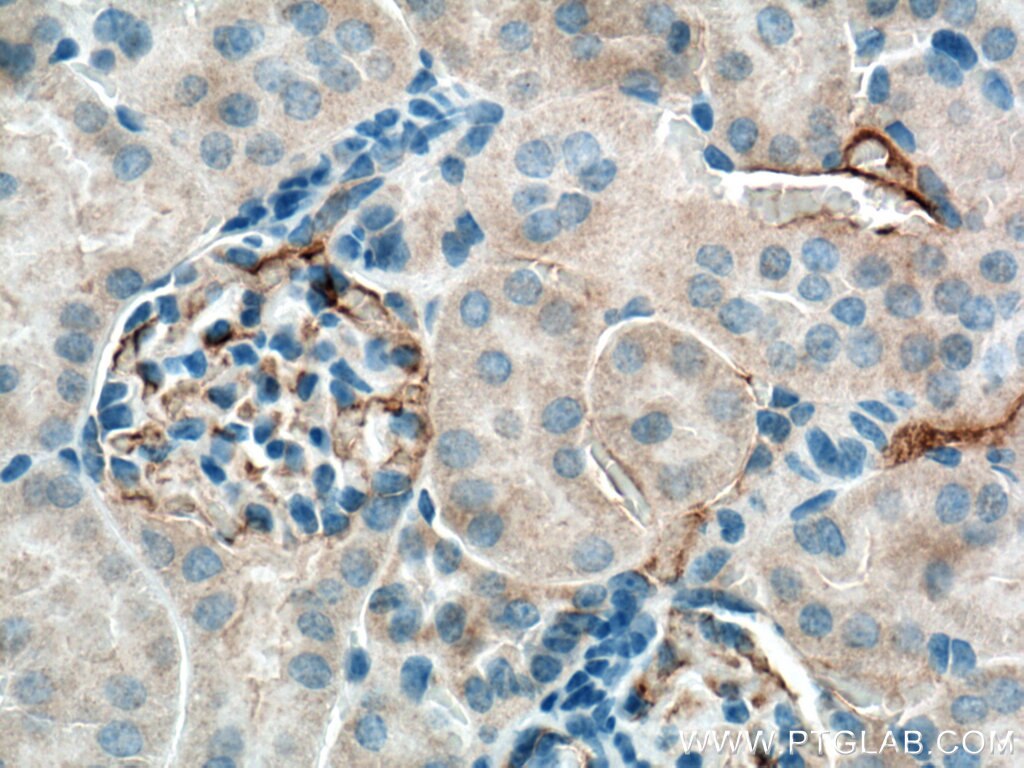
| Positive IHC detected in | mouse kidney tissue, mouse lung tissue Note: suggested antigen retrieval with TE buffer pH 9.0; (*) Alternatively, antigen retrieval may be performed with citrate buffer pH 6.0 |
Recommended dilution
| Application | Dilution |
|---|---|
| Immunohistochemistry (IHC) | IHC : 1:50-1:500 |
| It is recommended that this reagent should be titrated in each testing system to obtain optimal results. | |
| Sample-dependent, Check data in validation data gallery. | |
Product Information
17774-1-AP targets GPR126 in WB, IHC, ELISA applications and shows reactivity with human, mouse, rat samples.
| Tested Reactivity | human, mouse, rat |
| Cited Reactivity | human, mouse |
| Host / Isotype | Rabbit / IgG |
| Class | Polyclonal |
| Type | Antibody |
| Immunogen |
CatNo: Ag12195 Product name: Recombinant human GPR126 protein Source: e coli.-derived, PGEX-4T Tag: GST Domain: 45-399 aa of BC075798 Sequence: LSNPSGTFTSPCYPNDYPNSQACMWTLRAPTGYIIQITFNDFDIEEAPNCIYDSLSLDNGESQTKFCGATAKGLSFNSSANEMHVSFSSDFSIQKKGFNASYIRVAVSLRNQKVILPQTSDAYQVSVAKSISIPELSAFTLCFEATKVGHEDSDWTAFSYSNASFTQLLSFGKAKSGYFLSISDSQCLLNNALPVKEKEDIFAESFEQLCLVWNNSLGSIGVNFKRNYETVPCDSTISKVIPGNGKLLLGSNQNEIVSLKGDIYNFRLWNFTMNAKILSNLSCNVKGNVVDWQNDFWNIPNLALKAESNLSCGSYLIPLPAAELASCADLGTLCQDGIIYRISVVIQNILRHPEV Predict reactive species |
| Full Name | G protein-coupled receptor 126 |
| Calculated Molecular Weight | 1222 aa, 137 kDa |
| GenBank Accession Number | BC075798 |
| Gene Symbol | GPR126 |
| Gene ID (NCBI) | 57211 |
| RRID | AB_2878439 |
| Conjugate | Unconjugated |
| Form | Liquid |
| Purification Method | Antigen affinity purification |
| UNIPROT ID | Q86SQ4 |
| Storage Buffer | PBS with 0.02% sodium azide and 50% glycerol, pH 7.3. |
| Storage Conditions | Store at -20°C. Stable for one year after shipment. Aliquoting is unnecessary for -20oC storage. 20ul sizes contain 0.1% BSA. |
Background Information
GPR126 (G protein-coupled receptor 126) is a member of the adhesion GPCR family. GPR126 is all widely expressed on stromal cells (PMID: 25713288). It is essential for normal differentiation of promyelinating Schwann cells and for normal myelination of axons (PMID: 24227709). GPR126 regulates neural, cardiac and ear development by G-protein- and/or N-terminus-dependent signaling (PMID: 24082093, PMID: 24067352). GPR126 also stimulates VEGF signaling and angiogenesis by modulating VEGF receptor 2 expression through STAT5 and GATA2 in endothelial cells.
Protocols
| Product Specific Protocols | |
|---|---|
| IHC protocol for GPR126 antibody 17774-1-AP | Download protocol |
| Standard Protocols | |
|---|---|
| Click here to view our Standard Protocols |
Publications
What published studies show
The GPR126 Polyclonal antibody (catalog number 17774-1-AP) has 4 total citations. These appear in Cell Research, Proceedings of the National Academy of Sciences (PNAS), Current Issues in Molecular Biology, and the Journal of Reproductive Immunology. The research fields span adhesion GPCR biology and equilibrioception, breast cancer development via the Gi pathway, pancreatic adenocarcinoma progression through the NF-κB/STAT6 axis, and trophoblast cell senescence. Cited applications include Western blot and immunohistochemistry in human and mouse samples.
| Species | Application | Title |
|---|---|---|
Proc Natl Acad Sci U S A Progesterone activates GPR126 to promote breast cancer development via the Gi pathway.
| ||
Curr Issues Mol Biol ADGRG6 Promotes Pancreatic Adenocarcinoma Progression Through the NF-κB/STAT6 Axis and Modulation of the Tumor Immune Microenvironment.
| ||
J Reprod Immunol Inhibition of NHE1 induces trophoblast cell senescence via ADGRG6 mediated by CXCL8. |
Reviews
What customers say
User feedback is mixed. One Western blot review noted the antibody recognized major bands at 65 and 55 kD rather than the expected 130 kD, resulting in a low rating. Another user reported clean immunofluorescence staining on A549 cells at 1:1000 dilution with minimal background, though some bright artefacts were observed. Overall, performance appears application-dependent, with IF results more favorable than WB.
The reviews below have been submitted by verified Proteintech customers who received an incentive for providing their feedback.
Boyan (Verified Customer) (10-04-2021) | calculated size is 130 kd. this antibody recognized major bands at 65, 55 kd.
|
Fiona (Verified Customer) (01-09-2020) | Immunofluorescence staining on A549 cells to look at expression. Staining was clean with little background, however some some very bright artefacts.
|









