

Tested Applications
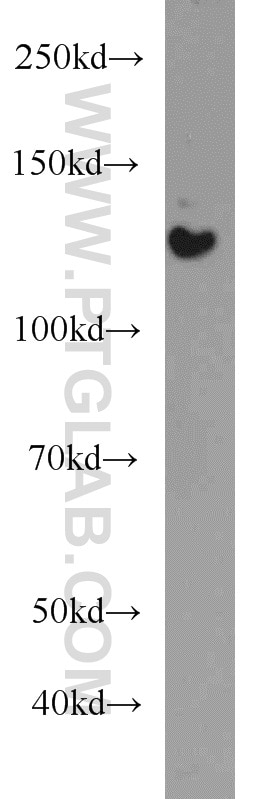
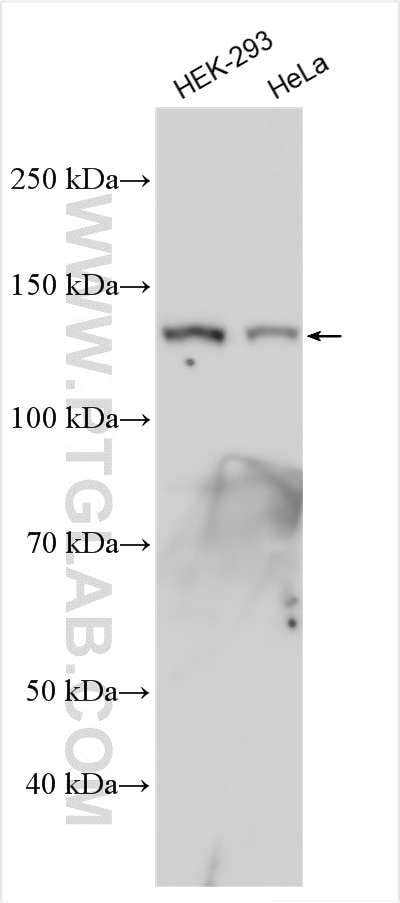
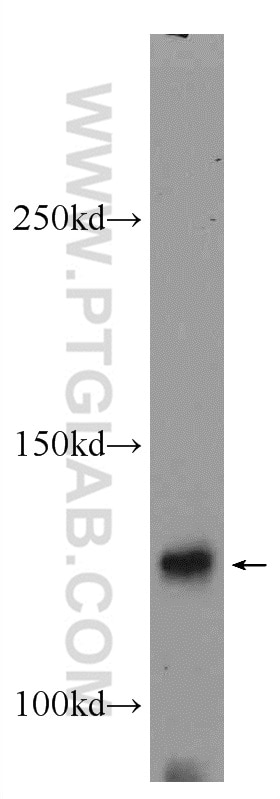
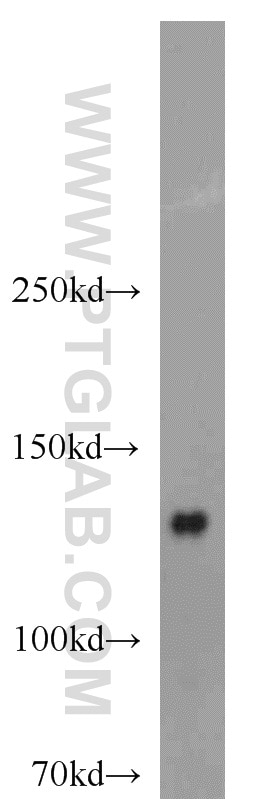
| Positive WB detected in | HeLa cells, HEK-293 cells, fetal human brain tissue |
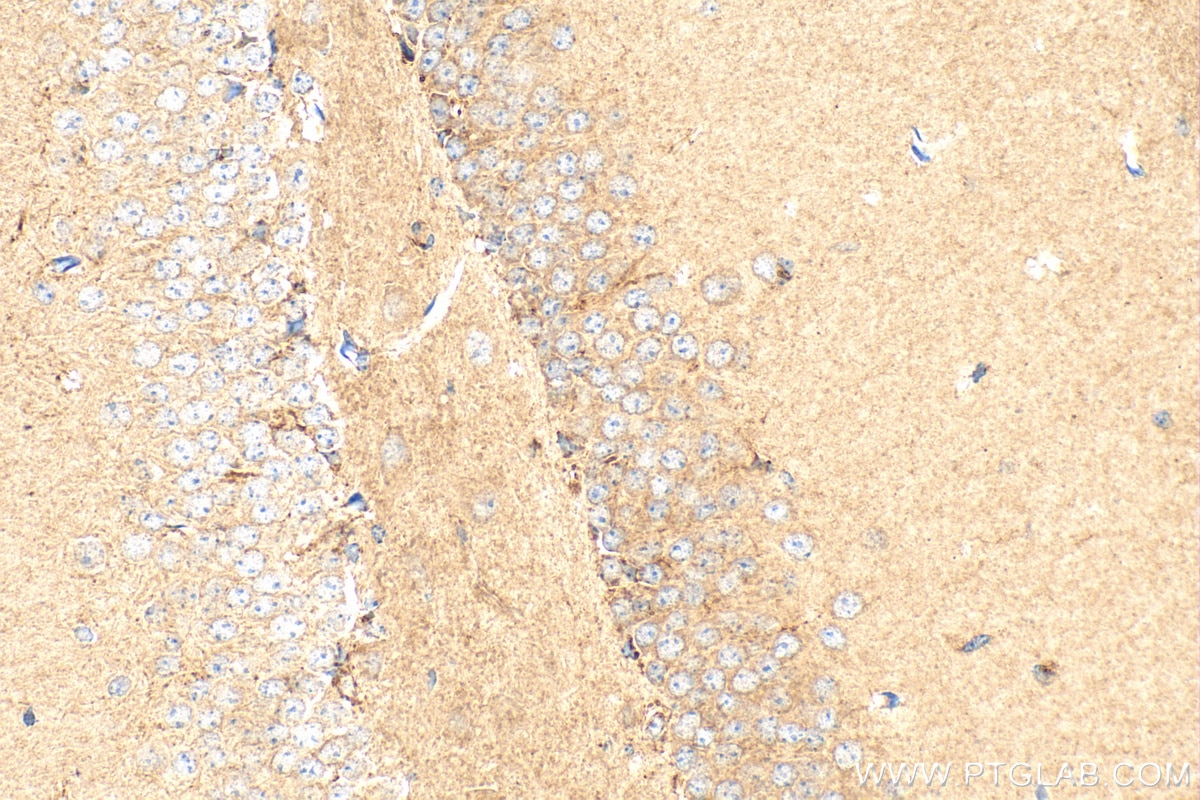
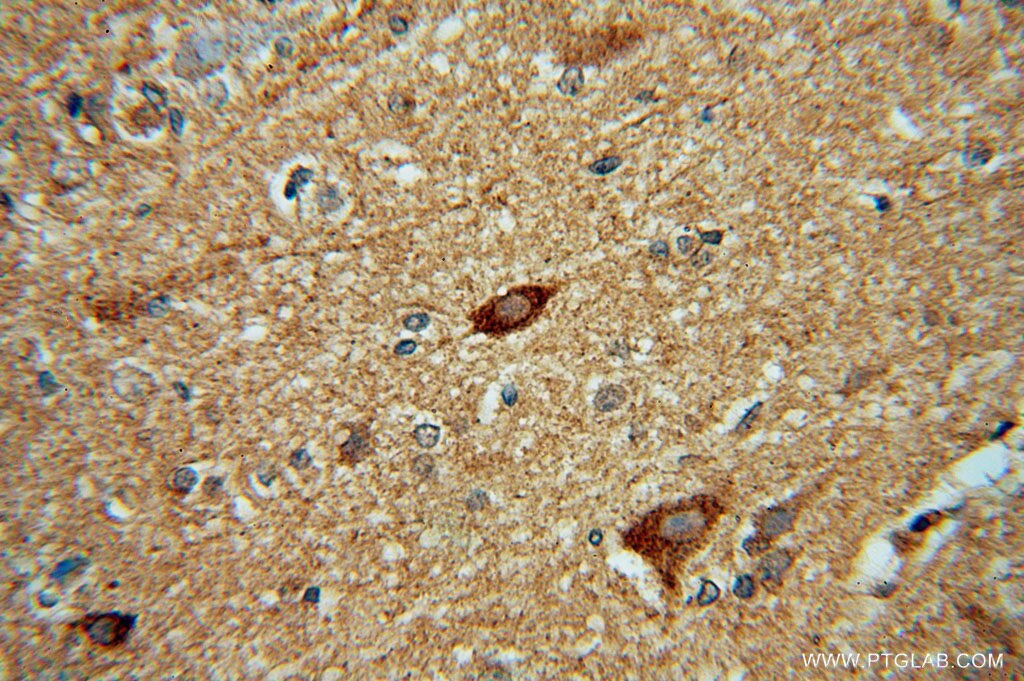
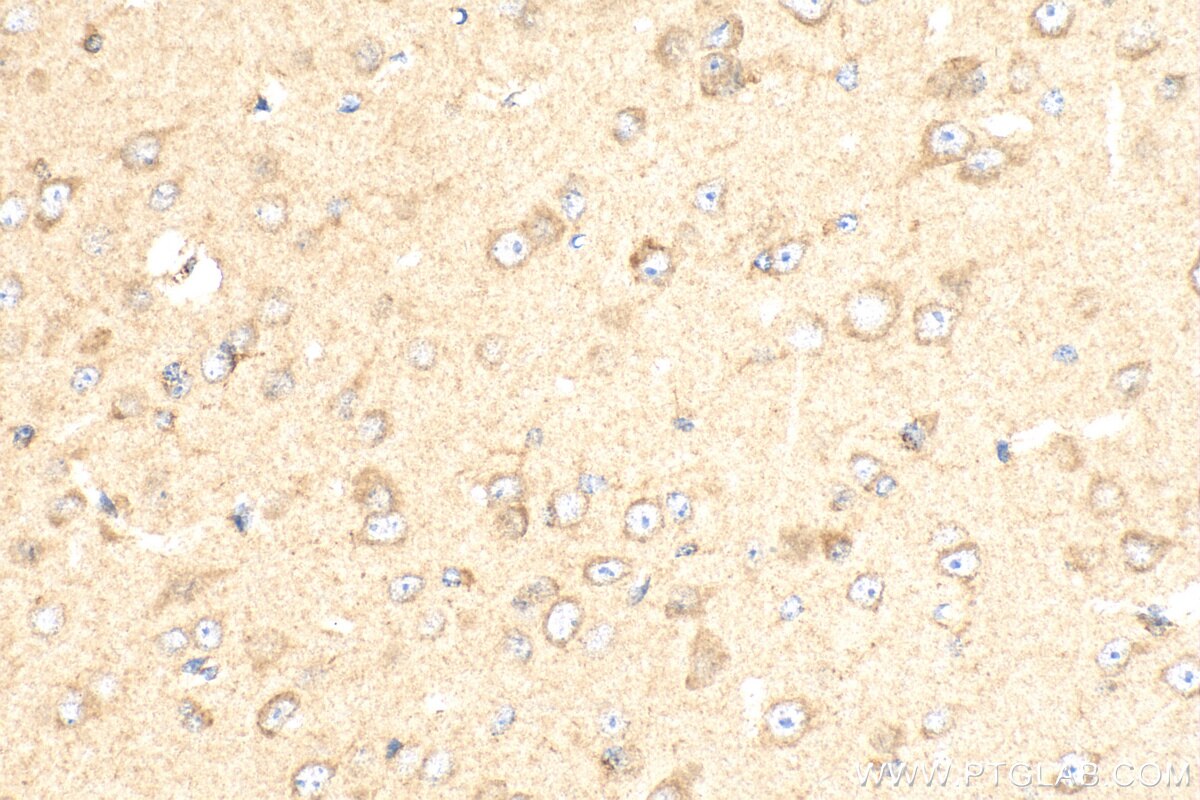
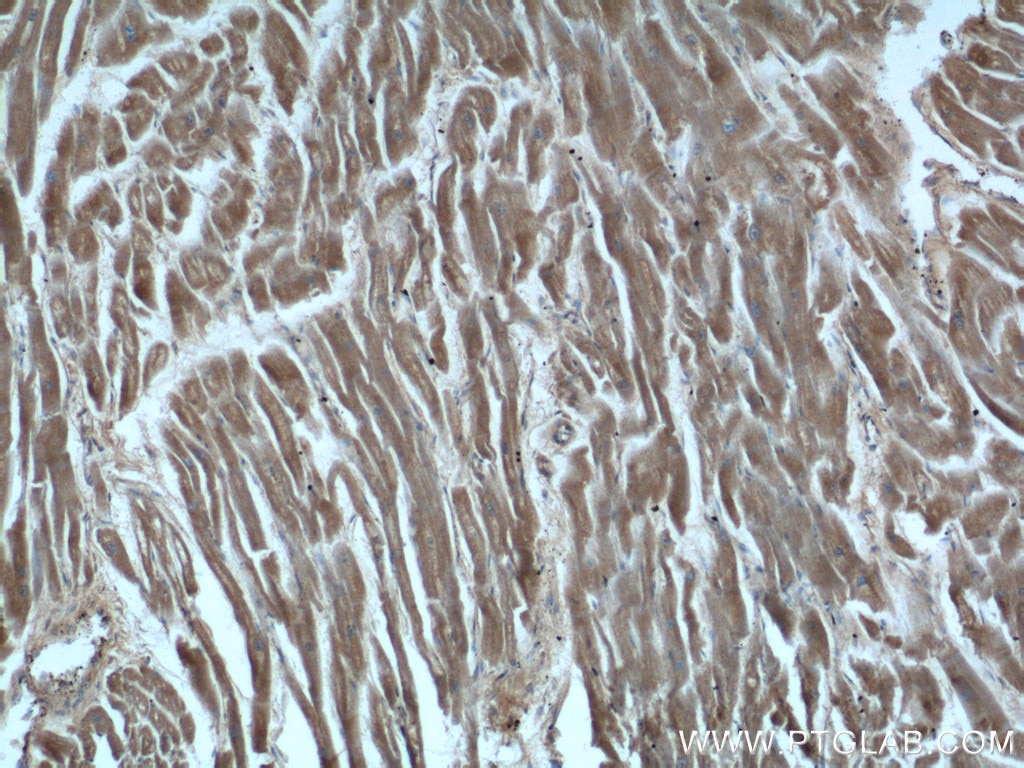
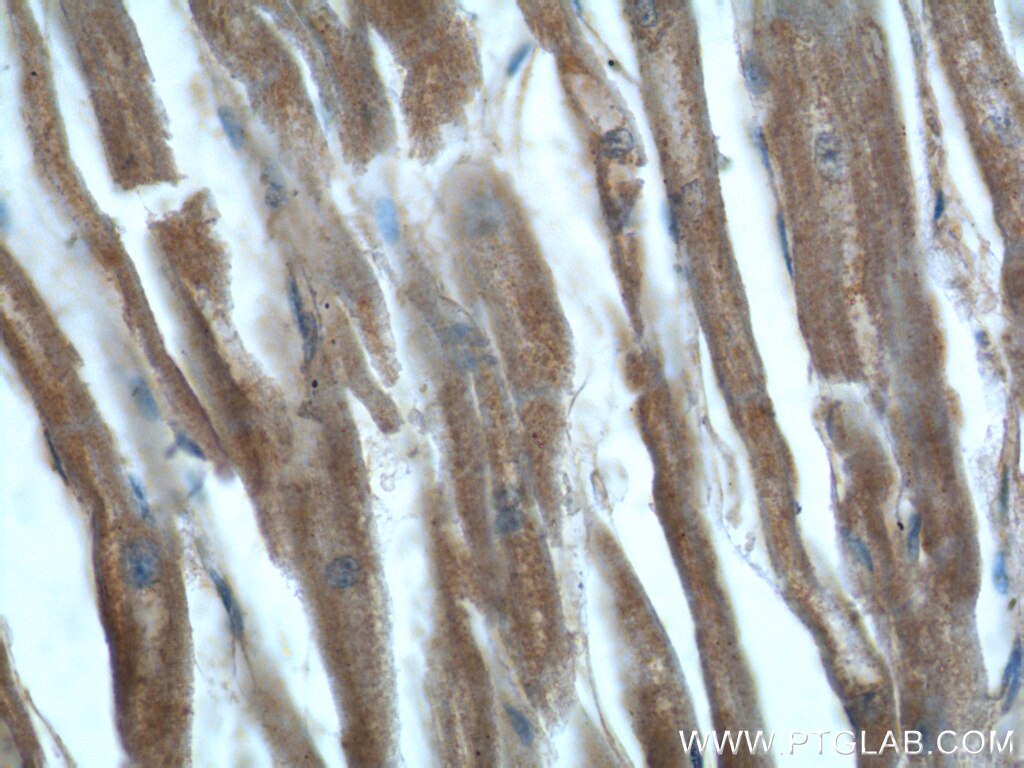
| Positive IHC detected in | mouse brain tissue, human brain tissue, human heart tissue Note: suggested antigen retrieval with TE buffer pH 9.0; (*) Alternatively, antigen retrieval may be performed with citrate buffer pH 6.0 |
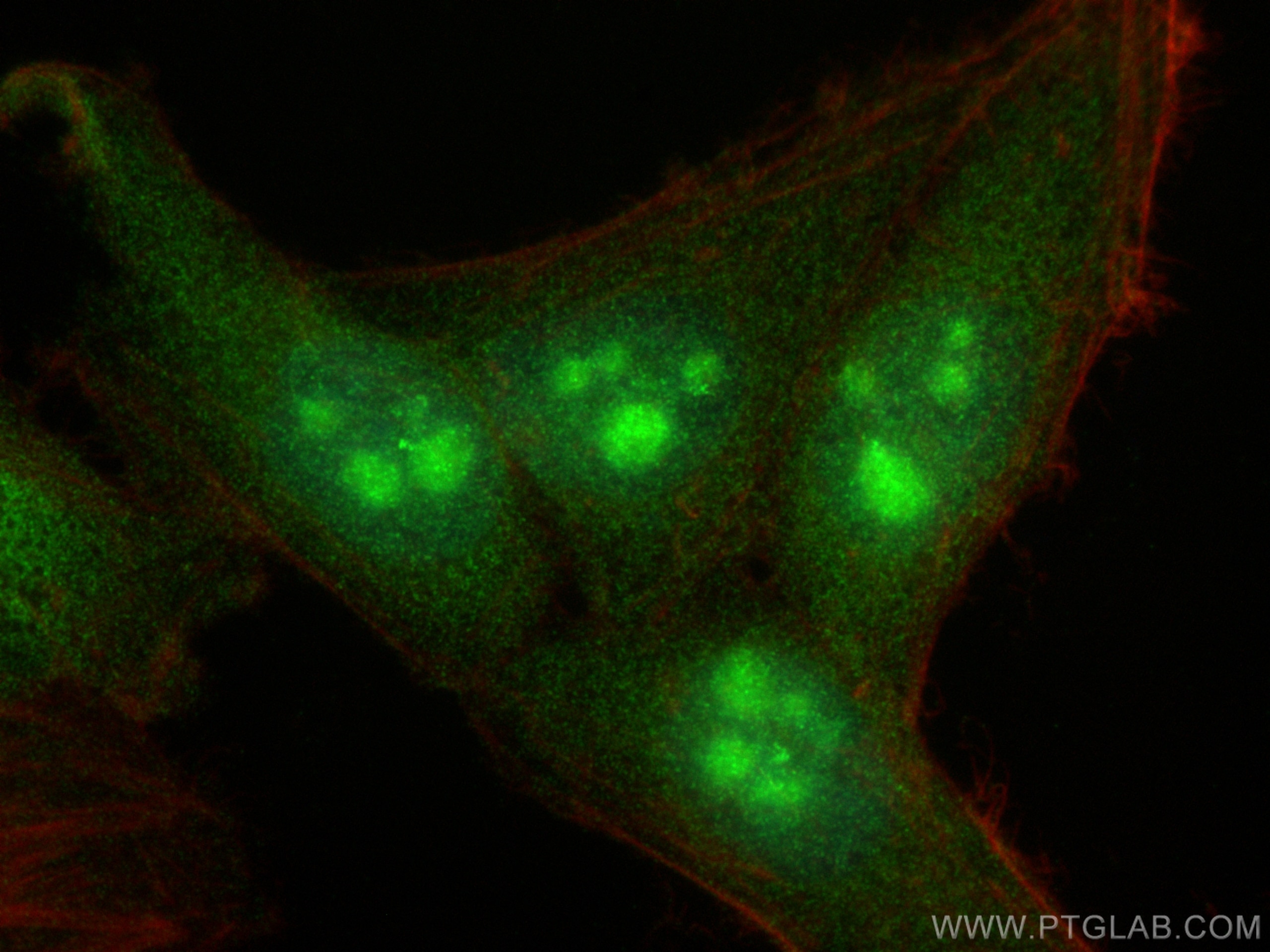
| Positive IF/ICC detected in | HepG2 cells |
Recommended dilution
| Application | Dilution |
|---|---|
| Western Blot (WB) | WB : 1:100-1:1000 |
| Immunohistochemistry (IHC) | IHC : 1:50-1:500 |
| Immunofluorescence (IF)/ICC | IF/ICC : 1:50-1:500 |
| It is recommended that this reagent should be titrated in each testing system to obtain optimal results. | |
| Sample-dependent, Check data in validation data gallery. | |
Product Information
16166-1-AP targets HDAC5-specific in WB, IHC, IF/ICC, CoIP, ChIP, ELISA applications and shows reactivity with human, mouse samples.
| Tested Reactivity | human, mouse |
| Cited Reactivity | human, mouse, rat |
| Host / Isotype | Rabbit / IgG |
| Class | Polyclonal |
| Type | Antibody |
| Immunogen |
Peptide Predict reactive species |
| Full Name | histone deacetylase 5 |
| Calculated Molecular Weight | 122 kDa |
| Observed Molecular Weight | 120-140 kDa |
| GenBank Accession Number | BC051824 |
| Gene Symbol | HDAC5 |
| Gene ID (NCBI) | 10014 |
| RRID | AB_2116779 |
| Conjugate | Unconjugated |
| Form | Liquid |
| Purification Method | Antigen affinity purification |
| UNIPROT ID | Q9UQL6 |
| Storage Buffer | PBS with 0.02% sodium azide and 50% glycerol, pH 7.3. |
| Storage Conditions | Store at -20°C. Stable for one year after shipment. Aliquoting is unnecessary for -20oC storage. 20ul sizes contain 0.1% BSA. |
Background Information
Histone acetylation and deacetylation alternately expose and occlude DNA to transcription factors. At least 4 classes of HDAC were identified. HDAC5 is a class II HDAC. HDAC5 is responsible for the deacetylation of lysine residues on the N-terminal part of the core histones (H2A, H2B, H3, and H4). Histone deacetylation gives a tag for epigenetic repression and plays an important role in transcriptional regulation, cell cycle progression, and developmental events. Histone deacetylases act via the formation of large multiprotein complexes. HDAC5 is involved in muscle maturation by repressing transcription of myocyte enhancer MEF2C. During muscle differentiation, HDAC5 shuttles into the cytoplasm, allowing the expression of myocyte enhancer factors. This antibody only binds HDAC5. It does not cross-react with other HDACs.
Protocols
| Product Specific Protocols | |
|---|---|
| IF protocol for HDAC5-specific antibody 16166-1-AP | Download protocol |
| IHC protocol for HDAC5-specific antibody 16166-1-AP | Download protocol |
| WB protocol for HDAC5-specific antibody 16166-1-AP | Download protocol |
| Standard Protocols | |
|---|---|
| Click here to view our Standard Protocols |
Publications
What published studies show
The HDAC5 antibody (Cat# 16166-1-AP) has 35 citations published across 26 journals, including Cell, Molecular Cell, Science Translational Medicine, Theranostics, Advanced Science, Biomaterials, Cell Death & Disease, Cancer Letters, FASEB Journal, and Kidney International. Associated research fields span oncology (breast, pancreatic, lung, cervical, ovarian, and nasopharyngeal cancers), cardiology, nephrology, epigenetics, vascular biology, osteogenesis, immunology, and diabetic neuropathy.
| Species | Application | Title |
|---|---|---|
Cell Osr2 functions as a biomechanical checkpoint to aggravate CD8+ T cell exhaustion in tumor | ||
Cell Targeting Epigenetic Crosstalk as a Therapeutic Strategy for EZH2-Aberrant Solid Tumors. | ||
Kidney Int Histone deacetylase 4 selectively contributes to podocyte injury in diabetic nephropathy. | ||
Mol Cell HDAC5 depletion promotes hyper-acetylation of FOXA1 and potentiates HIF1α transcriptional activation in pancreatic cancer. | ||
Sci Transl Med ATP citrate lyase drives vascular remodeling in systemic and pulmonary vascular diseases through metabolic and epigenetic changes | ||
Theranostics Saikosaponin D Mitigates Radioresistance in Triple-Negative Breast Cancer by Inducing MRE11 De-Lactylation via HIF1α/HDAC5 Pathway |











