

Tested Applications
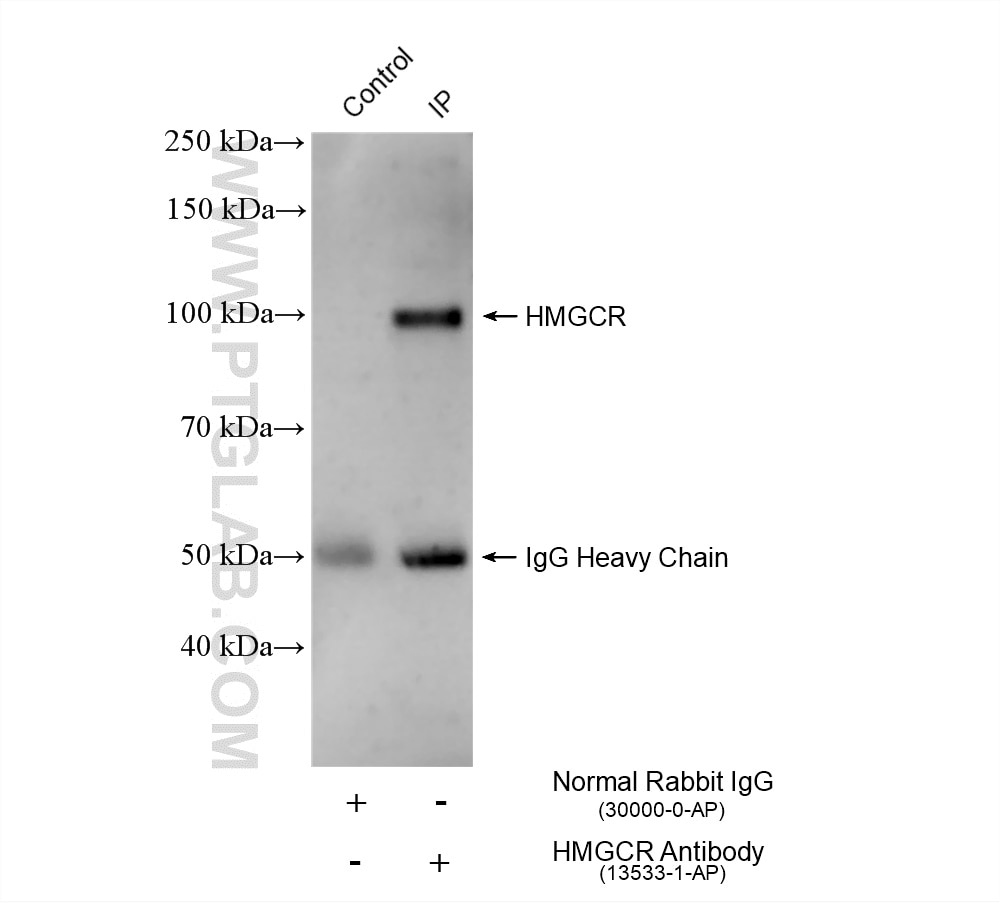
| Positive IP detected in | HeLa cells |
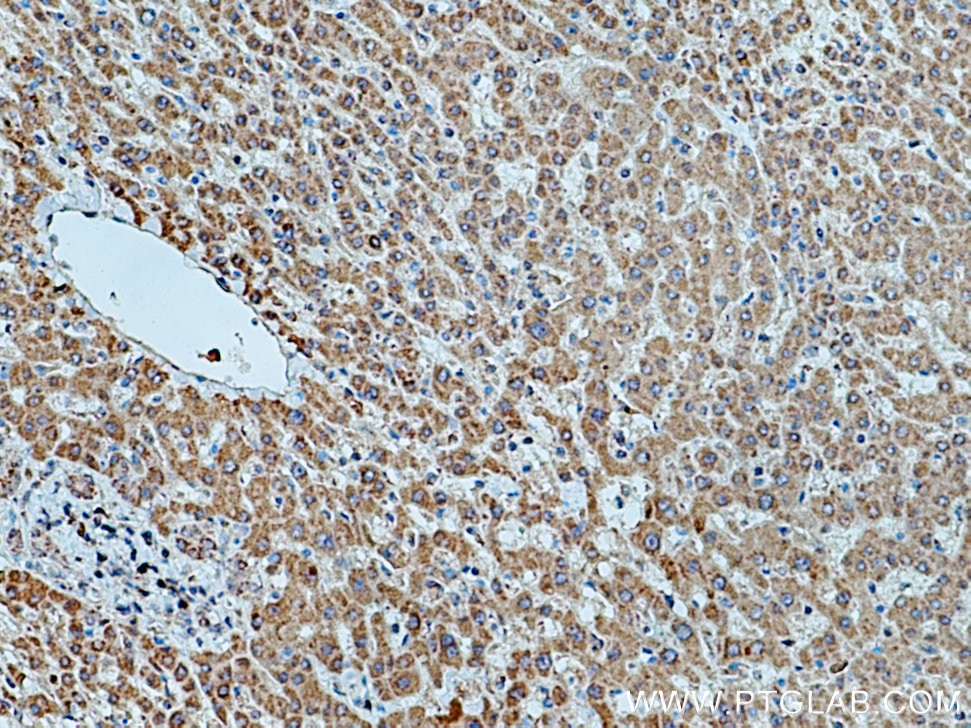
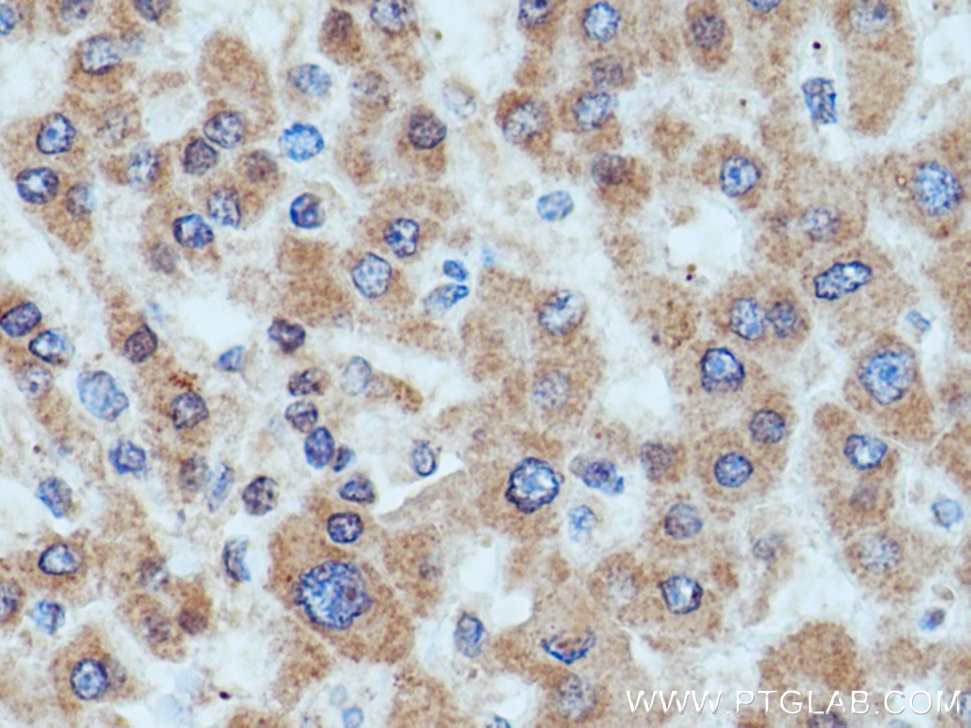
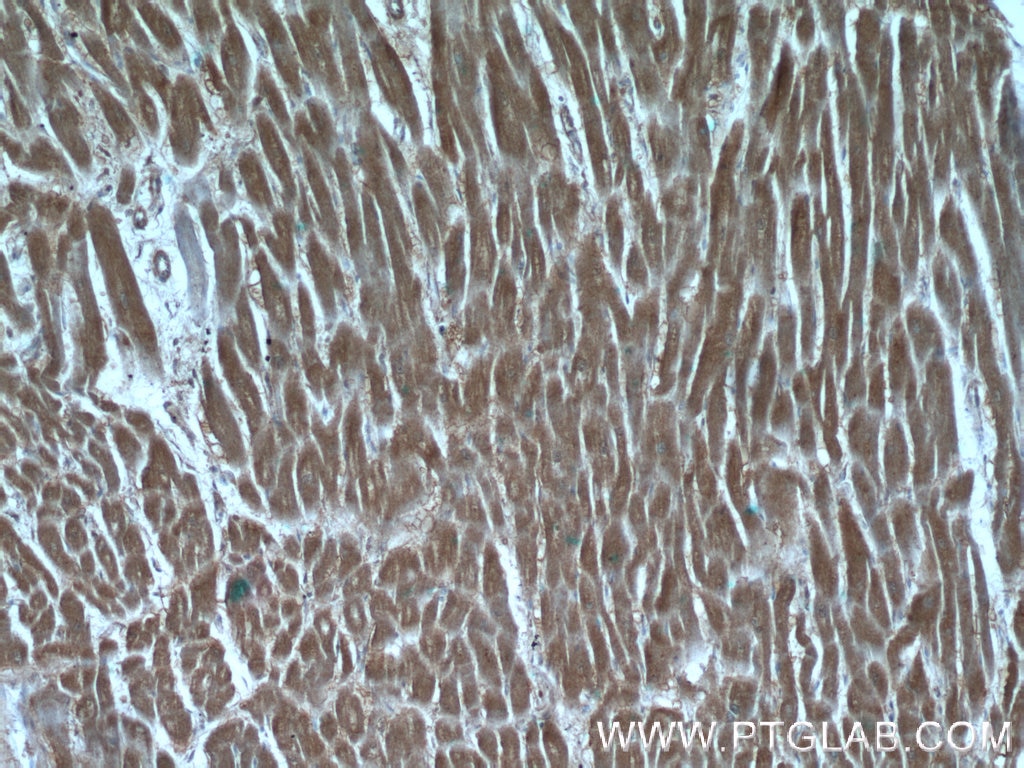
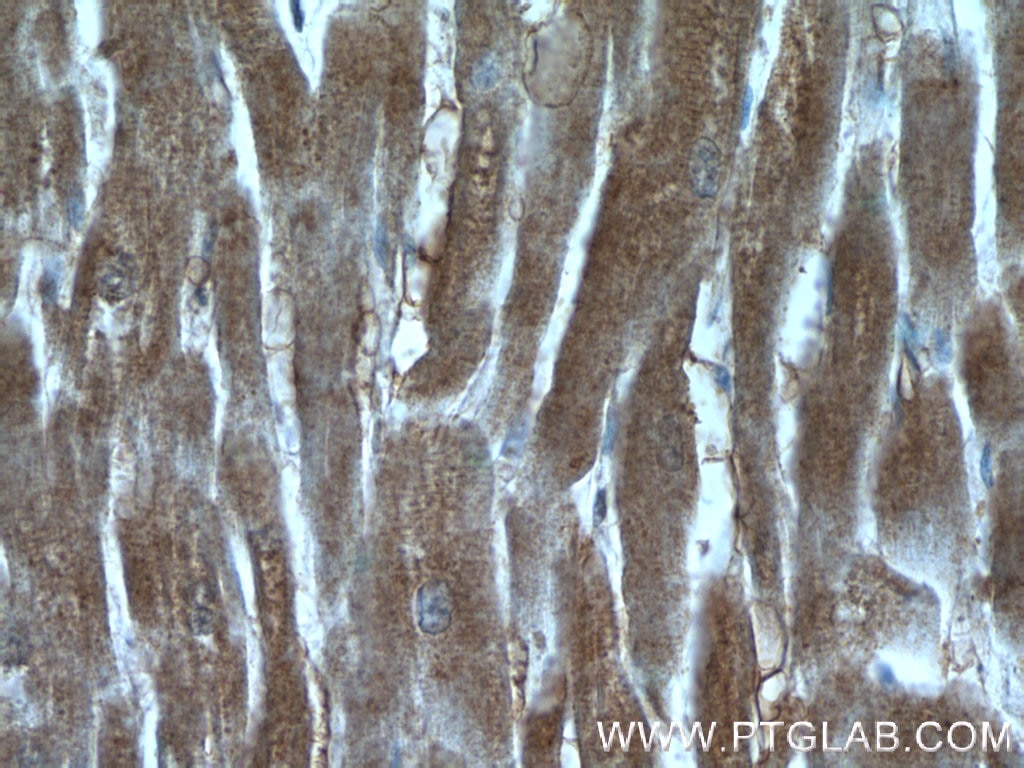
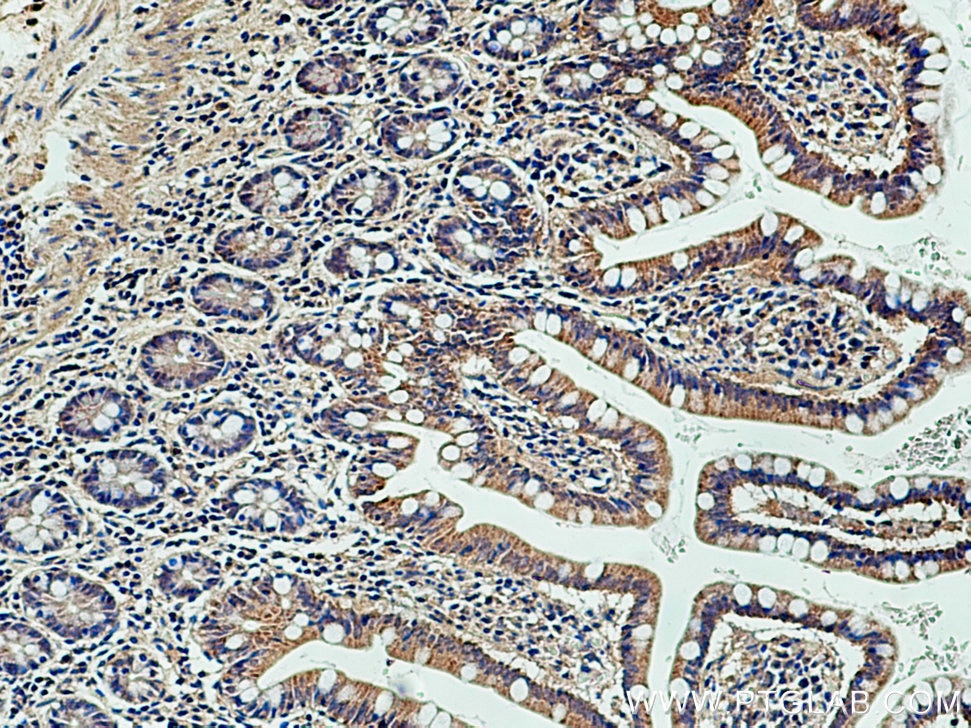
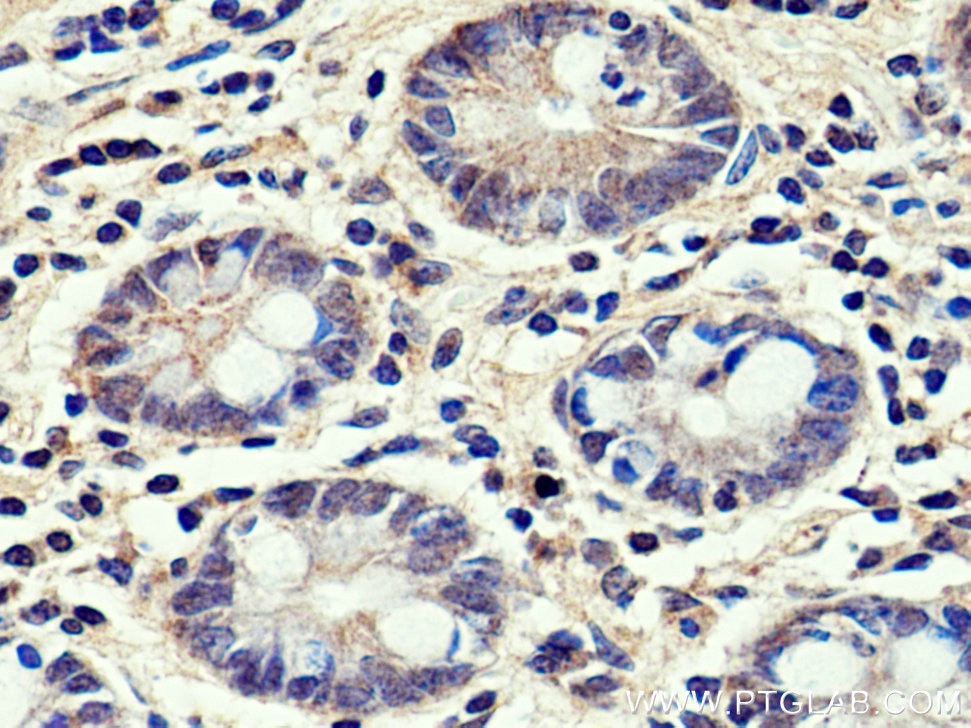
| Positive IHC detected in | human liver cancer tissue, human small intestine tissue, human heart tissue Note: suggested antigen retrieval with TE buffer pH 9.0; (*) Alternatively, antigen retrieval may be performed with citrate buffer pH 6.0 |
Recommended dilution
| Application | Dilution |
|---|---|
| Immunoprecipitation (IP) | IP : 0.5-4.0 ug for 1.0-3.0 mg of total protein lysate |
| Immunohistochemistry (IHC) | IHC : 1:500-1:2000 |
| It is recommended that this reagent should be titrated in each testing system to obtain optimal results. | |
| Sample-dependent, Check data in validation data gallery. | |
Product Information
13533-1-AP targets HMGCR in IHC, IF, IP, ELISA applications and shows reactivity with human, mouse, rat samples.
| Tested Reactivity | human, mouse, rat |
| Cited Reactivity | human, mouse, rat |
| Host / Isotype | Rabbit / IgG |
| Class | Polyclonal |
| Type | Antibody |
| Immunogen |
CatNo: Ag4444 Product name: Recombinant human HMGCR protein Source: e coli.-derived, PGEX-4T Tag: GST Domain: 536-835 aa of BC033692 Sequence: TRGPVVRLPRACDSAEVKAWLETSEGFAVIKEAFDSTSRFARLQKLHTSIAGRNLYIRFQSRSGDAMGMNMISKGTEKALSKLHEYFPEMQILAVSGNYCTDKKPAAINWIEGRGKSVVCEAVIPAKVVREVLKTTTEAMIEVNINKNLVGSAMAGSIGGYNAHAANIVTAIYIACGQDAAQNVGSSNCITLMEASGPTNEDLYISCTMPSIEIGTVGGGTNLLPQQACLQMLGVQGACKDNPGENARQLARIVCGTVMAGELSLMAALAAGHLVKSHMIHNRSKINLQDLQGACTKKTA Predict reactive species |
| Full Name | 3-hydroxy-3-methylglutaryl-Coenzyme A reductase |
| Calculated Molecular Weight | 888 aa, 95 kDa |
| GenBank Accession Number | BC033692 |
| Gene Symbol | HMGCR |
| Gene ID (NCBI) | 3156 |
| RRID | AB_2877957 |
| Conjugate | Unconjugated |
| Form | Liquid |
| Purification Method | Antigen affinity purification |
| UNIPROT ID | P04035 |
| Storage Buffer | PBS with 0.02% sodium azide and 50% glycerol, pH 7.3. |
| Storage Conditions | Store at -20°C. Stable for one year after shipment. Aliquoting is unnecessary for -20oC storage. 20ul sizes contain 0.1% BSA. |
Background Information
HMGCR(3-hydroxy-3-methylglutaryl-coenzyme A reductase) is also named as HMG-CoA reductase and belongs to the HMG-CoA reductase family. This protein exists as a 97-kDa glycoprotein in the endoplasmic reticulum (ER) and is the rate-determining enzyme of the biosynthesis pathway(PMID:15830340).The ectopic expression of either full-length HMGCR or its novel splice variant promotes dysregulation of the MVA pathway. And the ectopic expression of cHMGCR-FL(60 kDa) and cHMGCR-D13(55 kDa) can be detected in HepG2 cells(PMID:20696928).This protein is also can exsit as a oligomer(PMID:20696928).
Protocols
| Product Specific Protocols | |
|---|---|
| IHC protocol for HMGCR antibody 13533-1-AP | Download protocol |
| IP protocol for HMGCR antibody 13533-1-AP | Download protocol |
| Standard Protocols | |
|---|---|
| Click here to view our Standard Protocols |
Publications
What published studies show
The HMGCR Polyclonal antibody (Cat# 13533-1-AP) has 77 citations. They appear in journals including Nature Communications, Neuron, JCI Insight, Cell Reports, Journal of Clinical Investigation, Advanced Science, Signal Transduction and Targeted Therapy, Journal of Biological Chemistry, Cell Death & Disease, iScience, Food & Function, Nutrients, and Scientific Reports. Research fields span cholesterol/lipid metabolism, cancer (hepatocellular, colorectal, gastric, breast, melanoma), ferroptosis, immunotherapy, NAFLD/obesity, gut microbiota, and cardiovascular/metabolic disease.
| Species | Application | Title |
|---|---|---|
Signal Transduct Target Ther Targeting intracellular cholesterol imbalance rescues sarcomere-ER contact site signaling and ER remodeling in dilated cardiomyopathy. | ||
Nat Commun Leukocyte immunoglobulin-like receptor B1 (LILRB1) protects human multiple myeloma cells from ferroptosis by maintaining cholesterol homeostasis | ||
Exp Mol Med Cholesterol biosynthesis induced by radiotherapy inhibits cGAS-STING activation and contributes to colorectal cancer treatment resistance | ||
Neuron Astrocytic ApoE reprograms neuronal cholesterol metabolism and histone-acetylation-mediated memory. | ||
J Nanobiotechnology Targeting cancer stem-like cells via cholesterol modulation and ferroptosis induction using a multifunctional nanoplatform to overcome drug resistance. | ||
Reviews
What customers say
Customers report mixed results for this antibody. In Western blot, one user found it works well with liver samples at 1:1000 dilution, while another noted multiple non-specific bands in animal tissue that reduced result clarity. For immunohistochemistry, a user reported excellent staining performance on hepatic tissue at pH 6 with a 1:100 dilution. Overall, the antibody performs reliably in liver-related applications, though some users experienced background issues in certain animal tissue samples.
The reviews below have been submitted by verified Proteintech customers who received an incentive for providing their feedback.
Meixin (Verified Customer) (10-14-2025) | when applied to animal tissue samples, the antibody showed multiple non-specific bands, which affected the clarity of the result.
|
Zach (Verified Customer) (09-12-2025) | The antibody works great with liver samples.
|
Malak (Verified Customer) (11-30-2020) | The antibody works very well in IHC staining especially at pH6 and with 1/100 dilution
|








