

Tested Applications
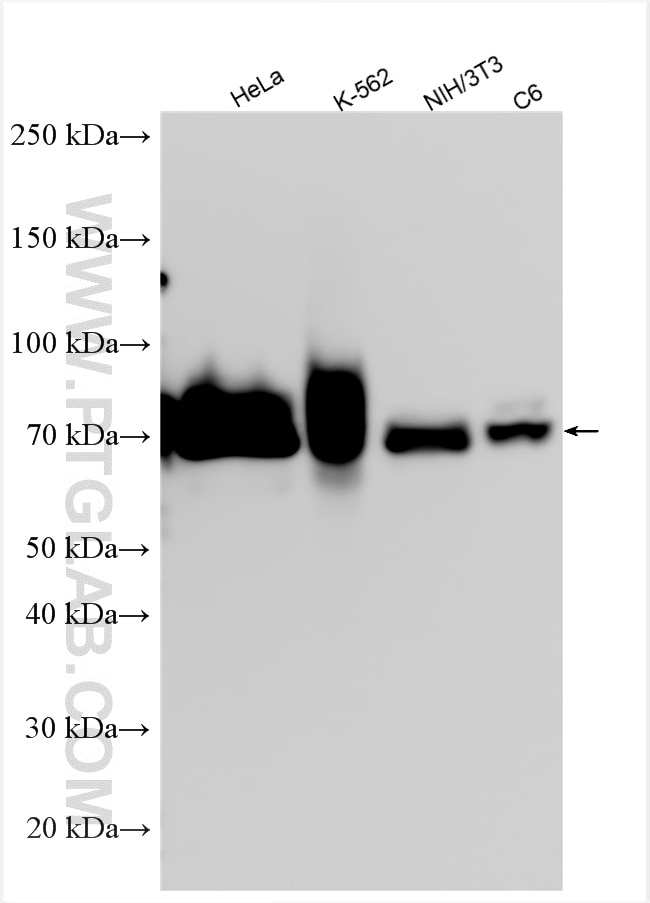
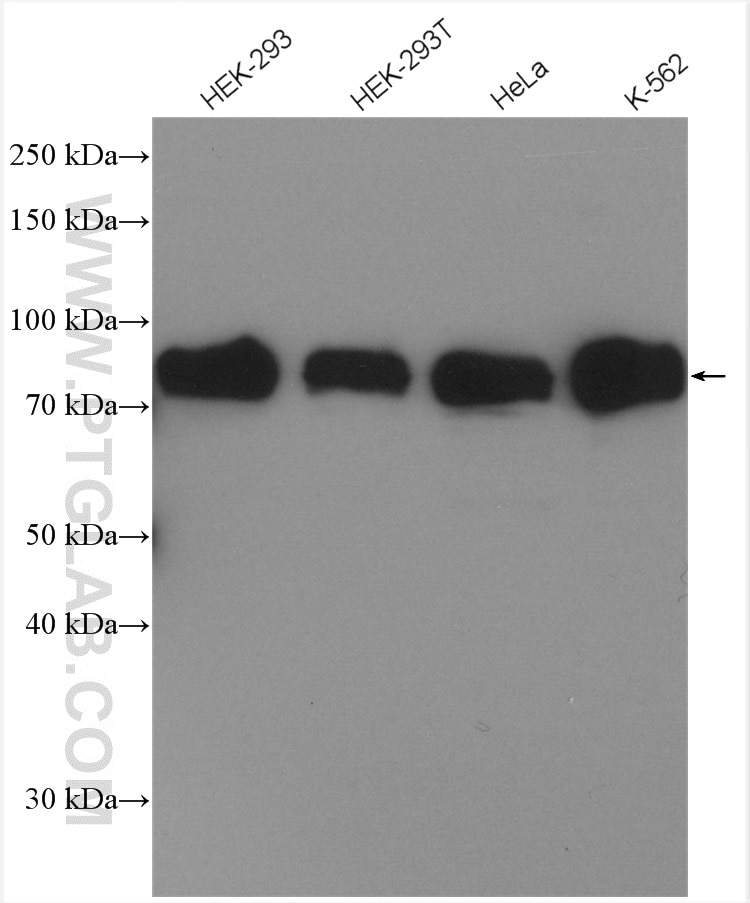
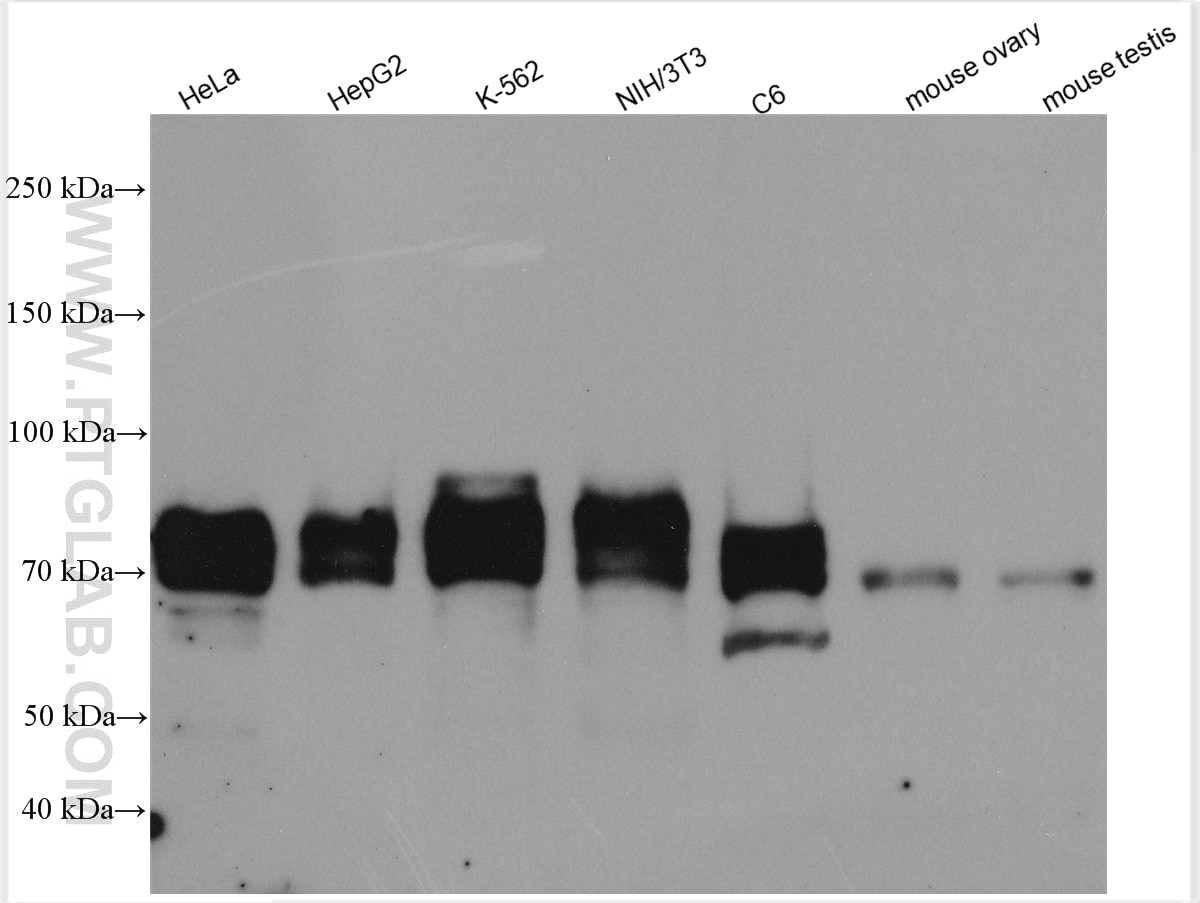
| Positive WB detected in | HeLa cells, HEK-293 cells, HEK-293T cells, K-562 cells, HepG2 cells, NIH/3T3 cells, C6 cells, mouse ovary tissue, mouse testis tissue |
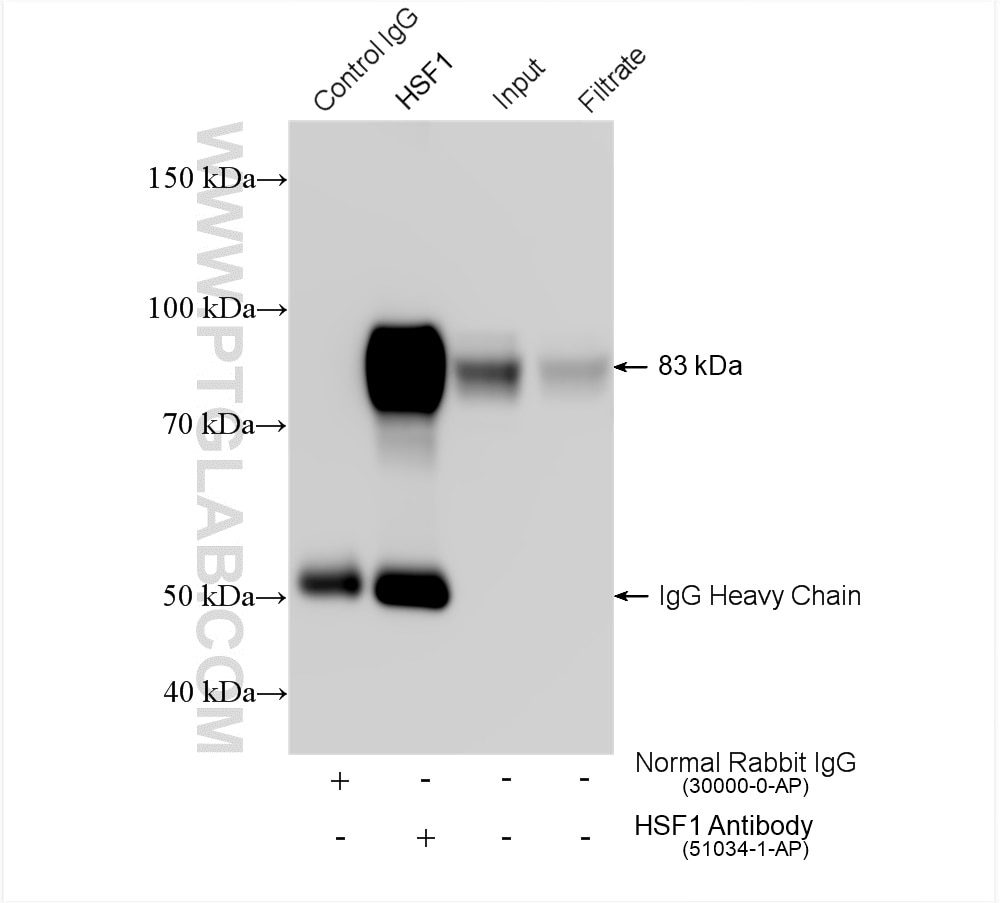
| Positive IP detected in | Jurkat cells |
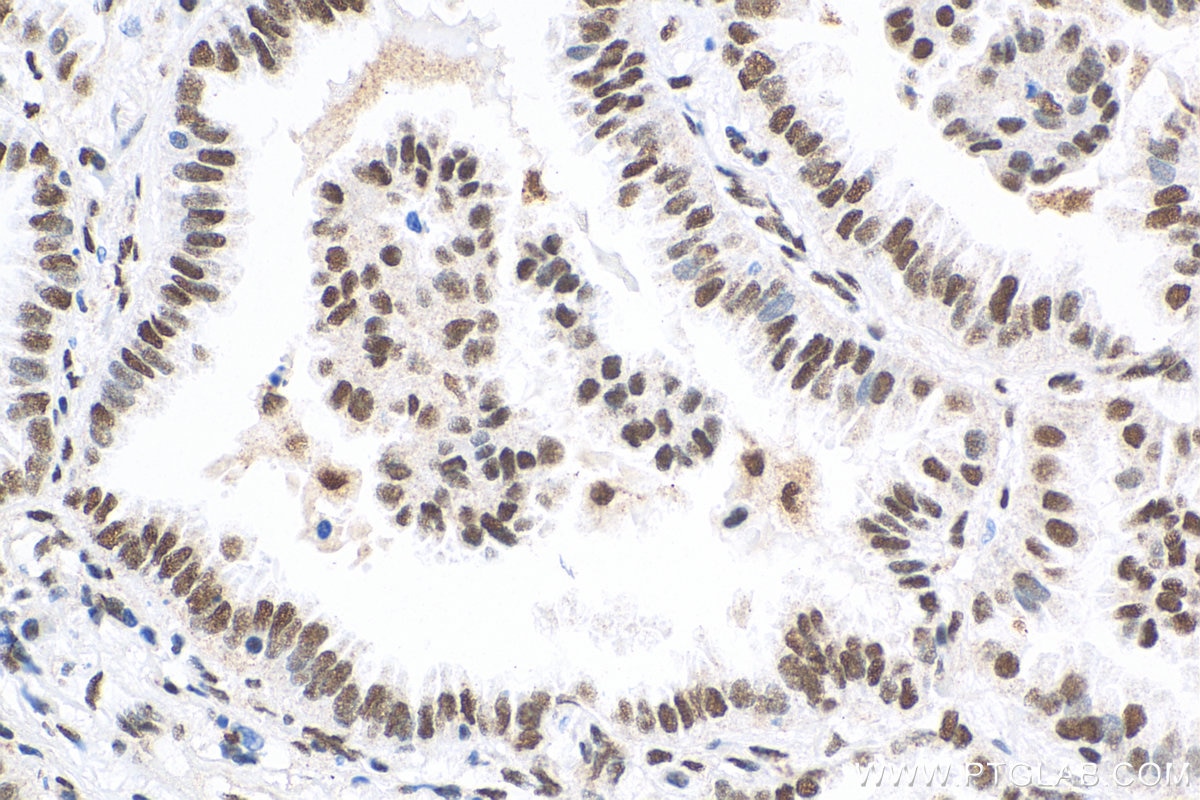
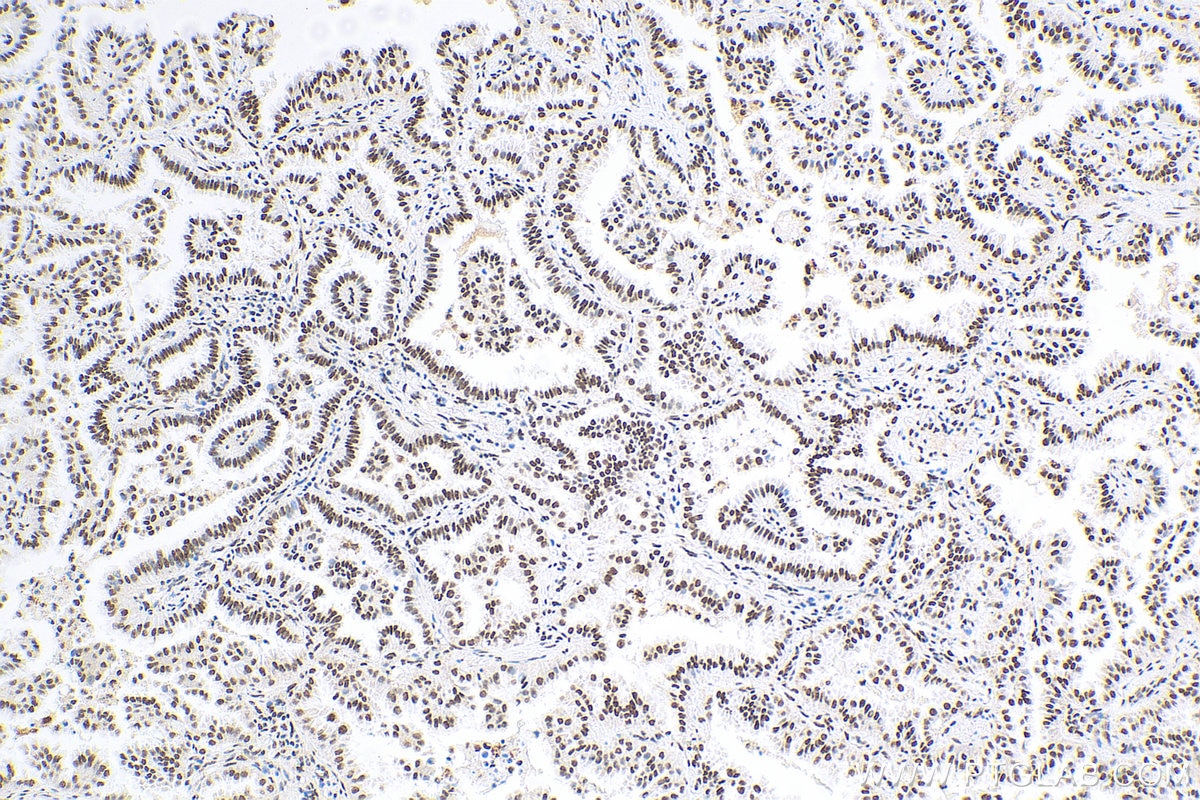
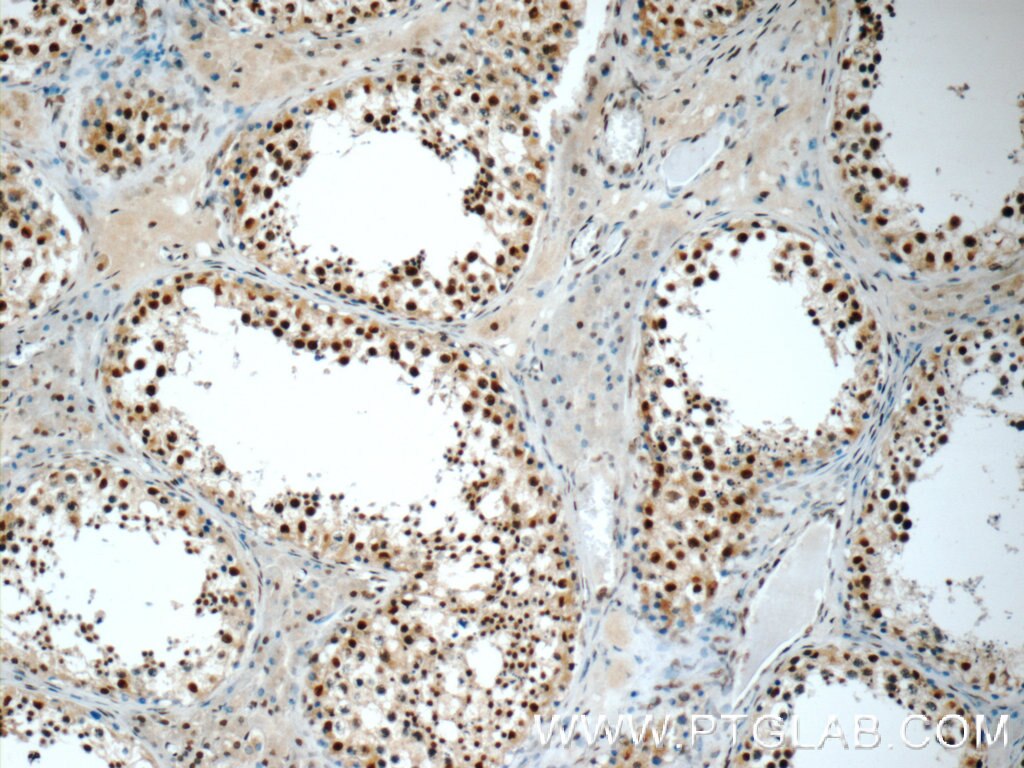
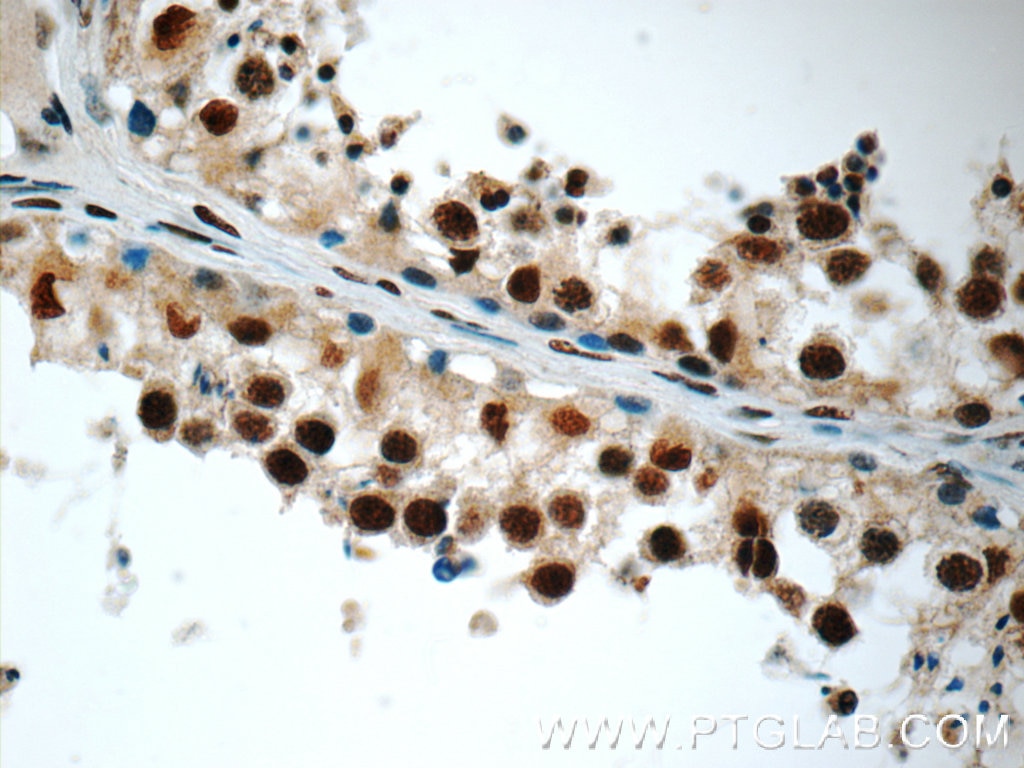
| Positive IHC detected in | human lung cancer tissue, human testis tissue Note: suggested antigen retrieval with TE buffer pH 9.0; (*) Alternatively, antigen retrieval may be performed with citrate buffer pH 6.0 |
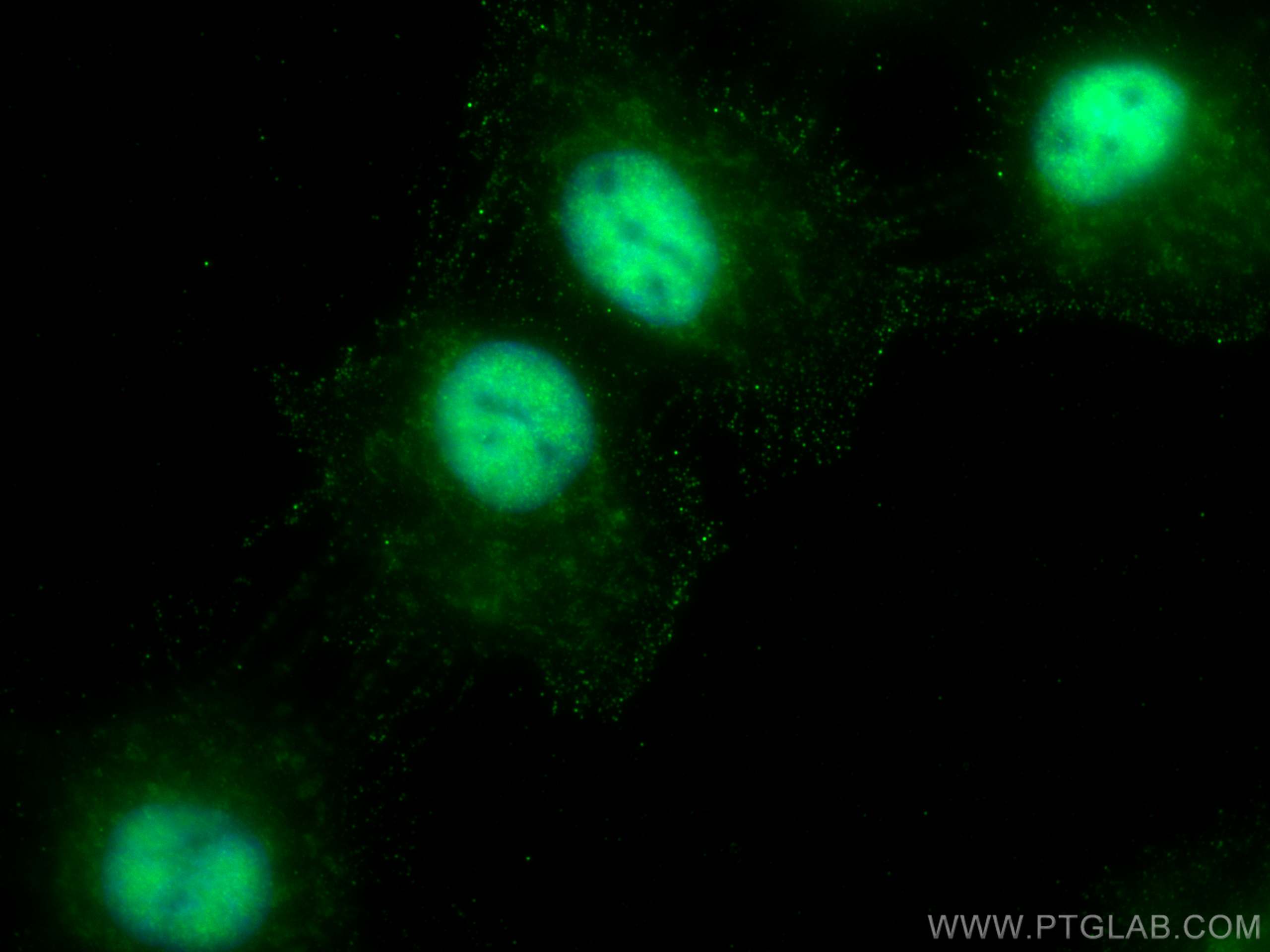
| Positive IF/ICC detected in | A431 cells |
Recommended dilution
| Application | Dilution |
|---|---|
| Western Blot (WB) | WB : 1:2000-1:16000 |
| Immunoprecipitation (IP) | IP : 0.5-4.0 ug for 1.0-3.0 mg of total protein lysate |
| Immunohistochemistry (IHC) | IHC : 1:500-1:2000 |
| Immunofluorescence (IF)/ICC | IF/ICC : 1:200-1:800 |
| It is recommended that this reagent should be titrated in each testing system to obtain optimal results. | |
| Sample-dependent, Check data in validation data gallery. | |
Product Information
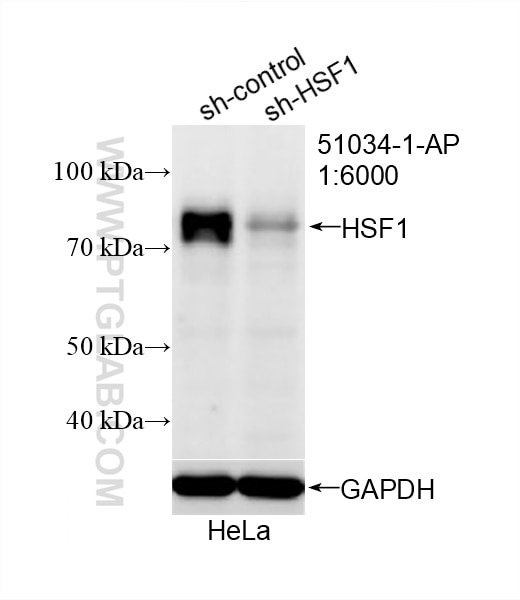
51034-1-AP targets HSF1 in WB, IHC, IF/ICC, IP, CoIP, ChIP, ELISA applications and shows reactivity with human, mouse, rat samples.
| Tested Reactivity | human, mouse, rat |
| Cited Reactivity | human, mouse, rat, bovine |
| Host / Isotype | Rabbit / IgG |
| Class | Polyclonal |
| Type | Antibody |
| Immunogen |
CatNo: Ag0739 Product name: Recombinant human HSF1 protein Source: e coli.-derived, PGEX-4T Tag: GST Domain: 230-529 aa of BC014638 Sequence: SLEHVHGSGPYSAPSPAYSSSSLYAPDAVASSGPIISDITELAPASPMASPGGSIDERPLSSSPLVRVKEEPPSPPQSPRVEEASPGRPSSVDTLLSPTALIDSILRESEPAPASVTALTDARGHTDTEGRPPSPPPTSTPEKCLSVACLDKNELSDHLDAMDSNLDNLQTMLSSHGFSVDTSALLDLFSPSVTVPDMSLPDLDSSLASIQELLSPQEPPRPPEAENSSPDSGKQLVHYTAQPLFLLDPGSVDTGSNDLPVLFELGEGSYFSEGDGFAEDPTISLLTGSEPPKAKDPTVS Predict reactive species |
| Full Name | heat shock transcription factor 1 |
| Calculated Molecular Weight | 529 aa, 57 kDa |
| Observed Molecular Weight | 68-80 kDa |
| GenBank Accession Number | BC014638 |
| Gene Symbol | HSF1 |
| Gene ID (NCBI) | 3297 |
| RRID | AB_2120269 |
| Conjugate | Unconjugated |
| Form | Liquid |
| Purification Method | Antigen affinity purification |
| UNIPROT ID | Q00613 |
| Storage Buffer | PBS with 0.02% sodium azide and 50% glycerol, pH 7.3. |
| Storage Conditions | Store at -20°C. Stable for one year after shipment. Aliquoting is unnecessary for -20oC storage. 20ul sizes contain 0.1% BSA. |
Background Information
HSF1 belongs to heat-shock transcription factors that activate heat-shock response genes under conditions of heat or other stresses. Also, HSF1 has been linked with oogenesis, spermatogenesis, and placental development. It can activate AKT and inactivate JNK and CASP3 to protect cardiomyocytes from death. And it has a role in the regulation of life span and establishes a role for SIRT1 in protein homeostasis and heat-shock response. The calculated molecular weight of HSF1 is 57 kDa, but HSF1 migrates at approximately 80 kDa which likely represents different phosphorylation states (PMID: 18434628).
Protocols
| Product Specific Protocols | |
|---|---|
| IF protocol for HSF1 antibody 51034-1-AP | Download protocol |
| IHC protocol for HSF1 antibody 51034-1-AP | Download protocol |
| IP protocol for HSF1 antibody 51034-1-AP | Download protocol |
| WB protocol for HSF1 antibody 51034-1-AP | Download protocol |
| Standard Protocols | |
|---|---|
| Click here to view our Standard Protocols |
Publications
What published studies show
51034-1-AP is an anti-HSF1 antibody with 35 total citations. It appears in high-impact journals including Science, Nature Communications, Molecular Cell, Brain, Small, Developmental Cell, Biomaterials, and FASEB Journal, among others. Research fields span heat shock response, cancer biology, neurodegeneration, aging, ferroptosis, inflammation, and cardiovascular disease, with applications primarily in Western blot, immunofluorescence, IP, ChIP, and IHC across mouse, human, rat, and bovine species.
| Species | Application | Title |
|---|---|---|
Nat Commun Spliceosome component Usp39 contributes to hepatic lipid homeostasis through the regulation of autophagy | ||
Mol Cell Spliceosomal proofreading factors safeguard 3' splice-site fidelity and prevent proteotoxicity and inflammation | ||
J Nanobiotechnology Engineered T cell membrane coated nanoparticles reverse thermo-resistance and reprogram tumor microenvironment to synergistically potentiate bladder cancer photothermal immunotherapy. | ||
Biomaterials Optically controllable nanoregulators enable tumor-specific pro-ferroptosis lipometabolic reprogramming for in-situ adjuvant-free vaccination | ||
Brain Intronic VNTRs downregulate expression of HSF1 and confer genetic risk of essential tremor. |











