

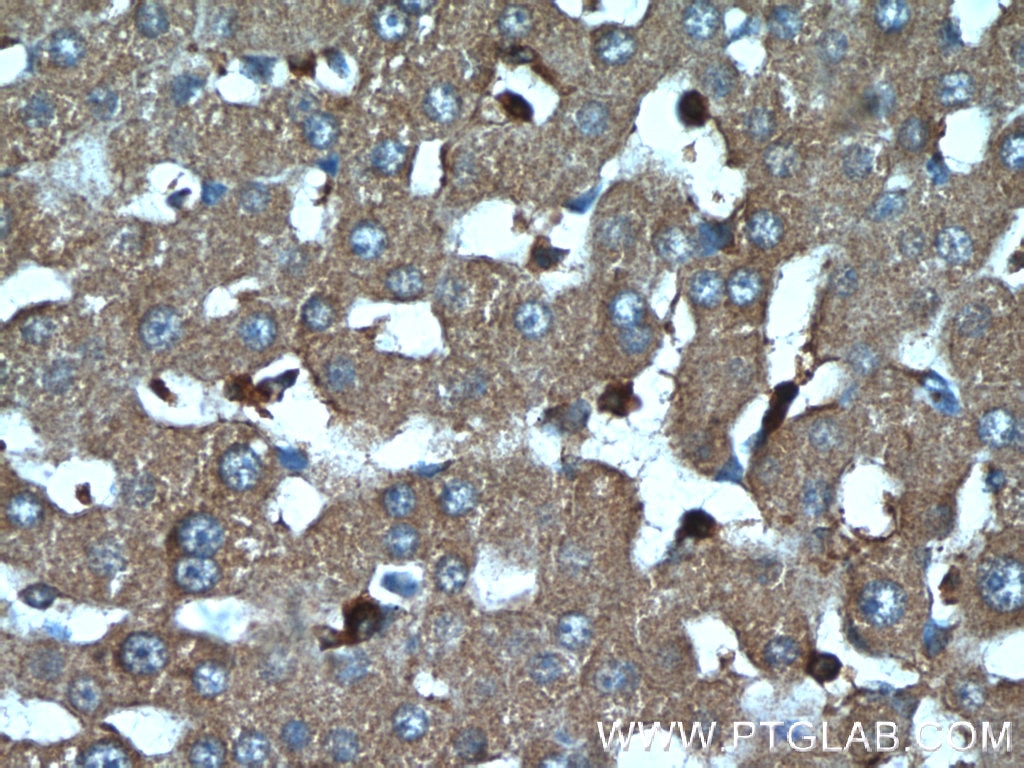
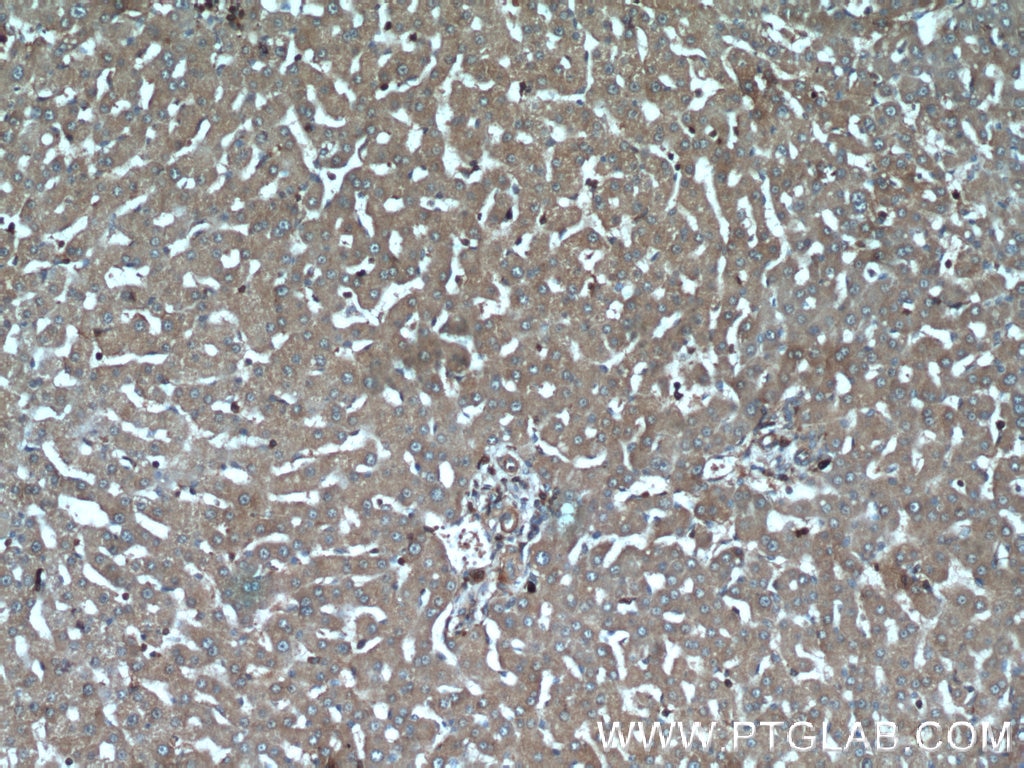
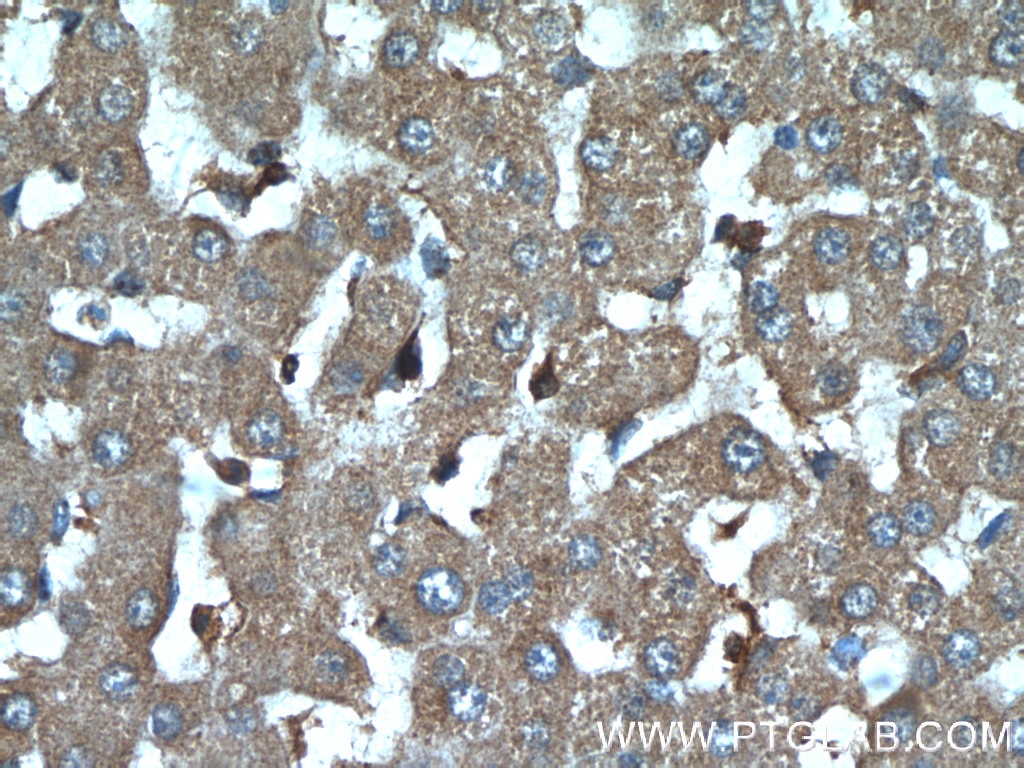
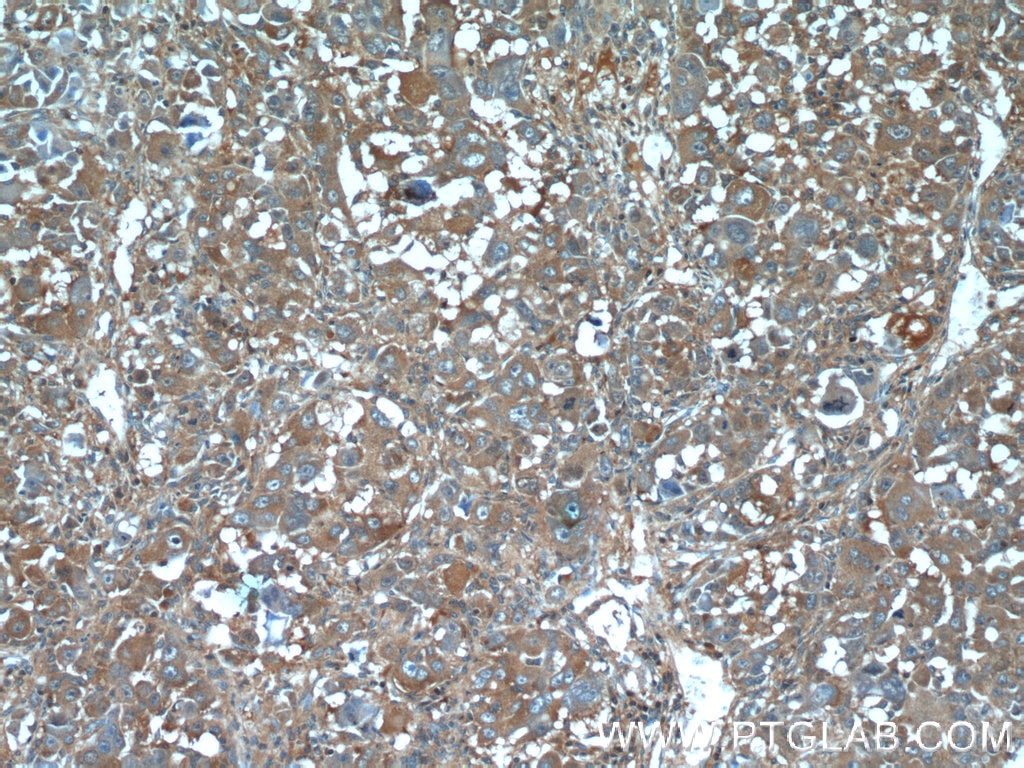

Tested Applications
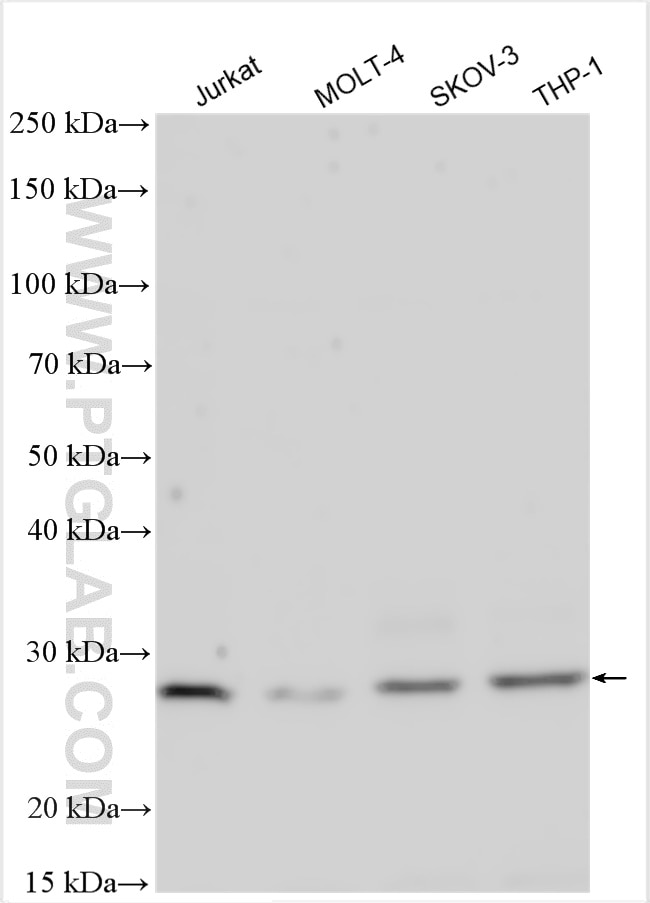
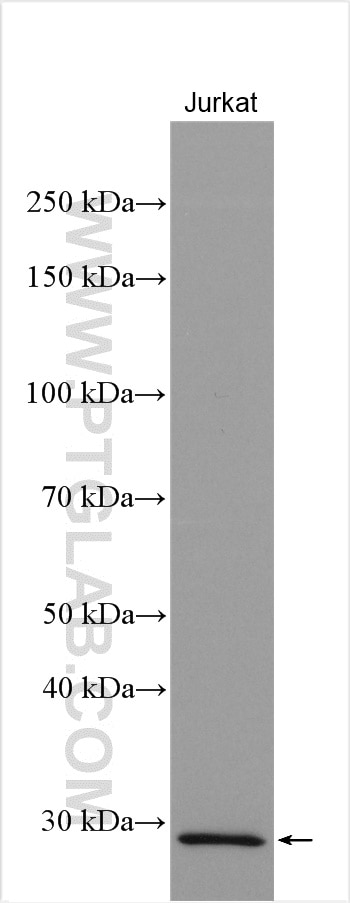
| Positive WB detected in | Jurkat cells, MOLT-4 cells, SKOV-3 cells, THP-1 cells |
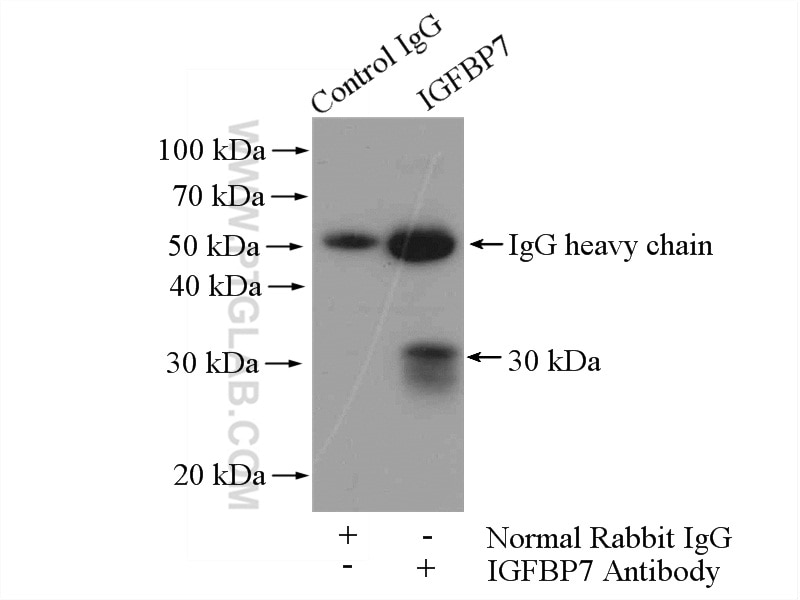
| Positive IP detected in | mouse appendix tissue |
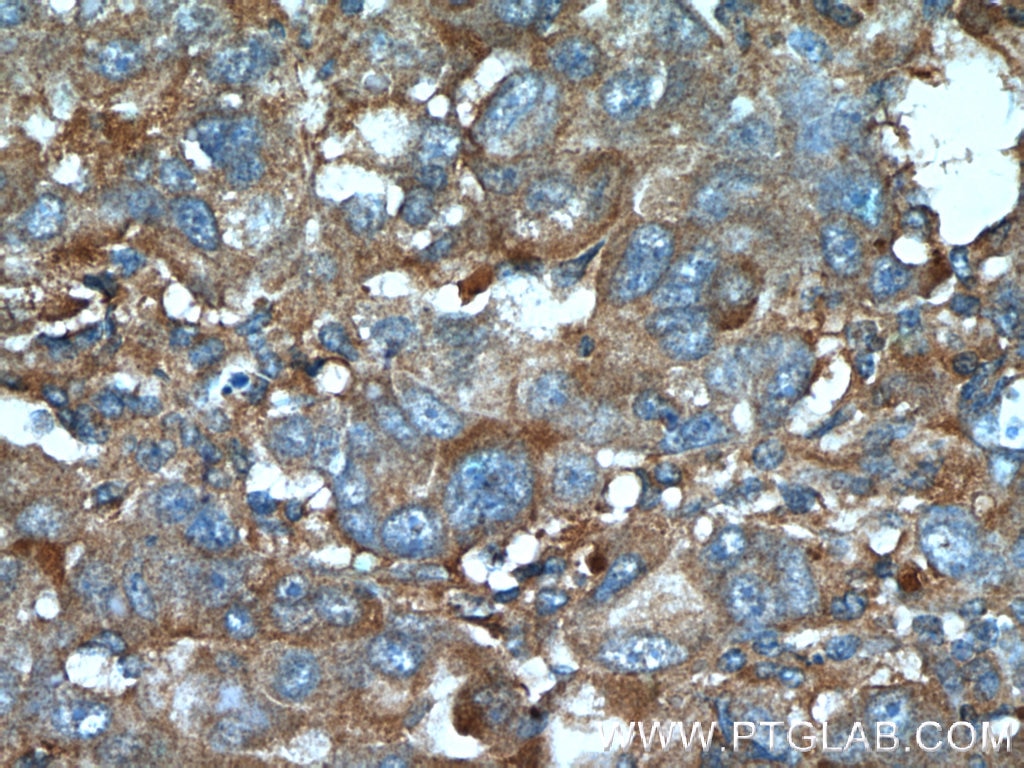
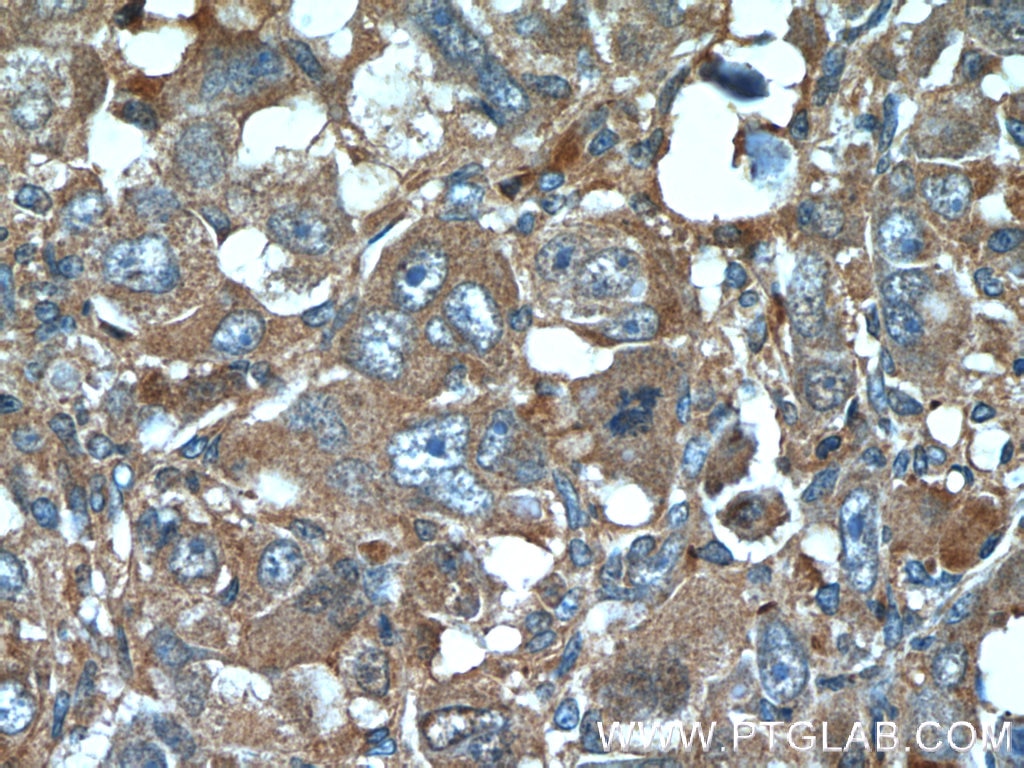
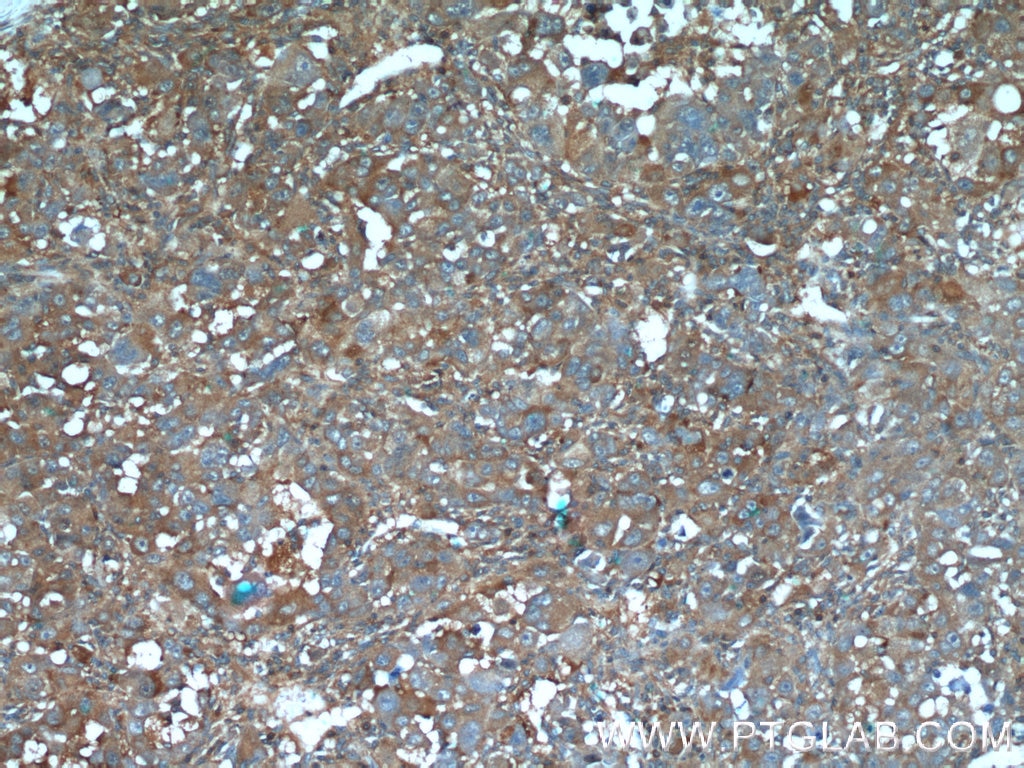
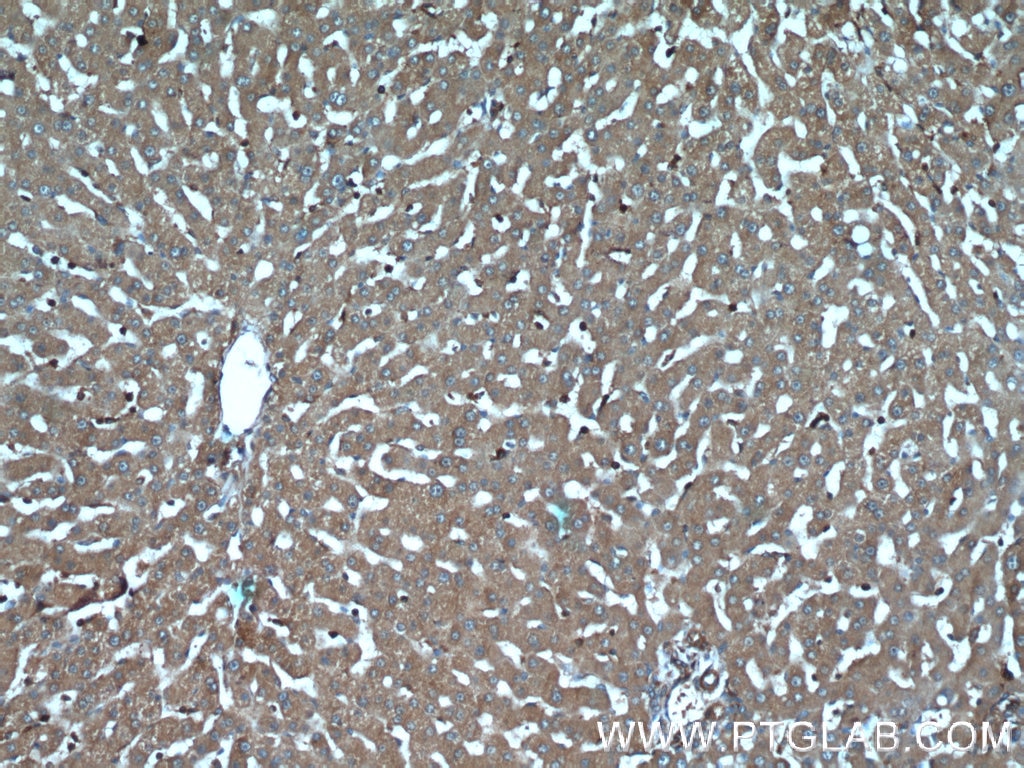
| Positive IHC detected in | human liver cancer tissue, human liver tissue Note: suggested antigen retrieval with TE buffer pH 9.0; (*) Alternatively, antigen retrieval may be performed with citrate buffer pH 6.0 |
Recommended dilution
| Application | Dilution |
|---|---|
| Western Blot (WB) | WB : 1:1000-1:5000 |
| Immunoprecipitation (IP) | IP : 0.5-4.0 ug for 1.0-3.0 mg of total protein lysate |
| Immunohistochemistry (IHC) | IHC : 1:20-1:200 |
| It is recommended that this reagent should be titrated in each testing system to obtain optimal results. | |
| Sample-dependent, Check data in validation data gallery. | |
Product Information
19961-1-AP targets IGFBP7 in WB, IHC, IF, IP, ELISA applications and shows reactivity with human, mouse, rat samples.
| Tested Reactivity | human, mouse, rat |
| Cited Reactivity | human, mouse, rat |
| Host / Isotype | Rabbit / IgG |
| Class | Polyclonal |
| Type | Antibody |
| Immunogen |
Peptide Predict reactive species |
| Full Name | insulin-like growth factor binding protein 7 |
| Calculated Molecular Weight | 29 kDa |
| Observed Molecular Weight | 30 kDa |
| GenBank Accession Number | NM_001553 |
| Gene Symbol | IGFBP7 |
| Gene ID (NCBI) | 3490 |
| RRID | AB_2878630 |
| Conjugate | Unconjugated |
| Form | Liquid |
| Purification Method | Antigen affinity purification |
| UNIPROT ID | Q16270 |
| Storage Buffer | PBS with 0.02% sodium azide and 50% glycerol, pH 7.3. |
| Storage Conditions | Store at -20°C. Stable for one year after shipment. Aliquoting is unnecessary for -20oC storage. 20ul sizes contain 0.1% BSA. |
Background Information
IGFBP7, also named as MAC25, PSF, IBP-7 and TAF, binds IGF-I and IGF-II with a relatively low affinity. IGFBP7 stimulates prostacyclin (PGI2) production. IGFBP7 stimulates cell adhesion.
Protocols
| Product Specific Protocols | |
|---|---|
| IHC protocol for IGFBP7 antibody 19961-1-AP | Download protocol |
| IP protocol for IGFBP7 antibody 19961-1-AP | Download protocol |
| WB protocol for IGFBP7 antibody 19961-1-AP | Download protocol |
| Standard Protocols | |
|---|---|
| Click here to view our Standard Protocols |
Publications
What published studies show
The anti-IGFBP7 antibody (Cat# 19961-1-AP) has accumulated 22 citations across 20 journals, including Nature Immunology, Nature Communications, Cancer Letters, Molecular Therapy, Cell Reports, and Journal of the American Society of Nephrology. Research fields span immunology, diabetic kidney disease, oncology (gastric, bladder, laryngeal cancer), cardiac injury, pulmonary fibrosis, ferroptosis, epithelial-mesenchymal transition, sepsis, and neuroprotection. Applications include WB, IF, IHC, and IP in human, mouse, rat, and other species.
| Species | Application | Title |
|---|---|---|
Nat Immunol Enteric GABAergic neuron-derived γ-aminobutyric acid initiates expression of Igfbp7 to sustain ILC3 homeostasis | ||
Nat Commun Renal insulin-like growth factor binding-protein 7 is a critical promoter of progressive diabetic kidney disease.
| ||
Nat Commun Airway immune profiles and therapeutic implications of IGF1 in eosinophilic granulomatosis with polyangiitis. | ||
Cancer Lett IGFBP7-AS1 is a p53-responsive long noncoding RNA downregulated by Epstein-Barr virus that contributes to viral tumorigenesis. | ||
Mol Ther Renal tubular epithelial IGFBP7 interacts with PKM2 to drive renal lipid accumulation and fibrosis | ||
J Am Soc Nephrol Mechanisms Underlying Increased TIMP2 and IGFBP7 Urinary Excretion in Experimental AKI. |













