
Filter:

Able AI
What's the best dilution for IGFL1 in ?
Tested Applications
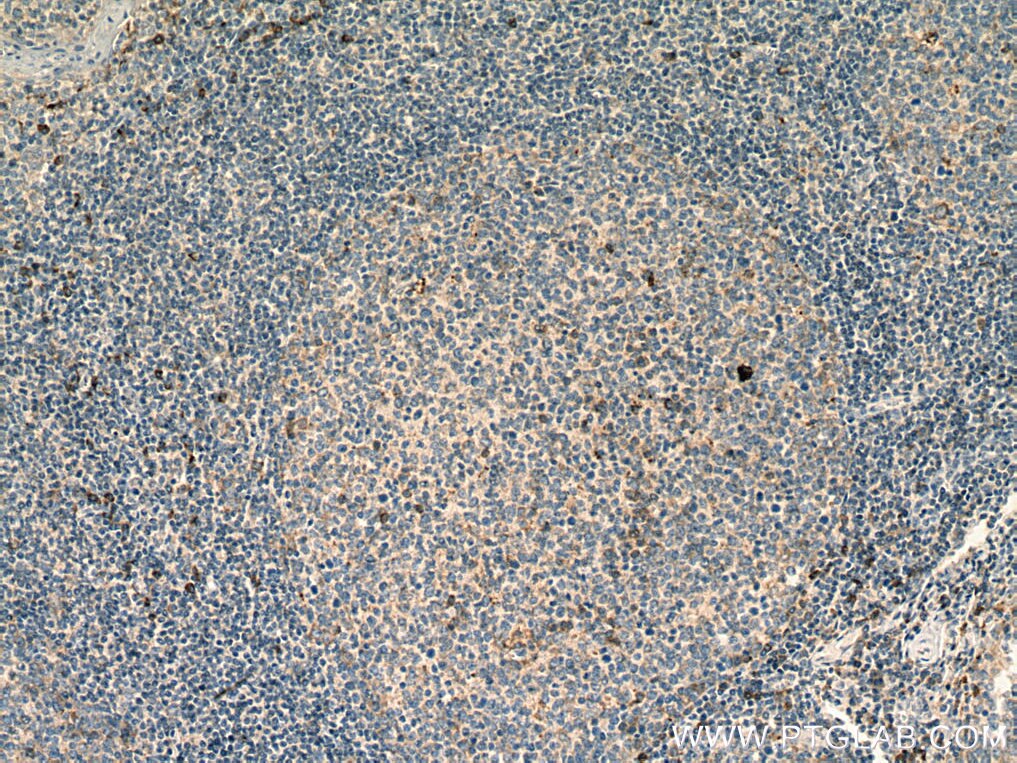
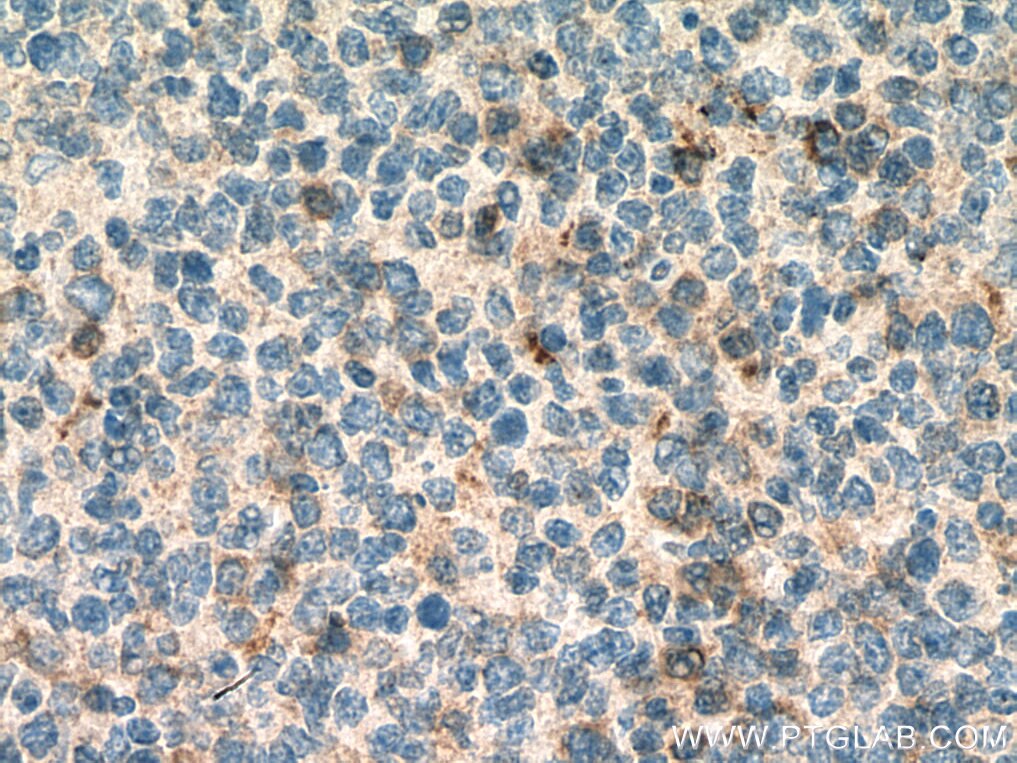
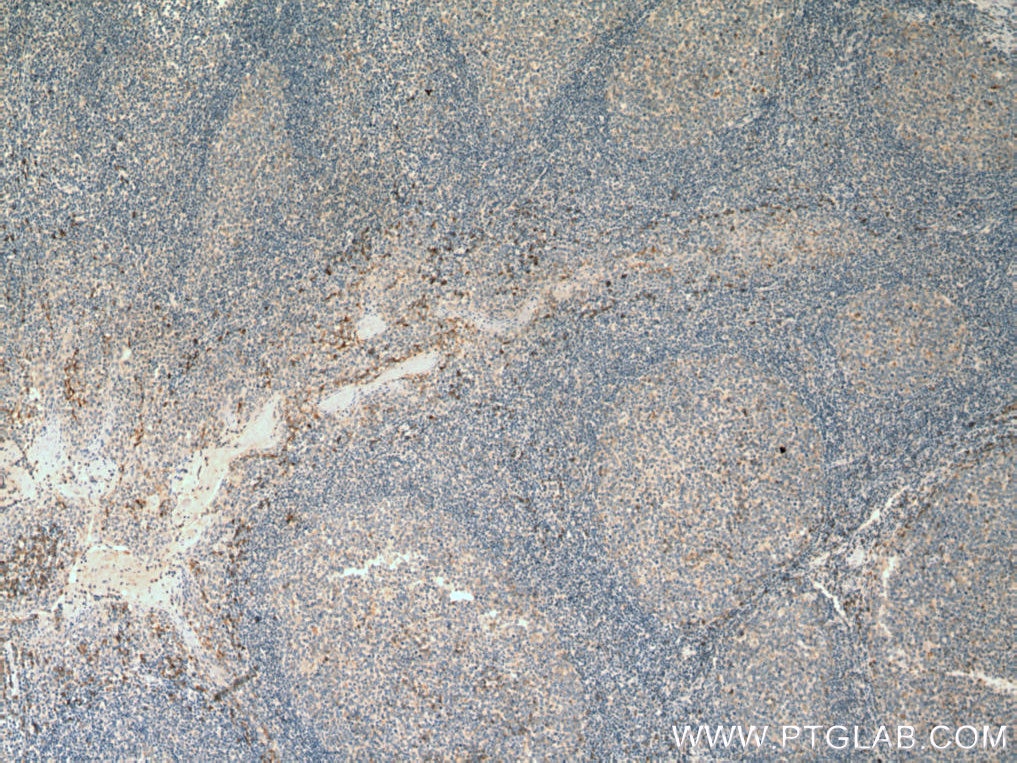
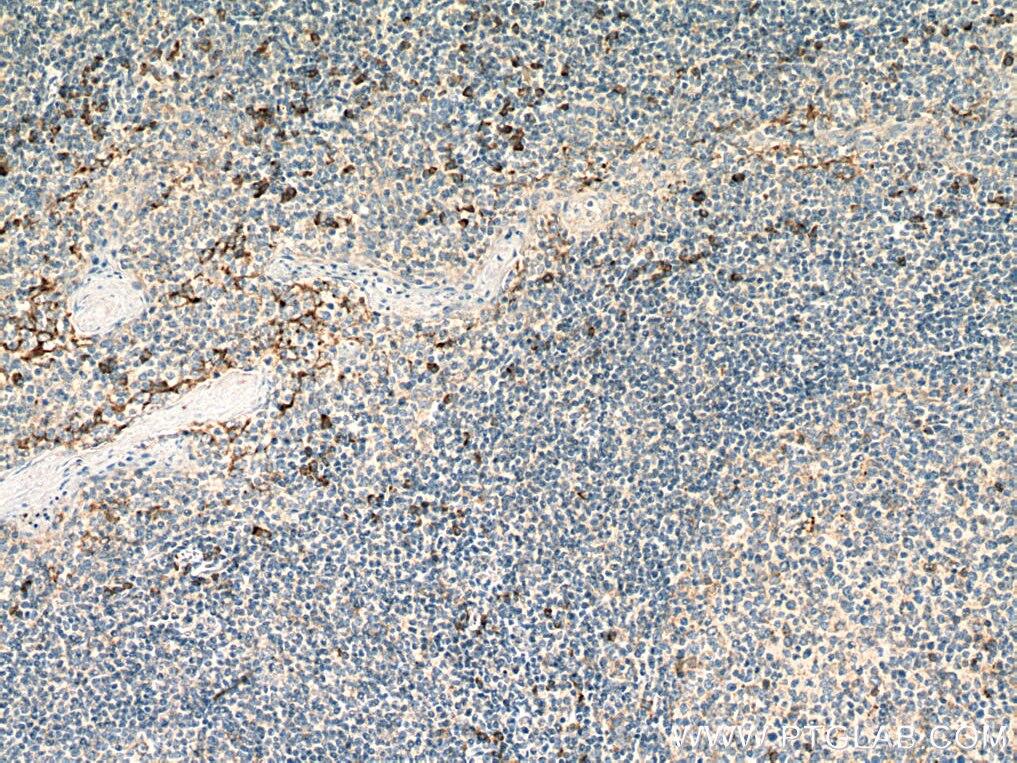
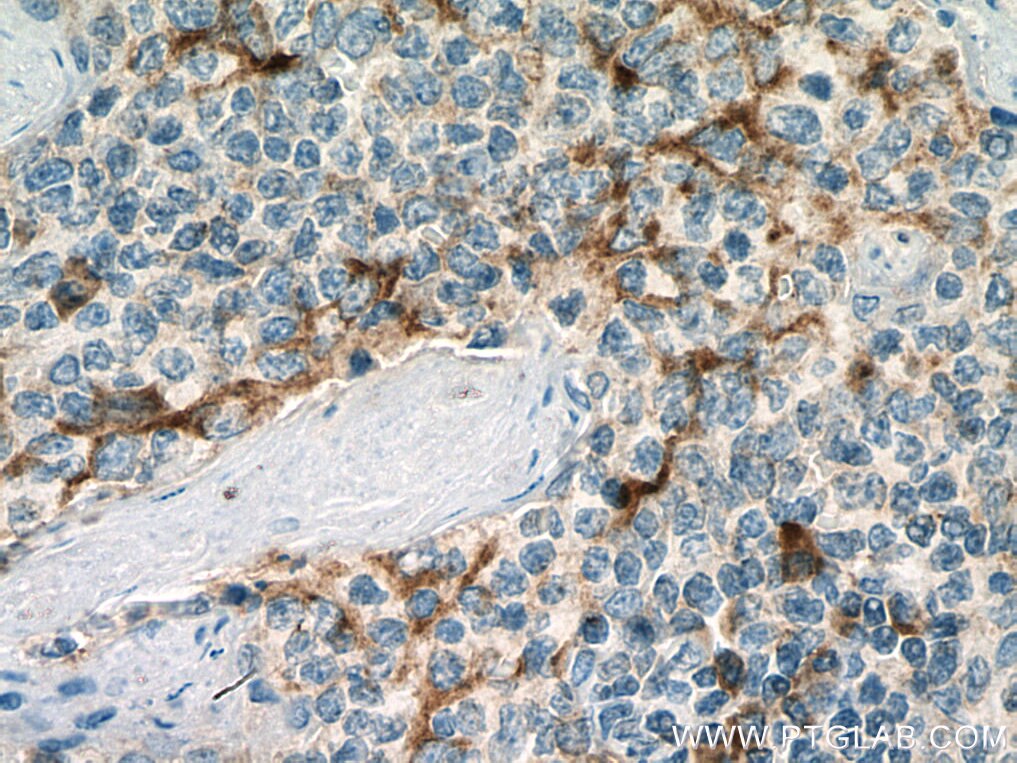
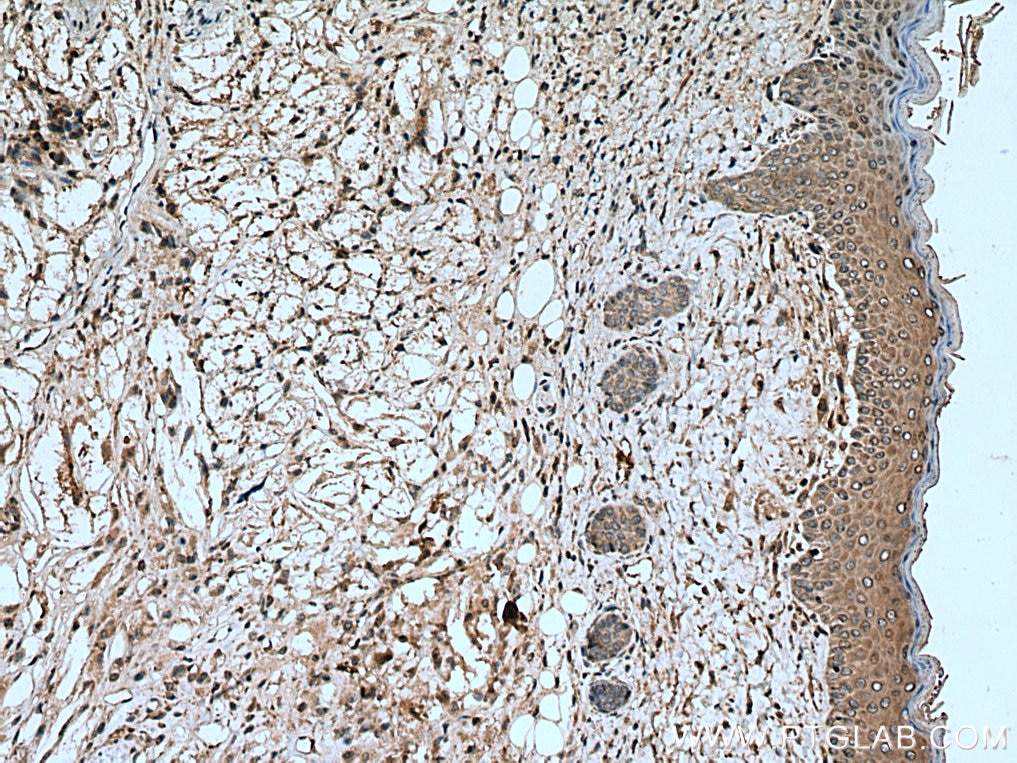
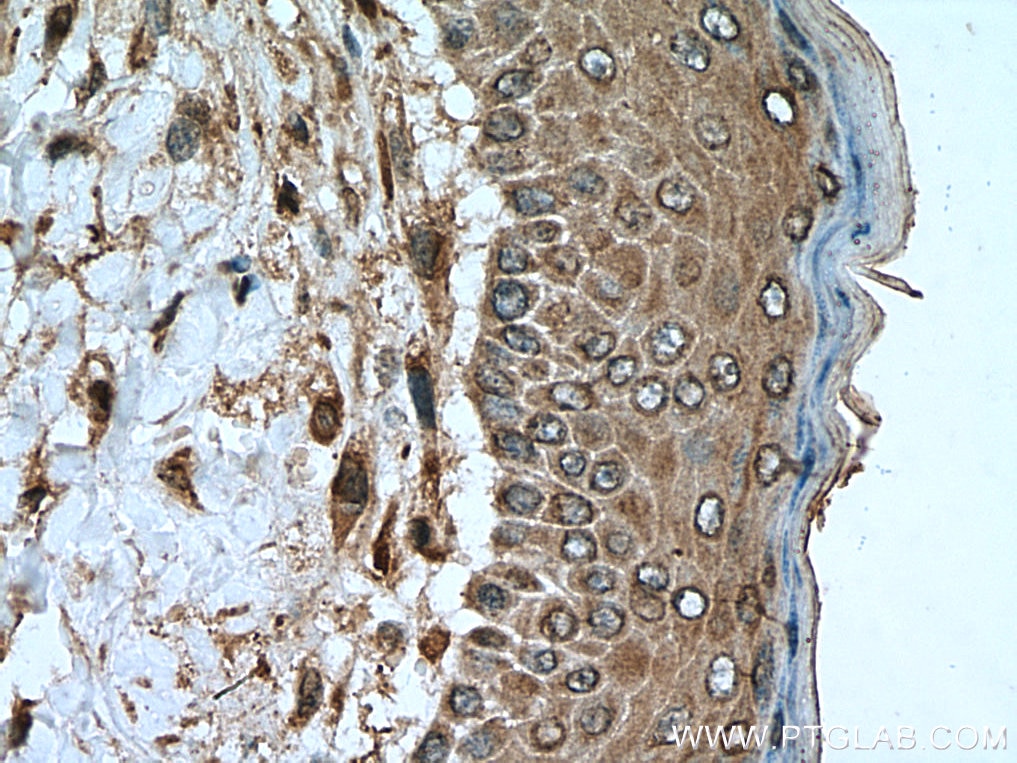
| Positive IHC detected in | human tonsillitis tissue, mouse skin tissue Note: suggested antigen retrieval with TE buffer pH 9.0; (*) Alternatively, antigen retrieval may be performed with citrate buffer pH 6.0 |
Recommended dilution
| Application | Dilution |
|---|---|
| Immunohistochemistry (IHC) | IHC : 1:50-1:500 |
| It is recommended that this reagent should be titrated in each testing system to obtain optimal results. | |
| Sample-dependent, Check data in validation data gallery. | |
Product Information
20545-1-AP targets IGFL1 in IHC, ELISA applications and shows reactivity with human, mouse samples.
| Tested Reactivity | human, mouse |
| Cited Reactivity | human |
| Host / Isotype | Rabbit / IgG |
| Class | Polyclonal |
| Type | Antibody |
| Immunogen |
Peptide Predict reactive species |
| Full Name | IGF-like family member 1 |
| Calculated Molecular Weight | 12 kDa |
| GenBank Accession Number | NM_198541 |
| Gene Symbol | IGFL1 |
| Gene ID (NCBI) | 374918 |
| RRID | AB_2878699 |
| Conjugate | Unconjugated |
| Form | Liquid |
| Purification Method | Antigen affinity purification |
| UNIPROT ID | Q6UW32 |
| Storage Buffer | PBS with 0.02% sodium azide and 50% glycerol, pH 7.3. |
| Storage Conditions | Store at -20°C. Stable for one year after shipment. Aliquoting is unnecessary for -20oC storage. 20ul sizes contain 0.1% BSA. |
Protocols
| Product Specific Protocols | |
|---|---|
| IHC protocol for IGFL1 antibody 20545-1-AP | Download protocol |
| Standard Protocols | |
|---|---|
| Click here to view our Standard Protocols |
Publications
What published studies show
The IGFL1 Polyclonal antibody (Cat# 20545-1-AP) has 1 total citation. It appears in Frontiers in Immunology (Impact Factor 7), published in January 2026. The cited study investigates IGFL1's role in colorectal cancer, specifically how it promotes tumour progression by inhibiting lipophagy. The application used was IHC on human samples.
| Species | Application | Title |
|---|---|---|
Front Immunol Comprehensive analysis of IGFL1 in colorectal cancer and its promotion of tumour progression via inhibition of lipophagy. |








