


Tested Applications
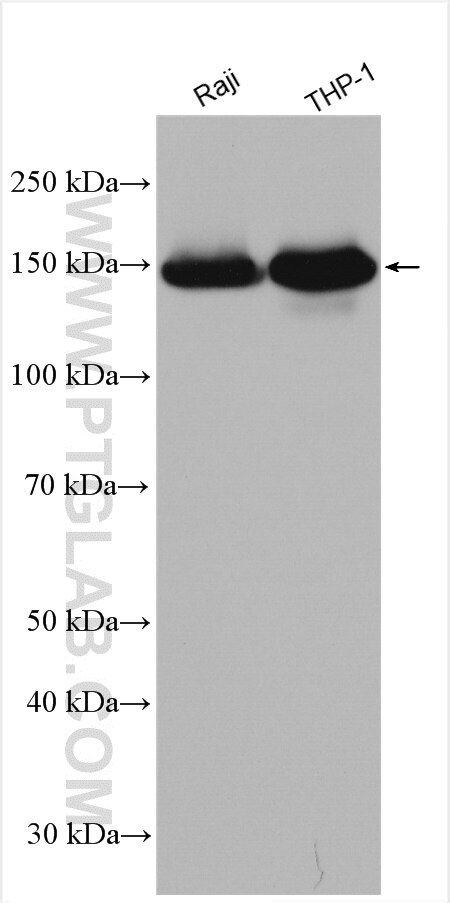
| Positive WB detected in | Daudi cells, Ramos cells, Raji cells, THP-1 cells |
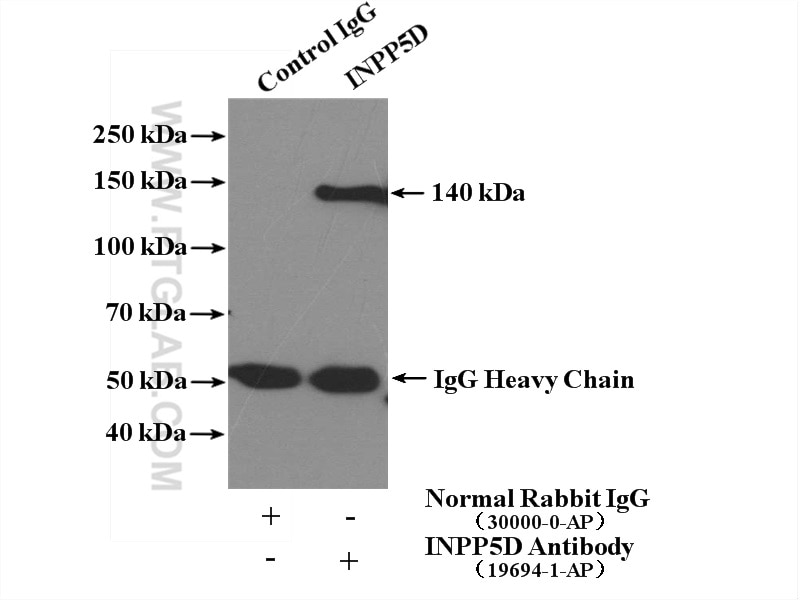
| Positive IP detected in | Ramos cells |
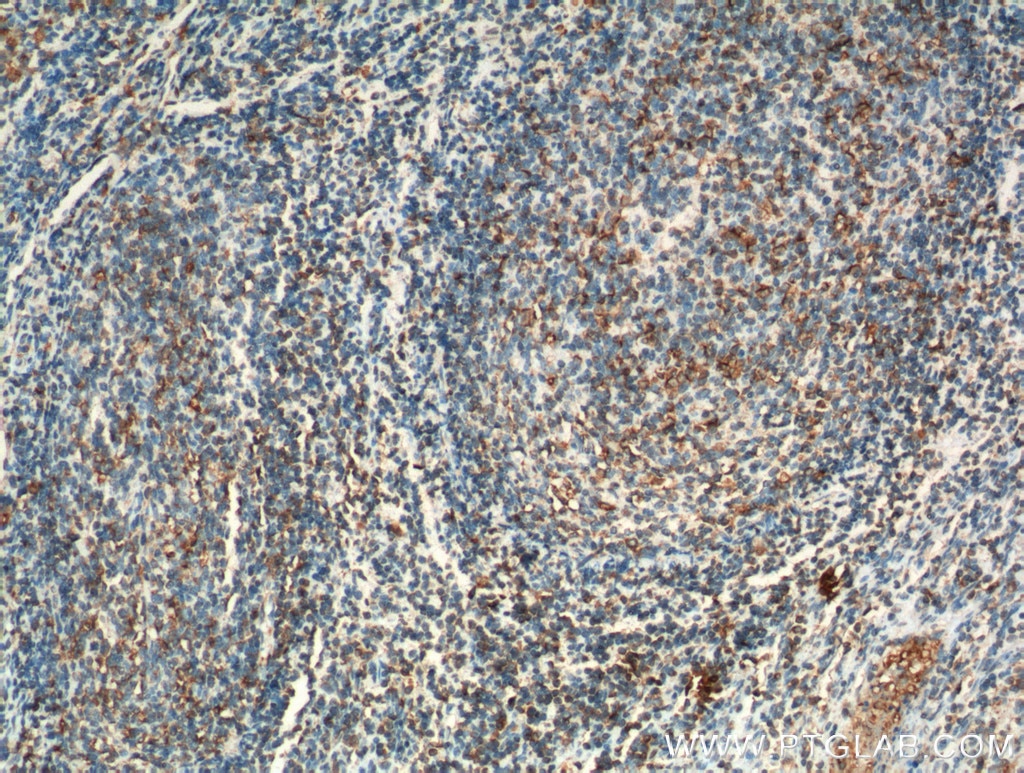
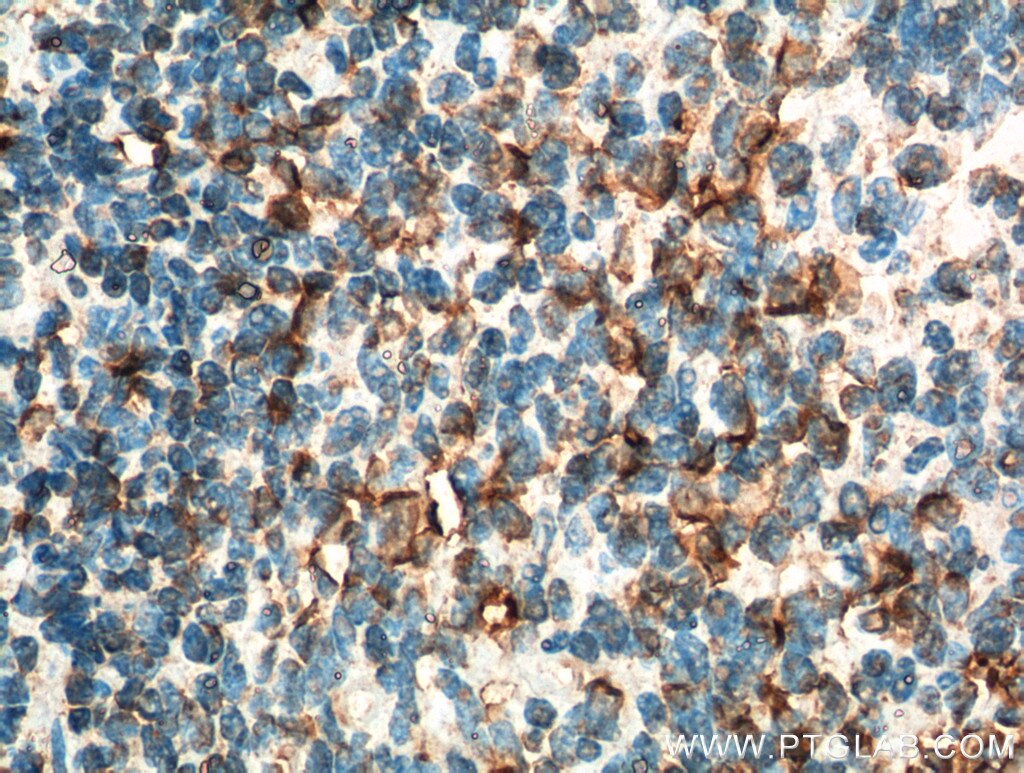
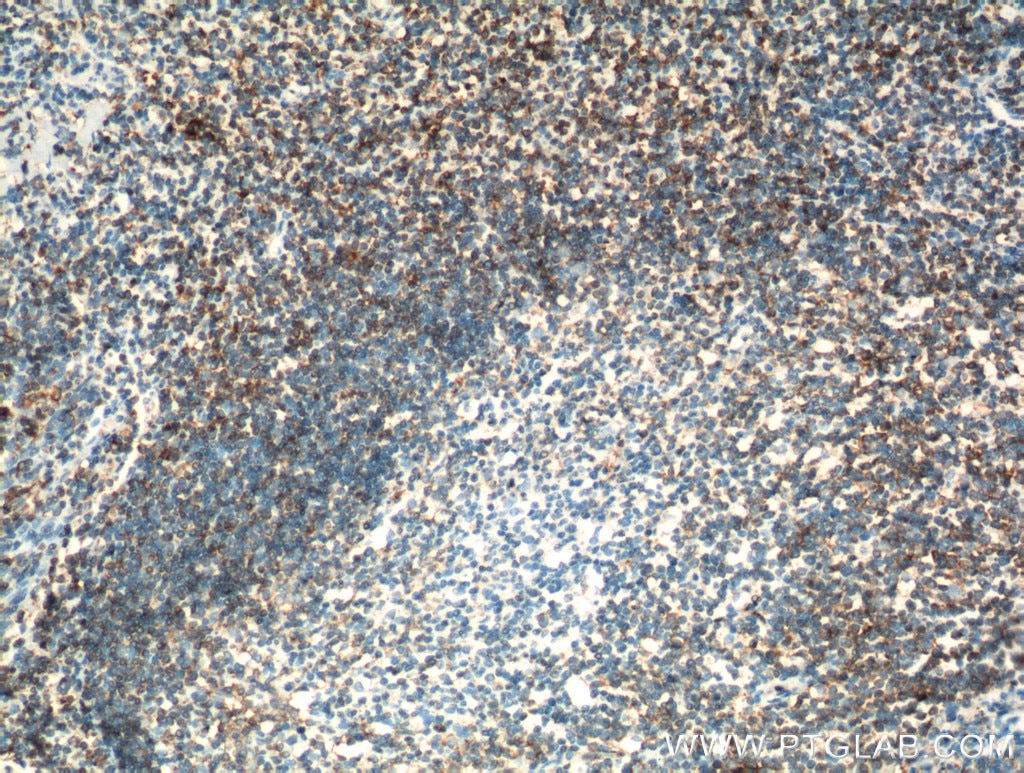
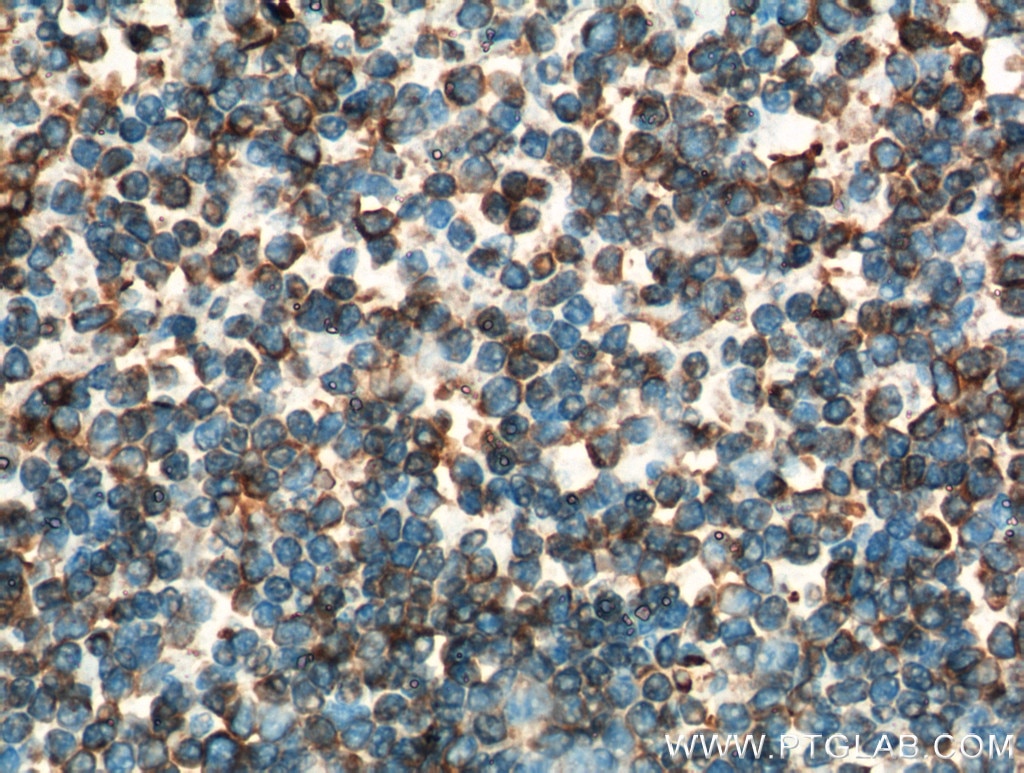
| Positive IHC detected in | human tonsillitis tissue Note: suggested antigen retrieval with TE buffer pH 9.0; (*) Alternatively, antigen retrieval may be performed with citrate buffer pH 6.0 |
Recommended dilution
| Application | Dilution |
|---|---|
| Western Blot (WB) | WB : 1:2000-1:10000 |
| Immunoprecipitation (IP) | IP : 0.5-4.0 ug for 1.0-3.0 mg of total protein lysate |
| Immunohistochemistry (IHC) | IHC : 1:100-1:400 |
| It is recommended that this reagent should be titrated in each testing system to obtain optimal results. | |
| Sample-dependent, Check data in validation data gallery. | |
Product Information
19694-1-AP targets INPP5D in WB, IHC, IF, IP, ELISA applications and shows reactivity with human, mouse, rat samples.
| Tested Reactivity | human, mouse, rat |
| Cited Reactivity | human, mouse, rat |
| Host / Isotype | Rabbit / IgG |
| Class | Polyclonal |
| Type | Antibody |
| Immunogen |
Peptide Predict reactive species |
| Full Name | inositol polyphosphate-5-phosphatase, 145kDa |
| Calculated Molecular Weight | 133 kDa |
| Observed Molecular Weight | 145 kDa |
| GenBank Accession Number | NM_001017915 |
| Gene Symbol | INPP5D |
| Gene ID (NCBI) | 3635 |
| RRID | AB_10667407 |
| Conjugate | Unconjugated |
| Form | Liquid |
| Purification Method | Antigen affinity purification |
| UNIPROT ID | Q92835 |
| Storage Buffer | PBS with 0.02% sodium azide and 50% glycerol, pH 7.3. |
| Storage Conditions | Store at -20°C. Stable for one year after shipment. Aliquoting is unnecessary for -20oC storage. 20ul sizes contain 0.1% BSA. |
Background Information
INPP5D, also named as SHIP, SHIP1, SIP-145 and hp51CN, belongs to the inositol-1,4,5-trisphosphate 5-phosphatase family. INPP5D is phosphatidylinositol (PtdIns) phosphatase that specifically hydrolyzes the 5-phosphate of phosphatidylinositol-3,4,5-trisphosphate (PtdIns(3,4,5)P3) to produce PtdIns(3,4)P2, thereby negatively regulating the PI3K (phosphoinositide 3-kinase) pathways. INPP5D acts as a negative regulator of B-cell antigen receptor signaling. It mediates signaling from the FC-gamma-RIIB receptor (FCGR2B), playing a central role in terminating signal transduction from activating immune/hematopoietic cell receptor systems. INPP5D acts as a negative regulator of myeloid cell proliferation/survival and chemotaxis, mast cell degranulation, immune cells homeostasis, integrin alpha-IIb/beta-3 signaling in platelets and JNK signaling in B-cells. INPP5D regulates proliferation of osteoclast precursors, macrophage programming, phagocytosis and activation and is required for endotoxin tolerance. It is involved in the control of cell-cell junctions, CD32a signaling in neutrophils and modulation of EGF-induced phospholipase C activity. It is a key regulator of neutrophil migration, by governing the formation of the leading edge and polarization required for chemotaxis. It modulates FCGR3/CD16-mediated cytotoxicity in NK cells. It mediates the activin/TGF-beta-induced apoptosis through its Smad-dependent expression. INPP5D may also hydrolyze PtdIns(1,3,4,5)P4, and could thus affect the levels of the higher inositol polyphosphates like InsP6. This antibody is specific to INPP5D.
Protocols
| Product Specific Protocols | |
|---|---|
| IHC protocol for INPP5D antibody 19694-1-AP | Download protocol |
| IP protocol for INPP5D antibody 19694-1-AP | Download protocol |
| WB protocol for INPP5D antibody 19694-1-AP | Download protocol |
| Standard Protocols | |
|---|---|
| Click here to view our Standard Protocols |
Publications
What published studies show
The anti-INPP5D (SHIP1) affinity purification antibody (Cat# 19694-1-AP) has 14 total citations. Journals include Journal of Immunology, Acta Neuropathologica Communications, British Journal of Pharmacology, Oncology Reports, European Journal of Immunology, Brain Research Bulletin, Frontiers in Cellular Neuroscience, PLoS Pathogens, Ecotoxicology and Environmental Safety, and others. Research fields span neurodegeneration (Alzheimer's, Parkinson's), oncology (lung cancer, melanoma), immunology (SLE, macrophage polarization, tuberculosis), thrombosis, and pulmonary fibrosis.
| Species | Application | Title |
|---|---|---|
Br J Pharmacol Ursodeoxycholic acid inhibits platelet activation and thrombosis via TREM2: Evidence from mouse models and human studies. | ||
Ecotoxicol Environ Saf Characterizing microglial heterogeneity in autophagy impairment of Paraquat-induced Parkinson's disease-like neurodegeneration | ||
Acta Neuropathol Commun The presubiculum is preserved from neurodegenerative changes in Alzheimer's disease. | ||
Inflamm Res Antigen-specific reduced IgG inhibits cellular response in rat basophilic leukemia cells activated with multivalent antigen. | ||
Oncol Rep SHIP1 inhibits cell growth, migration, and invasion in non‑small cell lung cancer through the PI3K/AKT pathway. | ||
Brain Res Bull A role for INPP5D in aerobic exercise-mediated attenuation of microglial activation and neuroinflammation in Alzheimer's disease. |








