
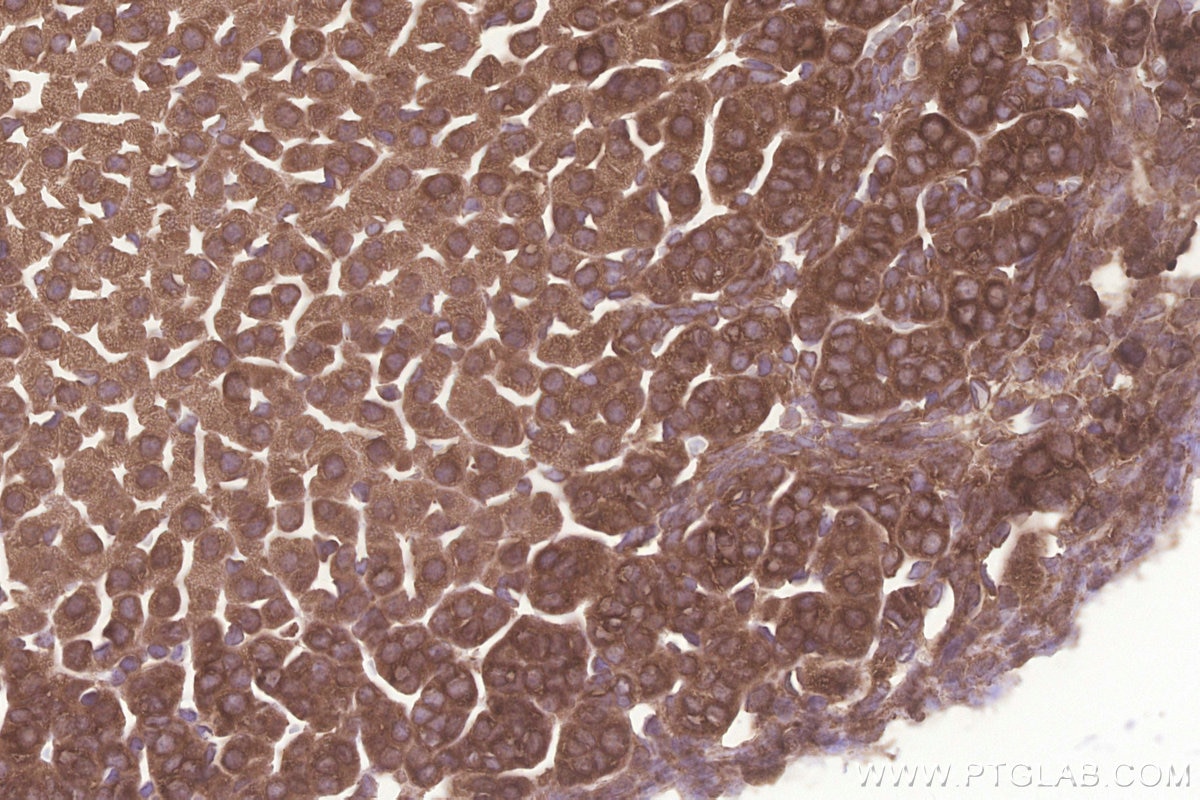
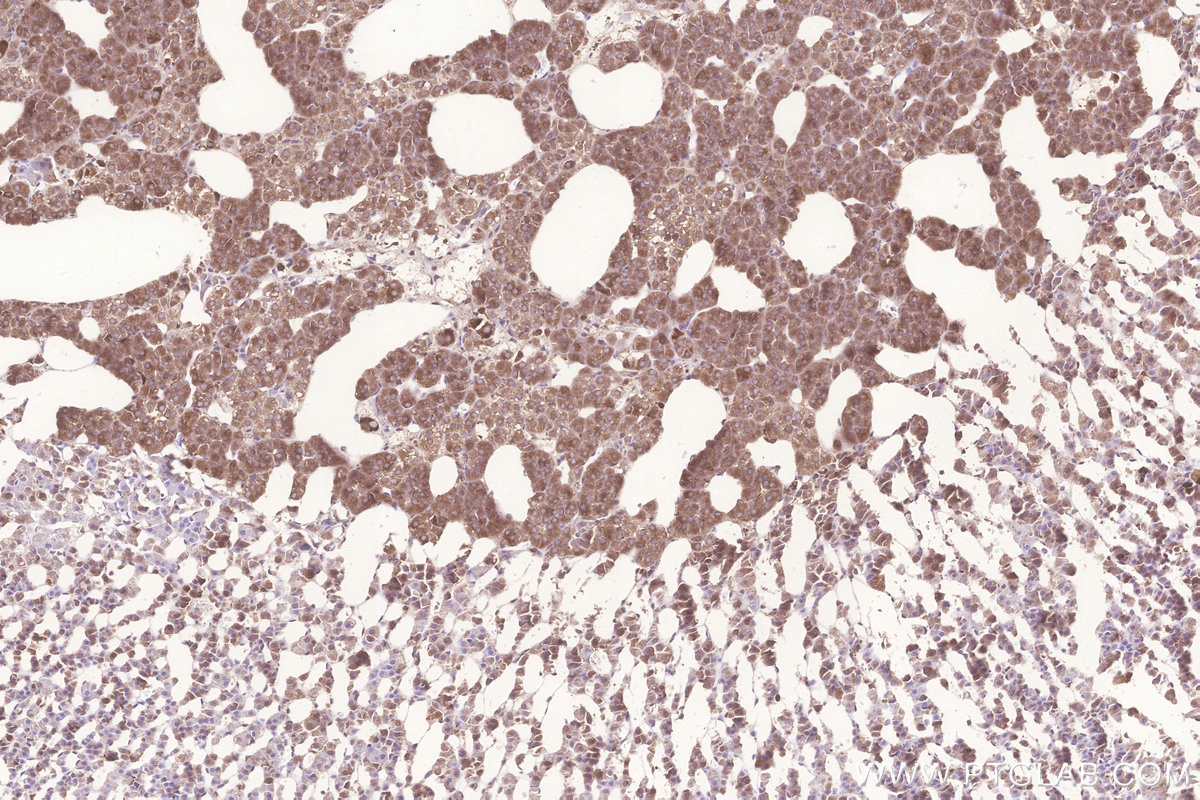
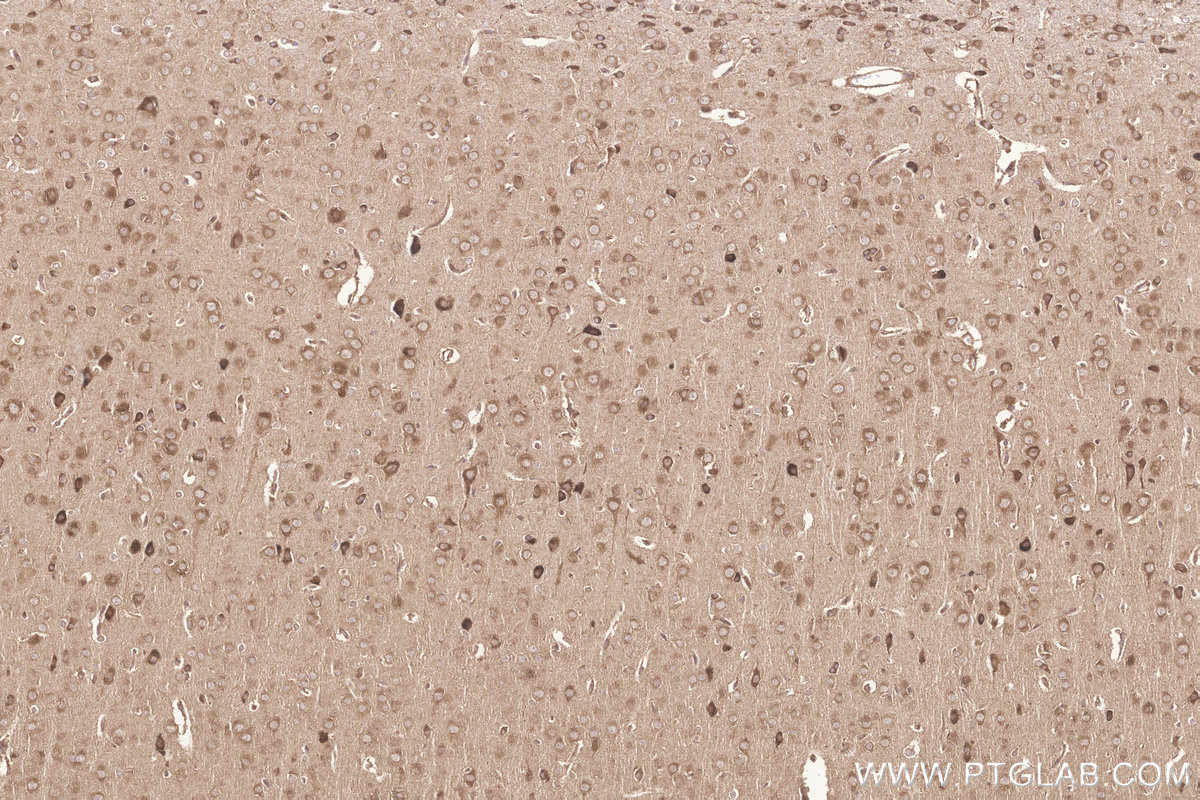
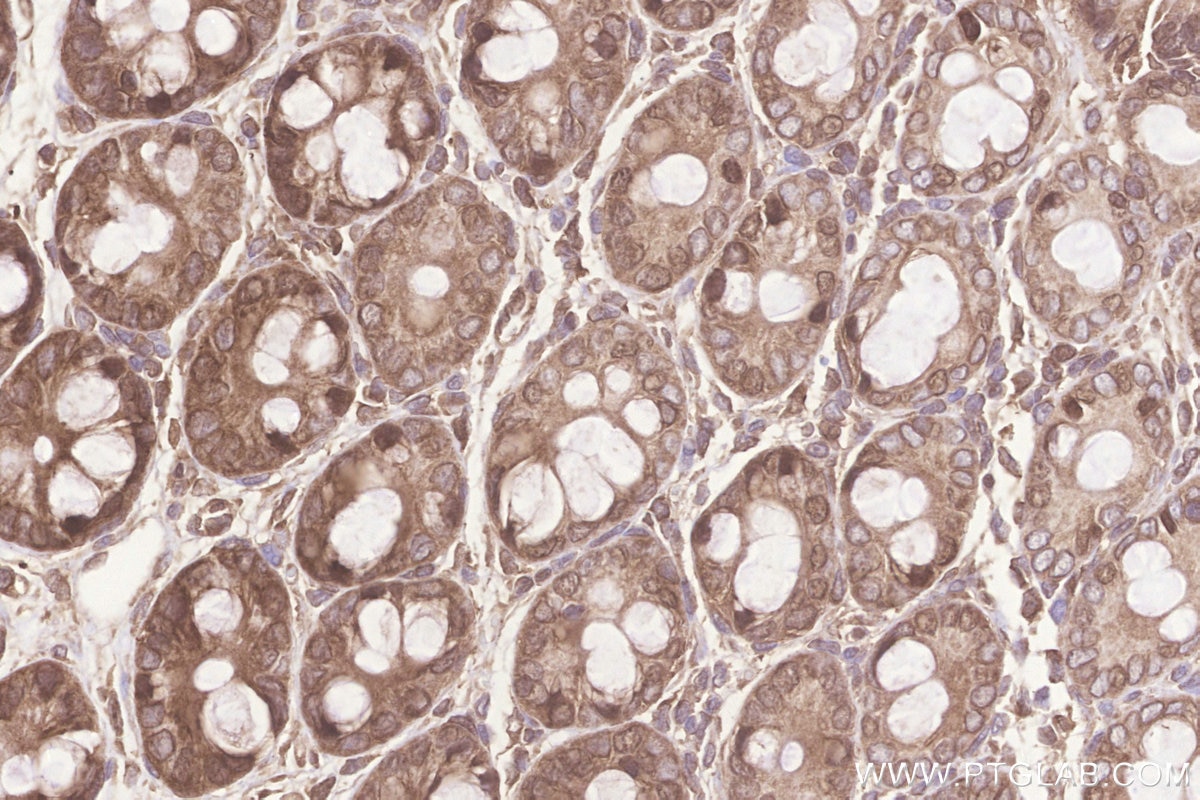
Tested Applications
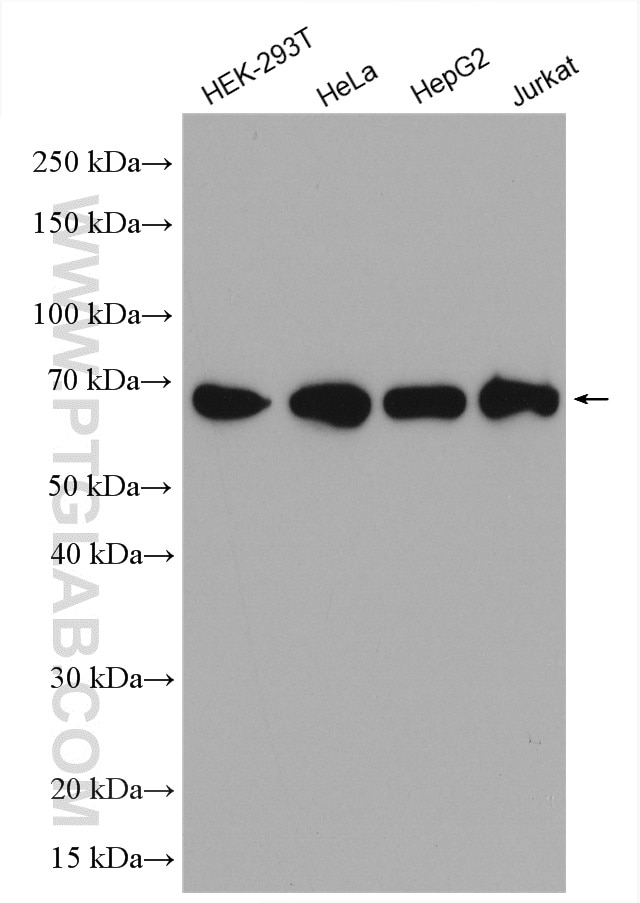
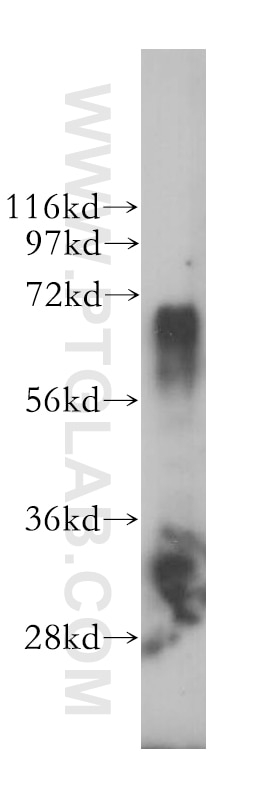
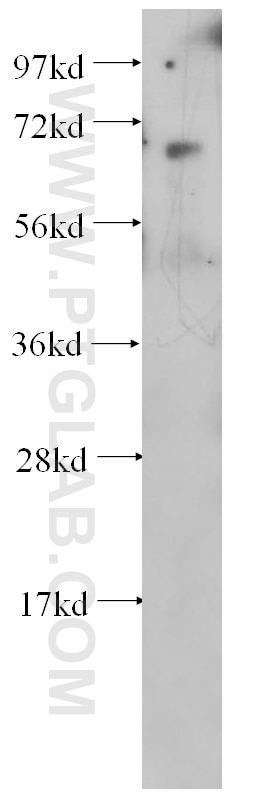
| Positive WB detected in | HEK-293T cells, Jurkat cells, human colon tissue, HeLa cells, HepG2 cells |
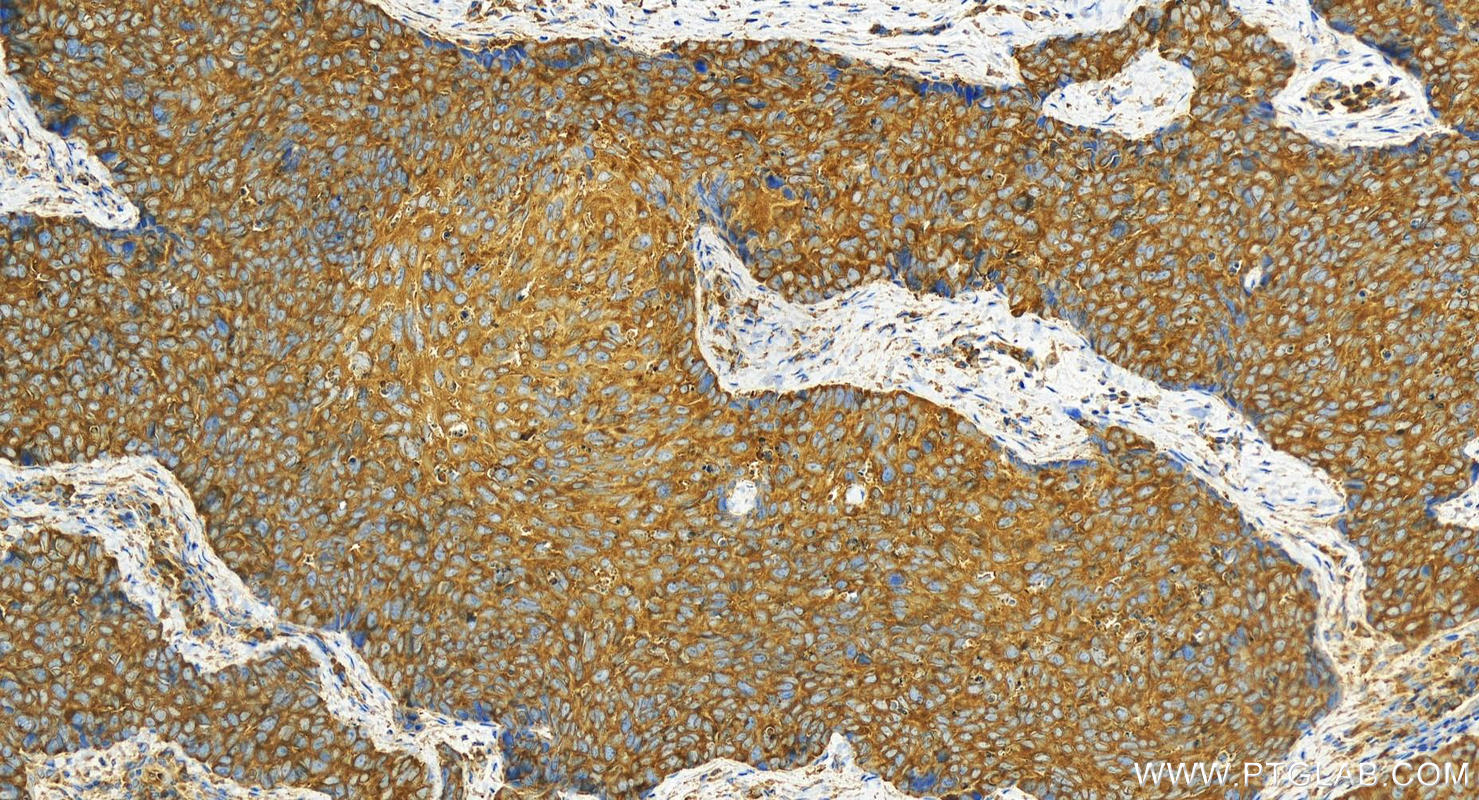
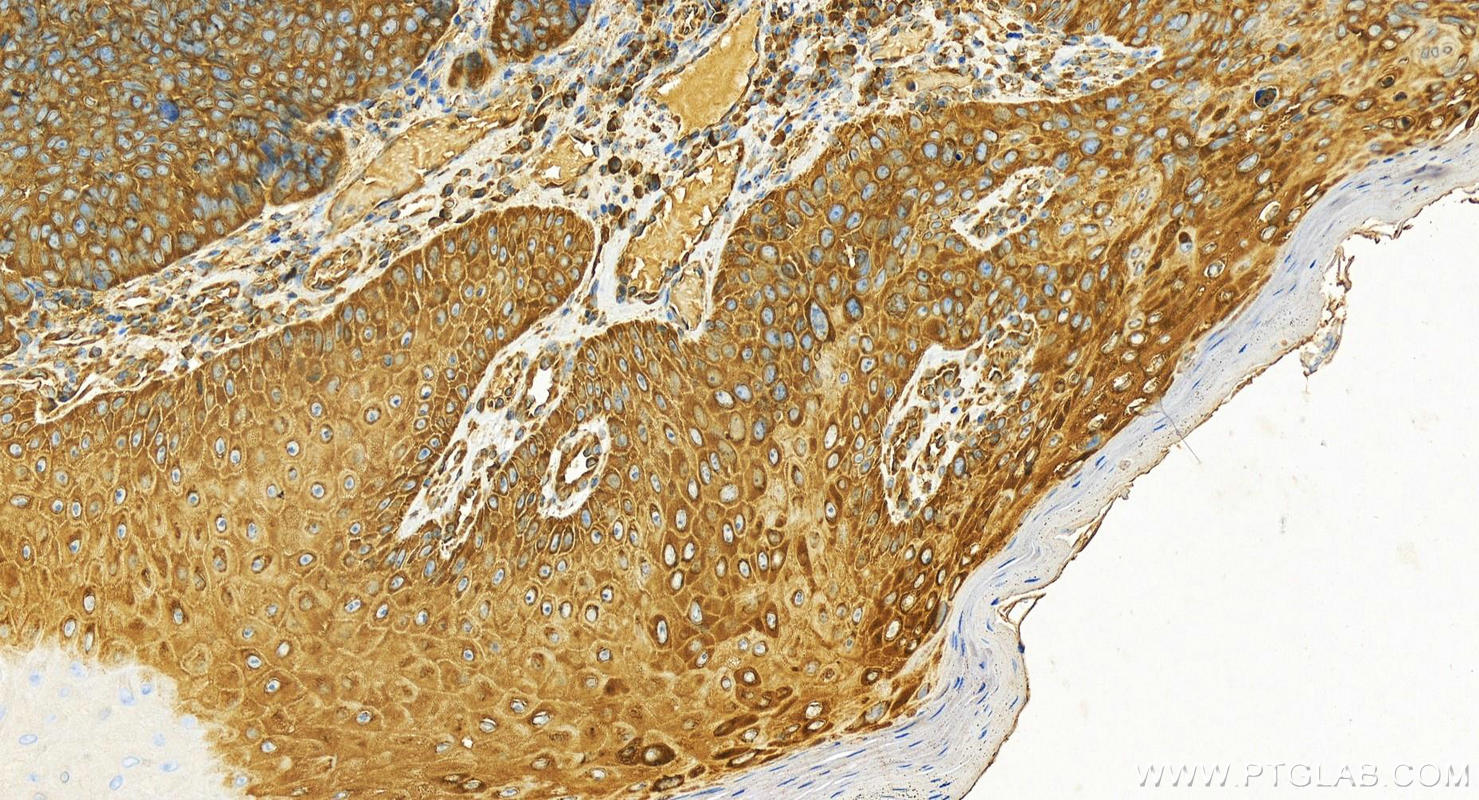
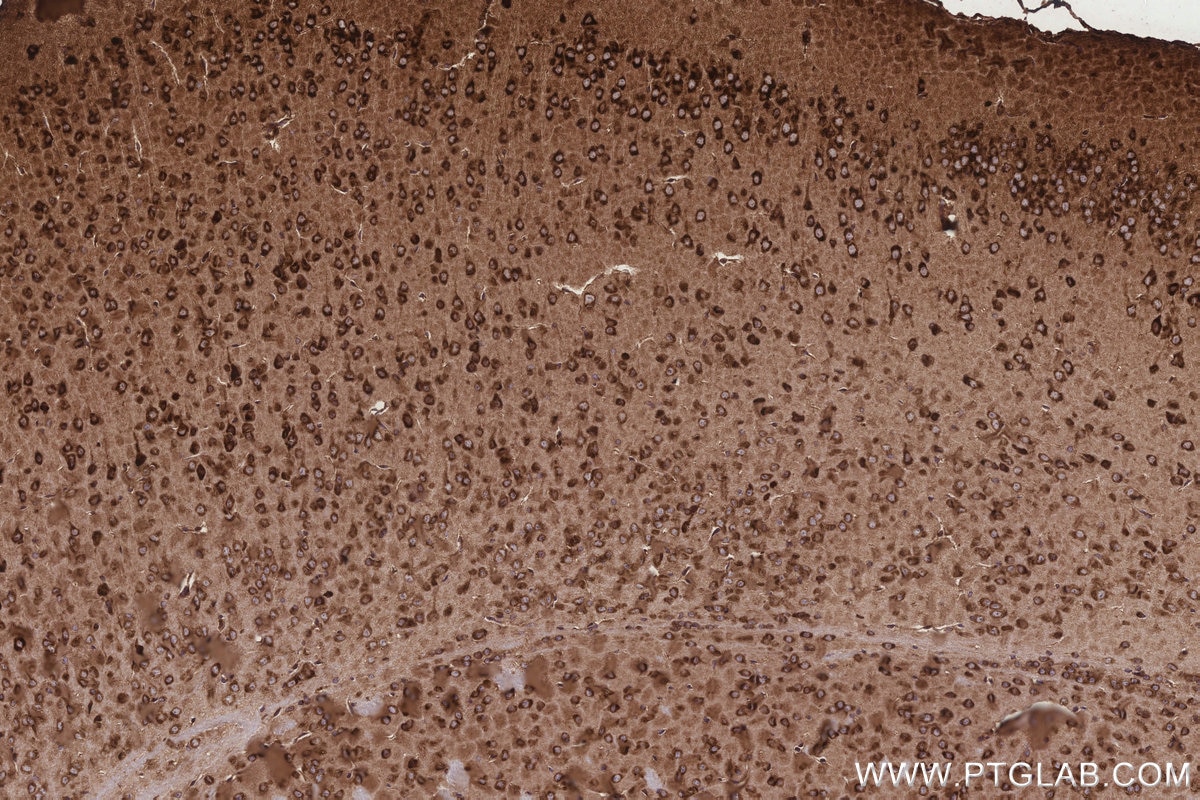
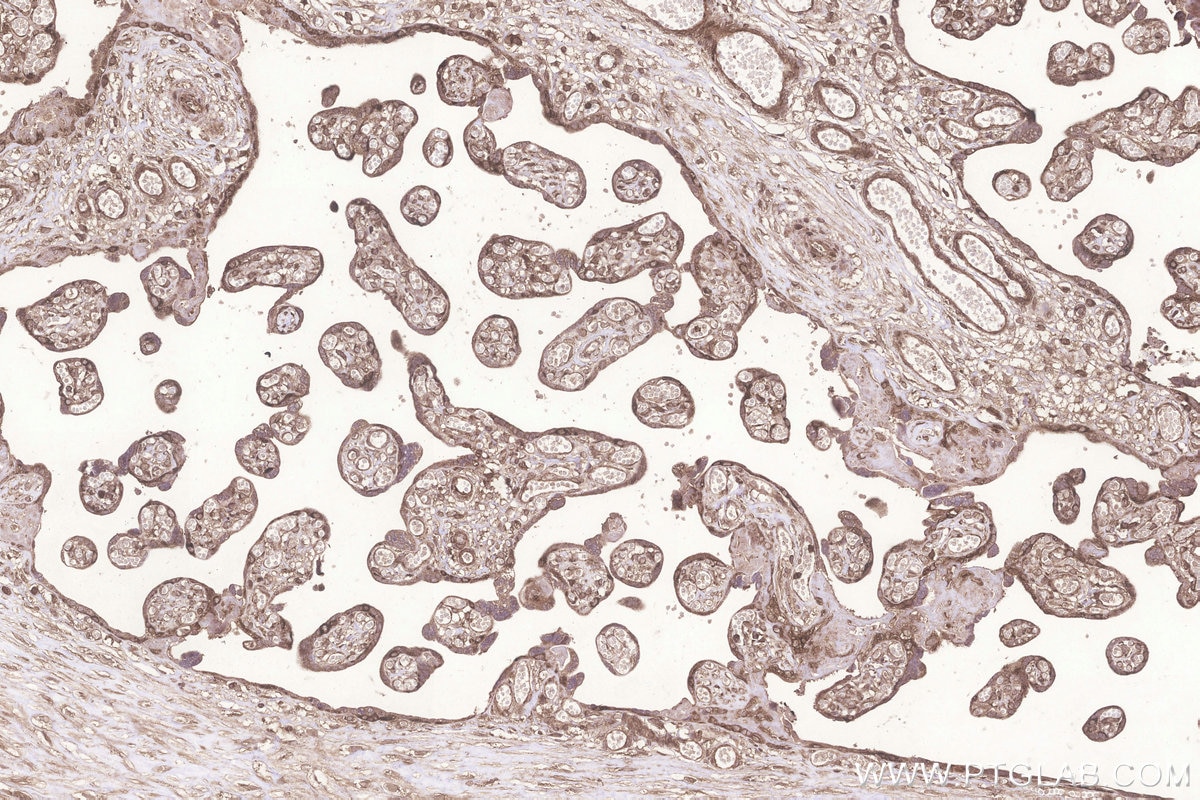
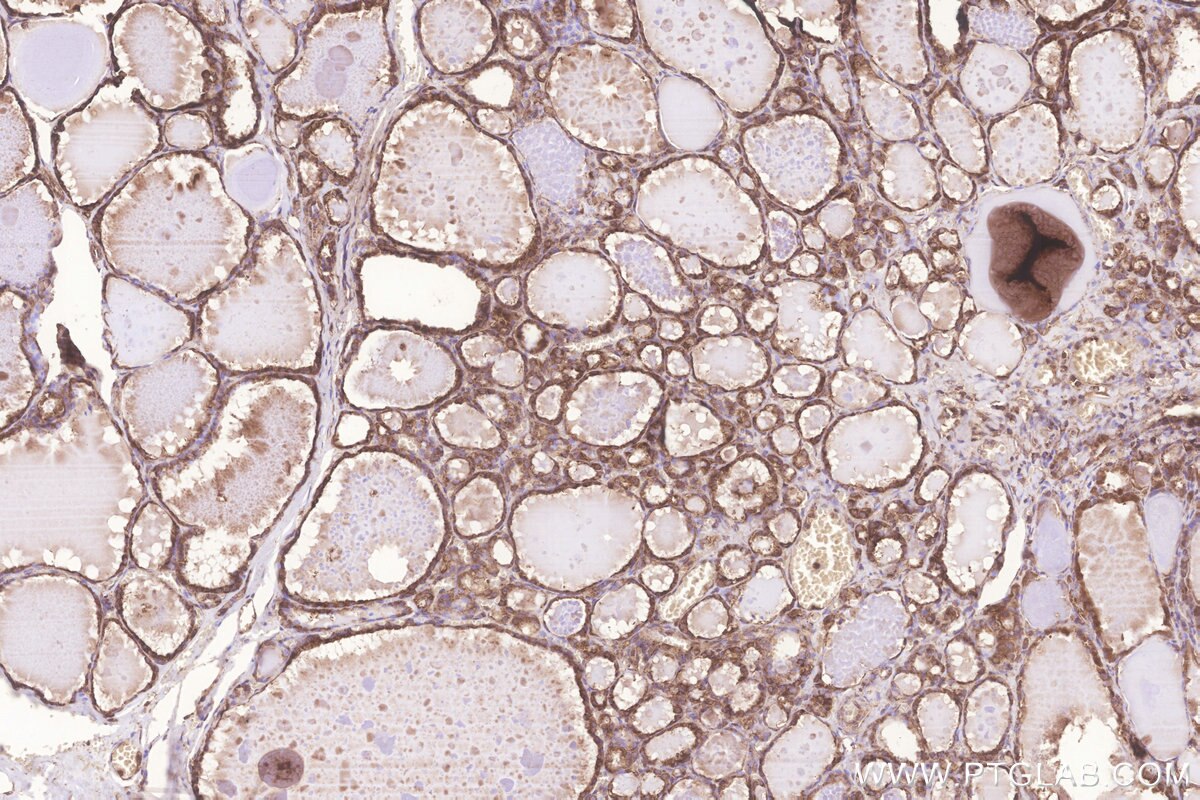
| Positive IHC detected in | human brown disease, mouse brain tissue, human placenta tissue, human thyroid cancer tissue, mouse adrenal gland tissue, rat adrenal gland tissue, rat brain tissue, rat colon tissue Note: suggested antigen retrieval with TE buffer pH 9.0; (*) Alternatively, antigen retrieval may be performed with citrate buffer pH 6.0 |
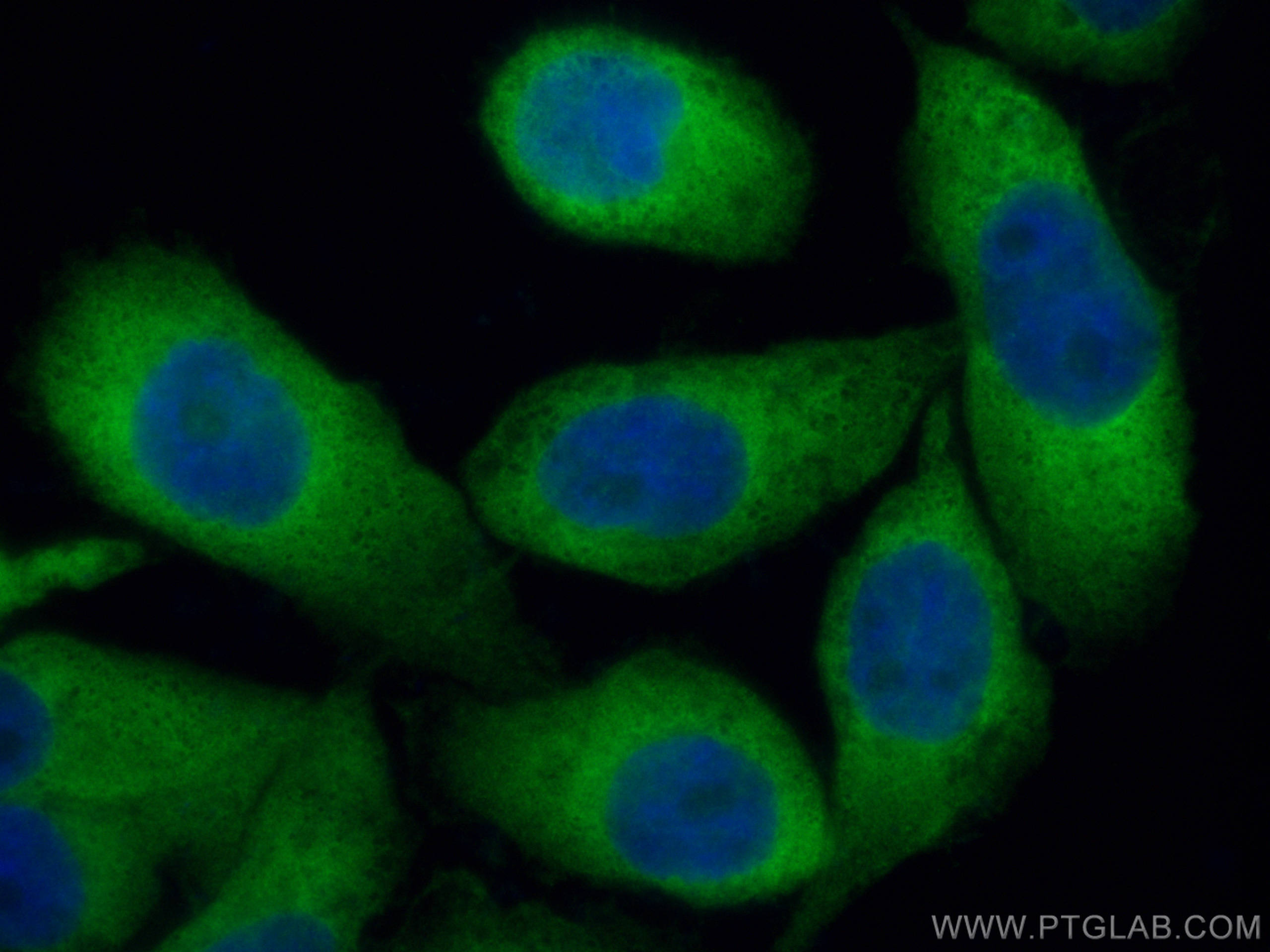
| Positive IF/ICC detected in | A431 cells |
Recommended dilution
| Application | Dilution |
|---|---|
| Western Blot (WB) | WB : 1:1000-1:4000 |
| Immunohistochemistry (IHC) | IHC : 1:200-1:800 |
| Immunofluorescence (IF)/ICC | IF/ICC : 1:50-1:500 |
| It is recommended that this reagent should be titrated in each testing system to obtain optimal results. | |
| Sample-dependent, Check data in validation data gallery. | |
Product Information
14951-1-AP targets KARS in WB, IHC, IF/ICC, ELISA applications and shows reactivity with human, mouse, rat samples.
| Tested Reactivity | human, mouse, rat |
| Cited Reactivity | human, mouse, zebrafish |
| Host / Isotype | Rabbit / IgG |
| Class | Polyclonal |
| Type | Antibody |
| Immunogen |
CatNo: Ag6778 Product name: Recombinant human KARS protein Source: e coli.-derived, PET28a Tag: 6*His Domain: 246-597 aa of BC004132 Sequence: IRSKIITYIRSFLDELGFLEIETPMMNIIPGGAVAKPFITYHNELDMNLYMRIAPELYHKMLVVGGIDRVYEIGRQFRNEGIDLTHNPEFTTCEFYMAYADYHDLMEITEKMVSGMVKHITGSYKVTYHPDGPEGQAYDVDFTPPFRRINMVEELEKALGMKLPETNLFETEETRKILDDICVAKAVECPPPRTTARLLDKLVGEFLEVTCINPTFICDHPQIMSPLAKWHRSKEGLTERFELFVMKKEICNAYTELNDPMRQRQLFEEQAKAKAAGDDEAMFIDENFCTALEYGLPPTAGWGMGIDRVAMFLTDSNNIKEVLLFPAMKPEDKKENVATTDTLESTTVGTSV Predict reactive species |
| Full Name | lysyl-tRNA synthetase |
| Calculated Molecular Weight | 68 kDa |
| Observed Molecular Weight | 68 kDa |
| GenBank Accession Number | BC004132 |
| Gene Symbol | KARS |
| Gene ID (NCBI) | 3735 |
| RRID | AB_2128158 |
| Conjugate | Unconjugated |
| Form | Liquid |
| Purification Method | Antigen affinity purification |
| UNIPROT ID | Q15046 |
| Storage Buffer | PBS with 0.02% sodium azide and 50% glycerol, pH 7.3. |
| Storage Conditions | Store at -20°C. Stable for one year after shipment. Aliquoting is unnecessary for -20oC storage. 20ul sizes contain 0.1% BSA. |
Background Information
KARS (lysyl-tRNA synthetase) is a gene that encodes an enzyme critical for protein synthesis, specifically responsible for attaching the amino acid lysine to its corresponding transfer RNA (tRNA) in both the cytoplasm and mitochondria. This enzyme plays a crucial role in the process of aminoacylation, which is essential for accurate protein translation from mRNA sequences. Mutations in the KARS gene have been associated with a variety of neurological and systemic disorders, reflecting the enzyme's importance in cellular function.
Protocols
| Product Specific Protocols | |
|---|---|
| IF protocol for KARS antibody 14951-1-AP | Download protocol |
| IHC protocol for KARS antibody 14951-1-AP | Download protocol |
| WB protocol for KARS antibody 14951-1-AP | Download protocol |
| Standard Protocols | |
|---|---|
| Click here to view our Standard Protocols |
Publications
What published studies show
| Species | Application | Title |
|---|---|---|
Mol Cell A methyltransferase-independent role for METTL1 in tRNA aminoacylation and oncogenic transformation | ||
Mol Cell Chaperonin TRiC bridges radial spokes for folding locally translated proteins to sustain mammalian sperm flagellar motility. | ||
Nucleic Acids Res Regulation of ex-translational activities is the primary function of the multi-tRNA synthetase complex. | ||
Nucleic Acids Res Deletion of Gtpbp3 in zebrafish revealed the hypertrophic cardiomyopathy manifested by aberrant mitochondrial tRNA metabolism. | ||
Nucleic Acids Res Deletion of Mtu1 (Trmu) in zebrafish revealed the essential role of tRNA modification in mitochondrial biogenesis and hearing function. | ||
Sci Adv Lysyl-tRNA synthetase produces diadenosine tetraphosphate to curb STING-dependent inflammation. |
Reviews
What customers say
The reviews below have been submitted by verified Proteintech customers who received an incentive for providing their feedback.
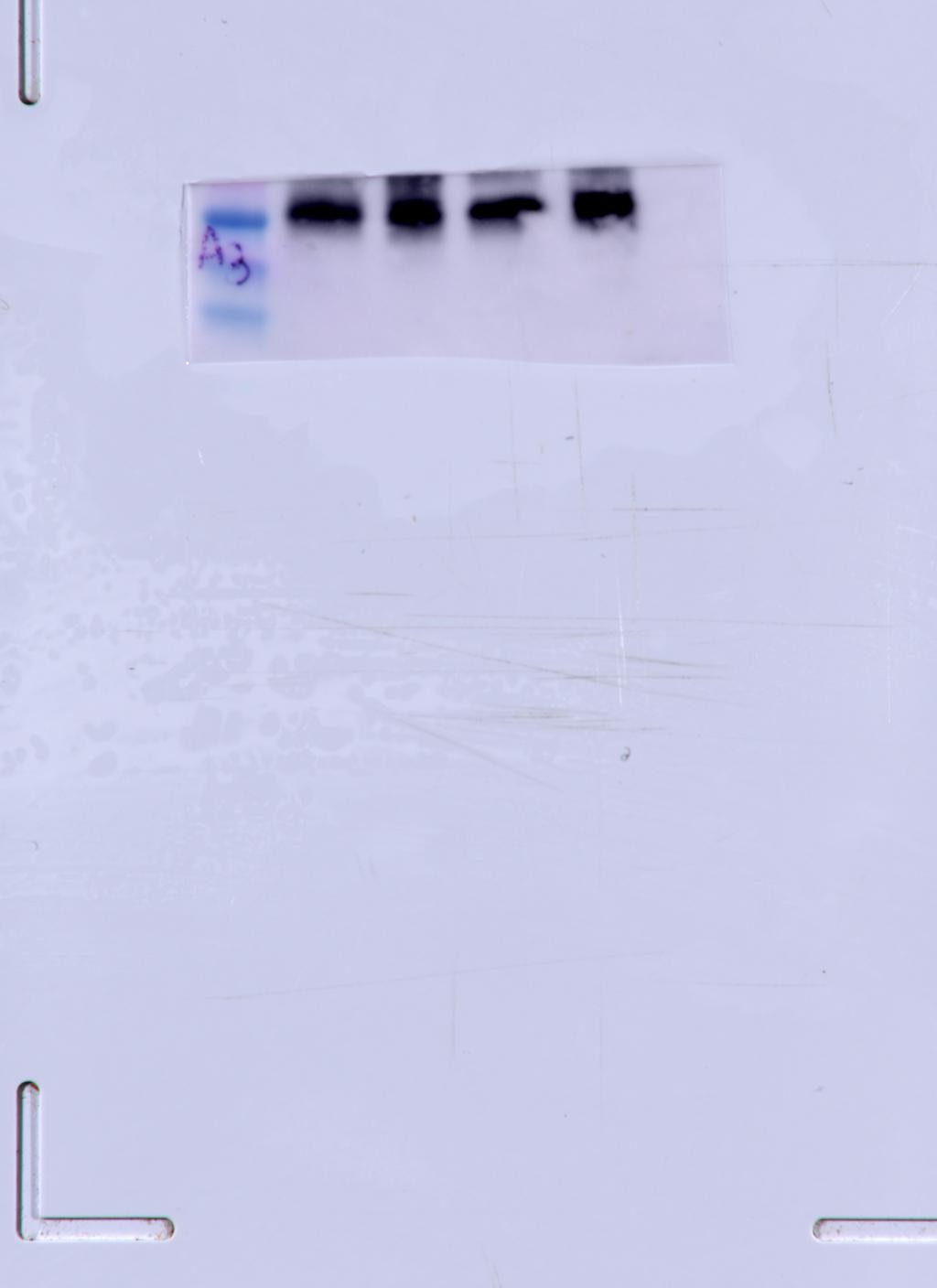
Vera (Verified Customer) (07-14-2026) | Antibody works really well, shows a strong signal, does show unspecific binding to the ladder.
|
Kishor (Verified Customer) (01-30-2019) | This antibody working well against rat liver tissue and human cancer cells
 |














