

Tested Applications
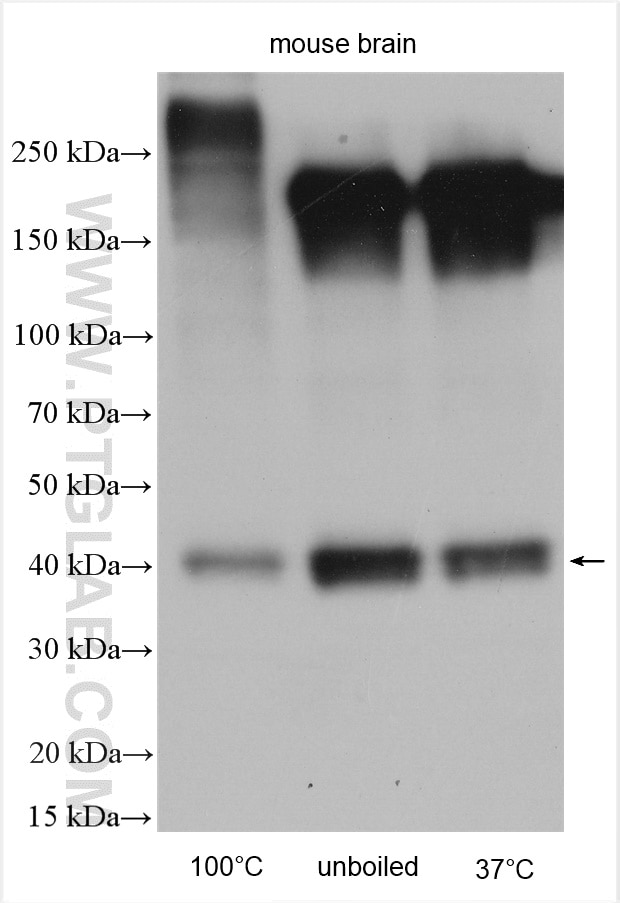
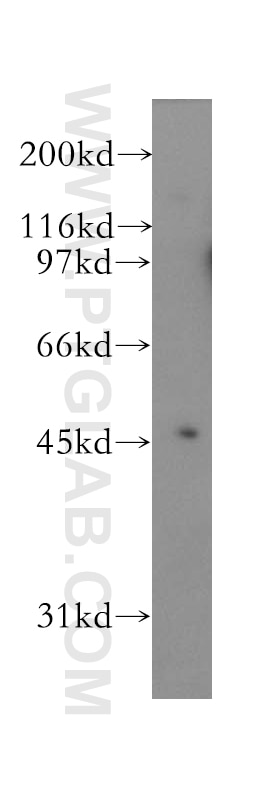
| Positive WB detected in | mouse brain tissue, human brain tissue |
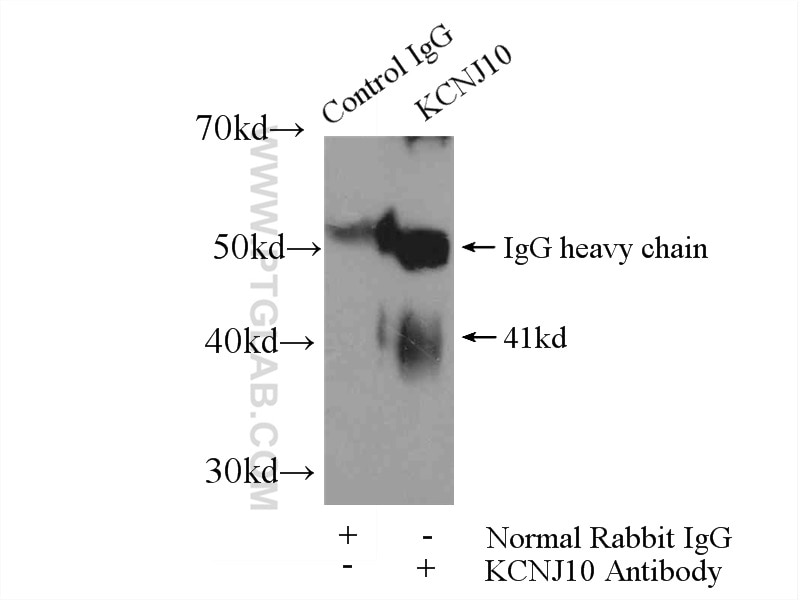
| Positive IP detected in | rat brain tissue |
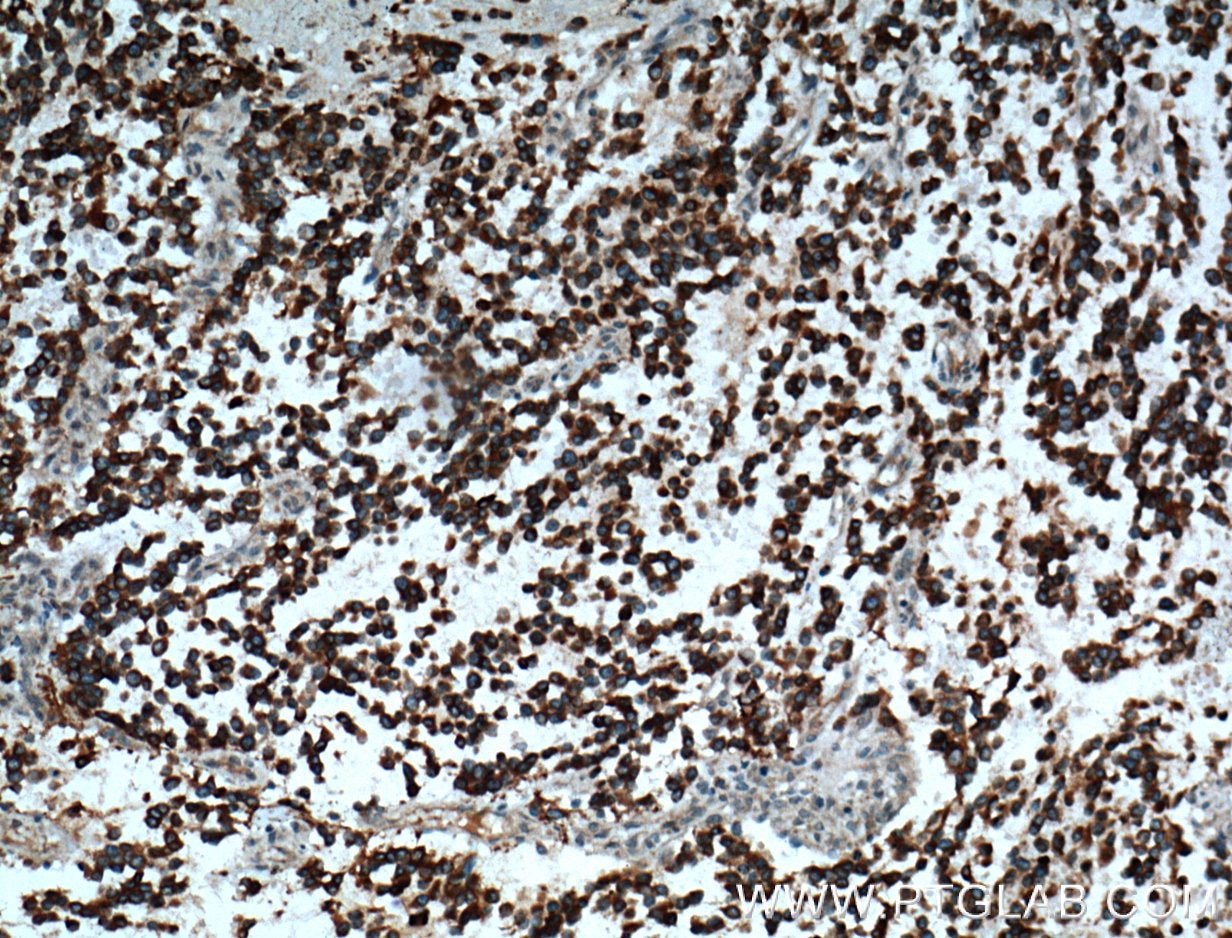
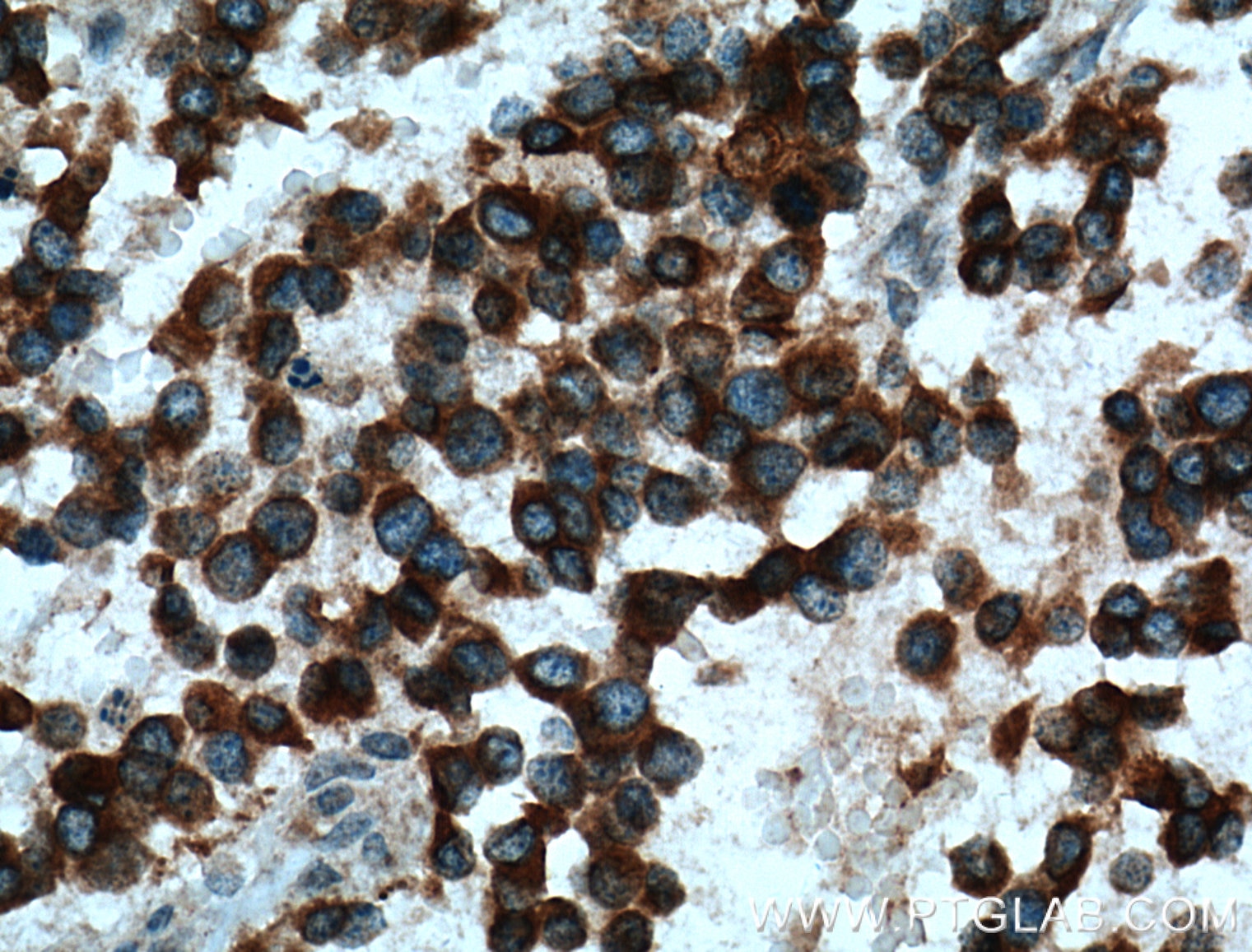
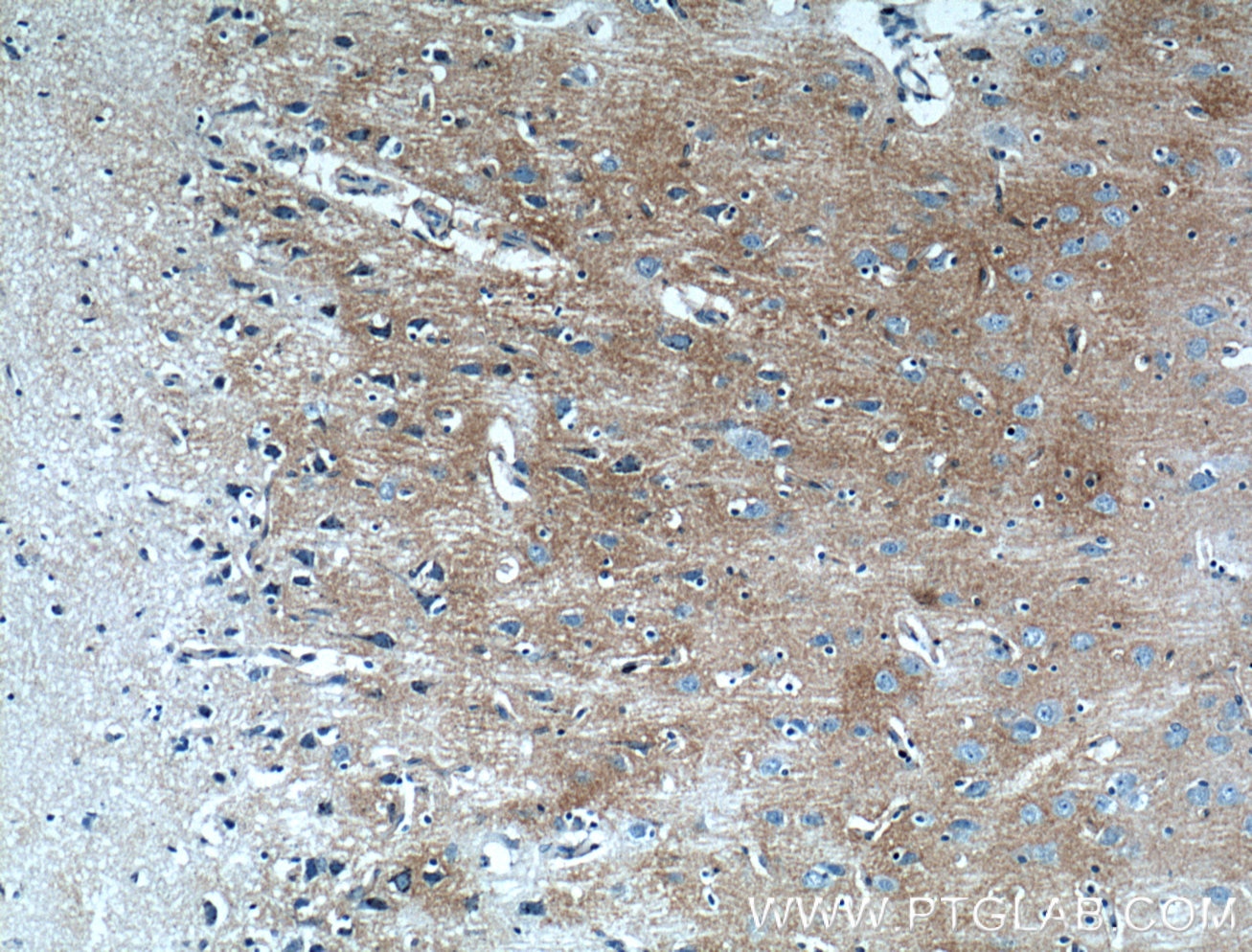
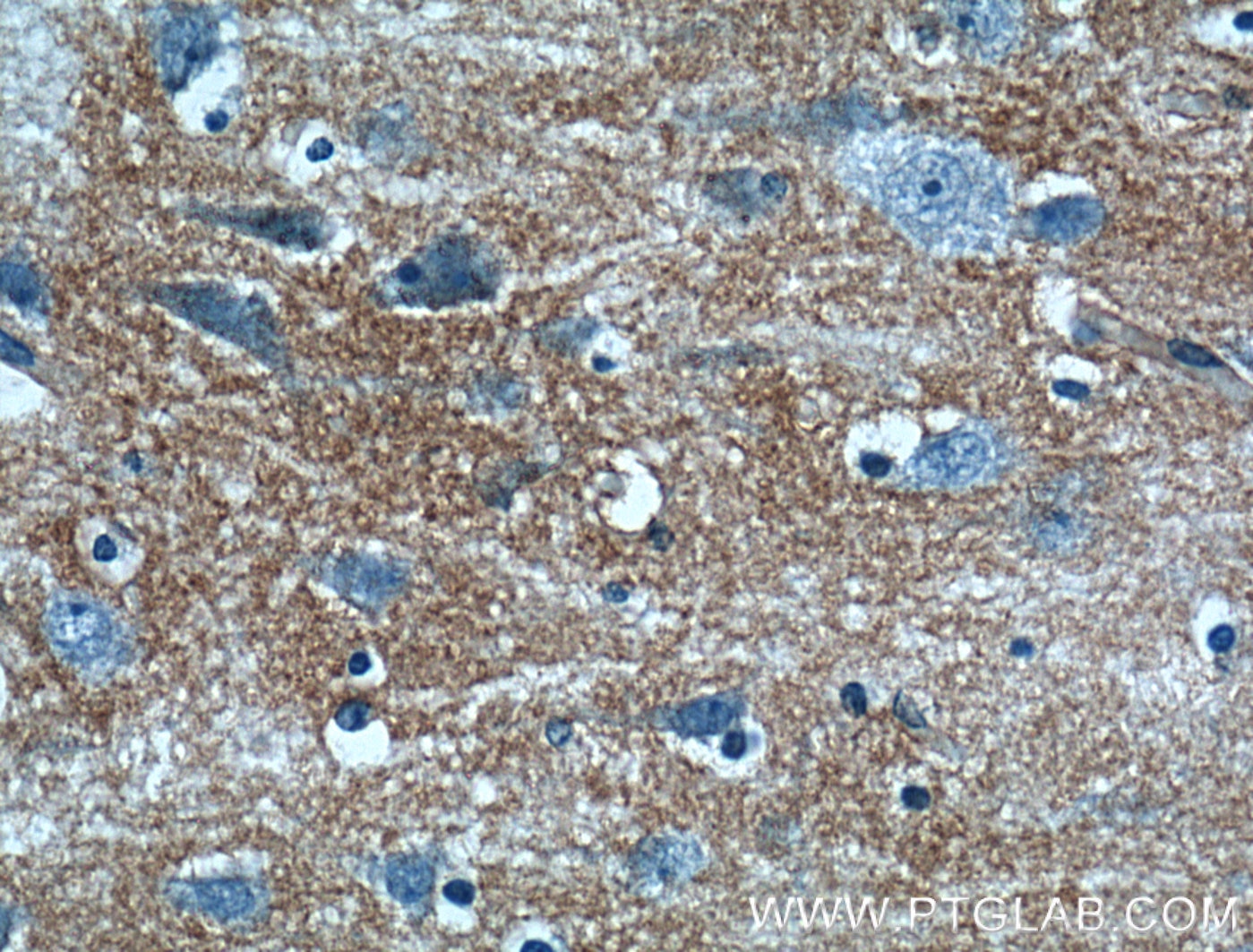
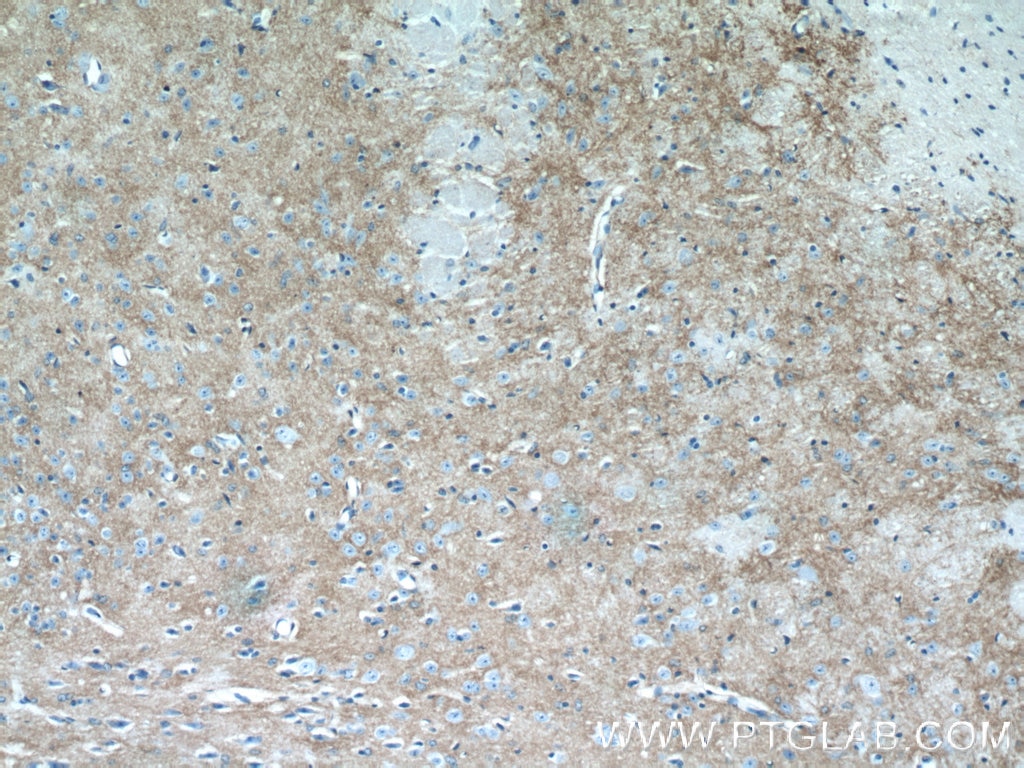
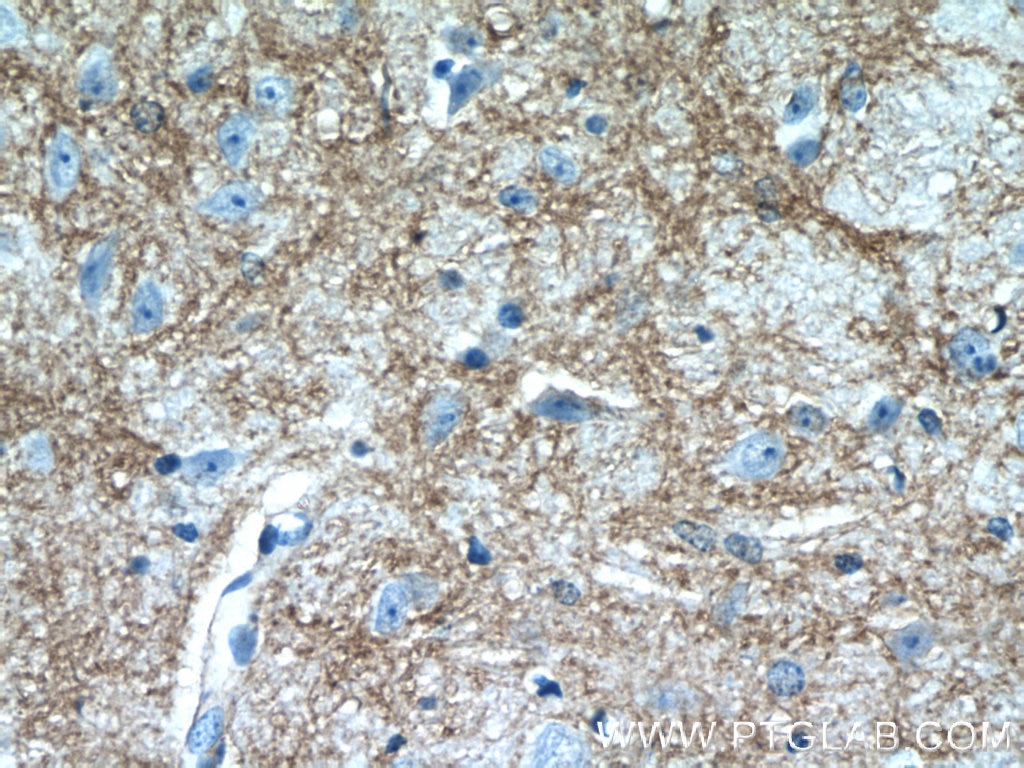
| Positive IHC detected in | human gliomas tissue, human brain tissue, mouse brain tissue Note: suggested antigen retrieval with TE buffer pH 9.0; (*) Alternatively, antigen retrieval may be performed with citrate buffer pH 6.0 |
Recommended dilution
| Application | Dilution |
|---|---|
| Western Blot (WB) | WB : 1:5000-1:50000 |
| Immunoprecipitation (IP) | IP : 0.5-4.0 ug for 1.0-3.0 mg of total protein lysate |
| Immunohistochemistry (IHC) | IHC : 1:50-1:500 |
| It is recommended that this reagent should be titrated in each testing system to obtain optimal results. | |
| Sample-dependent, Check data in validation data gallery. | |
Product Information
12503-1-AP targets Kir4.1 in WB, IHC, IF, IP, CoIP, ELISA, CE applications and shows reactivity with human, mouse, rat samples.
| Tested Reactivity | human, mouse, rat |
| Cited Reactivity | human, mouse, rat, rabbit |
| Host / Isotype | Rabbit / IgG |
| Class | Polyclonal |
| Type | Antibody |
| Immunogen |
CatNo: Ag3182 Product name: Recombinant human KCNJ10 protein Source: e coli.-derived, PGEX-4T Tag: GST Domain: 224-426 aa of BC034036 Sequence: ETIRFSQHAVVASHNGKPCLMIRVANMRKSLLIGCQVTGKLLQTHQTKEGENIRLNQVNVTFQVDTASDSPFLILPLTFYHVVDETSPLKDLPLRSGEGDFELVLILSGTVESTSATCQVRTSYLPEEILWGYEFTPAISLSASGKYIADFSLFDQVVKVASPSGLRDSTVRYGDPEKLKLEESLREQAEKEGSALSVRISNV Predict reactive species |
| Full Name | potassium inwardly-rectifying channel, subfamily J, member 10 |
| Calculated Molecular Weight | 379 aa, 41 kDa |
| Observed Molecular Weight | 41 kDa |
| GenBank Accession Number | BC034036 |
| Gene Symbol | Kir4.1 |
| Gene ID (NCBI) | 3766 |
| RRID | AB_2234144 |
| Conjugate | Unconjugated |
| Form | Liquid |
| Purification Method | Antigen affinity purification |
| UNIPROT ID | P78508 |
| Storage Buffer | PBS with 0.02% sodium azide and 50% glycerol, pH 7.3. |
| Storage Conditions | Store at -20°C. Stable for one year after shipment. Aliquoting is unnecessary for -20oC storage. 20ul sizes contain 0.1% BSA. |
Background Information
ATP-sensitive inward rectifier potassium channel 10 (KCNJ10, also known as Kir4.1) is an inwardly rectifying K⁺ channel predominantly expressed in glial cells within the central nervous system. In glial cells, Kir4.1 participates in multiple physiological processes, including the maintenance of extracellular K⁺ homeostasis, preservation of astrocyte resting membrane potential, regulation of cell volume, and promotion of glutamate uptake (PMID: 26961251). Kir4.1 can assemble into Kir4.1/Kir5.1 heteromeric channels, which mediate basolateral K⁺ recycling in renal distal tubules. This activity is essential for tubular Na⁺ reabsorption. Pathogenic mutations in Kir4.1 are associated with EAST/SeSAME syndrome, a genetic disorder marked by renal salt wasting (PMID: 24561201; 8995301).
Protocols
| Product Specific Protocols | |
|---|---|
| IHC protocol for Kir4.1 antibody 12503-1-AP | Download protocol |
| IP protocol for Kir4.1 antibody 12503-1-AP | Download protocol |
| WB protocol for Kir4.1 antibody 12503-1-AP | Download protocol |
| Standard Protocols | |
|---|---|
| Click here to view our Standard Protocols |
Publications
What published studies show
The anti-Kir4.1 antibody (Cat# 12503-1-AP) has 17 citations. These appear in journals including Nature Communications, Neuron, Cell Reports, Cells, Epilepsia, Glia, Journal of Molecular Medicine, International Journal of Cancer, Molecular and Cellular Biochemistry, Journal of Neuroscience, Multiple Sclerosis, Experimental Eye Research, European Journal of Neuroscience, American Journal of Translational Research, and bioRxiv. The research fields span neuroscience, astrocyte biology, epilepsy, retinal and eye diseases, neuropathic pain, diabetes, and multiple sclerosis.
| Species | Application | Title |
|---|---|---|
Nat Commun Astrocytic neuroligin 3 regulates social memory and synaptic plasticity through adenosine signaling in male mice | ||
Neuron Glioma epileptiform activity and progression are driven by IGSF3-mediated potassium dysregulation | ||
Cell Rep Retrograde control of sympathetic neuron-satellite glia interactions by target-derived NGF signaling. | ||
Cell Rep Astrocyte Kir4.1 expression level territorially controls excitatory transmission in the brain | ||
Cells Destabilizing COXIV in Müller Glia Increases Retinal Glycolysis and Alters Scotopic Electroretinogram | ||
Epilepsia Elevated Astrocytic NFAT5 of the hippocampus increases epilepsy susceptibility in hypoxic-ischemic mice |
Reviews
What customers say
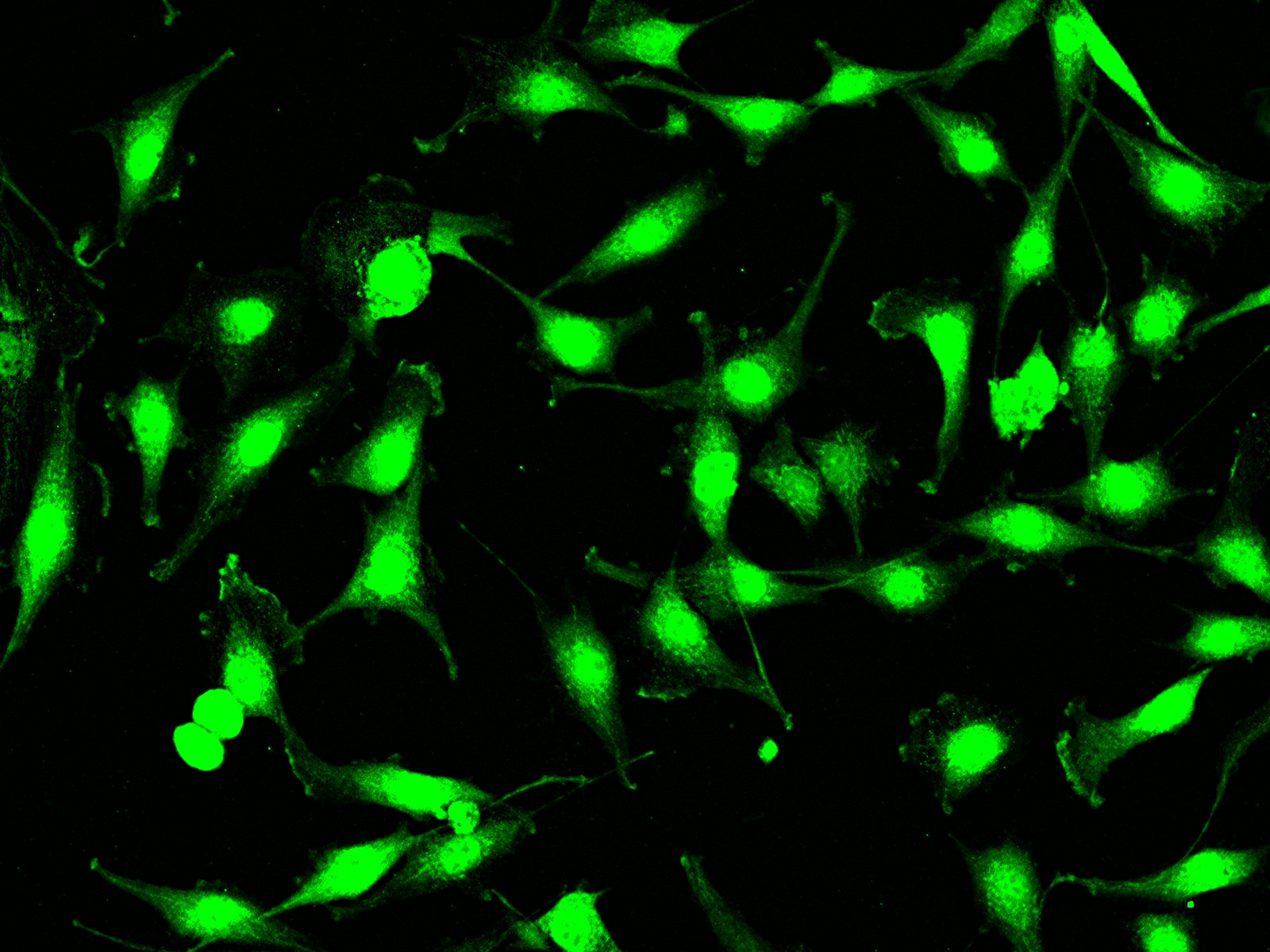
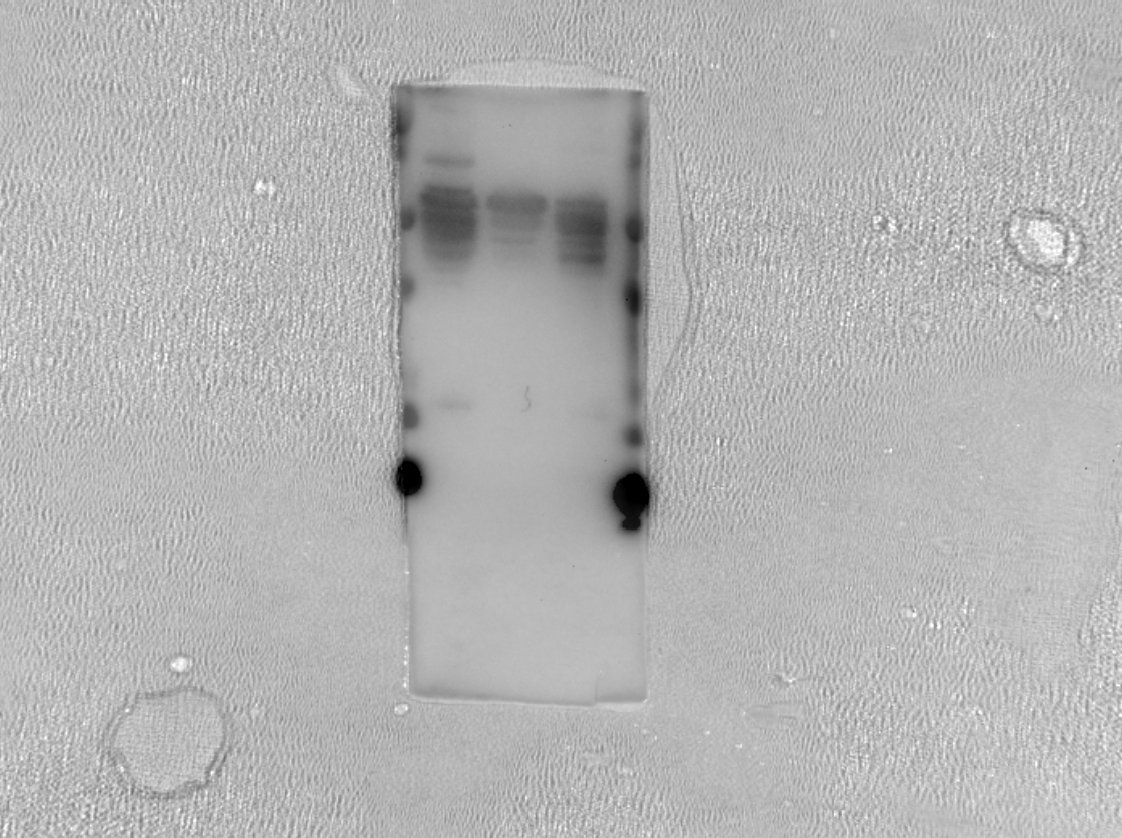
Both reviews are 5-star ratings. One user reported excellent performance in immunofluorescence on human primary cells at a 1:500 dilution (secondary at 1:400). The other user found the antibody very good for Western Blot on mouse retinal tissue at 1:1000 dilution and highly recommended it. Overall, customers are satisfied with the antibody's performance across different applications and species.
The reviews below have been submitted by verified Proteintech customers who received an incentive for providing their feedback.
Paula (Verified Customer) (07-30-2024) | Worked well for human primary cell line, dilution used 1:500 (secondary 1:400)
 |
aidan (Verified Customer) (07-27-2024) | very good. would highly recommend
 |










