
Product Information
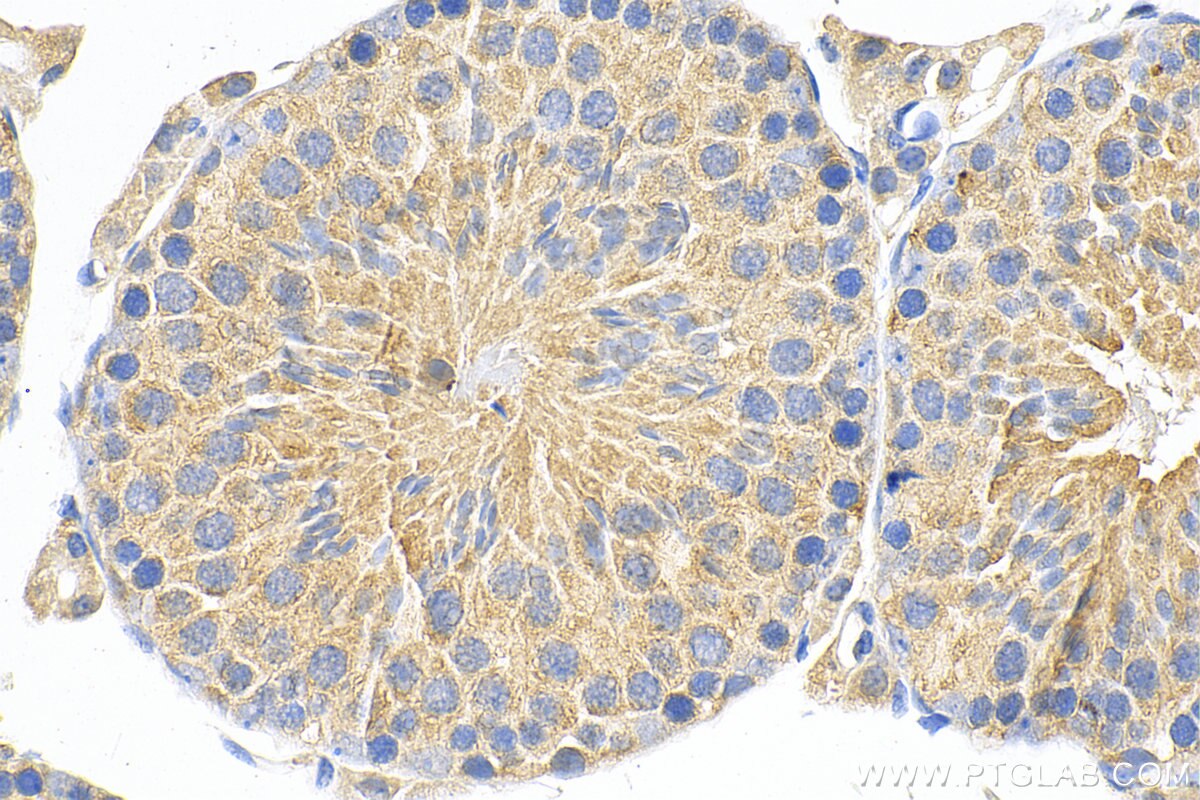
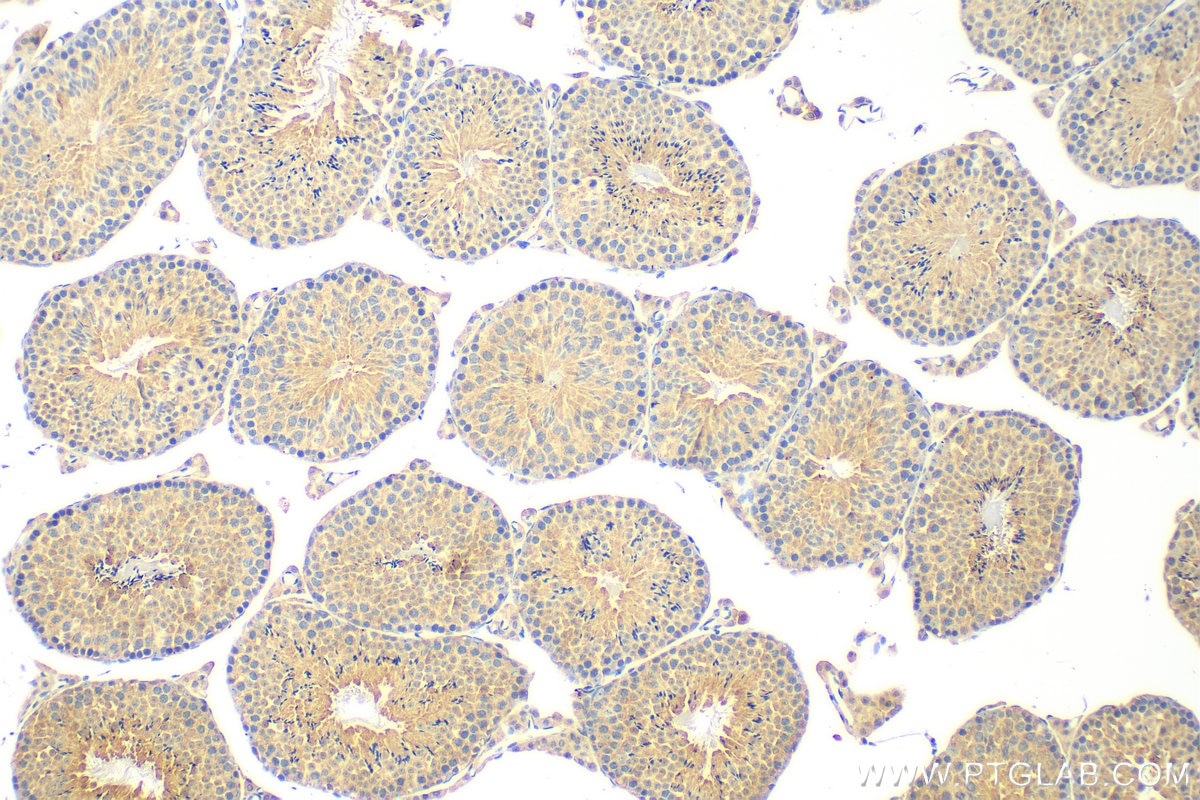
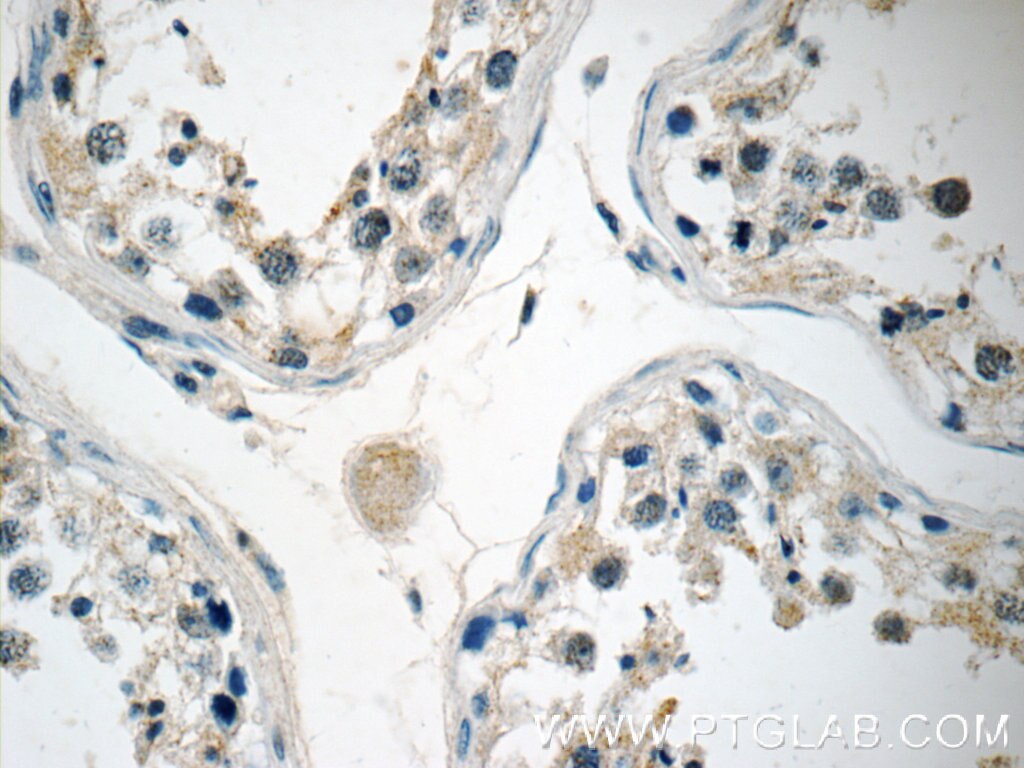
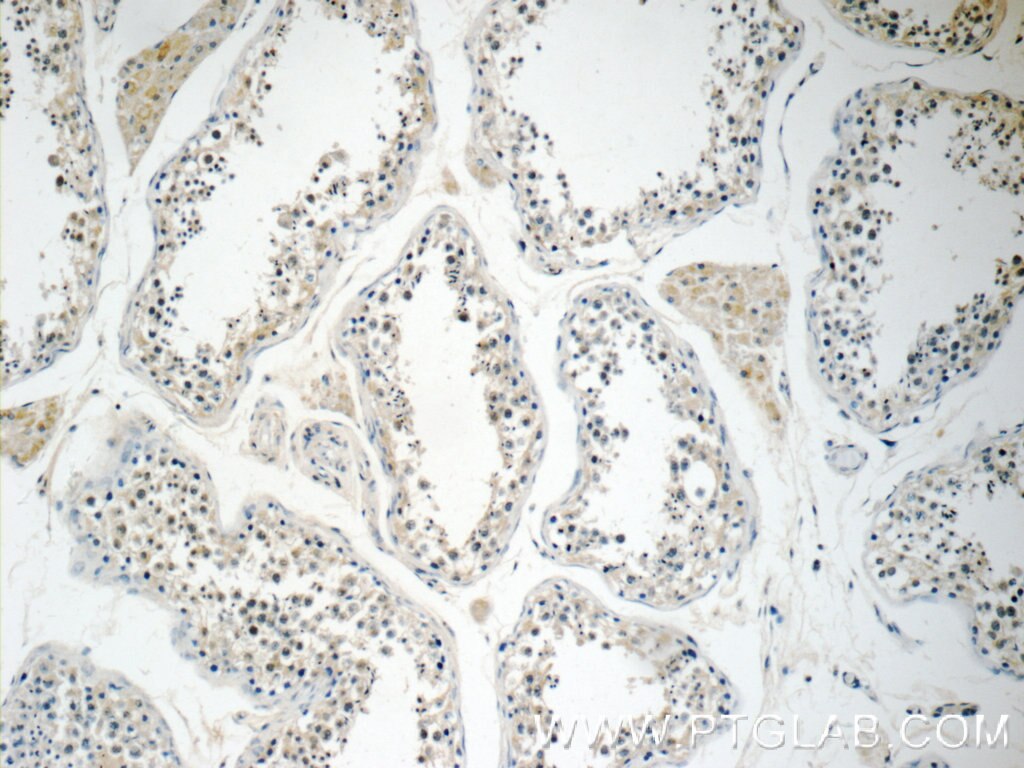
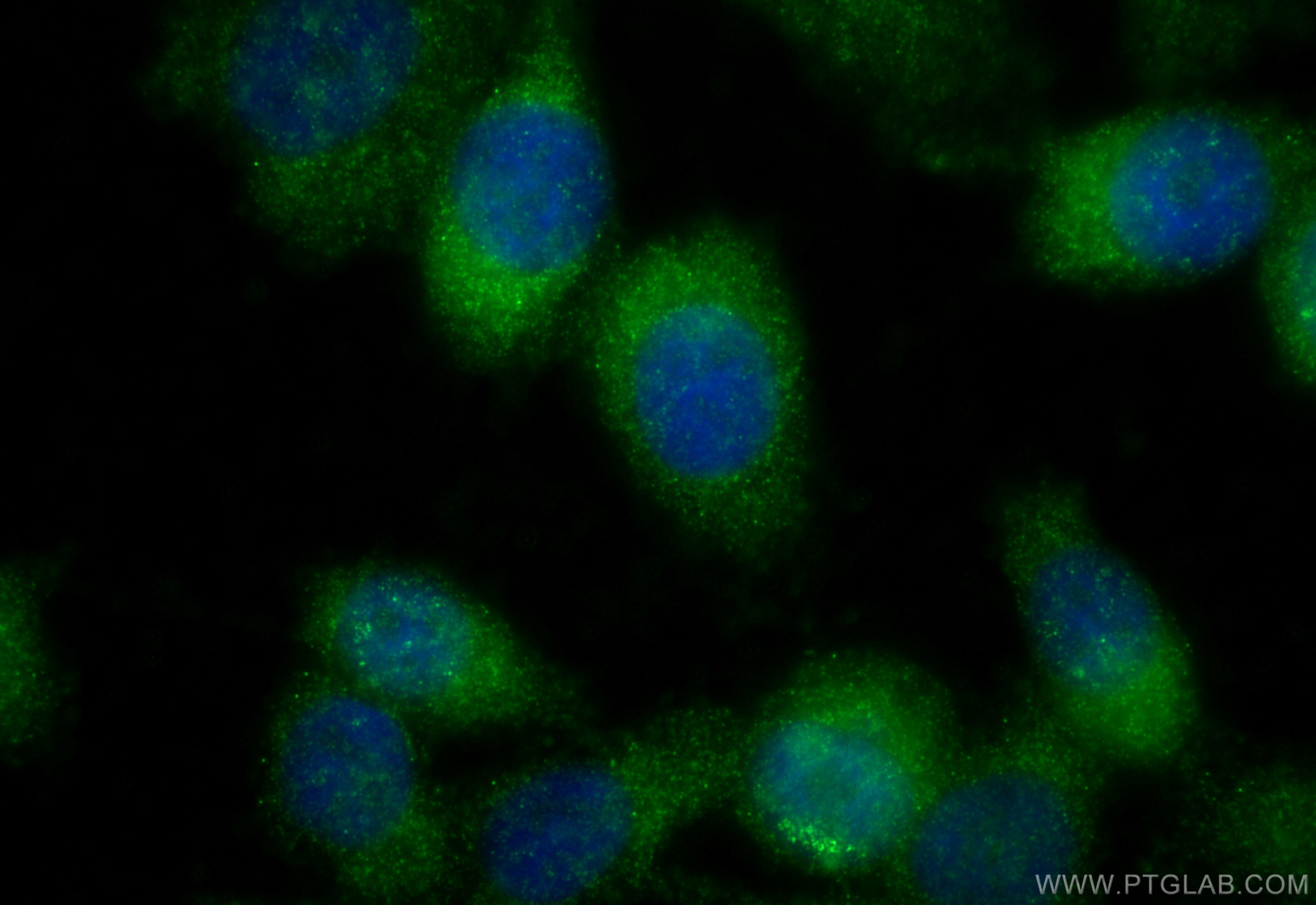
13905-1-PBS targets KLHDC3 in IHC, IF/ICC, Indirect ELISA applications and shows reactivity with human, mouse samples.
| Tested Reactivity | human, mouse |
| Host / Isotype | Rabbit / IgG |
| Class | Polyclonal |
| Type | Antibody |
| Immunogen |
CatNo: Ag4879 Product name: Recombinant human KLHDC3 protein Source: e coli.-derived, PGEX-4T Tag: GST Domain: 1-248 aa of BC041793 Sequence: MTPKGPAMCSMPLTSADCFSNDIHKLDTSTMTWTLICTKGSPARWRDFHSATMLGSHMYVFGGRADRFGPFHSNNEIYCNRIRVFDTRTEAWLDCPPTPVLPEGRRSHSAFGYNGELYIFGGYNARLNWHFHDLWKFNPVSFTWKKIEPKGKGPCPRRRQCCCIVGDKIVLFGGTSPSPEEGLGDEFDLIDHSDLHILDFSPSLKTLCKLAVIQYNLDQSCLPHDIRWELNAMTTNSNISRPIVSSHG Predict reactive species |
| Full Name | kelch domain containing 3 |
| Calculated Molecular Weight | 382 aa, 43 kDa |
| GenBank Accession Number | BC041793 |
| Gene Symbol | KLHDC3 |
| Gene ID (NCBI) | 116138 |
| RRID | AB_2877985 |
| Conjugate | Unconjugated |
| Form | Liquid |
| Purification Method | Antigen affinity purification |
| UNIPROT ID | Q9BQ90 |
| Storage Buffer | PBS only, pH 7.3. |
| Storage Conditions | Store at -80°C. |
Background Information
The BTB (Broad-Complex, Tramtrack and Bric a brac) domain, also known as the POZ (Poxvirus and Zinc finger) domain, is an N-terminal homodimerization domain that contains multiple copies of kelch repeats and/or C2H2-type zinc fingers. Proteins that contain BTB domains are thought to be involved in transcriptional regulation via control of chromatin structure and function. The Kelch domain-containing protein 3 (KLHDC3), also designated PEAS, contains 5 Kelch repeats and may be involved in meiotic recombination process. The gene encoding KLHDC3 maps to chromosome 6, which contains around 1,200 genes within 170 million base pairs of sequence. Deletion of a portion of the q arm of chromosome 6 is associated with early onset intestinal cancer suggesting the presence of a cancer susceptibility locus. Porphyria cutanea tarda, Parkinson's disease, Stickler syndrome, 21-hydroxylase deficiency and maple syrup urine disease are also associated with genes on chromosome 6. KLHDC3 protein is mainly expressed in cytoplasm, also found in meiotic chromatin.






