


Tested Applications
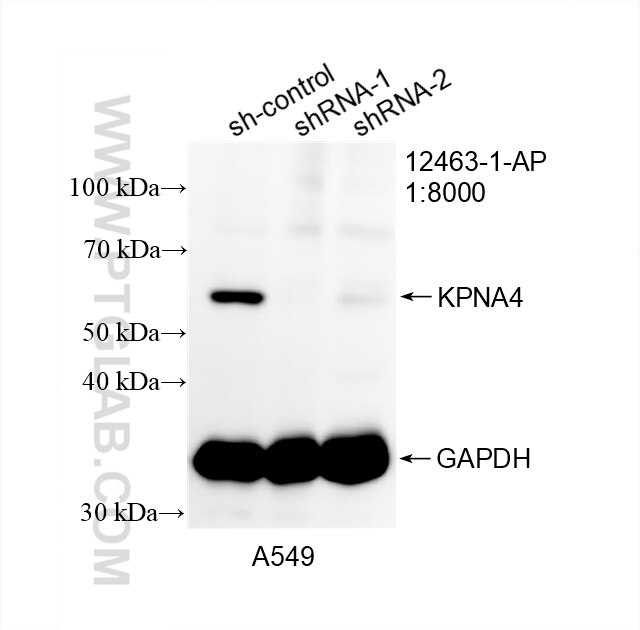
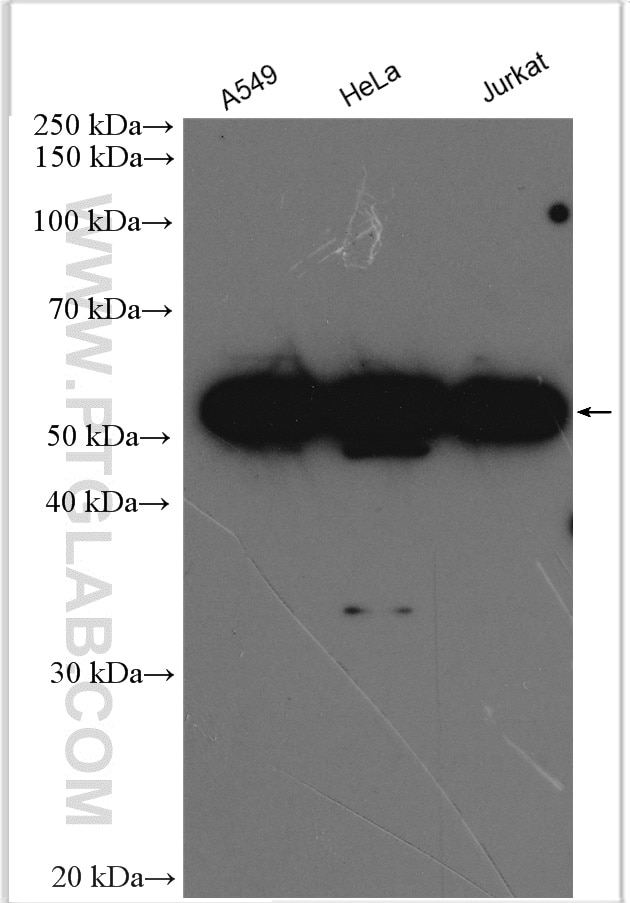
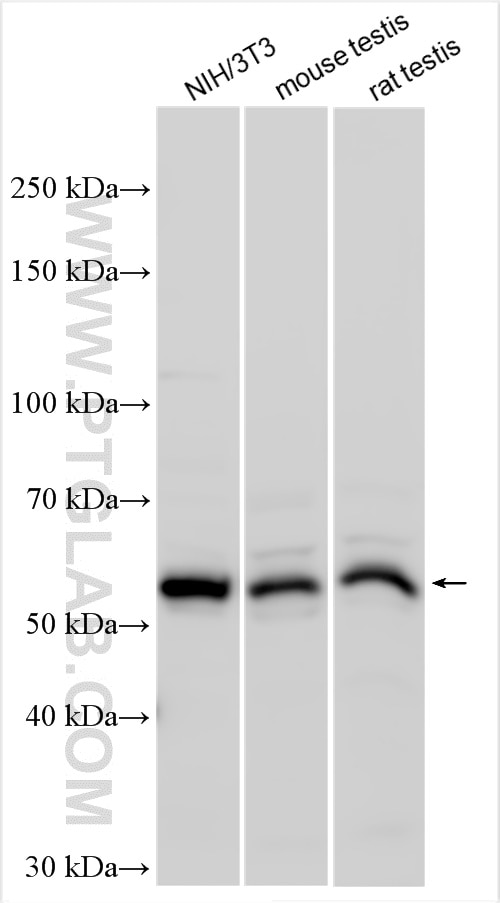
| Positive WB detected in | A549 cells, NIH/3T3 cells, HeLa cells, Jurkat cells, mouse testis tissue, rat testis tissue |
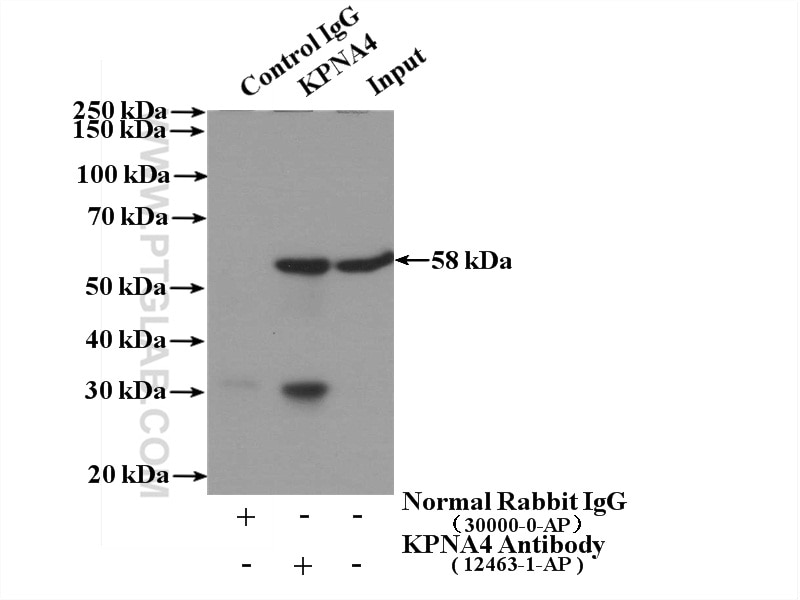
| Positive IP detected in | A549 cells |
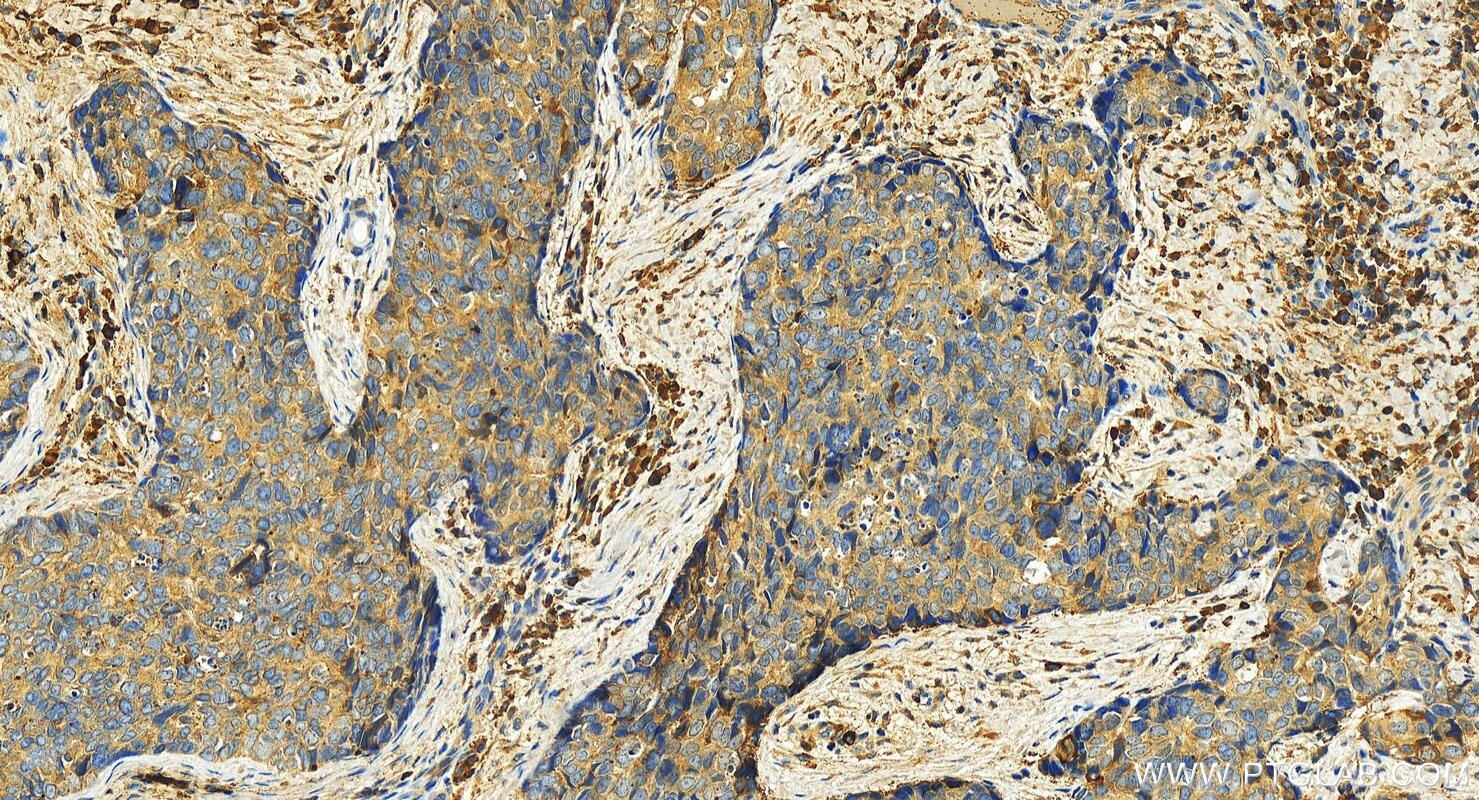
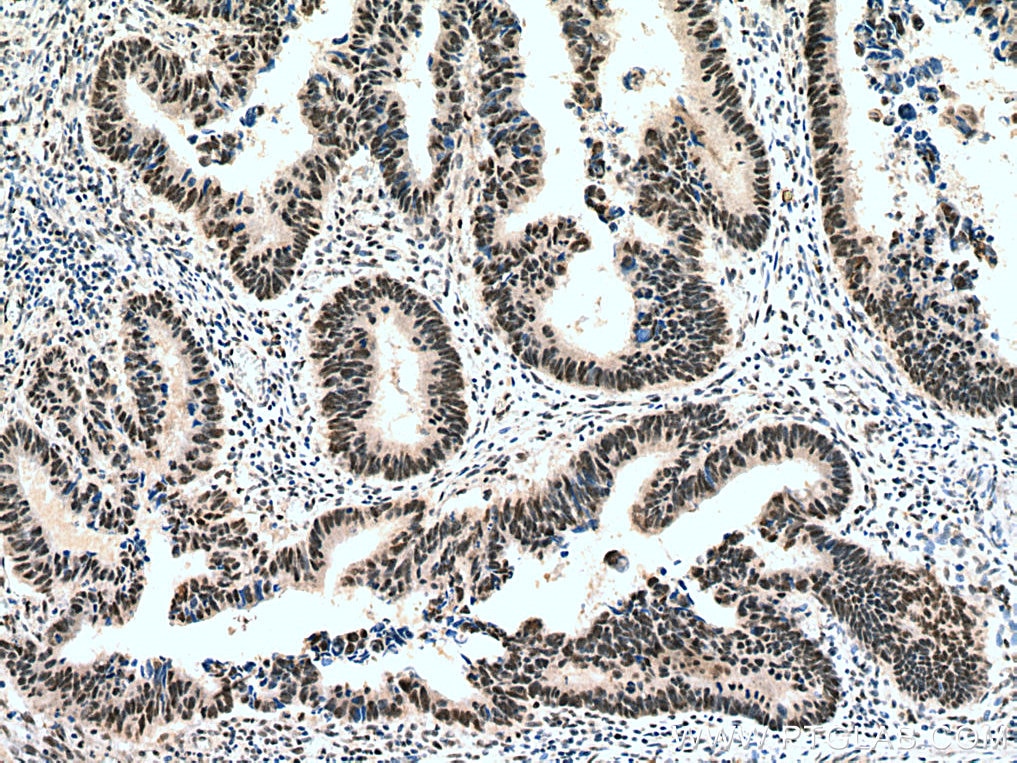
| Positive IHC detected in | human colon cancer tissue, mouse brain tissue Note: suggested antigen retrieval with TE buffer pH 9.0; (*) Alternatively, antigen retrieval may be performed with citrate buffer pH 6.0 |
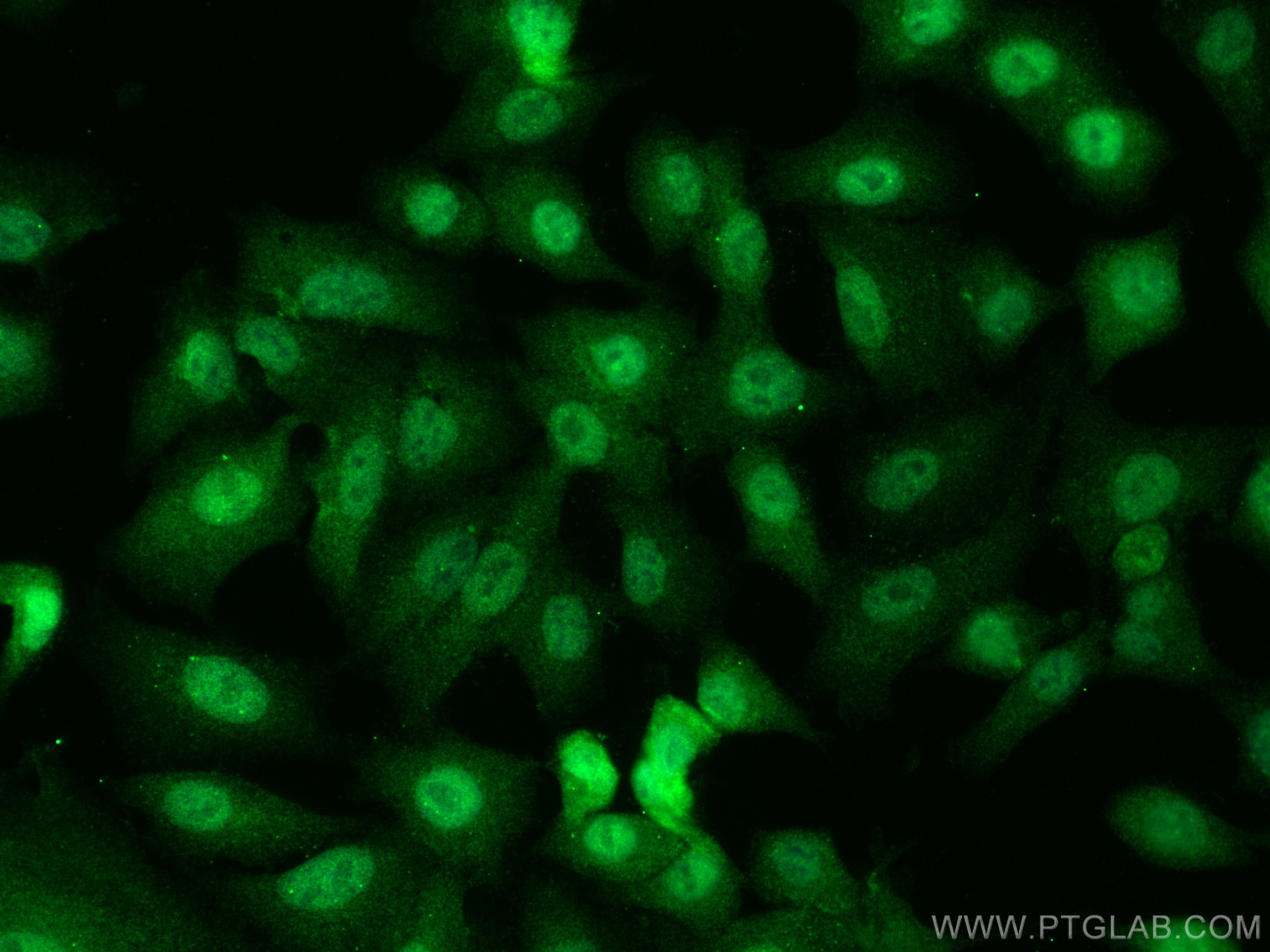
| Positive IF/ICC detected in | A549 cells |
Recommended dilution
| Application | Dilution |
|---|---|
| Western Blot (WB) | WB : 1:1000-1:8000 |
| Immunoprecipitation (IP) | IP : 0.5-4.0 ug for 1.0-3.0 mg of total protein lysate |
| Immunohistochemistry (IHC) | IHC : 1:200-1:1000 |
| Immunofluorescence (IF)/ICC | IF/ICC : 1:200-1:800 |
| It is recommended that this reagent should be titrated in each testing system to obtain optimal results. | |
| Sample-dependent, Check data in validation data gallery. | |
Product Information
12463-1-AP targets KPNA4 in WB, IHC, IF/ICC, IP, CoIP, ELISA applications and shows reactivity with human, mouse, rat samples.
| Tested Reactivity | human, mouse, rat |
| Cited Reactivity | human, mouse |
| Host / Isotype | Rabbit / IgG |
| Class | Polyclonal |
| Type | Antibody |
| Immunogen |
CatNo: Ag3133 Product name: Recombinant human KPNA4 protein Source: e coli.-derived, PGEX-4T Tag: GST Domain: 1-350 aa of BC034493 Sequence: MADNEKLDNQRLKNFKNKGRDLETMRRQRNEVVVELRKNKRDEHLLKRRNVPHEDICEDSDIDGDYRVQNTSLEAIVQNASSDNQGIQLSAVQAARKLLSSDRNPPIDDLIKSGILPILVHCLERDDNPSLQFEAAWALTNIASGTSEQTQAVVQSNAVPLFLRLLHSPHQNVCEQAVWALGNIIGDGPQCRDYVISLGVVKPLLSFISPSIPITFLRNVTWVMVNLCRHKDPPPPMETIQEILPALCVLIHHTDVNILVDTVWALSYLTDAGNEQIQMVIDSGIVPHLVPLLSHQEVKVQTAALRAVGNIVTGTDEQTQVVLNCDALSHFPALLTHPKEKINKEAVWFL Predict reactive species |
| Full Name | karyopherin alpha 4 (importin alpha 3) |
| Calculated Molecular Weight | 521 aa, 58 kDa |
| Observed Molecular Weight | 58 kDa |
| GenBank Accession Number | BC034493 |
| Gene Symbol | KPNA4 |
| Gene ID (NCBI) | 3840 |
| RRID | AB_2133821 |
| Conjugate | Unconjugated |
| Form | Liquid |
| Purification Method | Antigen affinity purification |
| UNIPROT ID | O00629 |
| Storage Buffer | PBS with 0.02% sodium azide and 50% glycerol, pH 7.3. |
| Storage Conditions | Store at -20°C. Stable for one year after shipment. Aliquoting is unnecessary for -20oC storage. 20ul sizes contain 0.1% BSA. |
Background Information
KPNA4, also named importin subunit alpha-3, karyopherin-alpha4, is a cytoplasmic protein that recognizes nuclear localization signals (NLSs) and dock NLS-containing proteins to the nuclear pore complex. Nuclear import, mediated in part by karyopherin-α (KPNA)/importin-α subtypes, regulates transcription factor access to the genome and determines cell fate. KPNA4-mediated nuclear transport of Ras-responsive element-binding protein (RREB1), which sustains Ras/ERK pathway signaling through repressing miR-143/145 expression (PMID: 31822798). KPNA4 is one of the main isoforms that is activated in many human cancers. KPNA4 expression was elevated in head and neck of squamous cell carcinoma (PMID: 33188837).
Protocols
| Product Specific Protocols | |
|---|---|
| IF protocol for KPNA4 antibody 12463-1-AP | Download protocol |
| IHC protocol for KPNA4 antibody 12463-1-AP | Download protocol |
| IP protocol for KPNA4 antibody 12463-1-AP | Download protocol |
| WB protocol for KPNA4 antibody 12463-1-AP | Download protocol |
| Standard Protocols | |
|---|---|
| Click here to view our Standard Protocols |
Publications
What published studies show
The KPNA4 Polyclonal antibody (Cat# 12463-1-AP) has 13 citations across journals including Cell Death & Disease, Oncogene, Cell & Molecular Life Sciences, Journal of Neuroscience, Journal of Biological Chemistry, Frontiers in Neuroscience, mSphere, Viruses, and others. Research fields span cancer biology (renal cell carcinoma, breast cancer, hepatocellular carcinoma), virology (MERS-CoV, influenza A, HBV, RNA viruses), neurodegeneration (ALS, schizophrenia), aging, and innate immune signaling pathways.
| Species | Application | Title |
|---|---|---|
Cell Death Dis Oncometabolite fumarate facilitates PD-L1 expression and immune evasion in clear cell renal cell carcinoma | ||
Oncogene The Wnt/β-catenin/VASP positive feedback loop drives cell proliferation and migration in breast cancer.
| ||
Cell Mol Life Sci MERS-CoV-nsp5 expression in human epithelial BEAS 2b cells attenuates type I interferon production by inhibiting IRF3 nuclear translocation | ||
Cell Mol Life Sci Enolase 1 suppresses influenza A virus replication by blocking the nuclear import of the viral ribonucleoprotein complex. | ||
Virol Sin African Swine Fever Virus MGF360-12L Inhibits Type I Interferon Production by Blocking the Interaction of Importin α and NF-κB Signaling Pathway. |









