

Tested Applications
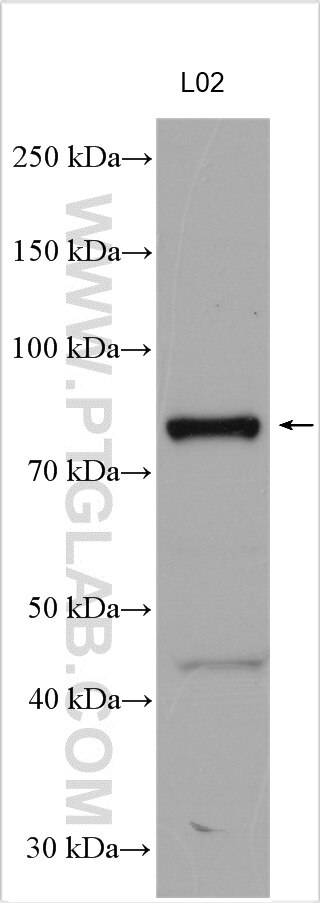
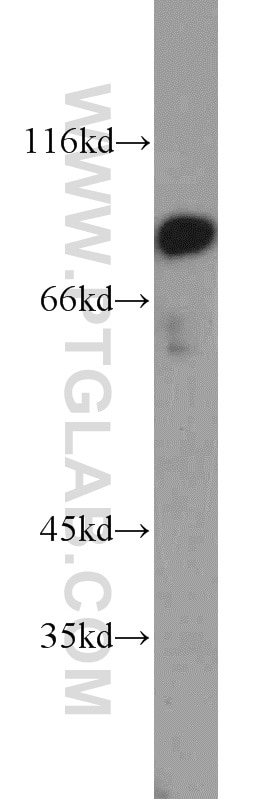
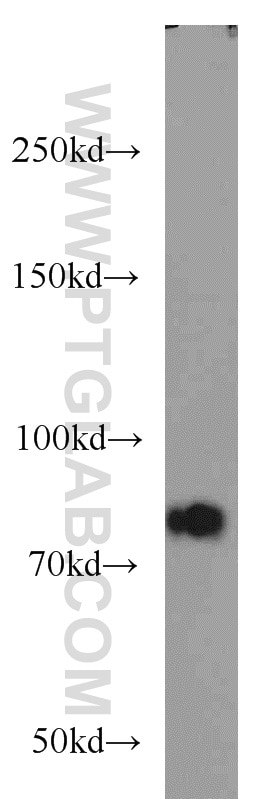
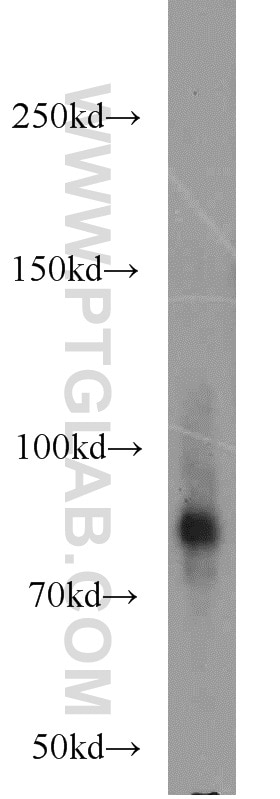
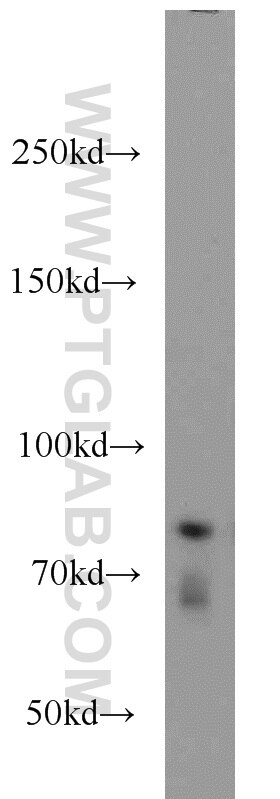
| Positive WB detected in | L02 cells, HEK-293 cells, mouse placenta tissue, mouse kidney tissue, human placenta tissue |
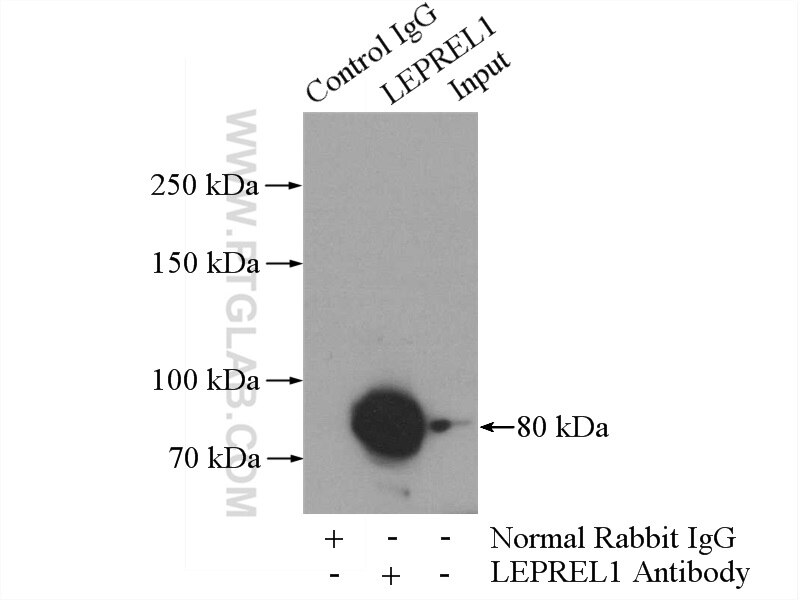
| Positive IP detected in | mouse kidney tissue |
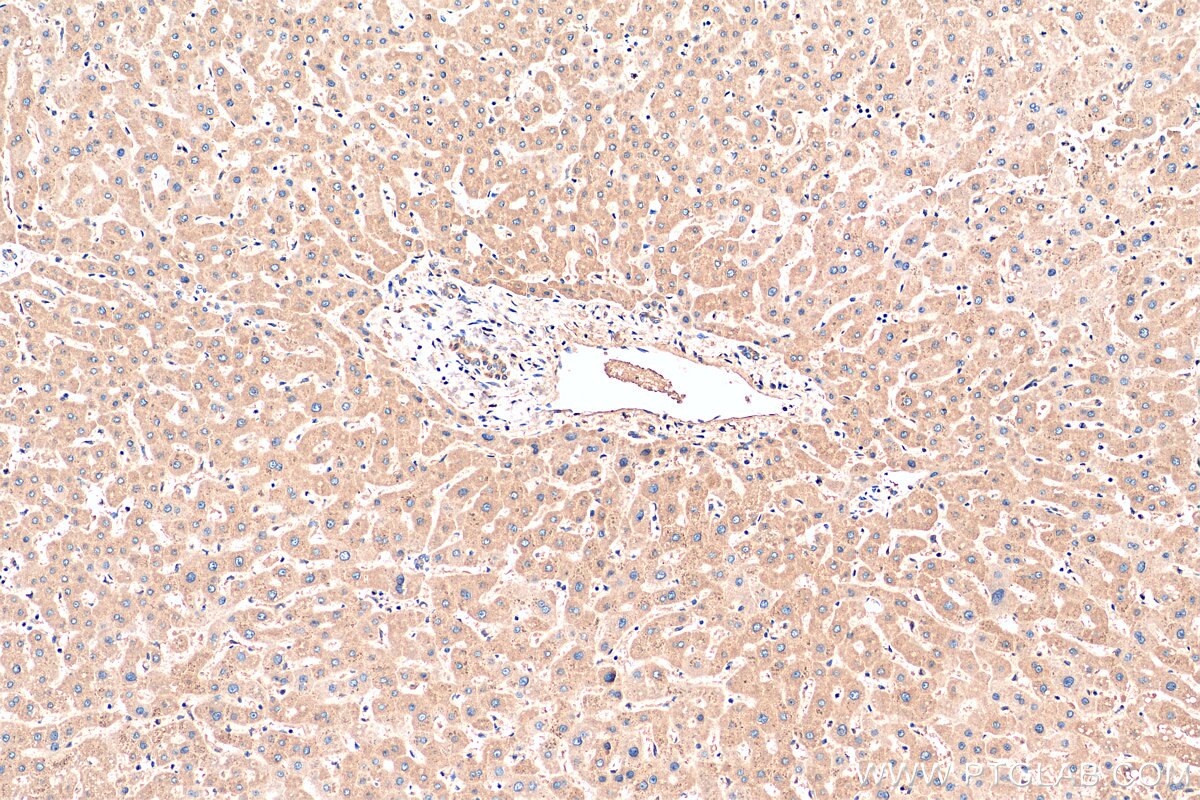
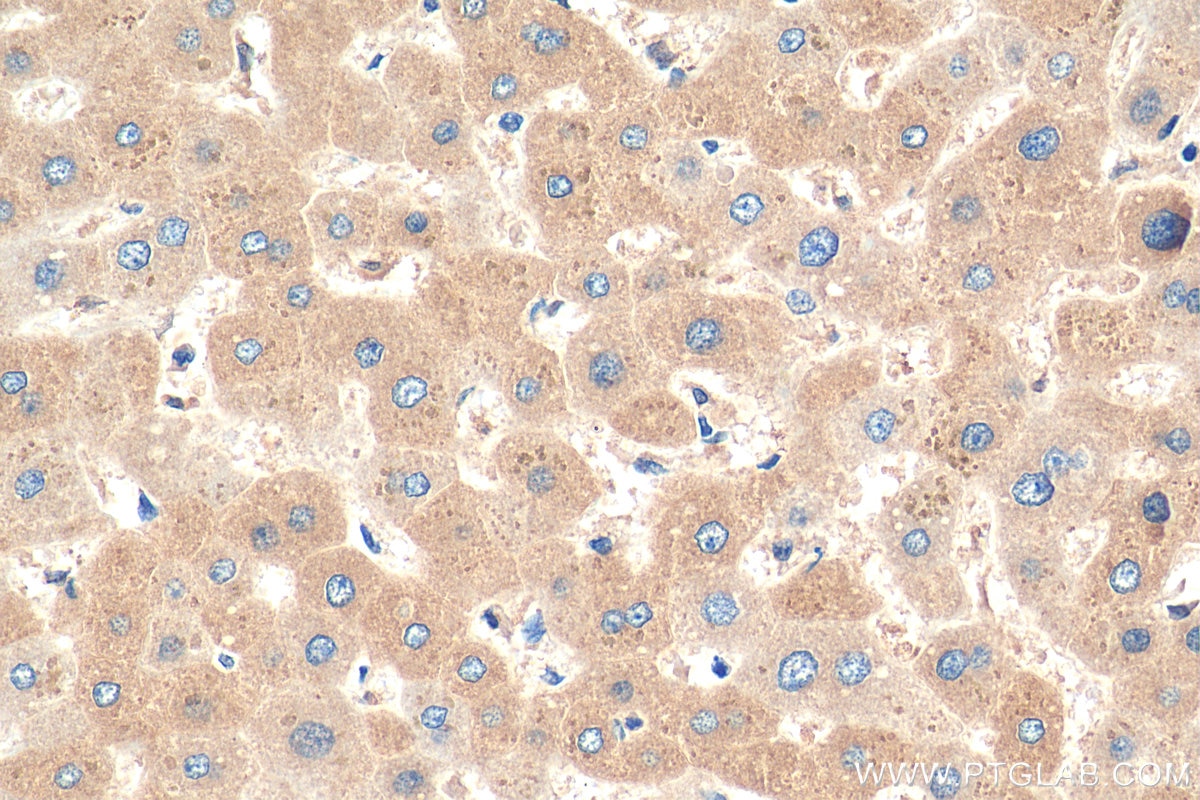
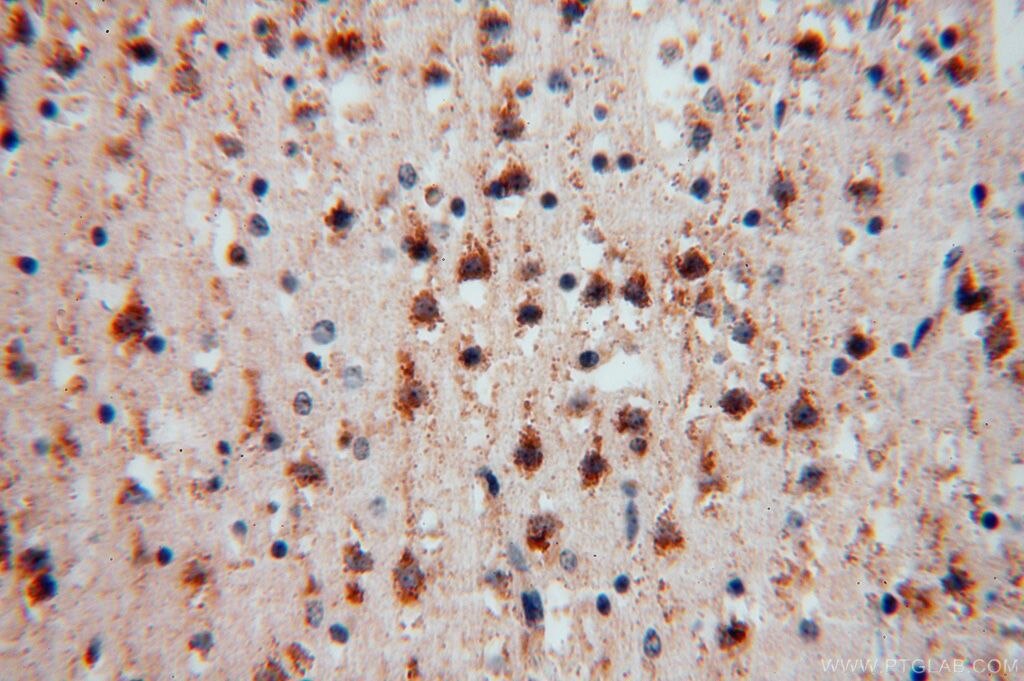
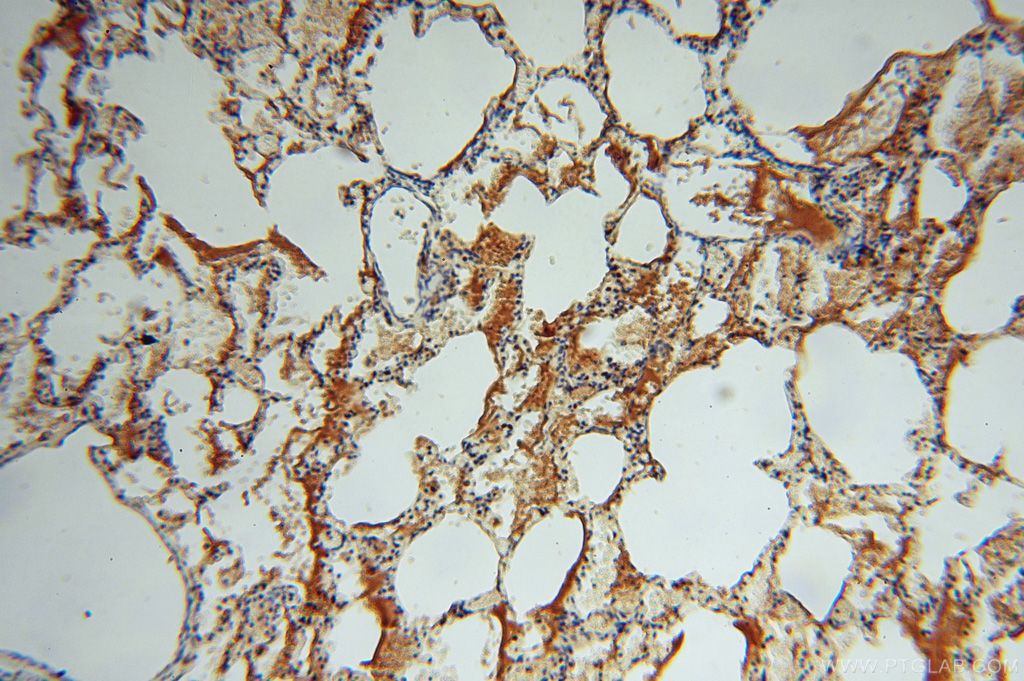
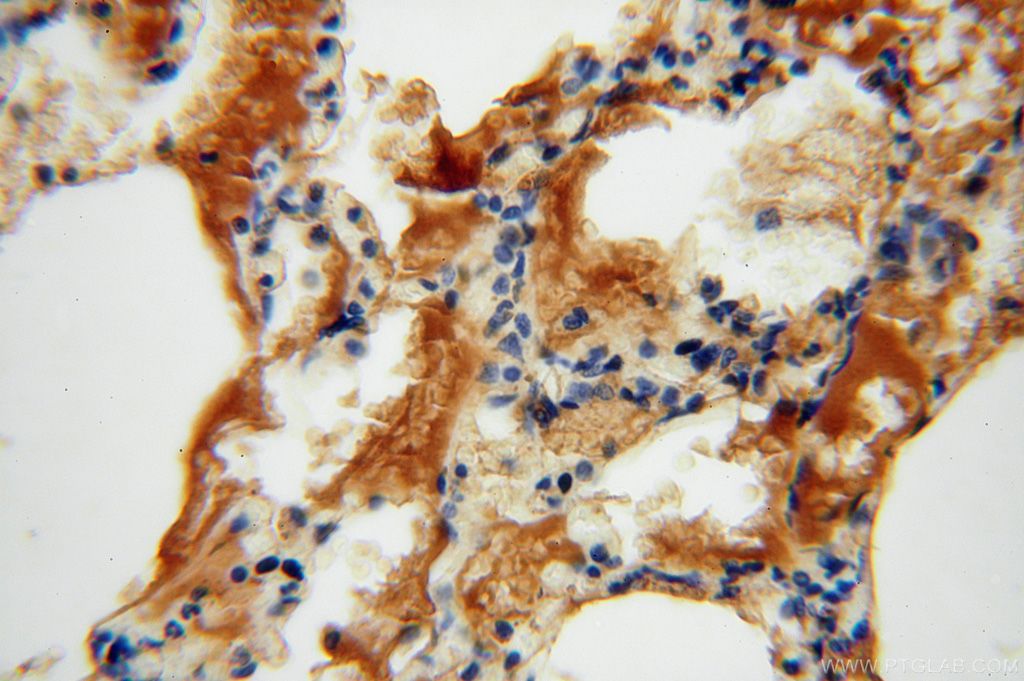
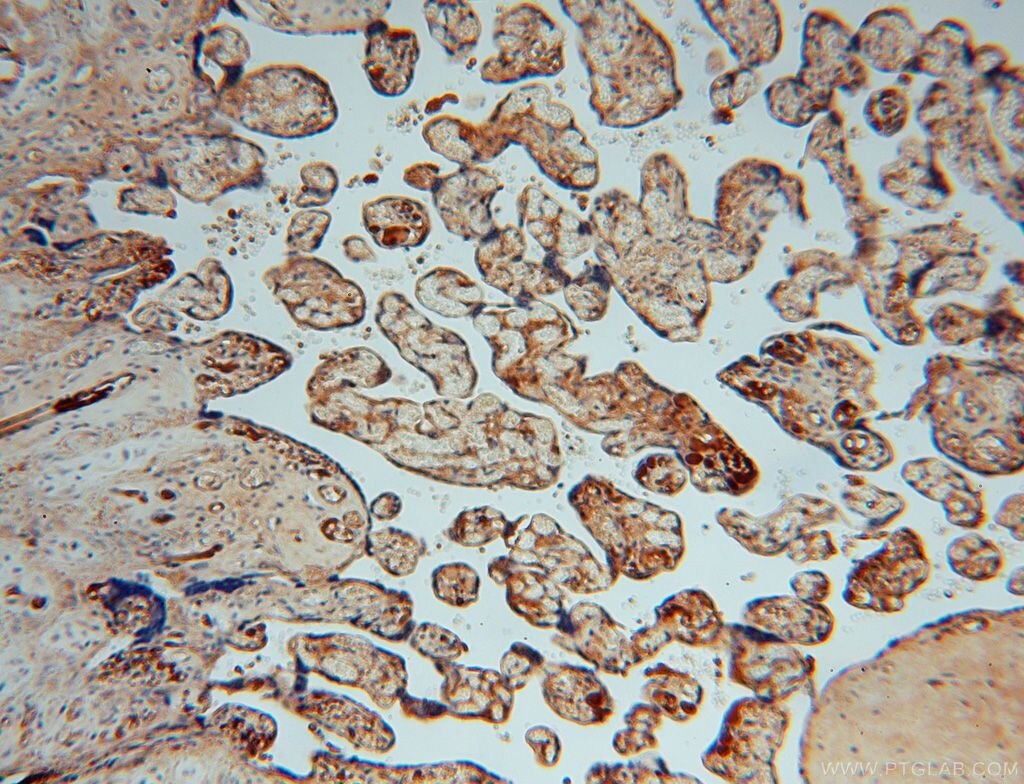
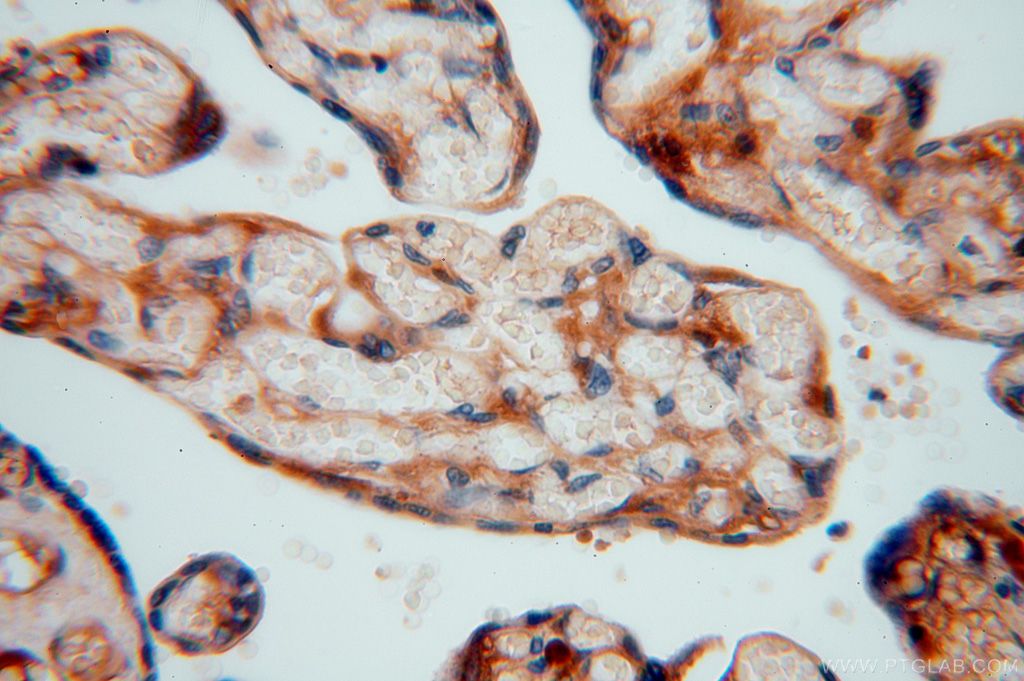
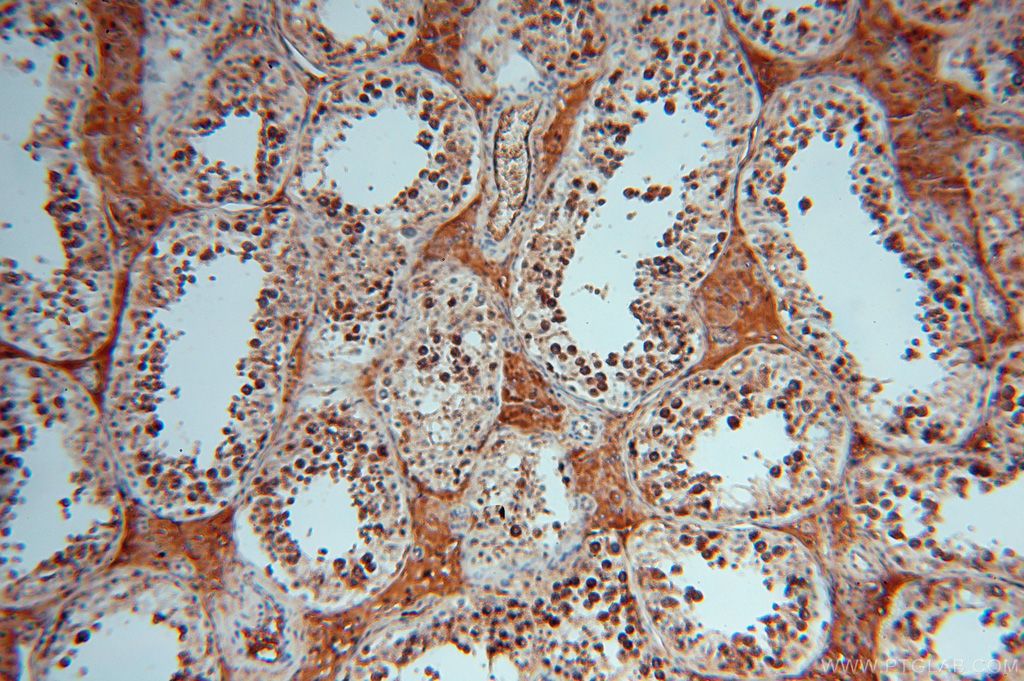
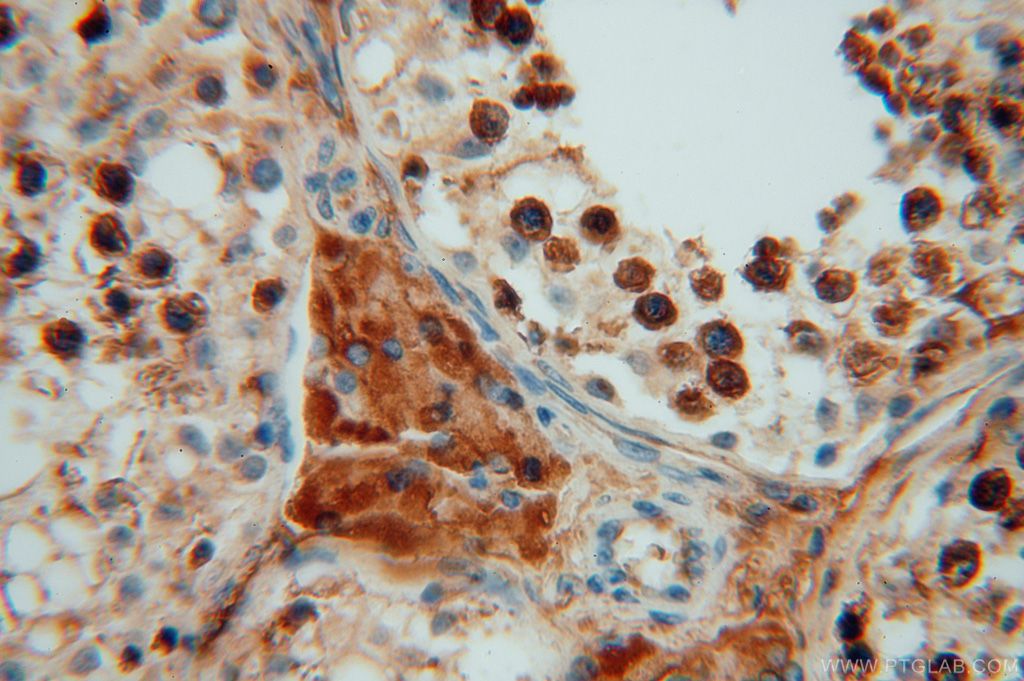
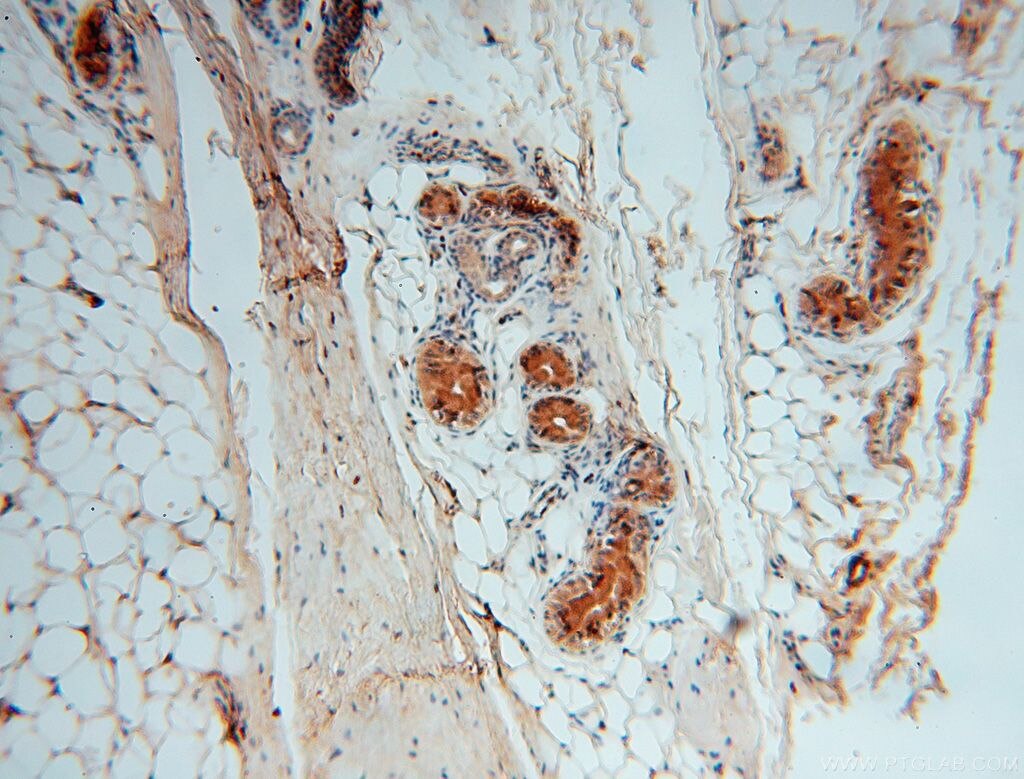
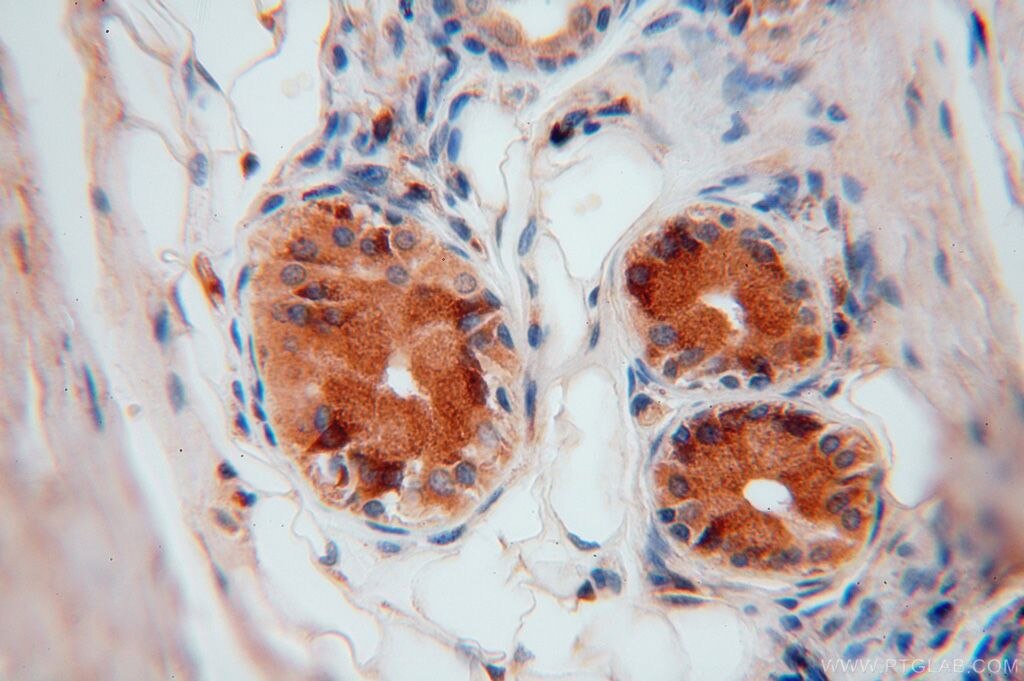
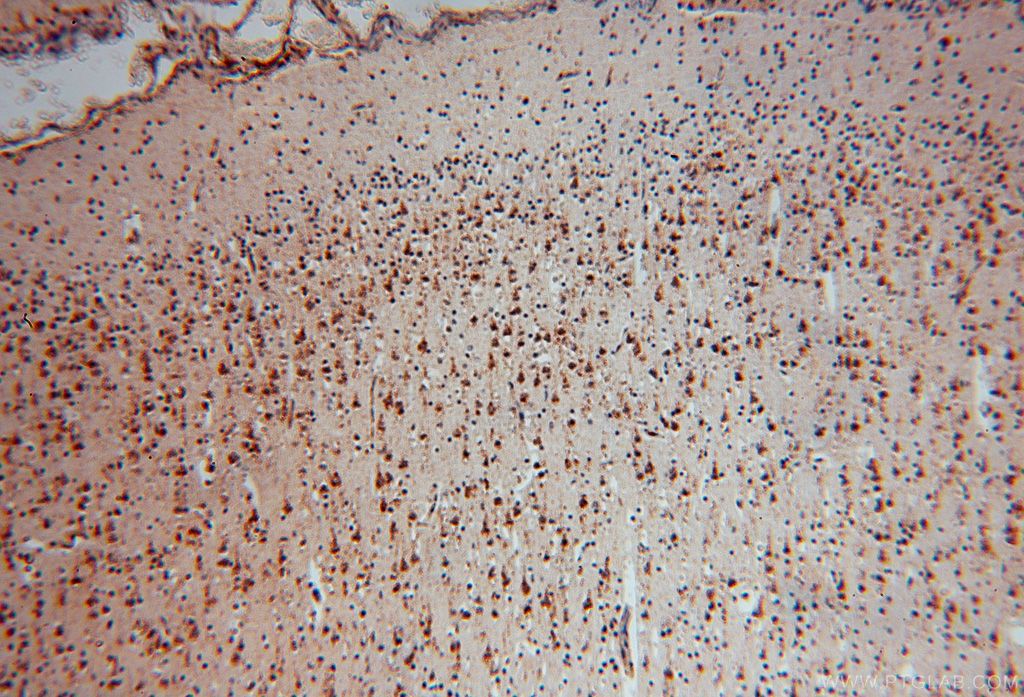
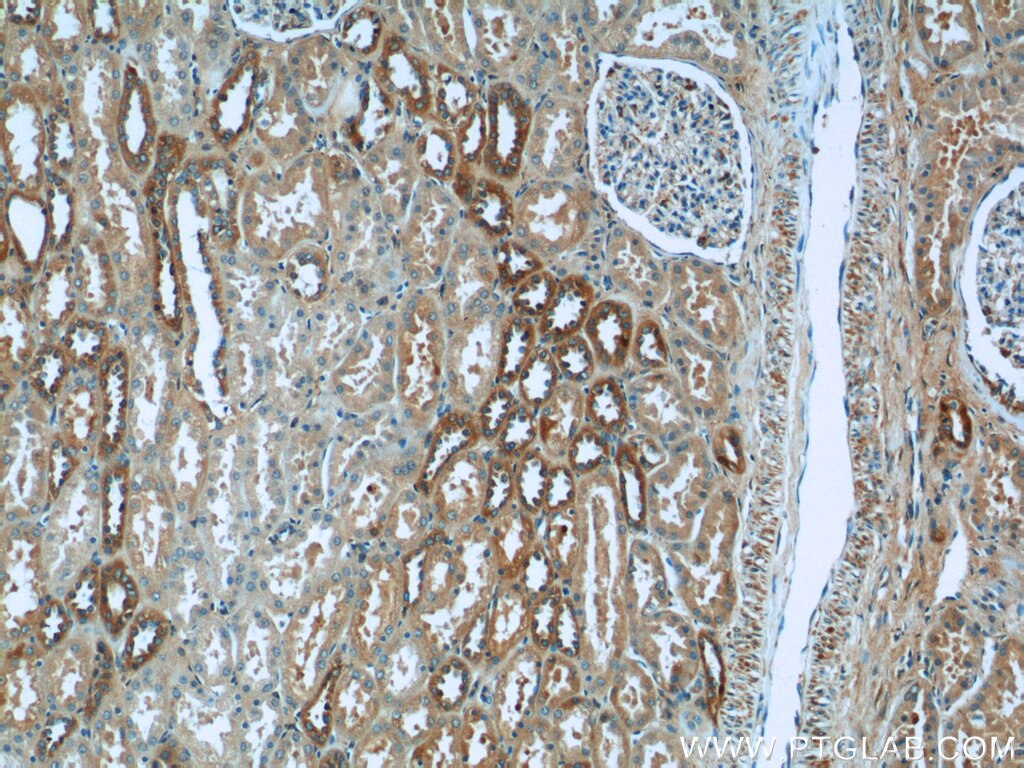
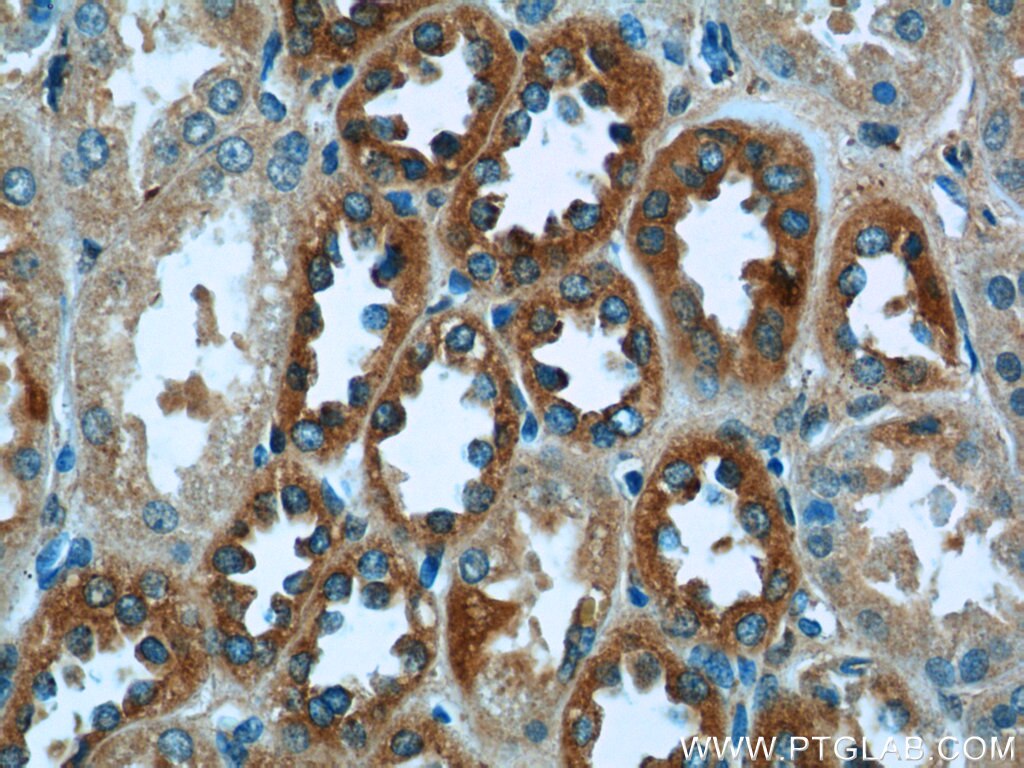
| Positive IHC detected in | human liver tissue, human kidney tissue, human placenta tissue, human testis tissue, human skin tissue, human brain tissue, human lung tissue Note: suggested antigen retrieval with TE buffer pH 9.0; (*) Alternatively, antigen retrieval may be performed with citrate buffer pH 6.0 |
Recommended dilution
| Application | Dilution |
|---|---|
| Western Blot (WB) | WB : 1:1000-1:4000 |
| Immunoprecipitation (IP) | IP : 0.5-4.0 ug for 1.0-3.0 mg of total protein lysate |
| Immunohistochemistry (IHC) | IHC : 1:50-1:500 |
| It is recommended that this reagent should be titrated in each testing system to obtain optimal results. | |
| Sample-dependent, Check data in validation data gallery. | |
Product Information
15723-1-AP targets P3H2 in WB, IHC, IP, ELISA applications and shows reactivity with human, mouse samples.
| Tested Reactivity | human, mouse |
| Cited Reactivity | human, mouse |
| Host / Isotype | Rabbit / IgG |
| Class | Polyclonal |
| Type | Antibody |
| Immunogen |
CatNo: Ag8444 Product name: Recombinant human LEPREL1 protein Source: e coli.-derived, PGEX-4T Tag: GST Domain: 179-527 aa of BC005029 Sequence: ASIEAREDLTMFVKRHKLESELIKSAAEGLGFSYTEPNYWIRYGGRQDENRVPSGVNVEGAEVHGFSMGKKLSPKIDRDLREGGPLLYENITFVYNSEQLNGTQRVLLDNVLSEEQCRELHSVASGIMLVGDGYRGKTSPHTPNEKFEGATVLKALKSGYEGRVPLKSARLFYDISEKARRIVESYFMLNSTLYFSYTHMVCRTALSGQQDRRNDLSHPIHADNCLLDPEANECWKEPPAYTFRDYSALLYMNDDFEGGEFIFTEMDAKTVTASIKPKCGRMISFSSGGENPHGVKAVTKGKRCAVALWFTLDPLYRELERIQADEVIAILDQEQQGKHELNINPKDEL Predict reactive species |
| Full Name | leprecan-like 1 |
| Calculated Molecular Weight | 708aa,81 kDa; 527aa,60 kDa |
| Observed Molecular Weight | 80 kDa |
| GenBank Accession Number | BC005029 |
| Gene Symbol | LEPREL1 |
| Gene ID (NCBI) | 55214 |
| RRID | AB_2136486 |
| Conjugate | Unconjugated |
| Form | Liquid |
| Purification Method | Antigen affinity purification |
| UNIPROT ID | Q8IVL5 |
| Storage Buffer | PBS with 0.02% sodium azide and 50% glycerol, pH 7.3. |
| Storage Conditions | Store at -20°C. Stable for one year after shipment. Aliquoting is unnecessary for -20oC storage. 20ul sizes contain 0.1% BSA. |
Background Information
P3H2 (prolyl 3-hydroxylase 2, also known as LEPREL1) is a member of the leprecan family of proteins, which also include P3H1, P3H3, CRTAP and SC56. Collagen prolyl hydroxylases are required for proper collagen biosynthesis, folding, and assembly. P3H2 shows prolyl 3-hydroxylase activity catalyzing the post-translational formation of 3-hydroxyproline in -Xaa-Pro-Gly-sequences in collagens, especially types II, IV and V. Mutations in this gene are associated with nonsyndromic severe myopia with cataract and vitreoretinal degeneration, and downregulation of this gene may play a role in breast cancer.
Protocols
| Product Specific Protocols | |
|---|---|
| IHC protocol for P3H2 antibody 15723-1-AP | Download protocol |
| IP protocol for P3H2 antibody 15723-1-AP | Download protocol |
| WB protocol for P3H2 antibody 15723-1-AP | Download protocol |
| Standard Protocols | |
|---|---|
| Click here to view our Standard Protocols |
Publications
What published studies show
The P3H2 Polyclonal antibody (Cat# 15723-1-AP) has 4 total citations. These appear in Translational Oncology, Scientific Reports, and Journal of Biological Chemistry (two papers). The cited research spans osteosarcoma progression and epithelial-mesenchymal transition, congestive heart failure, high myopia linked to LEPREL1 mutations, and post-translational modification of type IV collagen. All citations used the antibody for Western blot in human or mouse samples.
| Species | Application | Title |
|---|---|---|
Sci Rep Transcriptome analysis of a dog model of congestive heart failure shows that collagen-related 2-oxoglutarate-dependent dioxygenases contribute to heart failure | ||
Transl Oncol Basement membrane-associated gene P3H2 regulates osteosarcoma progression and epithelial-mesenchymal transition through AKT/mTOR signaling axis.
| ||
J Biol Chem Post-translational modification of type IV collagen with 3-hydroxyproline affects its interactions with glycoprotein VI and nidogens 1 and 2.
| ||
J Biol Chem Post-translationally abnormal collagens of prolyl 3-hydroxylase-2 null mice offer a pathobiological mechanism for the high myopia linked to human LEPREL1 mutations* |
Reviews
What customers say
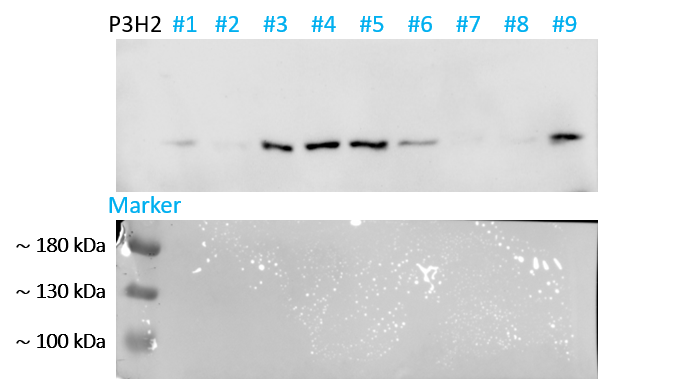
The single review for this product is a 5-star rating for Western Blot on multiple cancer cell lines at a 1:500 dilution. The reviewer screened basal expression levels across several human tumor cell lines, testing antibody concentrations from 1:500 to 1:2000. All dilutions produced clear bands, demonstrating stable and reliable performance. They noted that observed expression levels varied depending on the specific cancer cell line used.
The reviews below have been submitted by verified Proteintech customers who received an incentive for providing their feedback.
Shinford (Verified Customer) (10-26-2023) | We conducted a screening of basal expression levels in multiple human tumor cell lines, attempting antibody concentrations ranging from 1:500 to 2000, all of which exhibited clear bands, indicating stable working conditions. However, the expression depends on the cancer cell line itself.
 |





















