


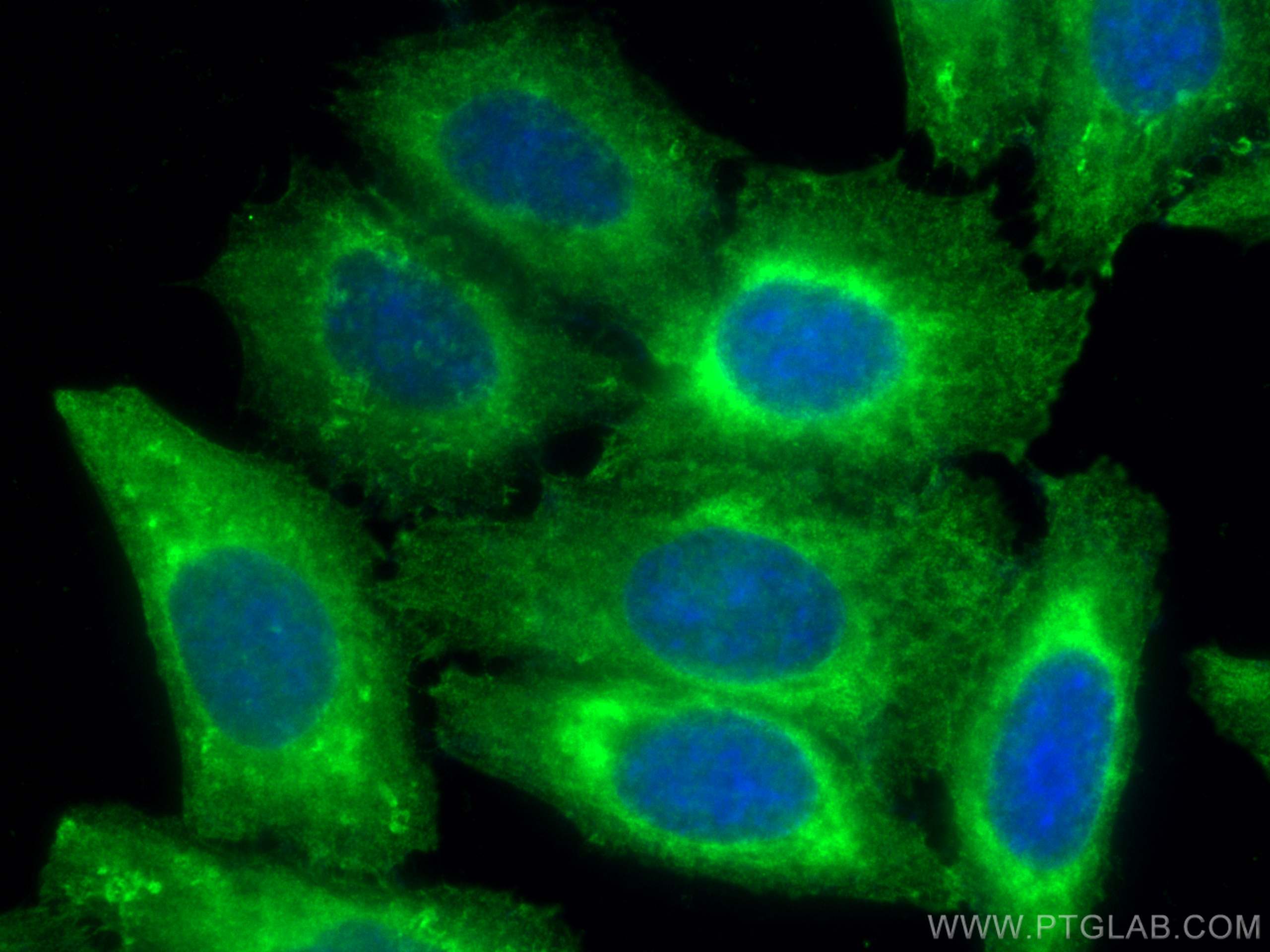
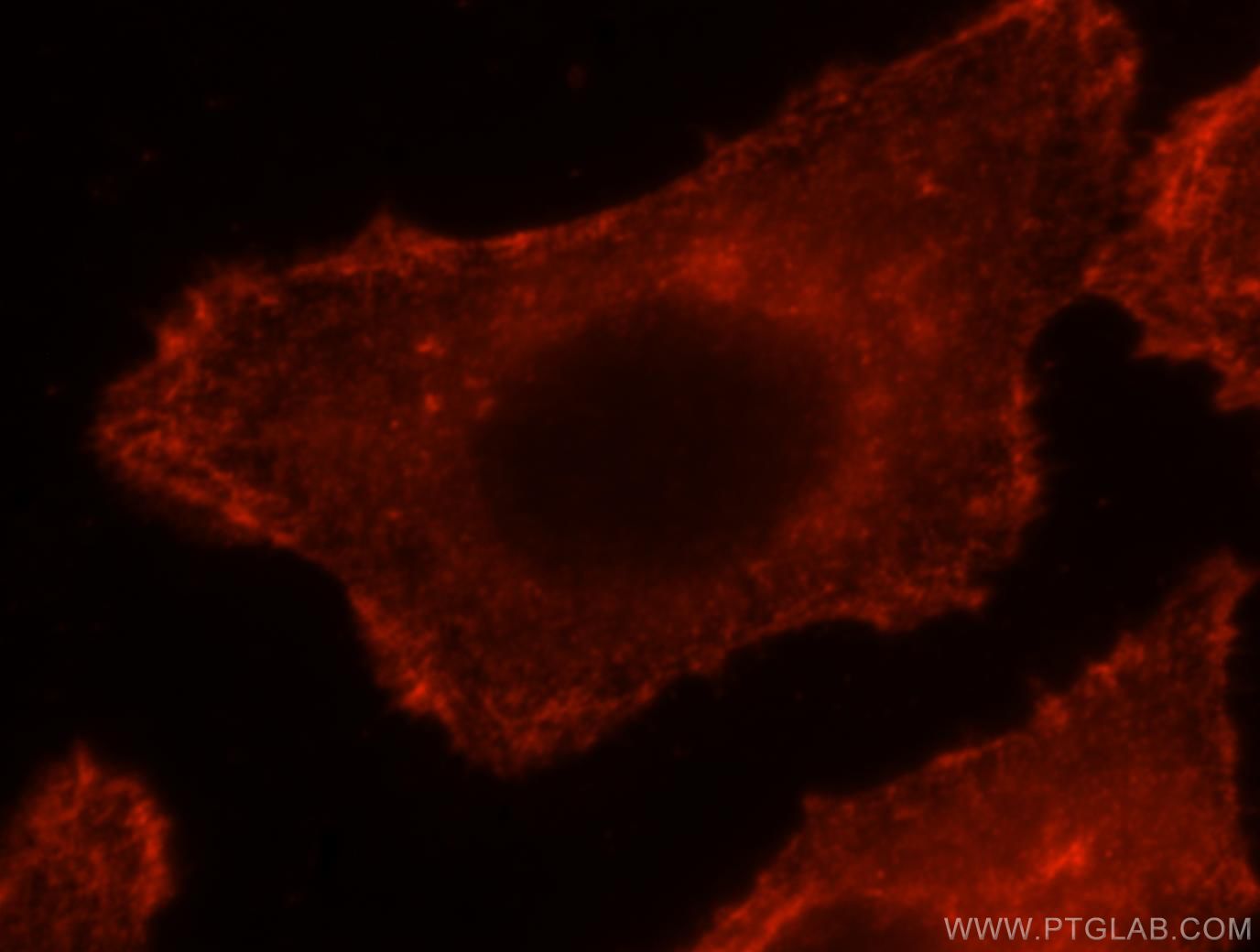

Tested Applications
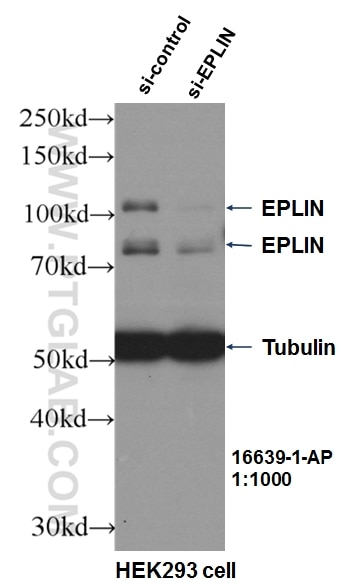
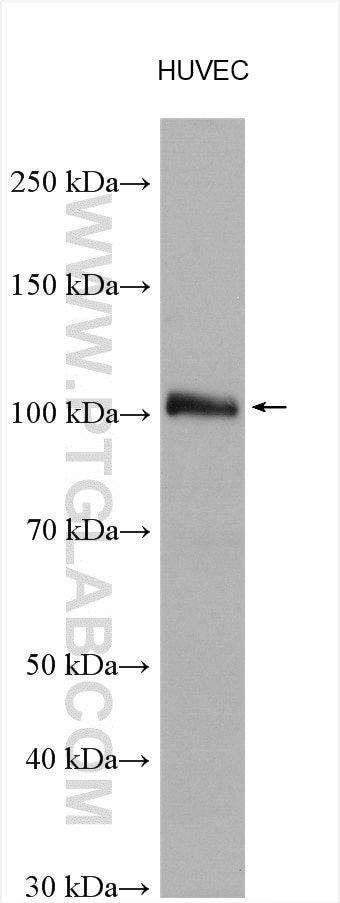
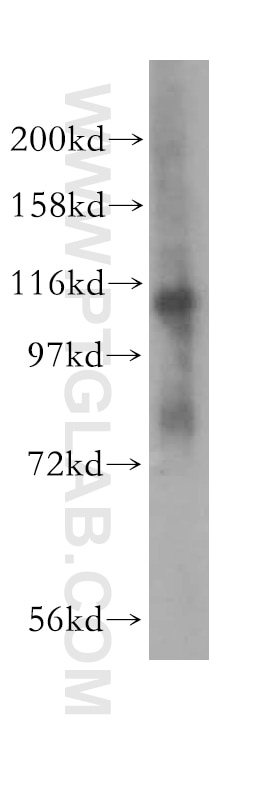
| Positive WB detected in | HUVEC cells, HEK-293 cells, human placenta tissue |
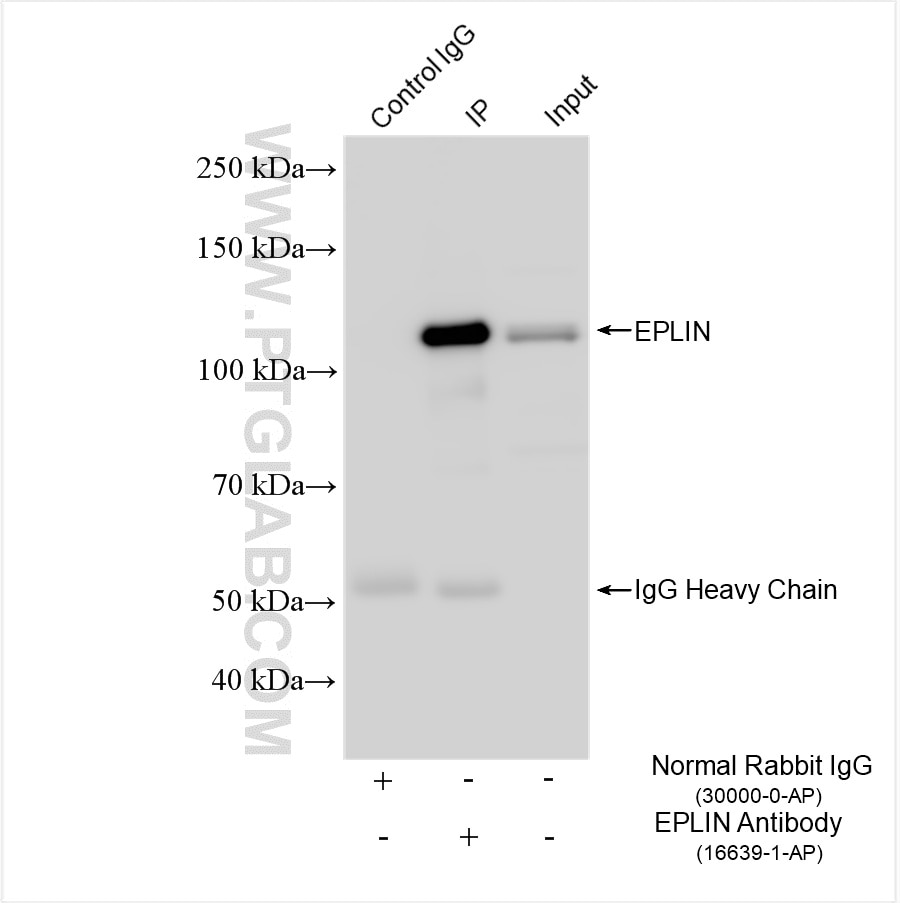
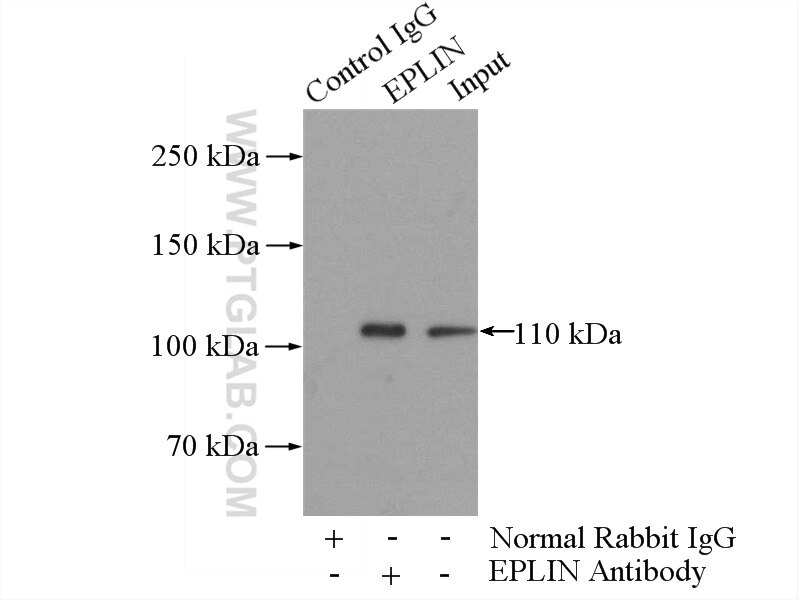
| Positive IP detected in | HepG2 cells, mouse liver tissue |
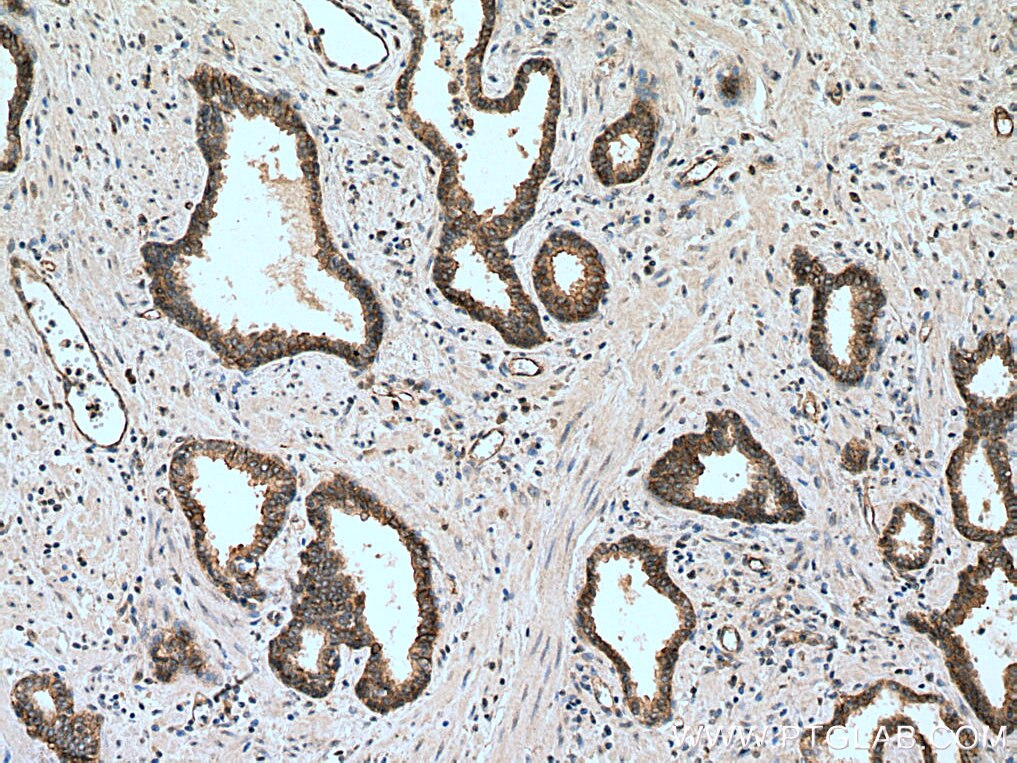
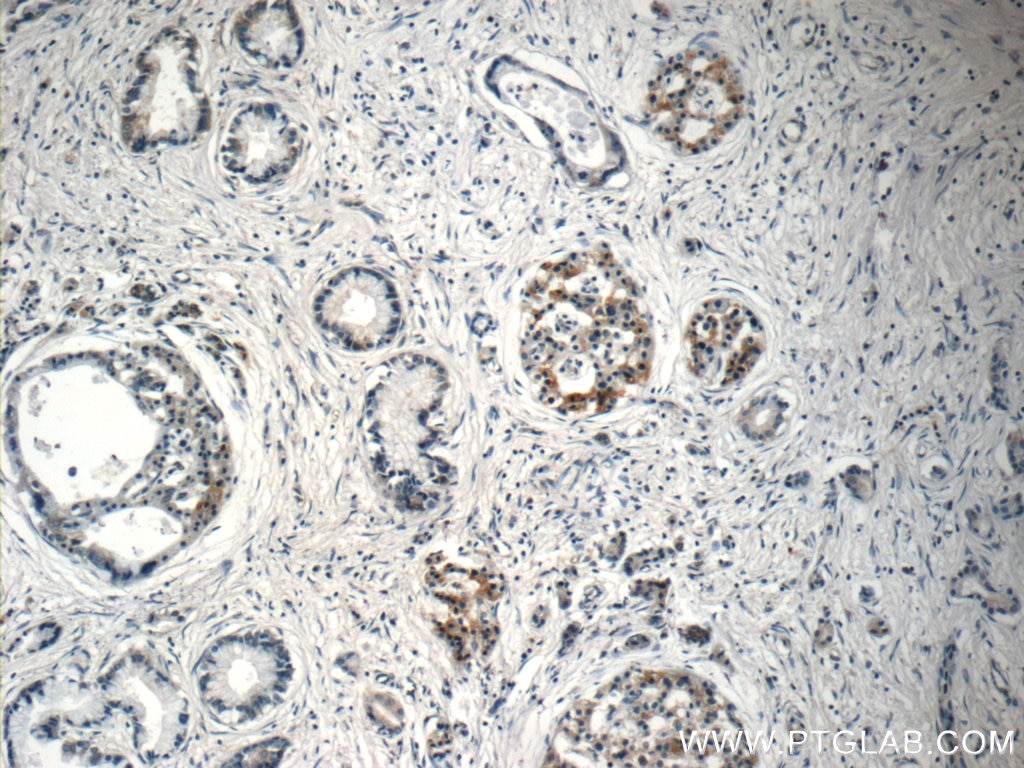
| Positive IHC detected in | human prostate cancer tissue, rat pancreas tissue, mouse pancreas tissue, mouse kidney tissue, rat kidney tissue, rat stomach tissue, mouse stomach tissue, human placenta tissue, human pancreas cancer tissue Note: suggested antigen retrieval with TE buffer pH 9.0; (*) Alternatively, antigen retrieval may be performed with citrate buffer pH 6.0 |
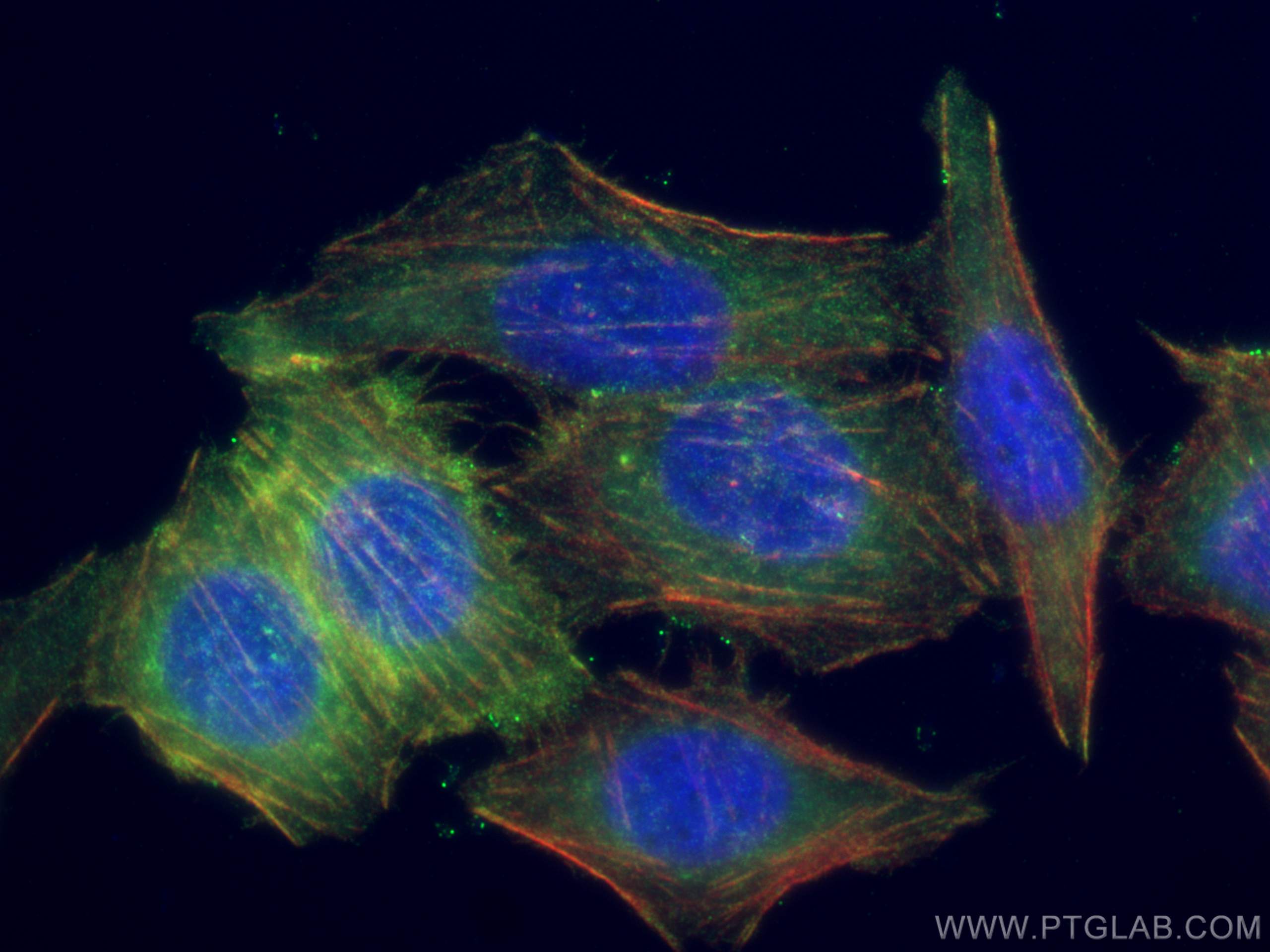
| Positive IF/ICC detected in | PC-3 cells, HepG2 cells |
Recommended dilution
| Application | Dilution |
|---|---|
| Western Blot (WB) | WB : 1:5000-1:50000 |
| Immunoprecipitation (IP) | IP : 0.5-4.0 ug for 1.0-3.0 mg of total protein lysate |
| Immunohistochemistry (IHC) | IHC : 1:50-1:500 |
| Immunofluorescence (IF)/ICC | IF/ICC : 1:50-1:500 |
| It is recommended that this reagent should be titrated in each testing system to obtain optimal results. | |
| Sample-dependent, Check data in validation data gallery. | |
Product Information
16639-1-AP targets EPLIN in WB, IHC, IF/ICC, IP, ELISA applications and shows reactivity with human, mouse, rat samples.
| Tested Reactivity | human, mouse, rat |
| Cited Reactivity | human, mouse |
| Host / Isotype | Rabbit / IgG |
| Class | Polyclonal |
| Type | Antibody |
| Immunogen |
CatNo: Ag9994 Product name: Recombinant human LIMA1 protein Source: e coli.-derived, PGEX-4T Tag: GST Domain: 261-401 aa of BC001247 Sequence: KPLSPDSRASSLSESSPPKAMKFQAPARETCVECQKTVYPMERLLANQQVFHISCFRCSYCNNKLSLGTYASLHGRIYCKPHFNQLFKSKGNYDEGFGHRPHKDLWASKNENEEILERPAQLANARETPHSPGVEDAPIAK Predict reactive species |
| Full Name | LIM domain and actin binding 1 |
| Calculated Molecular Weight | 85 kDa |
| Observed Molecular Weight | 90 kDa, 110 kDa |
| GenBank Accession Number | BC001247 |
| Gene Symbol | EPLIN |
| Gene ID (NCBI) | 51474 |
| RRID | AB_2136657 |
| Conjugate | Unconjugated |
| Form | Liquid |
| Purification Method | Antigen affinity purification |
| UNIPROT ID | Q9UHB6 |
| Storage Buffer | PBS with 0.02% sodium azide and 50% glycerol, pH 7.3. |
| Storage Conditions | Store at -20°C. Stable for one year after shipment. Aliquoting is unnecessary for -20oC storage. 20ul sizes contain 0.1% BSA. |
Background Information
EPLIN is a cytoskeletal protein that is preferentially expressed in epithelial cells and is implicated in regulation of cytoskeletal dynamics and cytokinesis. In human, there are two known isoforms, EPLIN-a and -b, generated by alternative promoter usage from a single gene. The 110 kDa EPLIN-β isoform represents the full-length protein and the 90 kDa EPLIN-α isoform lacks the amino-terminal 160 amino acids. EPLIN-a expression is often down-regulated in cancerous cells and tissues. (PMID: 10806352, 31644899)
Protocols
| Product Specific Protocols | |
|---|---|
| IF protocol for EPLIN antibody 16639-1-AP | Download protocol |
| IHC protocol for EPLIN antibody 16639-1-AP | Download protocol |
| IP protocol for EPLIN antibody 16639-1-AP | Download protocol |
| WB protocol for EPLIN antibody 16639-1-AP | Download protocol |
| Standard Protocols | |
|---|---|
| Click here to view our Standard Protocols |
Publications
What published studies show
The EPLIN polyclonal antibody (Cat# 16639-1-AP) has 9 citations published in journals including Experimental Molecular Medicine, Journal of Cell Biology, Cell Biology and Toxicology, International Journal of Molecular Sciences, Frontiers in Cellular and Infection Microbiology, Proteomics, Experimental Cell Research, Oral Diseases, and Acta Histochemica et Cytochemica. Research fields span breast cancer, cytoskeletal dynamics, hepatocellular carcinoma, bone metastasis, parasitic infection, pancreatic cancer, esophageal cancer, head and neck cancer, and bone formation.
| Species | Application | Title |
|---|---|---|
Exp Mol Med The deubiquitinating enzyme STAMBP is a newly discovered driver of triple-negative breast cancer progression that maintains RAI14 protein stability | ||
J Cell Biol Rab40-Cullin5 complex regulates EPLIN and actin cytoskeleton dynamics during cell migration. | ||
Cell Biol Toxicol M6A modification-mediated LIMA1 promotes the progression of hepatocellular carcinoma through the wnt-βcatenin/Hippo pathway | ||
Int J Mol Sci Inhibition of Breast Cancer Bone Metastasis by LRP5-Overexpressing Osteocytes via the LIMA1/MYO5B Signaling Axis.
| ||
Front Cell Infect Microbiol Screening and identification of protein 29 of Echinococcus granulosus interacting molecules | ||
Proteomics A proteomic signature and potential pharmacological opportunities in the adaptive resistance to MEK and PI3K kinase inhibition in pancreatic cancer cells |













