

Tested Applications
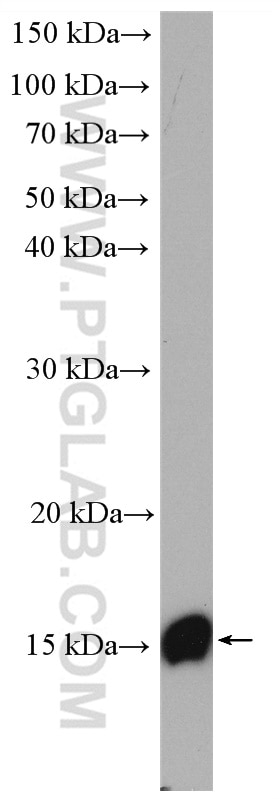
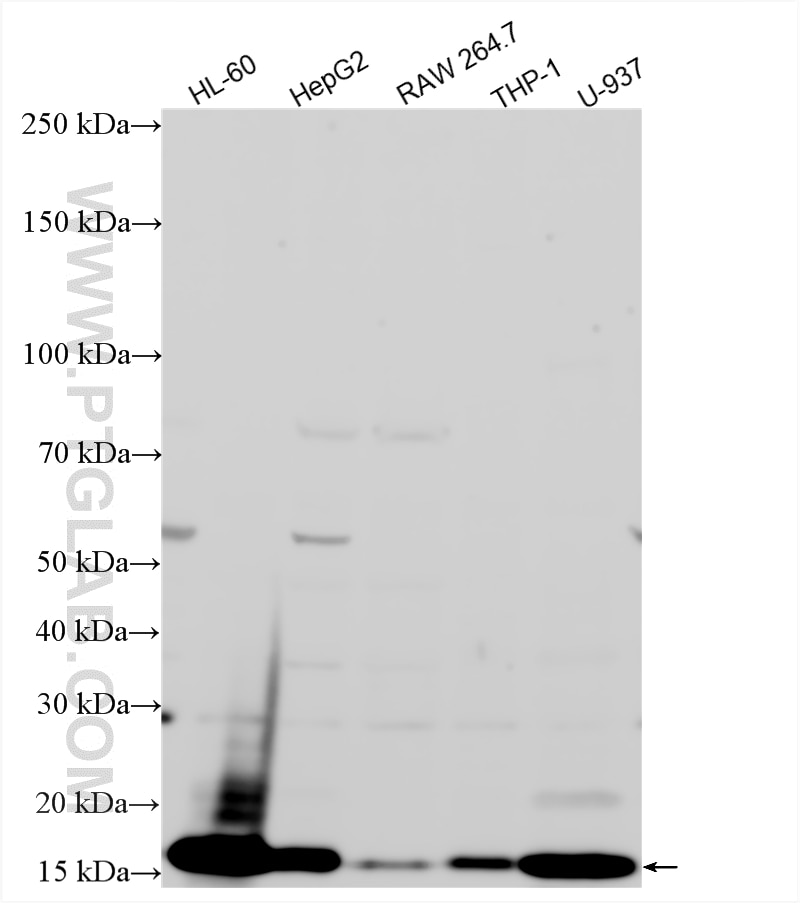
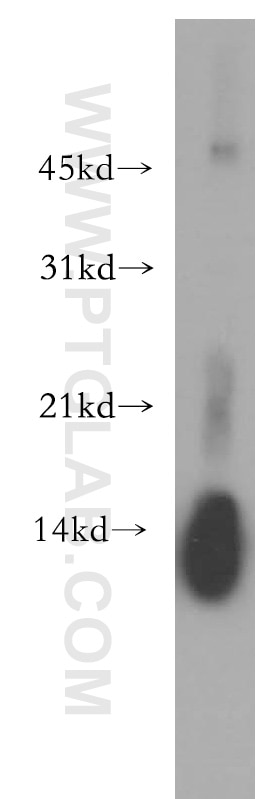
| Positive WB detected in | THP-1 cells, human spleen tissue, HL-60 cells, HepG2 cells, RAW 264.7 cells, U-937 cells |
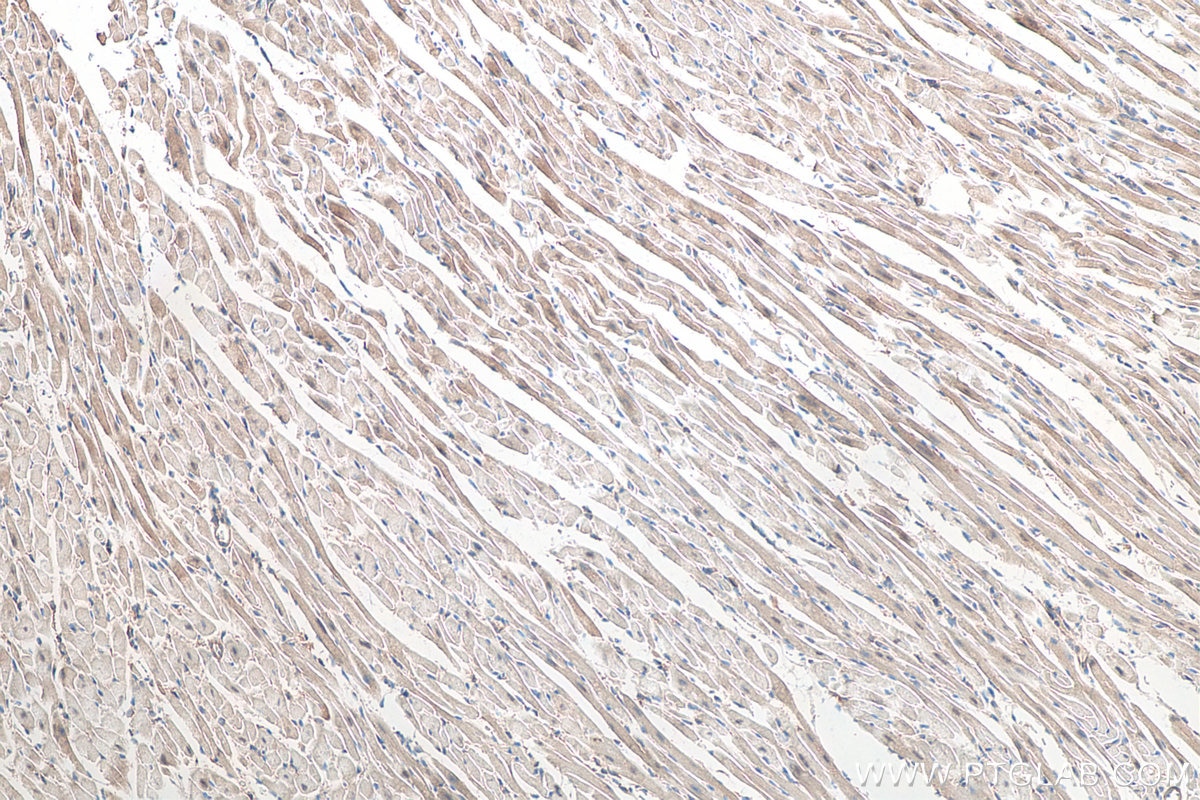
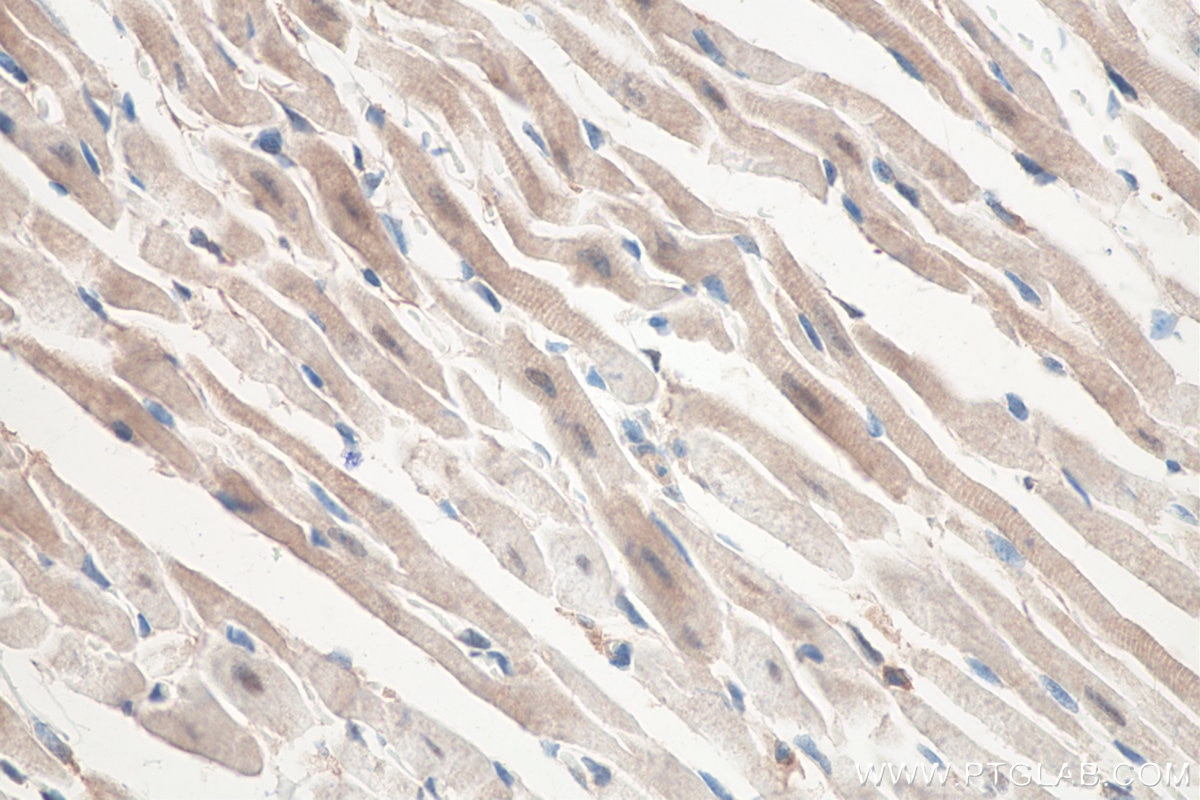
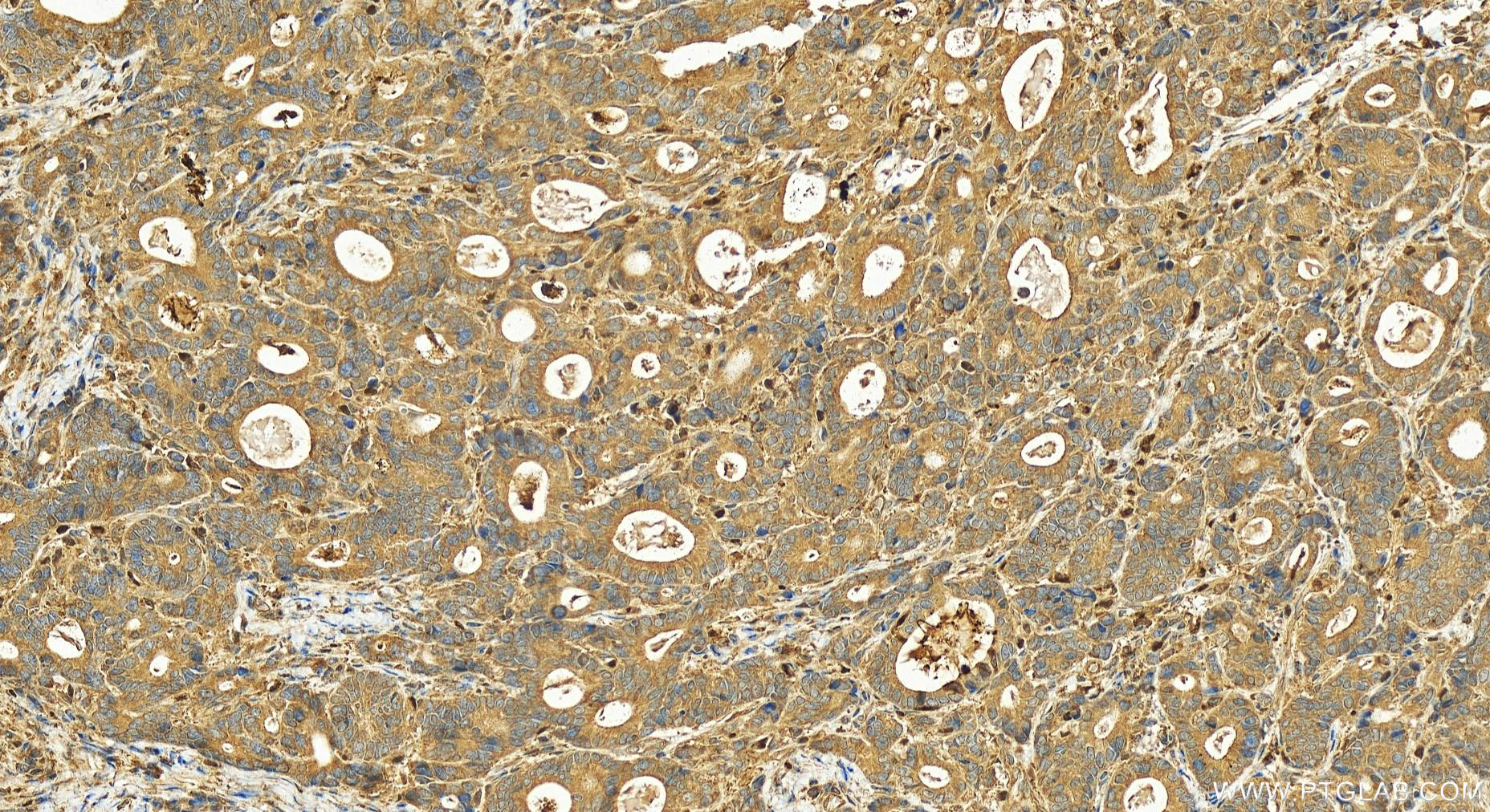
| Positive IHC detected in | mouse heart tissue, human stomach cancer tissue Note: suggested antigen retrieval with TE buffer pH 9.0; (*) Alternatively, antigen retrieval may be performed with citrate buffer pH 6.0 |
Recommended dilution
| Application | Dilution |
|---|---|
| Western Blot (WB) | WB : 1:500-1:1000 |
| Immunohistochemistry (IHC) | IHC : 1:200-1:800 |
| It is recommended that this reagent should be titrated in each testing system to obtain optimal results. | |
| Sample-dependent, Check data in validation data gallery. | |
Product Information
15013-1-AP targets Lysozyme in WB, IHC, IF, ELISA applications and shows reactivity with human, mouse, rat samples.
| Tested Reactivity | human, mouse, rat |
| Cited Reactivity | human, mouse, rat, monkey |
| Host / Isotype | Rabbit / IgG |
| Class | Polyclonal |
| Type | Antibody |
| Immunogen |
CatNo: Ag6917 Product name: Recombinant human Lysozyme protein Source: e coli.-derived, PGEX-4T Tag: GST Domain: 24-148 aa of BC004147 Sequence: CELARTLKRLGMDGYRGISLANWMCLAKWESGYNTRATNYNAGDRSTDYGIFQINSRYWCNDGKTPGAVNACHLSCSALLQDNIADAVACAKRVVRDPQGIRAWVAWRNRCQNRDVRQYVQGCGV Predict reactive species |
| Full Name | lysozyme (renal amyloidosis) |
| Calculated Molecular Weight | 17 kDa |
| Observed Molecular Weight | 15-17 kDa |
| GenBank Accession Number | BC004147 |
| Gene Symbol | Lysozyme |
| Gene ID (NCBI) | 4069 |
| RRID | AB_10639507 |
| Conjugate | Unconjugated |
| Form | Liquid |
| Purification Method | Antigen affinity purification |
| UNIPROT ID | P61626 |
| Storage Buffer | PBS with 0.02% sodium azide and 50% glycerol, pH 7.3. |
| Storage Conditions | Store at -20°C. Stable for one year after shipment. Aliquoting is unnecessary for -20oC storage. 20ul sizes contain 0.1% BSA. |
Background Information
LYZ(Lysozyme C) is also named as LZM and belongs to the glycosyl hydrolase 22 family. It catalyzes the hydrolysis of the bacterial cell wall beta(1-4) glycosidic linkages between N-acetylmuramic acid and N-acetylglucosamine. In tissues and body fluids this protein is associated with the monocyte-macrophage system and enhance the activity of immunoagents. LYZ is capable of both hydrolysis and transglycosylation; it shows also a slight esterase activity. Defects in LYZ are a cause of amyloidosis type 8 (AMYL8). The full length protein has a signal peptide with 18 amino acid.
Protocols
| Product Specific Protocols | |
|---|---|
| IHC protocol for Lysozyme antibody 15013-1-AP | Download protocol |
| WB protocol for Lysozyme antibody 15013-1-AP | Download protocol |
| Standard Protocols | |
|---|---|
| Click here to view our Standard Protocols |
Publications
What published studies show
The Lysozyme (LYZ) polyclonal antibody (Cat# 15013-1-AP) has 28 citations spanning journals including Cell, Nature Communications, Developmental Cell, EMBO Molecular Medicine, FASEB Journal, Stem Cell Reports, Pharmacological Research, and International Journal of Molecular Sciences. Research fields cover intestinal stem cell biology, organoid modeling, radiation-induced intestinal injury, wound healing, ferroptosis in hepatocellular carcinoma, gut microbiota interactions, infectious disease, renal fibrosis, and inflammatory responses.
| Species | Application | Title |
|---|---|---|
J Nanobiotechnology Diselenide-based nanoparticles enhancing the radioprotection to the small intestine of mice. | ||
Pharmacol Res PIAS3 promotes ferroptosis by regulating TXNIP via TGF-β signaling pathway in hepatocellular carcinoma | ||
Burns Trauma Engineered nanovesicles from activated neutrophils with enriched bactericidal proteins have molecular debridement ability and promote infectious wound healing | ||
Arch Toxicol Extending the viability of human precision-cut intestinal slice model for drug metabolism studies. |
Reviews
What customers say
Two reviewers shared their experiences with this antibody. One user (5/5) used it for Western Blot at 1:1000 on colon tissue and Caco-2 cells, reporting excellent performance with no background. Another user (2/5) attempted Immunofluorescence at 1:100 on mouse heart paraffin sections but observed no staining, suggesting cryostat sections might yield better results. Overall, the antibody shows strong performance in WB applications but may require optimization for IF use.
The reviews below have been submitted by verified Proteintech customers who received an incentive for providing their feedback.
Balawant (Verified Customer) (12-20-2022) | I have used this antibody for colon tissue and colon cell line. this antibody is working great and no background.
|
Claudio (Verified Customer) (12-15-2021) | The antibody staining did not yield any labelling, though it was tested in paraffin sections so you might get better results with cryostat sections.
|







