
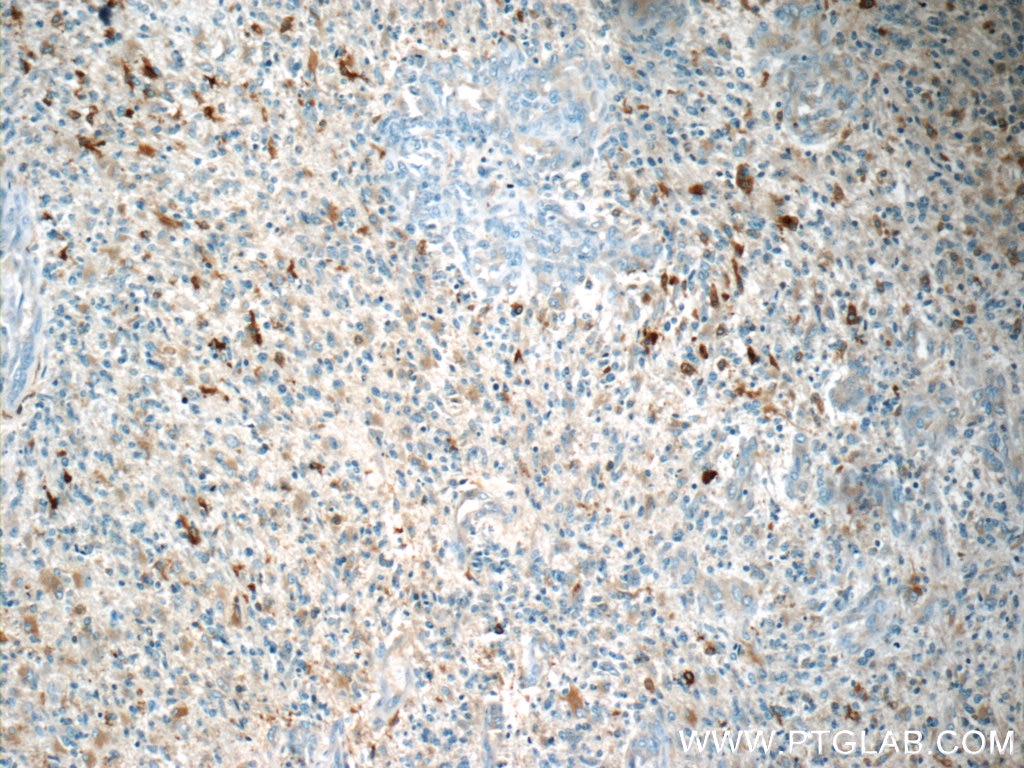
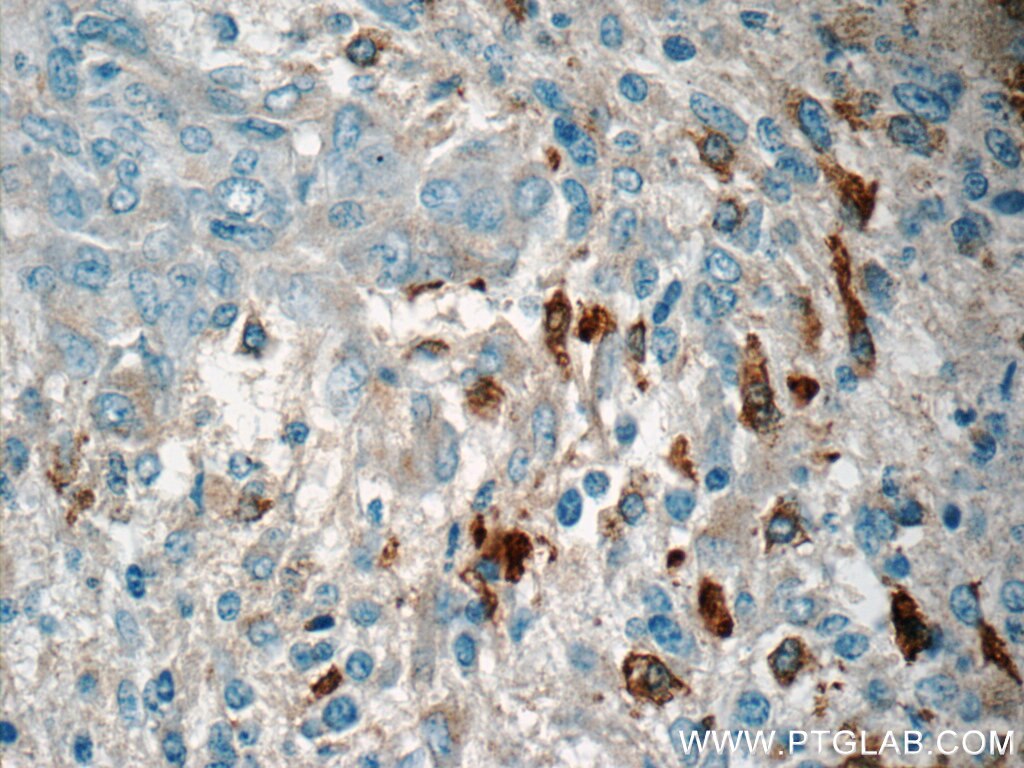
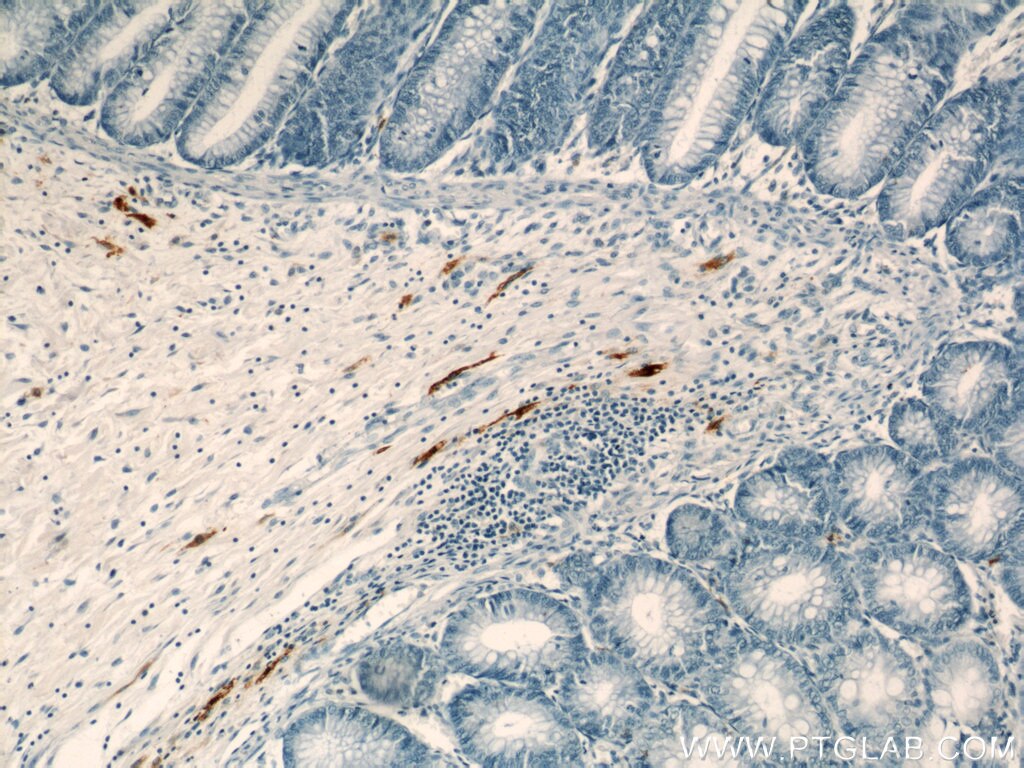
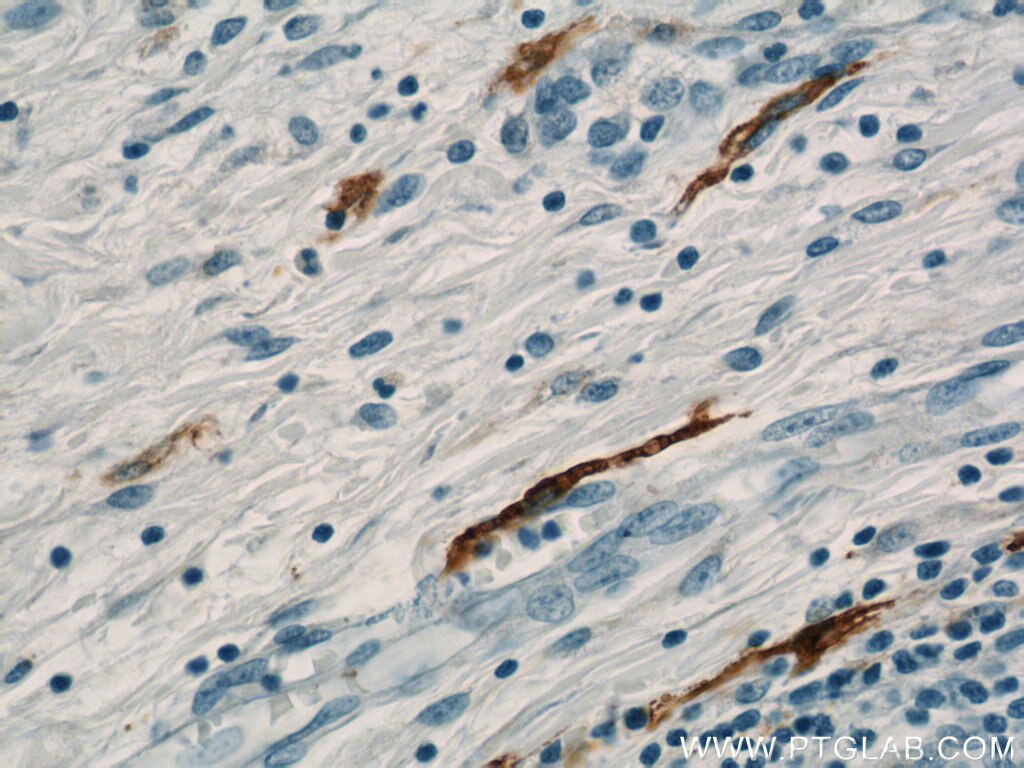

Tested Applications
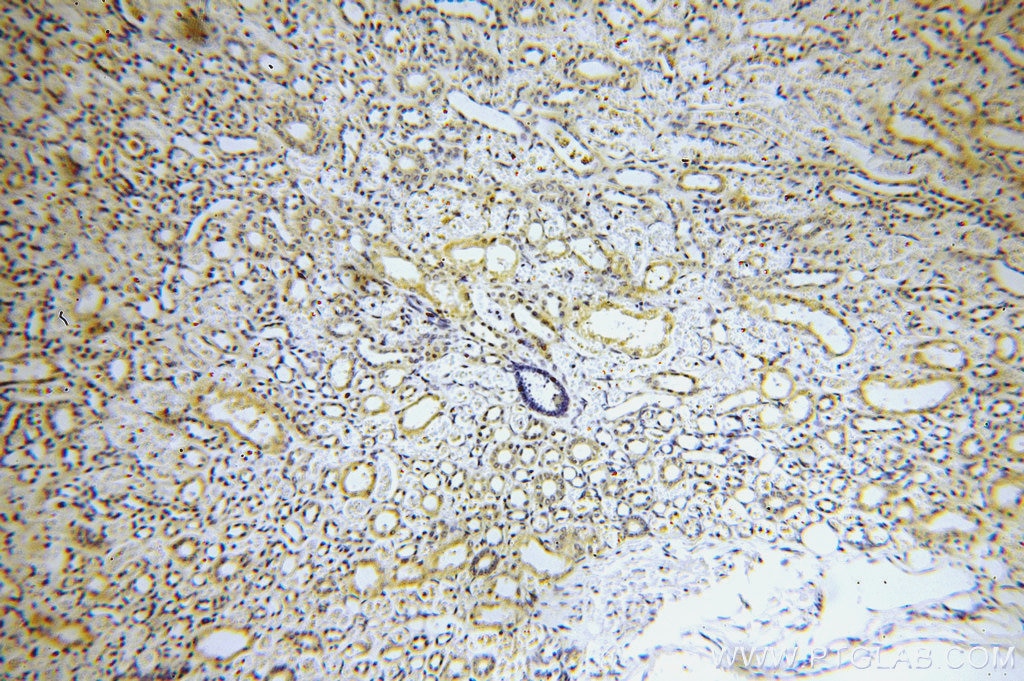
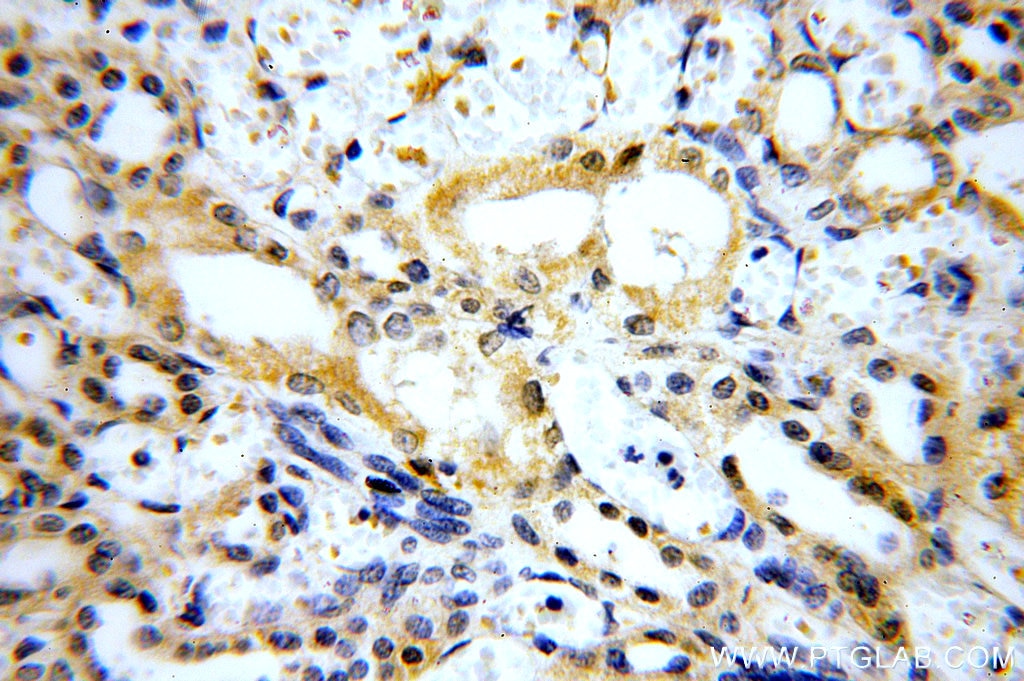
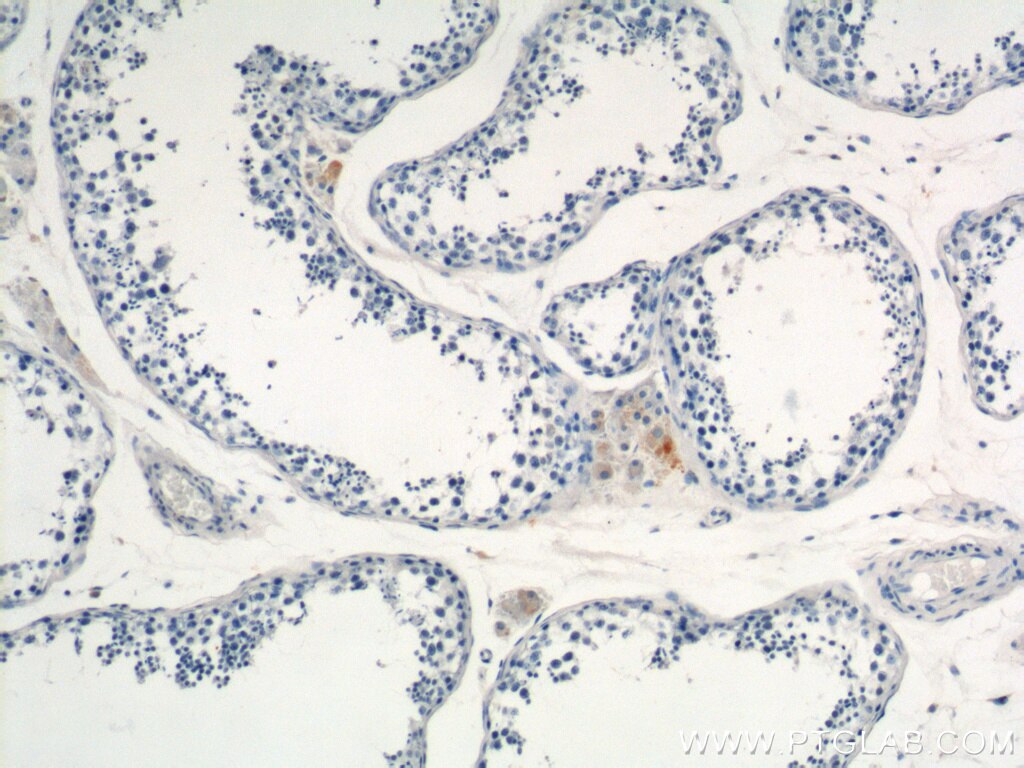
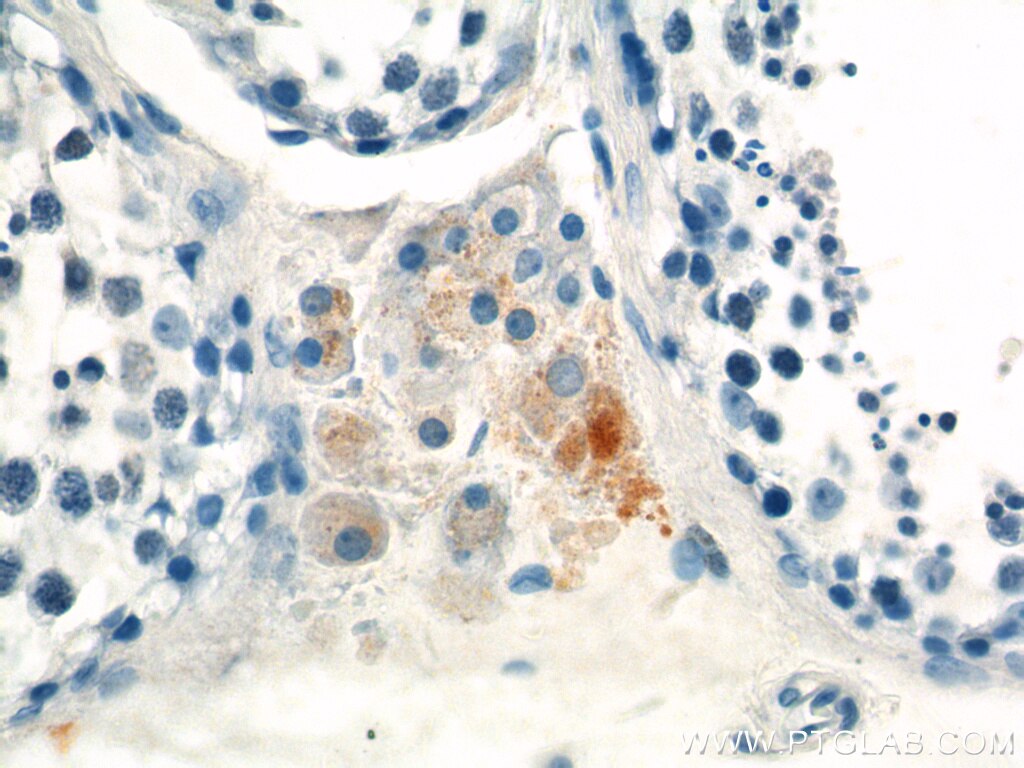
| Positive IHC detected in | human kidney tissue, human colon tissue, human gliomas tissue, human testis tissue Note: suggested antigen retrieval with TE buffer pH 9.0; (*) Alternatively, antigen retrieval may be performed with citrate buffer pH 6.0 |
Recommended dilution
| Application | Dilution |
|---|---|
| Immunohistochemistry (IHC) | IHC : 1:20-1:200 |
| It is recommended that this reagent should be titrated in each testing system to obtain optimal results. | |
| Sample-dependent, Check data in validation data gallery. | |
Product Information
20174-1-AP targets MARK4 in IHC, IF, IP, ELISA applications and shows reactivity with human samples.
| Tested Reactivity | human |
| Cited Reactivity | human, mouse, rat |
| Host / Isotype | Rabbit / IgG |
| Class | Polyclonal |
| Type | Antibody |
| Immunogen |
CatNo: Ag14013 Product name: Recombinant human MARK4 protein Source: e coli.-derived, PGEX-4T Tag: GST Domain: 627-751 aa of BC009049 Sequence: VADEPERIGGPEVTSCHLPWDQTETAPRLLRFPWSVKLTSSRPPEALMAALRQATAAARCRCRQPQPFLLACLHGGAGGPEPLSHFEVEVCQLPRPGLRGVLFRRVAGTALAFRTLVTRISNDLE Predict reactive species |
| Full Name | MAP/microtubule affinity-regulating kinase 4 |
| Calculated Molecular Weight | 752 aa, 83 kDa |
| GenBank Accession Number | BC009049 |
| Gene Symbol | MARK4 |
| Gene ID (NCBI) | 57787 |
| RRID | AB_2636847 |
| Conjugate | Unconjugated |
| Form | Liquid |
| Purification Method | Antigen affinity purification |
| UNIPROT ID | Q96L34 |
| Storage Buffer | PBS with 0.02% sodium azide and 50% glycerol, pH 7.3. |
| Storage Conditions | Store at -20°C. Stable for one year after shipment. Aliquoting is unnecessary for -20oC storage. 20ul sizes contain 0.1% BSA. |
Background Information
MARK4(MAP/microtubule affinity-regulating kinase 4) is also named as KIAA1860, MARKL1 and belongs to the CAMK Ser/Thr protein kinase family and SNF1 subfamily. It is directly involved in microtubule organization in neuronal cells and may contribute to the pathological phosphorylation of tau in Alzheimer's disease and it also plays a role in hepatocellular carcinogenesis. This protein has 2 isoforms produced by alternative splicing with the molecular weight of 83 kDa and 75 kDa. MARK4 can exsit as 40-65 kDa forms in hippocampal homogenates from Alzheimer`s disease and non-demented elderly cases besides the full-length isoform 84 kDa. (PMID:24533944).
Protocols
| Product Specific Protocols | |
|---|---|
| IHC protocol for MARK4 antibody 20174-1-AP | Download protocol |
| Standard Protocols | |
|---|---|
| Click here to view our Standard Protocols |
Publications
What published studies show
The Anti-MARK4 Polyclonal Antibody (Cat# 20174-1-AP) has 22 citations published in journals including J Clin Invest, Cell Death Dis, Phytomedicine, Free Radic Biol Med, J Oral Microbiol, Neurobiol Dis, Am J Physiol Cell Physiol, Toxicol Sci, J Inflamm Res, FASEB J, Endocrinology, and FEBS Open Bio. Research fields span neurodegeneration (ALS, FTD), inflammasome-mediated inflammation, reproductive biology (spermatogenesis, blood-testis barrier dynamics), sepsis, periodontitis, tau pathology, and cytoskeletal organization.
| Species | Application | Title |
|---|---|---|
J Clin Invest TDP-43 dysregulation of polyadenylation site selection is a defining feature of RNA misprocessing in amyotrophic lateral sclerosis and frontotemporal dementia | ||
Cell Death Dis Endogenously produced LG3/4/5-peptide protects testes against toxicant-induced injury. | ||
Phytomedicine Theaflavin alleviates thoracic aortic dissection by disrupting the interaction between microtubule affinity-regulating kinase 4 and NLRP3 to inhibit inflammasome assembly. | ||
Free Radic Biol Med Sophoridine alleviates sepsis-associated encephalopathy by inhibiting MARK4 and NLRP3 signaling.
| ||
J Oral Microbiol Microtubule affinity regulating kinase 4 promoted activation of the NLRP3 inflammasome-mediated pyroptosis in periodontitis. | ||
Neurobiol Dis A cell-penetrating peptide derived from SARS-CoV-2 protein Orf9b allosterically inhibits MARK4 activity and mitigates tau toxicity |









