

Tested Applications
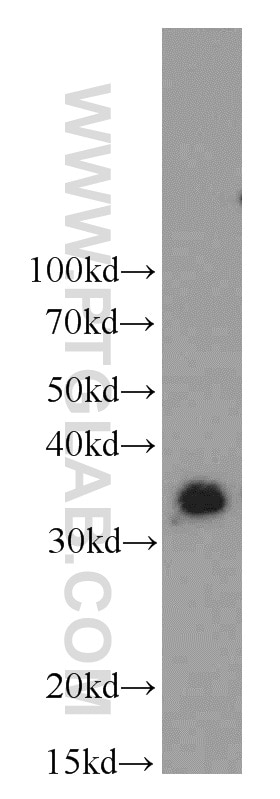
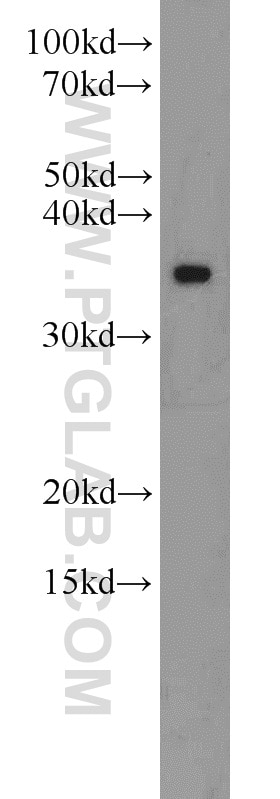
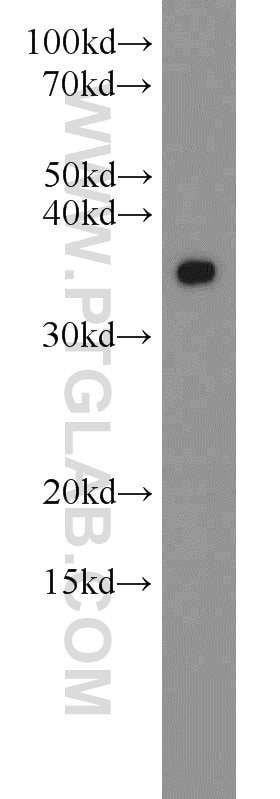
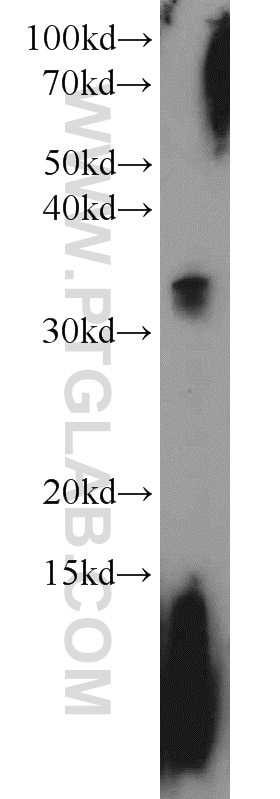
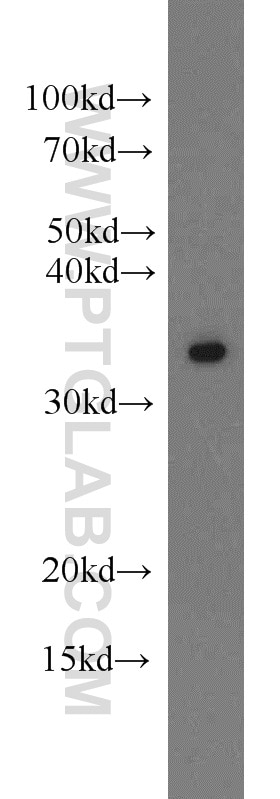
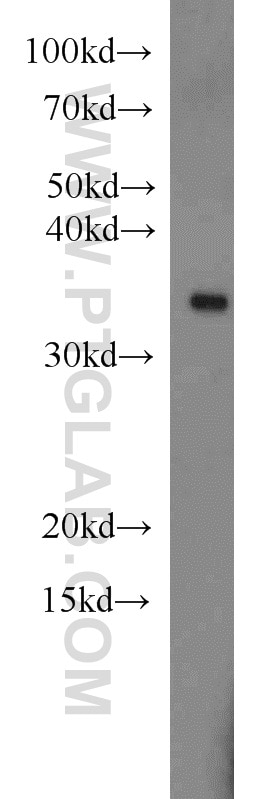
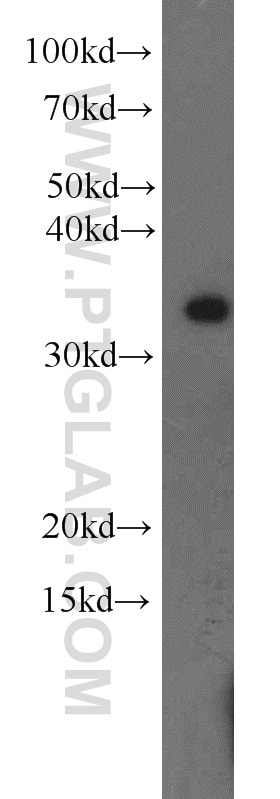
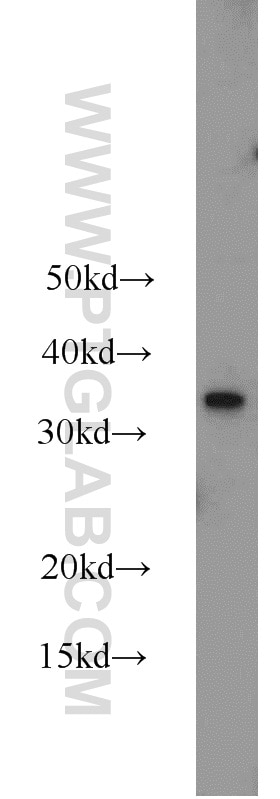
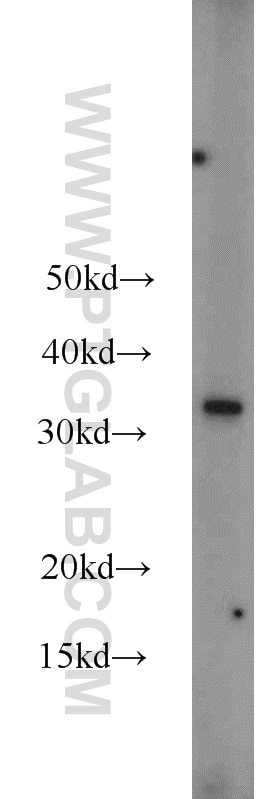
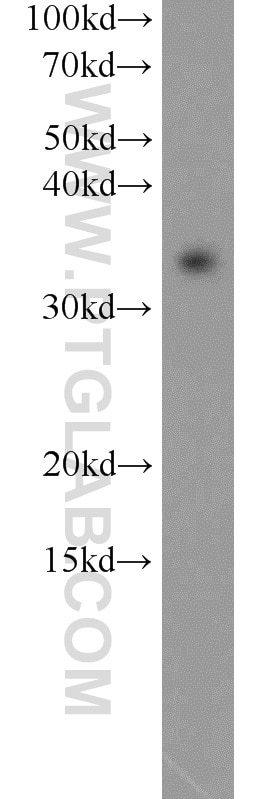
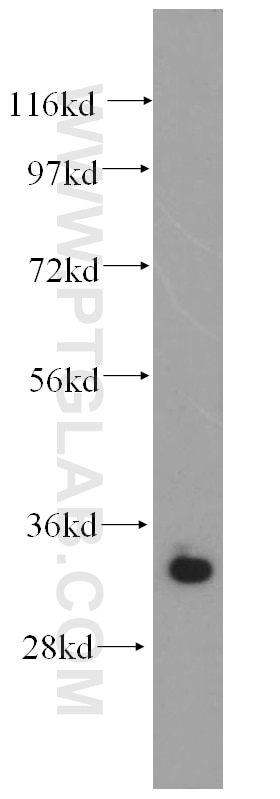
| Positive WB detected in | Y79 cells, COLO 320 cells, HeLa cells, Jurkat cells, MCF-7 cells, mouse testis tissue |
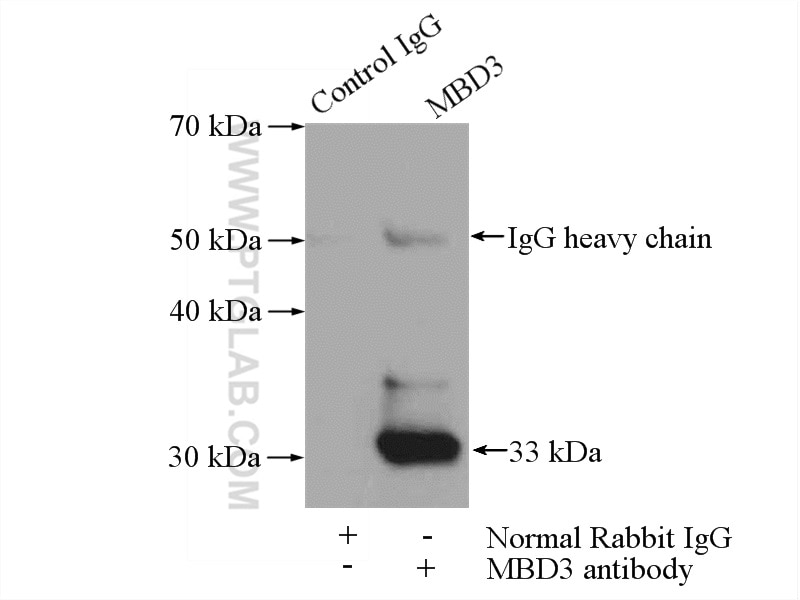
| Positive IP detected in | mouse testis tissue |
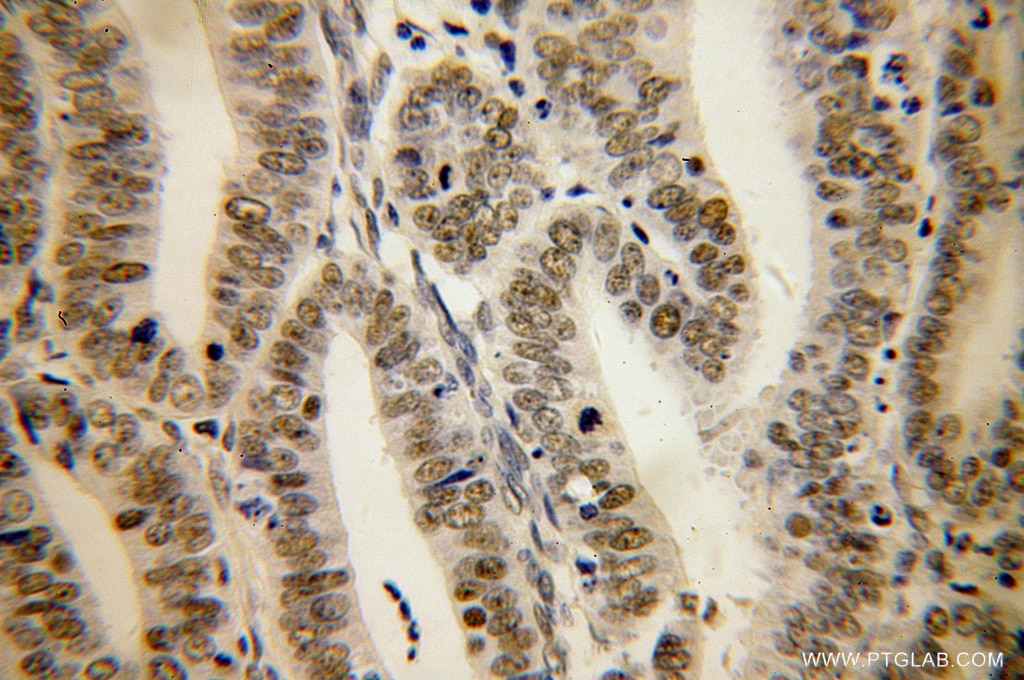
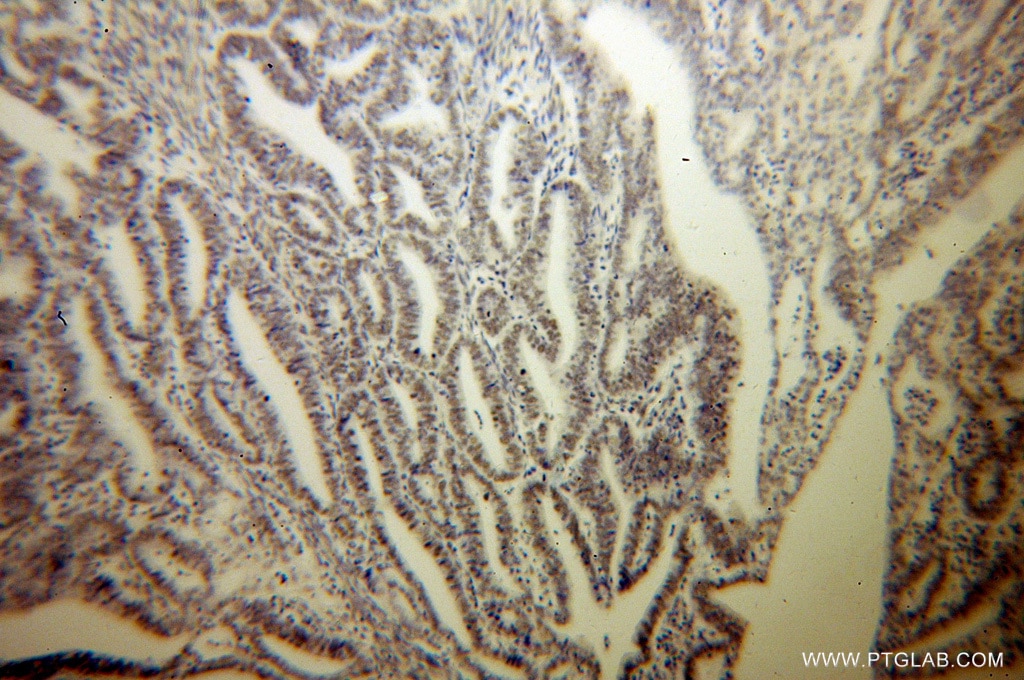
| Positive IHC detected in | human endometrial cancer tissue Note: suggested antigen retrieval with TE buffer pH 9.0; (*) Alternatively, antigen retrieval may be performed with citrate buffer pH 6.0 |
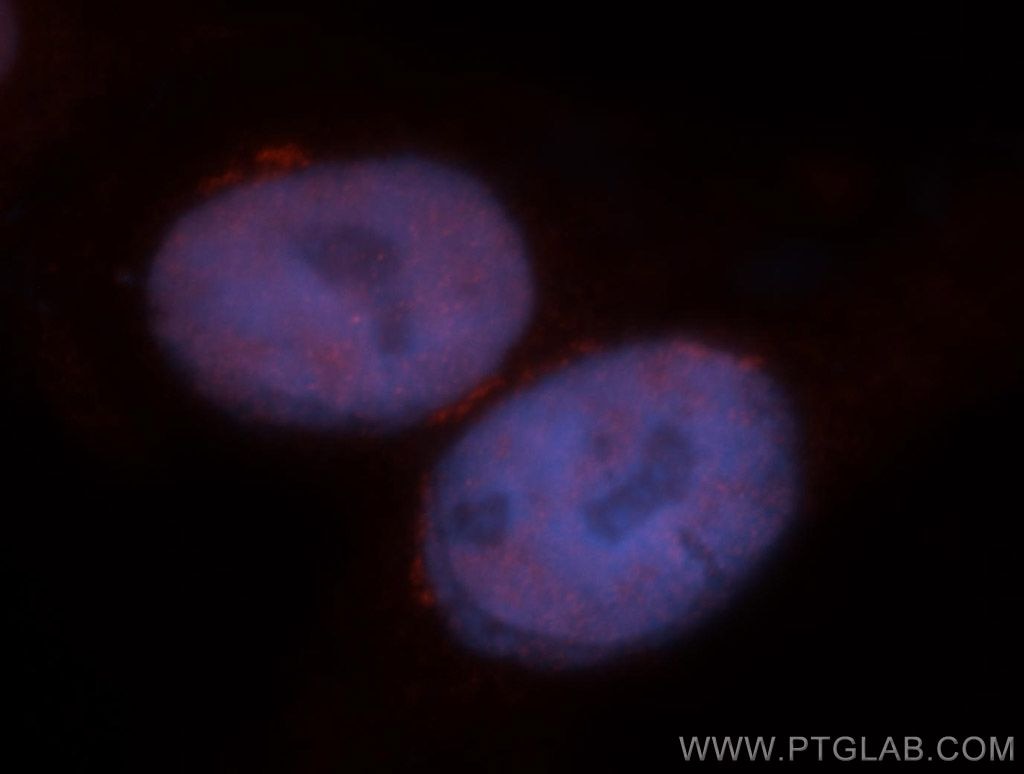
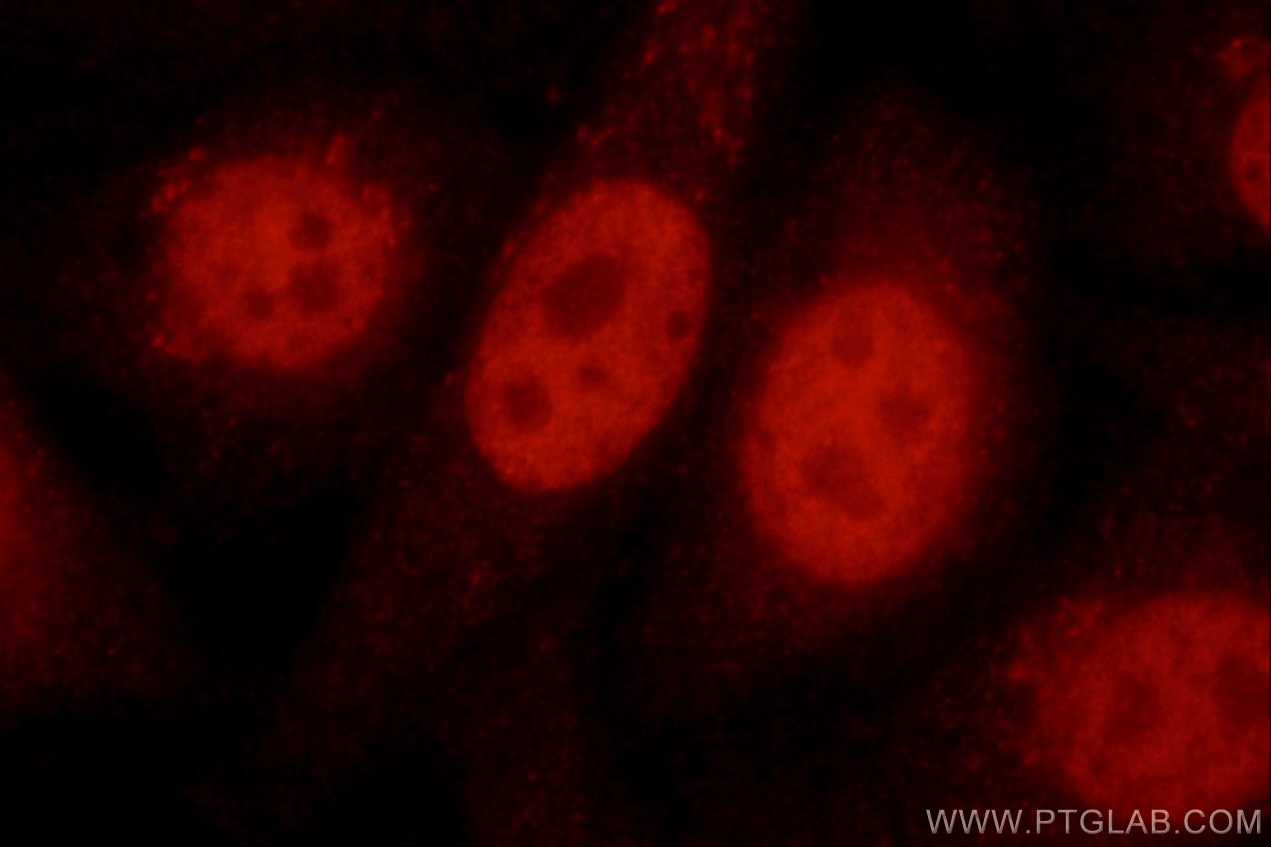
| Positive IF/ICC detected in | HepG2 cells |
Recommended dilution
| Application | Dilution |
|---|---|
| Western Blot (WB) | WB : 1:500-1:1000 |
| Immunoprecipitation (IP) | IP : 0.5-4.0 ug for 1.0-3.0 mg of total protein lysate |
| Immunohistochemistry (IHC) | IHC : 1:20-1:200 |
| Immunofluorescence (IF)/ICC | IF/ICC : 1:20-1:200 |
| It is recommended that this reagent should be titrated in each testing system to obtain optimal results. | |
| Sample-dependent, Check data in validation data gallery. | |
Product Information
14258-1-AP targets MBD3 in WB, IHC, IF/ICC, IP, CoIP, ChIP, ELISA applications and shows reactivity with human, mouse, rat samples.
| Tested Reactivity | human, mouse, rat |
| Cited Reactivity | human |
| Host / Isotype | Rabbit / IgG |
| Class | Polyclonal |
| Type | Antibody |
| Immunogen |
CatNo: Ag5531 Product name: Recombinant human MBD3 protein Source: e coli.-derived, PGEX-4T Tag: GST Domain: 1-259 aa of BC043619 Sequence: MERKSPSGKKFRSKPQLARYLGGSMDLSTFDFRTGKMLMSKMNKSRQRVRYDSSNQVKGKPDLNTALPVRQTASIFKQPVTKITNHPSNKVKSDPQKAVDQPRQLFWEKKLSGLNAFDIAEELVKTMDLPKGLQGVGPGCTDETLLSAIASALHTSTMPITGQLSAAVEKNPGVWLNTTQPLCKAFMVTDEDIRKQEELVQQVRKRLEEALMADMLAHVEELARDGEAPLDKACAEDDDEEDEEEEEEEPDPDPEMEHV Predict reactive species |
| Full Name | methyl-CpG binding domain protein 3 |
| Calculated Molecular Weight | 33 kDa |
| Observed Molecular Weight | 33 kDa |
| GenBank Accession Number | BC043619 |
| Gene Symbol | MBD3 |
| Gene ID (NCBI) | 53615 |
| RRID | AB_2139745 |
| Conjugate | Unconjugated |
| Form | Liquid |
| Purification Method | Antigen affinity purification |
| UNIPROT ID | O95983 |
| Storage Buffer | PBS with 0.02% sodium azide and 50% glycerol, pH 7.3. |
| Storage Conditions | Store at -20°C. Stable for one year after shipment. Aliquoting is unnecessary for -20oC storage. 20ul sizes contain 0.1% BSA. |
Background Information
MBD3 does not bind DNA by itself. It recruits histone deacetylases and DNA methyltransferases. MBD3 acts as transcriptional repressor and plays a role in gene silencing.(PMID:9774669) .
Protocols
| Product Specific Protocols | |
|---|---|
| IF protocol for MBD3 antibody 14258-1-AP | Download protocol |
| IHC protocol for MBD3 antibody 14258-1-AP | Download protocol |
| IP protocol for MBD3 antibody 14258-1-AP | Download protocol |
| WB protocol for MBD3 antibody 14258-1-AP | Download protocol |
| Standard Protocols | |
|---|---|
| Click here to view our Standard Protocols |
Publications
What published studies show
The MBD3 Polyclonal antibody (Cat# 14258-1-AP) has 15 citations. Journals include Nature Communications, PNAS, Journal of Experimental Medicine, Molecular Cancer, Nucleic Acids Research, Advanced Science, Medicine, Cancer Letters, Journal of Hematology & Oncology, Developmental Cell, Cancers, and Oncology Letters. Research fields span cancer biology (breast, gastric, colon, glioma, osteosarcoma, hepatocellular carcinoma), epigenetics and chromatin remodeling, reproductive biology, and immunology.
| Species | Application | Title |
|---|---|---|
J Hematol Oncol Novel potent molecular glue degraders against broad range of hematological cancer cell lines via multiple neosubstrates degradation | ||
Mol Cancer Loss of TACC2 impairs chemokine CCL3 and CCL4 expression and reduces response to anti-PD-1 therapy in soft tissue sarcoma | ||
Nat Commun Low chorionic villous succinate accumulation associates with recurrent spontaneous abortion risk.
| ||
Nucleic Acids Res CARM1 hypermethylates the NuRD chromatin remodeling complex to promote cell cycle gene expression and breast cancer development | ||
Adv Sci (Weinh) Nuclear Translocation of S100A9 Triggers Senescence of Human Amnion Fibroblasts by De-Repressing LINE1 Via Heterochromatin Erosion at Parturition | ||
Med Inactivation of TACC2 epigenetically represses CDKN1A and confers sensitivity to CDK inhibitors |

















