

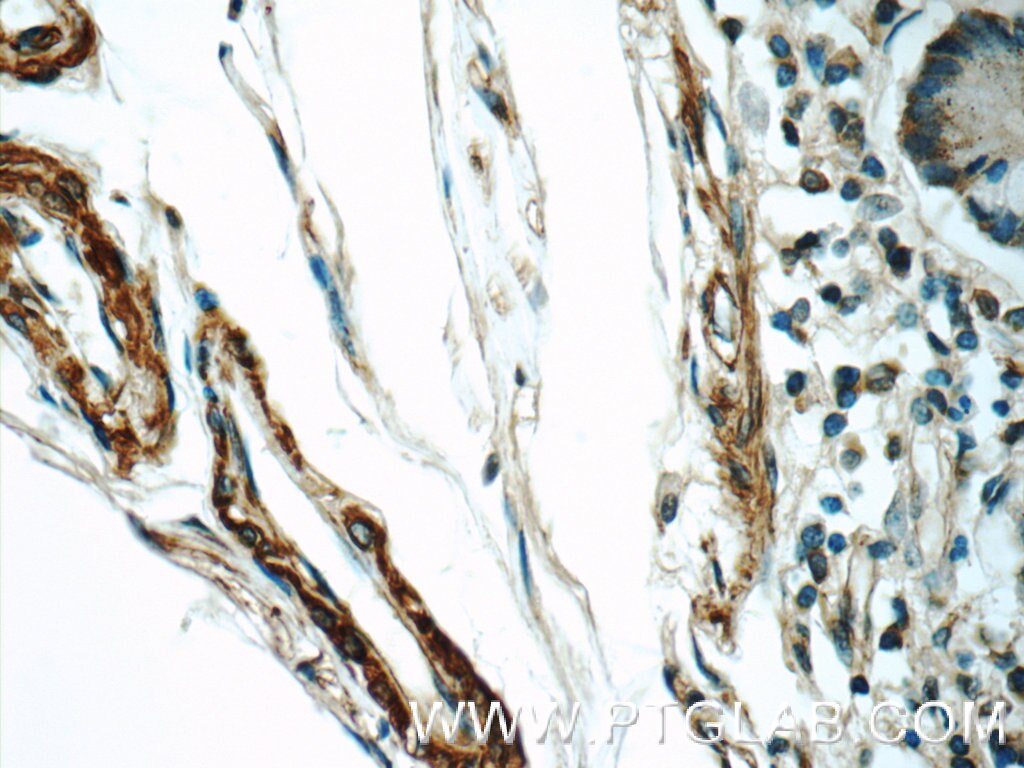
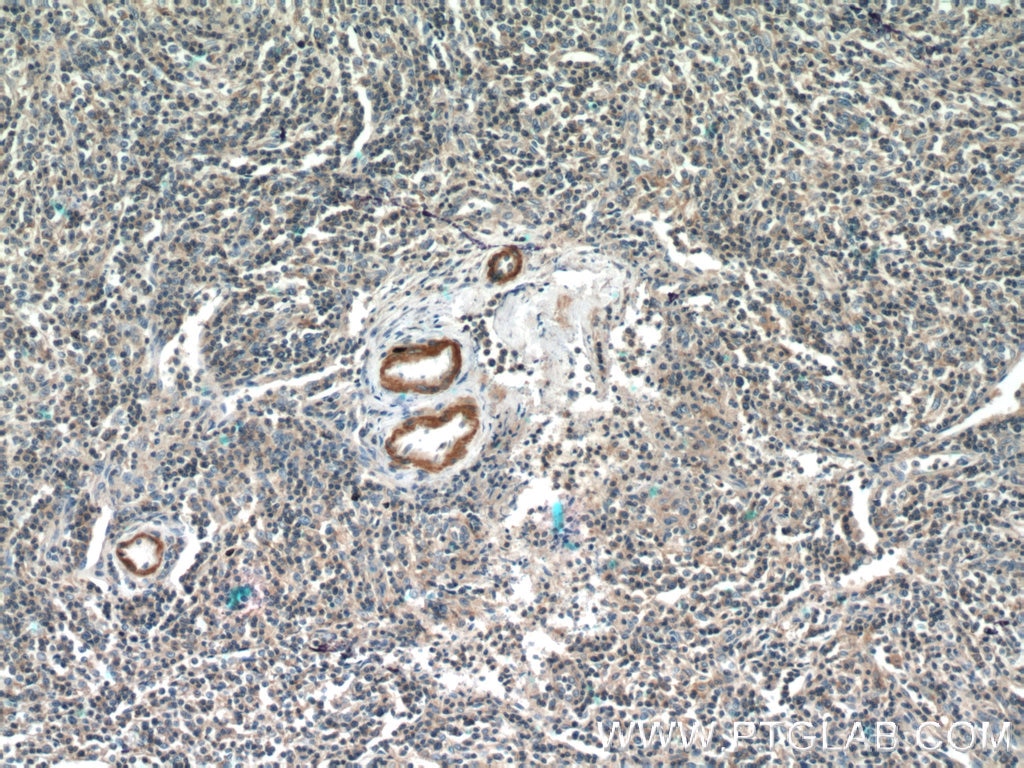
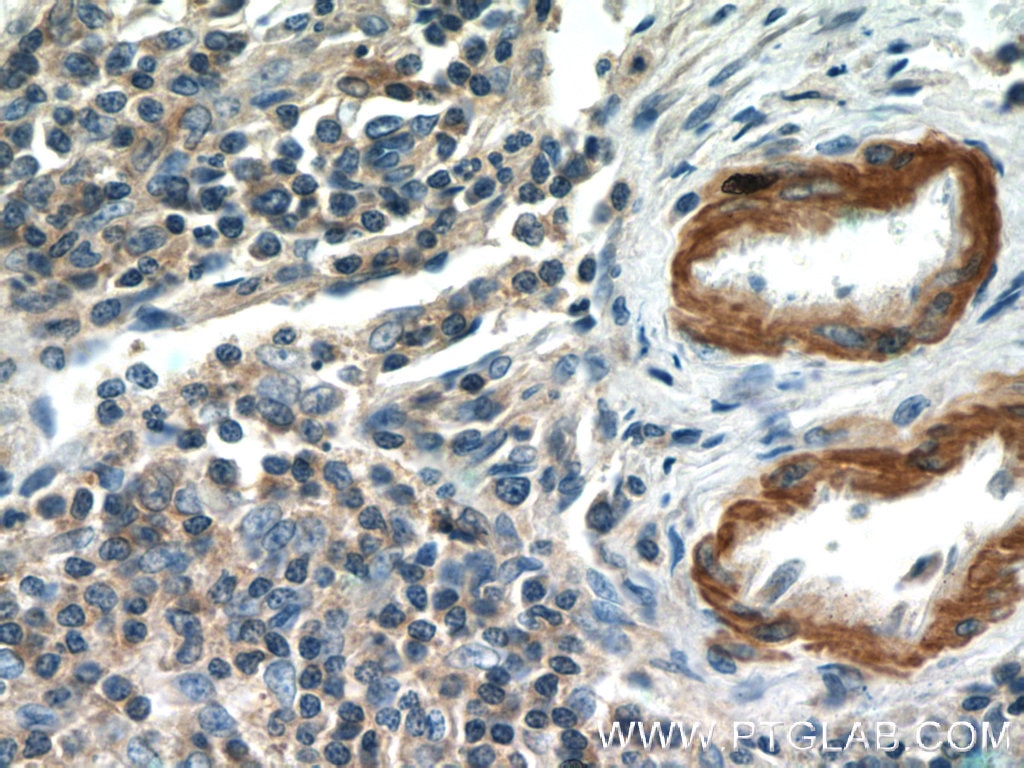
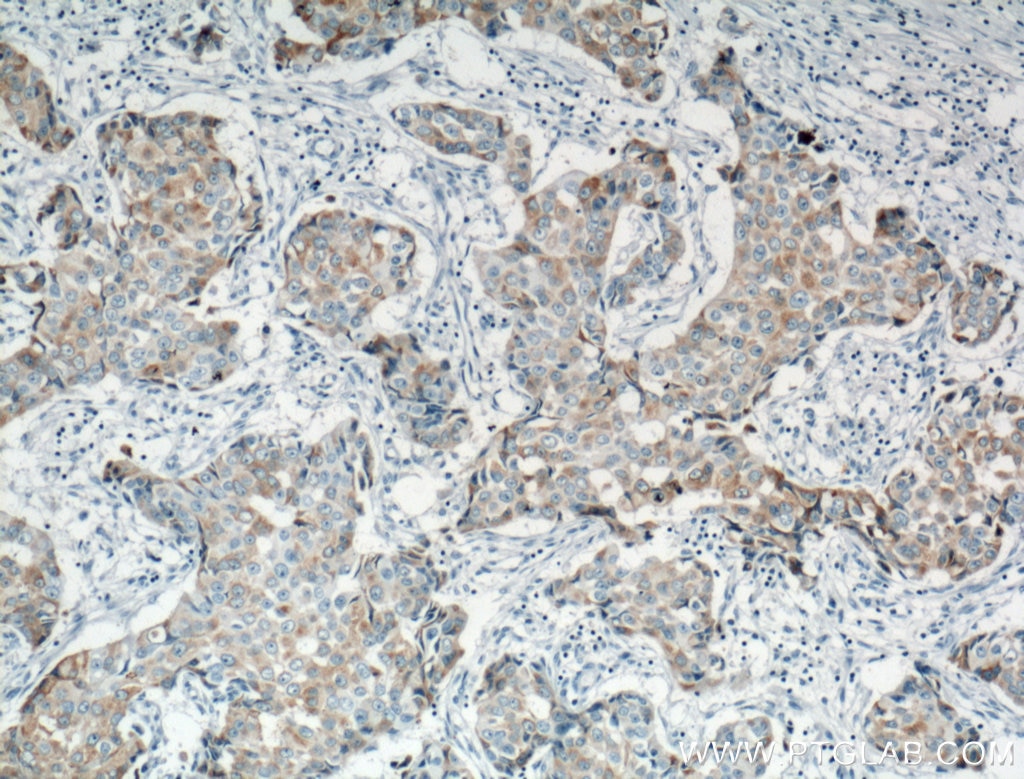

Tested Applications
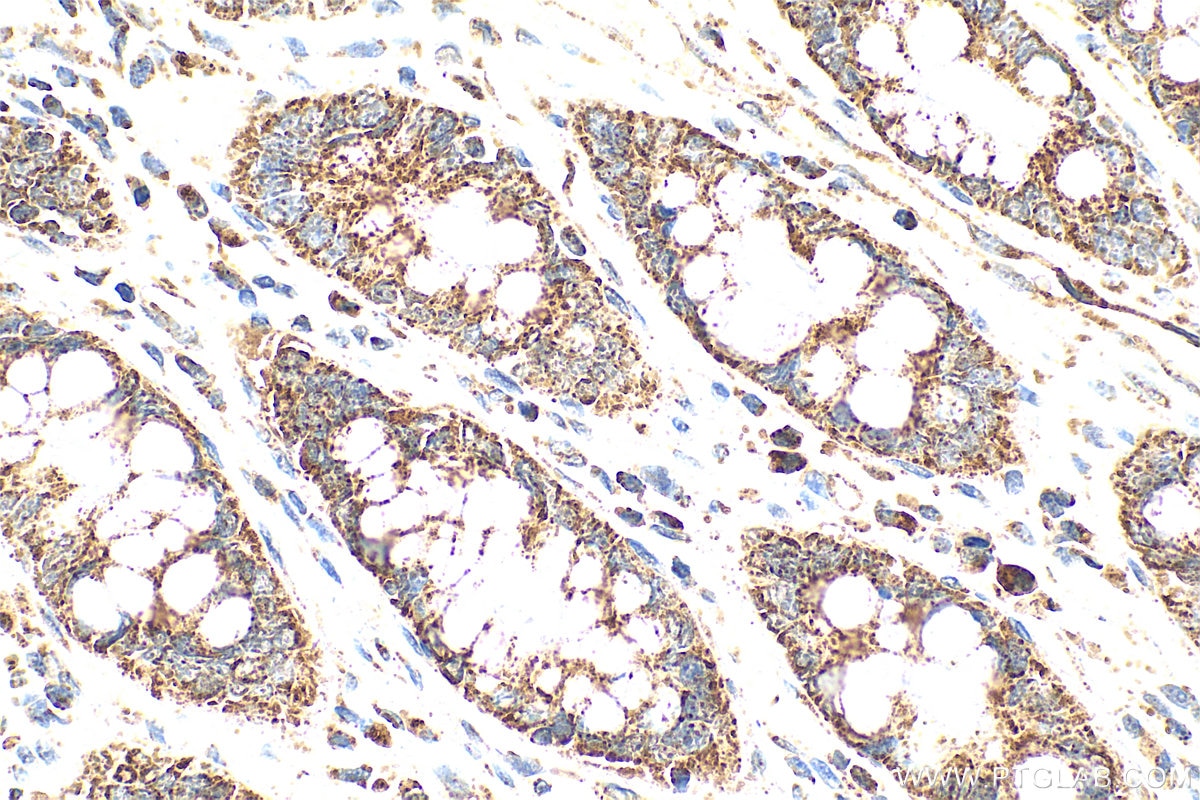
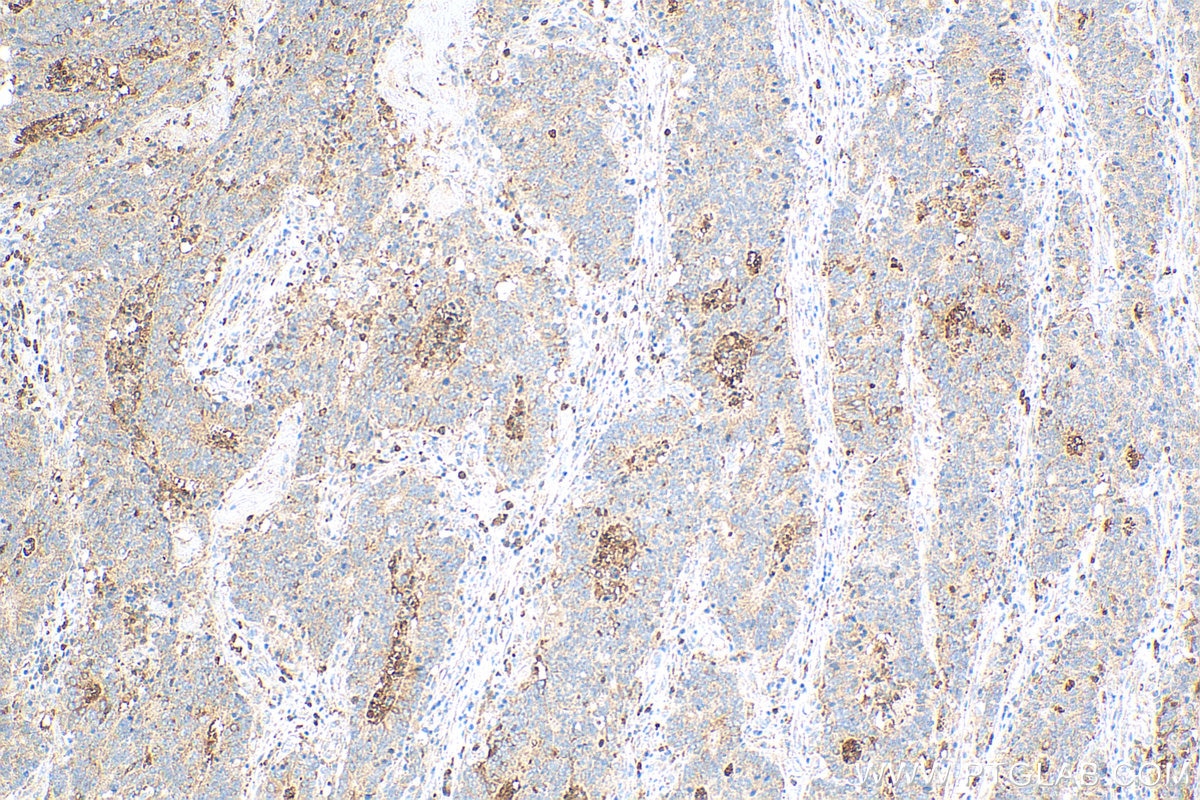
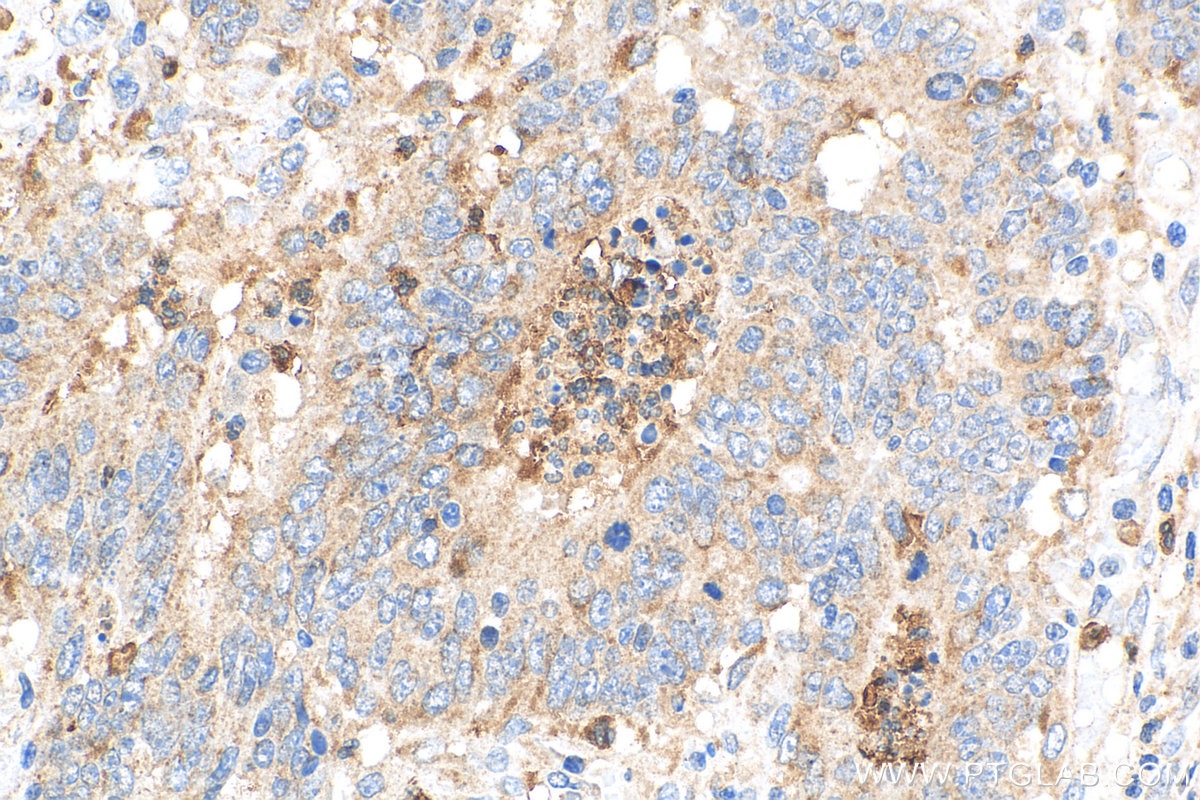
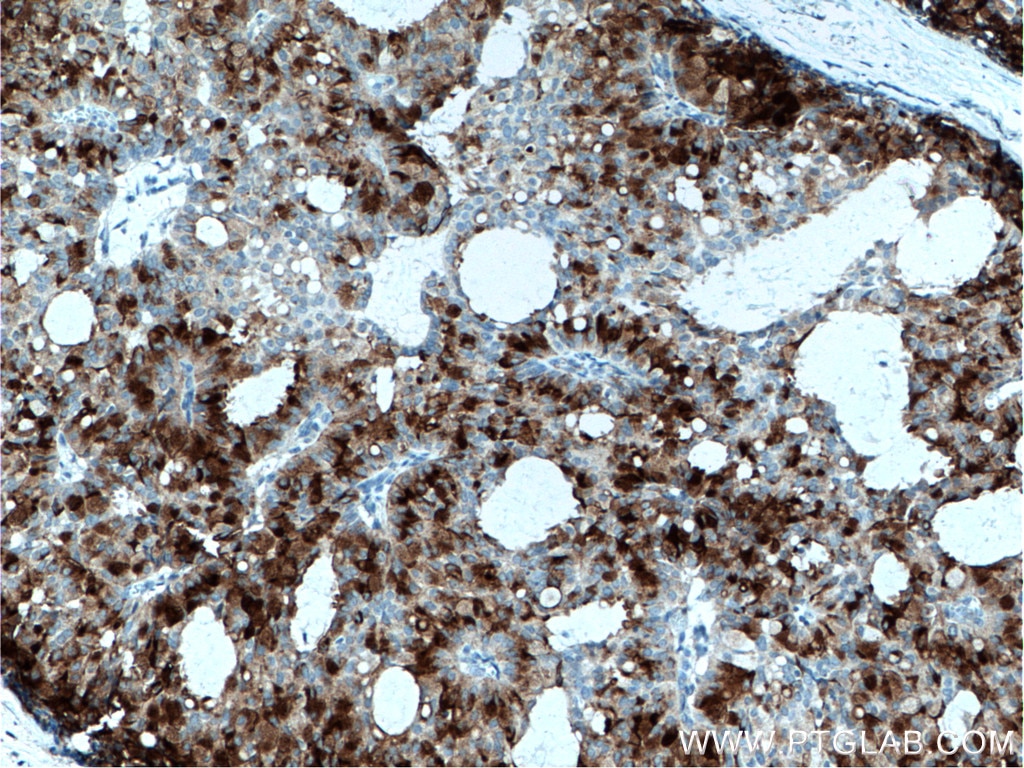
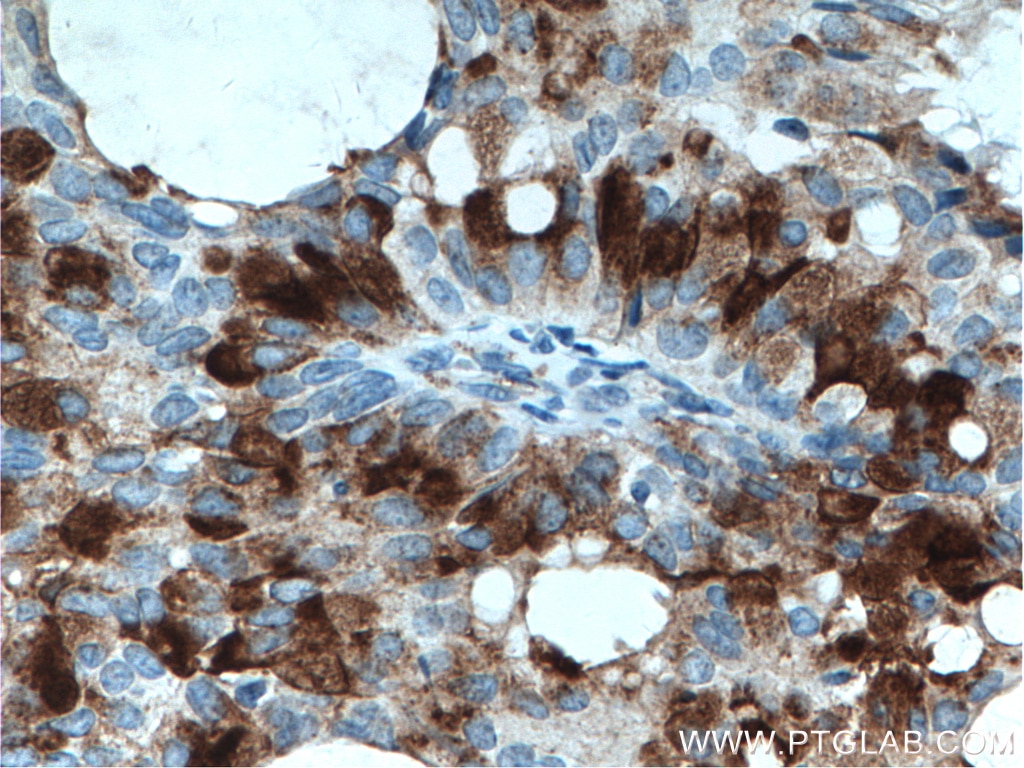
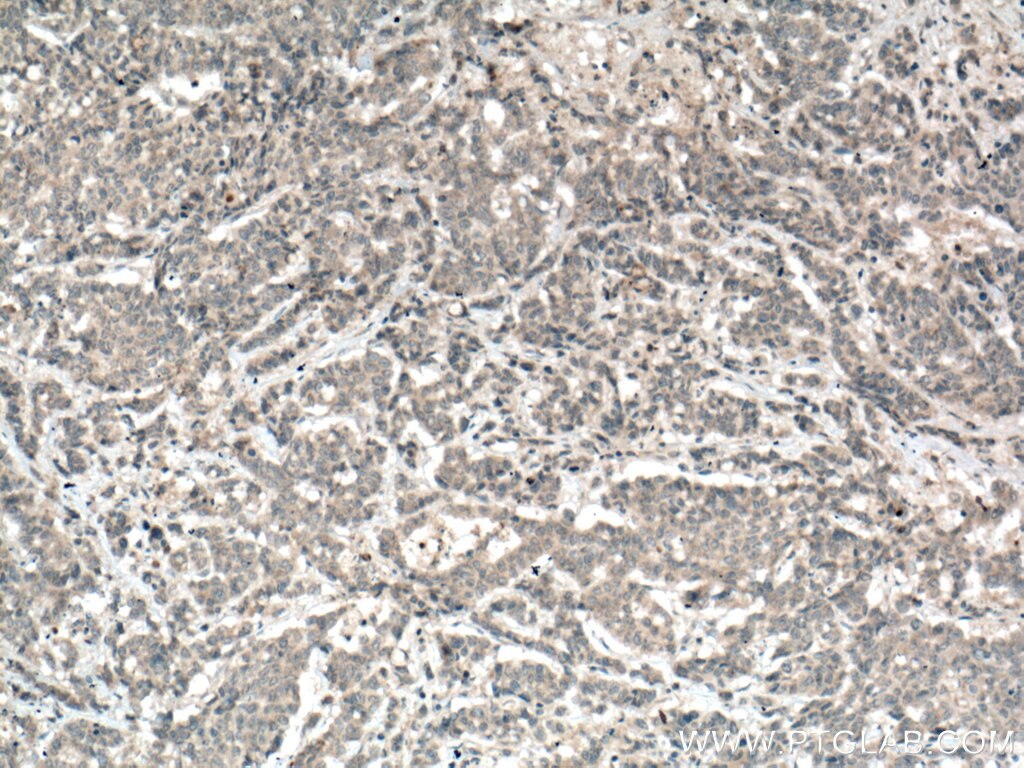
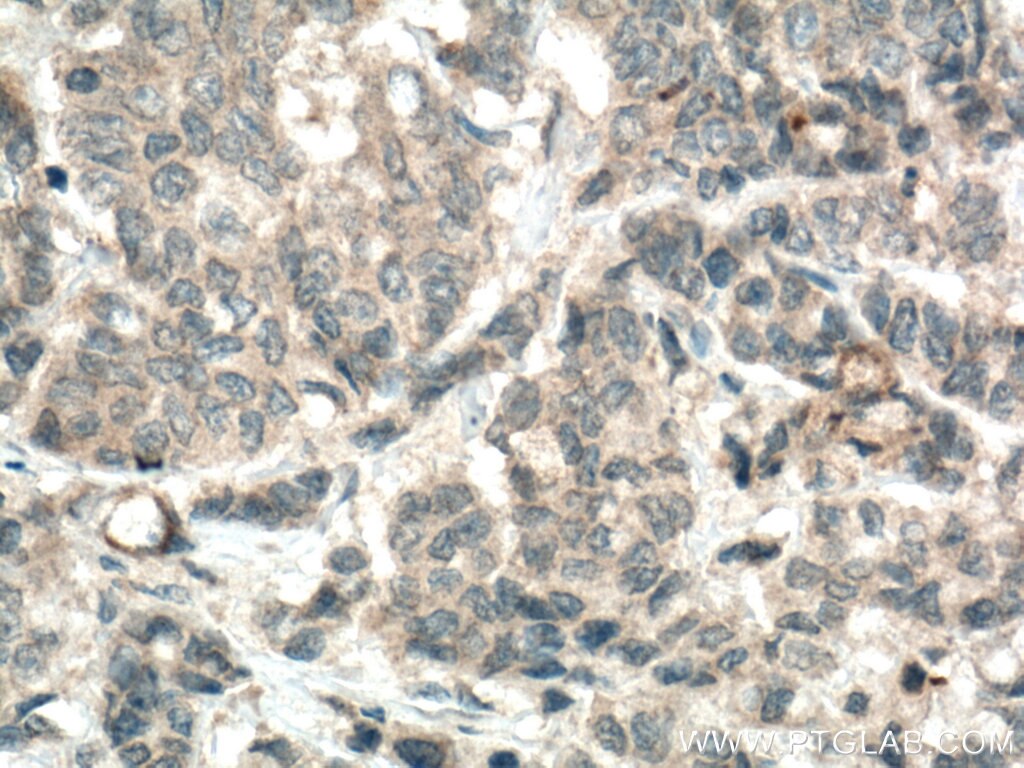
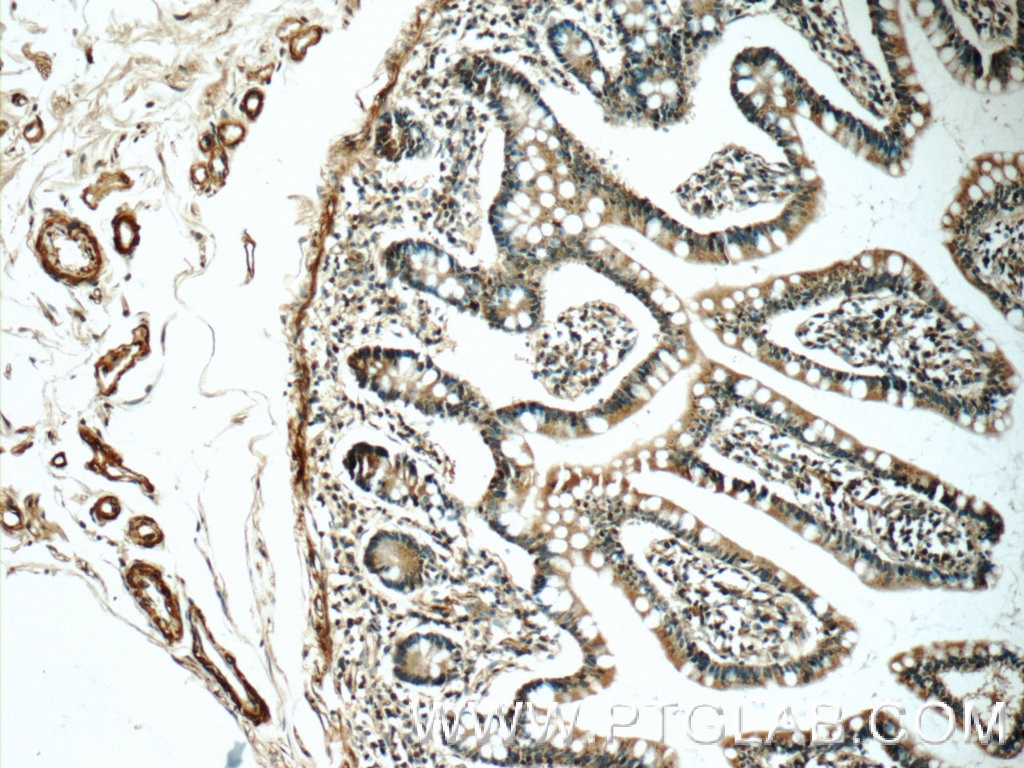
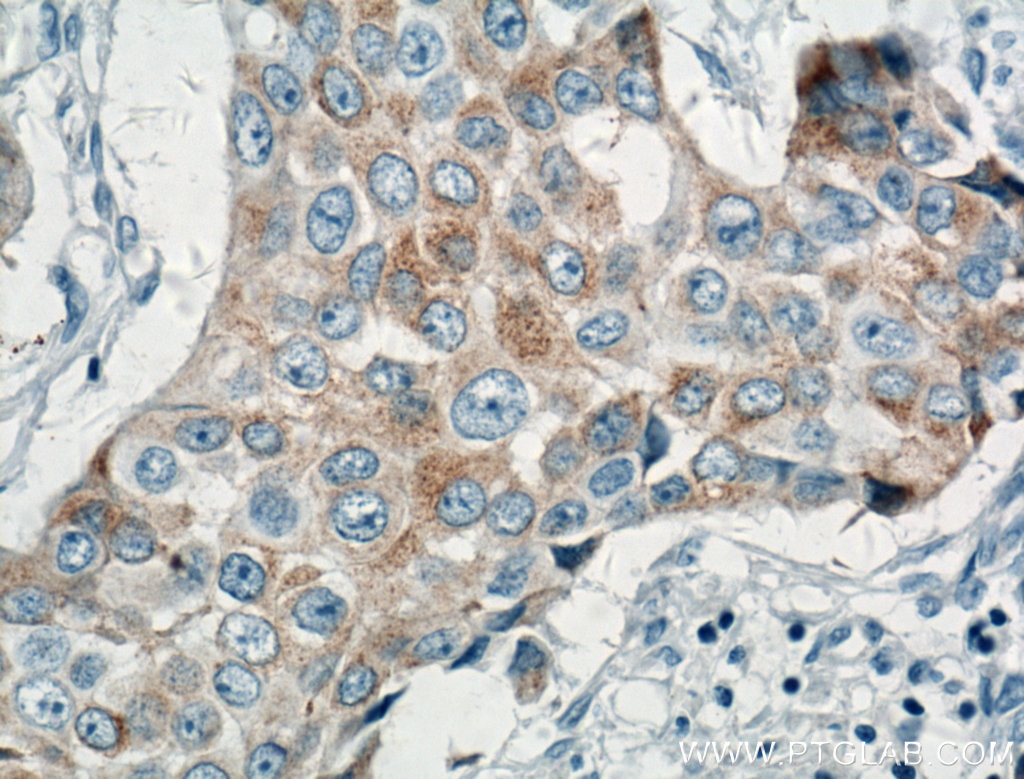
| Positive IHC detected in | human rectal cancer tissue, human breast cancer tissue, human breast hyperplasia tissue, human colon cancer tissue, human lymphoma tissue, human small intestine tissue Note: suggested antigen retrieval with TE buffer pH 9.0; (*) Alternatively, antigen retrieval may be performed with citrate buffer pH 6.0 |
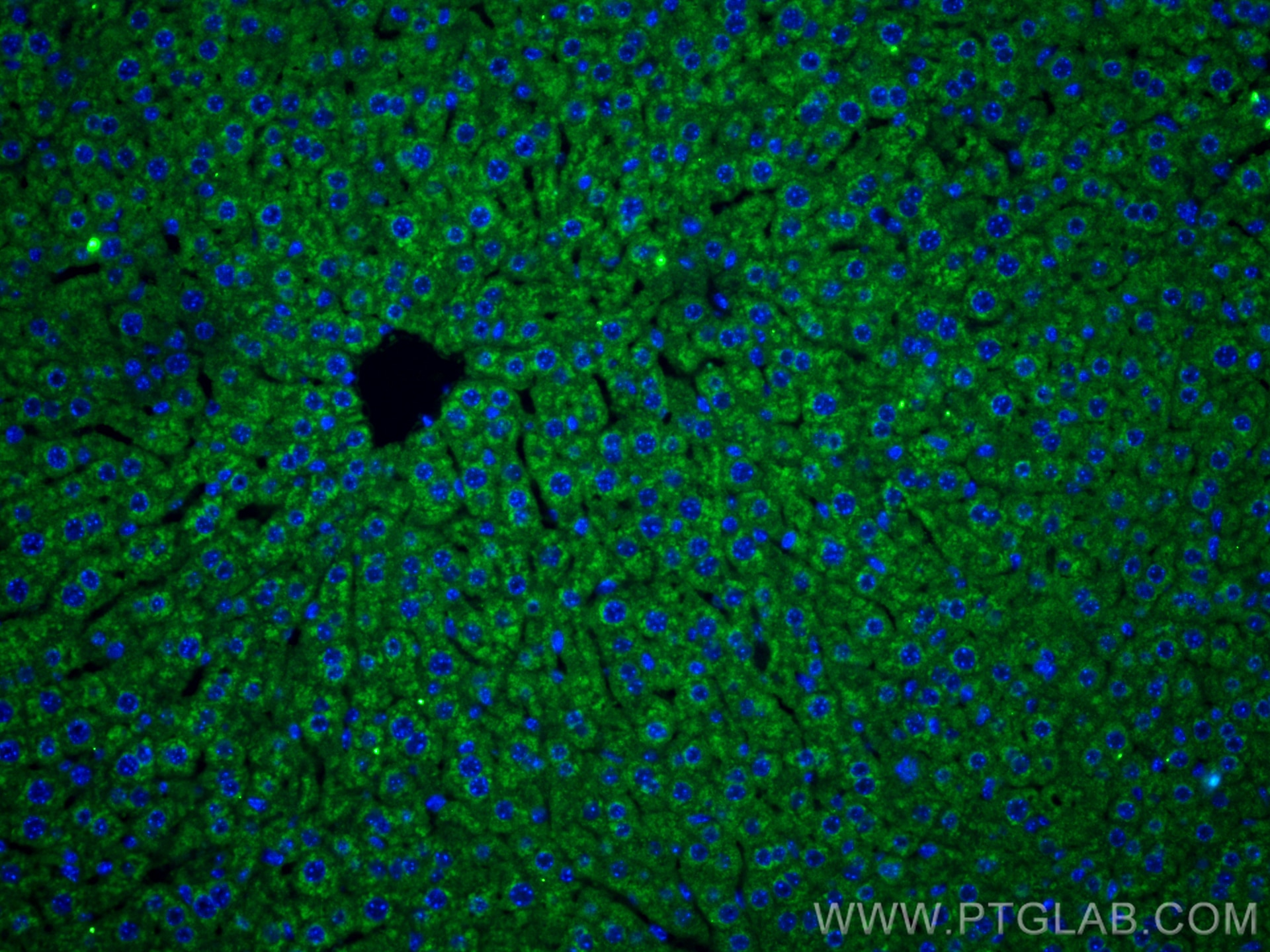
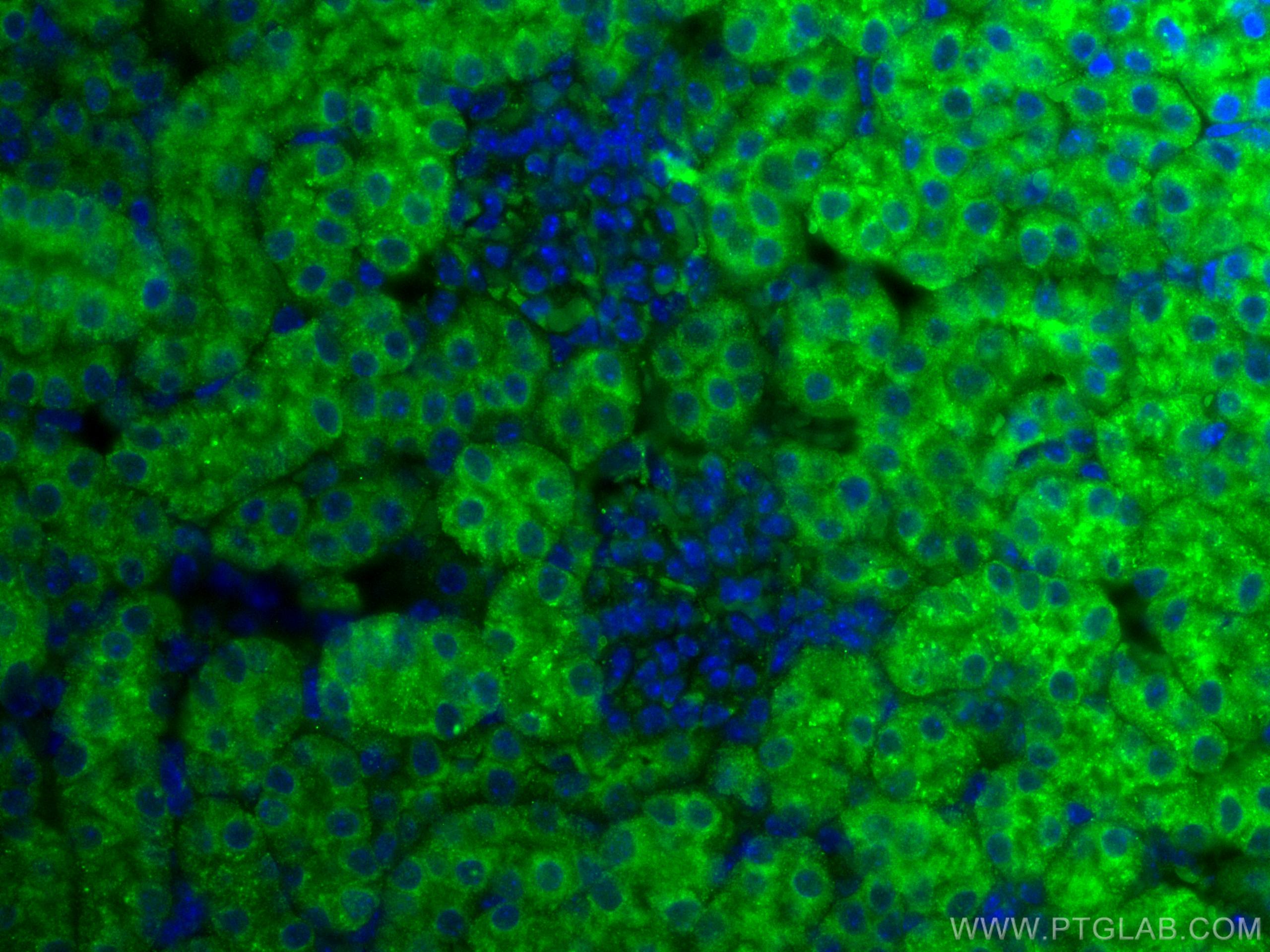
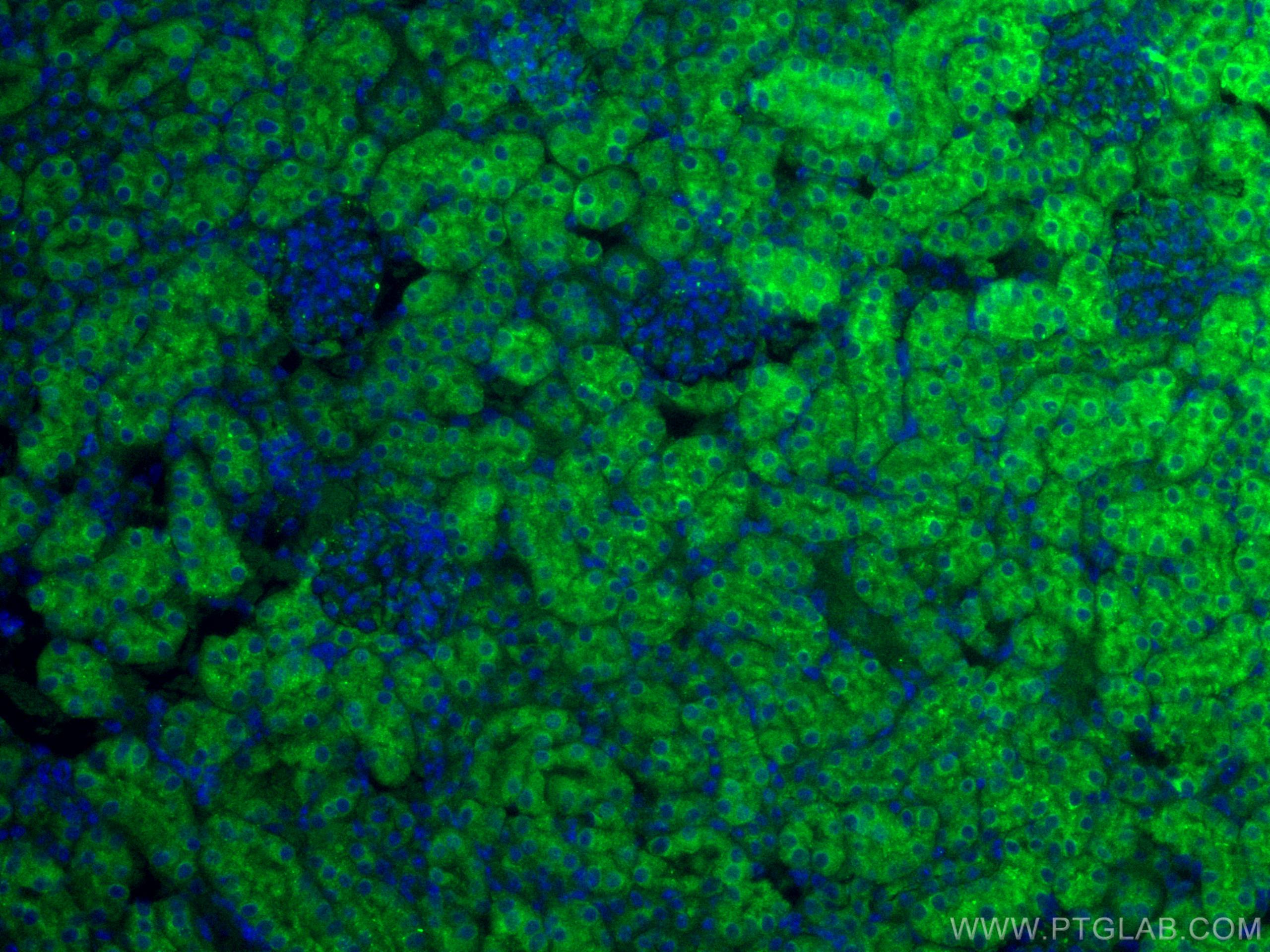
| Positive IF-P detected in | mouse kidney tissue, mouse liver tissue |
Recommended dilution
| Application | Dilution |
|---|---|
| Immunohistochemistry (IHC) | IHC : 1:200-1:800 |
| Immunofluorescence (IF)-P | IF-P : 1:50-1:500 |
| It is recommended that this reagent should be titrated in each testing system to obtain optimal results. | |
| Sample-dependent, Check data in validation data gallery. | |
Product Information
10734-1-AP targets MGP in WB, IHC, IF-P, ELISA, Blocking assay applications and shows reactivity with human, mouse samples.
| Tested Reactivity | human, mouse |
| Cited Reactivity | human, mouse, rat |
| Host / Isotype | Rabbit / IgG |
| Class | Polyclonal |
| Type | Antibody |
| Immunogen |
CatNo: Ag1091 Product name: Recombinant human MGP protein Source: e coli.-derived, PGEX-4T Tag: GST Domain: 1-103 aa of BC005272 Sequence: MKSLILLAILAALAVVTLCYESHESMESYELNPFINRRNANTFISPQQRWRAKVQERIRERSKPVHELNREACDDYRLCERYAMVYGYNAAYNRYFRKRRGAK Predict reactive species |
| Full Name | matrix Gla protein |
| Calculated Molecular Weight | 103 aa, 13 kDa |
| GenBank Accession Number | BC005272 |
| Gene Symbol | MGP |
| Gene ID (NCBI) | 4256 |
| RRID | AB_2297660 |
| Conjugate | Unconjugated |
| Form | Liquid |
| Purification Method | Antigen affinity purification |
| UNIPROT ID | P08493 |
| Storage Buffer | PBS with 0.02% sodium azide and 50% glycerol, pH 7.3. |
| Storage Conditions | Store at -20°C. Stable for one year after shipment. Aliquoting is unnecessary for -20oC storage. 20ul sizes contain 0.1% BSA. |
Background Information
Matrix Gla protein (MGP), a vitamin K-dependent protein, is recognized as a calcification inhibitor in vascular tissue. Defects in MGP are the cause of Keutel syndrome (KS), which is an autosomal recessive disorder characterized by abnormal cartilage calcification, peripheral pulmonary stenosis neural hearing loss and midfacial hypoplasia.
Protocols
| Product Specific Protocols | |
|---|---|
| IF protocol for MGP antibody 10734-1-AP | Download protocol |
| IHC protocol for MGP antibody 10734-1-AP | Download protocol |
| Standard Protocols | |
|---|---|
| Click here to view our Standard Protocols |
Publications
What published studies show
10734-1-AP is an anti-Matrix Gla Protein (MGP) antibody with 51 total citations. Citations appear in journals including Nature Communications, Circulation, Cell Death & Disease, FASEB Journal, Oncogenesis, and others. Research fields span vascular calcification, bone mineralization, cancer (breast, ovarian, lung, bladder), neurodegeneration (Alzheimer's, Huntington's), fibrosis, ocular disease, and muscle biology. Applications include WB, IHC, IF, ELISA, and blocking assays across human, mouse, and rat species.
| Species | Application | Title |
|---|---|---|
Circulation Bone morphogenic protein antagonists are coexpressed with bone morphogenic protein 4 in endothelial cells exposed to unstable flow in vitro in mouse aortas and in human coronary arteries: role of bone morphogenic protein antagonists in inflammation and atherosclerosis. | ||
Nat Commun Mutant Huntingtin stalls ribosomes and represses protein synthesis in a cellular model of Huntington disease. | ||
Nat Commun Metabolic adaptation drives self-organization during skin organoid morphogenesis. | ||
Neuro Oncol A cycling, progenitor-like cell population at the base of atypical teratoid rhabdoid tumor subtype differentiation trajectories | ||
Mol Biomed Matrix Gla Protein is a novel regulator of TGFβ-dependent fibroblast activation and kidney fibrosis. |
Reviews
What customers say
One reviewer (Kenzo Oikawa) rated this antibody 5 out of 5 stars in August 2023. They used lot 00118057 for immunofluorescence on mouse liver frozen sections at a 1:200 dilution and reported that it "worked pretty well." Overall, the single review reflects a positive experience with the antibody performing as expected for IF applications on liver tissue.
The reviews below have been submitted by verified Proteintech customers who received an incentive for providing their feedback.
Kenzo (Verified Customer) (08-29-2023) | This antibody worked pretty well for IF on mouse liver frozen sections.
|


















