
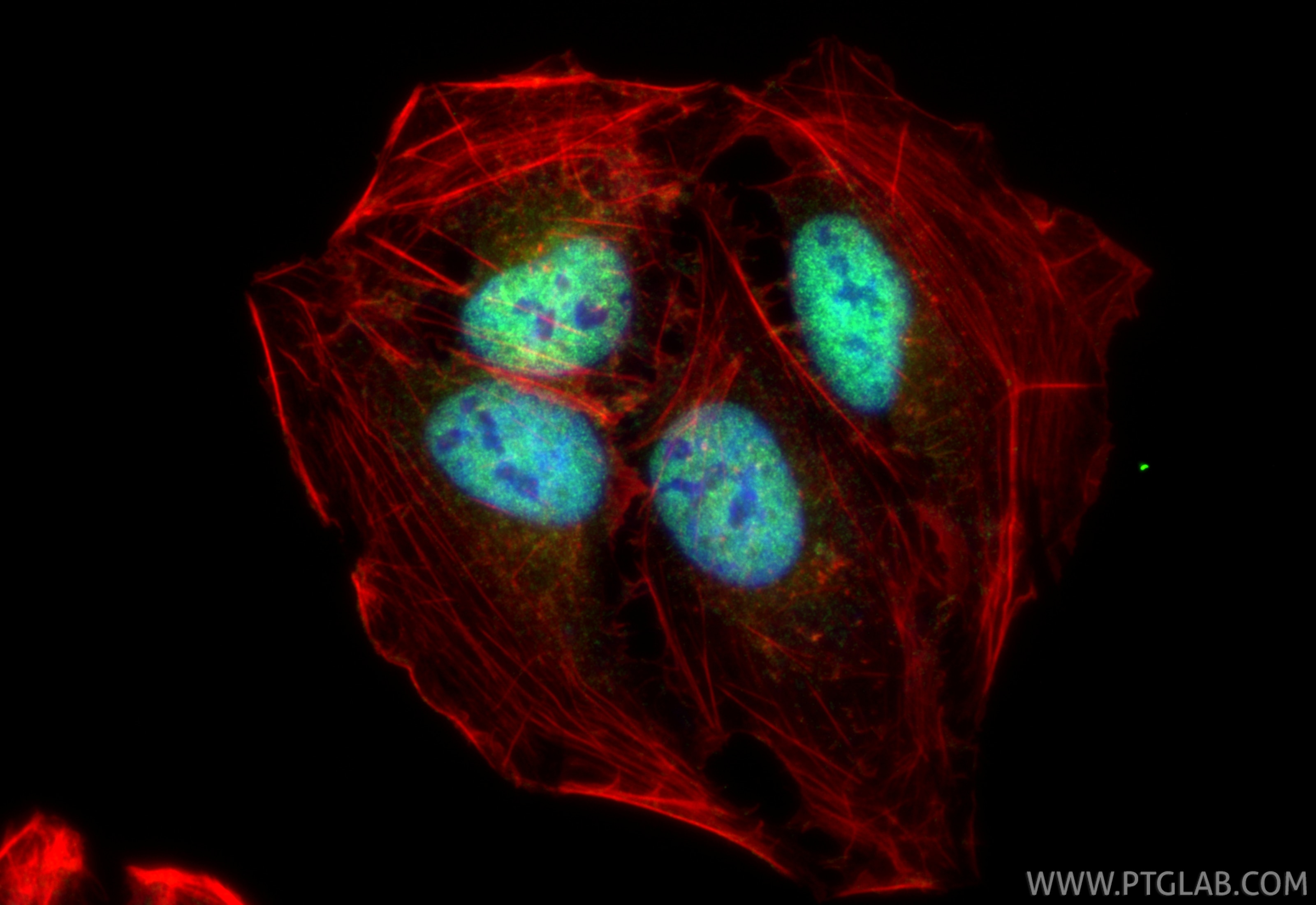
Tested Applications
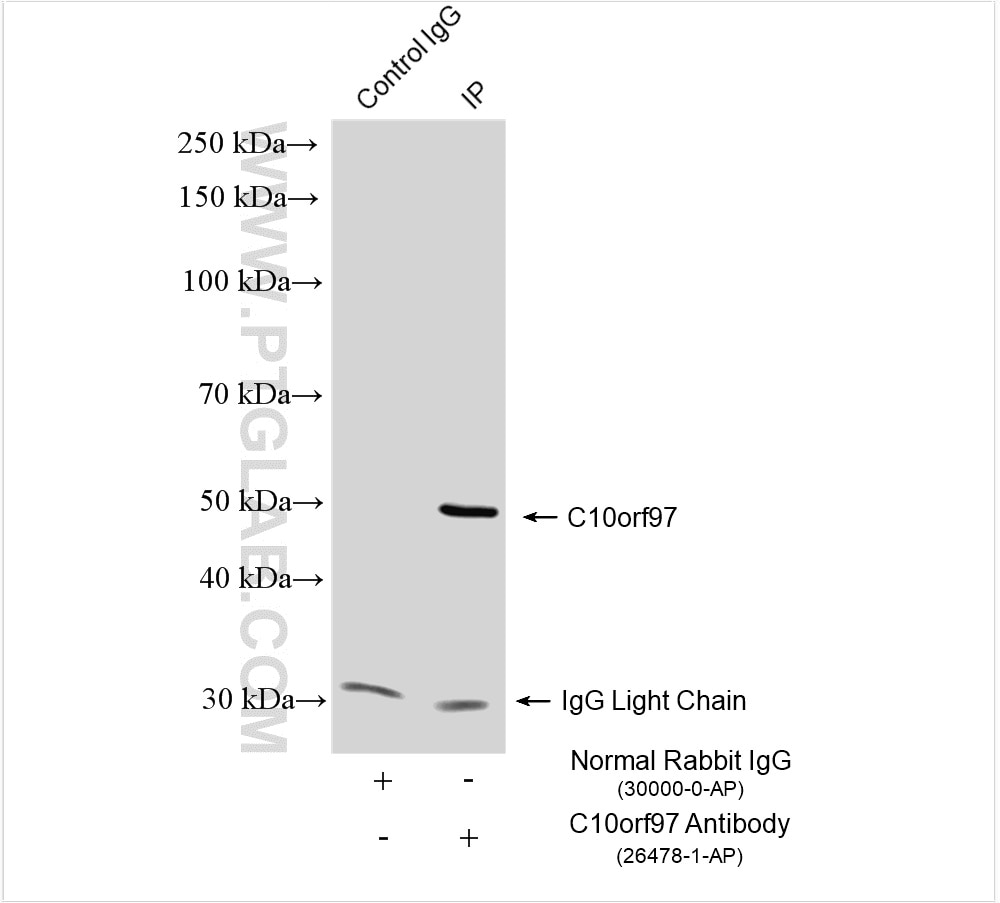
| Positive IP detected in | HCT 116 cells |
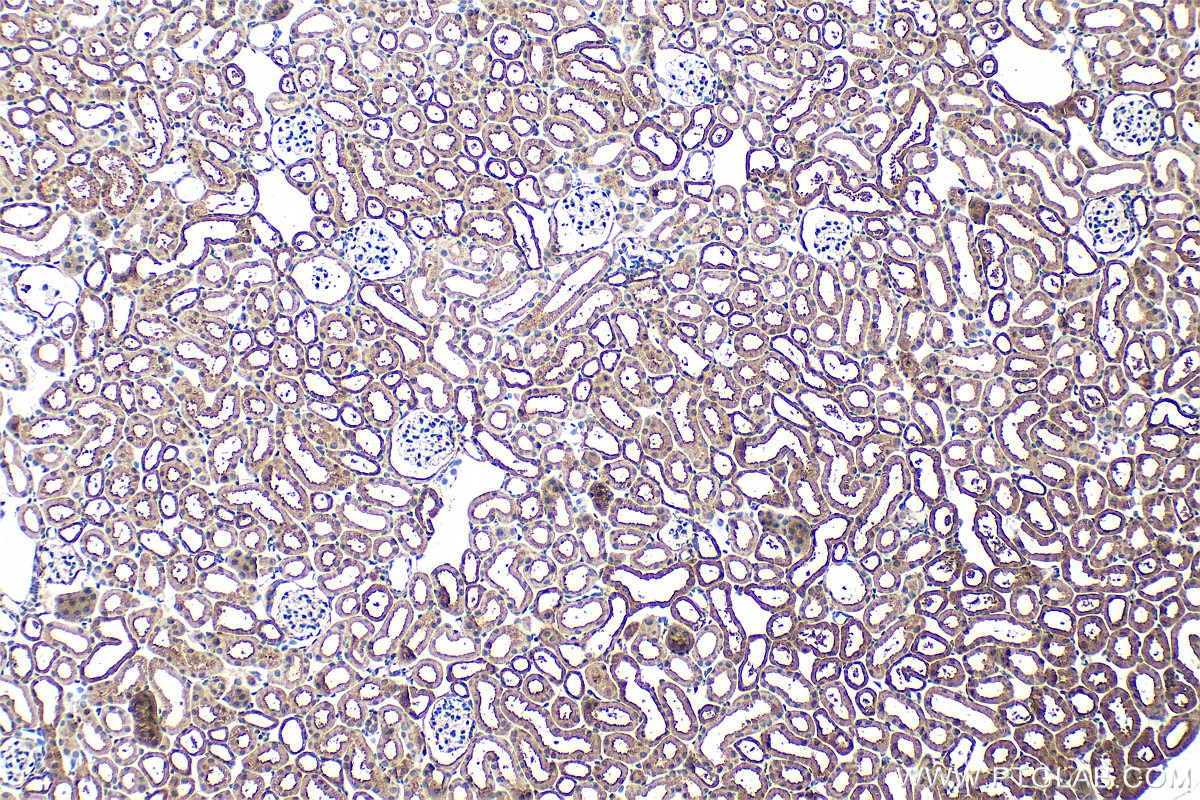
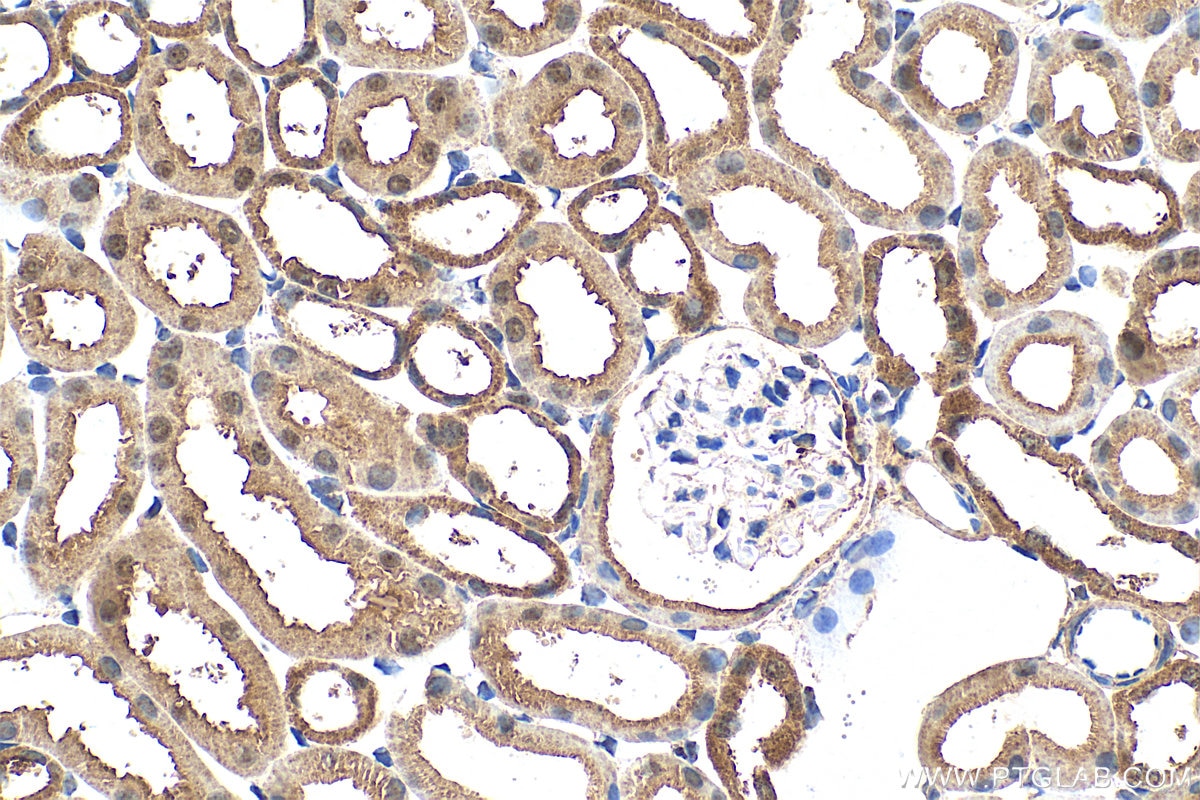
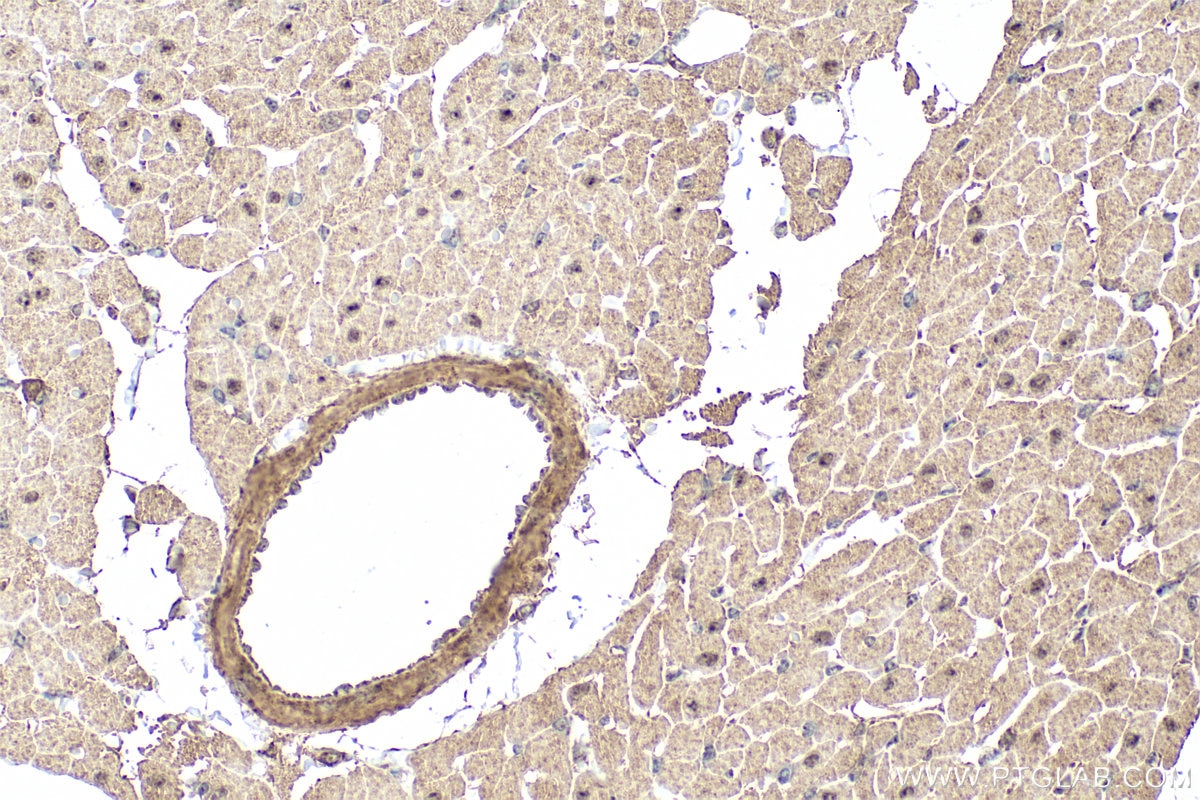
| Positive IHC detected in | mouse kidney tissue, rat heart tissue Note: suggested antigen retrieval with TE buffer pH 9.0; (*) Alternatively, antigen retrieval may be performed with citrate buffer pH 6.0 |
| Positive IF/ICC detected in | U2OS cells |
Recommended dilution
| Application | Dilution |
|---|---|
| Immunoprecipitation (IP) | IP : 0.5-4.0 ug for 1.0-3.0 mg of total protein lysate |
| Immunohistochemistry (IHC) | IHC : 1:200-1:800 |
| Immunofluorescence (IF)/ICC | IF/ICC : 1:200-1:800 |
| It is recommended that this reagent should be titrated in each testing system to obtain optimal results. | |
| Sample-dependent, Check data in validation data gallery. | |
Product Information
26478-1-AP targets MINDY3 in IHC, IF/ICC, IP, ELISA applications and shows reactivity with human, mouse, rat samples.
| Tested Reactivity | human, mouse, rat |
| Host / Isotype | Rabbit / IgG |
| Class | Polyclonal |
| Type | Antibody |
| Immunogen |
CatNo: Ag23520 Product name: Recombinant human C10orf97 protein Source: e coli.-derived, PGEX-4T Tag: GST Domain: 1-136 aa of BC067799 Sequence: MSELTKELMELVWGTKSSPGLSDTIFCRWTQGFVFSESEGSALEQFEGGPCAVIAPVQAFLLKKLLFSSEKSSWRDCSEEEQKELLCHTLCDILESACCDHSGSYCLVSWLRGKTTEETASISGSPAESSCQVEHS Predict reactive species |
| Full Name | chromosome 10 open reading frame 97 |
| Observed Molecular Weight | 49 kDa |
| GenBank Accession Number | BC067799 |
| Gene Symbol | C10orf97 |
| Gene ID (NCBI) | 80013 |
| RRID | AB_3742191 |
| Conjugate | Unconjugated |
| Form | Liquid |
| Purification Method | Antigen affinity purification |
| UNIPROT ID | Q9H8M7 |
| Storage Buffer | PBS with 0.02% sodium azide and 50% glycerol, pH 7.3. |
| Storage Conditions | Store at -20°C. Stable for one year after shipment. Aliquoting is unnecessary for -20oC storage. 20ul sizes contain 0.1% BSA. |
Background Information
MINDY3 (also known as FAM63B) is a deubiquitinating enzyme (DUB) localized to the endoplasmic reticulum and belongs to the MINDY family. This protein specifically recognizes and cleaves lysine 48 (K48)-linked ubiquitin chains, which serve as the primary signal targeting proteins for proteasomal degradation, thereby playing a critical role in regulating protein stability. Research indicates that MINDY3 influences various cellular processes through its deubiquitination activity, including endoplasmic reticulum-associated degradation (ERAD), cellular stress response, and cell cycle regulation. Dysregulation of its function is closely associated with pathological processes such as cancer and neurodegenerative diseases, making it a potential target for therapeutic research.
Protocols
| Product Specific Protocols | |
|---|---|
| IF protocol for MINDY3 antibody 26478-1-AP | Download protocol |
| IHC protocol for MINDY3 antibody 26478-1-AP | Download protocol |
| IP protocol for MINDY3 antibody 26478-1-AP | Download protocol |
| Standard Protocols | |
|---|---|
| Click here to view our Standard Protocols |






