

Tested Applications
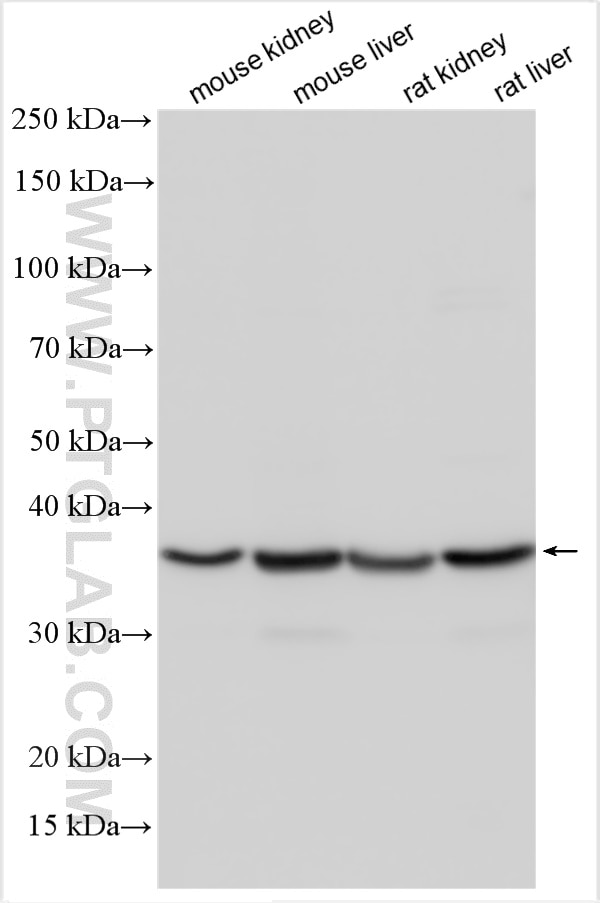
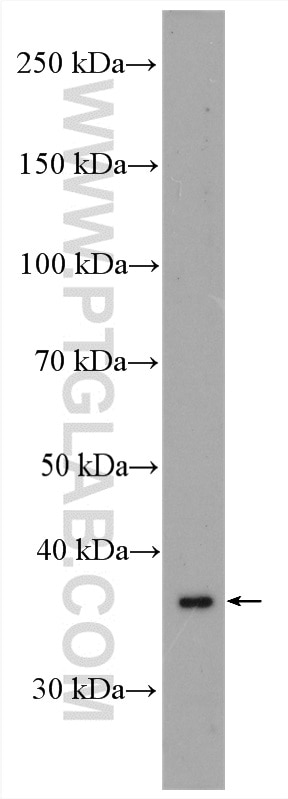
| Positive WB detected in | mouse kidney tissue, C2C12 cells, mouse liver tissue, rat kidney tissue, rat liver tissue |
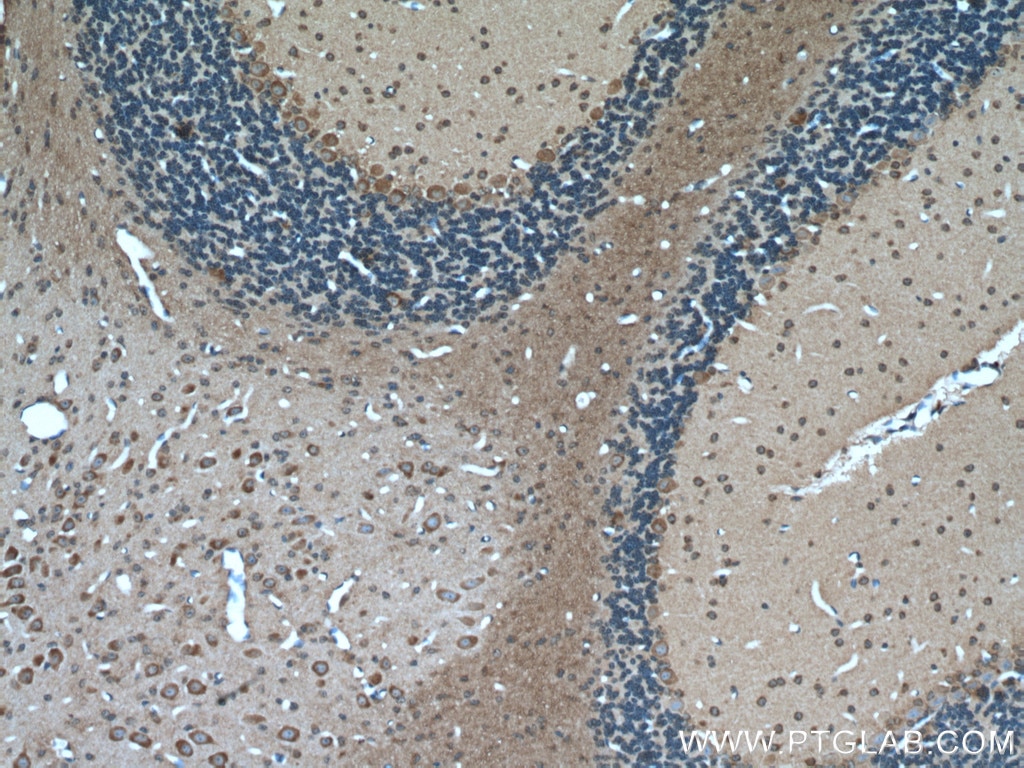
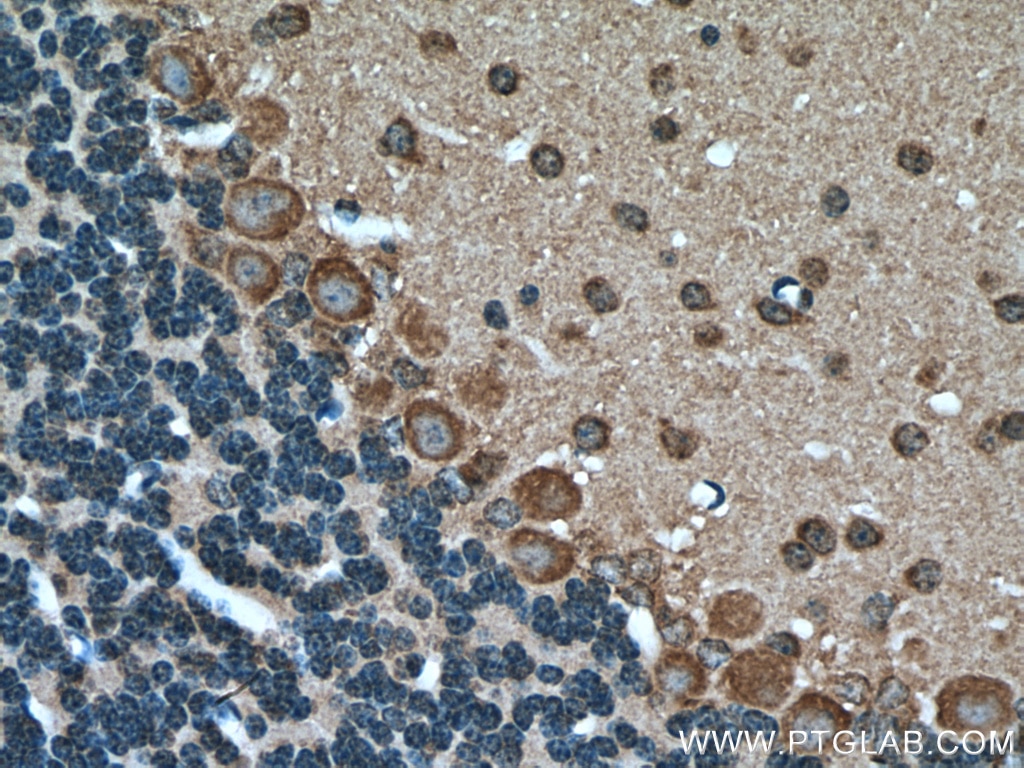
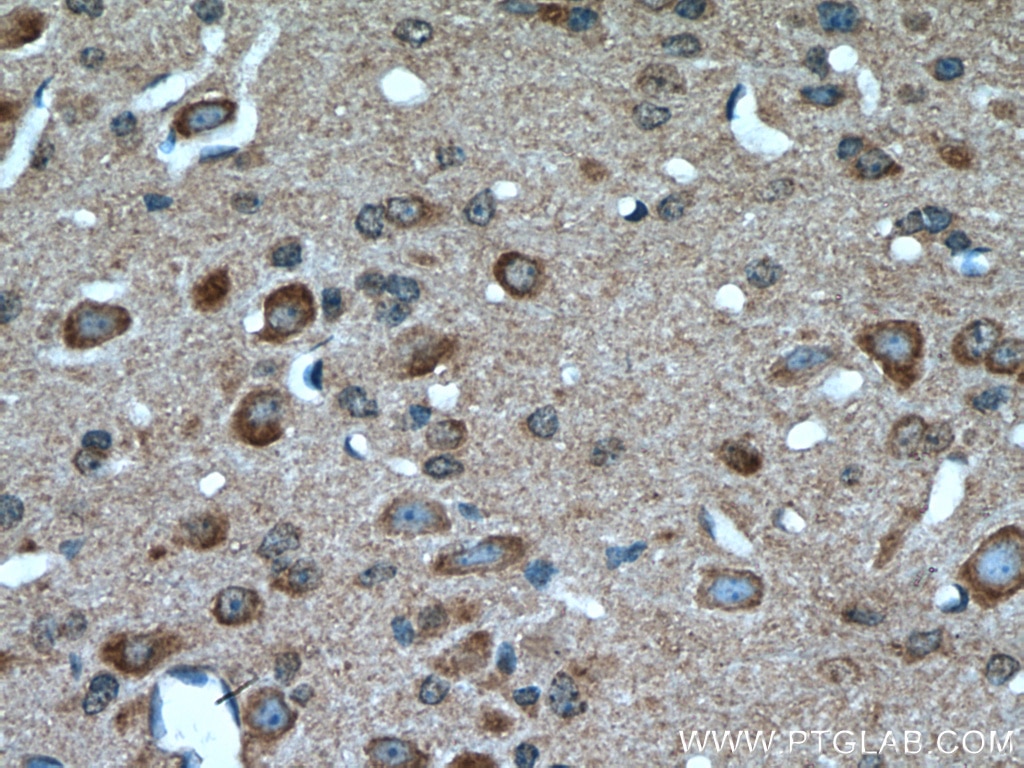
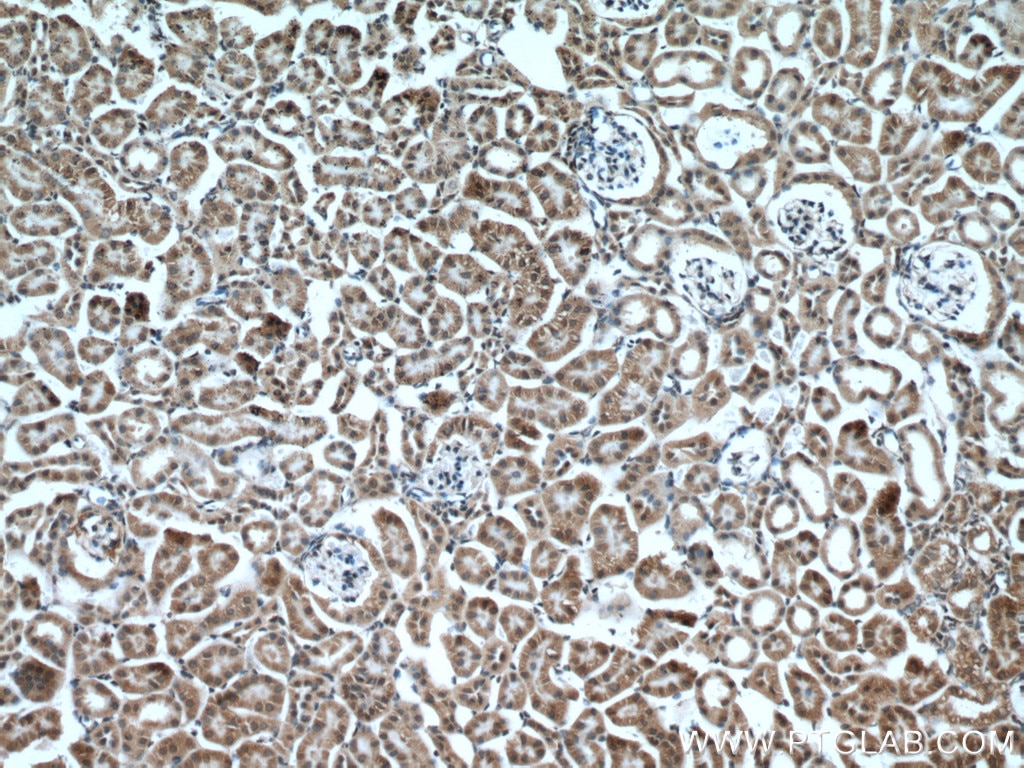
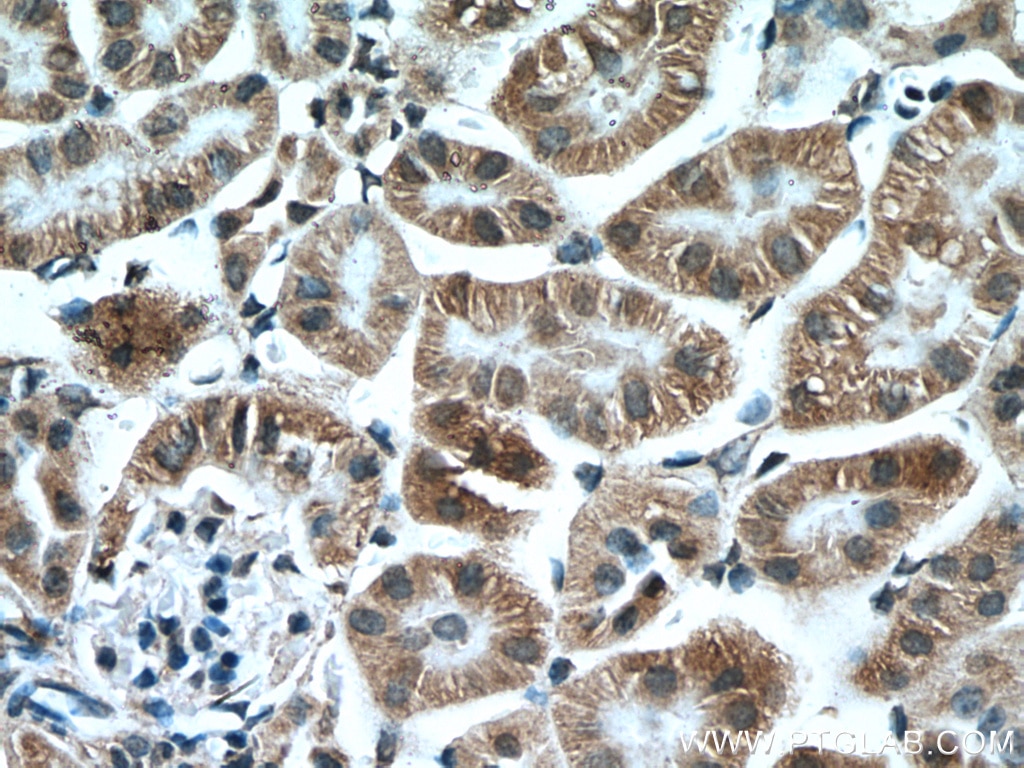
| Positive IHC detected in | mouse cerebellum tissue, mouse kidney tissue Note: suggested antigen retrieval with TE buffer pH 9.0; (*) Alternatively, antigen retrieval may be performed with citrate buffer pH 6.0 |
Recommended dilution
| Application | Dilution |
|---|---|
| Western Blot (WB) | WB : 1:1000-1:4000 |
| Immunohistochemistry (IHC) | IHC : 1:50-1:500 |
| It is recommended that this reagent should be titrated in each testing system to obtain optimal results. | |
| Sample-dependent, Check data in validation data gallery. | |
Product Information
55082-1-AP targets MTCO3 in WB, IHC, IF, ELISA applications and shows reactivity with human, mouse, rat samples.
| Tested Reactivity | human, mouse, rat |
| Cited Reactivity | human, mouse, rat |
| Host / Isotype | Rabbit / IgG |
| Class | Polyclonal |
| Type | Antibody |
| Immunogen |
Peptide Predict reactive species |
| Full Name | cytochrome c oxidase III |
| Calculated Molecular Weight | 30 kDa |
| Observed Molecular Weight | 32-35 kDa |
| GenBank Accession Number | YP_003024032 |
| Gene Symbol | MTCO3 |
| Gene ID (NCBI) | 4514 |
| RRID | AB_2881265 |
| Conjugate | Unconjugated |
| Form | Liquid |
| Purification Method | Antigen affinity purification |
| UNIPROT ID | P00414 |
| Storage Buffer | PBS with 0.02% sodium azide and 50% glycerol, pH 7.3. |
| Storage Conditions | Store at -20°C. Stable for one year after shipment. Aliquoting is unnecessary for -20oC storage. 20ul sizes contain 0.1% BSA. |
Background Information
MTCO3 (cytochrome c oxidase subunit III) is a mitochondrial DNA encoded subunit of respiratory Complex IV which is located within the mitochondrial inner membrane and is the final enzyme of the electron transport chain of mitochondrial oxidative phosphorylation. The predicted MW of MTCO3 is 30 kDa, while it had been observed as 23 kDa in some papers (PMID: 17557076).
Protocols
| Product Specific Protocols | |
|---|---|
| IHC protocol for MTCO3 antibody 55082-1-AP | Download protocol |
| WB protocol for MTCO3 antibody 55082-1-AP | Download protocol |
| Standard Protocols | |
|---|---|
| Click here to view our Standard Protocols |
Publications
What published studies show
The MTCO3 Polyclonal antibody (catalog number 55082-1-AP) has 33 citations. These appear in journals including Cell, Cell Metabolism, Cell Research, Nature Neuroscience, Nucleic Acids Research, Signal Transduction and Targeted Therapy, Bioactive Materials, Advanced Science, Molecular Psychiatry, Diabetes, Free Radical Biology and Medicine, Journal of Clinical Investigation Insight, International Journal of Molecular Sciences, iScience, Carcinogenesis, Neurological Diseases, Journal of Medical Genetics, Journal of Alzheimer's Disease, Human Molecular Genetics, and bioRxiv. Research fields span mitochondrial biology, oxidative phosphorylation, neurodegeneration, metabolism, cancer, and genetic disorders.
| Species | Application | Title |
|---|---|---|
Signal Transduct Target Ther Fructose directly remodels the translocase of the outer membrane to impair oxidative phosphorylation in podocytes | ||
Cell Dynamic mapping of proteome trafficking within and between living cells by TransitID | ||
Cell Metab Transketolase promotes MAFLD by limiting inosine-induced mitochondrial activity | ||
Cell Metab Aging-induced tRNAGlu-derived fragment impairs glutamate biosynthesis by targeting mitochondrial translation-dependent cristae organization | ||
Bioact Mater Targeted transplantation of engineered mitochondrial compound promotes functional recovery after spinal cord injury by enhancing macrophage phagocytosis |








