
Mouse VEGF ELISA Kit
Cat no : KE10220
Synonyms
VEGFA, L-VEGF , N-VEGF, Vascular Endothelial Growth Factor, Vascular endothelial growth factor A, long form
Validation Data Gallery
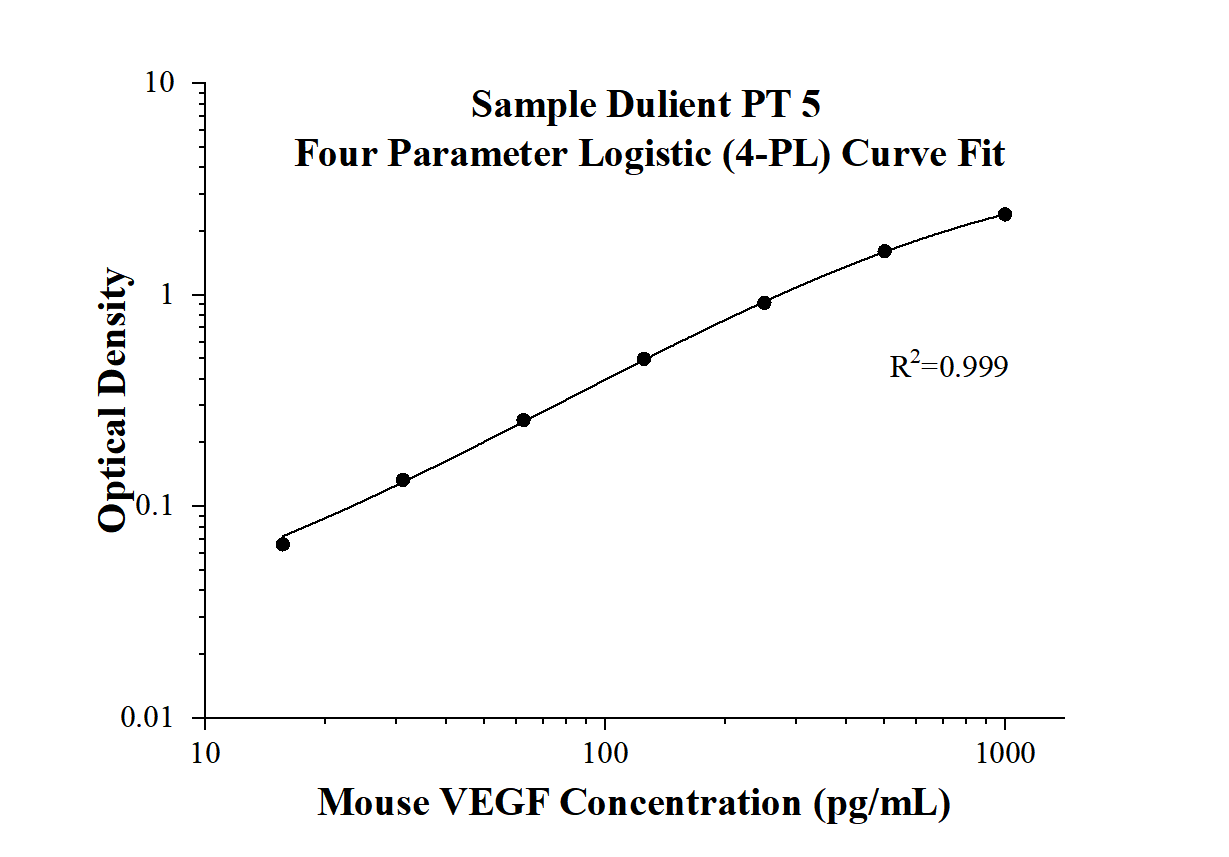
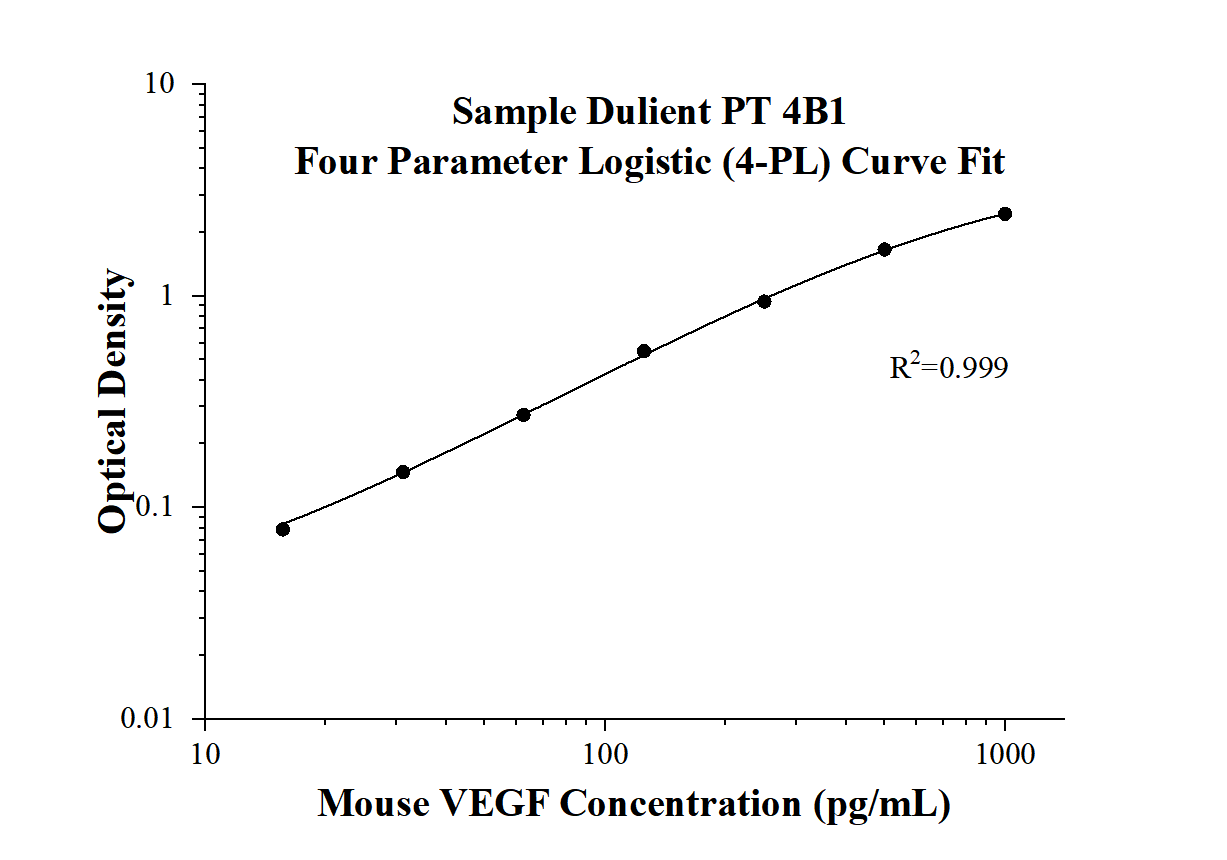
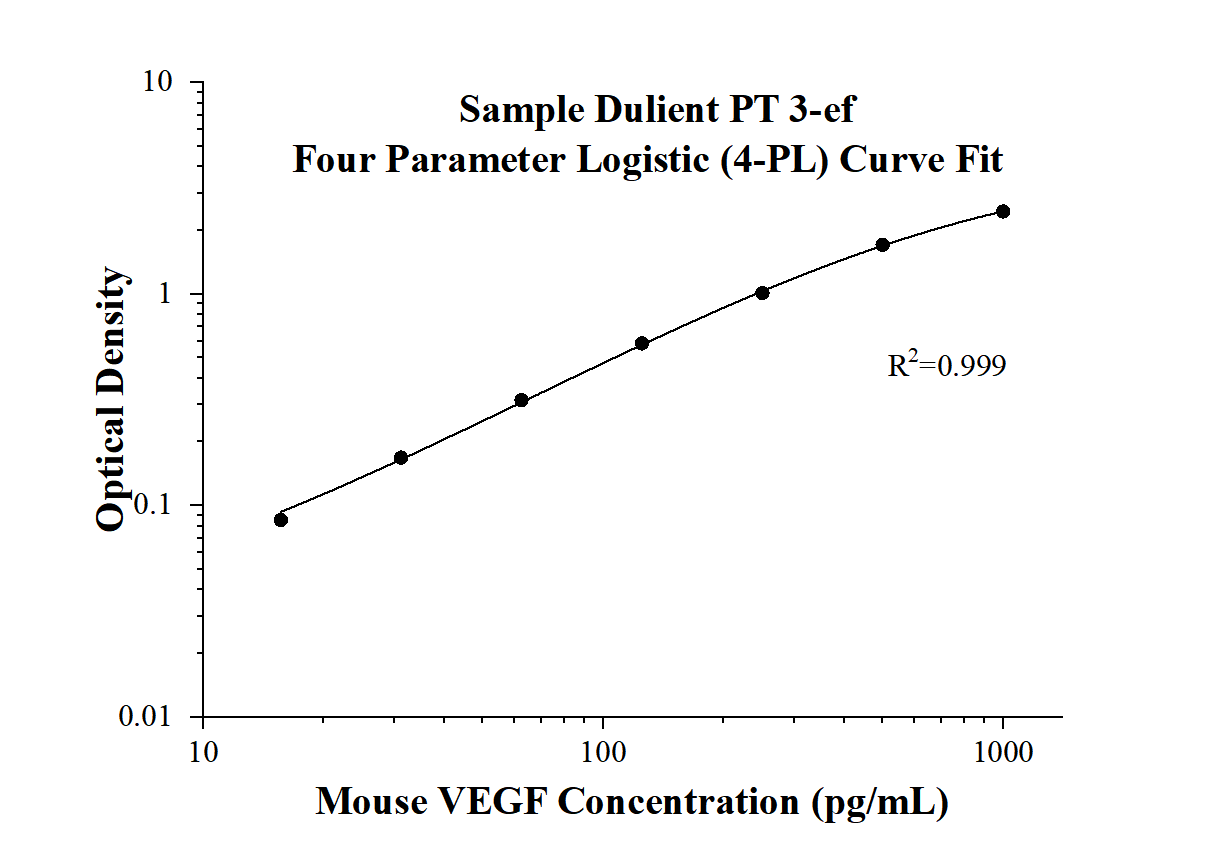
Product Information
KE10220 is a solid phase sandwich Enzyme Linked-Immuno-Sorbent Assay (Sandwich ELISA). The mouse VEGF ELISA kit is to be used to detect and quantify protein levels of endogenous mouse VEGF. The assay recognizes mouse VEGF. An antibody specific for mouse VEGF has been pre-coated onto the microwells. The mouse VEGF protein in samples is captured by the coated antibody after incubation. Following extensive washing, another antibody of biotinylated specific for mouse VEGF is added to detect the captured mouse VEGF protein. For signal development, Streptavidin-HRP is added, followed by Tetramethyl-benzidine (TMB) reagent. Solution containing sulfuric acid is used to stop color development and the color intensity which is proportional to the quantity of bound protein is measurable at 450 nm with the correction wavelength set at 630 nm.
| Product name | Mouse VEGF ELISA Kit |
| Tests | 1 X 96 well plate |
| Sample type | Serum, Plasma, Cell culture supernatant, Tissue lysate, Tissue homogenate |
| Assay type | Sandwich |
| Sensitivity | 4.9 pg/mL |
| Range | 15.6-1000 pg/mL |
| Reactivity | Mouse |
| Tested applications | Sandwich ELISA |
| Gene ID (NCBI) | 22339 |
Recovery
| Sample Type | Average | Range |
|---|---|---|
| Cell culture supernatant | 93% | 92%-94% |
| Tissue lysate | 94% | 93%-96% |
| Tissue homogenate | 97% | 91%-104% |
| Mouse serum | 77% | 72%-82% |
IntraAssay
| Sample | n | mean ( pg/mL) | SD | CV% |
|---|---|---|---|---|
| 1 | 8 | 520.7 | 22.0 | 4.2 |
| 2 | 8 | 140.3 | 9.0 | 6.4 |
| 3 | 8 | 67.9 | 3.7 | 5.4 |
InterAssay
| Sample | n | mean ( pg/mL) | SD | CV% |
|---|---|---|---|---|
| 1 | 16 | 547.4 | 44.8 | 8.2 |
| 2 | 16 | 141.6 | 8.3 | 5.9 |
| 3 | 16 | 72.0 | 5.2 | 7.2 |
Background Information
Vascular endothelial growth factor (VEGF), is a signal protein produced by cells that stimulates vasculogenesis and angiogenesis. It is part of the system that restores the oxygen supply to tissues when blood circulation is inadequate such as in hypoxic conditions. Serum concentration of VEGF is high in bronchial asthma and diabetes mellitus. The activities of VEGF are not limited to the vascular system; VEGF plays a role in normal physiological functions such as bone formation, hematopoiesis, wound healing, and development. Disruption of this gene in mice resulted in abnormal embryonic blood vessel formation. VEGF is upregulated in many known tumors and its expression is correlated with tumor stage and progression.
Properties
| Storage Instructions | All the reagents are stored at 2-8℃ for 6 months or -20℃ for 12 months. Refer to the protocol for further storage instructions. |
| Synonyms | VEGFA, L-VEGF , N-VEGF, Vascular Endothelial Growth Factor, Vascular endothelial growth factor A, long form |
FAQ
1、I have limited sample diluent. How should I handle samples requiring high dilution factors?
Answer: We recommend performing a serial dilution. For example, if human serum requires a 1,000,000-fold dilution, you can use a three-step 100× dilution method as follows:
Step 1: Take 2 uL of human serum and add it to 198 uL of sample diluent, mix thoroughly to obtain a 100-fold diluted sample.
Step 2: Take 2 uL of the 100-fold diluted sample and add it to 198 uL of sample diluent, mix thoroughly to obtain a 10,000-fold diluted sample.
Step 3: Take 2 uL of the 10,000-fold diluted sample and add it to 198 uL of sample diluent, mix thoroughly to obtain a 1,000,000-fold diluted sample.
If further dilution is required, additional serial steps can be used. We do not recommend using any other solutions or water for dilution, except for the sample diluent we suggest. If your sample diluent is still insufficient, please contact our customer service for more sample diluent.
Publications
| Species | Sample Type | Title |
|---|---|---|
Int J Mol Sci Betulinic Acid and Betulin Suppress Melanoma Growth by Modulating Apoptosis and Autophagy via PI3K/AKT/mTOR and MAPK Pathways. |