


Tested Applications
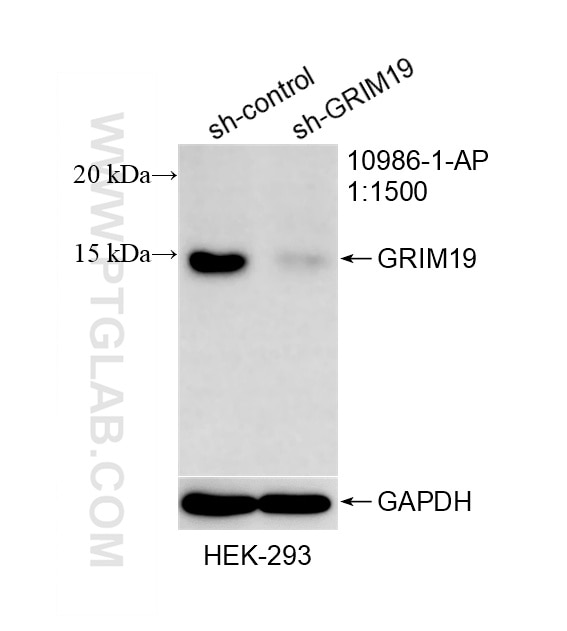
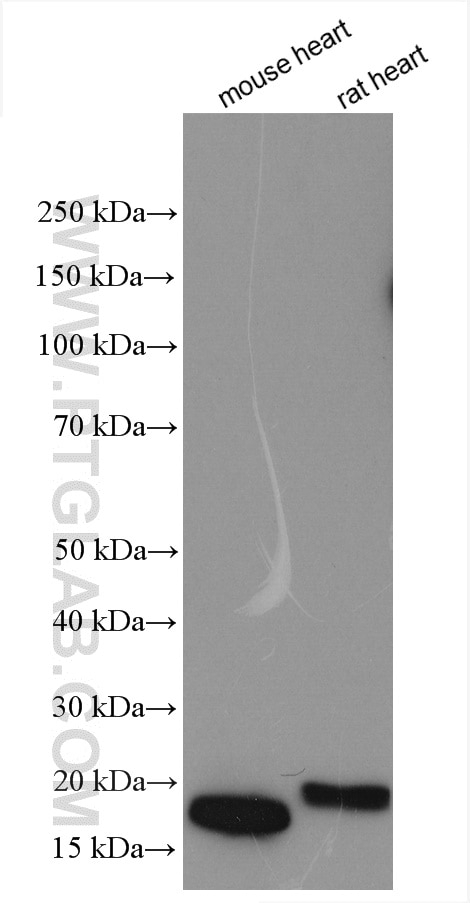
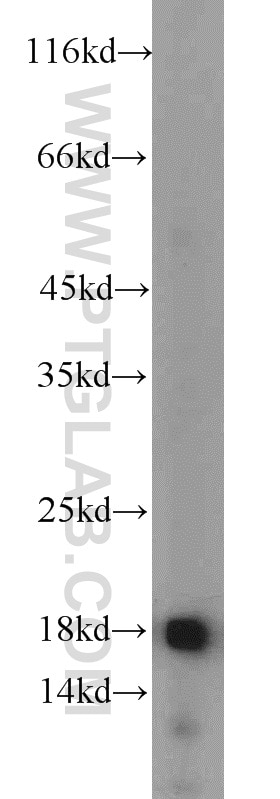
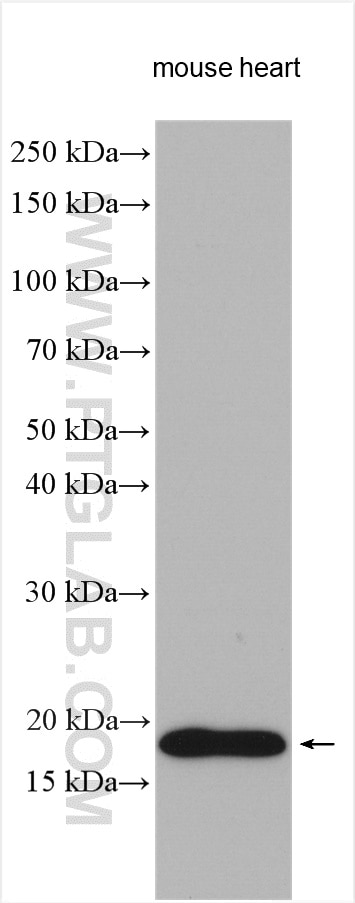
| Positive WB detected in | mouse heart tissue, HEK-293 cells, MCF-7 cells, rat heart tissue |
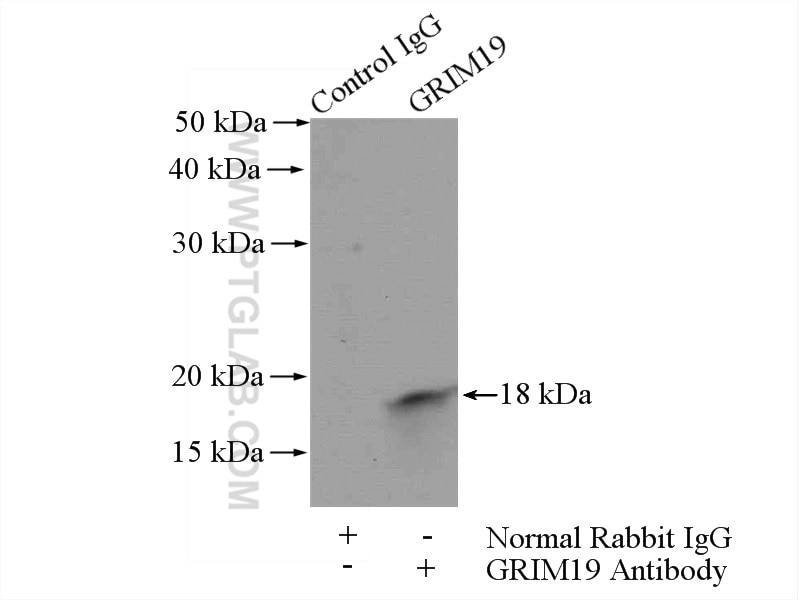
| Positive IP detected in | HEK-293 cells |
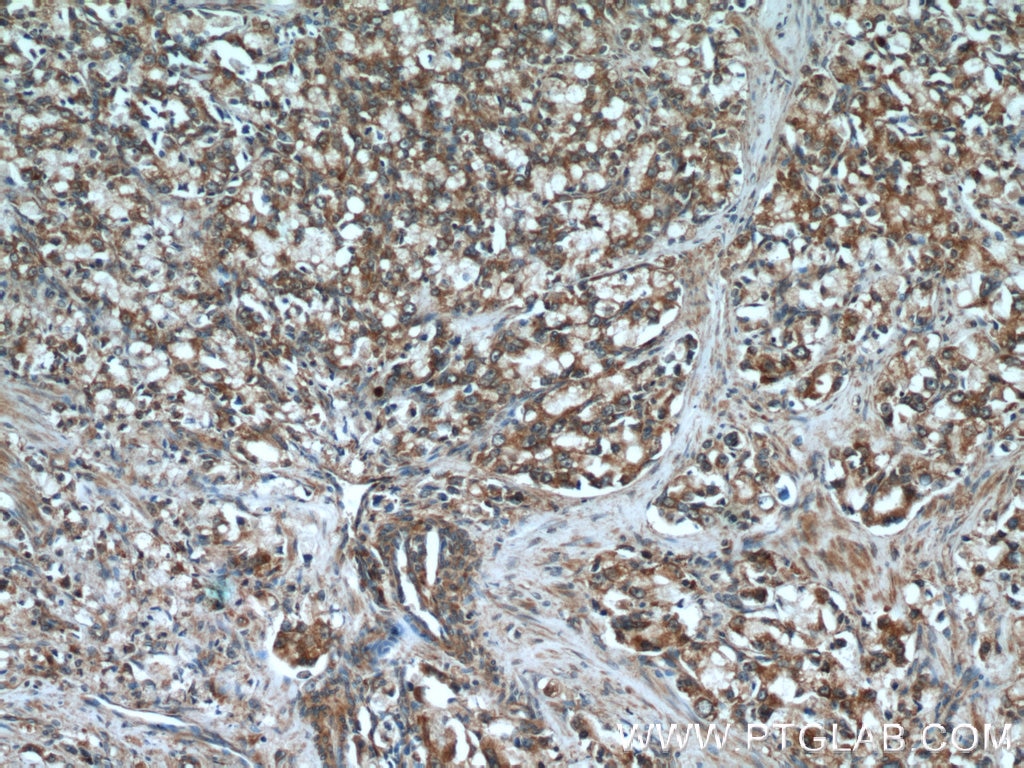
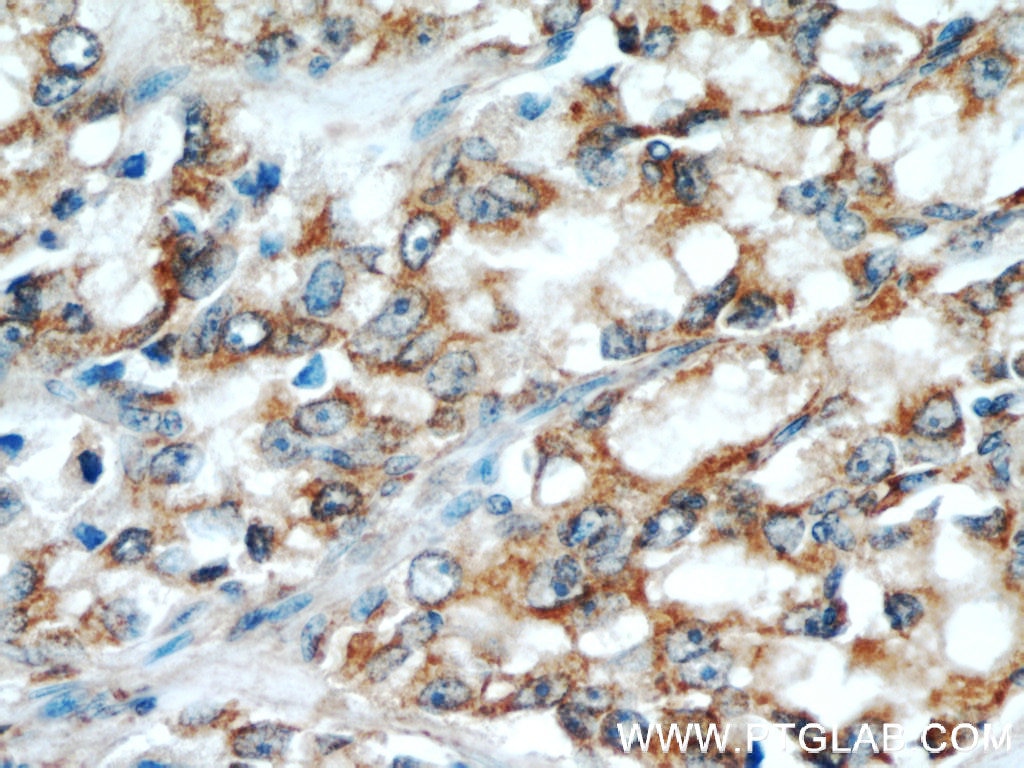
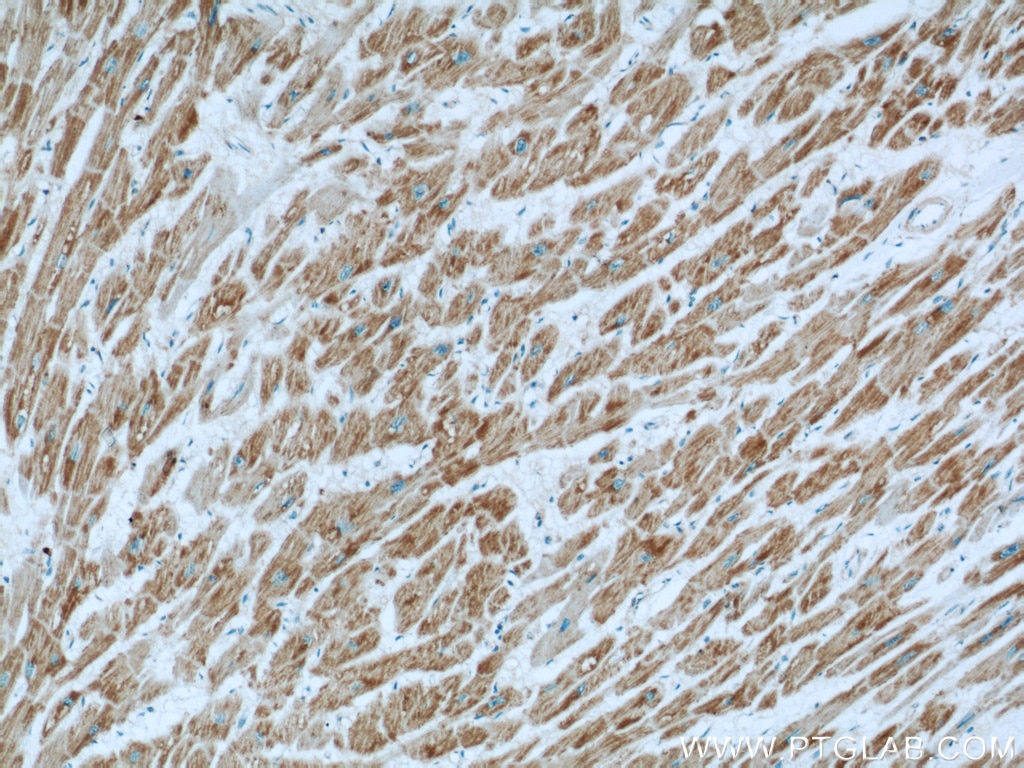
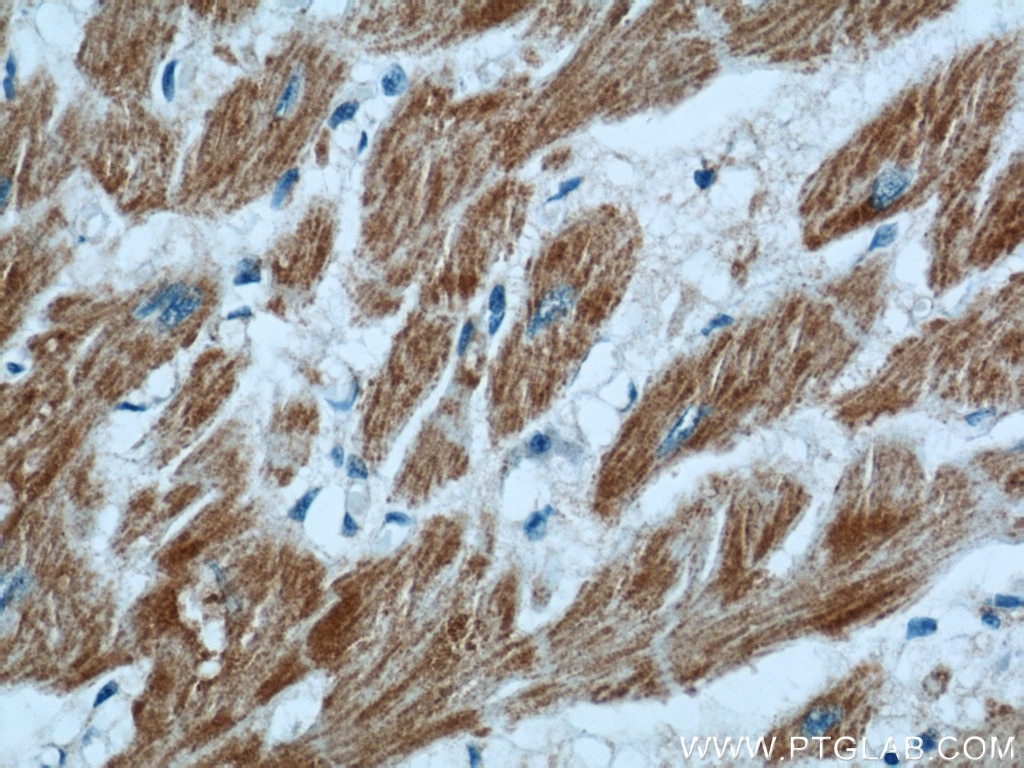
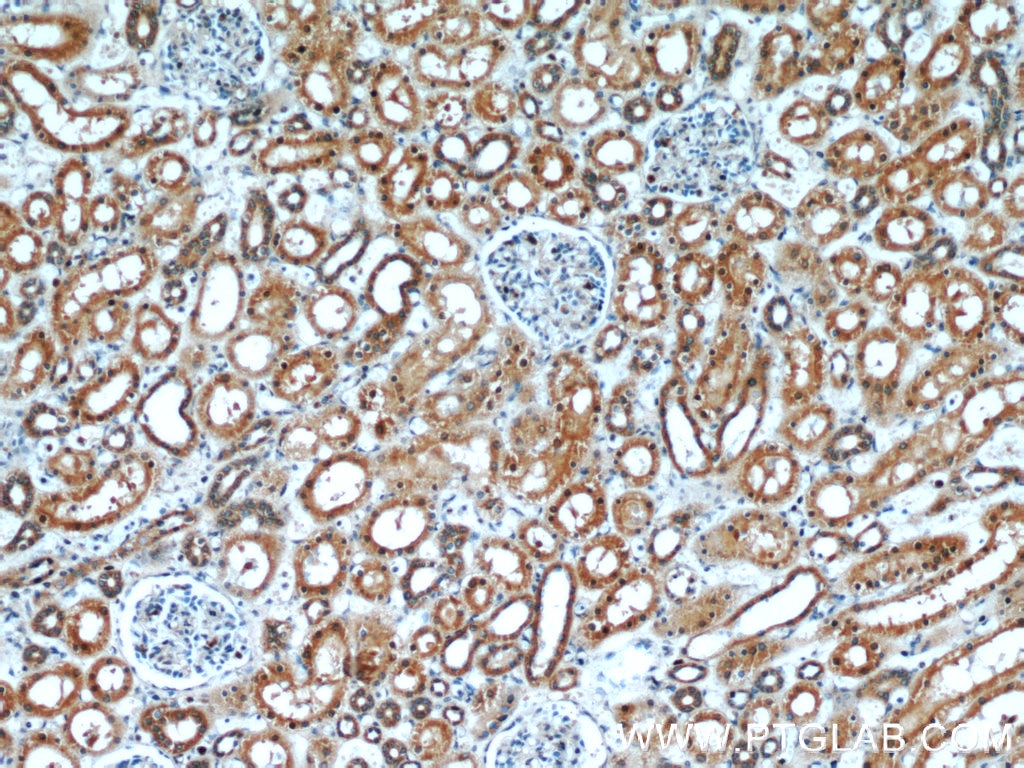
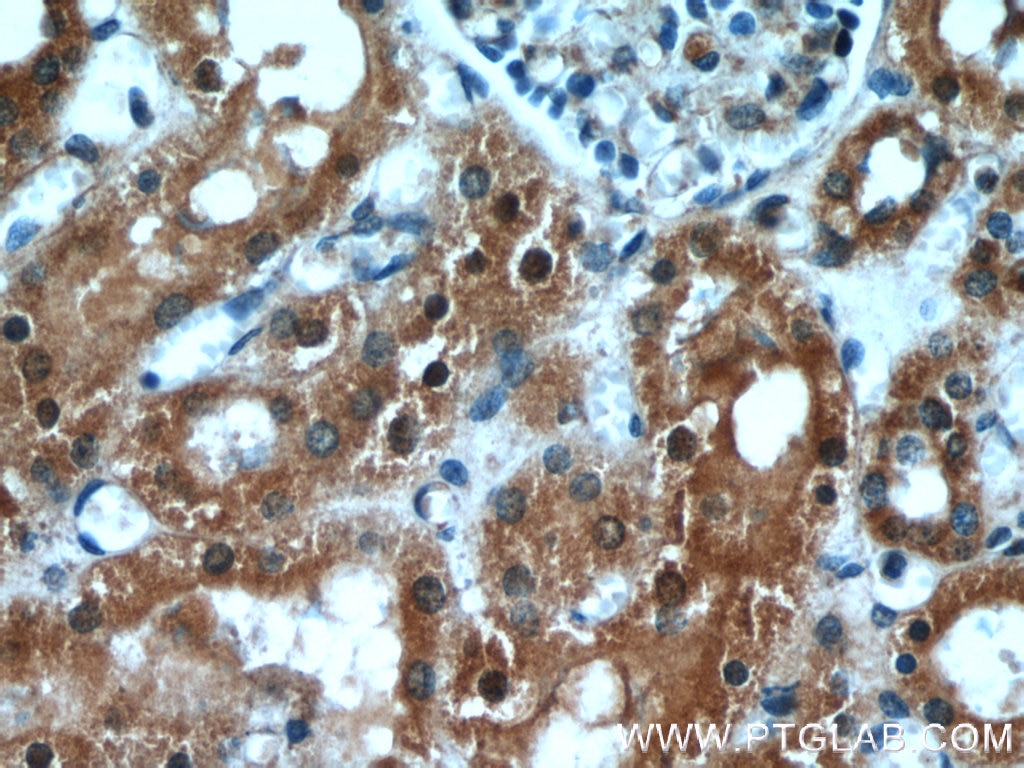
| Positive IHC detected in | human prostate cancer tissue, human heart tissue, human kidney tissue Note: suggested antigen retrieval with TE buffer pH 9.0; (*) Alternatively, antigen retrieval may be performed with citrate buffer pH 6.0 |
Recommended dilution
| Application | Dilution |
|---|---|
| Western Blot (WB) | WB : 1:1000-1:4000 |
| Immunoprecipitation (IP) | IP : 0.5-4.0 ug for 1.0-3.0 mg of total protein lysate |
| Immunohistochemistry (IHC) | IHC : 1:50-1:500 |
| It is recommended that this reagent should be titrated in each testing system to obtain optimal results. | |
| Sample-dependent, Check data in validation data gallery. | |
Product Information
10986-1-AP targets GRIM19 in WB, IHC, IF, IP, ELISA applications and shows reactivity with human, mouse, rat samples.
| Tested Reactivity | human, mouse, rat |
| Cited Reactivity | human, mouse, rat |
| Host / Isotype | Rabbit / IgG |
| Class | Polyclonal |
| Type | Antibody |
| Immunogen |
CatNo: Ag1435 Product name: Recombinant human GRIM19 protein Source: e coli.-derived, PGEX-4T Tag: GST Domain: 1-144 aa of BC009189 Sequence: MAASKVKQDMPPPGGYGPIDYKRNLPRRGLSGYSMLAIGIGTLIYGHWSIMKWNRERRRLQIEDFEARIALLPLLQAETDRRTLQMLRENLEEEAIIMKDVPDWKVGESVFHTTRWVPPLIGELYGLRTTEEALHASHGFMWYT Predict reactive species |
| Full Name | NADH dehydrogenase (ubiquinone) 1 alpha subcomplex, 13 |
| Calculated Molecular Weight | 16.5 kDa |
| Observed Molecular Weight | 16-18 kDa |
| GenBank Accession Number | BC009189 |
| Gene Symbol | GRIM19 |
| Gene ID (NCBI) | 51079 |
| RRID | AB_2150609 |
| Conjugate | Unconjugated |
| Form | Liquid |
| Purification Method | Antigen affinity purification |
| UNIPROT ID | Q9P0J0 |
| Storage Buffer | PBS with 0.02% sodium azide and 50% glycerol, pH 7.3. |
| Storage Conditions | Store at -20°C. Stable for one year after shipment. Aliquoting is unnecessary for -20oC storage. 20ul sizes contain 0.1% BSA. |
Background Information
GRIM19(Gene associated with retinoic and interferon-induced mortality 19 protein) is also named as NDUFA13 ,CI-B16.6 and belongs to the complex I NDUFA13 subunit family. GRIM-19 may distribute in the mitochondria and/or nucleus depending on the cell type.Alternatively, its cellular localization may be regulated by post-translational modifications such as phosphorylation and acetylation. Lastly, GRIM-19 may exist in different isoforms that may be distributed in distinct cellular locations(PMID:12628925).
Protocols
| Product Specific Protocols | |
|---|---|
| IHC protocol for GRIM19 antibody 10986-1-AP | Download protocol |
| IP protocol for GRIM19 antibody 10986-1-AP | Download protocol |
| WB protocol for GRIM19 antibody 10986-1-AP | Download protocol |
| Standard Protocols | |
|---|---|
| Click here to view our Standard Protocols |
Publications
What published studies show
The GRIM-19 (NDUFA13) antibody, catalog number 10986-1-AP, has 19 citations spanning journals including Nature Metabolism, Theranostics, Developmental Cell, Cell & Molecular Life Sciences, iScience, EMBO Reports, and BMC Biology. Research fields covered include mitochondrial respiration, cancer (glioblastoma, colorectal, bladder, renal cell carcinoma), cardiac remodeling, kidney fibrosis, neuroinflammation, RNA modification, gene therapy, and cell division. Applications are predominantly WB and IHC.
| Species | Application | Title |
|---|---|---|
Theranostics Nitric oxide-primed engineered extracellular vesicles restore bioenergetics in acute kidney injury via mitochondrial transfer | ||
Dev Cell PDGF signaling inhibits mitophagy in glioblastoma stem cells through N6-methyladenosine. | ||
Int J Mol Med Moderate downregulation of NDUFA13 promotes cardiomyocytes proliferation and heart regeneration through the glycolysis/c‑Myc/Ccnd1 axis. | ||
Phytother Res Icariside II prevents kidney fibrosis development in chronic kidney disease by promoting fatty acid oxidation | ||
Int J Oncol Atrazine promotes RM1 prostate cancer cell proliferation by activating STAT3 signaling. |
Reviews
What customers say
Users report mixed results for this antibody in Western Blot on fibroblasts at 1:1000 dilution. Two reviewers gave 5-star ratings, noting a diffuse band at the expected size (requiring 2 hours RT incubation) and consistent signal intensity between replicates. One reviewer gave 2 stars, describing the band as difficult to see with inconsistent performance across runs. Overall, results appear variable, with some users achieving reliable detection while others experienced weak or inconsistent signals.
The reviews below have been submitted by verified Proteintech customers who received an incentive for providing their feedback.
Matthieu (Verified Customer) (09-24-2025) | Bande diffuse à la taille attendu - Nécessite 2h d'incubation à RT
|
Emilie (Verified Customer) (09-24-2025) | Delivered consistent signal intensity between replicates.
|
Manon (Verified Customer) (09-19-2025) | Difficult to see the band, sometimes it works sometimes not
|













