

Tested Applications
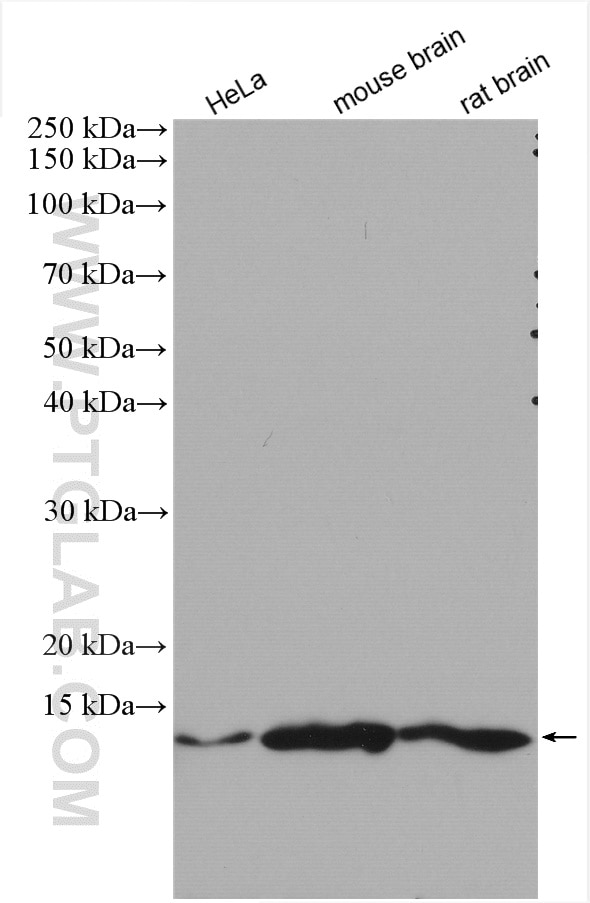
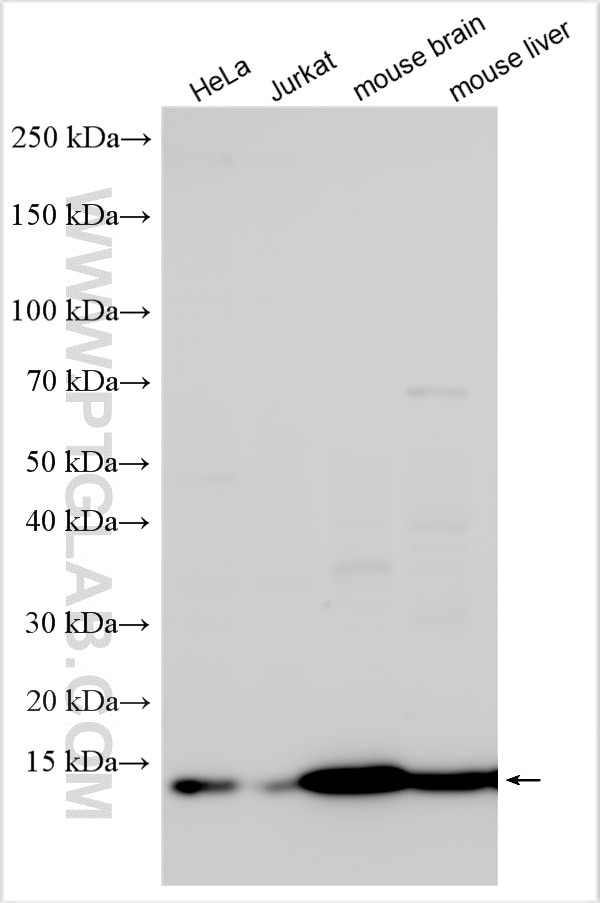
| Positive WB detected in | HeLa cells, mouse brain tissue, rat brain tissue, Jurkat cells, mouse liver tissue |
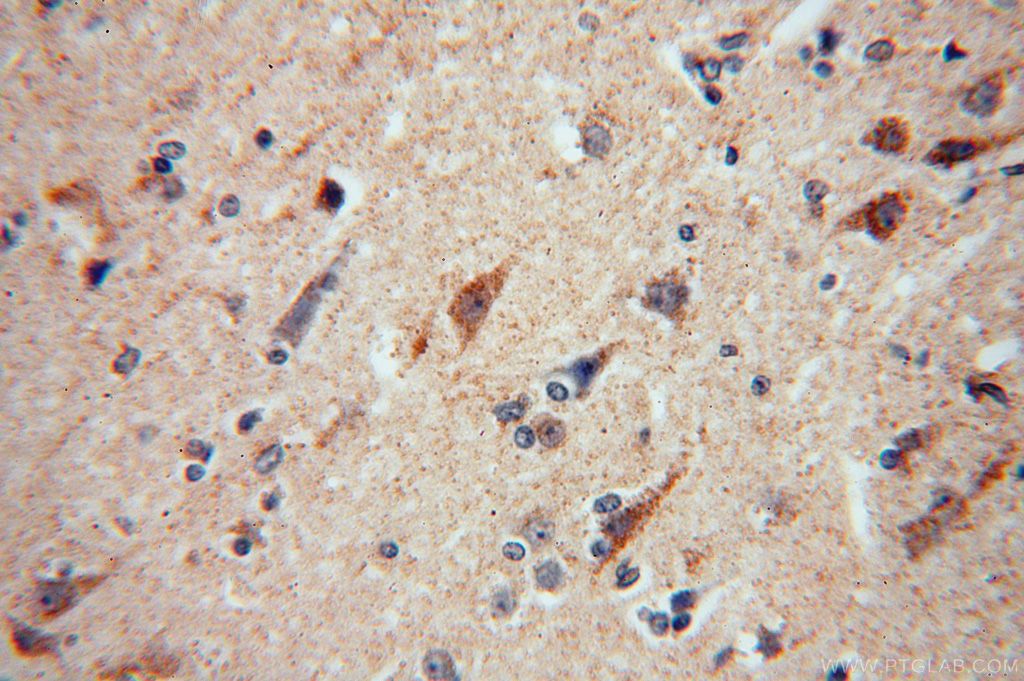
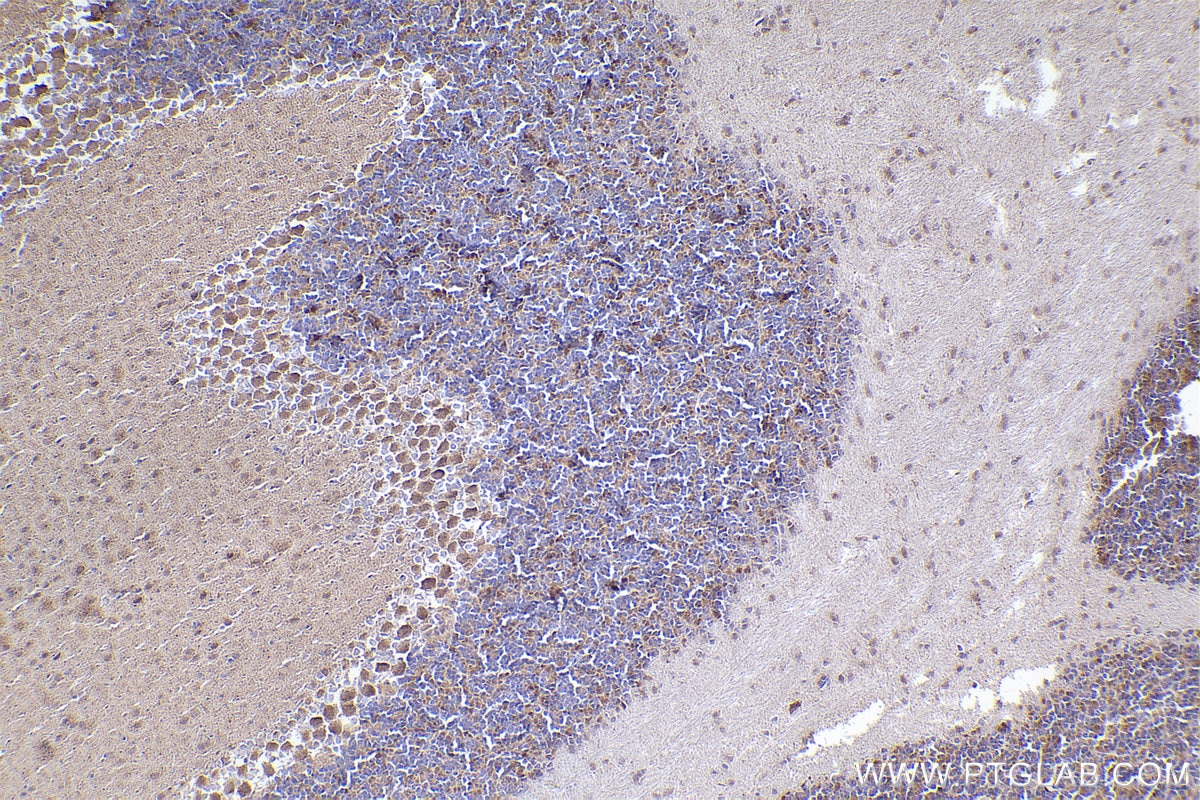
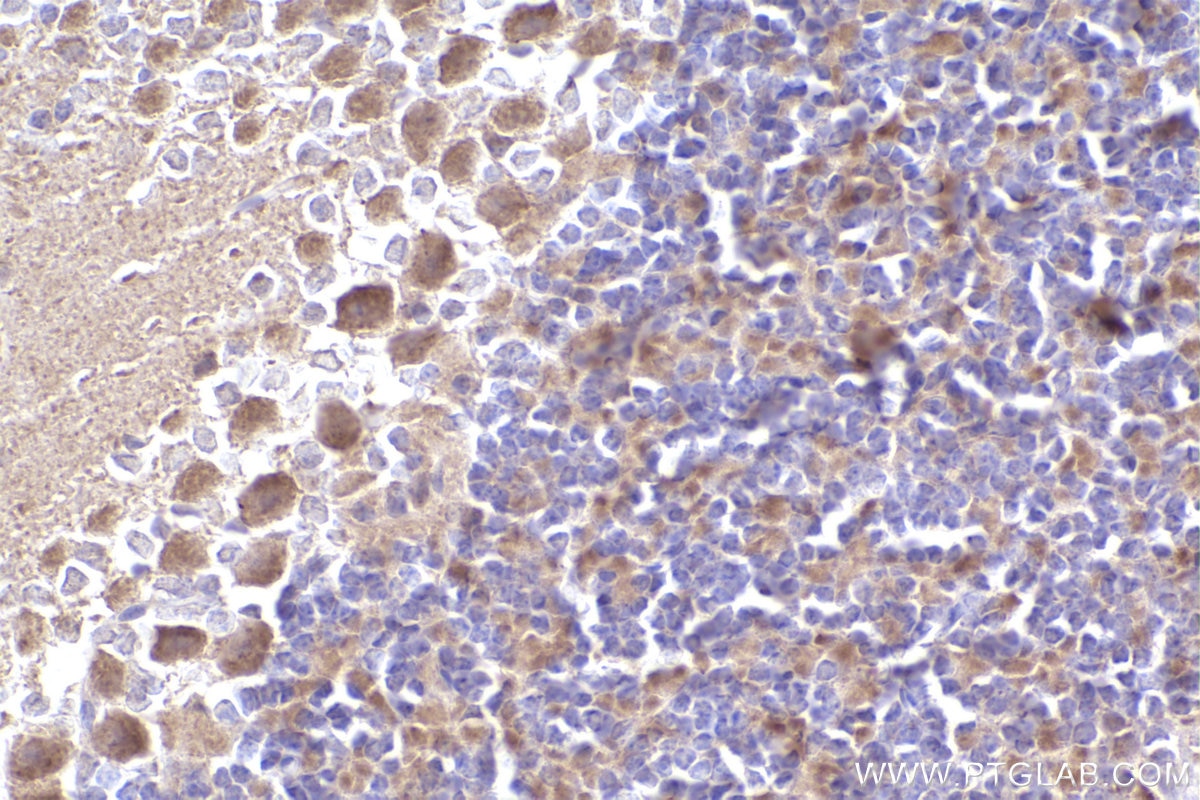
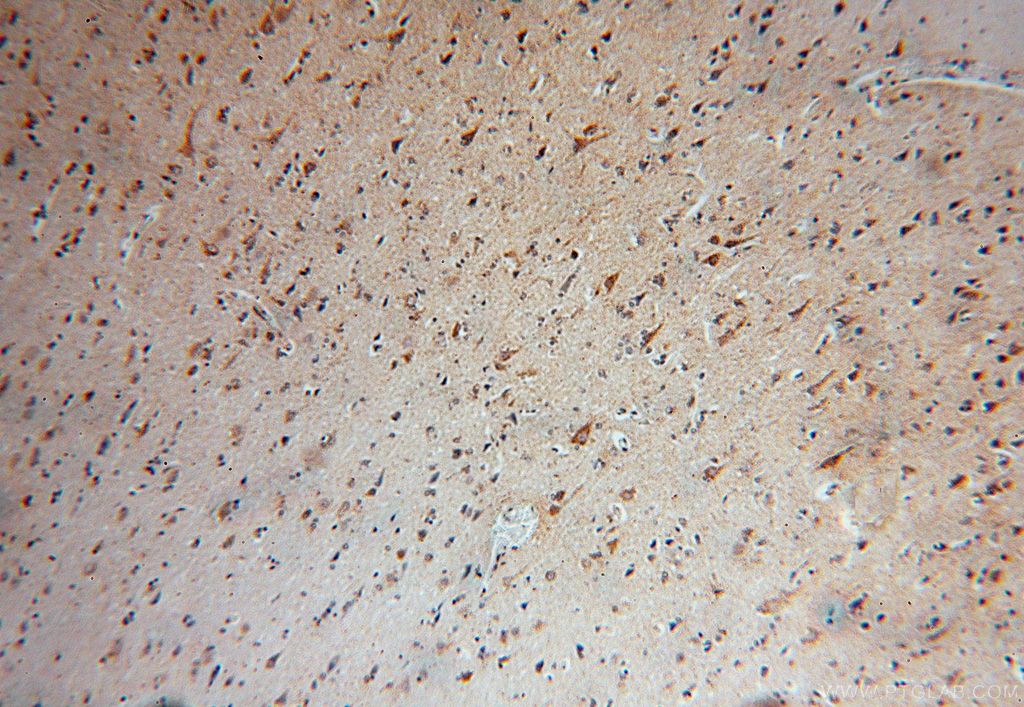
| Positive IHC detected in | mouse cerebellum tissue, human brain tissue Note: suggested antigen retrieval with TE buffer pH 9.0; (*) Alternatively, antigen retrieval may be performed with citrate buffer pH 6.0 |
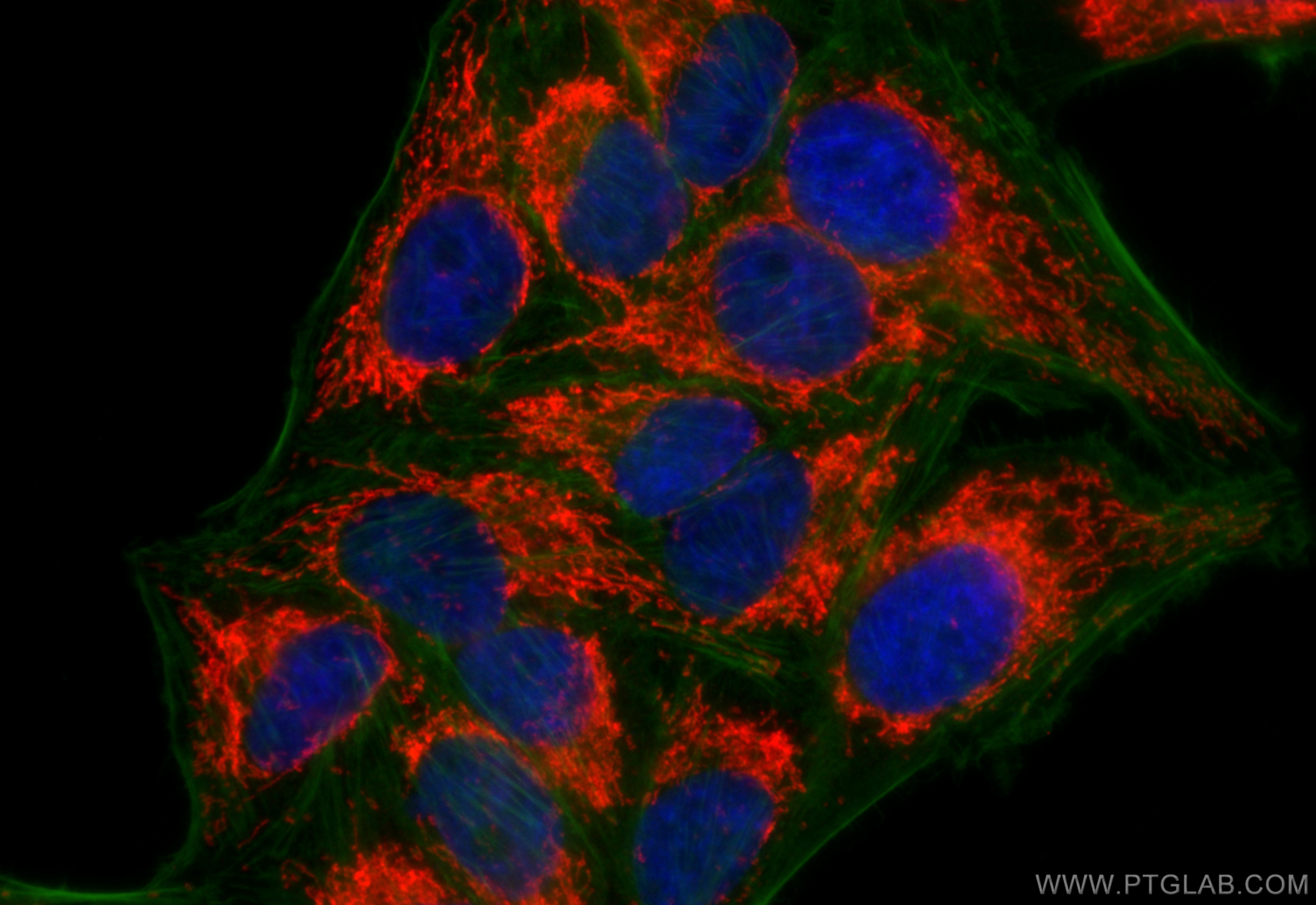
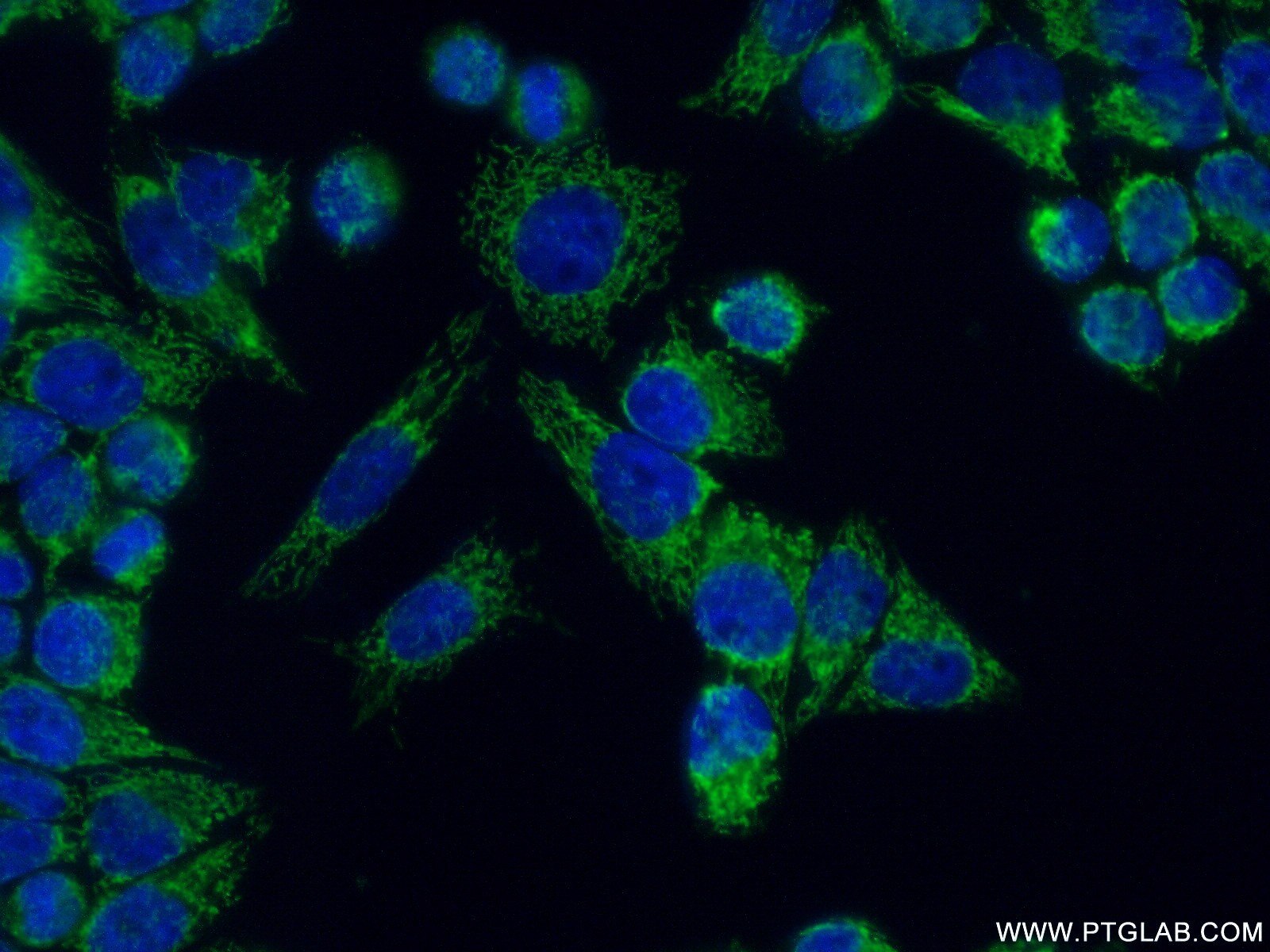
| Positive IF/ICC detected in | HepG2 cells, HeLa cells |
Recommended dilution
| Application | Dilution |
|---|---|
| Western Blot (WB) | WB : 1:1000-1:6000 |
| Immunohistochemistry (IHC) | IHC : 1:50-1:500 |
| Immunofluorescence (IF)/ICC | IF/ICC : 1:50-1:500 |
| It is recommended that this reagent should be titrated in each testing system to obtain optimal results. | |
| Sample-dependent, Check data in validation data gallery. | |
Product Information
16640-1-AP targets NDUFA5 in WB, IHC, IF/ICC, ELISA applications and shows reactivity with human, mouse, rat samples.
| Tested Reactivity | human, mouse, rat |
| Cited Reactivity | human, mouse, rat |
| Host / Isotype | Rabbit / IgG |
| Class | Polyclonal |
| Type | Antibody |
| Immunogen |
CatNo: Ag9995 Product name: Recombinant human NDUFA5 protein Source: e coli.-derived, PGEX-4T Tag: GST Domain: 1-116 aa of BC000813 Sequence: MAGVLKKTTGLVGLAVCNTPHERLRILYTKILDVLEEIPKNAAYRKYTEQITNEKLAMVKAEPDVKKLEDQLQGGQLEEVILQAEHELNLARKMREWKLWEPLVEEPPADQWKWPI Predict reactive species |
| Full Name | NADH dehydrogenase (ubiquinone) 1 alpha subcomplex, 5, 13kDa |
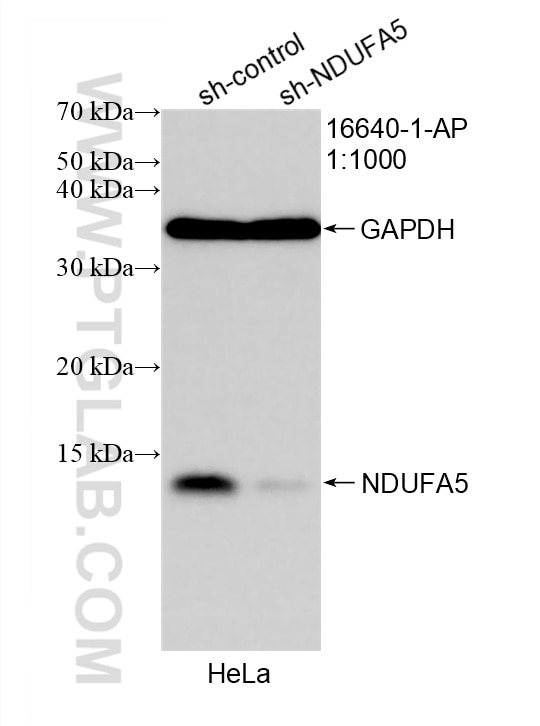
| Calculated Molecular Weight | 13 kDa |
| Observed Molecular Weight | 13 kDa |
| GenBank Accession Number | BC000813 |
| Gene Symbol | NDUFA5 |
| Gene ID (NCBI) | 4698 |
| RRID | AB_2251270 |
| Conjugate | Unconjugated |
| Form | Liquid |
| Purification Method | Antigen affinity purification |
| UNIPROT ID | Q16718 |
| Storage Buffer | PBS with 0.02% sodium azide and 50% glycerol, pH 7.3. |
| Storage Conditions | Store at -20°C. Stable for one year after shipment. Aliquoting is unnecessary for -20oC storage. 20ul sizes contain 0.1% BSA. |
Background Information
NDUFA5, also named as CI-13kD-B and NDUA5, belongs to the complex I NDUFA5 subunit family. It is accessory subunit of the mitochondrial membrane respiratory chain NADH dehydrogenase (Complex I) which functions in the transfer of electrons from NADH to the respiratory chain. NDUFA5,an enrichment of mitochondrial protein, can be used as a mitochondrial marker protein(PMID:21360670).
Protocols
| Product Specific Protocols | |
|---|---|
| IF protocol for NDUFA5 antibody 16640-1-AP | Download protocol |
| IHC protocol for NDUFA5 antibody 16640-1-AP | Download protocol |
| WB protocol for NDUFA5 antibody 16640-1-AP | Download protocol |
| Standard Protocols | |
|---|---|
| Click here to view our Standard Protocols |
Publications
What published studies show
The NDUFA5 Polyclonal antibody (Cat# 16640-1-AP) has 12 total citations published in journals including Nature Metabolism, Molecular Cell, EMBO Reports, Cancer Letters, iScience, Proteomics, Journal of Molecular Biology, International Journal of Molecular Sciences, and Translational Neurodegeneration. Associated research fields encompass mitochondrial biology, oncology (esophageal carcinoma, leukemia, drug resistance), neurodegeneration (Parkinson's disease), metabolic adaptation, cardiomyopathy, diabetic nephropathy, and exercise physiology. Applications were predominantly Western blot in human, mouse, and rat samples.
| Species | Application | Title |
|---|---|---|
Nat Metab Asparagine deprivation enhances T cell antitumour response in patients via ROS-mediated metabolic and signal adaptations | ||
Transl Neurodegener Deficient AMPK-SENP1-Sirt3 signaling impairs mitochondrial complex I function in Parkinson's disease model | ||
Mol Cell Identification of TMEM126A as OXA1L-interacting protein reveals cotranslational quality control in mitochondria | ||
EMBO Rep MITRAC15/COA1 promotes mitochondrial translation in a ND2 ribosome-nascent chain complex. | ||
Int J Mol Sci Quantitative Proteomics Analysis Reveals That Cyclooxygenase-2 Modulates Mitochondrial Respiratory Chain Complex IV in Cardiomyocytes |










