
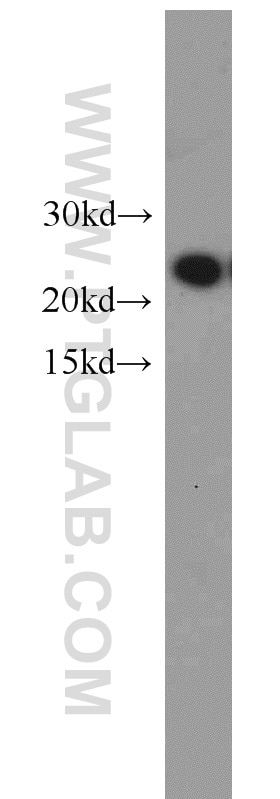
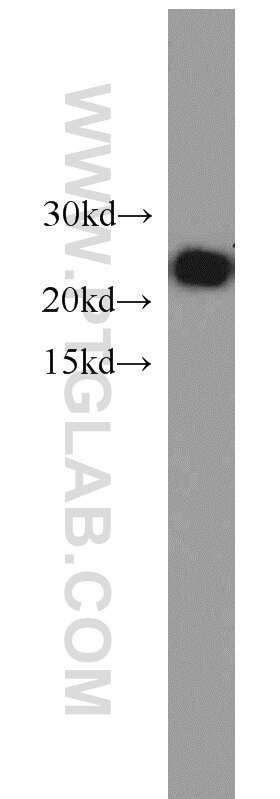
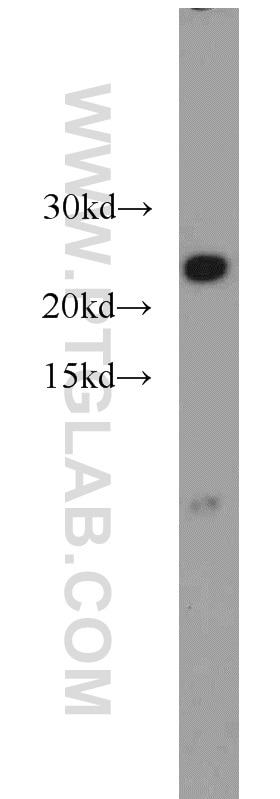
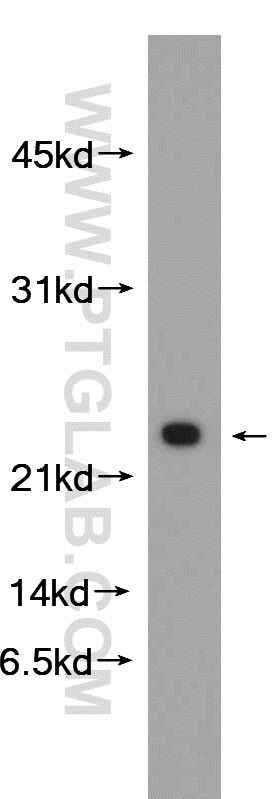



Tested Applications
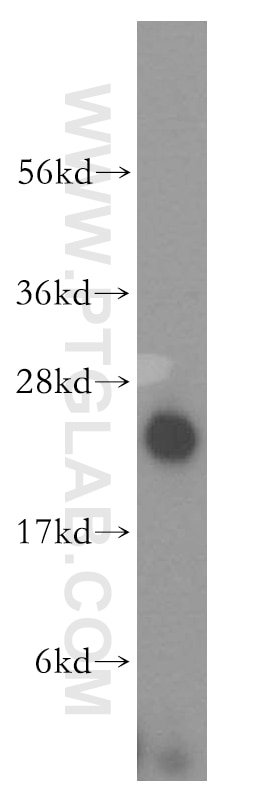
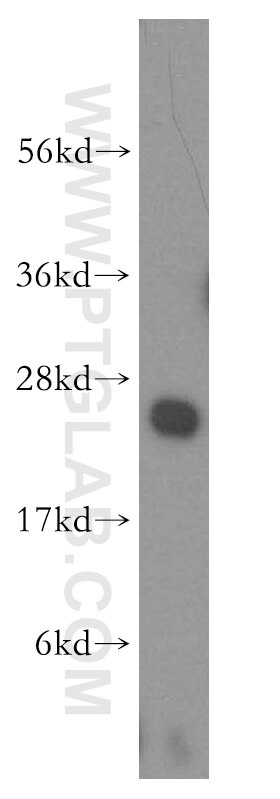
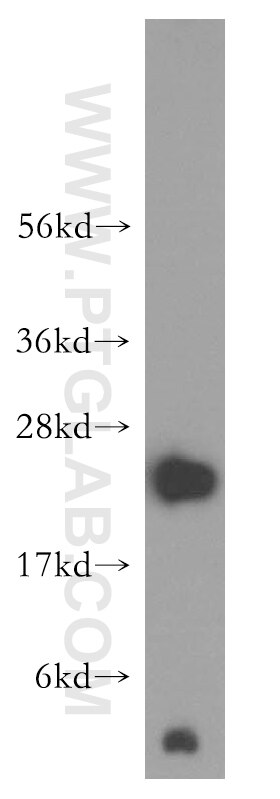
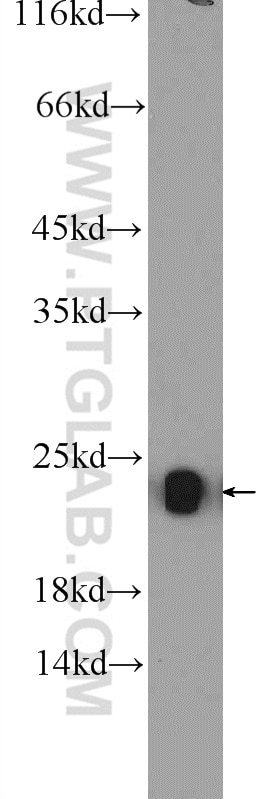
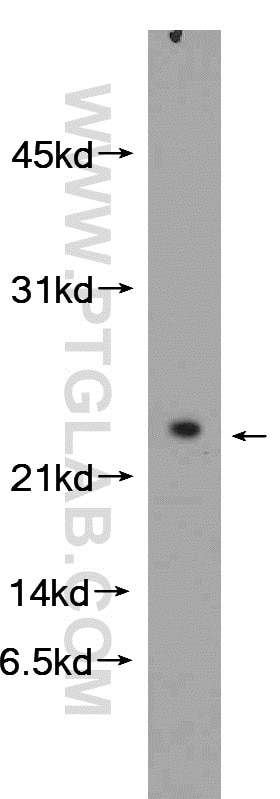
| Positive WB detected in | HepG2 cells, human skeletal muscle tissue, mouse liver tissue |
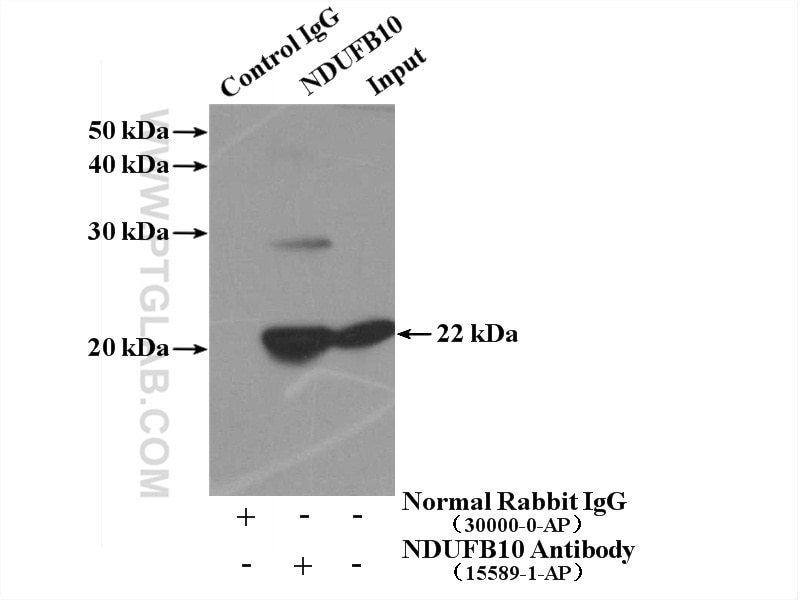
| Positive IP detected in | HepG2 cells |
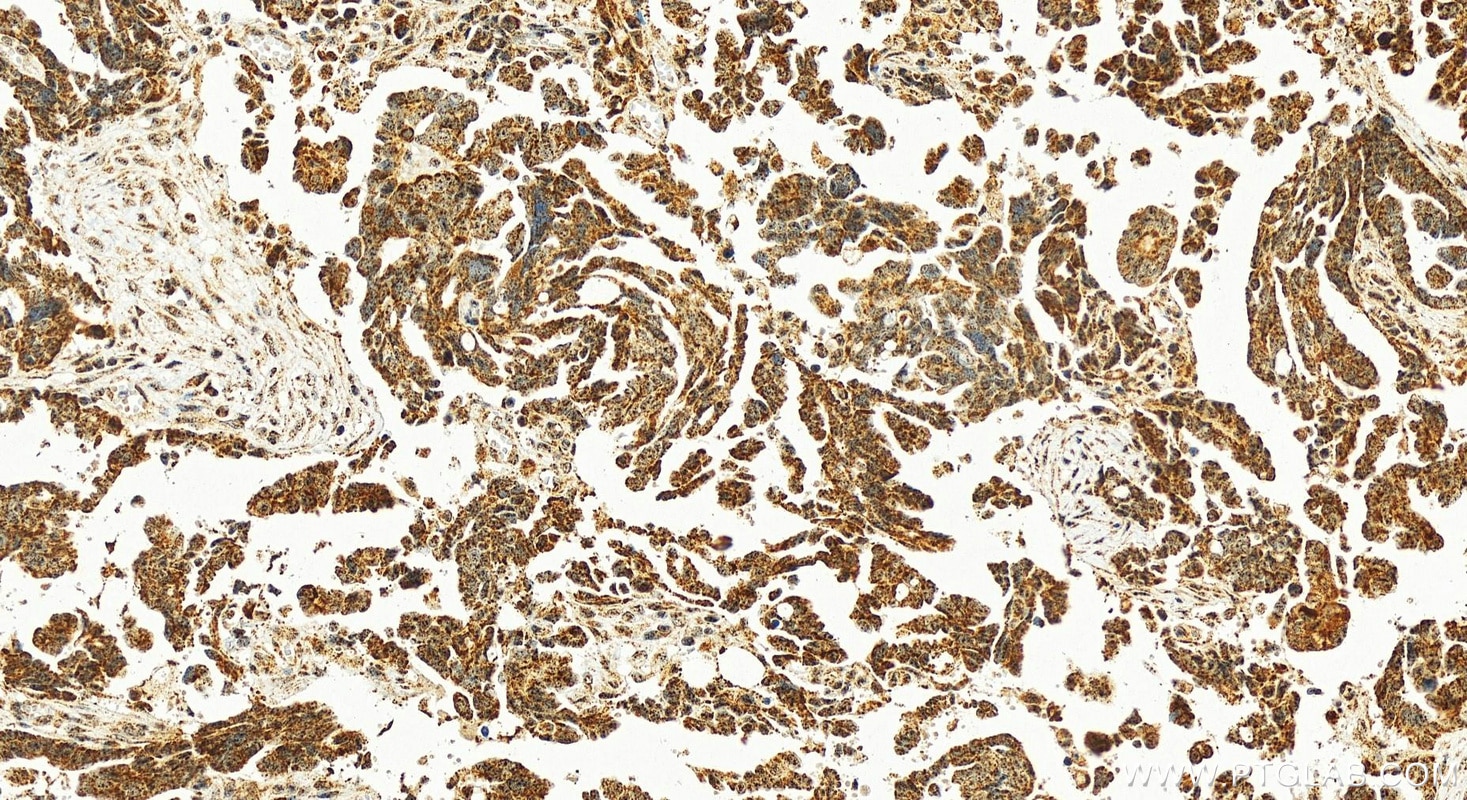
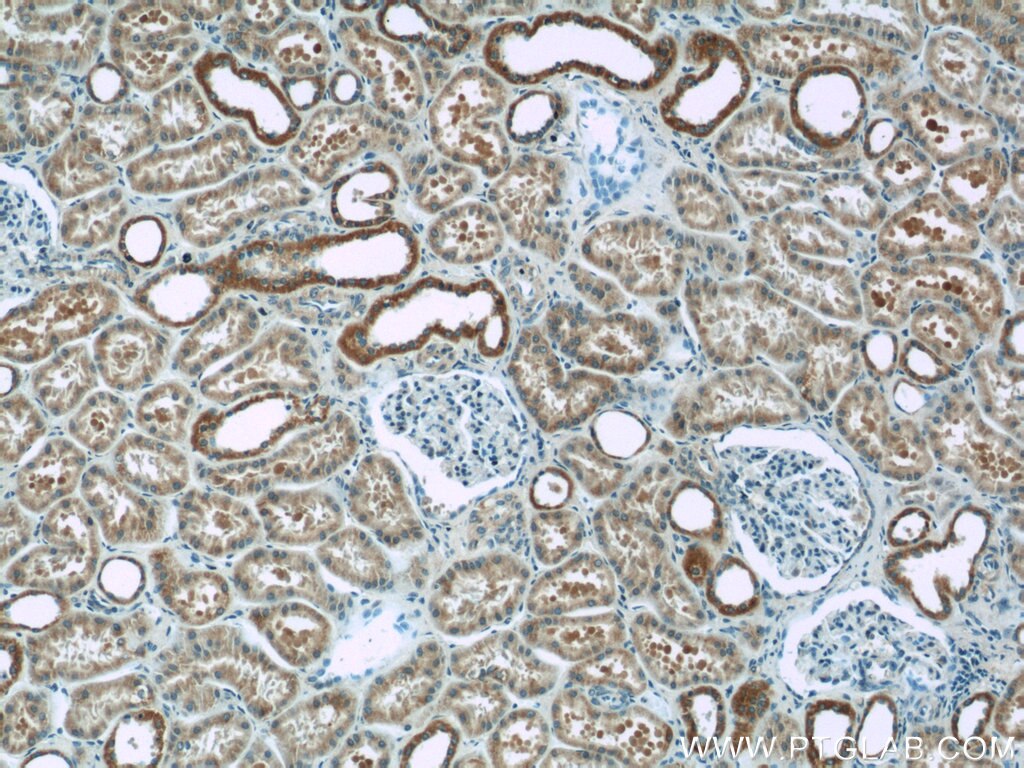
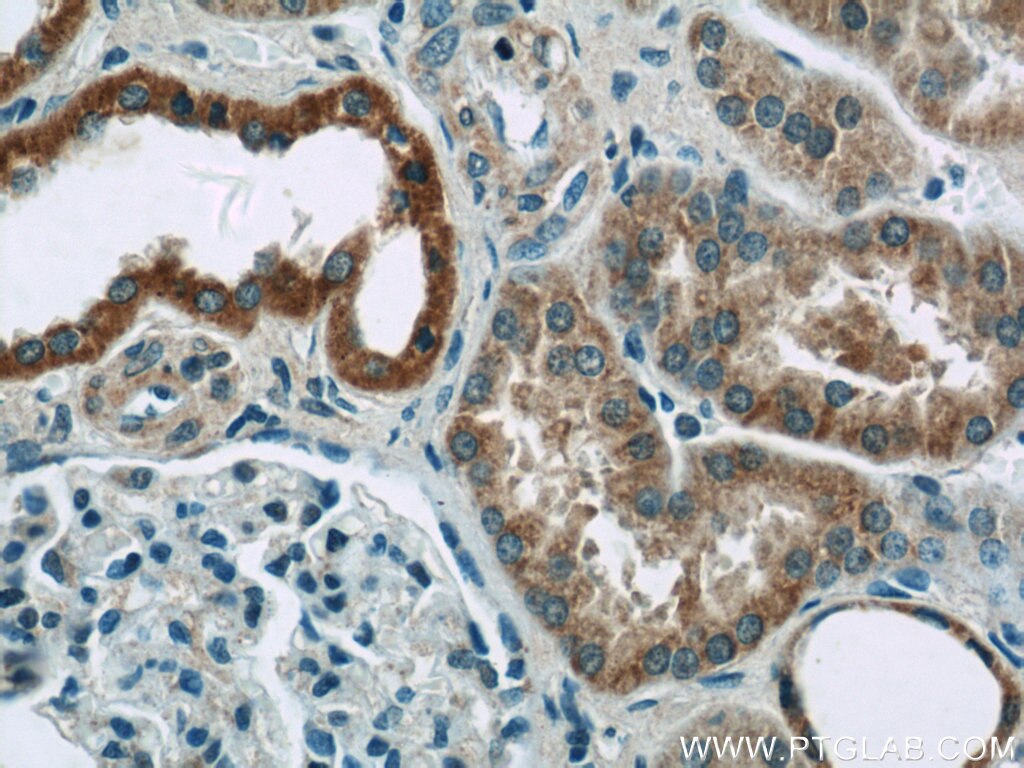
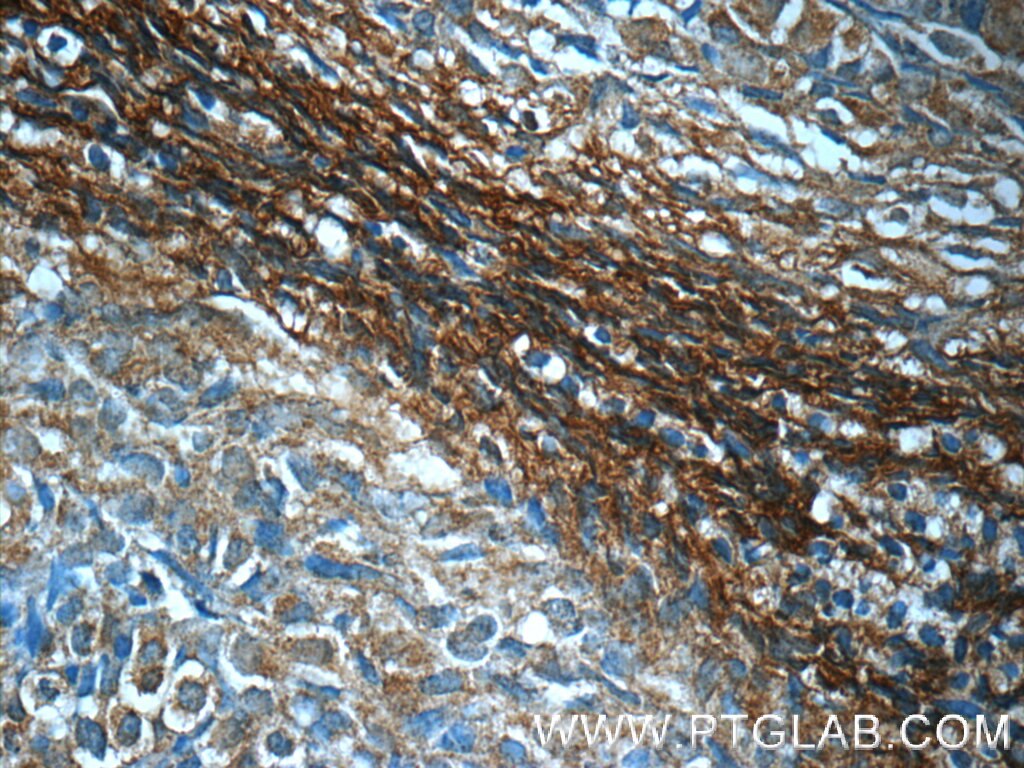
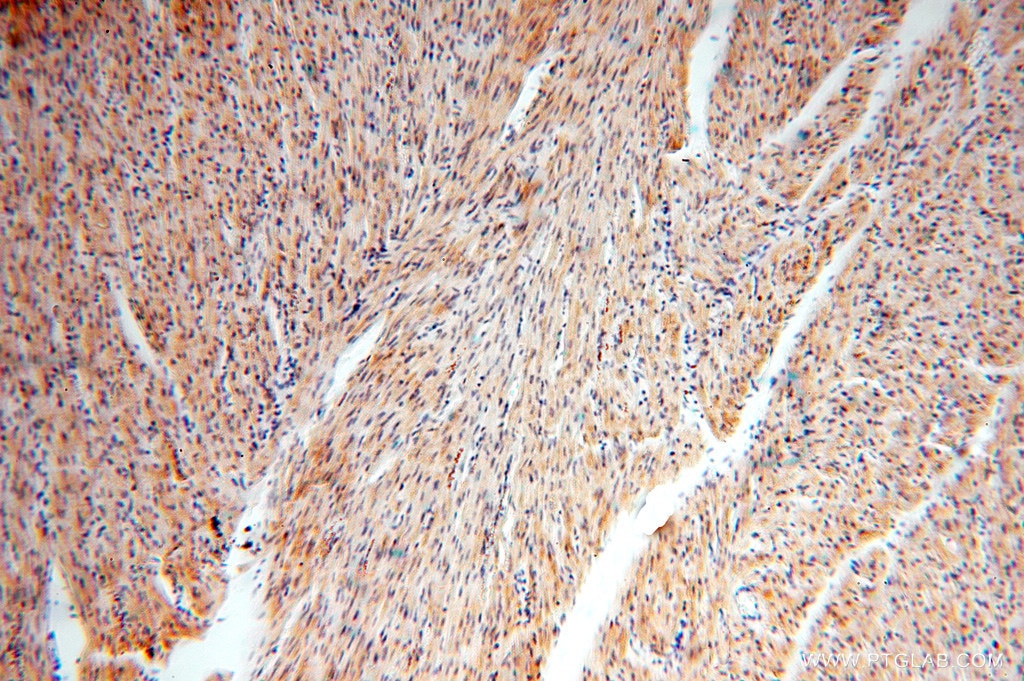
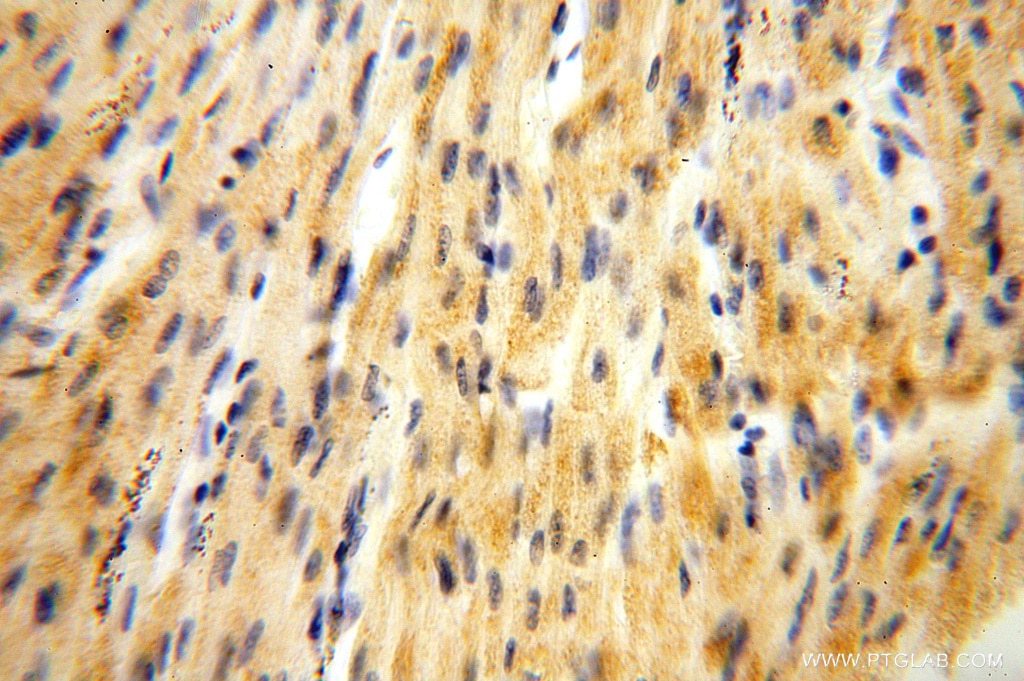
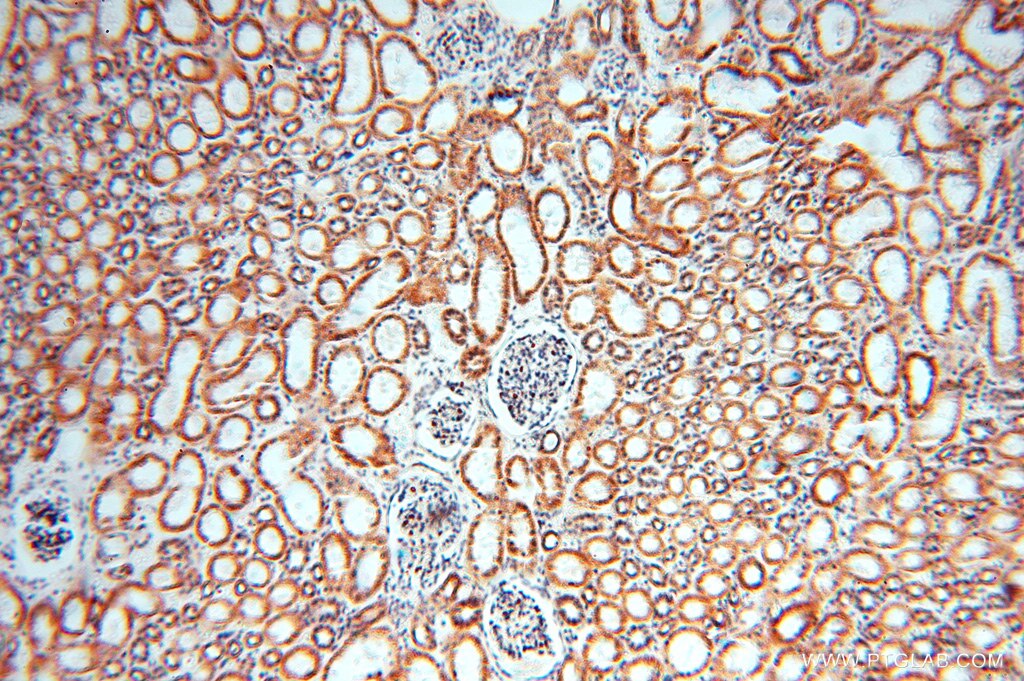
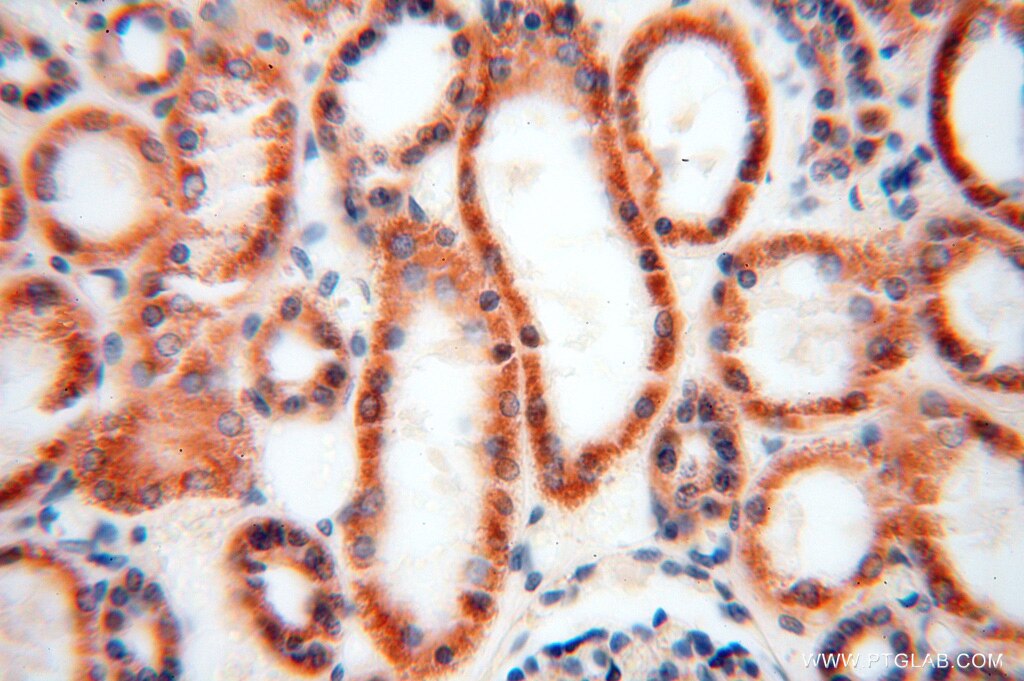
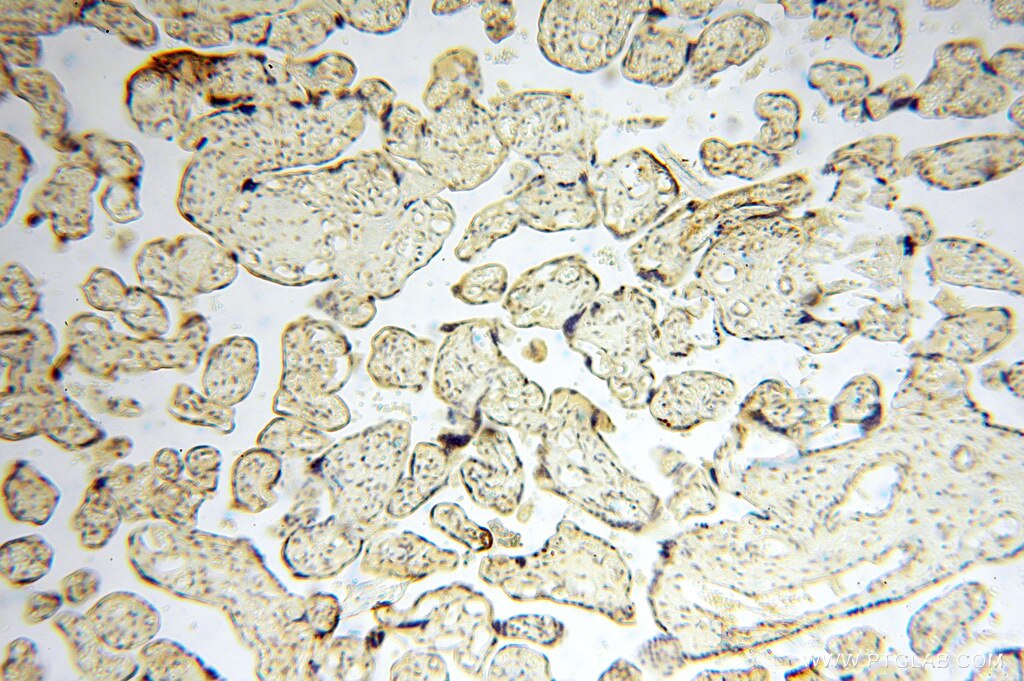
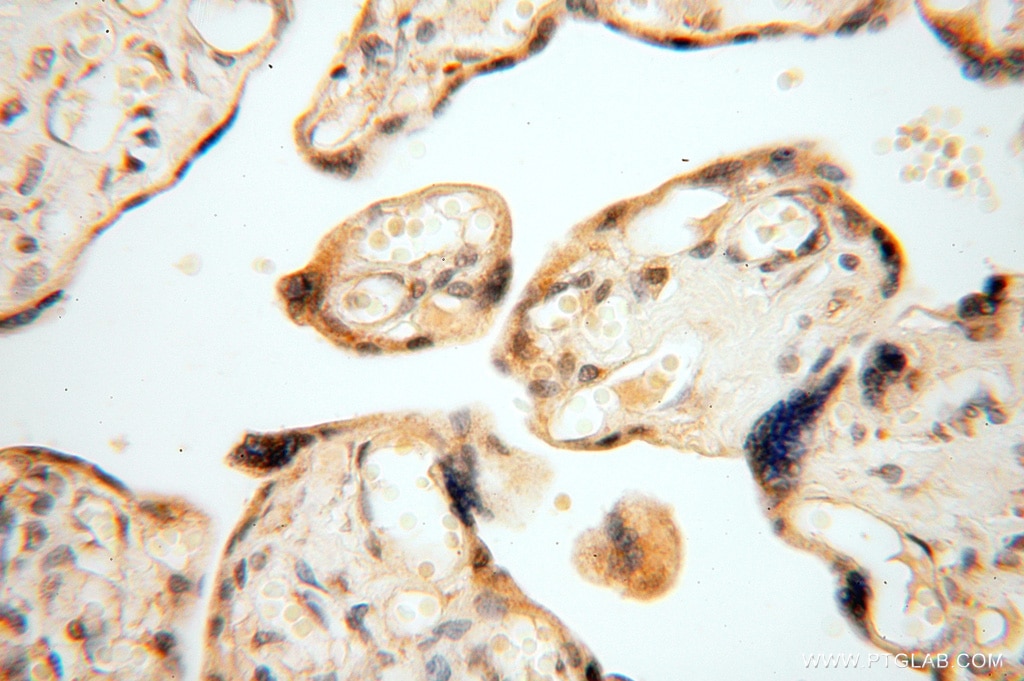
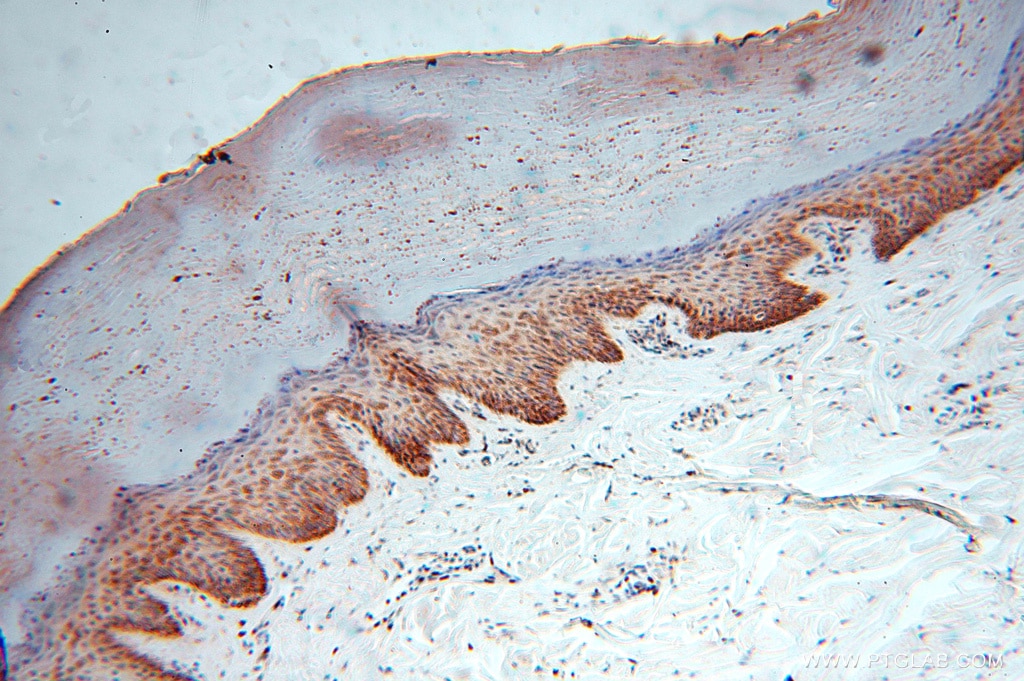
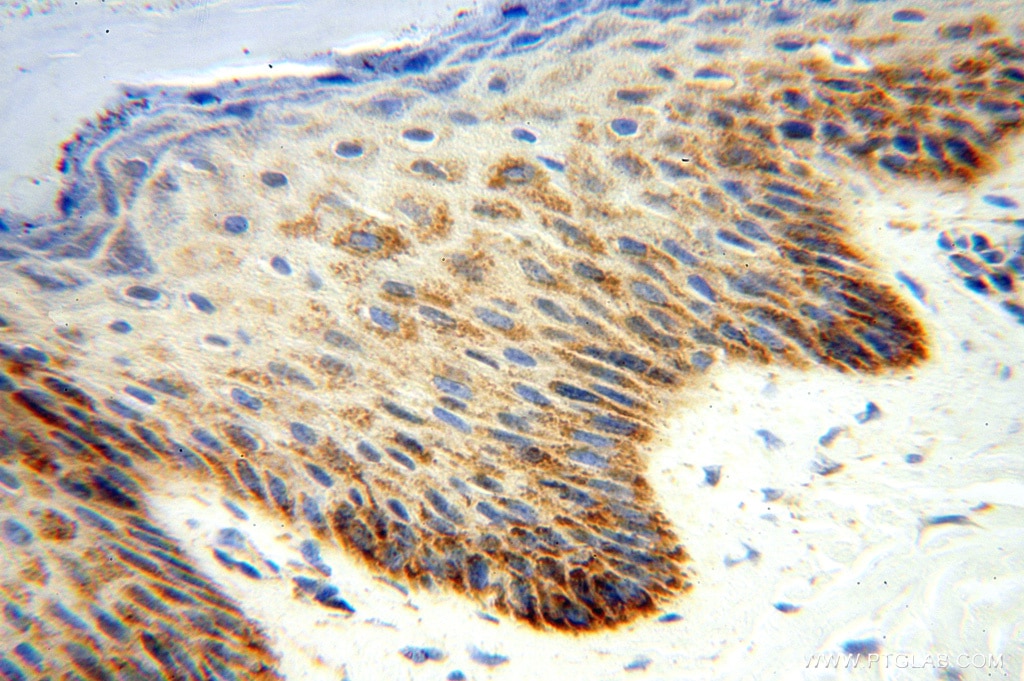
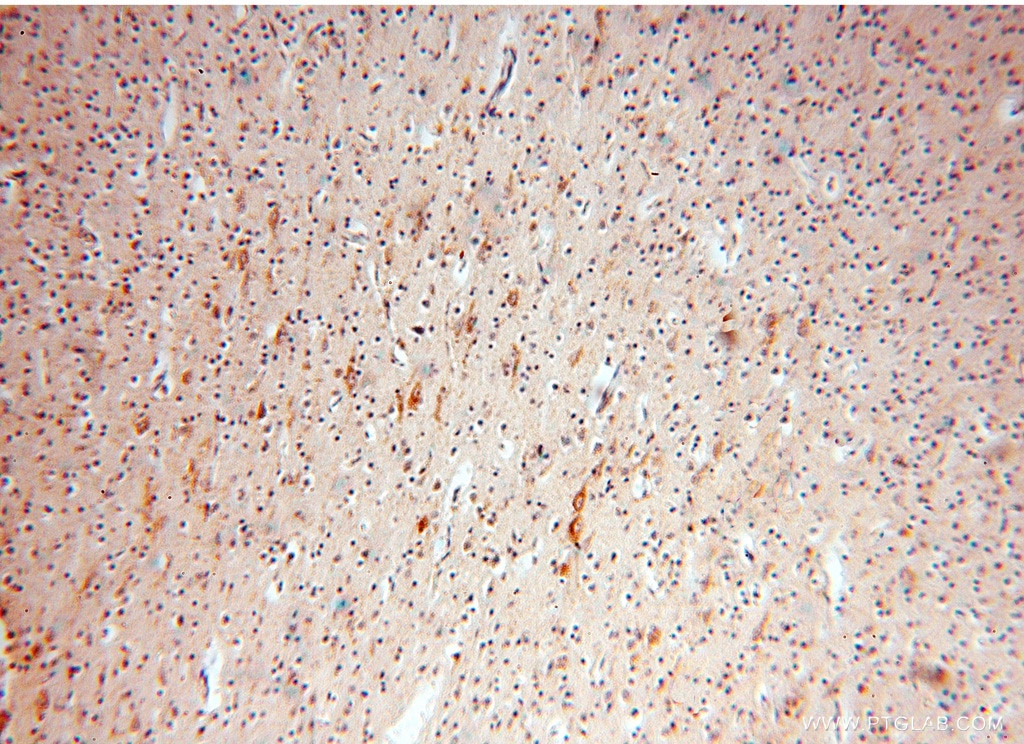
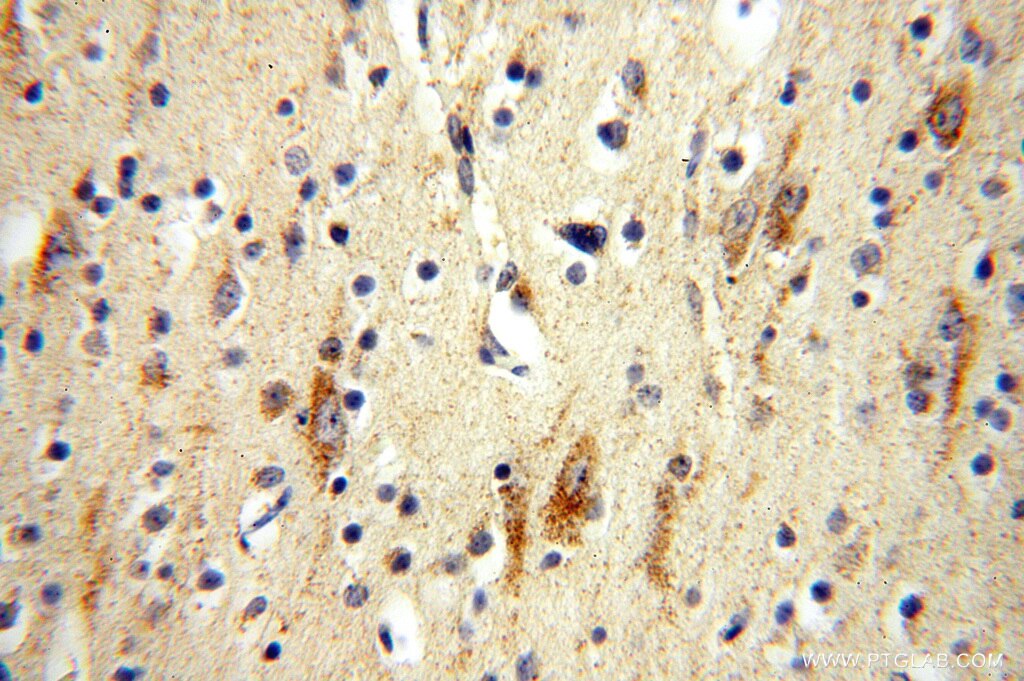
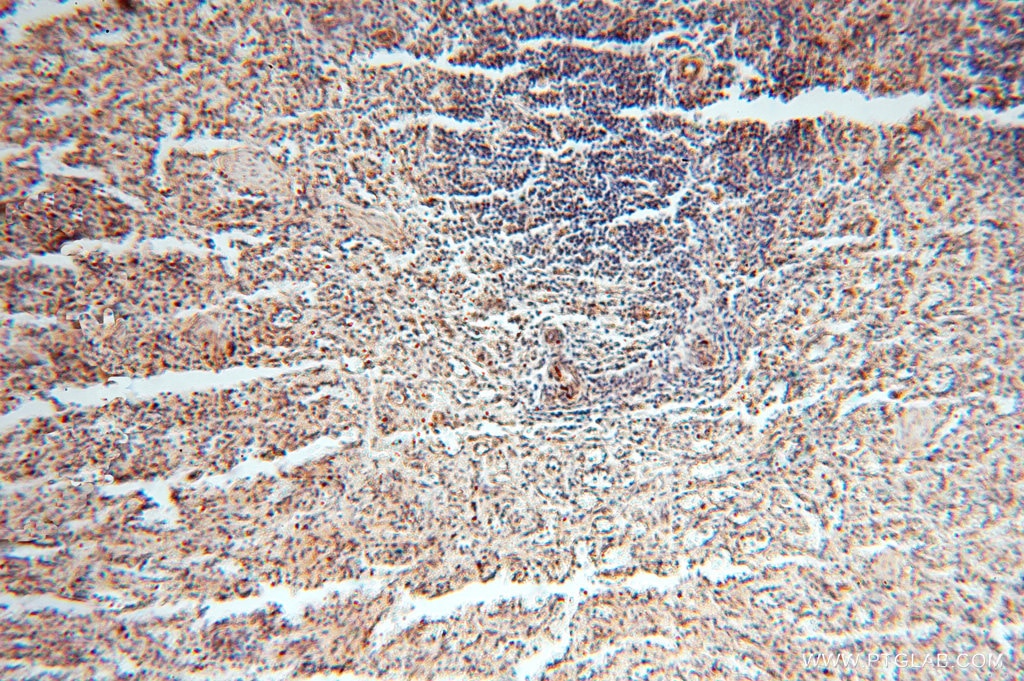
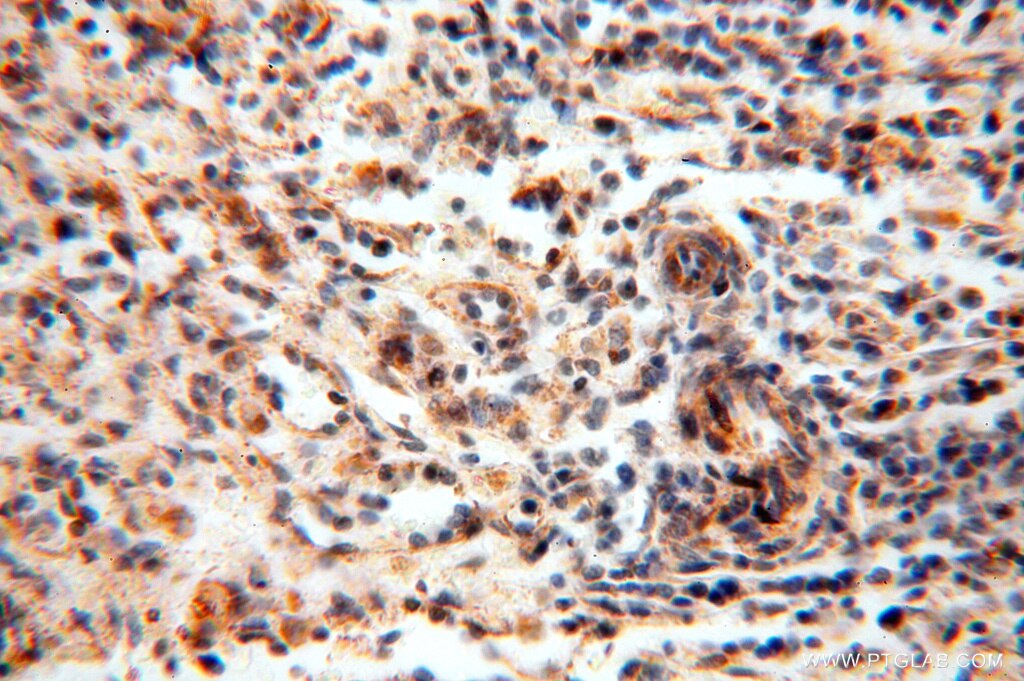
| Positive IHC detected in | human ovary cancer tissue, human kidney tissue, human spleen tissue, human skin tissue, rat stomach tissue, human placenta tissue, human heart tissue, rat heart tissue, mouse stomach tissue, human ovary tissue, human brain tissue, human stomach cancer tissue Note: suggested antigen retrieval with TE buffer pH 9.0; (*) Alternatively, antigen retrieval may be performed with citrate buffer pH 6.0 |
Recommended dilution
| Application | Dilution |
|---|---|
| Western Blot (WB) | WB : 1:500-1:2000 |
| Immunoprecipitation (IP) | IP : 0.5-4.0 ug for 1.0-3.0 mg of total protein lysate |
| Immunohistochemistry (IHC) | IHC : 1:500-1:2000 |
| It is recommended that this reagent should be titrated in each testing system to obtain optimal results. | |
| Sample-dependent, Check data in validation data gallery. | |
Product Information
15589-1-AP targets NDUFB10 in WB, IHC, IP, ELISA applications and shows reactivity with human, mouse, rat samples.
| Tested Reactivity | human, mouse, rat |
| Cited Reactivity | human, mouse |
| Host / Isotype | Rabbit / IgG |
| Class | Polyclonal |
| Type | Antibody |
| Immunogen |
CatNo: Ag7922 Product name: Recombinant human NDUFB10 protein Source: e coli.-derived, PGEX-4T Tag: GST Domain: 1-172 aa of BC005829 Sequence: MPDSWDKDVYPEPPRRTPVQPNPIVYMMKAFDLIVDRPVTLVREFIERQHAKNRYYYYHRQYRRVPDITECKEEDIMCMYEAEMQWKRDYKVDQEIINIMQDRLKACQQREGQNYQQNCIKEVEQFTQVAKAYQDRYQDLGAYSSARKCLAKQRQRMLQERKAAKEAAAATS Predict reactive species |
| Full Name | NADH dehydrogenase (ubiquinone) 1 beta subcomplex, 10, 22kDa |
| Calculated Molecular Weight | 22 kDa |
| Observed Molecular Weight | 22 kDa |
| GenBank Accession Number | BC005829 |
| Gene Symbol | NDUFB10 |
| Gene ID (NCBI) | 4716 |
| RRID | AB_2150790 |
| Conjugate | Unconjugated |
| Form | Liquid |
| Purification Method | Antigen affinity purification |
| UNIPROT ID | O96000 |
| Storage Buffer | PBS with 0.02% sodium azide and 50% glycerol, pH 7.3. |
| Storage Conditions | Store at -20°C. Stable for one year after shipment. Aliquoting is unnecessary for -20oC storage. 20ul sizes contain 0.1% BSA. |
Background Information
NDUFB10(NADH dehydrogenase [ubiquinone] 1 beta subcomplex subunit 10) is also named as PDSW and belongs to the complex I NDUFB10 subunit family. It is an accessory subunit of the mitochondrial membrane respiratory chain NADH dehydrogenase (Complex I), that is believed not to be involved in catalysis. The Complex I functions in the transfer of electrons from NADH to the respiratory chain.
Protocols
| Product Specific Protocols | |
|---|---|
| IHC protocol for NDUFB10 antibody 15589-1-AP | Download protocol |
| IP protocol for NDUFB10 antibody 15589-1-AP | Download protocol |
| WB protocol for NDUFB10 antibody 15589-1-AP | Download protocol |
| Standard Protocols | |
|---|---|
| Click here to view our Standard Protocols |
Publications
What published studies show
The NDUFB10 Polyclonal antibody (Cat# 15589-1-AP) has 10 citations. These appear in journals including Cell Stem Cell, Nature Cell Biology, Molecular Cell, PNAS, Cell Reports, Chinese Journal of Cancer Research, Frontiers in Endocrinology, Aging, Frontiers in Aging Neuroscience, and Brain Pathology. The research fields span stem cell biology, mitochondrial respiration and complex I assembly, aging and thymic dysfunction, neurodegeneration (Parkinson's disease), and lung adenocarcinoma. All cited applications are Western blot in human and mouse samples.
| Species | Application | Title |
|---|---|---|
Cell Stem Cell LIN28 Regulates Stem Cell Metabolism and Conversion to Primed Pluripotency. | ||
Nat Cell Biol LIN28 phosphorylation by MAPK/ERK couples signalling to the post-transcriptional control of pluripotency. | ||
Mol Cell Identification of TMEM126A as OXA1L-interacting protein reveals cotranslational quality control in mitochondria | ||
Cell Rep A Role for Mitochondrial Translation in Promotion of Viability in K-Ras Mutant Cells.
| ||
Chin J Cancer Res Molecular subtypes and prognostic signature rooted in disulfidptosis highlight tumor microenvironment in lung adenocarcinoma. |





























